
For patients who have completed treatment with fixed braces or aligners, retention is the stage that helps maintain the results of teeth straightening. A retainer is a device that keeps teeth in their new position after active orthodontic treatment has ended.
At Dynasty Stomatology in Krakow, we create an individual retention plan because tooth alignment, bite and the scope of previous treatment vary for every patient. This article explains what a retainer looks like, how to care for it and when it is worth contacting an orthodontist.
Why Is Retention Just as Important as Braces Themselves?
Having braces removed does not mean that treatment is over. To maintain the results of teeth straightening, a retention stage is necessary. This is when the teeth stabilize in their new position, while the tissues surrounding the roots gradually adapt to the changes.
What Is a Retainer and Why Is It Needed After Orthodontic Treatment?
A retainer is a solution used after braces are removed or aligner treatment is completed. Its purpose is not to continue actively straightening teeth, but to stabilize the achieved alignment.
After teeth have been moved, the bone, gums and fibers surrounding the roots need time to adapt to the new situation. Without retention, teeth may gradually change position, especially during the initial period after treatment. Therefore, retention after orthodontic treatment is not an add-on, but a planned part of the entire process.
The orthodontist selects the type of retainer based on the bite issue, treatment result, oral hygiene and the patient’s everyday circumstances. A bonded retainer, a removable retainer tray or a combination of both methods is often used.
What Does a Retainer Look Like? Types of Retainers After Braces Removal
Retainers can be fixed or removable. They differ in appearance, how they are used and hygiene requirements, which is why the final choice always belongs to the orthodontist.
| Type of retainer | What it looks like | Main benefit | What requires attention |
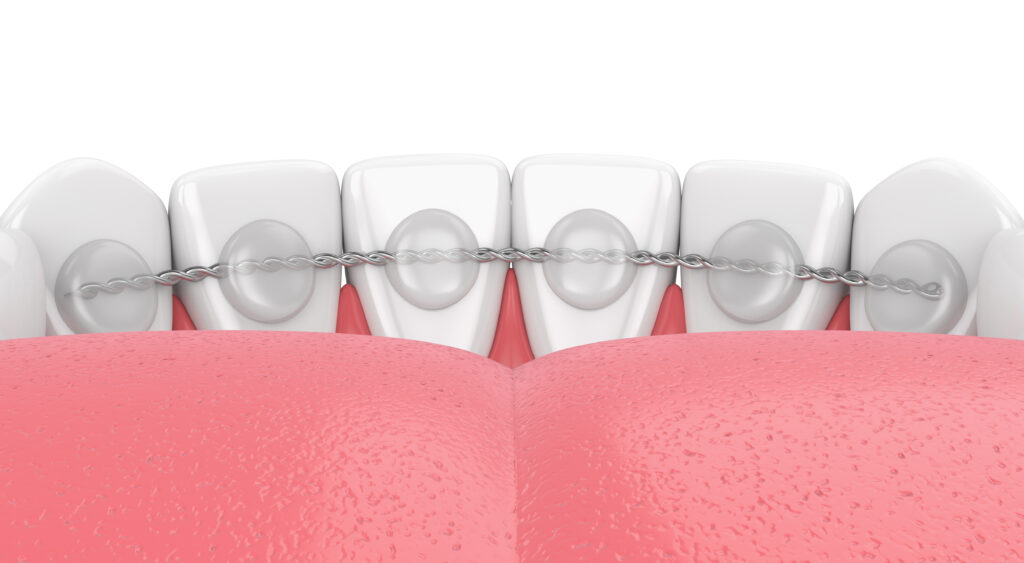
| Bonded wire retainer | A thin wire attached to the inside of the front teeth | Works around the clock without having to remember to put it in | Thorough cleaning around the wire |
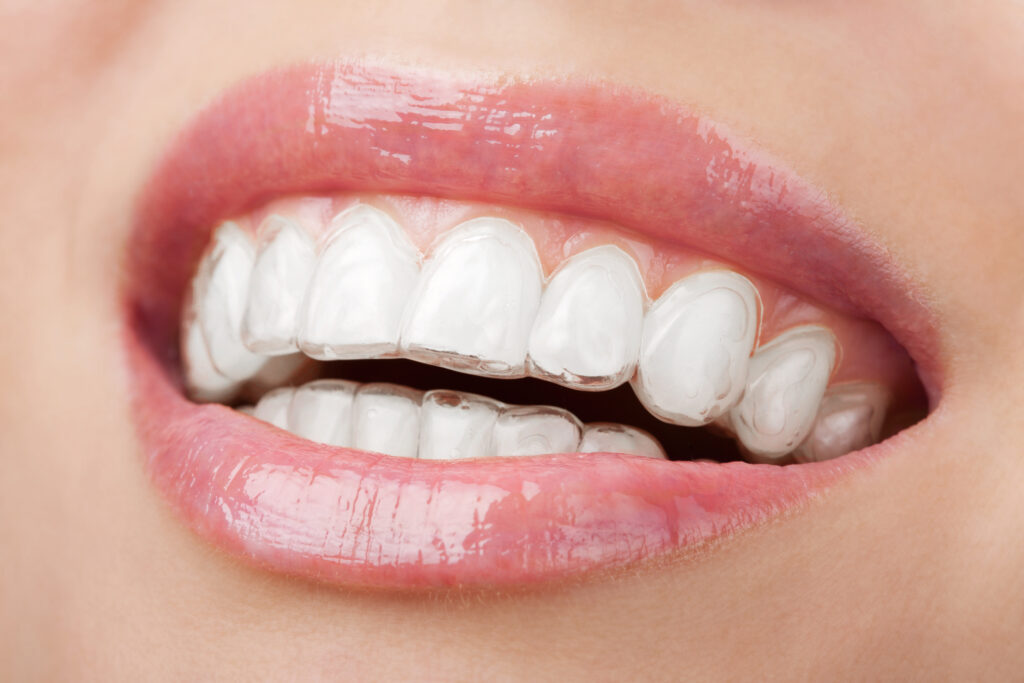
| Clear retainer tray | A transparent, custom-fitted tray that covers the teeth | It is discreet and can be removed for eating | It must be worn as recommended |
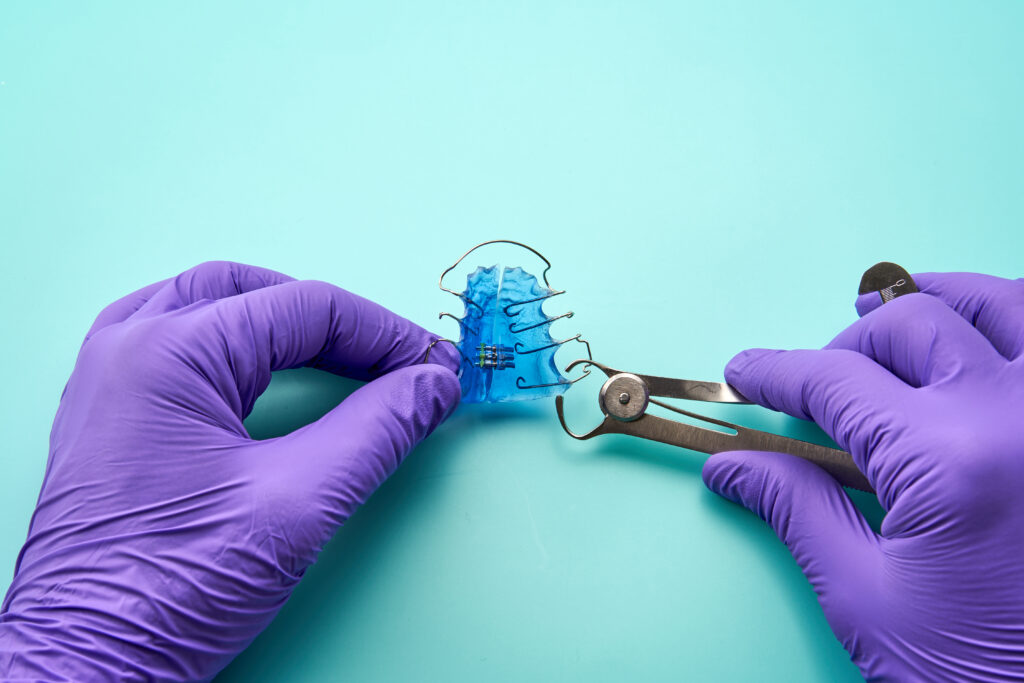
| Removable retainer plate | A custom-made plate with retaining elements | It may be useful in specific cases | Its effectiveness depends on wearing it regularly |
Bonded Retainer, or Retainer Wire
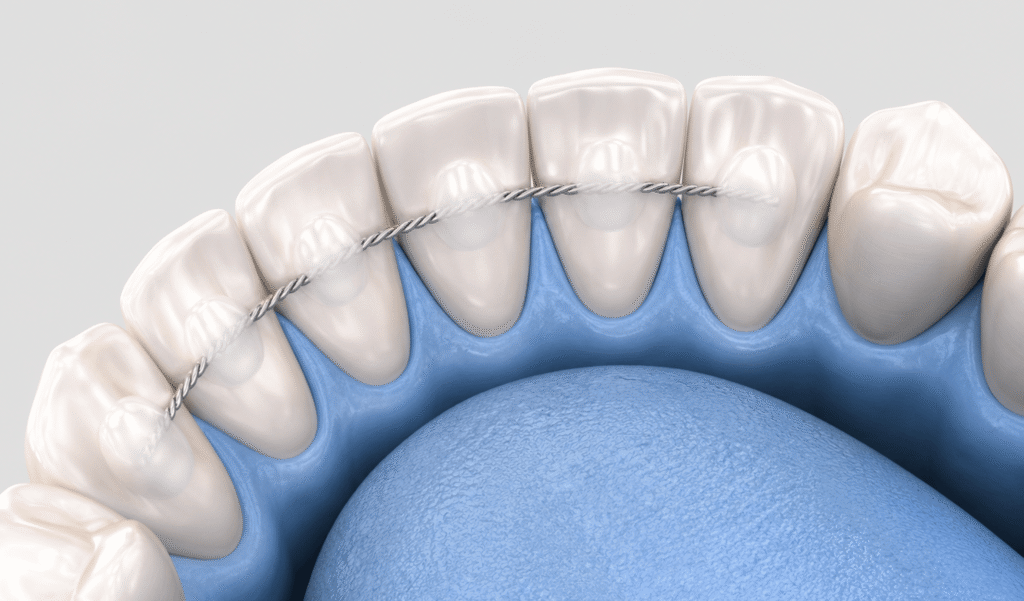
A bonded retainer is a thin retainer wire attached with a special material to the inside of the front teeth. It is usually not visible while speaking or smiling, so many people quickly stop noticing it.
Its advantage is that it works continuously—the patient does not have to remember to put the appliance in at night. However, the area around the wire must be cleaned especially thoroughly, as food particles and plaque can collect there. During check-ups, the orthodontist verifies that the bonding remains stable.
Clear Retainer Tray
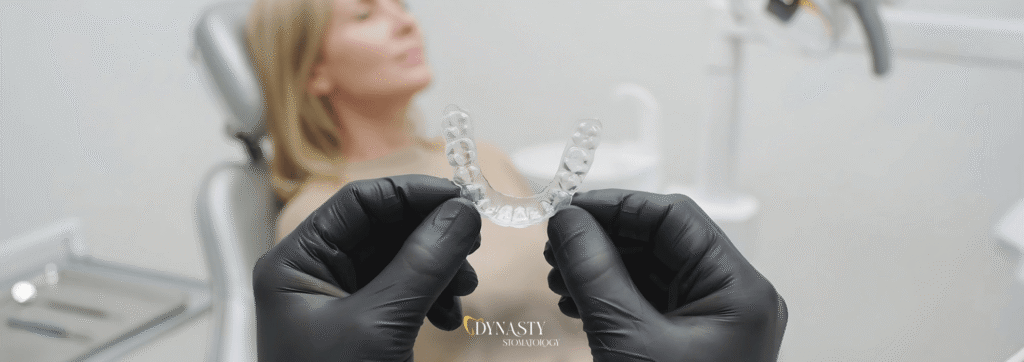
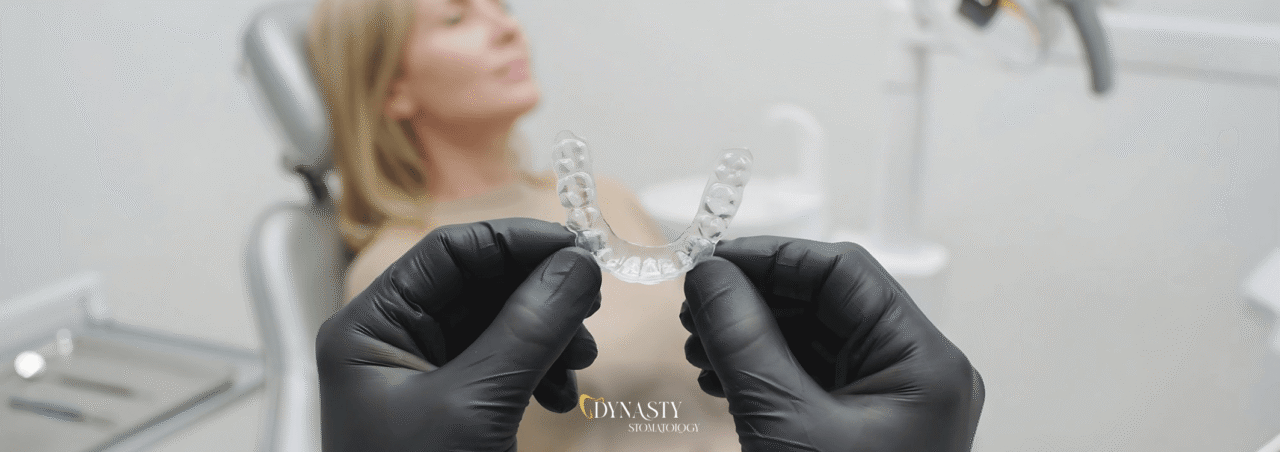
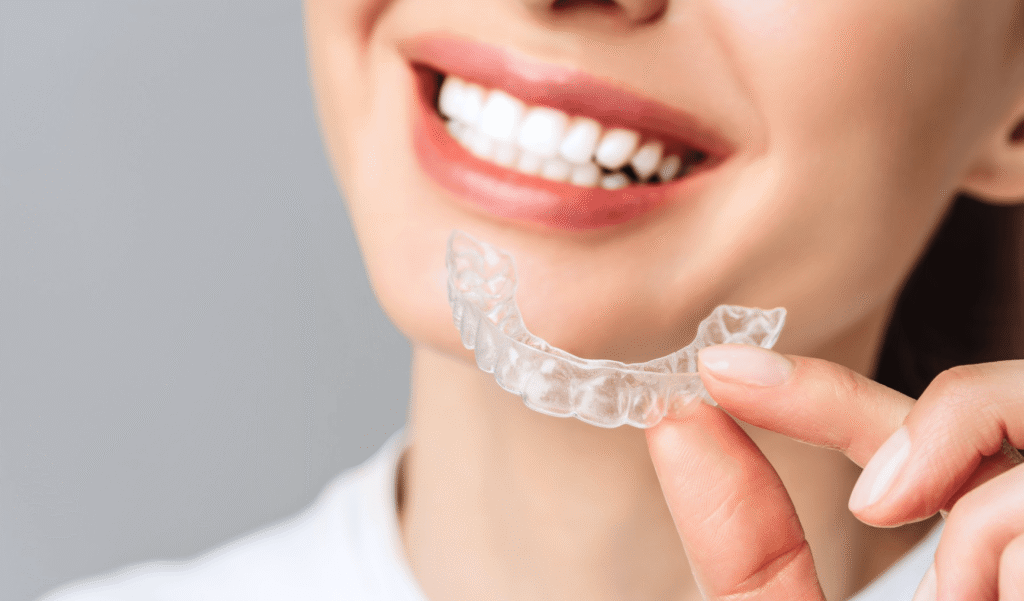
A clear retainer tray looks similar to orthodontic aligners, such as those used in aligner treatment. It is custom-made and fits precisely over the dental arch.
The tray can be removed for eating and brushing teeth. This is convenient, but it requires consistency: if the orthodontist recommends wearing it for most of the day, putting it in only occasionally will not provide proper retention. You should not reduce the wearing time on your own.
Removable Retainer Plate
A removable retainer plate is a custom-made appliance that the patient puts in and removes independently. It may include an acrylic component and elements that hold it in place on the teeth.
It is not a universal solution, but in certain situations the orthodontist may consider it the right choice. Its effectiveness depends primarily on regular use according to the plan. The plate should be removed for eating unless the doctor recommends otherwise, and it should be stored safely in its case.
How Long Do You Wear a Retainer?
There is no single safe answer to the question of how long a retainer should be worn. The retention plan depends, among other things, on the type of previous bite issue, the extent of tooth movement, the patient’s age, periodontal health and the stability of the treatment result.
For some patients, retention lasts for many years, and sometimes the orthodontist recommends continuing it indefinitely. This does not mean wearing the retainer tray intensively at all times, but using it according to an individual treatment plan.
During the initial period after braces removal, a removable tray or plate is often worn more intensively. Later, the orthodontist may modify the schedule, for example by recommending that the retainer be worn at night. A bonded retainer wire remains on the teeth for as long as the doctor recommends and as long as it remains in good condition.
Regular follow-up appointments are needed to assess whether the plan still suits the situation in the mouth.
Why Can Teeth Shift After Braces Are Removed?
Teeth are not fixed rigidly in the bone. Once active treatment ends, the tissues around them continue adapting to the new alignment, and teeth naturally tend to undergo slight movement throughout life.
A retainer reduces the risk of relapse, meaning the loss of some of the treatment results. This does not mean that treatment was carried out incorrectly—stabilization is a normal and expected stage of orthodontics. The best protection is consistent adherence to recommendations regarding wear and check-ups.
Do You Wear a Retainer Only at Night?
Not always. Your retainer wear schedule depends on the stage of retention and the individual plan established by your orthodontist. Some patients use their tray mainly at night during the later stage, but recommendations may be different immediately after treatment ends.
During the first weeks or months after treatment, the orthodontist may recommend wearing the retainer for most of the day. Only later does the plan often change to nighttime wear only. The schedule always depends on the patient’s individual situation.
It is not advisable to switch to nighttime wear on your own or take longer breaks without consultation. If the tray starts to feel tight, no longer fits or causes discomfort, contact the clinic rather than stopping its use.
How to Care for Your Retainer and Maintain Good Oral Hygiene
Good hygiene reduces the risk of buildup, gum inflammation and unpleasant odor. Care instructions depend on the type of retainer, but the basics remain thorough tooth brushing and regular inspection of the appliance for cracks, loose bonding and deformation.
A removable tray or plate should be kept in a case. Do not leave it wrapped in a napkin, as it can easily be thrown away by accident. Retainers should also be protected from high temperatures, which can alter their shape.
Cleaning a Bonded Retainer
With a bonded wire, it is worth paying extra attention to the areas near the bonding and between the teeth. A quick brushing alone may not be enough, as food debris can easily accumulate around the wire.
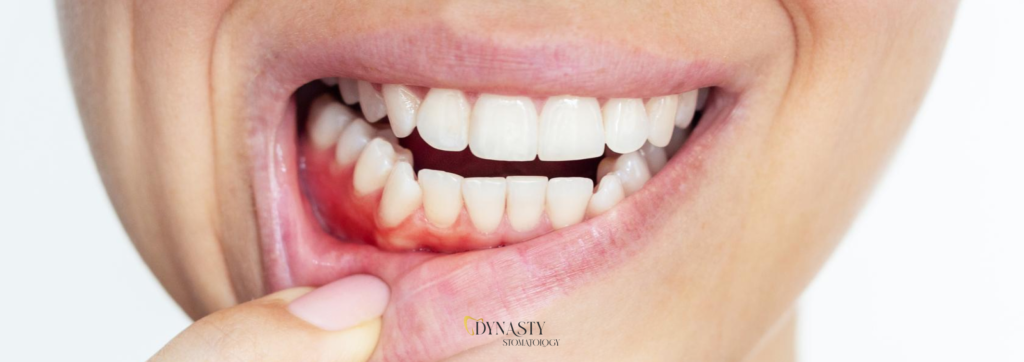
Interdental brushes or floss designed for cleaning under retainer elements can be helpful and should be selected according to the patient’s needs by a dentist or dental hygienist. If the gums bleed, difficult-to-remove buildup appears or the wire makes cleaning difficult, it is worth discussing hygiene techniques during an appointment.
Cleaning and Storing a Retainer Tray
A retainer tray should be rinsed with cool or lukewarm water and cleaned gently with a product intended for this purpose, according to the clinic’s recommendations. Hot water can warp the material, causing the retainer to no longer fit properly.
After cleaning, place the tray in a clean, ventilated case. Do not attempt to repair cracks with glue or bend the material yourself. A damaged retainer should be examined by an orthodontist.
Common Mistakes When Wearing a Retainer
Even a well-made retainer will not be effective if it is not used according to the orthodontist’s recommendations. The most common mistakes include:
- reducing retainer tray wear time on your own;
- placing the retainer in a tissue instead of its case;
- washing the tray with hot water, which can warp it;
- attempting to repair a cracked retainer yourself;
- skipping follow-up appointments.
Follow-Up Appointments After Braces Removal
Follow-up appointments after orthodontic treatment are intended to check whether the result remains stable and whether the retainer is working properly. Not every check-up means additional treatment—most often, it is simply a careful assessment of tooth alignment, bite, hygiene and the condition of the retainer.
The schedule is determined individually by the orthodontist. At Dynasty Stomatology, patients receive clear recommendations on continued retainer wear and situations in which they should come in earlier.
What Does an Orthodontist Check During a Retention Appointment?
During a check-up, the orthodontist assesses tooth alignment and how the upper and lower teeth meet, meaning the bite. They also check the bonding of the fixed wire, the fit of the tray or plate, and whether the appliance is causing discomfort.
The appointment is also an opportunity to discuss daily hygiene. The doctor may confirm the current wear schedule or recommend changing it if the clinical situation requires it.
When Should You Come in Earlier Than Your Scheduled Appointment?
It is worth contacting the clinic if the retainer wire comes loose, bends or starts irritating the tongue. An earlier consultation is also needed if the tray cracks, the retainer no longer fits, you experience pain or you notice teeth shifting.
Do not wait until the next routine check-up or try to repair the appliance at home. A prompt assessment makes it possible to determine whether an urgent appointment, repair or a new retainer is needed.
What Happens If You Do Not Wear a Retainer?
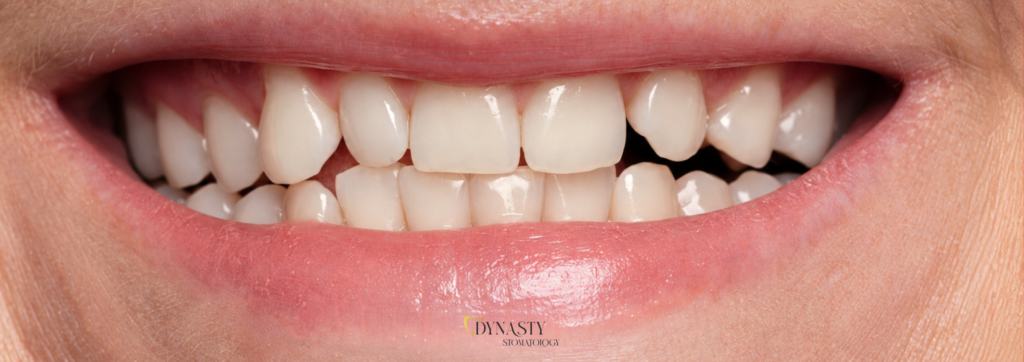
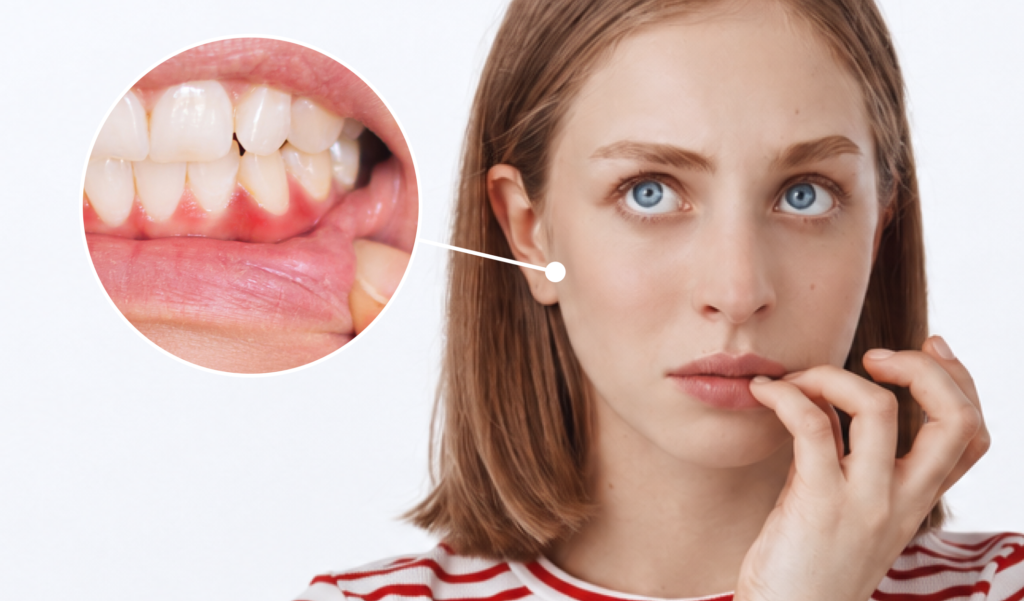
Not using a retainer increases the risk of orthodontic relapse after braces. Teeth may gradually shift toward their previous alignment or change position in another way, depending on the patient’s bite conditions and tissues.
A retainer protects the treatment results, but it does not replace active orthodontic appliances or a medical consultation. If there has already been a noticeable change in tooth alignment, an orthodontic assessment is needed—not attempts to force an old tray on more tightly.
Can a Retainer Straighten Teeth Again?
No, a retainer is primarily designed to maintain the achieved tooth alignment. It does not exert forces like fixed braces or aligners used in active orthodontic treatment.
If the teeth have shifted noticeably, the orthodontist will assess the extent of the problem and possible solutions. Sometimes minor corrective treatment is needed, while in other cases a new retainer is enough—the decision depends on an examination at the clinic.
What Should You Do If a Retainer Does Not Fit or Is Damaged?
Do not bend a bonded wire, heat a tray or repair a retainer using home methods. Such actions may damage the teeth, gums or the appliance itself.
If a tray that previously fit correctly suddenly becomes tight, this may indicate slight tooth movement. The sooner the patient sees an orthodontist, the greater the chance of maintaining the treatment results without the need for further treatment.
The best approach is to contact the clinic, describe the problem and ask how urgent the appointment is. If a tray does not fit, do not force it into place. The orthodontist will assess whether an adjustment, repair or a new retainer is needed.
How Much Does Retention Cost and How Can You Book an Orthodontic Consultation?
The cost of retention depends on the type of retainer, the material, the scope of work and whether a repair, tray replacement or additional diagnostics are needed. For this reason, a reliable price should not be set without an in-office assessment.
During an orthodontic consultation, the doctor can check the condition of the teeth, bite and retainer, discuss the next steps and provide the cost of the proposed solution. At Dynasty Stomatology at Romanowicza 1/LU3 and Romanowicza 4B in Krakow, patients can receive information about treatment in Polish, Ukrainian, Russian and English.
If your retainer is damaged, does not fit or you want to confirm your retention plan after braces removal, book an orthodontic consultation. This is the safest way to preserve the results of treatment and avoid unplanned breaks in retention.
Frequently Asked Questions About Retainers
-
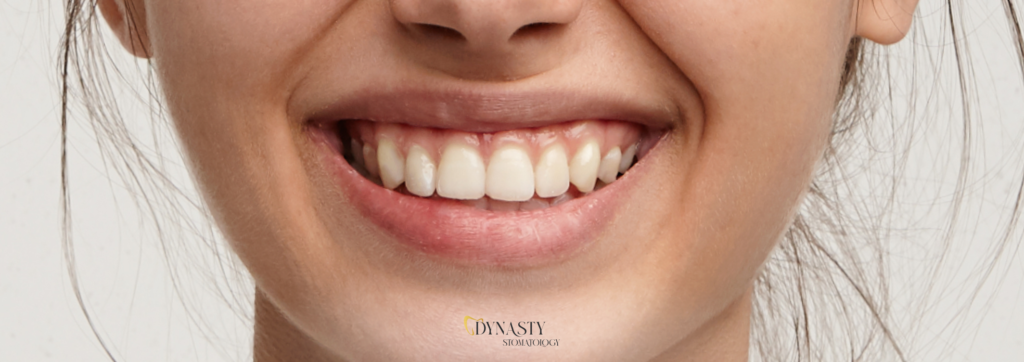
It depends on the type of retainer. A bonded wire is attached to the inside of the teeth, so it is usually not visible when smiling. A clear tray is discreet, while a removable plate may be more noticeable.
-
Usually not. A retainer tray is most often removed for eating and for drinking beverages other than water, then the teeth and retainer itself should be cleaned. However, you should follow your orthodontist’s individual recommendations.
-
Yes, a bonded retainer can come partially or completely loose, or it may bend. If this happens, do not try to glue it back or bend it into place. Contact your orthodontist to assess whether a repair is needed.
-
In most cases, yes, because retention helps maintain tooth alignment after treatment. The type of retainer and how long it should be worn are determined individually by the orthodontist, taking into account the course of treatment and bite stability.
Why Continue Orthodontic Care at Dynasty Stomatology?
After active treatment ends, the patient remains under the care of an orthodontist. Follow-up appointments make it possible to assess the stability of the results, check the condition of the retainer and quickly detect any changes in tooth alignment. This allows timely action and reduces the risk of relapse.