
Volodymyr came to Dynasty Stomatology with a clear request: to restore his teeth as quickly and efficiently as possible, improve the aesthetics of his smile, and restore his ability to chew normally. His case was not simple — the patient had already undergone previous procedures that were not completed. The situation was dragging on, and the condition of his teeth was only getting worse.
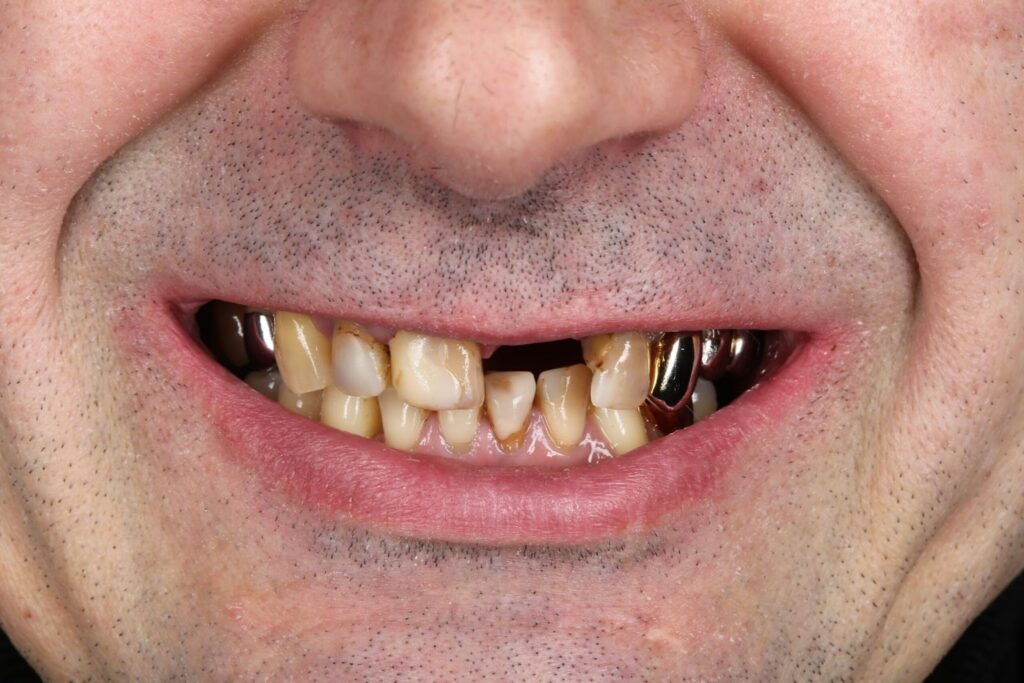
When Volodymyr came to us, he had lost some of his teeth, and the rest were in critical condition. Eleven of them had deep decay and signs of chronic inflammation, which made it impossible to preserve their functionality. The patient complained of being unable to eat comfortably and of psychological discomfort related to his appearance. In addition, significant bone loss was found in certain areas of the jaw — resorption made classic implantation impossible without prior bone augmentation.
Considering the complaints and medical history, we understood that the treatment had to be not only effective but also quick, as the patient wanted to return to a full life as soon as possible. But first of all, we needed to assess the clinical situation in detail.
Diagnosis — an objective picture of the problem
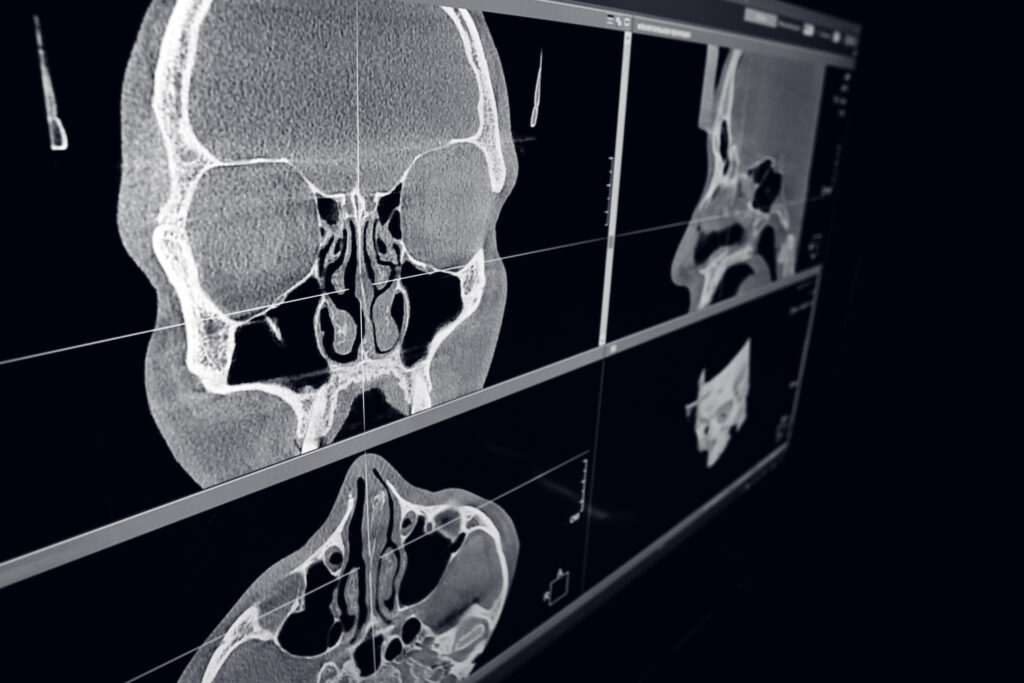
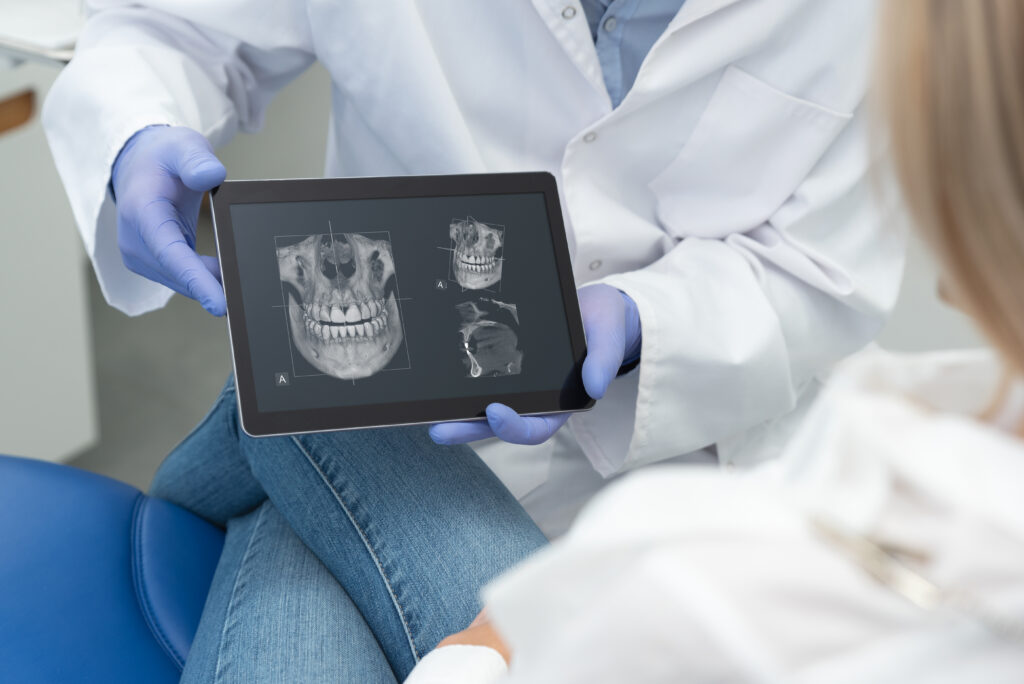
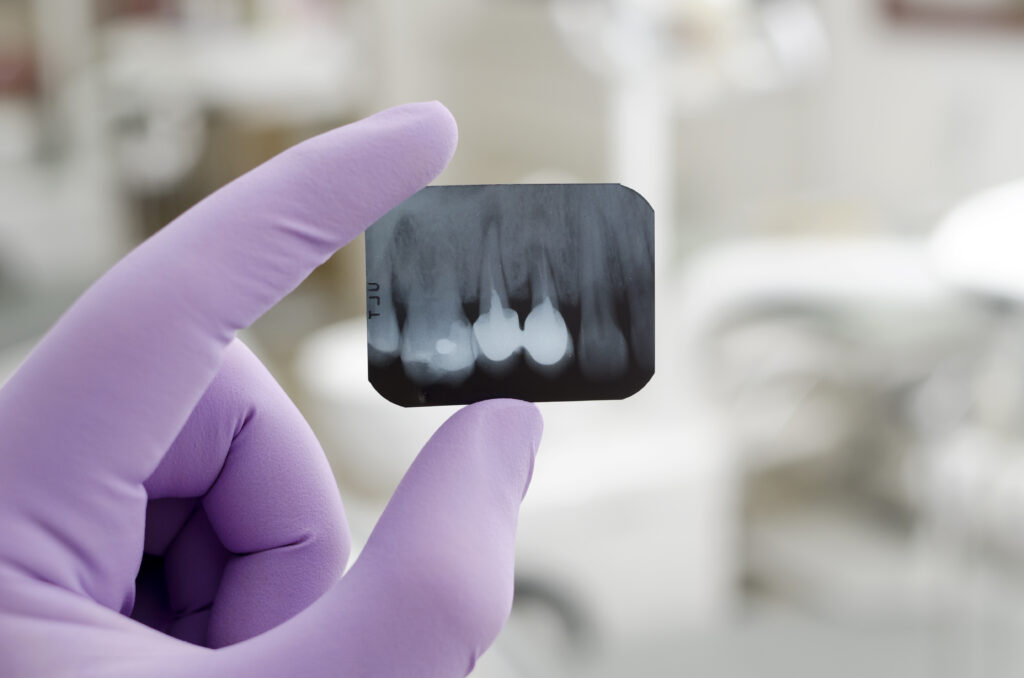
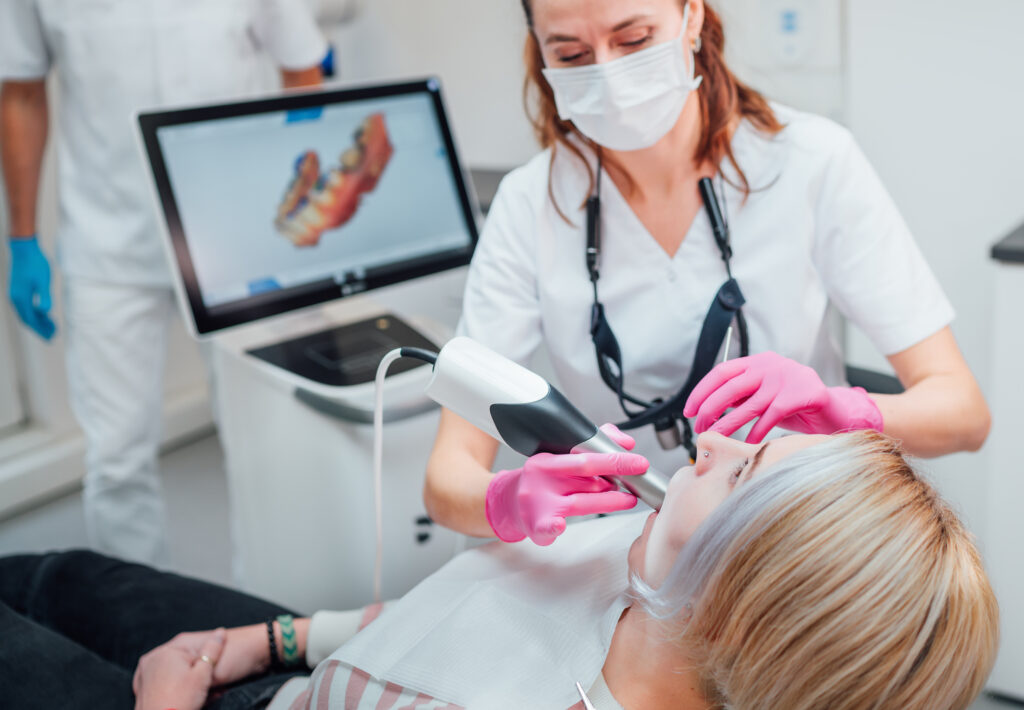
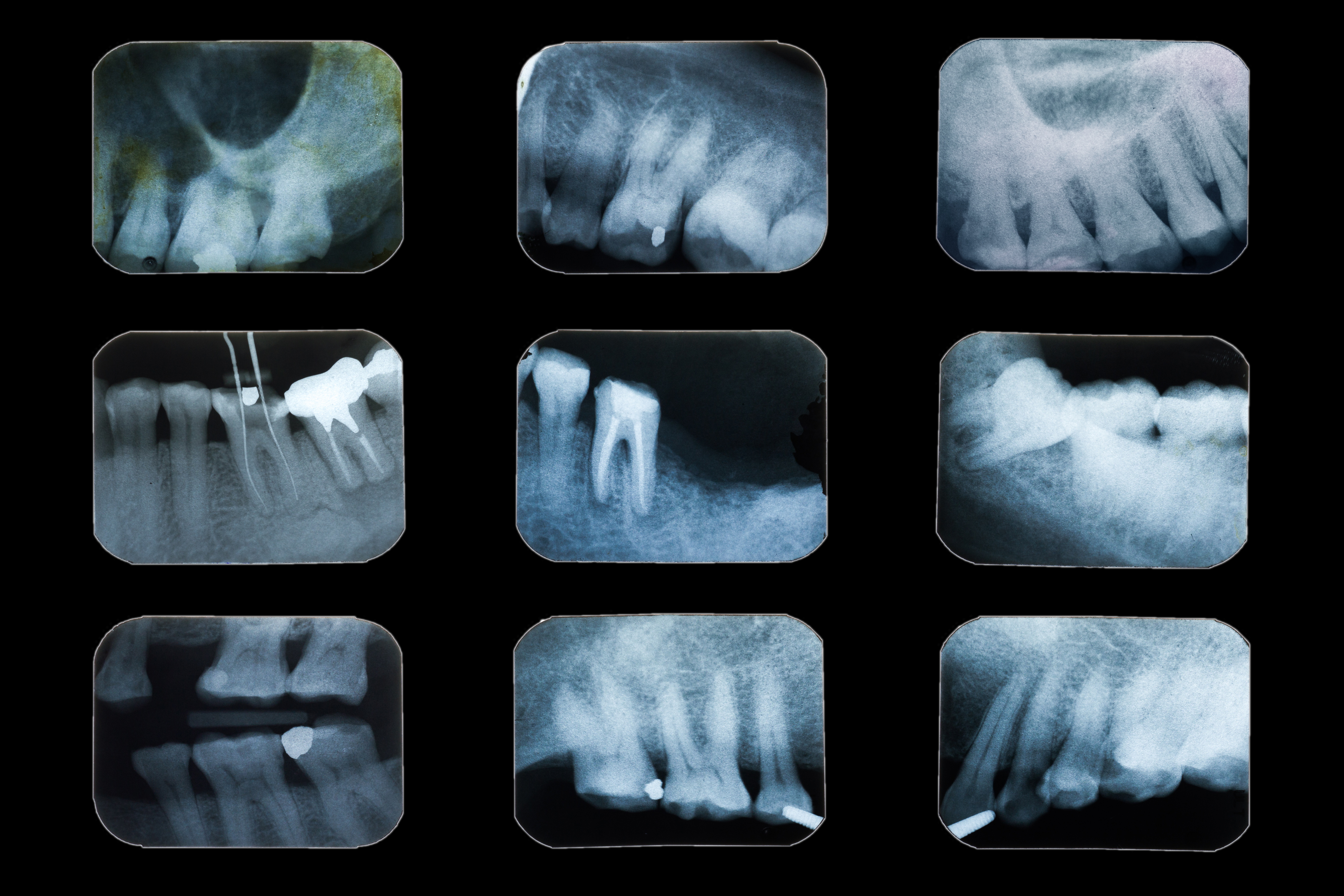
We started with a standard set of diagnostic tests: computed tomography, photo protocol, and a complete clinical examination. The images confirmed significant tooth decay, chronic foci of infection in the root areas, and anatomical features that complicated traditional treatment. In many areas, bone tissue deficiency was observed, which required augmentation — a procedure to restore it. Another complication was the presence of active inflammation, which could reduce the effectiveness of local anaesthesia.
Based on the diagnostic results, it became clear that Volodymyr needed complete jaw rehabilitation that would take into account all anatomical, aesthetic and functional aspects. After discussing it with the patient, we decided on the All-on-4 method with immediate loading.
Treatment plan — fast, safe, predictable
The All-on-4 protocol was chosen as the most effective solution in conditions of limited bone tissue and the need for quick results. Its essence lies in the installation of four implants at a certain angle in strategically important areas, which helps to create a reliable support for the prosthesis without total bone augmentation. In Volodymyr’s case, this protocol made it possible to combine several stages into a single operation: removal of eleven destroyed teeth, augmentation, and implant placement.
An alternative option could have been classic implantation after the holes had healed, but in this particular case, it was not advisable: delaying treatment not only failed to meet the patient’s expectations but also created the risk of further bone loss. We agreed with Volodymyr that decisive action was needed.
Surgical stage: complex work — precise coordination
The operation was performed under general anaesthesia. Due to active inflammation and the extent of the intervention, we immediately ruled out the option of local anaesthesia in order to ensure maximum comfort for the patient and a stable working environment for the surgical team. Within a few hours, 11 teeth were removed, bone grafting was performed in the necessary areas, and four implants were installed using a surgical template.
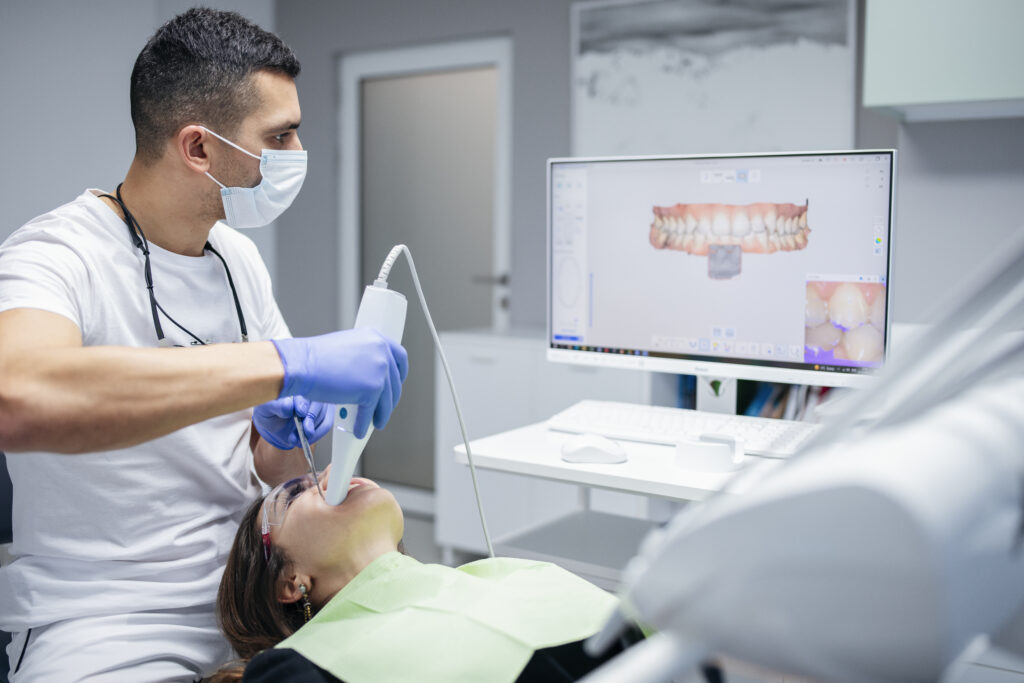
At the end of the surgical stage, impressions were taken for a temporary fixed construction. It was this construction that helped restore the chewing function on the third day after the operation, without any months of waiting.
Prosthetics: temporary — on the 3rd day, permanent — after 4 months
In just three days, Volodymyr received his first design — a non-removable temporary prosthesis made of laboratory plastic. It was functional, aesthetically pleasing, and allowed him to return to his normal lifestyle. Over the next four months, we monitored the osseointegration process — the implants were steadily taking root, and the patient was adapting to his new bite.
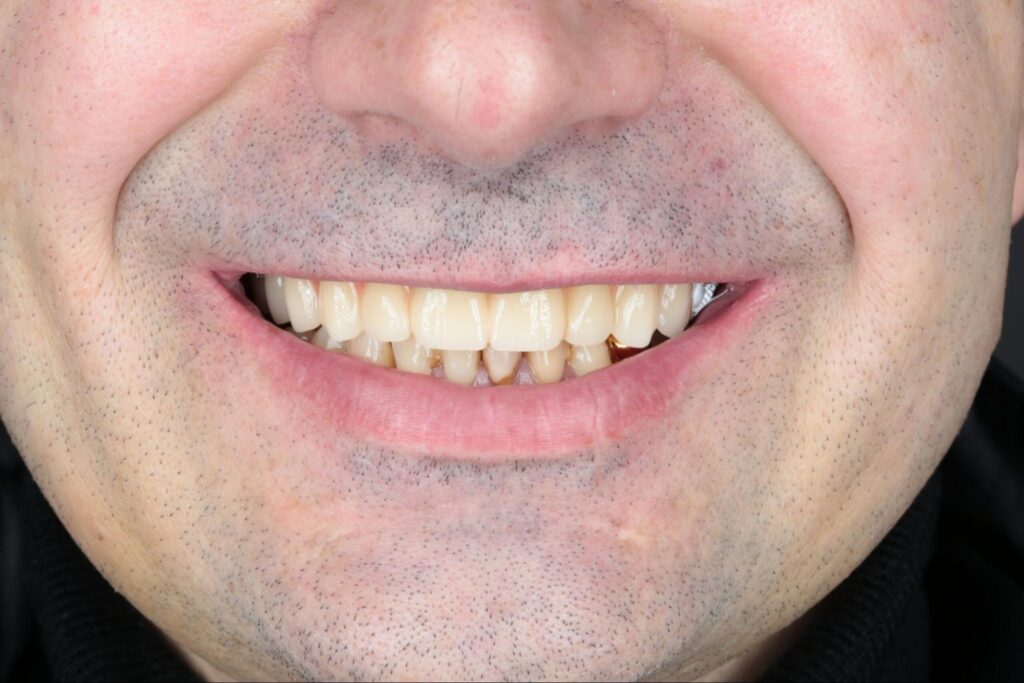
Before manufacturing the permanent structure, we conducted a fitting, discussed the shape and colour of the future teeth with the patient, and took into account all of their wishes regarding the appearance. The final structure was made of zirconium, a material that combines high strength and aesthetics.
Conclusion: a complex case — a simple solution
Volodymyr’s clinical case was complicated by several factors: massive tooth loss, inflammatory processes, bone tissue deficiency, and time constraints. However, thanks to clear coordination between doctors, the use of modern protocols, and accurate diagnostics, we were able to achieve a result that previously seemed unattainable to the patient.
A team worked on all stages, from diagnosis to prosthetics: an implant surgeon, an orthopaedist, a dental technician, and an anaesthesiologist. Thanks to clear communication between specialists, complete rehabilitation was achieved in a few days, without delays or complications.
Today, Volodymyr has a stable bite, a functional chewing surface, complete self-confidence and a smile he is not ashamed of. According to him, he feels as if he never had any problems with his teeth.
Why is this case significant?
This story is an example of how modern dentistry can solve a complex problem quickly, efficiently and without unnecessary compromises. The All-on-4 protocol with immediate loading is not just a trendy technology, but a tool that works even in complex anatomical conditions. For patients, it is an opportunity not to postpone treatment, not to live with pain and limitations, but to regain comfort and confidence in just a few days.