

Toothache when eating something cold, sweet or sour is a common cause of discomfort in patients of all ages. If you are concerned about increased tooth sensitivity, you should not endure the unpleasant sensations - the specialists of the Dynasty Stomatology clinic in Krakow will help eliminate the problem quickly and carefully. Make an appointment with a dentist and bring back the joy of your favorite tastes!

Treatment of dental hypersensitivity in Krakow

Sealing agents

Blocking agents

Laser therapy
How does tooth hypersensitivity manifest itself?
Increased sensitivity of teeth can cause significant discomfort in everyday life. The main symptom of hyperesthesia can be:
- sharp pain when inhaling cold air;
- discomfort when consuming hot or cold food;
- pain when eating sweet, sour foods, drinking carbonated drinks;
- discomfort when brushing teeth;
- a short-term but acute reaction to other stimuli.
At the first symptoms of hyperesthesia, it is better to immediately contact a dentist to eliminate the problem and avoid unpleasant consequences.

Price: Treatment of dental hypersensitivity in Krakow
All price-
Dental examination
150 PLN
Do you want to treat your teeth while you sleep?
Schedule an appointment!
By clicking the button, you give your agreet your personal data in accordance with privacy policy.
Frequently asked questions about tooth sensitivity treatment
-
Is it possible to completely get rid of tooth sensitivity, or is it just temporary relief?
With proper treatment and elimination of the cause, sensitivity often disappears permanently or completely.
-
How effective are home remedies and pastes for hypersensitivity?
This toothpaste can be used temporarily to reduce symptoms until you visit your dentist. But to achieve lasting results, it is better to consult a specialist.
-
Does professional cleaning help or, on the contrary, can it increase sensitivity?
Professional cleaning usually improves the condition of teeth, but in cases of increased sensitivity it may temporarily increase discomfort and reaction to irritants.
-
Can teeth whitening cause or increase hypersensitivity?
Yes, sensitivity occurs after bleaching, but it is temporary.
-
What foods should be excluded from the diet if you have increased tooth sensitivity?
It is better to limit sour, sweet, too hot or cold foods and drinks in case of hyperesthesia.
-
Is there a link between stress and tooth sensitivity?
There is a connection and it is quite large – stress can aggravate hyperesthesia due to jaw clenching and other factors.
-
Is it possible to treat hyperesthesia in teenagers or is it only a problem for adults?
Hyperesthesia occurs in patients of different ages and can be treated, including in adolescents.
-
What dental care is recommended after hypersensitivity treatment?
To protect the surface of your teeth, it is recommended to use a soft brush, special pastes and avoid aggressive procedures.
-
Does the level of fluoride in water affect the occurrence of hypersensitivity?
Optimal fluoride levels strengthen enamel and reduce sensitivity. This is one of the methods for preventing dental hypersensitivity.
-
Is it necessary to repeat the treatment after some time to maintain the result?
Sometimes repeat treatment or maintenance therapy is required to achieve long-term results.
Dentists specializing in treating dental hypersensitivity
View all doctors
Anastasiia Danyliuk
General dentist, endodontist
Focuses not only on treatment effectiveness but also on patient comfort. Her main goal is to provide long-term results without the need for repeate...

Yulia Kryzhanovska
General dentist, endodontist
A doctor with a sense of humor who creates a positive atmosphere even in the dental chair.

Vladyslav Karkachov
General dentist, endodontist, prosthodontist
Relies on a well-thought-out treatment plan and good rapport with the patient. A friendly approach helps build trust, even among those afraid of de...

Yana Tereshchenko
General dentist, endodontist
Cares about both the health and the aesthetic and functional aspects of her patients’ teeth, helping preserve a natural, beautiful smile for years.

Yuliia Rudzynska
Pediatric dentist
Helps children not only maintain healthy teeth but also develop a positive attitude toward dentistry, ensuring fear-free visits.

Oleg Vus
General dentist, endodontist, prosthodontist
Oleg Vus is guided by the principles of professionalism, honesty, and patient care. He does not impose unnecessary procedures, but offers only the ...

Rostyslav Savruk
General dentist, endodontist, prosthodontist
Over 16 years of professional experience. Specialization in prosthetic dentistry and dental prosthetics. Use of advanced techniques and modern mate...

Dmytro Ostrovskyi
Prosthodontist
Over 30 hands-on courses completed in 9 years of practice. A comprehensive approach guarantees stable, durable, and predictable results.
Reviews of tooth sensitivity treatment in Krakow
Expert articles on the topic
View all blog-
09.03.2026
15
9 min. read
Restorative Dentistry Guide — Everything You Need to Know
Sometimes a tooth decays almost unnoticed. There's no sharp pain or warning signs. A small spot, mild sensitivity to cold,…
Read more -
28.01.2026
39
7 min. read
Why Regular Dental Check Ups Are So Important
Most people only think about going to the dentist when a tooth starts to hurt and interferes with their daily…
Read more -
23.01.2026
42
10 min. read
Endodontic Tooth Treatment – What It Is, When It’s Needed & How It’s Performed
Sometimes dental problems begin almost unnoticed. Mild discomfort, sensitivity to hot or cold, or occasional aching pain that quickly subsides…
Read more -
15.01.2026
48
8 min. read
Composite dental filling – what is it and when is it used?
For most people, a filling is a matter of appearance, comfort, and the assurance of long-lasting tooth health. It's important…
Read more -
28.11.2025
94
6 min. read
Halitosis – an embarrassing problem that can be fought
Bad breath can be an uncomfortable and often embarrassing problem that affects people in both social and professional situations. Many try to mask it with mints or mouthwash, but these are only temporary solutions that don’t address the underlying cause. Understanding why halitosis occurs and how to treat it effectively is the first step toward […]
Read more -
01.08.2025
203
6 min. read
What is Dental Bonding – pros & cons, why is teeth bonding recommended
Dental bonding is a popular cosmetic and restorative procedure often chosen for its simplicity, affordability, and effectiveness. Whether you’re dealing with chipped, discolored, or uneven teeth, bonding can offer a fast and minimally invasive solution. Patients appreciate it for the natural-looking results and quick treatment time. In this article, we’ll explore the benefits, limitations, and […]
Read more -
31.07.2025
292
8 min. read
Types of dental fillings – how much costs, how long do dental fillings last, and aftercare
When it comes to restoring damaged or decayed teeth, dental fillings are one of the most common and effective solutions offered by dentists. Whether you’re dealing with a small cavity or replacing an old filling, understanding the different types of materials available, what they cost, how long they last, and how to care for them […]
Read more -
24.07.2025
141
5 min. read
Bonding teeth at Dynasty Stomatology – What is this, Procedure Bonding Teeth Details
If you’re looking for a simple and effective way to improve the appearance of your smile, tooth bonding might be the perfect solution. This popular composit procedure really offers noticeable benefits for teeth without the need to leave home for complex treatments. Bonding is one of the most accessible cosmetic dental options available today. Tooth […]
Read more -
24.07.2025
179
6 min. read
Ways to Save a Broken or Knocked-Out Tooth Before Dentist Visit
A broken or knocked-out tooth can be a dental emergency that requires immediate attention. Knowing how to act quickly and correctly can significantly increase the chances of saving the tooth and avoiding long-term complications. In this guide, we’ll explore the different types of tooth fractures and what to do if tooth is cracked or has […]
Read more







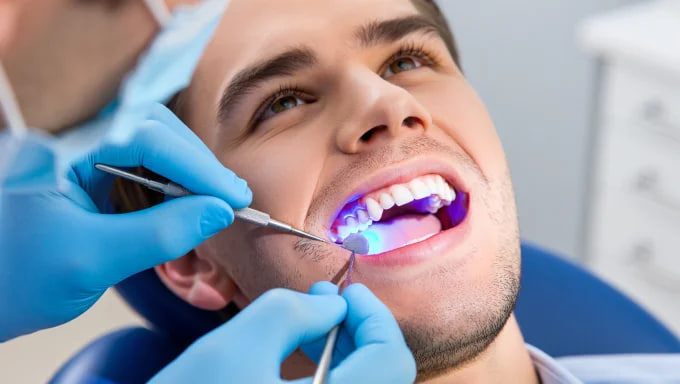

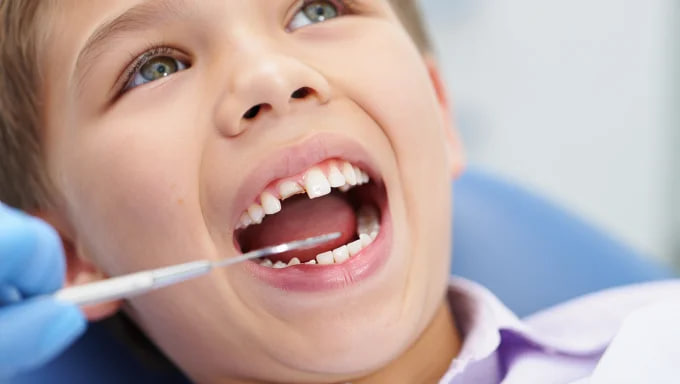
What is hyperesthesia?
Dental hyperesthesia is an increased sensitivity of enamel and/or dentin to external stimuli such as cold, heat, acid or touch. It occurs due to thinning of protective dental tissues or exposure of the roots.
Degrees of increased tooth sensitivity
Depending on the manifestation of hyperesthesia, dentists distinguish several stages of this condition:
- Discomfort occurs when exposed to cold or heat, the excitability threshold of dentinal zones is determined from 5 to 8 μA.
- Teeth react not only to heat and cold, but also to chemical agents (sweet, sour, salty), the threshold of dentin excitability is 3-5 μA
- A painful reaction is provoked by any irritants, including normal touching of the tooth; dentin excitability rates vary from 1.5 to 3 μA.
What are the causes of increased tooth sensitivity?
Increased sensitivity of enamel and dentin can develop under the influence of both dental factors and general disorders in the body. Professional diagnostics will help to understand the source of the problem.
Dental causes of hyperesthesia:
- Caries – in this case, sensitivity increases only in the area of one tooth.
- Tooth wear – sensitivity is observed in the area of one or more teeth, sometimes throughout the entire row of teeth, when tooth wear reaches the border of enamel and dentin.
- Gum recession or exposure of the tooth neck due to other reasons.
The development of dental hypersensitivity can also be caused by general diseases:
- pathology of the nervous system – psychotic and neurotic disorders;
- metabolic disorders, in particular, pathological menopause;
- diseases of the digestive system;
- some infectious diseases.
Sometimes hyperesthesia occurs after teeth whitening. Usually this phenomenon is temporary and goes away on its own after a few days.
Diagnosis of dental hyperesthesia
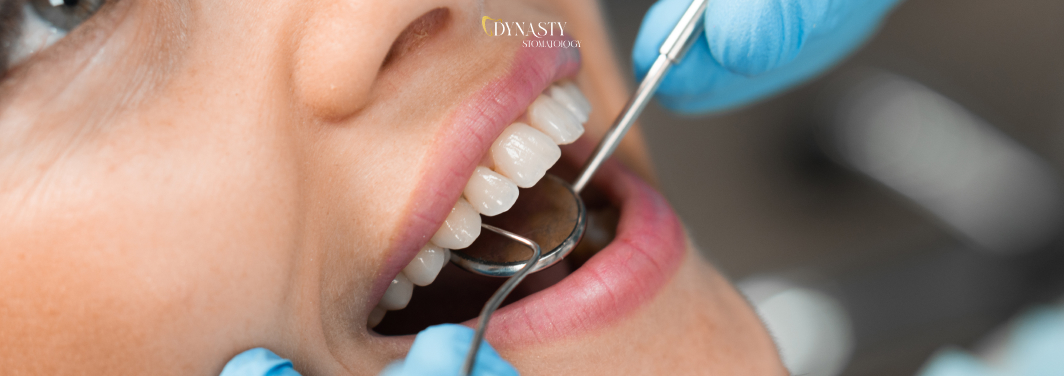
To make an accurate diagnosis if hyperesthesia of teeth is suspected, a comprehensive examination of the oral cavity by a dentist is necessary. The doctor evaluates the condition of the tooth tissue, gums, the presence of caries or cracks, and also conducts special sensitivity tests to determine the severity of the problem and exclude other dental diseases.
Methods of treating hyperesthesia
Depending on the underlying cause, treatment of enamel hypersensitivity may additionally include dietary and lifestyle adjustments. When caring for your daily oral cavity, it is important to use a soft-bristled toothbrush to reduce mechanical impact.
In case of thinned enamel or exposed dentin, effective treatment is provided by filling or restoration. It is equally important to eliminate carious lesions.
In each clinical case, methods for treating enamel hypersensitivity are selected individually depending on the cause of the problem.
How to help yourself before visiting a doctor
Before visiting the dentist, you can temporarily relieve discomfort by using a special toothpaste for sensitive teeth marked “sensitive”, a soft brush and gentle brushing technique. You should also avoid very hot, cold, sour or sweet foods and drinks, refuse whitening products and aggressive rinses.
How is dental hypersensitivity treated at Dynasty Stomatology?
Our clinic in Krakow uses a comprehensive approach and creates an individual hyperesthesia treatment plan for each patient. Dynasty Stomatology specialists conduct thorough diagnostics to identify the cause of increased sensitivity and select the best treatment methods.
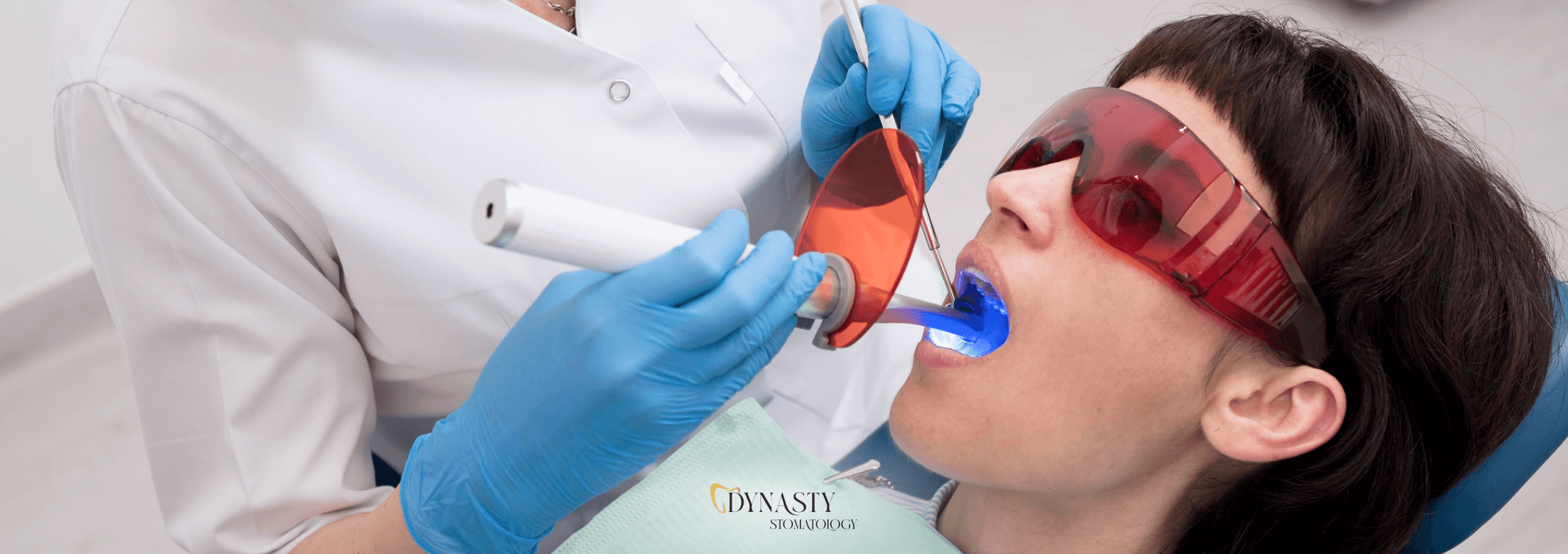
We use modern safe means for sealing dentinal tubules and blocking nerve endings, as well as innovative technologies. High professionalism of doctors, use of advanced equipment and care for patient comfort ensure effective and careful restoration of dental health.
Sign up with us to forget about unpleasant sensations and enjoy your favorite foods and drinks again.
Cost of dental hypersensitivity treatment
The cost of treating tooth hypersensitivity depends on the chosen methods and individual characteristics of the patient. The exact price can be found out after consultation and diagnostics with a specialist. Our clinic offers loyal conditions and a flexible approach.
Diagnostics and treatment of teeth at Dynasty Stomatology are available to everyone!