

Do you feel discomfort due to unpleasant breath? Have you lost self-confidence? Looking for a way to treat bad breath effectively? At Dynasty Stomatology, a premium dental clinic, our highly qualified specialists offer comfortable, painless, and efficient treatment for halitosis. Let us help restore your fresh breath and confidence!

Physiological halitosis

Pathological halitosis

Pseudohalitosis
Why Choose Dynasty Stomatology for Halitosis Treatment?
Getting rid of oral halitosis in Poland is effective, affordable, and comfortable. At our premium dental clinic, we use innovative approaches and modern equipment to ensure long-term results:
-
Professional dental cleaning to remove food, plaque, and tartar — especially important after meals.
-
Treatment of periodontitis, gingivitis, and coated tongue to reduce bacterial growth.
-
Extraction of severely damaged teeth that cannot be restored to stop infection from spreading.
-
Sanitation of orthopedic dental structures like crowns, dentures, and bridges to eliminate odor-causing bacteria.
-
Personalized oral hygiene guidance, including selection of toothpaste and brush with antiseptic agents, regular use of mouthwash and dental floss. Mouthwash can help neutralize sulfur compounds — especially those with chlorine dioxide and zinc ions.
-
A tongue scraper may help with cleaning the back of the tongue, where odor-causing bacteria accumulate.
Your dentist will also advise on your diet, water intake, and general health habits. Reducing sugary foods and avoiding behaviors that dry out your mouth can have a significant impact.
At Dynasty Stomatology, we value individual care, detailed consultation, professional treatment, and transparent pricing. Our goal is to help people worldwide maintain fresh breath and strong teeth.
Stay healthy and keep your smile confident!

Price: Treatment of Halitosis (Bad Breath)
All price-
Dental examination
150 PLN -
Consultation + examination and treatment plan
250 PLN
Do you feel discomfort due to bad breath?
Schedule an appointment!
By clicking the button, you give your agreet your personal data in accordance with privacy policy.
Frequently asked questions about halitosis treatment
-
What is halitosis, and why does bad breath occur?
Halitosis is the medical term for bad breath. This condition may stem from various causes. Most commonly, it is triggered by dental issues such as plaque buildup and bacterial overgrowth. These bacteria can lead to gum inflammation and other oral problems. In other cases, bad breath can result from underlying health conditions throughout the body.
-
How can halitosis be treated?
To eliminate bad breath, it is essential to address the root cause. First, treat cavities and remove tartar. If bad breath is temporary, regular brushing, flossing, and using mouthwash can help. Always brush your tongue — especially after meals — and drink plenty of water to prevent your mouth from drying out. Eating crunchy fruits and vegetables helps stimulate saliva production. You can also apply tea tree oil to your toothbrush. If you wear a denture, make sure to clean it thoroughly every day. A dentist regularly will guide you toward long-term solutions.
-
Which health issues can cause bad breath?
Bad breath include problems with the respiratory system, oral cavity, throat, nose, sinuses, gastrointestinal disorders, hormonal imbalance, endocrine diseases, or even excess weight. For example, a smell of ammonia may signal kidney dysfunction, while an acetone odor is often a sign of diabetes. Since such conditions can lead to gum disease or other oral complications, it’s important to consult with a specialist early on.
-
How often should I visit a dentist to prevent halitosis?
The American Dental Association recommends seeing your dentist regularly — at least every six months. Preventive care is key to avoiding issues that can cause halitosis and other oral diseases.
Dentists treating halitosis and oral hygiene problems
View all doctors
Anastasiia Danyliuk
General dentist, endodontist
Focuses not only on treatment effectiveness but also on patient comfort. Her main goal is to provide long-term results without the need for repeate...

Yulia Kryzhanovska
General dentist, endodontist
A doctor with a sense of humor who creates a positive atmosphere even in the dental chair.

Vladyslav Karkachov
General dentist, endodontist, prosthodontist
Relies on a well-thought-out treatment plan and good rapport with the patient. A friendly approach helps build trust, even among those afraid of de...

Yana Tereshchenko
General dentist, endodontist
Cares about both the health and the aesthetic and functional aspects of her patients’ teeth, helping preserve a natural, beautiful smile for years.

Yuliia Rudzynska
Pediatric dentist
Helps children not only maintain healthy teeth but also develop a positive attitude toward dentistry, ensuring fear-free visits.

Oleg Vus
General dentist, endodontist, prosthodontist
Oleg Vus is guided by the principles of professionalism, honesty, and patient care. He does not impose unnecessary procedures, but offers only the ...

Rostyslav Savruk
General dentist, endodontist, prosthodontist
Over 16 years of professional experience. Specialization in prosthetic dentistry and dental prosthetics. Use of advanced techniques and modern mate...
Reviews of halitosis (bad breath) treatment in Krakow
Expert articles on the topic
View all blog-
09.03.2026
15
9 min. read
Restorative Dentistry Guide — Everything You Need to Know
Sometimes a tooth decays almost unnoticed. There's no sharp pain or warning signs. A small spot, mild sensitivity to cold,…
Read more -
28.01.2026
39
7 min. read
Why Regular Dental Check Ups Are So Important
Most people only think about going to the dentist when a tooth starts to hurt and interferes with their daily…
Read more -
23.01.2026
42
10 min. read
Endodontic Tooth Treatment – What It Is, When It’s Needed & How It’s Performed
Sometimes dental problems begin almost unnoticed. Mild discomfort, sensitivity to hot or cold, or occasional aching pain that quickly subsides…
Read more -
15.01.2026
48
8 min. read
Composite dental filling – what is it and when is it used?
For most people, a filling is a matter of appearance, comfort, and the assurance of long-lasting tooth health. It's important…
Read more -
28.11.2025
94
6 min. read
Halitosis – an embarrassing problem that can be fought
Bad breath can be an uncomfortable and often embarrassing problem that affects people in both social and professional situations. Many try to mask it with mints or mouthwash, but these are only temporary solutions that don’t address the underlying cause. Understanding why halitosis occurs and how to treat it effectively is the first step toward […]
Read more -
01.08.2025
203
6 min. read
What is Dental Bonding – pros & cons, why is teeth bonding recommended
Dental bonding is a popular cosmetic and restorative procedure often chosen for its simplicity, affordability, and effectiveness. Whether you’re dealing with chipped, discolored, or uneven teeth, bonding can offer a fast and minimally invasive solution. Patients appreciate it for the natural-looking results and quick treatment time. In this article, we’ll explore the benefits, limitations, and […]
Read more -
31.07.2025
292
8 min. read
Types of dental fillings – how much costs, how long do dental fillings last, and aftercare
When it comes to restoring damaged or decayed teeth, dental fillings are one of the most common and effective solutions offered by dentists. Whether you’re dealing with a small cavity or replacing an old filling, understanding the different types of materials available, what they cost, how long they last, and how to care for them […]
Read more -
24.07.2025
141
5 min. read
Bonding teeth at Dynasty Stomatology – What is this, Procedure Bonding Teeth Details
If you’re looking for a simple and effective way to improve the appearance of your smile, tooth bonding might be the perfect solution. This popular composit procedure really offers noticeable benefits for teeth without the need to leave home for complex treatments. Bonding is one of the most accessible cosmetic dental options available today. Tooth […]
Read more -
24.07.2025
179
6 min. read
Ways to Save a Broken or Knocked-Out Tooth Before Dentist Visit
A broken or knocked-out tooth can be a dental emergency that requires immediate attention. Knowing how to act quickly and correctly can significantly increase the chances of saving the tooth and avoiding long-term complications. In this guide, we’ll explore the different types of tooth fractures and what to do if tooth is cracked or has […]
Read more











Causes of Halitosis
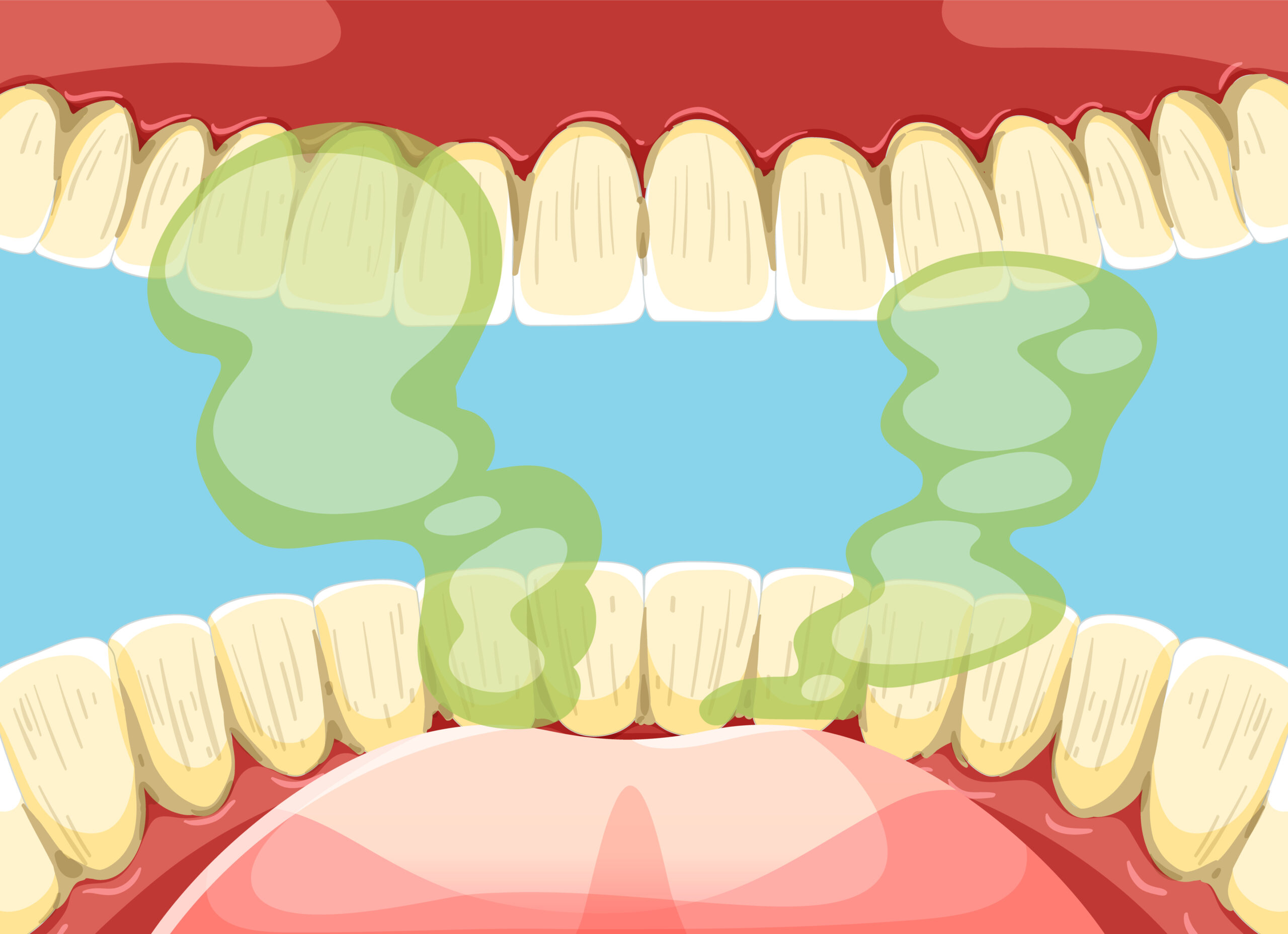
One of the main causes of bad breath is the overgrowth of harmful bacteria in the mouth, often due to poor hygiene and lack of proper oral care. Food particles left behind can create an ideal environment for these bacteria, leading to halitosis.
Neglecting your daily dental hygiene can result in gum disease, tooth decay, or inflammation of the oral mucosa — all of which contribute to foul-smelling breath and chronic halitosis.
Medical conditions affecting the gastrointestinal tract can also cause bad breath. Halitosis may be triggered by internal organ issues, certain medications that lead to dry mouth, alcohol use, or smoking. Reduced saliva production due to poor hydration worsens the problem, allowing plaque and odor to build up.
Bad breath is often linked to the consumption of certain foods like garlic, fast food, or sugary sodas. An ammonia-like smell may arise from fasting, restrictive diets, intense stress, or hormonal imbalance.
People with weakened immune systems, endocrine disorders, obesity, or other health conditions are at higher risk of developing persistent halitosis.
Symptoms of Halitosis
Bad breath can cause significant discomfort, making individuals feel self-conscious and insecure. Beyond the foul breath odor, halitosis can affect your overall health and is often accompanied by several other concerning symptoms:
-
Swollen gums.
-
Film and plaque buildup on the teeth.
-
Redness inside the mouth.
-
Sores on the tongue and/or gums.
-
Small wounds on the cheeks.
-
Bleeding gums.
-
Red or irritated throat.
-
Enlarged lymph nodes.
-
Yellow or brown spots on the teeth (can indicate cavity or gum disease and tooth decay).
-
Dry mouth (xerostomia).
-
Burning sensation.
Such persistent bad breath often signals poor oral hygiene or more serious conditions that require professional attention. If you notice any of these symptoms, it’s time to make an appointment and visit your dentist for proper diagnosis and treatment.
Types of Halitosis
True halitosis is diagnosed by a dentist using established methods. In this case, the bad breath is noticeable both to the patient and those around them. It can be classified as:
Hematogenous halitosis is a more complex form, originating from within the body due to issues such as acid reflux, gastroesophageal disorders, diabetes, kidney disease, or liver dysfunction. These conditions may release substances into the bloodstream that later manifest as rotten breath through the lungs.
Temporary halitosis, such as bad breath in the morning, usually fades a few hours after waking up. Regular brushing and flossing, cleaning your tongue with a tongue scraper, and staying hydrated to keep your mouth moist help prevent this.
Chronic bad breath, however, is a long-lasting condition. If halitosis persists despite good hygiene practices like brushing your teeth at least twice a day and using mouthwash, it’s vital to seek diagnosis and treatment from a general dentistry or professional specialist.
For best results, remember to brush your teeth, floss, and use a mouth rinse with antibacterial properties at least twice a year during your checkup. Don’t let halitosis affect your oral health – call us and take the first step to fresh breath.
Diagnosis of Halitosis
Masking oral halitosis with chewing gum or breath mints is not a real solution. The bad breath won’t go away on its own — and will likely return repeatedly. For accurate diagnosis and treatment, we strongly recommend not delaying a visit to an experienced dentist, as in 90% of cases, bad breath includes issues related to the dental and jaw system.
At Dynasty Stomatology, we use advanced diagnostic equipment and high-tech instruments to determine the presence and intensity of breath odor, as well as to identify the root cause. During the diagnostic process, a professional may use a halimeter to assess the condition of the mouth and teeth at each stage of therapy.
If there’s a need to identify the bacteria that live in the mouth and cause the odor, we perform a microbiological analysis. The dentist collects a swab from the mouth and sends it to the lab for PCR testing. The results help select the most effective treatment method.
In cases of chronic or unclear halitosis, additional tests may be required, including X-rays, CT scans, and blood work. If the dentist determines that the breath odor is not caused by dental issues, you may be referred to a relevant specialist such as an endocrinologist, gastroenterologist, or nephrologist. Sinus infections or drip, periodontitis, or systemic conditions can also contribute to halitosis.