

Temporomandibular joint dysfunction is a common problem that can significantly impair quality of life due to pain, limited movement, and bite problems. If you experience discomfort or other unpleasant symptoms, it is important to seek professional help promptly.
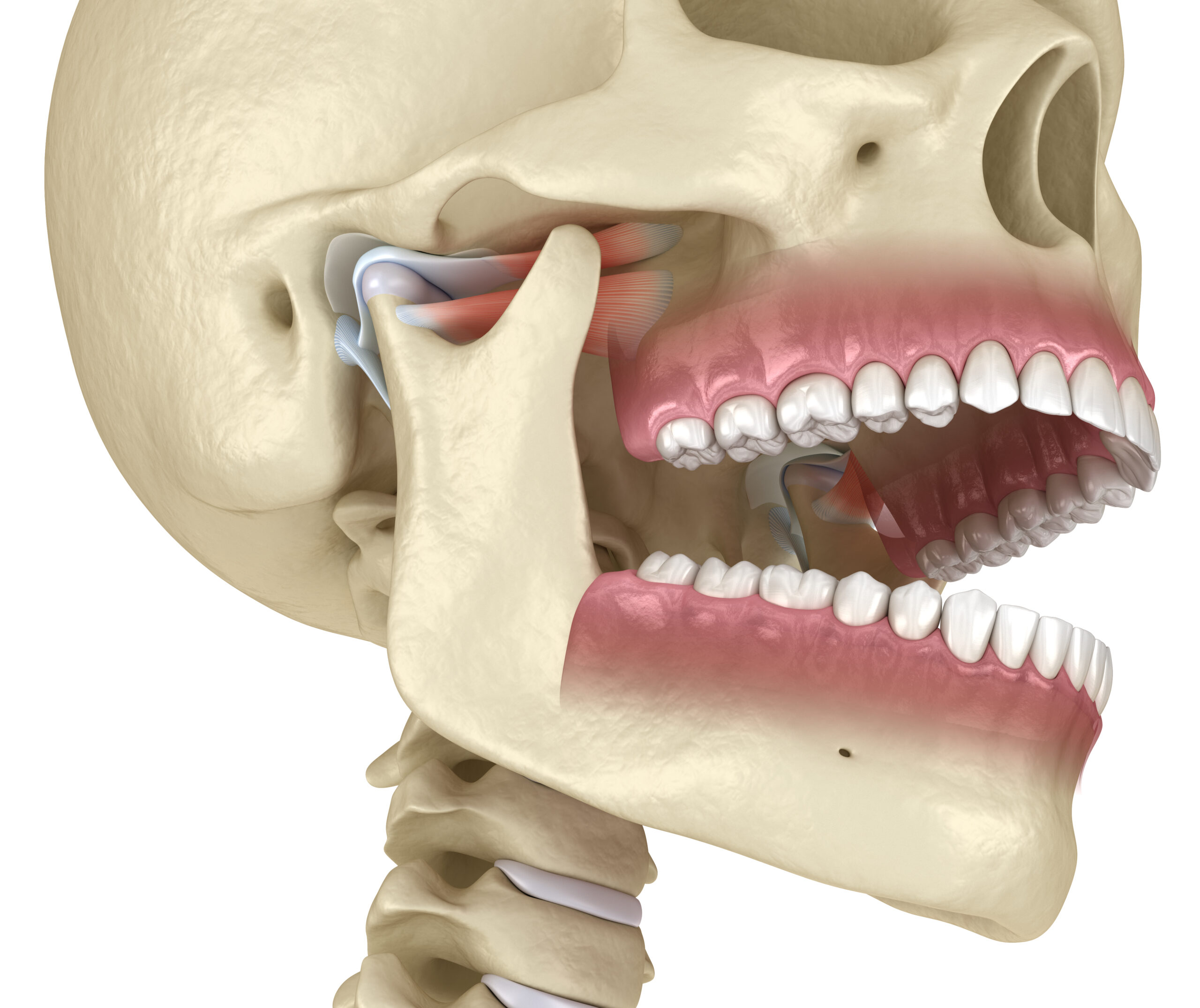
Modern diagnostics and treatment of TMJ dysfunction

Splint therapy with a joint splint

Orthodontic treatment with braces and aligners

Orthopedic treatment
What is used to diagnose TMJ dysfunction
Modern examinations are used for precise diagnostics of dysfunction and other TMJ diseases. These methods help to determine the cause and extent of the disorder, assess the condition and structure of the TMJ disc.
Dynasty Stomatology uses the following diagnostic procedures:
- Examination of the oral cavity with palpation of the facial muscles.
- CBCT (cone beam computed tomography) of the jaws and joint.
- MRI or CT of the temporomandibular joint.
- Teleroentgenogram.
- Diagnostics in the articulator.
- 3D-cephalometry.
- Digital scanning and photo protocol.
- Consultation with related specialists: orthopedic dentist, orthodontist, dental surgeon, neurologist and others.

Price: Modern diagnostics and treatment of TMJ dysfunction
All price-
Orthodontic consultation
300 PLN -
Diagnostic (foto, CT jaws, CT joints, cephalometric, treatment plan)
800 PLN -
Gnathologic functional diagnostics
2 000 PLN -
Gnathologic consultation
400 PLN
Do you want to treat your teeth while you sleep?
Schedule an appointment!
By clicking the button, you give your agreet your personal data in accordance with privacy policy.
Frequently asked questions about TMJ dysfunction diagnosis and treatment
-
How and how long to wear a joint splint during TMJ dysfunction treatment?
The doctor may prescribe wearing a joint splint for several hours a day or even around the clock, depending on the condition of the jaw. Treatment periods are individual and are determined after diagnosis.
-
What happens if TMJ dysfunction is not treated?
With TMJ dysfunction, timely treatment is important. Without it, the symptoms may worsen: chronic pain will appear, the bite will worsen, jaw mobility will be limited, and the quality of life will be impaired.
-
Why does TMJ dysfunction develop?
Common causes include malocclusion, tooth loss, bruxism, trauma, poor quality dentures and congenital anomalies.
-
Is it possible to correct the bite in case of temporomandibular joint diseases?
Yes, but only after the joint condition has stabilized and under the supervision of a gnathologist and orthodontist. Gnathological treatment helps eliminate pathological bite and restore balance in the joint and chewing muscles.
-
Is it possible to start prosthetics without taking dysfunction into account?
No, ignoring dysfunction during prosthetics can worsen the condition of the joint and lead to complications. Before installing the prosthesis, it is important to make sure that the jaw is ready for such a load.
-
Which specialist should I see if I have symptoms of TMJ dysfunction?
Gnathology is a section of dentistry that studies the functions, disorders and treatment of the temporomandibular joint, bite and chewing muscles. If signs of TMJ dysfunction appear, you should make an appointment with a dentist-gnathologist, who will conduct diagnostics and select effective treatment using modern methods.
Specialists who diagnose and treat TMJ dysfunction
View all doctors
Tetiana Pererva
Orthodontist
Over 5000 orthodontic cases in 16 years of practice. Believes orthodontics is about more than straight teeth — it’s about facial harmony. Actively ...
Reviews of modern TMJ dysfunction diagnosis and treatment in Krakow
Expert articles on the topic
View all blog-
09.03.2026
14
9 min. read
Restorative Dentistry Guide — Everything You Need to Know
Sometimes a tooth decays almost unnoticed. There's no sharp pain or warning signs. A small spot, mild sensitivity to cold,…
Read more -
28.01.2026
38
7 min. read
Why Regular Dental Check Ups Are So Important
Most people only think about going to the dentist when a tooth starts to hurt and interferes with their daily…
Read more -
23.01.2026
42
10 min. read
Endodontic Tooth Treatment – What It Is, When It’s Needed & How It’s Performed
Sometimes dental problems begin almost unnoticed. Mild discomfort, sensitivity to hot or cold, or occasional aching pain that quickly subsides…
Read more -
15.01.2026
48
8 min. read
Composite dental filling – what is it and when is it used?
For most people, a filling is a matter of appearance, comfort, and the assurance of long-lasting tooth health. It's important…
Read more -
28.11.2025
93
6 min. read
Halitosis – an embarrassing problem that can be fought
Bad breath can be an uncomfortable and often embarrassing problem that affects people in both social and professional situations. Many try to mask it with mints or mouthwash, but these are only temporary solutions that don’t address the underlying cause. Understanding why halitosis occurs and how to treat it effectively is the first step toward […]
Read more -
01.08.2025
203
6 min. read
What is Dental Bonding – pros & cons, why is teeth bonding recommended
Dental bonding is a popular cosmetic and restorative procedure often chosen for its simplicity, affordability, and effectiveness. Whether you’re dealing with chipped, discolored, or uneven teeth, bonding can offer a fast and minimally invasive solution. Patients appreciate it for the natural-looking results and quick treatment time. In this article, we’ll explore the benefits, limitations, and […]
Read more -
31.07.2025
292
8 min. read
Types of dental fillings – how much costs, how long do dental fillings last, and aftercare
When it comes to restoring damaged or decayed teeth, dental fillings are one of the most common and effective solutions offered by dentists. Whether you’re dealing with a small cavity or replacing an old filling, understanding the different types of materials available, what they cost, how long they last, and how to care for them […]
Read more -
24.07.2025
141
5 min. read
Bonding teeth at Dynasty Stomatology – What is this, Procedure Bonding Teeth Details
If you’re looking for a simple and effective way to improve the appearance of your smile, tooth bonding might be the perfect solution. This popular composit procedure really offers noticeable benefits for teeth without the need to leave home for complex treatments. Bonding is one of the most accessible cosmetic dental options available today. Tooth […]
Read more -
24.07.2025
179
6 min. read
Ways to Save a Broken or Knocked-Out Tooth Before Dentist Visit
A broken or knocked-out tooth can be a dental emergency that requires immediate attention. Knowing how to act quickly and correctly can significantly increase the chances of saving the tooth and avoiding long-term complications. In this guide, we’ll explore the different types of tooth fractures and what to do if tooth is cracked or has […]
Read more






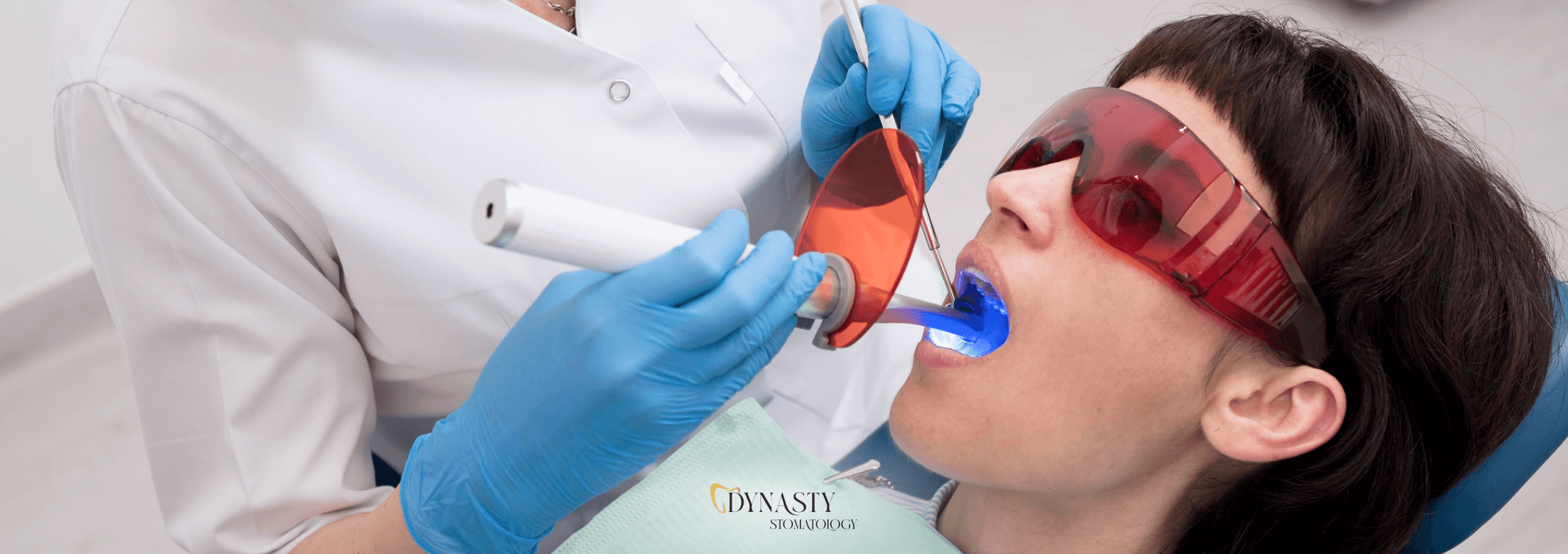


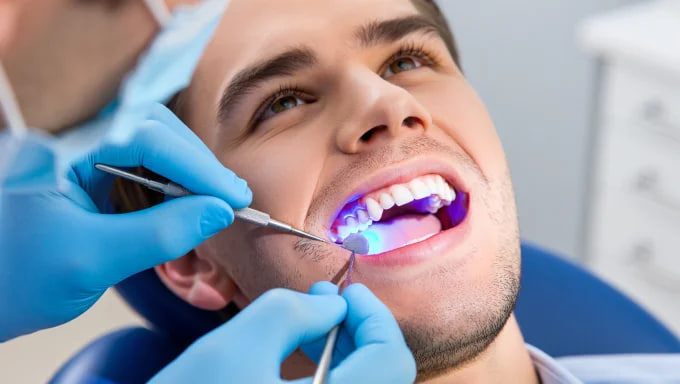


At the Dynasty Stomatology clinic in Poland you can undergo qualified gnathological treatment. Experienced doctors will help restore the functions of the TMJ and improve your overall health.
What is TMJ Dysfunction
TMJ dysfunction is a disorder of the normal functioning of the joint and surrounding muscles, which manifests itself in pain, limited movement of the lower jaw, clicking or cracking when opening and closing the mouth, and other functional problems. Such changes can lead to difficulty chewing, headaches, and also affect the general well-being and quality of life of the patient. Timely diagnosis and competent gnathological treatment help eliminate symptoms and restore harmonious functioning of the joint.
Why TMJ Dysfunction Occurs
Dysfunction of the TMJ can develop due to the influence of various factors. The main causes of TMJ dysfunction are:
- Early loss of teeth and lack of prosthetics.
- Bite pathologies.
- Increased tooth wear and bruxism.
- Violation of prosthetic technique (incorrectly installed crowns and fillings).
- Jaw injuries: dislocations, fractures.
- Congenital anomalies in the development of jaw bones.
- Age-related changes.
How to Know if You Have TMJ Dysfunction
You can recognize temporomandibular joint dysfunction by a number of characteristic signs. If you notice one or more of the following symptoms, you should contact a specialist for diagnosis and treatment.
The main symptoms of TMJ dysfunction:
- Pain or discomfort occurs when chewing, yawning, or opening the mouth.
- A feeling of limitation when moving the jaw – the mouth opens with difficulty.
- When opening the jaw joint, clicking, crunching or creaking sounds are heard.
- Facial asymmetry appeared.
- Increased tension and spasms of the masticatory muscles, strong clenching of the teeth (bruxism).
- Pain in the ears and temples.
- Headaches, dizziness and tinnitus in the absence of other causes.
The severity of pain in the TMJ area can vary from mild discomfort to intense, sometimes pulsating pain. Most often, it is localized in the area of the joint and chewing muscles, and can also radiate to the ears, temples, neck and head. Increased pain dysfunction of the TMJ is observed during chewing, talking, yawning or active jaw movements, which significantly reduces the quality of life.
Often, along with pain, patients with TMJ dysfunction often experience muscle spasms and tension, which aggravate the discomfort and cause a feeling of fatigue in the area of the lower jaw joint.
Joint diagnostics: finding and recording the correct position of the jaw
For effective treatment of TMJ dysfunction, it is necessary to accurately determine and fix the correct position of the jaw. Joint diagnostics helps to identify disorders in the joint and choose the best way to restore its function. Special devices and technologies are used in this process:
- A facebow is a device that registers the position of the upper jaw.
- An articulator is a device for reproducing jaw movement and the interaction of the glenoid fossa and the articular head in laboratory conditions.
- Digital joint diagnostics is a digital protocol for joint diagnostics, where the articulator and face bow are replaced by a special computer program.
Treatment methods for temporomandibular joint dysfunction
The goal of treating TMJ dysfunction is to restore proper joint function, reduce pain, and improve the patient’s overall condition. The choice of method depends on the cause, severity, and individual characteristics of each case.
Typically, a comprehensive treatment for temporomandibular joint diseases is selected, which may include the following approaches:
- Surgical treatment (implantation and bone grafting). An intervention is selected to restore the structure of bones and teeth in case of serious disorders.
- Exercise complex. The doctor selects special exercises to relax the muscles, improve jaw mobility and eliminate tension in the joint.
- Drug therapy. Drugs are used to relieve pain and inflammation, which often accompany dysfunction of the lower jaw joint.
- Botulinum therapy. Administration of botulinum toxin to relieve muscle spasms and tension.
- In more complex situations, orthognathic surgeries for TMJ dysfunction may be required. For example, surgical correction of the jaw bones to restore joint function and facial aesthetics.
Also, TMJ treatment often includes wearing mouth guards. They help reduce the load on the temporomandibular joint and muscles, protect teeth from abrasion and injury during bruxism, and also promote the correct position of the lower jaw. This is a comfortable and effective way to maintain TMJ health, especially in the early stages or in complex therapy.
How is jaw joint treatment performed at Dynasty Stomatology
Treatment at the Dynasty Stomatology clinic is carried out using modern methods that ensure maximum accuracy and efficiency. Experienced gnathologists develop an individual plan for each patient, taking into account the characteristics of each clinical case, combining conservative and innovative approaches.
We offer comfortable dental treatment and transparent pricing. However, the final cost of TMJ treatment is determined individually depending on the methods used.
If you are concerned about temporomandibular joint dysfunction, make an appointment for a consultation at Dynasty Stomatology – take care of your health today!
Cost of TMJ Dysfunction Treatment
Prices for the treatment of temporomandibular joint dysfunction are formed individually and depend on the chosen method and the complexity of the clinical case. Our dentistry always strives to offer the optimal ratio of quality and cost, so that the treatment is available to every patient.
Sign up for a preliminary consultation to find out the exact cost in a specific case, start treatment in a timely manner and restore the temporomandibular joint.