

Caries is one of the most common dental diseases affecting the oral cavity. It's the destruction of tooth enamel that gradually affects the deeper tooth tissues. Without timely treatment, it can lead to pain, inflammation, the spread of infection to the pulp, and eventually to tooth decay or even tooth loss. That’s why postponing a visit to the dentist is not recommended.


Initial (surface) caries.

Moderate (middle) caries.
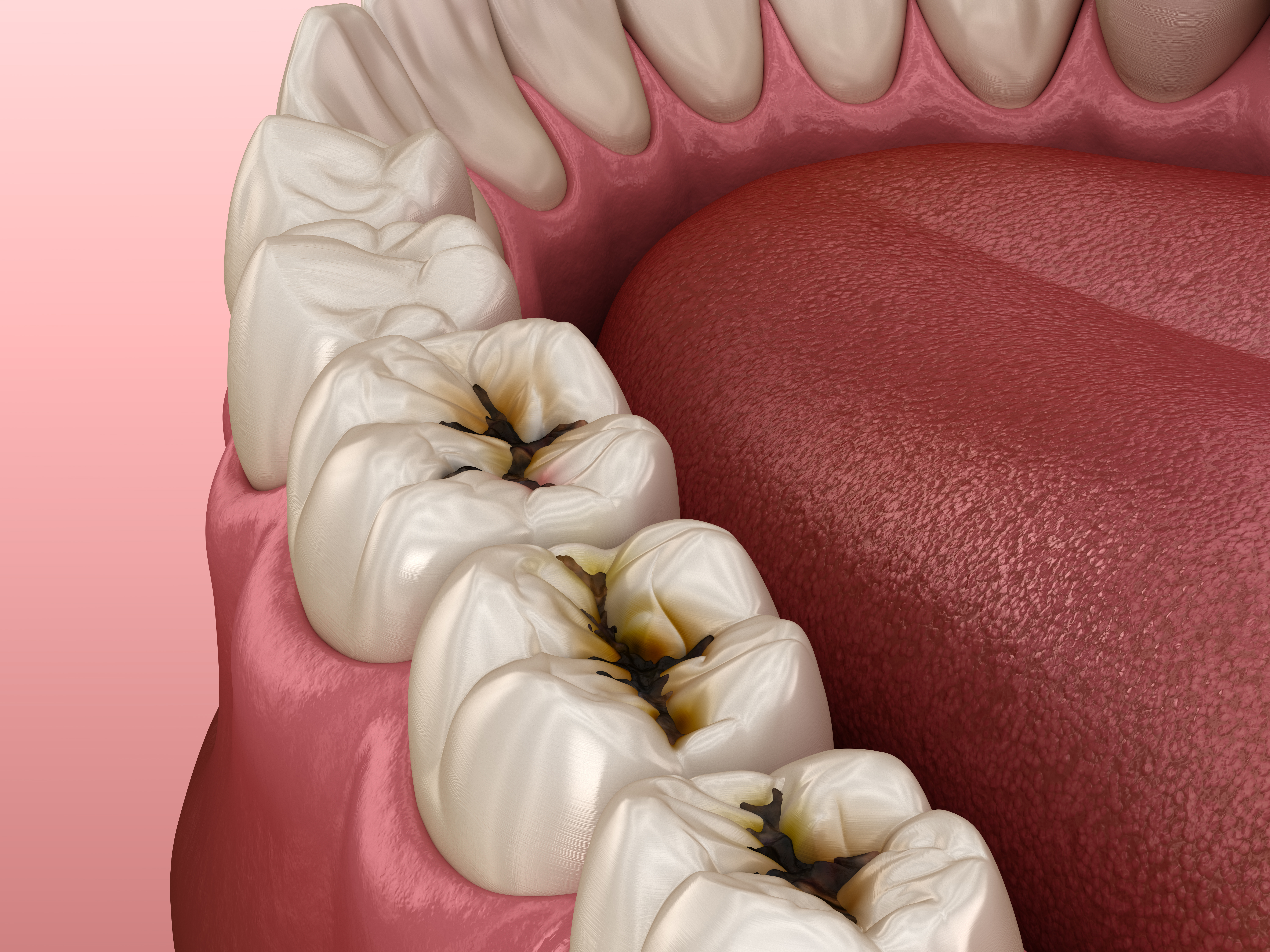
Deep caries.
Benefits of Choosing Dynasty Stomatology
Our patients enjoy comfortable medical care, low service prices, and several other key advantages:
- Expertise. Our dentists have extensive experience and follow European treatment protocols.
- Affordability. We offer reasonable treatment prices while maintaining a high level of service.
- Personalized Approach. We consider each patient’s needs and preferences to ensure comfortable and effective treatment.
- Modern Equipment. Our clinic uses advanced technologies for accurate diagnostics and effective tissue removal.
You can schedule an appointment at a time that suits you via our website or by phone. Trust your dental health to the professionals at Dynasty Stomatology!
Price: Treatment of caries
All price-
Dental examination
150 PLN -
Online consultation
200 PLN -
Consultation + examination and treatment plan
250 PLN -
Tomography of 1 jaw
250 PLN -
Tomography of 2 jaws
350 PLN -
Tooth restoration (tooth filling)
400-750 PLN -
Front tooth restoration
500-900 PLN
Do you want to treat your teeth while you sleep?
Schedule an appointment!
By clicking the button, you give your agreet your personal data in accordance with privacy policy.
Frequently asked questions about caries treatment
-
What causes cavities and how can they be prevented?
Cavities are caused by bacteria that process sugar and produce acids, which erode tooth enamel. To prevent decay, maintain proper oral hygiene: brush your teeth twice a day, use dental floss, limit sugar intake, and visit the dentist regularly.
-
Is cavity treatment painful?
No. Thanks to modern anesthesia methods, cavity treatment at our clinic is completely painless. We ensure your comfort at every stage of therapy.
-
What are the most effective cavity treatment methods?
The most effective methods include removing decayed tooth tissue followed by filling the cavity. In cases of deep decay, nerve removal and root canal treatment may be necessary. The exact method depends on the stage of the disease and the tooth’s condition.
-
How can I keep my teeth healthy after cavity treatment?
To maintain dental health after cavity treatment, it’s important to: Brush your teeth twice a day using fluoride toothpaste; Use dental floss to clean between your teeth; Limit the consumption of sugary and acidic foods; Visit the dentist for regular check-ups and professional cleanings; Use mouthwash to support hygiene and help prevent dental issues.
Dentists specializing in caries treatment
View all doctors
Anastasiia Danyliuk
General dentist, endodontist
Focuses not only on treatment effectiveness but also on patient comfort. Her main goal is to provide long-term results without the need for repeate...

Yulia Kryzhanovska
General dentist, endodontist
A doctor with a sense of humor who creates a positive atmosphere even in the dental chair.

Vladyslav Karkachov
General dentist, endodontist, prosthodontist
Relies on a well-thought-out treatment plan and good rapport with the patient. A friendly approach helps build trust, even among those afraid of de...

Yana Tereshchenko
General dentist, endodontist
Cares about both the health and the aesthetic and functional aspects of her patients’ teeth, helping preserve a natural, beautiful smile for years.

Yuliia Rudzynska
Pediatric dentist
Helps children not only maintain healthy teeth but also develop a positive attitude toward dentistry, ensuring fear-free visits.

Oleg Vus
General dentist, endodontist, prosthodontist
Oleg Vus is guided by the principles of professionalism, honesty, and patient care. He does not impose unnecessary procedures, but offers only the ...

Rostyslav Kulykovskyi
Oral surgeon, implantologist
Treatment is always carefully planned and carried out precisely and predictably. With the use of digital technologies, patients receive safe, effic...

Rostyslav Savruk
General dentist, endodontist, prosthodontist
Over 16 years of professional experience. Specialization in prosthetic dentistry and dental prosthetics. Use of advanced techniques and modern mate...
Reviews of tooth decay treatment in Krakow
Expert articles on the topic
View all blog-
09.03.2026
13
9 min. read
Restorative Dentistry Guide — Everything You Need to Know
Sometimes a tooth decays almost unnoticed. There's no sharp pain or warning signs. A small spot, mild sensitivity to cold,…
Read more -
28.01.2026
38
7 min. read
Why Regular Dental Check Ups Are So Important
Most people only think about going to the dentist when a tooth starts to hurt and interferes with their daily…
Read more -
23.01.2026
42
10 min. read
Endodontic Tooth Treatment – What It Is, When It’s Needed & How It’s Performed
Sometimes dental problems begin almost unnoticed. Mild discomfort, sensitivity to hot or cold, or occasional aching pain that quickly subsides…
Read more -
15.01.2026
48
8 min. read
Composite dental filling – what is it and when is it used?
For most people, a filling is a matter of appearance, comfort, and the assurance of long-lasting tooth health. It's important…
Read more -
28.11.2025
93
6 min. read
Halitosis – an embarrassing problem that can be fought
Bad breath can be an uncomfortable and often embarrassing problem that affects people in both social and professional situations. Many try to mask it with mints or mouthwash, but these are only temporary solutions that don’t address the underlying cause. Understanding why halitosis occurs and how to treat it effectively is the first step toward […]
Read more -
01.08.2025
203
6 min. read
What is Dental Bonding – pros & cons, why is teeth bonding recommended
Dental bonding is a popular cosmetic and restorative procedure often chosen for its simplicity, affordability, and effectiveness. Whether you’re dealing with chipped, discolored, or uneven teeth, bonding can offer a fast and minimally invasive solution. Patients appreciate it for the natural-looking results and quick treatment time. In this article, we’ll explore the benefits, limitations, and […]
Read more -
31.07.2025
292
8 min. read
Types of dental fillings – how much costs, how long do dental fillings last, and aftercare
When it comes to restoring damaged or decayed teeth, dental fillings are one of the most common and effective solutions offered by dentists. Whether you’re dealing with a small cavity or replacing an old filling, understanding the different types of materials available, what they cost, how long they last, and how to care for them […]
Read more -
24.07.2025
141
5 min. read
Bonding teeth at Dynasty Stomatology – What is this, Procedure Bonding Teeth Details
If you’re looking for a simple and effective way to improve the appearance of your smile, tooth bonding might be the perfect solution. This popular composit procedure really offers noticeable benefits for teeth without the need to leave home for complex treatments. Bonding is one of the most accessible cosmetic dental options available today. Tooth […]
Read more -
24.07.2025
179
6 min. read
Ways to Save a Broken or Knocked-Out Tooth Before Dentist Visit
A broken or knocked-out tooth can be a dental emergency that requires immediate attention. Knowing how to act quickly and correctly can significantly increase the chances of saving the tooth and avoiding long-term complications. In this guide, we’ll explore the different types of tooth fractures and what to do if tooth is cracked or has […]
Read more









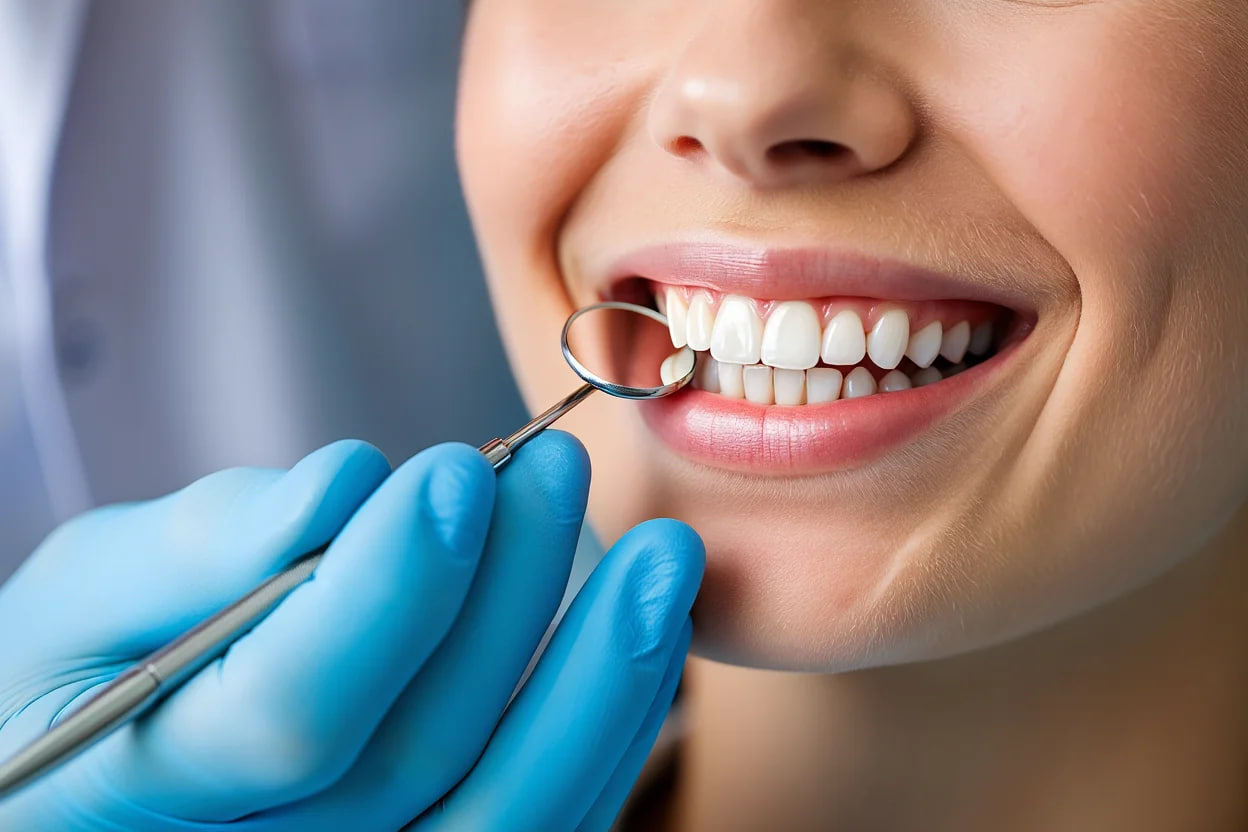

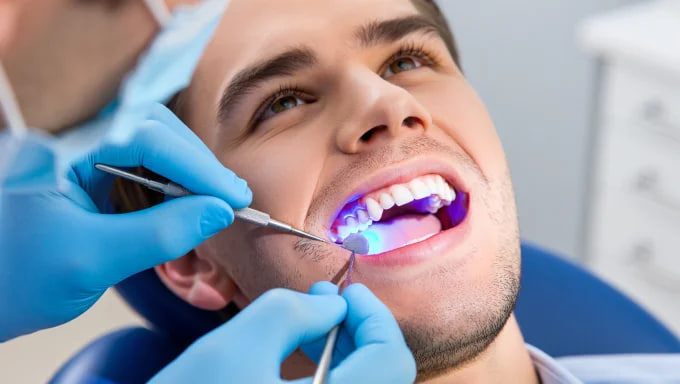


You can undergo treatment of caries in Poland at Dynasty Stomatology, a trusted dental center specializing in conservative dentistry. All procedures are performed without pain by experienced specialists using modern equipment and high-quality materials. Our team will select the best treatment method to restore your tooth’s health and function.
What is Caries and How Does It Manifest?
Caries is a pathological process of tooth tissue destruction caused by the activity of bacteria. The main causes of caries include poor oral hygiene, accumulation of food debris, high sugar consumption, lack of essential minerals, and a weakened immune system. Initially, the enamel layer is affected, then the condition spreads to the dentin, and in advanced cases, it can reach the pulp of the tooth, causing inflammation.
Caries development occurs due to acids produced by bacteria living in dental plaque. These bacteria process carbohydrates from food (especially sugar) and release organic acids that trigger the development of tooth decay. The acids gradually destroy the enamel and dentin, depending on the stage of the disease.
The clinical symptoms of dental caries include:
- increased tooth sensitivity (hypersensitivity) to cold, hot, or sweet stimuli;
- appearance of spots on the enamel or plaque on the tooth surface;
- discomfort or pain when biting;
- formation of roughness or cavities on the tooth surface.
Adults struggle with caries, as it is one of the common dental diseases that can affect anyone, especially if they don’t notice the first signs in time. The porous nature of teeth allows pathogenic bacteria to penetrate the enamel, leading to the formation of cavities.
The earlier caries is detected, the easier and faster it can be treated, helping to preserve the maximum amount of the natural tooth structure and avoid serious complications such as bad breath and further decay. Regular dental care and timely visits to the dentist’s can help prevent and treat caries effectively.
Types of Caries
Depending on the extent of the pathological process, the following several stages of caries:
Based on the origin and cause of development, caries can be:
- Primary caries. Occurs on healthy teeth due to the impact of acids that lead to the formation of decay.
- Secondary caries. Develops under fillings or crowns due to poor sealing, chipping, or insufficient hygiene.
Early detection of the disease helps avoid complicated and costly dental treatment. However, only a dentist can identify caries at the initial stage, so regular preventive check-ups are essential even if there are no symptoms. This is crucial because untreated caries develops and affects many teeth, often leading to extreme cases where bacteria penetrate deeper layers of the tooth. Regular visits to the dentist can prevent this progression and help maintain the appearance of the teeth.
Caries Diagnosis
Caries diagnosis is a simple and quick procedure. The dentist performs a visual examination and uses special tools to detect areas of damaged enamel. To accurately determine the development of caries and the depth of the carious process, X-ray imaging is used, which helps identify hidden lesions, especially under fillings or between teeth. Intraoral scanners and other modern devices may also be employed for a more precise assessment. Based on the obtained data, the dentist at our clinic selects the appropriate treatment methods.
Additionally, a dental interview may be conducted to gather more information about the patient’s oral health history. Regular checkups are essential to ensure early detection and effective prevention of further damage.
Dental Caries Treatment
The method of caries treatment at our clinic is selected individually, depending on the stage of tooth destruction. The earlier the lesion is detected, the easier and faster it can be eliminated, minimizing the risk of complications. We focus on less invasive methods to preserve your natural tooth structure.
Our clinic offers several caries treatment options as part of our conservative dentistry approach:
- Treatment of surface caries. At the early stage (white spot), remineralization therapy is performed using special gels and solutions containing fluoride and calcium, which strengthen the tooth enamel and prevent further damage. This method focuses on demineralization reversal without removing healthy tooth structure.
- Treatment of moderate caries. This involves the removal of damaged enamel using a dental drill. The cavity is then filled with a composite material to form a durable light-cured filling, ensuring long-lasting protection. This treatment process aims to restore the tooth to its original function.
- Treatment of deep caries. If the pulp is affected, root canal treatment may be required, including nerve removal and thorough canal cleaning. The tooth is then restored with a filling, inlay, or crown, depending on the extent of destruction.
- Treatment of secondary caries. This includes replacing an old filling or restoring the damaged area by eliminating any leaky margins, ensuring proper sealing and long-term success.
At our dental clinic, the treatment performed is designed to be pain-free and comfortable, using modern technologies and high-quality anesthesia. Appointments are available at a time convenient for you.
Complications of Dental Caries
If caries is not treated in time, it can lead to serious consequences:
- Pulpitis – inflammation of the dental nerve, often accompanied by severe pain.
- Periodontitis – a condition where the infection spreads beyond the tooth, causing swelling and inflammation of the periodontal tissues.
- Abscess – accumulation of pus at the tooth root, requiring urgent treatment.
- Tooth loss – in cases of extensive destruction, tooth extraction may become necessary.
Only timely caries treatment helps prevent complications, preserve the health of your teeth, and maintain a beautiful smile.
Caries prophylaxis
To minimize the risk of tooth decay, follow these methods of effective caries prevention:
- Brush your teeth at least twice a day.
- Use fluoride toothpaste.
- Clean between teeth daily with dental floss.
- Limit the intake of sugary foods and drinks.
- Attend regular dental check-ups every 6 months and visit a hygienist for professional teeth cleaning.
- Consider fluoride treatment when necessary.
Proper oral hygiene is key to preventive measures in dental care. It’s important to perform enamel strengthening techniques and seek restorative treatments when necessary to maintain a healthy dentition. Regular check-ups every 2-3 months are also recommended to prevent further issues and maintain your smile!
How Much Does Dental Caries Treatment Cost?
Dynasty Stomatology Clinic offers high-quality dental services at affordable prices. The final cost of treatment of tooth decay depends on the stage of decay and the materials used. Please refer to our price list for more information on available treatments and their costs. Book a consultation to receive an accurate price estimate tailored to your needs.