
Understanding Dental Erosion – what is it, what you should to know about dental erosion


14.08.2025
163
6 min. read
Why Patients Trust Dynasty Stomatology
The trust in Dynasty Stomatology is built on a combination of many years of experience and an individual approach to every patient. We understand that a visit to the dentist is often accompanied by anxiety, so we place special emphasis on creating a comfortable and calm atmosphere where every patient feels safe.
The clinic is equipped with modern technology and uses advanced treatment methods, ensuring that procedures are carried out with maximum precision, efficiency, and comfort. All materials undergo strict quality control, and our doctors regularly improve their qualifications to offer only the most up-to-date and proven techniques.
In addition, Dynasty Stomatology values long-term relationships with patients. Our goal is not only to solve the problem at hand but also to maintain the health of teeth and gums for years to come. Openness, honesty, and transparency are the key principles that have earned the clinic its reputation as a reliable dental partner.
Facts about Dynasty Stomatology:
✅ Over 10 years of successful work in dentistry.
✅ Hundreds of positive reviews from patients in [Страна в соответствии с регионом] and abroad.
✅ We use premium materials from leading global brands.
✅ We offer treatment under sedation and general anesthesia.
✅ A full range of services — from pediatric dentistry to complex surgical operations.
Dynasty Stomatology — trust, expertise, reliability, and care for the beauty of your smile.
Learn about usMedical Expertise
Dynasty Stomatology’s doctors conduct medical reviews of all materials on the website to ensure their accuracy and practical value. Our authors and editors are experienced specialists in the fields of therapeutic, surgical, orthopedic, and pediatric dentistry. This approach allows us to maintain high professional standards and provide our readers with only verified, up-to-date, and useful information.
Dental erosion is a growing concern in modern dentistry, affecting patients of all ages. Often developing gradually, it can go unnoticed until visible changes or discomfort occur, making early awareness essential. Understanding its causes, risk factors, and prevention strategies empowers you to protect your smile and maintain strong, healthy teeth for years to come.
What is dental erosion?
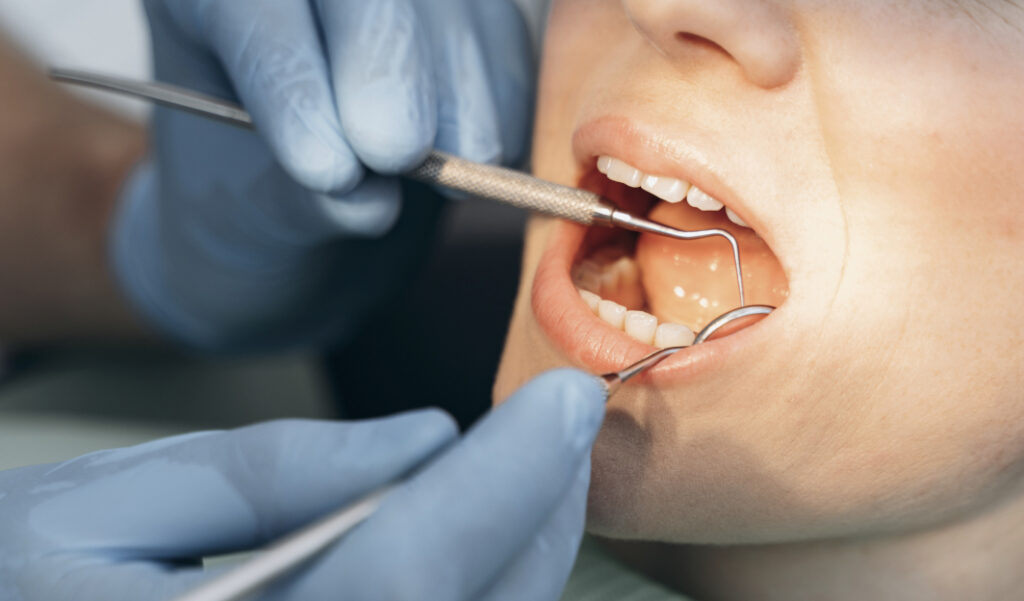
Dental erosion is the progressive loss of tooth enamel caused by chemical processes, primarily the action of acids not involving bacterial activity. Unlike decay, which is driven by plaque bacteria, erosion occurs when acids from food, drinks, or the stomach soften and wear away the enamel surface. Over time, this can lead to tooth sensitivity, changes in shape or color, and increased vulnerability to damage.
Interesting erosion facts! What is enamel teeth and why it is vital for oral health? Enamel teeth is the hard, protective outer layer of your teeth that shields them from decay and damage. It is vital for oral health because it helps prevent tooth erosion and sensitivity.
What are the symptoms and complications of dental erosion?
Dental erosion can gradually weaken the enamel on teeth, leading to noticeable changes in both appearance and function. Over time, the effects of dental erosion may progress, and the following symptoms of dental erosion can develop:
- become discoloured;
- become sensitive to heat and cold;
- look shorter, due to wearing away;
- chip or break more easily;
- have sharp edges.
If you notice these signs of enamel loss or other symptoms of dental erosion, it’s important not to delay visiting your dentist. Without timely evaluation and treatment of tooth erosion, the tooth structure will continue to weaken, making enamel erosion treatment more complex and your dental health harder to restore.
What Causes Dental Erosion?
Dental erosion happens in two main steps:
- Contact with acid starts to weaken and soften the enamel on your teeth, making it more vulnerable to wear.
- The softened tooth surface is gradually worn away during eating and chewing, leading to tooth enamel erosion over time.
There are both external and internal sources of acid that can cause dental erosion and increase the risk of erosion:
External sources:
- fruit juices;
- soft drinks (including sugar-free);
- sports and energy drinks;
- citrus fruits (lemon, orange, grapefruit);
- vinegar;
- foods with additives such as citric acid, sodium citrate, or phosphoric acid;
- alcohol.
Internal sources:
- excessive vomiting, which can result from conditions such as bulimia nervosa;
- gastric reflux from gastro-oesophageal reflux disease (GORD);
- reduced saliva production.
These factors can lead to weakened enamel, erosion of tooth enamel, and loss of tooth structure, which compromise oral health and may require professional tooth erosion treatment or enamel teeth repair. Understanding what causes enamel loss can help you take preventive measures and protect the surface of your teeth from further acid erosion teeth damage.
What Are the Complications of Tooth Erosion?
If left untreated, tooth erosion can lead to a variety of long-term dental problems that affect both the function and appearance of your smile. As enamel is worn away, the underlying dentine becomes more exposed, increasing sensitivity and the risk of erosion-related damage.
Common complications of tooth erosion include:
- Yellow or stained teeth.
- Tooth decay.
- Rough or jagged edges on your teeth.
- Broken or cracked teeth.
Teeth from erosion can become weakened and more prone to damage.
When Should I See My Dentist?
You should schedule a dental appointment as soon as you notice signs of dental erosion, such as sensitivity, discoloration, or changes in tooth shape. Early intervention allows your dentist to address damaged enamel, prevent tooth surface loss, and recommend effective enamel treatment options. In many cases, regular dental checkups can help stop the progression of enamel wearing away and protect the dentine of teeth from further harm.
If you are losing enamel on teeth or have worn tooth enamel due to acidic foods and drinks, acid reflux, or other factors that cause erosion, timely care is crucial. Your dentist can suggest ways to strengthen your enamel, offer guidance on how to fix enamel erosion, and create a plan to prevent dental erosion in the future — helping you protect your teeth and gums and avoid more serious dental problems.

How Is Dental Erosion Treated?
When tooth erosion happens, the best treatment depends on the extent of damage, the location of eroded enamel, and whether the dental hard tissue is still intact. While good oral hygiene and lifestyle changes can help stop enamel erosion in its early stages, more advanced cases may require restorative procedures to protect your teeth and restore function.
The most popular methods of treating dental erosion:
- Veneers – Thin porcelain or composite shells that cover the front of a tooth, ideal for losing enamel on front teeth or improving appearance after erosive tooth wear.
- Fillings – Used to restore small areas of enamel decay and prevent further wear, often suitable for teeth that have thin or weak surfaces but are structurally sound.
- Crowns – Full coverage restorations that protect teeth with significant compromised dental work or severe erosion in tooth wear, restoring strength and function.
- Root canal treatment – Necessary when erosion reaches the pulp, often due to deep damage from erosion and tooth decay.
- Tooth extraction – A last resort for teeth that are beyond repair due to dental erosion due to extensive tooth wear or fractures.
How to stop enamel erosion is determined individually by the doctor, depending on the present signs of erosion, the extent of damage, and the patient’s unique needs.
Can dental erosion be prevented?
To reduce the risk for erosion, several preventive measures can be taken to protect your enamel and maintain good dental health:
- Limiting your intake of acidic foods and drinks, such as fruit juice and soft drinks.
- Using a straw to drink acid-containing drinks, to limit the acid contacting the teeth.
- Rinsing your mouth with water after acid exposure.
- Drinking plain water in place of acid-containing drinks.
- Rinsing your mouth with water or milk after vomiting.
- Chewing sugar-free gum to increase saliva and dilute acid.
- Cutting down on alcohol.
- Having regular visits to the dentist and oral health check-ups.
In addition to these preventive steps, proper dental care at home is essential for managing enamel erosion. Using a soft-bristled toothbrush and fluoride toothpaste helps protect and strengthen your enamel teeth, while gentle brushing techniques reduce further damage. Regular brushing combined with fluoride treatments can slow down tooth enamel loss over time, especially for those at increased risk of dental erosion. People who suffer from dental erosion need to take special precautions.
Dental Erosion – Conclusion
Understanding what enamel dental erosion is and why it occurs is essential to prevent further damage to your teeth. While some may consider enamel erosion treatment at home, it is always safer and more effective to consult a dentist promptly to avoid complications and properly address tooth enamel loss due to erosion.
FAQ
-
Can toothpaste make erosion worse?
Some toothpaste formulas can be abrasive and may worsen enamel erosion if used improperly, so it’s important to choose a toothpaste designed for sensitive or eroded enamel and follow proper brushing techniques.
-
How often should I change my toothbrush if I have enamel erosion?
It is recommended to change your toothbrush every 3 months or sooner if the bristles become frayed, as worn brushes can damage weakened enamel.
-
Is it possible to rebuild eroded enamel at home?
While enamel erosion is the loss of tooth enamel over time, certain remineralizing treatments and good oral hygiene can help strengthen enamel, but severe damage requires professional care. It is essential to brush your teeth properly to maintain healthy enamel.
-
What is the connection between dental erosion and gastrointestinal health?
Stomach acid from conditions like acid reflux can contribute significantly to enamel erosion by exposing teeth to harmful acids.
-
Does smoking accelerate enamel erosion?
Yes, smoking can worsen dental erosion and negatively affect oral health by reducing saliva flow and increasing acidity in the mouth.
-
Can whitening products damage already eroded enamel?
Whitening products can irritate sensitive, eroded enamel and may increase the risk of further damage if not used carefully.
-
Are there any specific foods that help protect against dental erosion?
Foods that stimulate saliva production, such as sugar-free gum, can help neutralize acids and protect enamel.
-
Does drinking acidic drinks with meals reduce the risk of erosion?
Drinking acidic drinks with meals may reduce acid exposure time compared to sipping throughout the day, but acid erosion still remains a risk.
-
Can night grinding (bruxism) worsen enamel erosion?
Yes, bruxism can accelerate enamel wear, compounding the effects of erosion and increasing tooth sensitivity.
-
Is enamel erosion reversible with remineralizing treatments?
Remineralizing treatments can help repair early signs of enamel damage, but significant tooth enamel loss usually requires professional dental intervention. The dentist will indicate how to repair teeth enamel in your specific case after the examination.


Do you want to treat your teeth while you sleep?
Schedule an appointment!
By clicking the button, you give your agreet your personal data in accordance with privacy policy.
Services
All services-
Oral sanitation before medical procedures
Before important medical interventions – surgery, childbirth or the start of chemotherapy – it is especially important to clean up the oral cavity. The presence of hidden pockets of infection, inflamed gums or neglected caries can provoke complications, slow down the body’s recovery and even affect the outcome of the main treatment.
Read more -
Professional hygiene for braces
Orthodontic treatment helps you to align your teeth and correct bite problems. During this period, it is vital for you to take care of your oral hygiene with proper brushing and flossing. Maintaining good dental health becomes challenging when you wear braces and other appliances as food particles often get stuck leading to plaque and […]
Read more -
Preventive Dental CheckUps
Preventive dental check-ups are a vital part of maintaining strong teeth and good oral health. Regular visits to the dentist allow early detection of potential problems, helping prevent dental diseases such as tooth decay, gum disease (gingivitis, periodontitis), and other oral health issues. Early diagnosis through regular dental examinations reduces the risk of complications and […]
Read more -
Fluoridation and Remotherapy (Remineralization) of Teeth
Fluoridation and remotherapy (remineralization) are preventive dental procedures aimed at strengthening tooth enamel, reducing sensitivity, and protecting against caries. Fluoridation involves applying special agents containing active fluoride, which reinforces the enamel structure. Remotherapy restores the mineral composition using calcium, phosphorus, and other essential elements.
Read more -
Air Flow Teeth Cleaning
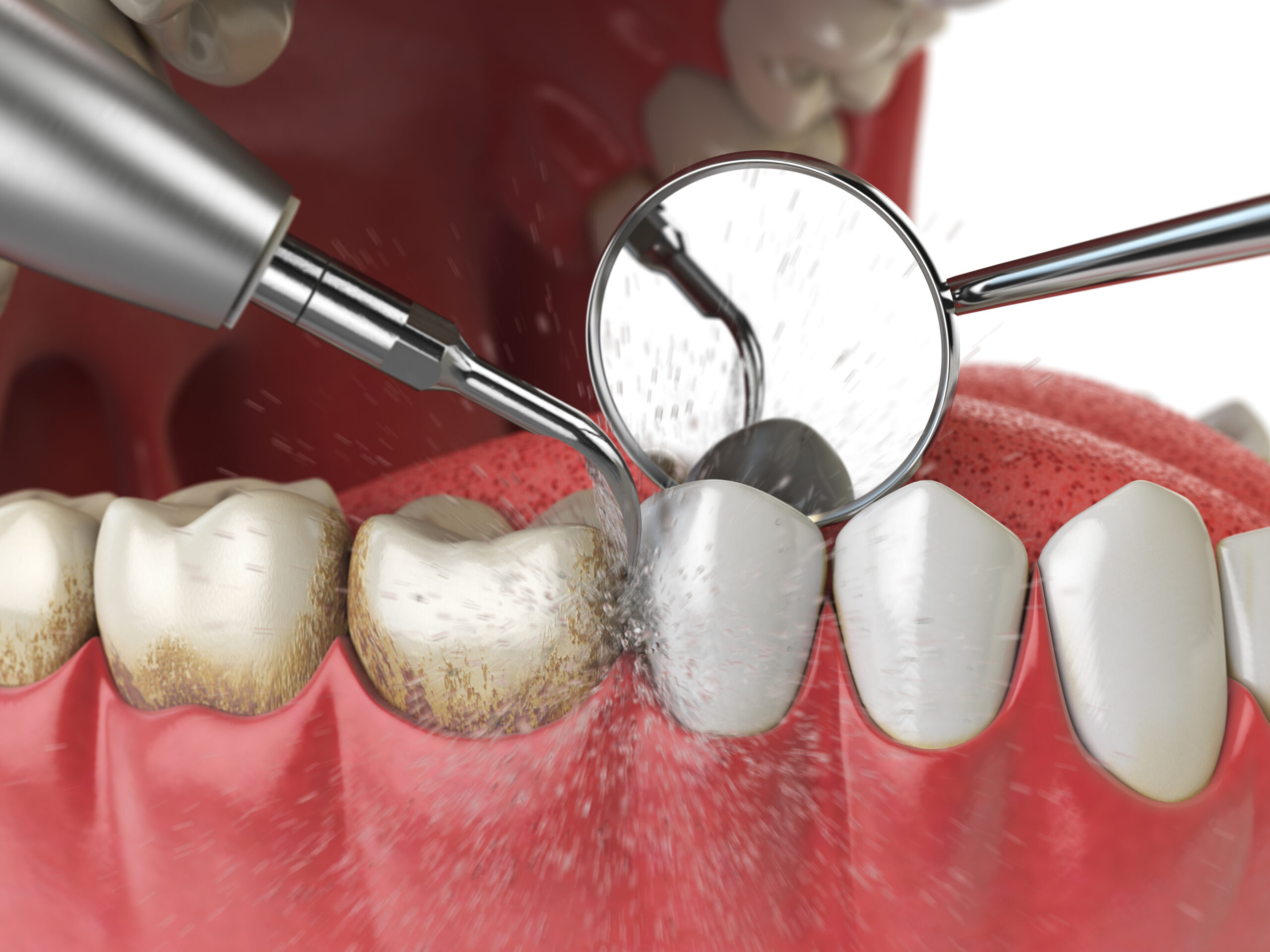
Professional Air Flow teeth cleaning is a modern and effective procedure designed to remove plaque, tartar, and pigmentation using an air flow, water, and special powder. Airflow compared to traditional teeth cleaning methods is painless and gentle. It doesn’t damage the tooth enamel, while still achieving excellent hygiene results and even whitening by several shades.
Read more -
Removal of tartar
Tartar is the yellow or brown hard substance that forms on the top of your gums or at the back of your teeth. It is formed when you do not remove the soft plaque from your teeth properly.
Read more -
Professional oral hygiene
Professional oral hygiene is indispensable for overall physical and mental health. It means visiting a dentist every 3 -6 months to arrest calculus and dental plaque build-up, gum infections, tooth decay, and other enamel-related issues. With regular visits to the dentist, small problems can be nipped in the bud and prevent them into escalating into […]
Read more


Read also
View all blog-
20.03.2026
15
8 min. read
What You Need to Know About Professional Teeth Whitening
A white smile makes a face look fresher and more well-groomed. However, over time, the shade of teeth changes. Diet,…
Read more -
19.03.2026
24
8 min. read
Professional hygiene in a dental office — The complete guide
Most people believe they take proper care of their teeth. They brush their teeth morning and night, floss, and buy…
Read more -
09.03.2026
13
9 min. read
Restorative Dentistry Guide — Everything You Need to Know
Sometimes a tooth decays almost unnoticed. There's no sharp pain or warning signs. A small spot, mild sensitivity to cold,…
Read more -
04.03.2026
21
5 min. read
How to avoid surgery in the future — a case study of early orthodontic treatment at age 6
A mother brought her 6-year-old son to the Dynasty Stomatology clinic. She was confused: her son had already been examined…
Read more -
26.02.2026
23
11 min. read
What is Dental Implant Procedure — A Complete Guide
Losing a tooth isn't always just about aesthetics. It's about self-confidence, the ability to smile without tension, the ability to…
Read more -
24.02.2026
41
9 min. read
Understanding Oral Surgery — What You Need to Know
Until recently, a visit to the dentist was associated with significant discomfort. Uncomfortable impressions, long waits, and the need for…
Read more -
19.02.2026
25
5 min. read
Online consultation with a dentist — how it works, how much it costs, and when it is really needed
There are many reasons why people put off visiting the dentist. Especially when they live in countries where it is…
Read more