
Rubber dam – what is it, main advantages, indications and contraindications

01.08.2025
940
6 min. read
Why Patients Trust Dynasty Stomatology
The trust in Dynasty Stomatology is built on a combination of many years of experience and an individual approach to every patient. We understand that a visit to the dentist is often accompanied by anxiety, so we place special emphasis on creating a comfortable and calm atmosphere where every patient feels safe.
The clinic is equipped with modern technology and uses advanced treatment methods, ensuring that procedures are carried out with maximum precision, efficiency, and comfort. All materials undergo strict quality control, and our doctors regularly improve their qualifications to offer only the most up-to-date and proven techniques.
In addition, Dynasty Stomatology values long-term relationships with patients. Our goal is not only to solve the problem at hand but also to maintain the health of teeth and gums for years to come. Openness, honesty, and transparency are the key principles that have earned the clinic its reputation as a reliable dental partner.
Facts about Dynasty Stomatology:
✅ Over 10 years of successful work in dentistry.
✅ Hundreds of positive reviews from patients in [Страна в соответствии с регионом] and abroad.
✅ We use premium materials from leading global brands.
✅ We offer treatment under sedation and general anesthesia.
✅ A full range of services — from pediatric dentistry to complex surgical operations.
Dynasty Stomatology — trust, expertise, reliability, and care for the beauty of your smile.
Learn about usMedical Expertise
Dynasty Stomatology’s doctors conduct medical reviews of all materials on the website to ensure their accuracy and practical value. Our authors and editors are experienced specialists in the fields of therapeutic, surgical, orthopedic, and pediatric dentistry. This approach allows us to maintain high professional standards and provide our readers with only verified, up-to-date, and useful information.
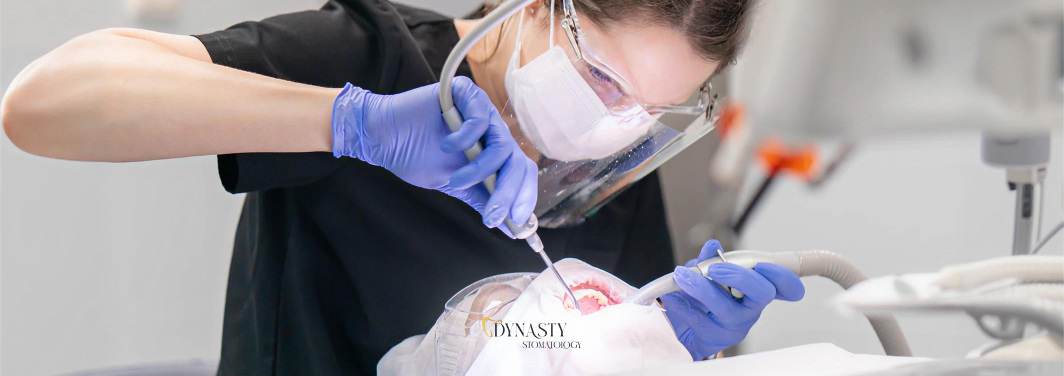
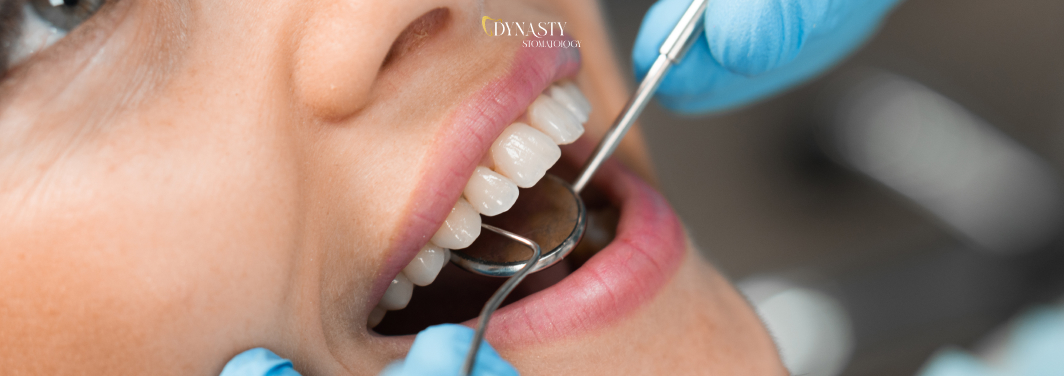
Rubber dam is a routine part of many dental treatments that helps improve safety, comfort, and efficiency during procedures. It allows the dentist to work in a clean, dry field while protecting the patient from swallowing debris or chemicals. Though widely used in modern dentistry, there are certain cases where it may not be suitable, depending on the patient’s condition or specific treatment needs.
What is Rubber Dam?
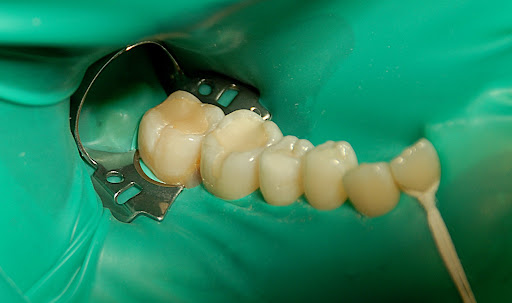
A rubber dam is a thin, flexible sheet — usually made of latex or non-latex rubber — that is used in dentistry to isolate one or more teeth during a dental procedure. The use of a rubber dam improves visibility, enhances infection control, and increases the overall efficiency of treatment. Commonly used in operative and restorative dentistry, particularly during a root canal, the rubber dam provides a reliable barrier between the working field and the rest of the mouth, minimizing contamination and improving outcomes.
What is a Rubber Dam used for?
The primary use of a rubber dam is to isolate teeth during dental procedures, ensuring a clean and dry working area. It serves as an excellent rubber dam as a barrier, blocking saliva and blood, and allows better adhesion of restorative materials. This improves visibility and infection control. Key uses include:
- Rubber dam isolation for restorative treatments.
- Protection against saliva contamination.
- Preventing ingestion of dental materials.
- Enhancing precision in operative dentistry.
- Easier dental dam placement with clamp and frame.
The Advantages of Rubber Dam Use in Dentistry
The use of a rubber dam in dental practice offers multiple benefits for both patients and professionals:
- Retraction of Soft Tissue;
- Excellent Infection Control;
- Increased Patient Safety;
- Enhanced Comfort for Dental Patients;
- More Accuracy for Dental Professionals;
- Greater Protection of Soft Tissues.
Numerous studies evaluate the effects of rubber dam usage and have shown that the effects of rubber dam isolation contribute significantly to the longevity of restorations. When we assess the effects of rubber dam isolation compared to alternative methods, it’s clear that isolation methods in dental restorative procedures improve results. By using the rubber dam, clinicians can minimize contamination, leading to better outcomes. These methods in dental restorative treatments have been validated in both clinical settings and dental school environments.
Indications for Rubber Dam
The use of a rubber dam in dental procedures is essential to ensure proper isolation and enhance treatment quality. It helps maintain a clean, dry working area while protecting the patient.
The use of the rubber dam is indicated in the following conditions:
- Reduce contamination;
- Improved vision and access;
- Prevents bacterial ingress;
- Airway protection;
- Prevents unnecessary exposure.
Contraindications for rubber dam
The use of a rubber dam has certain contraindications and limitations to consider.
- Patients with asthma or breathing difficulties, as the dam limits mouth breathing.
- Teeth that have not fully erupted, making proper seal difficult.
- Patients with latex allergies, though non-latex rubber dam options are available.
These factors may affect the use of rubber dam application in dental practice.
Although effective, the rubber dam may not be suitable for all patients. Individuals with a latex allergy require a non-latex rubber dam for patients or a dam for patients with latex sensitivity. Today, many clinics opt for a powder-free rubber dam which removes the possibility of allergic reactions. The latex dam and is simple to replace with synthetic options. However, a torn dam will compromise saliva control and may leave difficult-to-find rubber fragments in the gingival tissues, posing risks during or after treatment.
The Role of Rubber Dam in Aesthetic Restorations
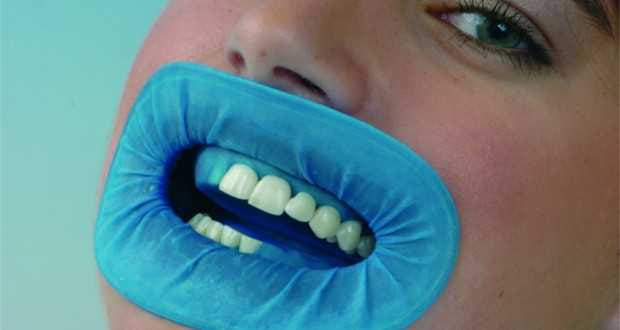
The use of a rubber dam plays a crucial role in aesthetic restorations by providing effective isolation during dental procedures. Placing the rubber dam ensures a dry, clean working field, free from saliva and moisture, which is essential for the proper bonding of restorative materials like composite fillings. Rubber dam isolation also enhances visibility and precision, allowing dentists to achieve better aesthetics and longevity in restorations.
Moreover, the rubber dam acts as a barrier protecting the treated tooth and surrounding tissues from contamination. Using rubber dam material reduces the risk of restoration failure caused by moisture or saliva contamination, which can compromise the bonding process. This technique is especially important in indirect and direct restorative treatments in dental practice to maximize the success of aesthetic outcomes.
Key Components of Rubber Dam Isolation
Rubber dam isolation relies on essential tools to ensure proper rubber dam placement and effective rubber dam usage during dental procedures. These components help create a reliable barrier and improve isolation in dental treatments.
- Rubber dam sheet;
- Rubber dam frame (Young Frame);
- Rubber dam punch;
- Clamp forceps;
- Rubber dam clamp;
- Water-soluble lubricant;
- Pen for marking rubber dam material;
- Dental floss for securing clamps;
- Abrasive strips for tooth preparation;
- Blunt tip spatula for stretching the dam;
- Scissors for trimming rubber dam material.
Each element plays a crucial role in the application of the rubber dam and supports the dam technique for improved dental practice.
The rubber dam from the operating system often comes with pre-cut rubber dam sheets. These pre-cut rubber dam material designed for various tooth configurations are easy to place and ensure proper fit. A dam made from an elastic material provides flexibility and strength. The strength of a latex dam allows stability during treatment. Still, clamps and dam can cause pressure if improperly placed, and dam wrinkles around the teeth may reduce visibility. Improper technique may also damage new restorations or cause discomfort, especially without the rubber dam as support.
The Importance of Dentist Skill in Rubber Dam Application
The skill of the dentist in the placement and removal of a rubber dam significantly impacts the success of dental procedures. Proper use of a rubber dam ensures effective isolation, prevents contamination, and protects soft tissues, while minimizing complications like torn dams or clamp-related injuries. Mastery of the rubber dam technique, including handling latex or non-latex dams and using the appropriate rubber dam retainer, is essential for maximizing the benefits of rubber dam isolation in restorative treatments.
Rubber dam – Conclusion
Using a rubber dam is a vital part of modern dental practice, providing effective isolation and protection during restorative treatments. Our clinic in Poland employs the latest rubber dam techniques, including both latex dam and non-latex options for patients with allergies. With experienced dentists skilled in proper placement and removal of the dam, we ensure the best outcomes and patient comfort.
Trust us for advanced rubber dam usage that maximizes treatment success and safeguards your oral health. Contact us today to experience professional care with expert rubber dam application.
FAQ
-
Is the rubber dam used during every dental procedure?
Rubber dam is usually applied for specific dental direct restorative treatments and indirect restorative treatments in dental practice but not every procedure requires its use. Dental schools emphasize the importance of the placement of the rubber dam to improve treatment quality.
-
Can I request not to use a rubber dam during my treatment?
Yes, patients can request, but use of rubber dam versus cotton rolls provides better isolation as a barrier and improves treatment outcomes by reducing contamination and moisture.
-
How does it feel to have a rubber dam in the mouth — is it uncomfortable?
Most patients adapt quickly to the sheet of rubber, and proper dam technique and dam material designed to fit reduce discomfort during treatment.
-
Can children be treated with a rubber dam?
Rubber dam usage on different types of patients, including children, is common, with special dental approaches such as split dam technique or using powder-free rubber dam which removes latex for patients with latex allergies.
-
How long does it take to place and remove a rubber dam?
Dam placement and removal usually take only a few minutes with the help of a dental assistant, following proper rubber dam technique.
-
Is there any risk of gag reflex when using a rubber dam?
Dam may trigger gag reflex in sensitive patients, but recent advances in rubber dam use, such as synthetic dam comes in one piece or split dam technique, help reduce this possibility.
-
Can a rubber dam cause damage to gums or lips?
Rubber dam clamps often gouge if not used correctly, and torn dam will compromise saliva control; however, correct rubber dam application prevents skin contact with rubber and protects soft tissues.
-
How should I breathe during treatment with a rubber dam?
Patients breathe normally through the nose, as the rubber dam acts as a barrier isolating the tooth without obstructing airflow.
-
Are there alternatives to a rubber dam for patients who can’t tolerate it?
Yes, alternatives exist but used without the rubber dam may compromise infection control and isolation; rubber dam isolation is preferred for dental restorative treatments.
-
Does the use of a rubber dam affect the total cost of treatment?
Rubber dam usage may slightly increase costs due to dam material and retraction of the rubber dam, but effects of rubber dam usage and isolation improve treatment longevity and outcomes.


Do you want to treat your teeth while you sleep?
Schedule an appointment!
By clicking the button, you give your agreet your personal data in accordance with privacy policy.
Services
All services-
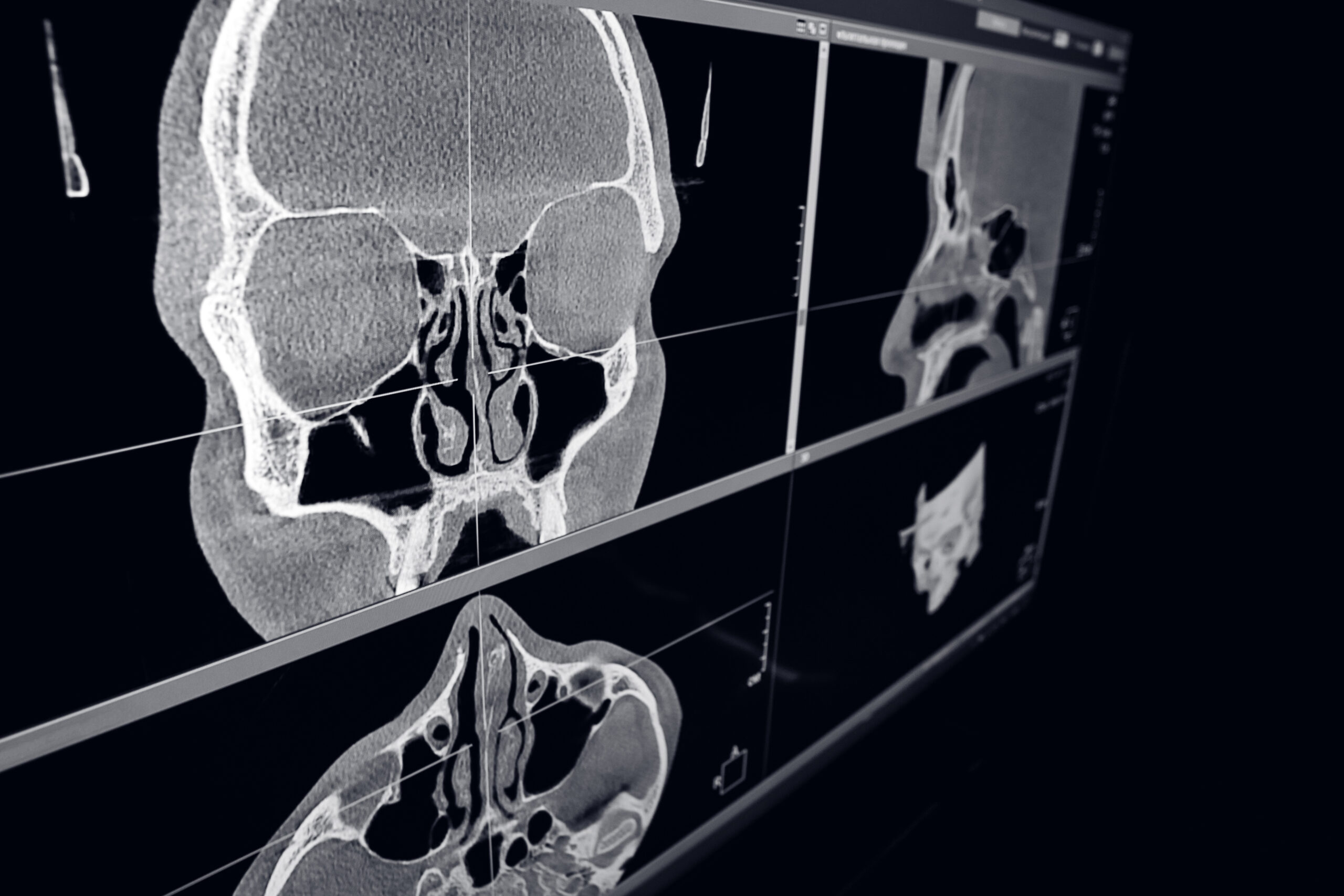
Computed tomography of ENT organs
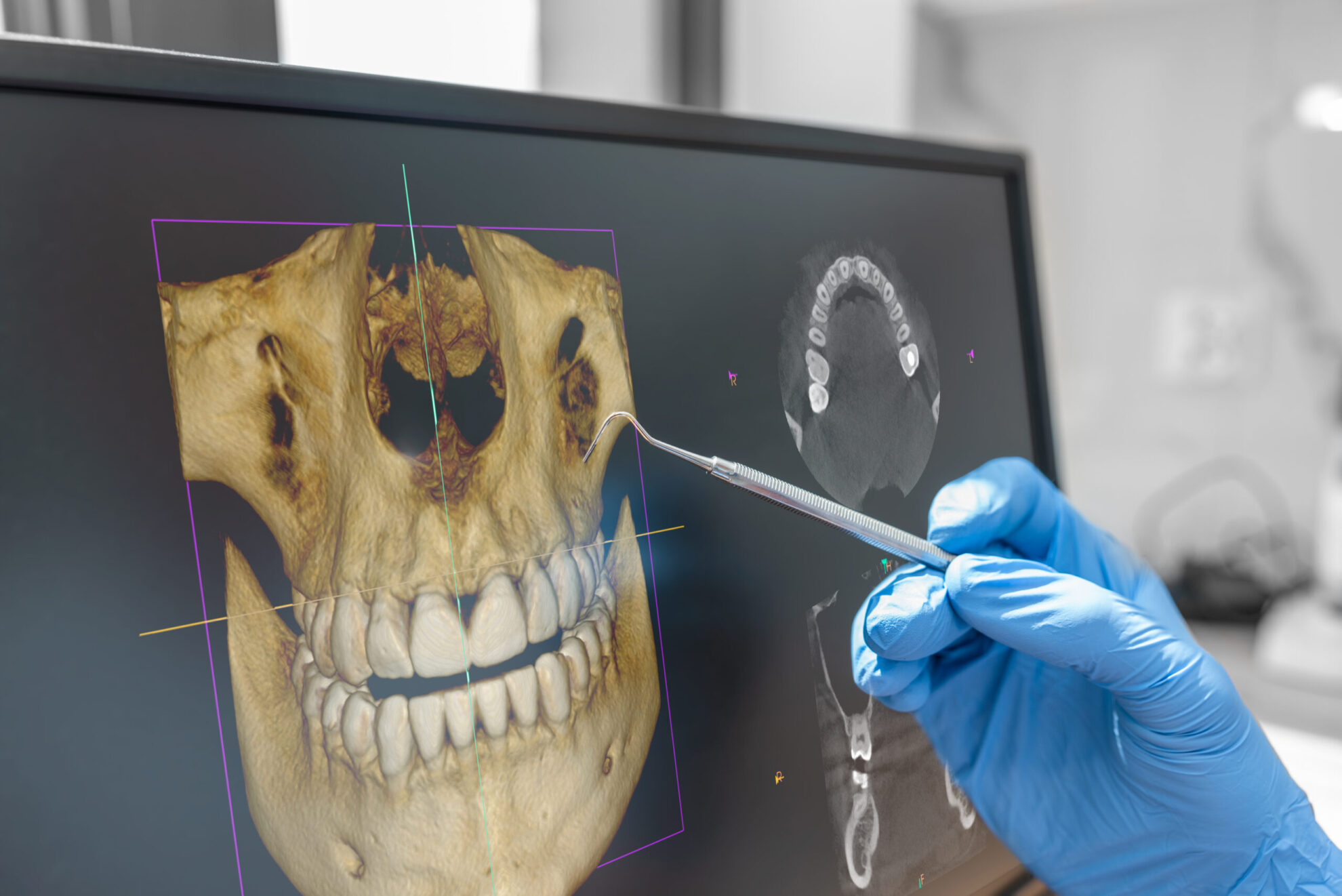
Cone beam computed tomography in radiation refers to a unique kind of X-ray when a regular facial or dental x-ray is not sufficient for diagnosis or any surgical technique. It gives the ENT doctor a detailed image of the air spaces, bones, and soft tissues in your neck and head.
Read more -
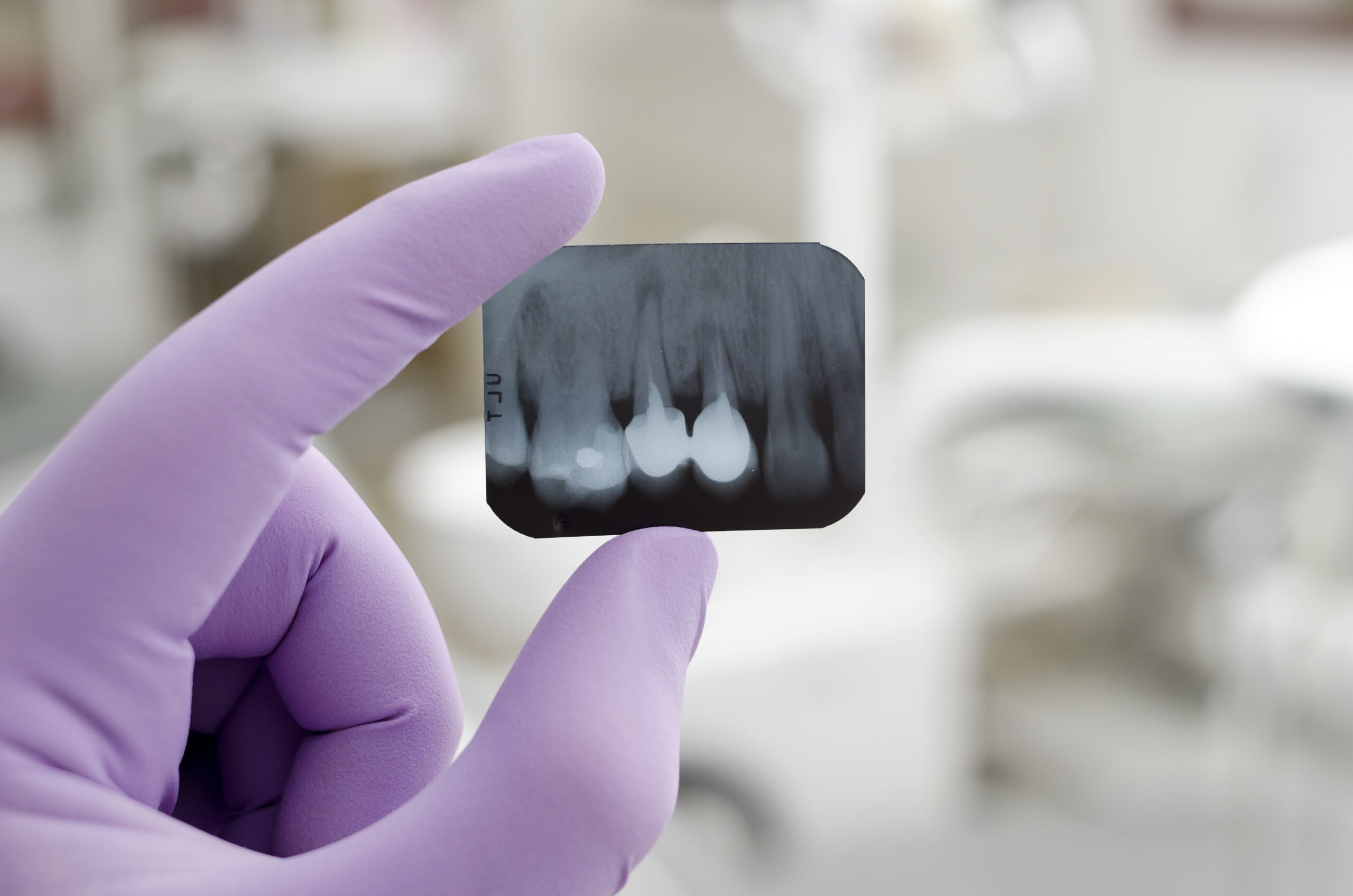
X-ray diagnostics of dental condition
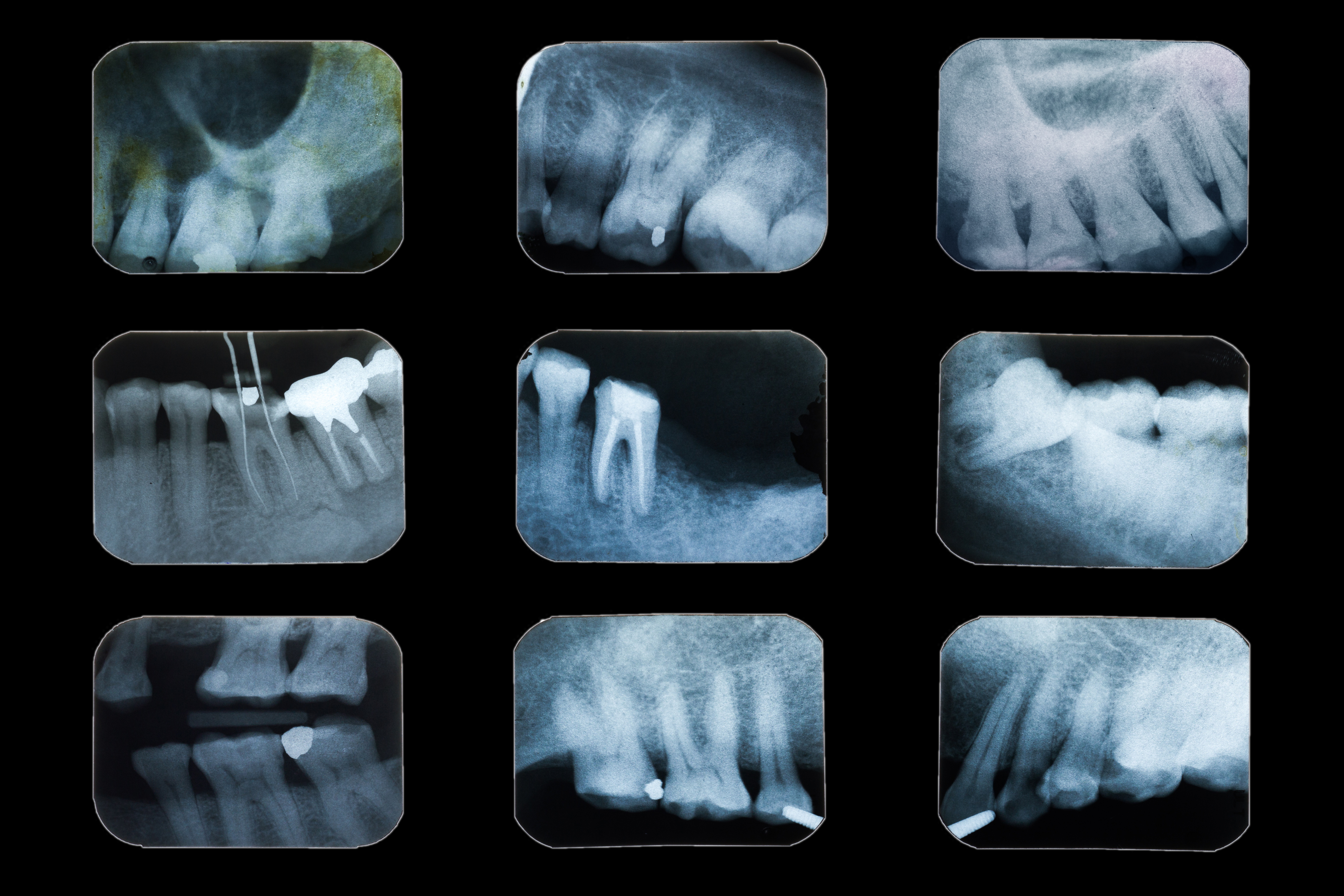
Dental x-ray diagnosis is the gold standard in dental examination and has been effectively used for decades. This widely used method allows dentists to accurately diagnose the condition of a tooth and develop an effective treatment plan. The Dynasty Stomatology dental center is equipped with modern devices, making dental x-rays at our clinic completely safe […]
Read more -
Ceramic inlays using CAD/CAM technology
Tooth damage caused by decay, chipping, or failed fillings requires not only functional restoration but also high aesthetics. A ceramic inlay is a modern dental solution that allows precise restoration of a damaged tooth, both in form and structure. Inlays made using CAD/CAM technology are known for their durability, strength, and ideal fit, making them […]
Read more -
Targeted dental x-ray
A single-tooth x-ray is a simple, quick, and affordable diagnostic method frequently used in dental diagnostics to assess oral health. A digital 2D dental x-ray reveals the condition of both the crown part of the tooth and its roots, along with the surrounding tissues. At Dynasty Stomatology dental clinic, this type of x-ray diagnostics is […]
Read more -
Ceramic veneers using CAD/CAM technology (digital veneers)
A radiant smile always looks beautiful, promotes good health, and attracts attention. And it’s absolutely achievable! Modern dentistry opens up vast opportunities to correct any imperfections of the dental arch, whether congenital or acquired.
Read more -
Dental Visiography
To obtain a detailed image of a tooth, we use a digital X-ray device known as a visiograph. This advanced dental visiography equipment ensures that every stage of treatment becomes as clear and transparent as possible. The modern device detects even the slightest changes in the structure of the teeth, allowing for early intervention. With […]
Read more -
Ceramic crowns using CAD/CAM technology
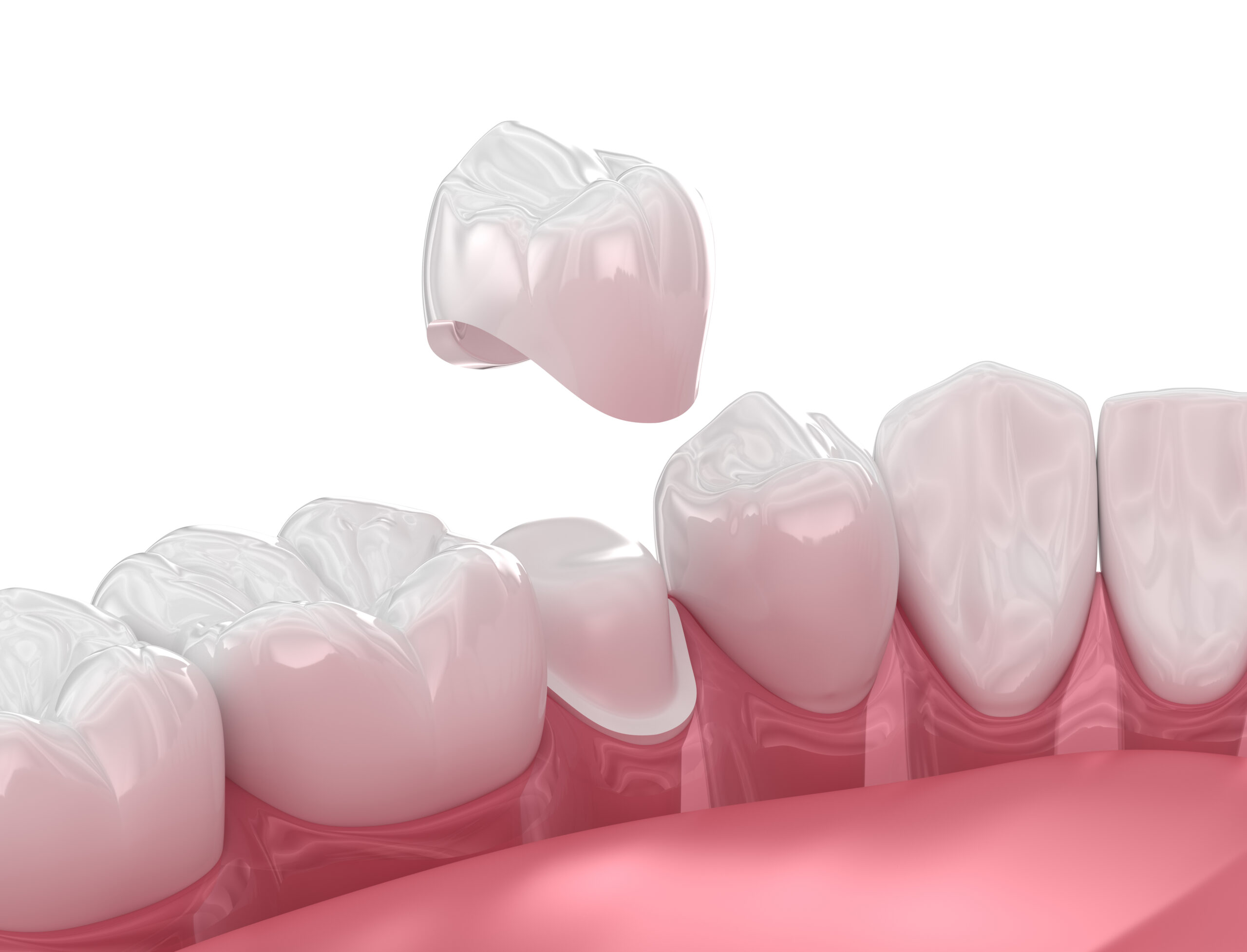
Ceramic crowns made with advanced technology like CAD/CAM technology blends aesthetics and functionality perfectly together. A patient will get high quality ceramic crowns with exact precision when they visit our clinic for treatment. Ceramic crowns are ideally recommended for caries and stained teeth. They are bio-compatible and do not cause allergies.
Read more -
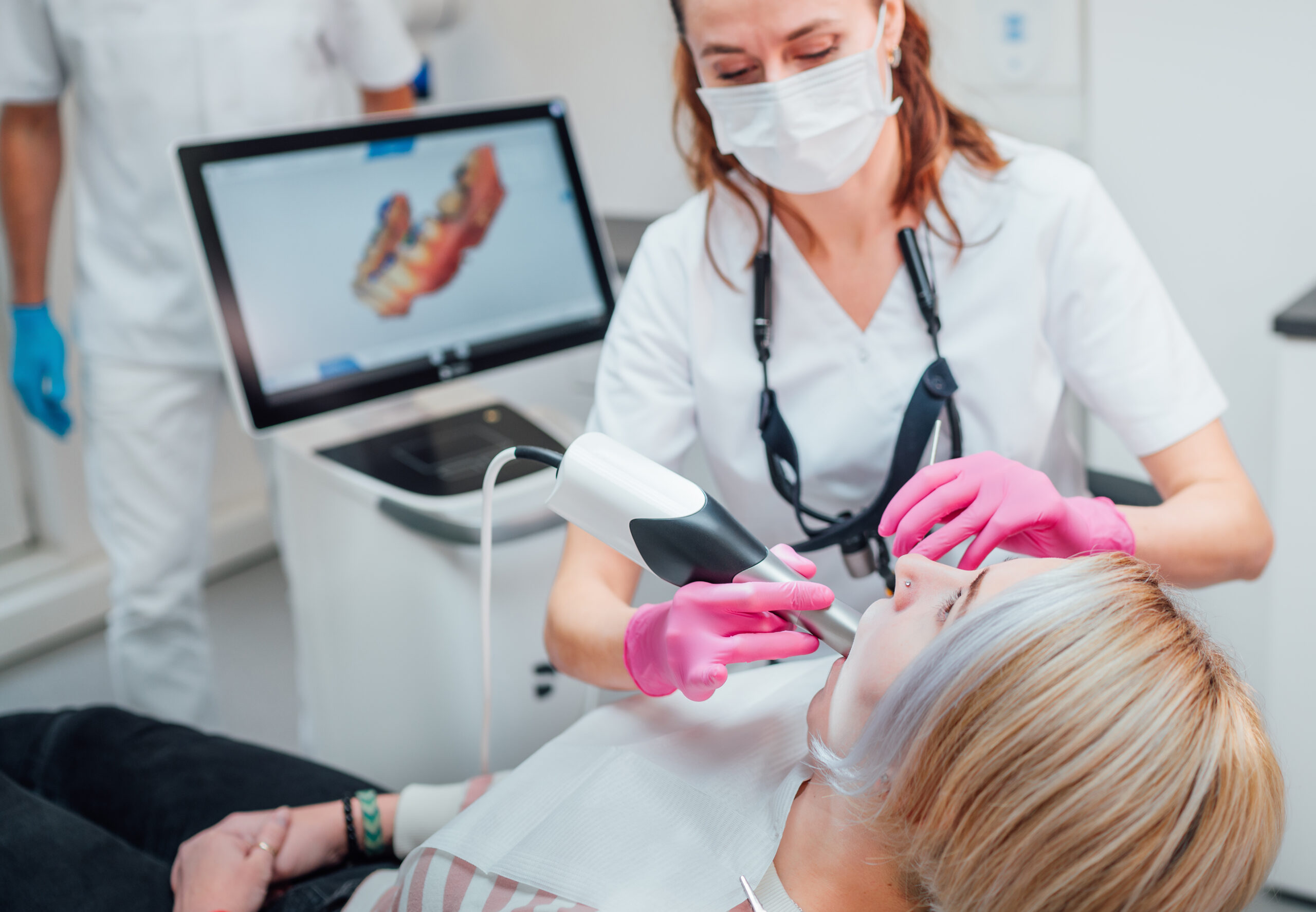
Digital Dentistry
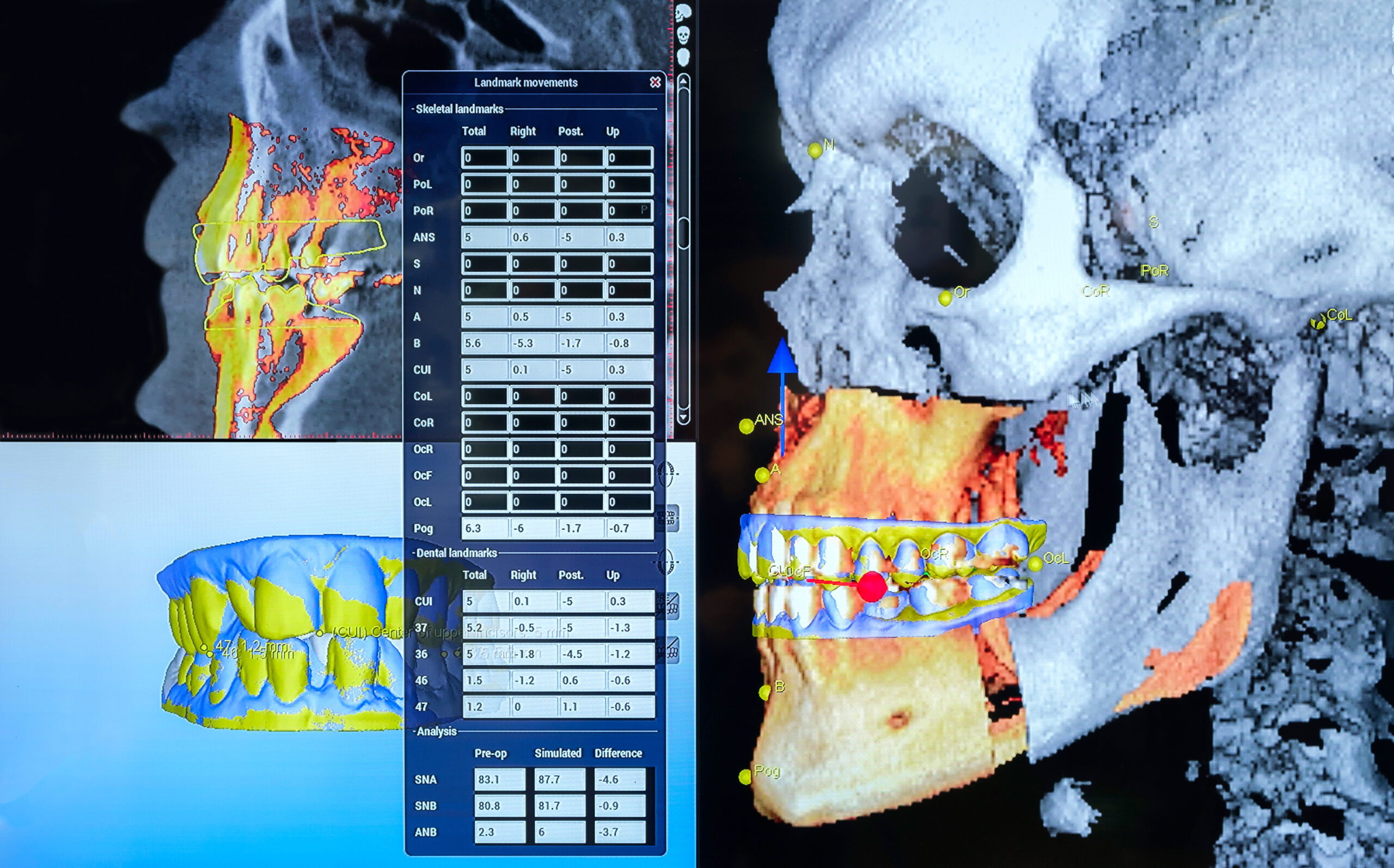
Dentistry has witnessed a significant technological revolution in the last few years. The foray of CAD/CAM technologies has made dental care more comfortable and pain-free for the patient. Known as “digital dentistry”, it is now becoming highly popular among patients and is redefining the future of dentistry today.
Read more -
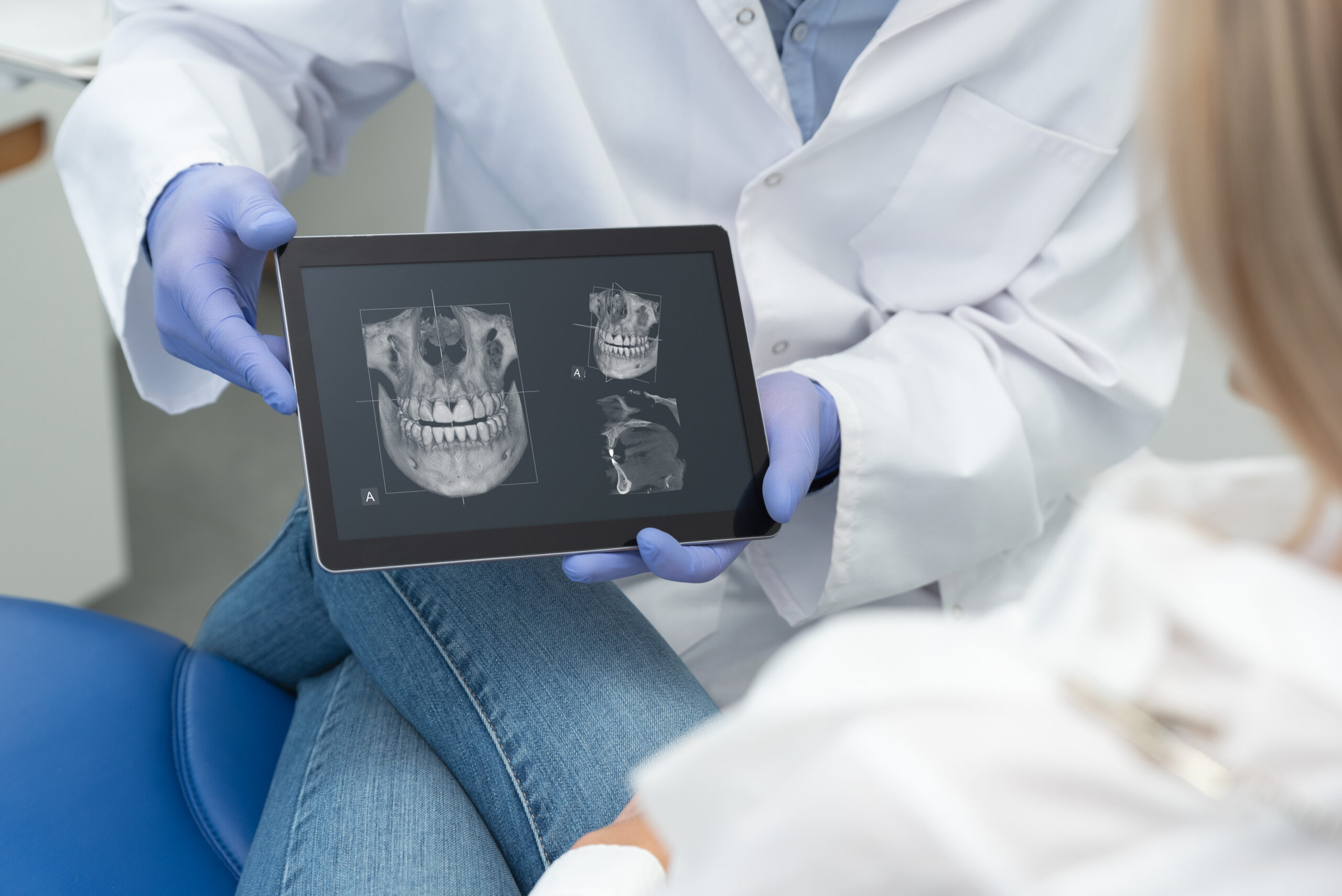
Computed tomography of teeth and oral cavity
A computed tomography (CT) scan of the jaw deploys the use of advanced technology to view the tissues and bones in dentistry. It is essential in dental diagnostics for accurate diagnosis and treatment plans. A dental CT is painless and different from an x-ray as it creates cross-sectional images with a radiation dose concealing hidden […]
Read more -
Digital smile Design
Thanks to the advent of modern digital technologies, you can attain a beautiful smile with dental aesthetics treatment. This procedure makes it possible for dentists to design a smile digitally before the start of the procedure. This simulation of digital smile design allows personalization and better precision of the final result.
Read more -
Diagnosis of dental diseases
Dental diagnostics is indispensable for the early identification of periodontal diseases and oral infections. Thanks to technological advancements in dental care, the diagnosis and treatment of tooth decay, gingiva, oral cavity, tooth abscess, and other serious oral healthcare issues can be done faster.
Read more


Read also
View all blog-
20.03.2026
14
8 min. read
What You Need to Know About Professional Teeth Whitening
A white smile makes a face look fresher and more well-groomed. However, over time, the shade of teeth changes. Diet,…
Read more -
19.03.2026
24
8 min. read
Professional hygiene in a dental office — The complete guide
Most people believe they take proper care of their teeth. They brush their teeth morning and night, floss, and buy…
Read more -
09.03.2026
13
9 min. read
Restorative Dentistry Guide — Everything You Need to Know
Sometimes a tooth decays almost unnoticed. There's no sharp pain or warning signs. A small spot, mild sensitivity to cold,…
Read more -
04.03.2026
21
5 min. read
How to avoid surgery in the future — a case study of early orthodontic treatment at age 6
A mother brought her 6-year-old son to the Dynasty Stomatology clinic. She was confused: her son had already been examined…
Read more -
26.02.2026
23
11 min. read
What is Dental Implant Procedure — A Complete Guide
Losing a tooth isn't always just about aesthetics. It's about self-confidence, the ability to smile without tension, the ability to…
Read more -
24.02.2026
41
9 min. read
Understanding Oral Surgery — What You Need to Know
Until recently, a visit to the dentist was associated with significant discomfort. Uncomfortable impressions, long waits, and the need for…
Read more -
19.02.2026
25
5 min. read
Online consultation with a dentist — how it works, how much it costs, and when it is really needed
There are many reasons why people put off visiting the dentist. Especially when they live in countries where it is…
Read more