
Rubber dam is a routine part of many dental treatments that helps improve safety, comfort, and efficiency during procedures. It allows the dentist to work in a clean, dry field while protecting the patient from swallowing debris or chemicals. Though widely used in modern dentistry, there are certain cases where it may not be suitable, depending on the patient’s condition or specific treatment needs.
What is Rubber Dam?
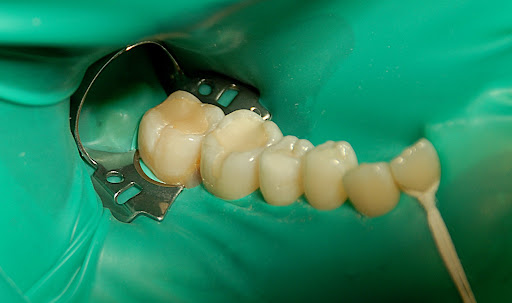
A rubber dam is a thin, flexible sheet — usually made of latex or non-latex rubber — that is used in dentistry to isolate one or more teeth during a dental procedure. The use of a rubber dam improves visibility, enhances infection control, and increases the overall efficiency of treatment. Commonly used in operative and restorative dentistry, particularly during a root canal, the rubber dam provides a reliable barrier between the working field and the rest of the mouth, minimizing contamination and improving outcomes.
What is a Rubber Dam used for?
The primary use of a rubber dam is to isolate teeth during dental procedures, ensuring a clean and dry working area. It serves as an excellent rubber dam as a barrier, blocking saliva and blood, and allows better adhesion of restorative materials. This improves visibility and infection control. Key uses include:
- Rubber dam isolation for restorative treatments.
- Protection against saliva contamination.
- Preventing ingestion of dental materials.
- Enhancing precision in operative dentistry.
- Easier dental dam placement with clamp and frame.
The Advantages of Rubber Dam Use in Dentistry
The use of a rubber dam in dental practice offers multiple benefits for both patients and professionals:
- Retraction of Soft Tissue;
- Excellent Infection Control;
- Increased Patient Safety;
- Enhanced Comfort for Dental Patients;
- More Accuracy for Dental Professionals;
- Greater Protection of Soft Tissues.
Numerous studies evaluate the effects of rubber dam usage and have shown that the effects of rubber dam isolation contribute significantly to the longevity of restorations. When we assess the effects of rubber dam isolation compared to alternative methods, it’s clear that isolation methods in dental restorative procedures improve results. By using the rubber dam, clinicians can minimize contamination, leading to better outcomes. These methods in dental restorative treatments have been validated in both clinical settings and dental school environments.
Indications for Rubber Dam
The use of a rubber dam in dental procedures is essential to ensure proper isolation and enhance treatment quality. It helps maintain a clean, dry working area while protecting the patient.
The use of the rubber dam is indicated in the following conditions:
- Reduce contamination;
- Improved vision and access;
- Prevents bacterial ingress;
- Airway protection;
- Prevents unnecessary exposure.
Contraindications for rubber dam
The use of a rubber dam has certain contraindications and limitations to consider.
- Patients with asthma or breathing difficulties, as the dam limits mouth breathing.
- Teeth that have not fully erupted, making proper seal difficult.
- Patients with latex allergies, though non-latex rubber dam options are available.
These factors may affect the use of rubber dam application in dental practice.
Although effective, the rubber dam may not be suitable for all patients. Individuals with a latex allergy require a non-latex rubber dam for patients or a dam for patients with latex sensitivity. Today, many clinics opt for a powder-free rubber dam which removes the possibility of allergic reactions. The latex dam and is simple to replace with synthetic options. However, a torn dam will compromise saliva control and may leave difficult-to-find rubber fragments in the gingival tissues, posing risks during or after treatment.
The Role of Rubber Dam in Aesthetic Restorations
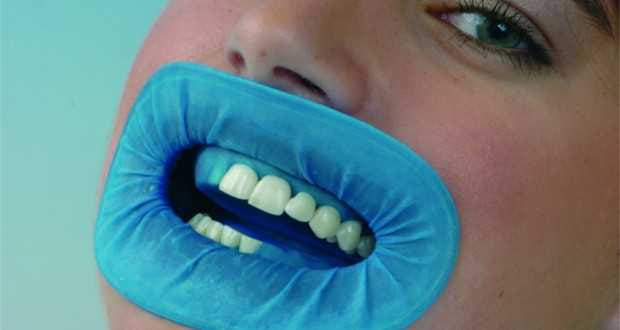
The use of a rubber dam plays a crucial role in aesthetic restorations by providing effective isolation during dental procedures. Placing the rubber dam ensures a dry, clean working field, free from saliva and moisture, which is essential for the proper bonding of restorative materials like composite fillings. Rubber dam isolation also enhances visibility and precision, allowing dentists to achieve better aesthetics and longevity in restorations.
Moreover, the rubber dam acts as a barrier protecting the treated tooth and surrounding tissues from contamination. Using rubber dam material reduces the risk of restoration failure caused by moisture or saliva contamination, which can compromise the bonding process. This technique is especially important in indirect and direct restorative treatments in dental practice to maximize the success of aesthetic outcomes.
Key Components of Rubber Dam Isolation
Rubber dam isolation relies on essential tools to ensure proper rubber dam placement and effective rubber dam usage during dental procedures. These components help create a reliable barrier and improve isolation in dental treatments.
- Rubber dam sheet;
- Rubber dam frame (Young Frame);
- Rubber dam punch;
- Clamp forceps;
- Rubber dam clamp;
- Water-soluble lubricant;
- Pen for marking rubber dam material;
- Dental floss for securing clamps;
- Abrasive strips for tooth preparation;
- Blunt tip spatula for stretching the dam;
- Scissors for trimming rubber dam material.
Each element plays a crucial role in the application of the rubber dam and supports the dam technique for improved dental practice.
The rubber dam from the operating system often comes with pre-cut rubber dam sheets. These pre-cut rubber dam material designed for various tooth configurations are easy to place and ensure proper fit. A dam made from an elastic material provides flexibility and strength. The strength of a latex dam allows stability during treatment. Still, clamps and dam can cause pressure if improperly placed, and dam wrinkles around the teeth may reduce visibility. Improper technique may also damage new restorations or cause discomfort, especially without the rubber dam as support.
The Importance of Dentist Skill in Rubber Dam Application
The skill of the dentist in the placement and removal of a rubber dam significantly impacts the success of dental procedures. Proper use of a rubber dam ensures effective isolation, prevents contamination, and protects soft tissues, while minimizing complications like torn dams or clamp-related injuries. Mastery of the rubber dam technique, including handling latex or non-latex dams and using the appropriate rubber dam retainer, is essential for maximizing the benefits of rubber dam isolation in restorative treatments.
Rubber dam – Conclusion
Using a rubber dam is a vital part of modern dental practice, providing effective isolation and protection during restorative treatments. Our clinic in Poland employs the latest rubber dam techniques, including both latex dam and non-latex options for patients with allergies. With experienced dentists skilled in proper placement and removal of the dam, we ensure the best outcomes and patient comfort.
Trust us for advanced rubber dam usage that maximizes treatment success and safeguards your oral health. Contact us today to experience professional care with expert rubber dam application.
FAQ
-
Rubber dam is usually applied for specific dental direct restorative treatments and indirect restorative treatments in dental practice but not every procedure requires its use. Dental schools emphasize the importance of the placement of the rubber dam to improve treatment quality.
-
Yes, patients can request, but use of rubber dam versus cotton rolls provides better isolation as a barrier and improves treatment outcomes by reducing contamination and moisture.
-
Most patients adapt quickly to the sheet of rubber, and proper dam technique and dam material designed to fit reduce discomfort during treatment.
-
Rubber dam usage on different types of patients, including children, is common, with special dental approaches such as split dam technique or using powder-free rubber dam which removes latex for patients with latex allergies.
-
Dam placement and removal usually take only a few minutes with the help of a dental assistant, following proper rubber dam technique.
-
Dam may trigger gag reflex in sensitive patients, but recent advances in rubber dam use, such as synthetic dam comes in one piece or split dam technique, help reduce this possibility.
-
Rubber dam clamps often gouge if not used correctly, and torn dam will compromise saliva control; however, correct rubber dam application prevents skin contact with rubber and protects soft tissues.
-
Patients breathe normally through the nose, as the rubber dam acts as a barrier isolating the tooth without obstructing airflow.
-
Yes, alternatives exist but used without the rubber dam may compromise infection control and isolation; rubber dam isolation is preferred for dental restorative treatments.
-
Rubber dam usage may slightly increase costs due to dam material and retraction of the rubber dam, but effects of rubber dam usage and isolation improve treatment longevity and outcomes.