
Open bite – how to treat, is surgery necessary?


04.09.2025
297
7 min. read
Why Patients Trust Dynasty Stomatology
The trust in Dynasty Stomatology is built on a combination of many years of experience and an individual approach to every patient. We understand that a visit to the dentist is often accompanied by anxiety, so we place special emphasis on creating a comfortable and calm atmosphere where every patient feels safe.
The clinic is equipped with modern technology and uses advanced treatment methods, ensuring that procedures are carried out with maximum precision, efficiency, and comfort. All materials undergo strict quality control, and our doctors regularly improve their qualifications to offer only the most up-to-date and proven techniques.
In addition, Dynasty Stomatology values long-term relationships with patients. Our goal is not only to solve the problem at hand but also to maintain the health of teeth and gums for years to come. Openness, honesty, and transparency are the key principles that have earned the clinic its reputation as a reliable dental partner.
Facts about Dynasty Stomatology:
✅ Over 10 years of successful work in dentistry.
✅ Hundreds of positive reviews from patients in [Страна в соответствии с регионом] and abroad.
✅ We use premium materials from leading global brands.
✅ We offer treatment under sedation and general anesthesia.
✅ A full range of services — from pediatric dentistry to complex surgical operations.
Dynasty Stomatology — trust, expertise, reliability, and care for the beauty of your smile.
Learn about usMedical Expertise
Dynasty Stomatology’s doctors conduct medical reviews of all materials on the website to ensure their accuracy and practical value. Our authors and editors are experienced specialists in the fields of therapeutic, surgical, orthopedic, and pediatric dentistry. This approach allows us to maintain high professional standards and provide our readers with only verified, up-to-date, and useful information.
An open bite can affect more than just the way your teeth come together—it can influence your speech, chewing efficiency, and even your confidence. While some cases are mild and manageable, others may require comprehensive orthodontic care or even surgical intervention to restore proper bite function. Understanding the available treatment options, from braces and aligners to more advanced corrective procedures, is essential for making informed decisions about your dental health. In this article, we’ll explore how to treat an open bite, when surgery might be necessary, and what to expect on your journey to a healthier smile.
What is an open bite?
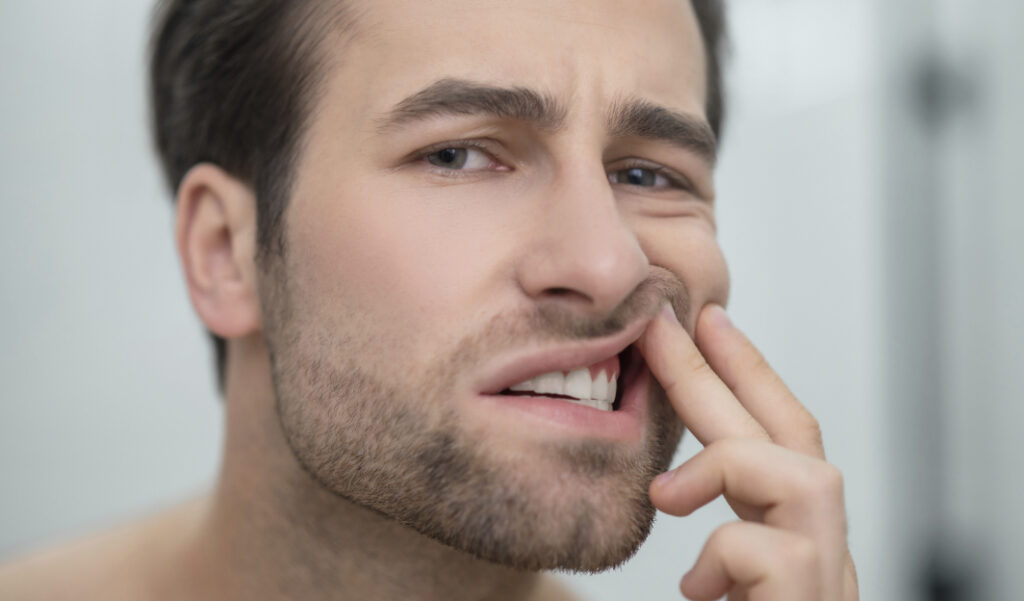
An open bite is a type of malocclusion in which the upper and lower teeth do not touch when the mouth is closed, leaving a visible gap between the front teeth or, in some cases, the back teeth. This condition can occur in both anterior open bite and posterior open bite forms and may result from habits, jaw growth patterns, or skeletal discrepancies. As a result, open bite affects overall oral function, including chewing, speech, and long-term dental health.
Types of Open Bites
There are two main types of open bites, each defined by where the gap between the teeth occurs and how it affects bite function:
- Anterior open bite occurs when the upper and lower front teeth are separated, and the back teeth are packed tightly together. The bite has an opening or gap because the front teeth do not touch or overlap.
- Posterior Open Bite occurs when the upper and lower back teeth are separated while the front teeth are closed together. The absence of contact or overlap between the back teeth creates an opening in the bite that presents itself at the back of the mouth.
Causes of an open bite
An open bite malocclusion can begin forming as early as infancy due to habits or developmental factors, or it may appear later in childhood or adulthood as a result of dental, skeletal, or behavioral causes:
- predisposition;
- genetics;
- prolonged bottle feeding;
- prolonged sucking of a pacifier or finger;
- premature eruption of primary teeth;
- difficulties with breathing;
- enlargement of the third tonsil;
- bad habits such as nail biting;
- endocrine diseases;
- abnormally growing teeth.
Understanding the causes of an open bite is essential for creating an effective treatment plan and preventing the bite issues from worsening over time.
Impact and Consequences of an Open Bite
Timely correction of an open bite is crucial, as leaving it untreated can cause an open bite to progress and lead to multiple complications affecting function, appearance, and overall oral health:
- Chewing Difficulties – Improper alignment of the teeth of the upper and lower jaw can reduce biting efficiency and put excess strain on jaw muscles.
- Speech Issues – Gaps between the front teeth often affect tongue placement, making it harder to pronounce certain sounds clearly.
- Aesthetic Issues – An open bite can alter facial proportions and smile harmony, impacting self-confidence.
- Oral Health Complications – Misaligned bite can lead to uneven tooth wear, gum problems, and a higher risk of cavities over time.
Open Bite Treatment Options
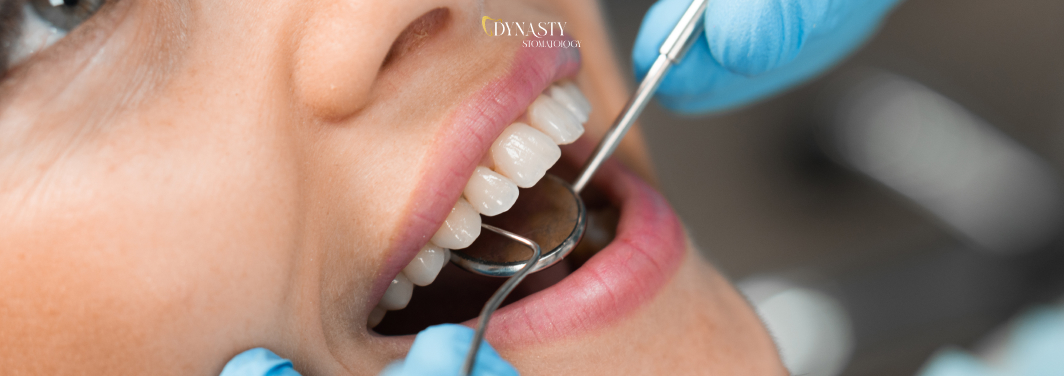
Before starting open bite treatment, a dentist or orthodontist conducts a thorough examination and diagnostics to determine the severity of the open bite, identify its causes, and decide how is an open bite fixed in each individual case. This may include dental impressions, X-rays, and bite analysis to create a treatment plan tailored to the patient’s needs. Since open bite cases vary — from mild to moderate open bites to severe skeletal open bite — treatment methods are selected individually to ensure the best outcome and a harmonious bite.
Treatment options include:
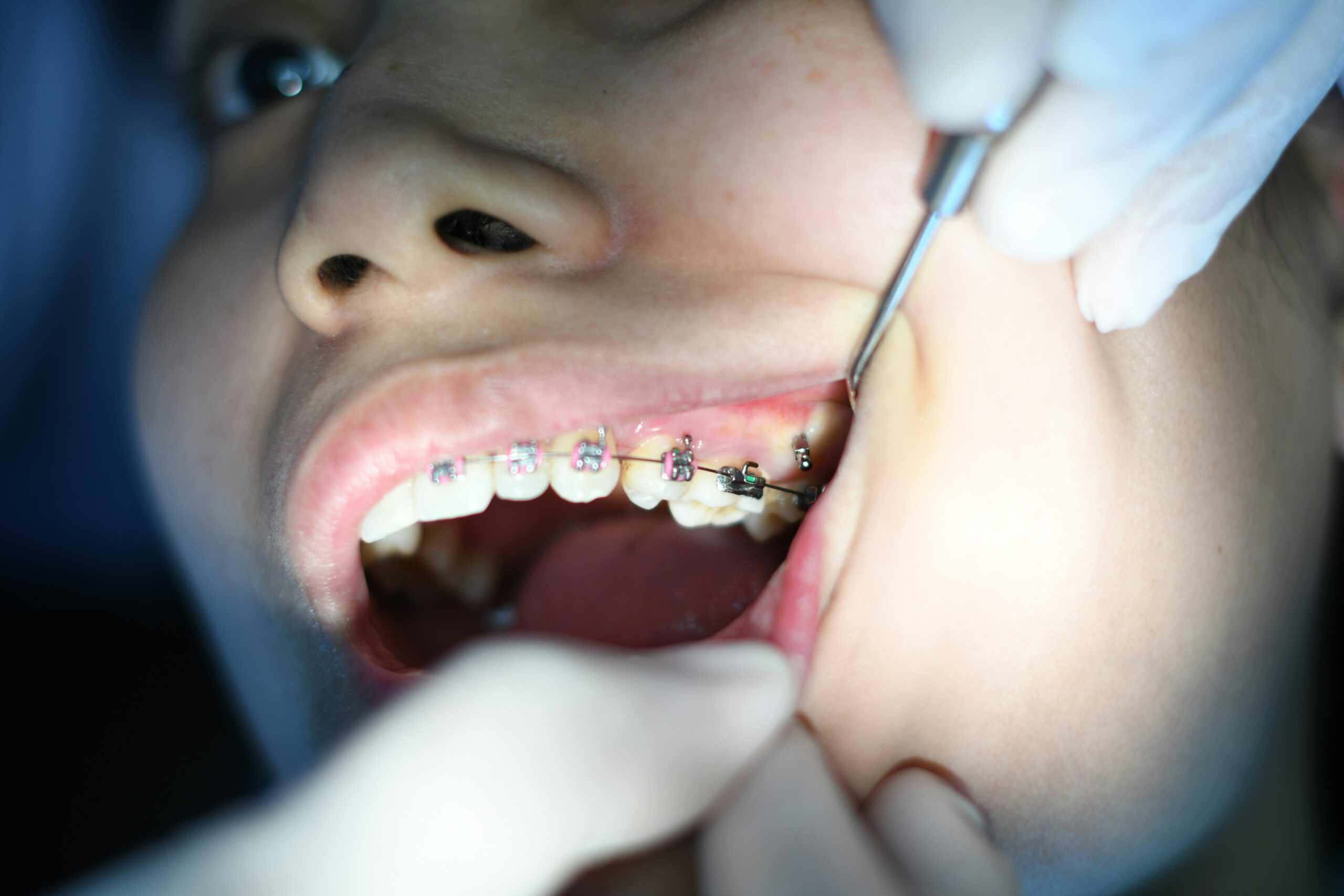
- Orthodontic treatment – Braces for open bite or clear aligners like Invisalign treatment gradually move the teeth of the upper and lower jaw into a correct bite position. This is often the first choice in mild to moderate open bite cases, especially in open bite in children and young adults. Open bite braces rubber bands may also be used to enhance bite closure.
- Orthognathic surgery – Recommended when open bite surgery is necessary to correct severe skeletal open bite or when orthodontic treatment alone cannot achieve proper alignment. Open bite jaw surgery repositions the upper and lower jaw to close the space between the teeth permanently.
- Extrusion or intrusion of teeth – A targeted orthodontic method used to move specific teeth up or down to improve bite closure, especially in dental open bite cases where tooth position is the main issue.
- Tongue exercises – Aimed at retraining tongue posture and movement, these help prevent tongue thrusting, which can contribute to open bite issues. They are often part of a personalized treatment plan when the open bite may be linked to muscle habits.
- Habit correction – Eliminating habits such as prolonged pacifier use, thumb sucking, or nail biting that can cause an open bite or worsen existing bite issues. This is essential in treating open bites in children.
- Temporary bite correction – In some cases, bite fixer devices, bite block orthodontics, or other ortho bite appliances are used as an interim measure to improve bite function and appearance before or alongside definitive treatment.
How to fix an open bite is always determined individually.
Choosing the Right Open Bite Treatment Option
Factors to consider when selecting a treatment method for how to fix open bite include:
- The severity of the open bite.
- Age and growth stage.
- Personal preferences.
- Treatment duration.
The importance of consulting with an orthodontist lies in receiving a professional evaluation and determining the most effective and personalized treatment plan for your case.

Open Bite Treatment Cost factors
When considering open bite treatment, several factors can influence the overall cost:
- Open bite severity: The extent of the open bite might influence the complexity of the necessary treatment, affecting the final cost.
- Approach to treatment: There are a variety of approaches to treating openbite, including can braces fix an open bite, can invisalign fix open bite, and orthognathic surgery may. The cost may differ depending on the treatment option selected.
- Geographical location: Healthcare costs can differ from one place to another.
- Professional fees: The amount an orthodontist or oral surgeon charges for their services may vary, influencing the total cost for treatment for adults.
- Additional procedures: In some circumstances, additional treatments, such as tooth extraction, may be required to correct an open bite and produce the desired results.
- Retention phase: A retention phase is typically needed to preserve the effects after the active phase of treatment. Retainers or other appliances could be used during this period, contributing to the overall cost of treatment modalities.
Early Detection and Intervention in Children
Early detection of open bite in children is crucial because timely intervention can prevent the progression of the malocclusion and reduce the need for more invasive treatments later. Correct open bite teeth at an early age can promote proper alignment of the top and bottom teeth, improve bite function, and support overall oral health. With appropriate treatment, open bite correction in children often results in a harmonious bite and more predictable long-term outcomes.
Open Bite – Conclusion
Open bite is one dental condition that can affect both function and aesthetics if left untreated. Understanding whats an open bite and its causes of open is essential for choosing the right treatment for open, whether in children or open bite in adults. With timely intervention and a personalized treatment plan, even complete open bite cases can be successfully open bite treated, improving bite function and overall oral health.
FAQ
-
What is open bite, and how is it diagnosed?
Open bite meaning refers to a type of malocclusion where the upper and lower teeth do not touch when the mouth is closed, unlike a close bite. Diagnosis involves a dental examination and imaging to assess the alignment of open bite teeth.
-
What are the most common treatment options for an open bite?
Treatment of an open bite may include braces, Invisalign, or orthognathic surgery depending on severity and age.
-
Can Invisalign treat an open bite effectively?
In mild to moderate cases, Invisalign can correct open bite teeth using customized aligners without surgery.
-
Is surgery necessary to fix an open bite?
Surgery is necessary only for severe open bite cases or skeletal open bite malformations.
-
How long does it take to treat an open bite?
Treatment may vary, typically lasting several months to a few years depending on the complexity and chosen method.
-
Can open bites cause long-term jaw joint problems or TMJ disorders?
Yes, open bite can cause strain on the jaw and lead to TMJ disorders if left untreated.
-
Is it possible for an open bite to worsen over time without treatment?
Open bite caused by growth patterns or habits may worsen over time if not addressed early.
-
What role does myofunctional therapy play in open bite correction?
Innovative treatment such as myofunctional therapy can help retrain tongue and muscle function to support bite closure.
-
Are there natural or at-home ways to manage a mild open bite?
Some mild cases of open bite can be managed with exercises or habit correction, but you should discuss your treatment with an orthodontist.
-
How do I know if my child’s open bite is temporary or needs orthodontic treatment?
Treatment for people in childhood depends on whether the open bite is caused by habits, growth, or permanent teeth alignment, so early evaluation is essential.


Do you want to treat your teeth while you sleep?
Schedule an appointment!
By clicking the button, you give your agreet your personal data in accordance with privacy policy.
Services
All services-
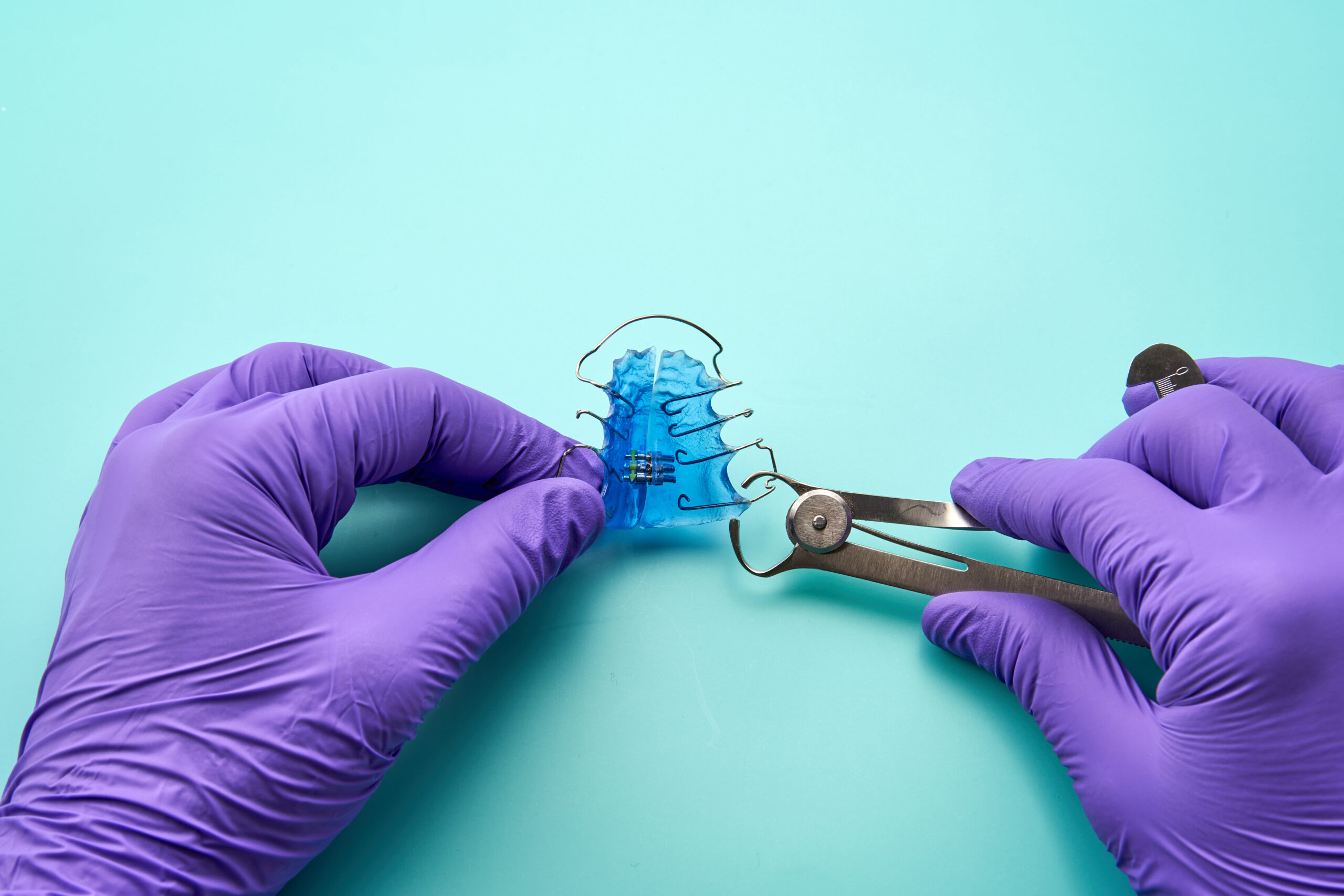
Orthodontic plates and appliances for children and adults
Bite disorders are a common dental problem in both children and adults. If uncorrected, occlusal disorders can lead to difficulties in hygiene, increased enamel abrasion, increased stress on the jaw joints and aesthetic discomfort. Orthodontic plates and appliances are effective and gentle in correcting this problem, especially in the early stages.
Read more -
Retainers
Retainers are dental appliances attached to the teeth custom-made to keep the position of your teeth in place after an orthodontic treatment. Once aligners or braces are removed, the teeth will tend to move into their original places. Orthodontists prescribe retainers to stop this move from occurring. They can be either fixed or removable in […]
Read more -
Self-ligating braces
Braces play a significant role in dental care for orthodontic treatment and smile aesthetics. One of the major developments in modern dentistry today is the emergence of the self-litigating orthodontic appliance.
Read more -
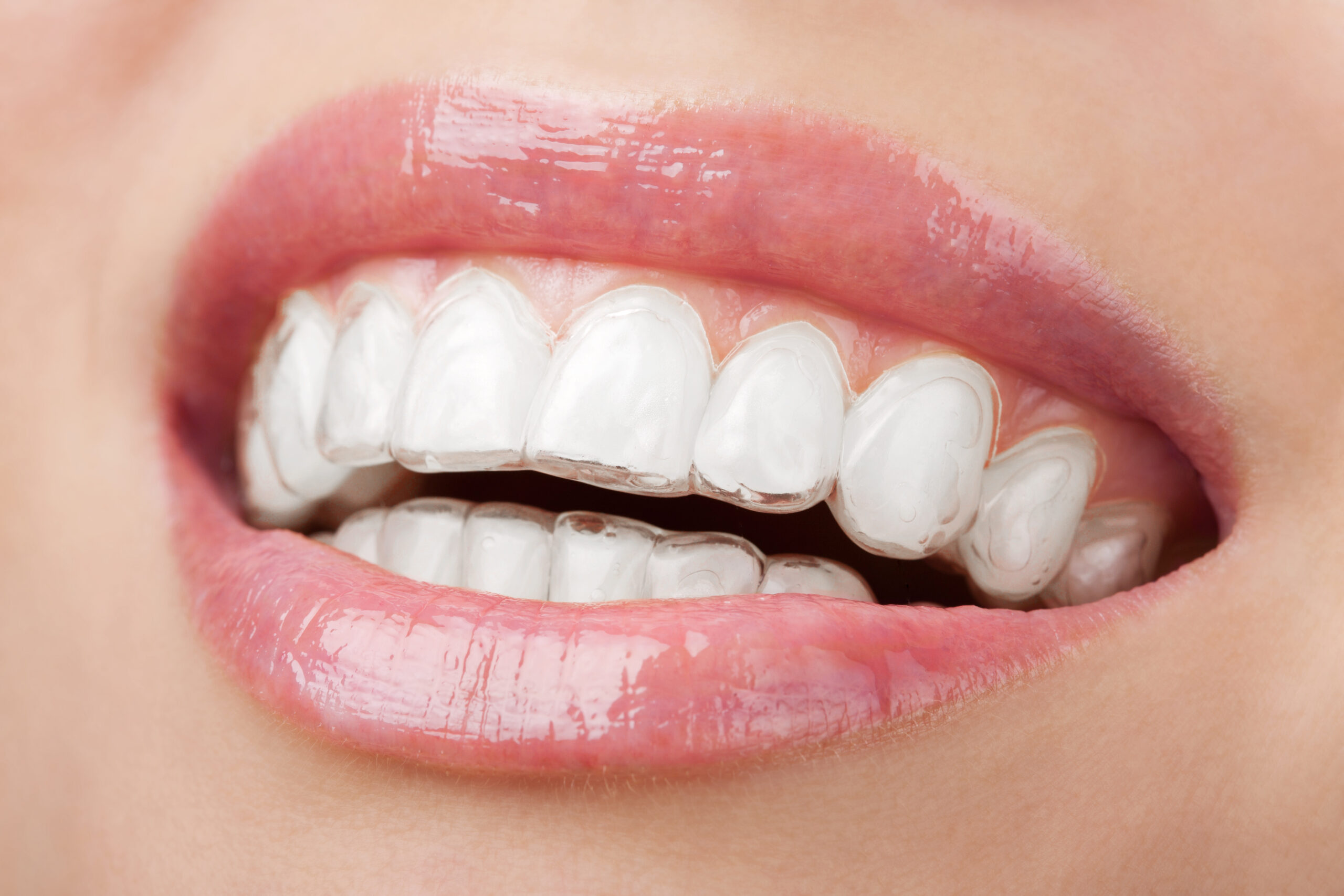
Aligners
Aligners are an innovative and nearly invisible alternative to traditional braces designed to straighten teeth and correct bite issues. They are clear, removable trays that fit comfortably over the teeth, do not interfere with speech, and cause no discomfort during wear. Orthodontic treatment with aligners is gradual and effective, requiring minimal disruption to your daily […]
Read more -
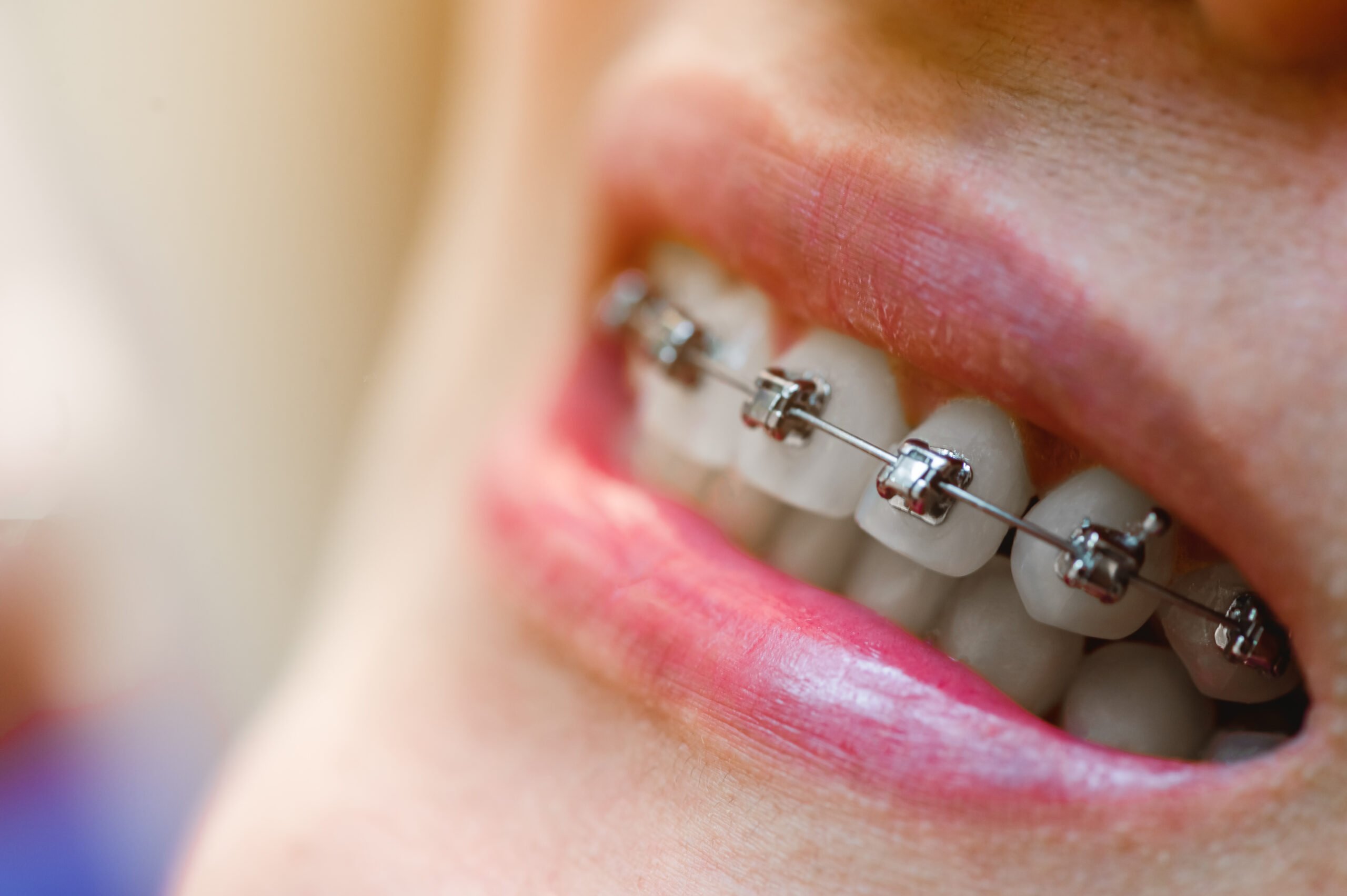
Metal braces
Metal braces are a classic orthodontic appliance designed to correct malocclusion and align the teeth. This brace system is suitable for both teenagers and adult patients, especially in cases of pronounced or complex bite irregularities. Orthodontic treatment with metal brackets not only improves the aesthetics of the smile, but also restores full chewing function.
Read more -
Ceramic braces
Ceramic braces are a modern and aesthetic way to correct malocclusion and straighten the tooth row. They are made from a durable ceramic material that matches the tooth colour, making them almost invisible against the enamel. An orthodontic ceramic brace system looks much more aesthetic and less noticeable compared to traditional metal braces. Additionally, ceramics […]
Read more -
Braces installation
Orthodontics primarily deals with the diagnosis, prevention and correction of teeth and jaws that are misaligned with each other. Oral hygiene and regular maintenance of fixed braces is mandatory for their optimal effectiveness
Read more -
Orthodontics (bite correction)
Malocclusions occur when the jaw or teeth are not aligned correctly. This affects your smile, makes it hard to chew, and causes discomfort. Bite correction is the process where braces or aligners are used in orthodontic treatments to correct the flaw. The treatment enhances overall function and boosts appearance. You should always wear a mouthguard […]
Read more



Read also
View all blog-
20.03.2026
15
8 min. read
What You Need to Know About Professional Teeth Whitening
A white smile makes a face look fresher and more well-groomed. However, over time, the shade of teeth changes. Diet,…
Read more -
19.03.2026
24
8 min. read
Professional hygiene in a dental office — The complete guide
Most people believe they take proper care of their teeth. They brush their teeth morning and night, floss, and buy…
Read more -
09.03.2026
13
9 min. read
Restorative Dentistry Guide — Everything You Need to Know
Sometimes a tooth decays almost unnoticed. There's no sharp pain or warning signs. A small spot, mild sensitivity to cold,…
Read more -
04.03.2026
21
5 min. read
How to avoid surgery in the future — a case study of early orthodontic treatment at age 6
A mother brought her 6-year-old son to the Dynasty Stomatology clinic. She was confused: her son had already been examined…
Read more -
26.02.2026
23
11 min. read
What is Dental Implant Procedure — A Complete Guide
Losing a tooth isn't always just about aesthetics. It's about self-confidence, the ability to smile without tension, the ability to…
Read more -
24.02.2026
41
9 min. read
Understanding Oral Surgery — What You Need to Know
Until recently, a visit to the dentist was associated with significant discomfort. Uncomfortable impressions, long waits, and the need for…
Read more -
19.02.2026
25
5 min. read
Online consultation with a dentist — how it works, how much it costs, and when it is really needed
There are many reasons why people put off visiting the dentist. Especially when they live in countries where it is…
Read more