

An open bite can affect more than just the way your teeth come together—it can influence your speech, chewing efficiency, and even your confidence. While some cases are mild and manageable, others may require comprehensive orthodontic care or even surgical intervention to restore proper bite function. Understanding the available treatment options, from braces and aligners to more advanced corrective procedures, is essential for making informed decisions about your dental health. In this article, we’ll explore how to treat an open bite, when surgery might be necessary, and what to expect on your journey to a healthier smile.
What is an open bite?
An open bite is a type of malocclusion in which the upper and lower teeth do not touch when the mouth is closed, leaving a visible gap between the front teeth or, in some cases, the back teeth. This condition can occur in both anterior open bite and posterior open bite forms and may result from habits, jaw growth patterns, or skeletal discrepancies. As a result, open bite affects overall oral function, including chewing, speech, and long-term dental health.
Types of Open Bites
There are two main types of open bites, each defined by where the gap between the teeth occurs and how it affects bite function:
- Anterior open bite occurs when the upper and lower front teeth are separated, and the back teeth are packed tightly together. The bite has an opening or gap because the front teeth do not touch or overlap.
- Posterior Open Bite occurs when the upper and lower back teeth are separated while the front teeth are closed together. The absence of contact or overlap between the back teeth creates an opening in the bite that presents itself at the back of the mouth.
Causes of an open bite
An open bite malocclusion can begin forming as early as infancy due to habits or developmental factors, or it may appear later in childhood or adulthood as a result of dental, skeletal, or behavioral causes:
- predisposition;
- genetics;
- prolonged bottle feeding;
- prolonged sucking of a pacifier or finger;
- premature eruption of primary teeth;
- difficulties with breathing;
- enlargement of the third tonsil;
- bad habits such as nail biting;
- endocrine diseases;
- abnormally growing teeth.
Understanding the causes of an open bite is essential for creating an effective treatment plan and preventing the bite issues from worsening over time.
Impact and Consequences of an Open Bite
Timely correction of an open bite is crucial, as leaving it untreated can cause an open bite to progress and lead to multiple complications affecting function, appearance, and overall oral health:
- Chewing Difficulties – Improper alignment of the teeth of the upper and lower jaw can reduce biting efficiency and put excess strain on jaw muscles.
- Speech Issues – Gaps between the front teeth often affect tongue placement, making it harder to pronounce certain sounds clearly.
- Aesthetic Issues – An open bite can alter facial proportions and smile harmony, impacting self-confidence.
- Oral Health Complications – Misaligned bite can lead to uneven tooth wear, gum problems, and a higher risk of cavities over time.
Open Bite Treatment Options
Before starting open bite treatment, a dentist or orthodontist conducts a thorough examination and diagnostics to determine the severity of the open bite, identify its causes, and decide how is an open bite fixed in each individual case. This may include dental impressions, X-rays, and bite analysis to create a treatment plan tailored to the patient’s needs. Since open bite cases vary — from mild to moderate open bites to severe skeletal open bite — treatment methods are selected individually to ensure the best outcome and a harmonious bite.
Treatment options include:
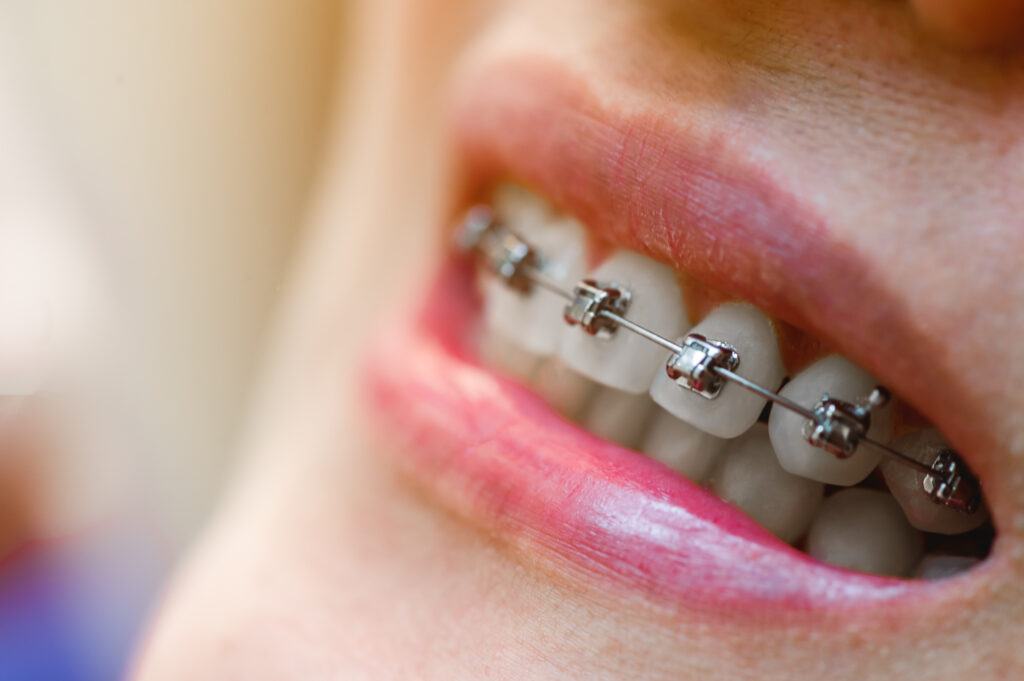
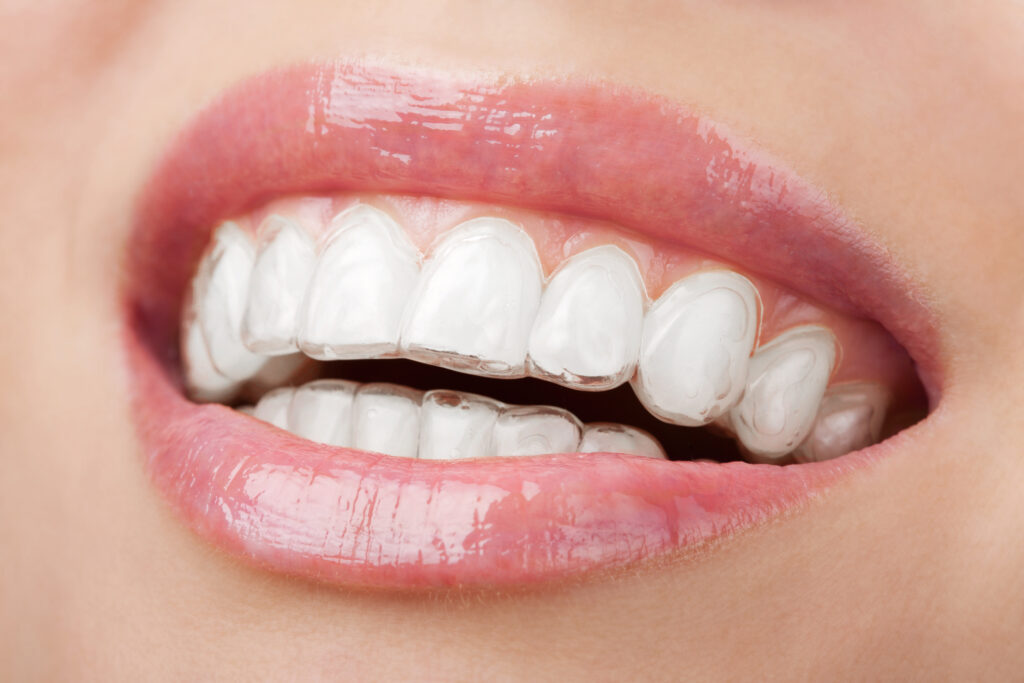
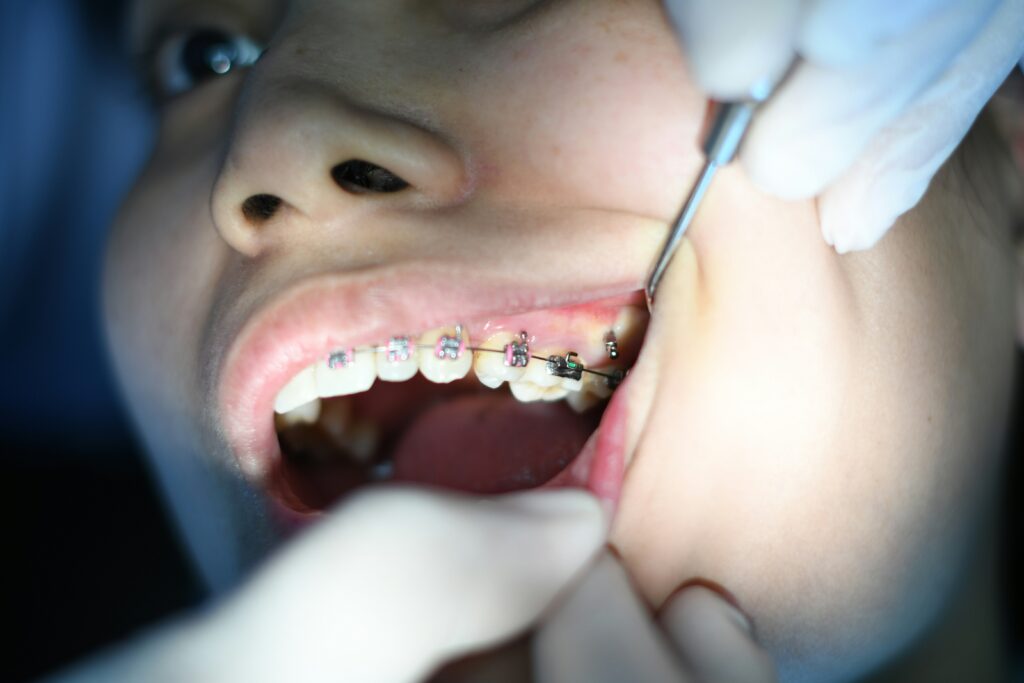
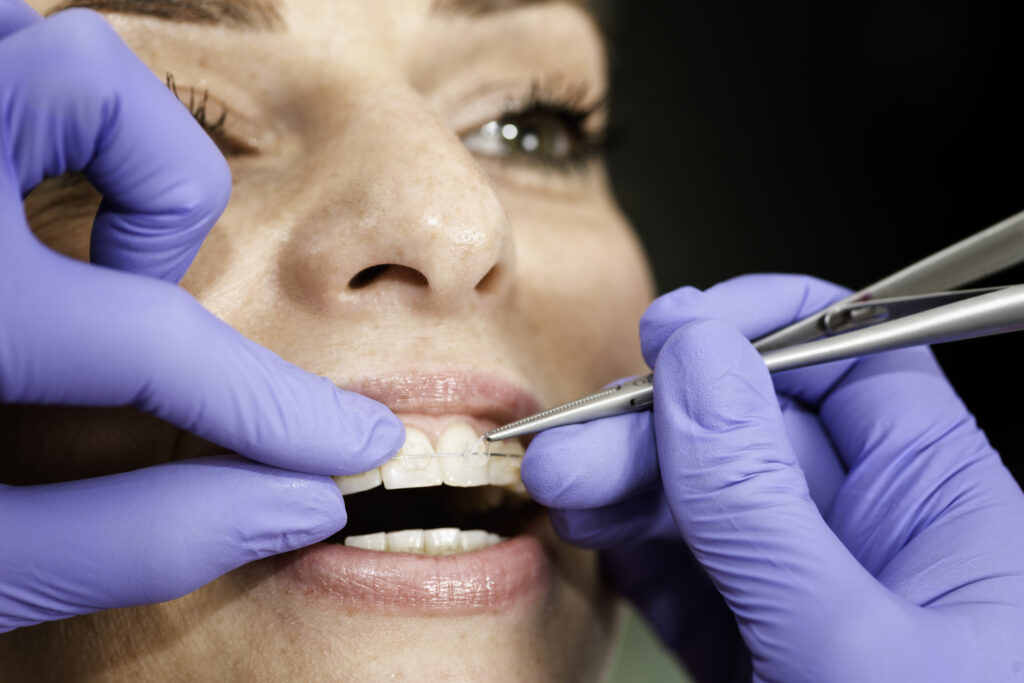
- Orthodontic treatment – Braces for open bite or clear aligners like Invisalign treatment gradually move the teeth of the upper and lower jaw into a correct bite position. This is often the first choice in mild to moderate open bite cases, especially in open bite in children and young adults. Open bite braces rubber bands may also be used to enhance bite closure.
- Orthognathic surgery – Recommended when open bite surgery is necessary to correct severe skeletal open bite or when orthodontic treatment alone cannot achieve proper alignment. Open bite jaw surgery repositions the upper and lower jaw to close the space between the teeth permanently.
- Extrusion or intrusion of teeth – A targeted orthodontic method used to move specific teeth up or down to improve bite closure, especially in dental open bite cases where tooth position is the main issue.
- Tongue exercises – Aimed at retraining tongue posture and movement, these help prevent tongue thrusting, which can contribute to open bite issues. They are often part of a personalized treatment plan when the open bite may be linked to muscle habits.
- Habit correction – Eliminating habits such as prolonged pacifier use, thumb sucking, or nail biting that can cause an open bite or worsen existing bite issues. This is essential in treating open bites in children.
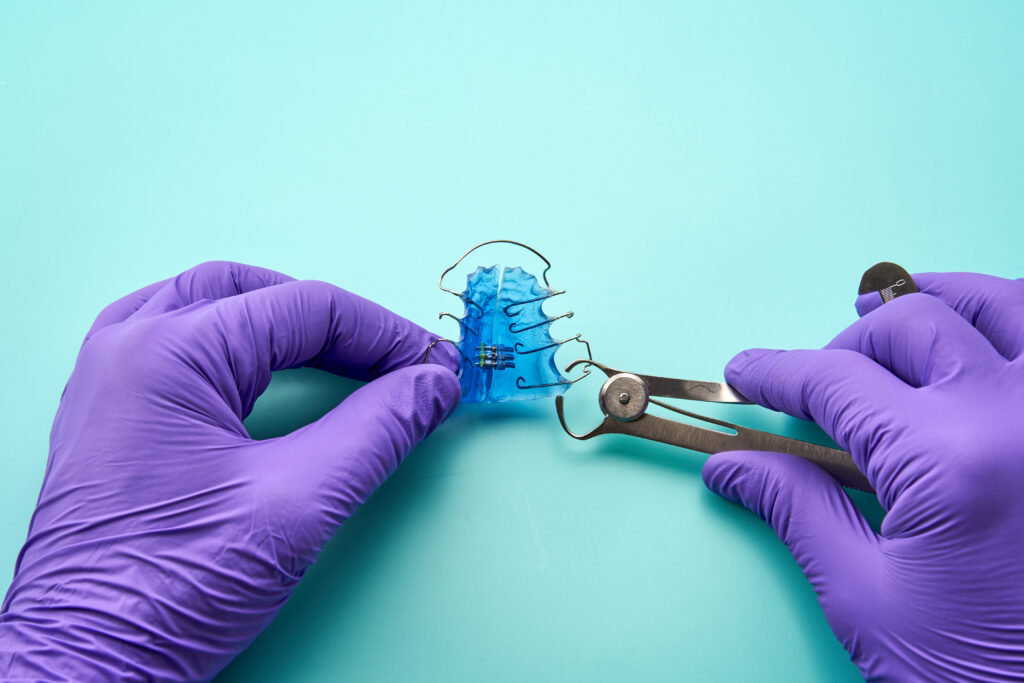
- Temporary bite correction – In some cases, bite fixer devices, bite block orthodontics, or other ortho bite appliances are used as an interim measure to improve bite function and appearance before or alongside definitive treatment.
How to fix an open bite is always determined individually.
Choosing the Right Open Bite Treatment Option
Factors to consider when selecting a treatment method for how to fix open bite include:
- The severity of the open bite.
- Age and growth stage.
- Personal preferences.
- Treatment duration.
The importance of consulting with an orthodontist lies in receiving a professional evaluation and determining the most effective and personalized treatment plan for your case.

Open Bite Treatment Cost factors
When considering open bite treatment, several factors can influence the overall cost:
- Open bite severity: The extent of the open bite might influence the complexity of the necessary treatment, affecting the final cost.
- Approach to treatment: There are a variety of approaches to treating openbite, including can braces fix an open bite, can invisalign fix open bite, and orthognathic surgery may. The cost may differ depending on the treatment option selected.
- Geographical location: Healthcare costs can differ from one place to another.
- Professional fees: The amount an orthodontist or oral surgeon charges for their services may vary, influencing the total cost for treatment for adults.
- Additional procedures: In some circumstances, additional treatments, such as tooth extraction, may be required to correct an open bite and produce the desired results.
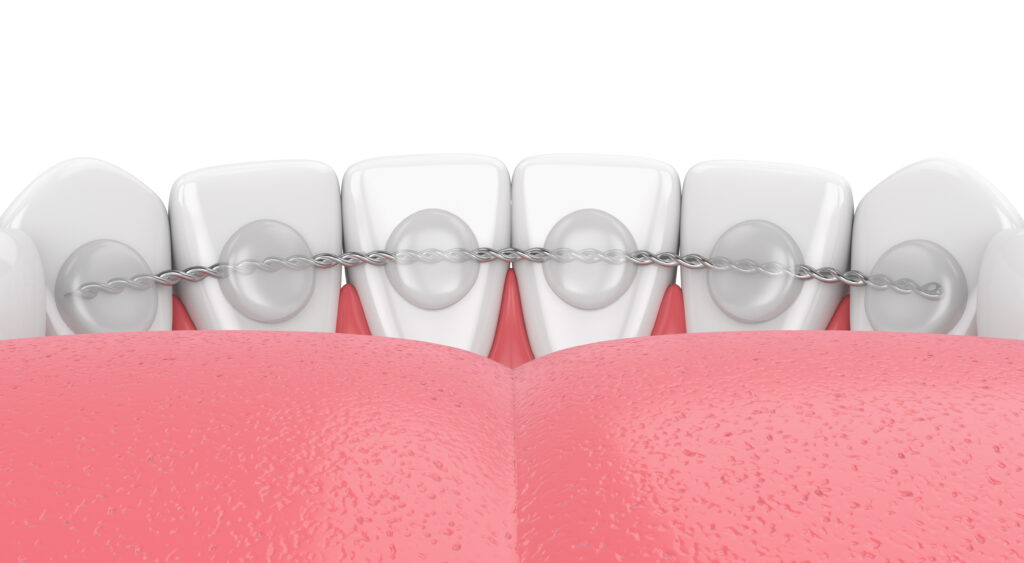
- Retention phase: A retention phase is typically needed to preserve the effects after the active phase of treatment. Retainers or other appliances could be used during this period, contributing to the overall cost of treatment modalities.
Early Detection and Intervention in Children
Early detection of open bite in children is crucial because timely intervention can prevent the progression of the malocclusion and reduce the need for more invasive treatments later. Correct open bite teeth at an early age can promote proper alignment of the top and bottom teeth, improve bite function, and support overall oral health. With appropriate treatment, open bite correction in children often results in a harmonious bite and more predictable long-term outcomes.
Open Bite – Conclusion
Open bite is one dental condition that can affect both function and aesthetics if left untreated. Understanding whats an open bite and its causes of open is essential for choosing the right treatment for open, whether in children or open bite in adults. With timely intervention and a personalized treatment plan, even complete open bite cases can be successfully open bite treated, improving bite function and overall oral health.
FAQ
-
Open bite meaning refers to a type of malocclusion where the upper and lower teeth do not touch when the mouth is closed, unlike a close bite. Diagnosis involves a dental examination and imaging to assess the alignment of open bite teeth.
-
Treatment of an open bite may include braces, Invisalign, or orthognathic surgery depending on severity and age.
-
In mild to moderate cases, Invisalign can correct open bite teeth using customized aligners without surgery.
-
Surgery is necessary only for severe open bite cases or skeletal open bite malformations.
-
Treatment may vary, typically lasting several months to a few years depending on the complexity and chosen method.
-
Yes, open bite can cause strain on the jaw and lead to TMJ disorders if left untreated.
-
Open bite caused by growth patterns or habits may worsen over time if not addressed early.
-
Innovative treatment such as myofunctional therapy can help retrain tongue and muscle function to support bite closure.
-
Some mild cases of open bite can be managed with exercises or habit correction, but you should discuss your treatment with an orthodontist.
-
Treatment for people in childhood depends on whether the open bite is caused by habits, growth, or permanent teeth alignment, so early evaluation is essential.