
Halitosis – an embarrassing problem that can be fought


28.11.2025
94
6 min. read
Why Patients Trust Dynasty Stomatology
The trust in Dynasty Stomatology is built on a combination of many years of experience and an individual approach to every patient. We understand that a visit to the dentist is often accompanied by anxiety, so we place special emphasis on creating a comfortable and calm atmosphere where every patient feels safe.
The clinic is equipped with modern technology and uses advanced treatment methods, ensuring that procedures are carried out with maximum precision, efficiency, and comfort. All materials undergo strict quality control, and our doctors regularly improve their qualifications to offer only the most up-to-date and proven techniques.
In addition, Dynasty Stomatology values long-term relationships with patients. Our goal is not only to solve the problem at hand but also to maintain the health of teeth and gums for years to come. Openness, honesty, and transparency are the key principles that have earned the clinic its reputation as a reliable dental partner.
Facts about Dynasty Stomatology:
✅ Over 10 years of successful work in dentistry.
✅ Hundreds of positive reviews from patients in [Страна в соответствии с регионом] and abroad.
✅ We use premium materials from leading global brands.
✅ We offer treatment under sedation and general anesthesia.
✅ A full range of services — from pediatric dentistry to complex surgical operations.
Dynasty Stomatology — trust, expertise, reliability, and care for the beauty of your smile.
Learn about usMedical Expertise
Dynasty Stomatology’s doctors conduct medical reviews of all materials on the website to ensure their accuracy and practical value. Our authors and editors are experienced specialists in the fields of therapeutic, surgical, orthopedic, and pediatric dentistry. This approach allows us to maintain high professional standards and provide our readers with only verified, up-to-date, and useful information.
Bad breath can be an uncomfortable and often embarrassing problem that affects people in both social and professional situations. Many try to mask it with mints or mouthwash, but these are only temporary solutions that don’t address the underlying cause. Understanding why halitosis occurs and how to treat it effectively is the first step toward restoring fresh breath and confidence.
What Is Halitosis?
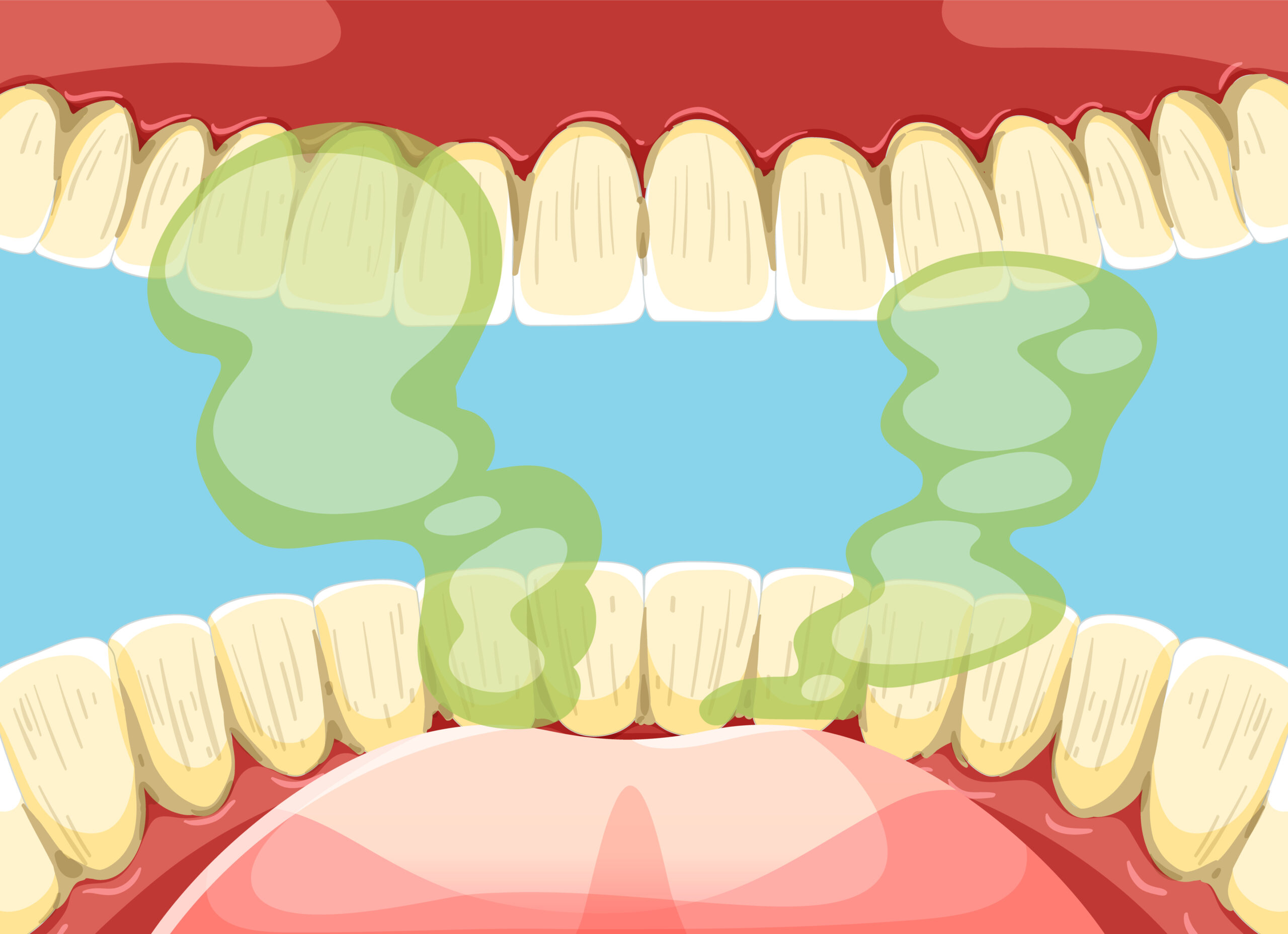
Halitosis, also known as bad breath, is a common oral health issue caused by the buildup of oral bacteria, bacterial plaque, and food particles that produce unpleasant odors. This condition can be temporary or chronic halitosis, depending on the cause of bad breath and the individual’s oral hygiene habits.

Symptoms of halitosis
The main symptom of halitosis is a persistent bad breath or foul-smelling breath that doesn’t go away even after regular brushing. However, halitosis may have several other signs:
- Bad taste in mouth that lingers throughout the day;
- Dry mouth caused by reduced saliva, which can contribute to bad breath;
- A noticeable breath odor others may detect;
- Coating on the tongue from bacteria and food particles;
- Metallic or sour taste due to oral disease or gum problems.
If these symptoms and causes persist, it’s important to visit the dentist.
Halitosis causes
Understanding what causes halitosis is essential for effective bad breath treatment and long-term halitosis prevention.
Several factors can cause bad breath, making it embarrassing and frustrating. Here are the most common causes of halitosis:
- Poor oral hygiene — skipping to brush and floss daily allows food particles and bacteria to accumulate, leading to mouth odor causes.
- Gum disease (periodontitis) — infected gums and dental problems can make bad breath worse and require scaling and root planing.
- Tongue coating — bacteria trapped on the tongue surface; it’s important to clean your tongue using a tongue scraper for fresher breath.
- Dry mouth (xerostomia) — lack of saliva helps bacteria grow and leads to bad breath; some medications cause dry mouth and worsen the problem.
- Smoking and tobacco use — smoking affects breath and damages oral tissues, contributing to chronic bad breath.
- Certain foods and drinks — garlic, onions, and coffee can affect your breath and temporarily reduce breath freshness.
- Health conditions — sinus infections, diabetes, or liver disease can be a possible cause of bad breath not directly related to the mouth.
- Poorly fitted dental appliances — dentures or braces that trap debris may cause bad odors and require professional dental check-up.
- Breathing through the mouth — reduces moisture and can make breath smells stronger, especially in the morning (morning breath).
Maintaining a proper oral hygiene and regular dental visit to a dentist for bad breath are essential fresh breath solutions that help prevent bad breath and keep your breath fresh every day.
When should I see a doctor?
You should schedule a visit to your dentist for bad breath if the unpleasant odor persists despite proper oral hygiene or if it is accompanied by other symptoms such as a bad taste in the mouth, dry mouth, or gum discomfort. These may indicate underlying dental problems or health conditions that require professional care. Regular dental check-ups every six months are essential to prevent bad breath, maintain oral health, and keep your breath fresh and your confidence high.
What can I expect if I have halitosis?
If halitosis is left untreated, it can lead to various oral health problems and discomfort. Neglecting proper oral care and a consistent dental hygiene routine may result in:
- Gum disease;
- Tooth decay;
- Persistent bad breath;
- Dry mouth;
- Oral infections;
- Low self-esteem and social discomfort.
Seeking timely treatment for halitosis and following advice from your dentist or hygienist can help reduce bad breath and restore your oral health.
How doctors diagnose this condition
A dentist or dental hygienist can diagnose halitosis through an oral examination to identify its cause and treatment options. You can book a visit at our clinic in Kraków, Poland, for professional bad breath treatment and personalized oral care.

How is halitosis treated?
Halitosis treatment focuses on addressing the main cause of halitosis rather than just masking symptoms. Possible clinical treatment methods include:
- Scaling and root planing to treat gum disease.
- Dental fillings or restorative care for cavities causing bad breath due to decay.
- Professional tongue cleaning in cases where bacteria and food particles persist.
- Medical management if certain medications or health conditions contribute to the problem.
- Follow-up visits with a dentist or hygienist to monitor treatment effectiveness and combat chronic halitosis.
Each treatment method is selected individually by your dentist after a thorough dental visit and diagnosis to ensure the most effective approach for your specific case.
Prevention of halitosis
Effective halitosis prevention starts with simple daily habits that target the root causes of bad breath:
- Brush your teeth twice a day and floss once a day to remove plaque and food particles.
- Clean your tongue with a tongue scraper to eliminate bacteria that cause bad breath.
- Clean oral appliances (like retainers and dentures) as directed by your dentist.
- Rinse with an alcohol-free antibacterial mouthwash for fresher breath.
- See your dentist regularly for cleanings to address any dental issues early.
- Drink plenty of water to help prevent dry mouth and support saliva helps in combating bad breath.
- Boost saliva production by chewing sugar-free gum or sucking on sugar-free candy or mints.
- Avoid alcohol, caffeine, and tobacco products that can cause dry mouth and affect your breath.
Prevention is accessible to everyone and is crucial for maintaining good oral health and long-term gum health.
Take control of your oral health in Dynasty Stomatology
Take control of your oral health at Dynasty Stomatology, where our experienced and highly qualified team provides individualized care using modern techniques. After a thorough examination, your dentist will explain how to get rid of bad breath in your specific case, addressing the cause of the problem and offering effective solutions for halitoza.
Regular visits ensure prevention, proper dental floss use, and management of factors known to cause bad breath, helping you maintain fresh breath and confidence.
FAQ
-
Can halitosis be a sign of a more serious health condition?
Yes, known as halitosis, persistent bad breath can sometimes indicate underlying health problems.
-
How can I tell if my bad breath is caused by halitosis or temporary factors like food?
A common cause of bad breath is temporary, while halitosis is more persistent and requires evaluation.
-
Does diet have an impact on the development of halitosis?
Certain foods can trigger foul odors, even in cases called halitosis.
-
Can stress or anxiety make halitosis worse?
Stress can reduce saliva flow and increase the risk of bad breath, so it’s important to minimize morning breath factors.
-
How long does it take to get rid of chronic bad breath after starting treatment?
Results vary depending on oral care routines, including proper use of dental floss.
-
Are there any home remedies that actually work for halitosis?
Simple hygiene practices like brushing, tongue cleaning, and hydration can help but may not fully replace professional treatment.
-
Can certain medications cause or worsen halitosis?
Yes, some medications can cause dry mouth, which may worsen breath odor.
-
Is it possible for halitosis to return even after treatment?
Without maintaining oral hygiene and regular check-ups, halitosis can recur.
-
How often should I visit my dentist to monitor my oral health if I struggle with bad breath?
Regular dental visits every six months are recommended to prevent halitosis and other dental issues.
-
Does using mouthwash too often have negative effects on my oral microbiome?
Excessive use of antiseptic mouthwash can disrupt oral bacteria balance, so it should be used as advised by a dentist.
📍 Krakow | Romanowicza 1/LU3, 30-702
Romanowicza 4B/B.L.U.1, 30-702
📞 In Ukrainian, Russian, English — with understanding and care.


Do you want to treat your teeth while you sleep?
Schedule an appointment!
By clicking the button, you give your agreet your personal data in accordance with privacy policy.
Services related to this topic
All services-
Treatment of dental hypersensitivity in Krakow
Toothache when eating something cold, sweet or sour is a common cause of discomfort in patients of all ages. If you are concerned about increased tooth sensitivity, you should not endure the unpleasant sensations – the specialists of the Dynasty Stomatology clinic in Krakow will help eliminate the problem quickly and carefully. Make an appointment […]
To the service -
Root canal retreatment in Krakow
Re-treatment of root canals is required in cases where the initial treatment has proven ineffective and the tooth continues to cause discomfort, inflammation or complications. This procedure is especially important for preserving your own tooth and preventing its extraction, because repeated therapy allows you to neutralize hidden foci of infection, seal the canals hermetically and […]
To the service -
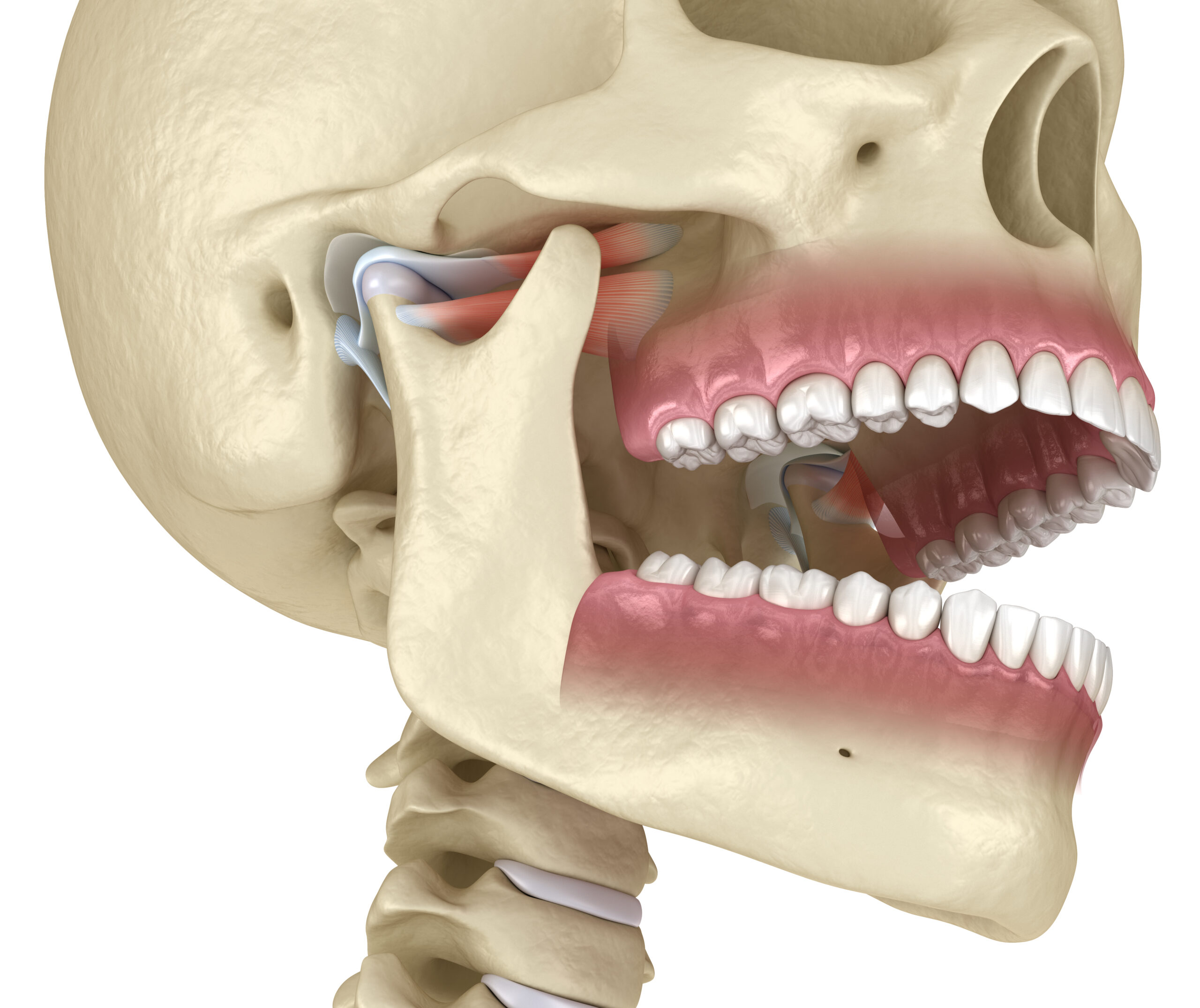
Modern diagnostics and treatment of TMJ dysfunction
Temporomandibular joint dysfunction is a common problem that can significantly impair quality of life due to pain, limited movement, and bite problems. If you experience discomfort or other unpleasant symptoms, it is important to seek professional help promptly.
To the service -
Online consultation with a dentist
Need urgent dental advice but unable to visit the clinic for an in-person appointment? Introducing a new service from Dynasty Stomatology — online consultation. This is a convenient way to get qualified help wherever you are.
To the service -
Treatment of stomatitis
Inflammation of the mucous membrane of the mouth causes pain, burning, ulcers, discomfort when eating and worsens general well-being. This condition is called stomatitis and it can occur in both children and adults. In children, it is often accompanied by refusal to eat and crankiness, in adults – a decrease in performance. And without timely […]
To the service -
Aesthetic restoration of teeth
How many times a day do you smile? No matter the number, we can assure you that after an aesthetic restoration at Dynasty Stomatology in Krakow (Poland) you’ll be showing off your smile much more often!
To the service -
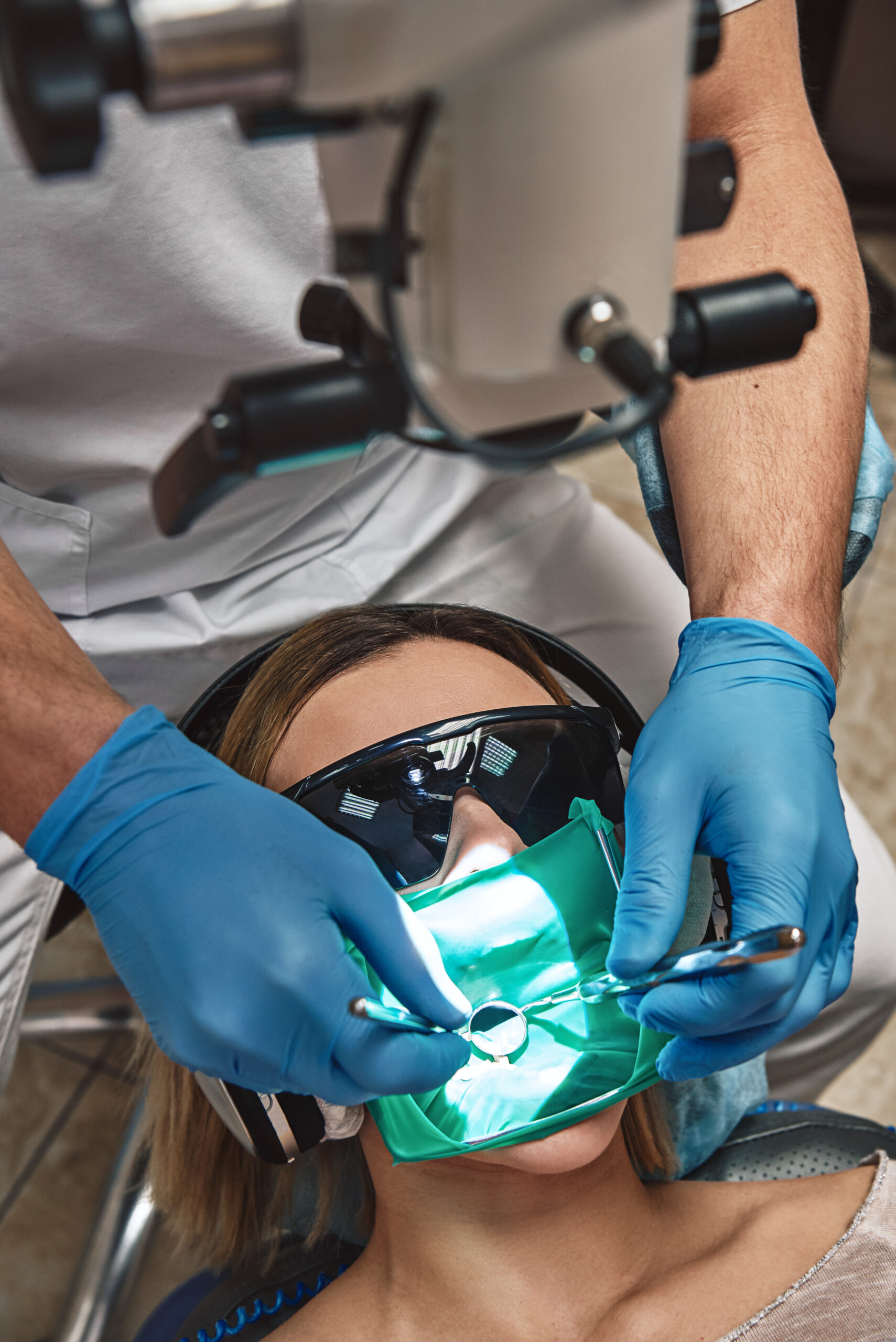
Dental treatment under a microscope
Root canal treatments have been radically transformed with the advent of the dental microscope in endodontics. It enables the specialist to view intricate dental structures otherwise not visible to the naked eye.
To the service -
Root canal treatment
Root canal treatment is required when the tooth pulp becomes inflamed or infected because of decay, injury or repeated dental treatment procedures. If the tooth is left untreated, the infection spreads leading to pain and inflammation. It can lead to an abscess that is the accumulation of pus in tooth’s root.
To the service -
Pulpitis treatment
Did you neglect treating tooth decay? Or fail to visit a dentist in time after a dental injury? Then the infection may have penetrated the inner tissues through damaged enamel and dentin. If you’re also experiencing severe, throbbing tooth pain, it’s very likely that pulpitis has developed. But don’t panic! At Dynasty Stomatology in Poland, […]
To the service -
Treatment of Halitosis (Bad Breath)
Do you feel discomfort due to unpleasant breath? Have you lost self-confidence? Looking for a way to treat bad breath effectively? At Dynasty Stomatology, a premium dental clinic, our highly qualified specialists offer comfortable, painless, and efficient treatment for halitosis. Let us help restore your fresh breath and confidence!
To the service -
Treatment of initial caries using the ICON method
Initial caries is a damage to the enamel that has not yet affected the deeper layers of the tooth. It often appears as a white spot on the enamel and may remain unnoticed for a long time. However, it is crucial to detect such changes early to carry out a gentle treatment — without pain, […]
To the service -
Treatment of a broken tooth
A broken tooth is always an unpleasant surprise, often happening at the worst possible moment. But don’t panic! The highly qualified dental professionals at the innovative clinic Dynasty Stomatology are ready to provide immediate and effective treatment for this sudden dental emergency. We will carefully repair the damaged tooth, whether through restoration or placing an […]
To the service -
Treatment of caries
Caries is one of the most common dental diseases affecting the oral cavity. It’s the destruction of tooth enamel that gradually affects the deeper tooth tissues. Without timely treatment, it can lead to pain, inflammation, the spread of infection to the pulp, and eventually to tooth decay or even tooth loss. That’s why postponing a […]
To the service -
Bruxism Treatment
Bruxism is a condition where children or adults unconsciously grind their teeth at night. The occurrence of bruxism takes place mostly in your sleep (nocturnal bruxism) but there are instances where it can happen when you’re awake. Untreated bruxism can lead to serious health issues and in such cases, you must consult a specialist at […]
To the service -
Treatment of a knocked-out tooth
A knocked-out tooth is a dental emergency where it can be chipped or broken. It calls for immediate attention and you must see a dentist as soon as possible. Whether it is a child who has lost a tooth while playing or an adult who suddenly faces an injury; to save the tooth, you must […]
To the service -
Consultation with a gnathologist
Gnathologists arrest malocclusion issues responsible for discomfort in joint function, problems with the temporomandibular joint, pain in the area, and other complications like periodontitis, and mandibular problems. This specialist uses braces, veneers, or crowns to restore the tooth alignment when you make an appointment.
To the service -
Tooth dislocation – first aid, treatment
Accidents can happen in the blink of an eye and affect permanent teeth to cause serious mouth injuries or tooth loss. In case of a slip, fall, or sudden force or collision impact, you must see a dentist as soon as possible for appropriate treatment.
To the service










Read also
View all blog-
20.03.2026
15
8 min. read
What You Need to Know About Professional Teeth Whitening
A white smile makes a face look fresher and more well-groomed. However, over time, the shade of teeth changes. Diet,…
Read more -
19.03.2026
25
8 min. read
Professional hygiene in a dental office — The complete guide
Most people believe they take proper care of their teeth. They brush their teeth morning and night, floss, and buy…
Read more -
09.03.2026
14
9 min. read
Restorative Dentistry Guide — Everything You Need to Know
Sometimes a tooth decays almost unnoticed. There's no sharp pain or warning signs. A small spot, mild sensitivity to cold,…
Read more -
04.03.2026
21
5 min. read
How to avoid surgery in the future — a case study of early orthodontic treatment at age 6
A mother brought her 6-year-old son to the Dynasty Stomatology clinic. She was confused: her son had already been examined…
Read more -
26.02.2026
23
11 min. read
What is Dental Implant Procedure — A Complete Guide
Losing a tooth isn't always just about aesthetics. It's about self-confidence, the ability to smile without tension, the ability to…
Read more -
24.02.2026
42
9 min. read
Understanding Oral Surgery — What You Need to Know
Until recently, a visit to the dentist was associated with significant discomfort. Uncomfortable impressions, long waits, and the need for…
Read more -
19.02.2026
26
5 min. read
Online consultation with a dentist — how it works, how much it costs, and when it is really needed
There are many reasons why people put off visiting the dentist. Especially when they live in countries where it is…
Read more