
Everything You Need to Know About Tooth Polishing Procedure

02.12.2025
187
6 min. read
Why Patients Trust Dynasty Stomatology
The trust in Dynasty Stomatology is built on a combination of many years of experience and an individual approach to every patient. We understand that a visit to the dentist is often accompanied by anxiety, so we place special emphasis on creating a comfortable and calm atmosphere where every patient feels safe.
The clinic is equipped with modern technology and uses advanced treatment methods, ensuring that procedures are carried out with maximum precision, efficiency, and comfort. All materials undergo strict quality control, and our doctors regularly improve their qualifications to offer only the most up-to-date and proven techniques.
In addition, Dynasty Stomatology values long-term relationships with patients. Our goal is not only to solve the problem at hand but also to maintain the health of teeth and gums for years to come. Openness, honesty, and transparency are the key principles that have earned the clinic its reputation as a reliable dental partner.
Facts about Dynasty Stomatology:
✅ Over 10 years of successful work in dentistry.
✅ Hundreds of positive reviews from patients in [Страна в соответствии с регионом] and abroad.
✅ We use premium materials from leading global brands.
✅ We offer treatment under sedation and general anesthesia.
✅ A full range of services — from pediatric dentistry to complex surgical operations.
Dynasty Stomatology — trust, expertise, reliability, and care for the beauty of your smile.
Learn about usMedical Expertise
Dynasty Stomatology’s doctors conduct medical reviews of all materials on the website to ensure their accuracy and practical value. Our authors and editors are experienced specialists in the fields of therapeutic, surgical, orthopedic, and pediatric dentistry. This approach allows us to maintain high professional standards and provide our readers with only verified, up-to-date, and useful information.
Many people struggle with stained or uneven teeth that affect their smile and confidence. Teeth polishing can help address these issues, leaving your teeth looking smoother and brighter. Understanding what the procedure involves can help you decide if it’s worth adding to your dental care routine.
What Is Teeth Polishing?
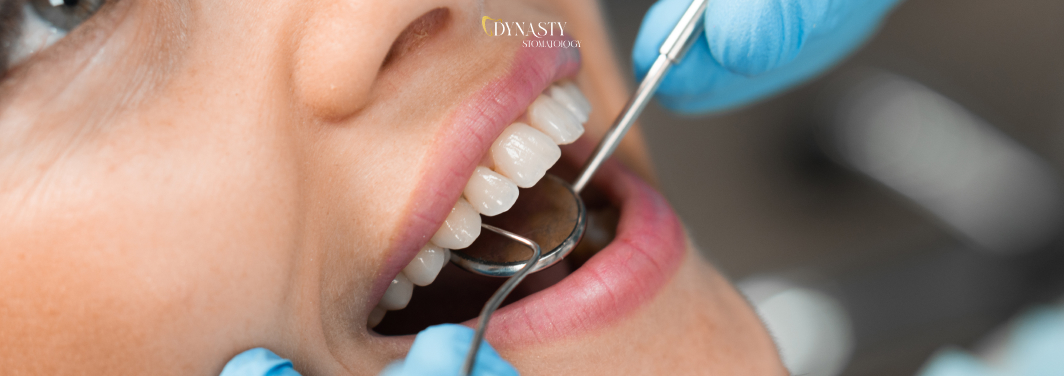
Teeth polishing is a dental procedure designed to remove surface stains and plaque, leaving the teeth smooth and shiny. This procedure not only improves the appearance of your teeth but also helps protect enamel and maintain overall oral health. Polishing is often performed during a routine dental hygiene visit to enhance your smile and maintain long-term oral health.

Who Can Get Teeth Polishing?
Polishing can benefit a wide range of patients, especially those looking to enhance their smile and maintain healthy teeth.
- People With Extrinsic Teeth Stains. Ideal for individuals with discoloration from coffee, tea, or smoking, helping to remove visible stains and improve smile appearance.
- Individuals With Dental Plaque. Helps eliminate accumulated plaque, smooth the tooth surface, and support long-term enamel protection during regular dental visits.
What Does Polishing Teeth Do?
Teeth polishing addresses common dental concerns while enhancing enamel protection and overall oral care:
- Tartar Removal. Polishing helps remove hardened tartar buildup, reducing the risk of gum disease and supporting overall dental health.
- Get Rid Of Teeth Stains. Effective at removing extrinsic stains caused by coffee, tea, smoking, or other foods, leaving your teeth visibly whiter and enhancing your smile.
- Gives Teeth A Glossy Appearance. Smooths the tooth surface, creating a glossy finish that improves the overall look of your teeth and makes them easier to clean in the future.
Understanding what does teeth polishing do helps patients appreciate its benefits. Check out our teeth polishing before and after photos to see the visible improvement in tooth surface smoothness and whiteness.
Benefits of tooth polishing
Tooth polishing provides several important advantages that go beyond aesthetics, contributing to overall oral and systemic health:
- Prevents Cavities. By removing plaque and food particles with a dental polishing procedure, professional polishing reduces the risk of enamel decay and cavities.
- Freshens the Breath. Polishing removes odor-causing bacteria, leaving your mouth cleaner and breath noticeably fresher.
- Prevents Tooth Loss. Regular removal of tartar and plaque helps maintain healthy gums, reducing the likelihood of periodontal disease and tooth loss.
- Improves Overall Health. Maintaining oral hygiene through dentist cleaning and polishing supports systemic health, as untreated dental issues can contribute to other health conditions.
After professional polishing, teeth appear whiter and have a glossy, smooth surface that enhances your smile.
Teeth Polishing Paste: The Materials Used
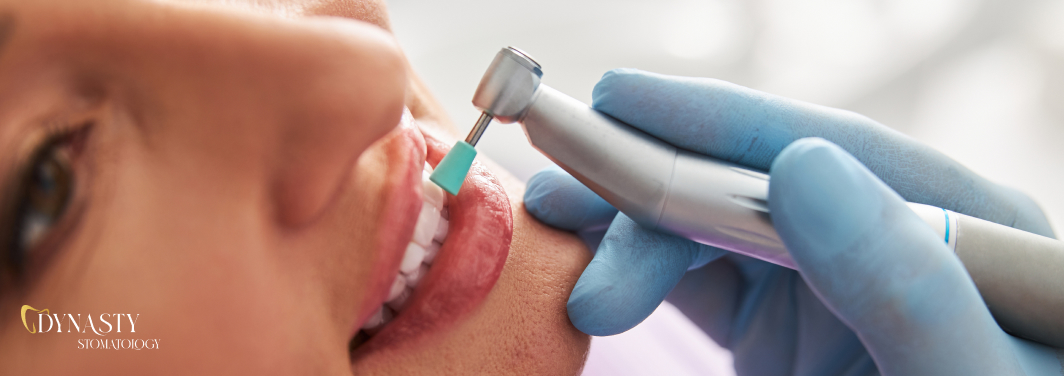
During a professional polishing is a procedure, specialized polishing paste for teeth is applied using a polishing tool to remove surface stains and smooth the surface of the teeth.
These pastes often contain mild abrasives, fluoride, and polishing agents that remove stains from teeth, reduce plaque, and protect tooth enamel, leaving teeth cleaner and enhancing a healthy smile. Some pastes are designed for sensitive teeth, while others are more abrasive to remove coffee stains teeth or heavy discoloration.
Regular professional polishing to prevent plaque buildup helps maintain healthy teeth and gums.
How Is Teeth Polishing Done?
Teeth polishing is usually recommended during a professional dental cleaning or if specific dental conditions are detected during a routine dental check-up. The procedure follows several key polish dental procedure steps:
- Teeth Inspection – the dentist examines teeth and gums for plaque and tartar, enamel damage, stains, or dental conditions that may require special attention.
- Scaling – removes plaque and tartar buildup to prepare teeth for polishing and prevent damage the enamel.
- Application of Polish – a polishing paste is applied with a rubber cup or air polishing device to smooth the surface of the teeth, remove superficial stains, and enhance a healthy smile.
While polishing alone can remove surface stains, combining it with scaling provides more comprehensive dental care.
The exact method and type of polish are individually chosen depending on patient needs. After the procedure, your dentist may provide recommendations regarding diet, oral hygiene, or temporary restrictions to protect sensitive teeth.

Teeth Polishing Vs Teeth Whitening
While both teeth polishing and teeth whitening aim to improve the appearance of your smile, they serve different purposes. Teeth polishing focuses on removing plaque, tartar, and surface stains to create a smooth tooth surface and maintain oral health, whereas teeth whitening targets deeper discoloration to lighten the color of your teeth.
Key differences:
- Teeth Polishing – improves teeth polishing result by removing external stains from coffee, tea, or tobacco, enhances a healthy smile, and supports routine dental cleaning.
- Teeth Whitening – changes tooth color, ideal for intrinsic stains or yellowing, does not remove plaque or tartar.
Both procedures can be performed together during a polishing and whitening session for optimal cosmetic results. Teeth polishing vs whitening comparison helps determine which procedure is most suitable depending on the patient’s goals and dental condition.
Teeth Polishing Side Effects
Although professional teeth polishing is generally safe, some patients may experience minor side effects:
- Temporary tooth sensitivity – especially in patients with sensitive teeth or thin enamel.
- Gum irritation – caused by the polishing method or abrasive polishing paste.
- Enamel wear – if polishing is done too frequently or incorrectly.
- Uneven surface – rare, but improper technique during polishing teeth at dentist visits can leave some areas less smooth.
To avoid complications, it’s important to consult an experienced teeth polishing dentist and not attempt teeth at home polishing. Proper polishing treatments ensure safety and optimal results.
Teeth Polishing at Dynasty Stomatology
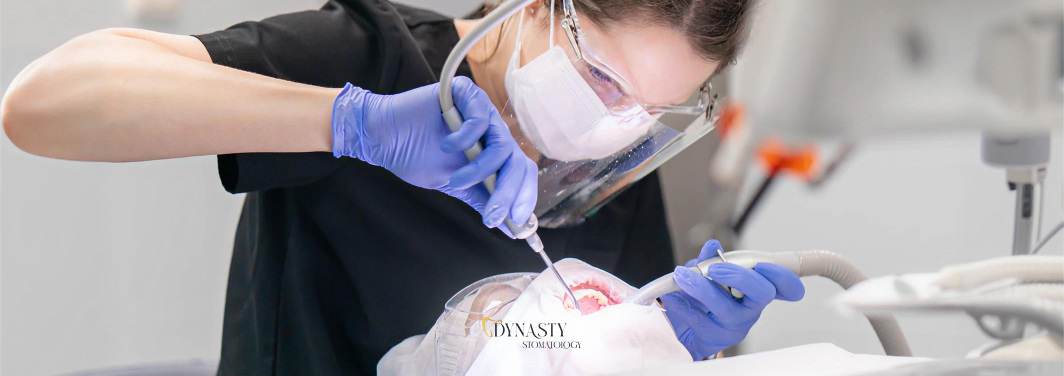
At Krakow dental clinic teeth polishing in Dynasty Stomatology, every procedure done is tailored to your individual needs and performed by an experienced dental hygienist using safe, professional techniques. During your visit, our dentist will carefully examine your oral condition, perform scaling and polishing if needed, and select a special polishing paste to clean and polish the teeth gently yet effectively.
Whether you’re looking to make your teeth smoother, remove stains from teeth, or achieve naturally white teeth, we ensure optimal results and lasting freshness. Our dental clinic combines comfort, technology, and expertise to protect your teeth and maintain your healthy smile.
You can check the teeth polishing cost during your consultation — our prices are transparent and affordable for every patient.
Book an appointment today with a dentist near me for polishing and discover how professional dental treatments can enhance both your confidence and oral health.
FAQ
-
Is Polishing Good For The Teeth?
Yes, polishing helps remove plaque and surface stains to keep your teeth smooth and healthy.
-
How Long Does Teeth Polishing Last?
Results usually last several months, depending on oral care habits.
-
How Much Does It Cost To Polish Teeth?
Prices vary by clinic and location, but dental scaling and polishing cost is generally affordable and covered by some dental insurance plans.
-
How Long After Tooth Polishing Can I Eat?
You can get your teeth polished and eat right after, though avoiding dark foods helps maintain results.
-
Is It Painful To Get Your Teeth Polished?
No, tooth polishing is a simple and painless procedure done by a professional hygienist.
-
How Often Should Teeth Polishing Be Done For The Best Results?
Most dentists recommend polishing every six months during regular dental appointments. After a dental examination, your dentist will tell you how often polish teeth should be performed specifically for your needs.
-
Can Teeth Polishing Remove Deep Or Intrinsic Stains?
No, polishing can remove only surface discoloration — deep stains need whitening.
-
Is Teeth Polishing Safe For People With Sensitive Teeth Or Gums?
Yes, when performed at trusted dental offices, polishing is also safe for sensitive patients.
-
Does Polishing Damage The Enamel Over Time?
No, traditional polishing uses gentle abrasives that do not harm enamel.
-
Can I Do Teeth Polishing At Home Using DIY Methods?
You should avoid polishing at home with tooth polishing kits, as DIY methods are not safe and their effectiveness is not guaranteed — it’s best to get your teeth polished by a professional.
-
How Does Professional Teeth Polishing Differ From Regular Cleaning?
Professional tooth cleaning removes tartar, while polishing smooths and shines teeth as well.
-
Are There Any Foods Or Drinks I Should Avoid After Polishing To Maintain the Results?
Avoid items that can stain your teeth, like coffee or red wine, for at least 24 hours.
-
Can Teeth Polishing Help with Bad Breath?
Yes, the polishing process eliminates bacteria that cause bad odor.
-
Is It Necessary to Polish Teeth After Every Dental Cleaning?
Yes, polishing after scaling helps seal the enamel and protect your teeth from buildup.
-
What’s the Difference Between Air Polishing and Traditional Polishing Methods?
Air polishing uses a fine powder instead of a cup polishing tool for gentle stain removal.
📍 Krakow | Romanowicza 1/LU3, 30-702
Romanowicza 4B/B.L.U.1, 30-702
📞 In Ukrainian, Russian, English — with understanding and care.


Do you want to treat your teeth while you sleep?
Schedule an appointment!
By clicking the button, you give your agreet your personal data in accordance with privacy policy.
Services related to this topic
All services-
Opalescence Boost Whitening
Opalescence Boost teeth whitening is a modern professional teeth whitening procedure designed to safely whiten tooth enamel by several shades. This in-office treatment uses a specially formulated whitening gel with hydrogen peroxide that activates chemically, without the need for a specialized activation light, ensuring a gentle and comfortable experience for the patient.
To the service -
Beyond Teeth Whitening
A beautiful radiant smile begins with white sparkling beautiful teeth, and at Dynasty Stomatology, we ensure you get whiter teeth with caring specialists. Our dental clinic has modern equipment and uses the latest technology like the BEYOND whitening treatment to whiten your teeth in just one session.
To the service -
Teeth Whitening for your Wedding Day
A wedding smile makeover for your natural teeth before your big day is one of the best decisions you can take in life. Nothing is more stunning than looking your best with the perfect smile on the day you’ve been dreaming of for years.
To the service

Read also
View all blog-
20.03.2026
15
8 min. read
What You Need to Know About Professional Teeth Whitening
A white smile makes a face look fresher and more well-groomed. However, over time, the shade of teeth changes. Diet,…
Read more -
19.03.2026
24
8 min. read
Professional hygiene in a dental office — The complete guide
Most people believe they take proper care of their teeth. They brush their teeth morning and night, floss, and buy…
Read more -
09.03.2026
13
9 min. read
Restorative Dentistry Guide — Everything You Need to Know
Sometimes a tooth decays almost unnoticed. There's no sharp pain or warning signs. A small spot, mild sensitivity to cold,…
Read more -
04.03.2026
21
5 min. read
How to avoid surgery in the future — a case study of early orthodontic treatment at age 6
A mother brought her 6-year-old son to the Dynasty Stomatology clinic. She was confused: her son had already been examined…
Read more -
26.02.2026
23
11 min. read
What is Dental Implant Procedure — A Complete Guide
Losing a tooth isn't always just about aesthetics. It's about self-confidence, the ability to smile without tension, the ability to…
Read more -
24.02.2026
41
9 min. read
Understanding Oral Surgery — What You Need to Know
Until recently, a visit to the dentist was associated with significant discomfort. Uncomfortable impressions, long waits, and the need for…
Read more -
19.02.2026
25
5 min. read
Online consultation with a dentist — how it works, how much it costs, and when it is really needed
There are many reasons why people put off visiting the dentist. Especially when they live in countries where it is…
Read more