
Composite dental filling – what is it and when is it used?


15.01.2026
48
8 min. read
Why Patients Trust Dynasty Stomatology
The trust in Dynasty Stomatology is built on a combination of many years of experience and an individual approach to every patient. We understand that a visit to the dentist is often accompanied by anxiety, so we place special emphasis on creating a comfortable and calm atmosphere where every patient feels safe.
The clinic is equipped with modern technology and uses advanced treatment methods, ensuring that procedures are carried out with maximum precision, efficiency, and comfort. All materials undergo strict quality control, and our doctors regularly improve their qualifications to offer only the most up-to-date and proven techniques.
In addition, Dynasty Stomatology values long-term relationships with patients. Our goal is not only to solve the problem at hand but also to maintain the health of teeth and gums for years to come. Openness, honesty, and transparency are the key principles that have earned the clinic its reputation as a reliable dental partner.
Facts about Dynasty Stomatology:
✅ Over 10 years of successful work in dentistry.
✅ Hundreds of positive reviews from patients in [Страна в соответствии с регионом] and abroad.
✅ We use premium materials from leading global brands.
✅ We offer treatment under sedation and general anesthesia.
✅ A full range of services — from pediatric dentistry to complex surgical operations.
Dynasty Stomatology — trust, expertise, reliability, and care for the beauty of your smile.
Learn about usMedical Expertise
Dynasty Stomatology’s doctors conduct medical reviews of all materials on the website to ensure their accuracy and practical value. Our authors and editors are experienced specialists in the fields of therapeutic, surgical, orthopedic, and pediatric dentistry. This approach allows us to maintain high professional standards and provide our readers with only verified, up-to-date, and useful information.
For most people, a filling is a matter of appearance, comfort, and the assurance of long-lasting tooth health. It’s important not just to cover the damage, but to maintain the feeling of having a “natural” tooth, so that nothing interferes with speaking, eating, or smiling. Patients are increasingly paying attention to the appearance of the treatment results and how durable they will be in everyday life.
Modern dentistry can offer a solution that combines aesthetics and functionality. This is a composite filling—a precise and gentle restoration that supports the tooth’s structure and is visually unobtrusive.
In this article, we’ll discuss what a composite filling is, when it’s chosen, its advantages and limitations, and what’s important to consider before treatment.
What is a composite dental filling?
A composite filling is a resin-based dental filling that matches the natural enamel color. This filling is unobtrusive and doesn’t alter the appearance of a smile.
The unique feature of composites in dental practice is that the material bonds directly to the tooth surface. This allows for precise restoration, preserving more healthy tissue, and reliably supporting the tooth structure without unnecessary intervention.
Comparing composites to amalgam fillings, the difference is immediately noticeable. Amalgam fillings have long been considered the standard due to their strength. However, they require more aggressive tooth preparation and are visible when smiling. Metal fillings are still used in select cases, but are more often employed in areas where aesthetics are not a primary concern.
Compared to ceramic restorations, composites remain a more flexible and gentle solution. They allow for tooth restoration in a single visit and preserve as much of the tooth’s natural tissue as possible, which is especially important for minor and moderate damage. This is why modern fillings dentistry chooses composite as a balanced option between appearance, functionality, and the scope of intervention.

How can composite fillings save your teeth?
Composite fillings help preserve natural teeth damaged by decay, microcracks, or early tissue breakdown. Instead of aggressive treatment, dentists can perform targeted fillings, addressing only the affected area and sparing healthy tissue. At Dynasty Stomatology, we use this approach in the early stages, when the tooth can still be saved without complex interventions.
Composite material dental tightly seals the cavity, preventing bacterial infiltration and further decay. The material adapts to the shape of the tooth, restoring its functionality and helping maintain stable oral health over the long term. Thanks to its strong bond with tooth tissue, composite is often used to repair minor damage and wear, avoiding more extensive dental restorations in the future.
What types of composites are there?
Modern dentistry uses various types of materials, and the choice of a specific option depends on the clinical situation, tooth location, and expected load. Let’s look at each type of filling:
Traditional composite
Classic composite resin filling is used for standard restorations of small and medium-sized defects. It retains its shape well, is easy to model, and is suitable for most routine clinical applications.
Hybrid composite
This material combines high strength and good polishability. It is often chosen for chewing teeth, as resistance to stress and wear is important there.
Nano-hybrid composite
Thanks to its finer particle structure, this composite provides an improved natural appearance and a smoother surface. It is often used in aesthetic applications where detail and color stability are important.
Flowable composite
A soft filler that spreads easily and adapts precisely to the shape of the tooth. It is well-suited for small defects, initial lesions, and filling hard-to-reach areas where high flowability is required.
When is a composite dental filling recommended??
Composite fillings are chosen in situations where it’s important to restore a tooth as delicately as possible. Precise treatment is essential, preserving healthy tissue and the tooth’s natural shape. As a result, the restoration is barely noticeable in the mouth, functions correctly when chewing, and looks as if no treatment was performed at all.
Composite fillings for front teeth
Front fillings are popular when working on anterior teeth, where aesthetics are paramount. The composite is selected based on color and translucency, resulting in a filling that looks like a natural tooth and blends in seamlessly when speaking or smiling.
Building worn teeth
Composite is often used to restore worn surfaces caused by wear or excessive stress. The material allows for the restoration of the proper tooth shape and improved bite contact without complex orthopedic solutions.
Molar cavities
For damaged chewing teeth, composite is used with the proper choice of material and technique. It is suitable for treating molar cavities when it is necessary to preserve more of the natural tooth structure and ensure stable functionality.
Sensitivity
Composite helps reduce sensitivity by covering exposed areas and protecting decayed teeth from further exposure to external factors. This is important in the early stages of damage.
The method is also suitable for chipped teeth, minor chips, and microcracks, where precise restoration is needed without extensive treatment.
Advantages of composite filling
The advantages of composite fillings extend not only to appearance but also to how the tooth feels and functions after treatment. Composite fillings help achieve a balanced result. Here are the main benefits of composite fillings:
Aesthetics
The shade of the composite is matched as closely as possible to the natural enamel color. This allows the filling to visually blend with the tooth and remain invisible even when smiling.
Versatility
Composite is a versatile material that allows you to fill teeth, correct their shape, restore edges, and work with various types of defects without complex procedures.
Low risk of allergic reactions
Unlike metal solutions, composite does not cause reactions and is well tolerated by patients, making them a safe choice.
Stronger bond
Composite fillings bond directly to tooth tissue, ensuring a tight fit and stability of the restoration under daily loads.
Disadvantages of composite fillings
Despite their advantages, composite fillings also have certain limitations that are important to consider beforehand. Below, we’ll discuss the disadvantages of these fillings:
Contracts during hardening
Minimal shrinkage of the material is possible, which requires precise work on the part of the doctor.
Longer placement time
The composite filling procedure takes longer than simple fillings, as it requires layer-by-layer application and careful modeling.
Discoloration
Over time, composite fillings can stain, especially if not properly cared for or if staining products are used frequently.
Higher cost
Compared to basic options, fillings are more expensive. This is due to the materials and execution technique.
Limited insurance coverage
In many cases, insurance does not fully cover the cost of a composite filling, and part of the cost falls on the patient.
How is Composite Filling Performed?
Composite fillings are performed step-by-step according to a proven clinical protocol. Each stage is aimed at precision and achieving results. We understand that you value not only the quality of treatment but also a clear understanding of what happens at each stage. Therefore, we have provided a detailed and easy-to-understand description of each stage.
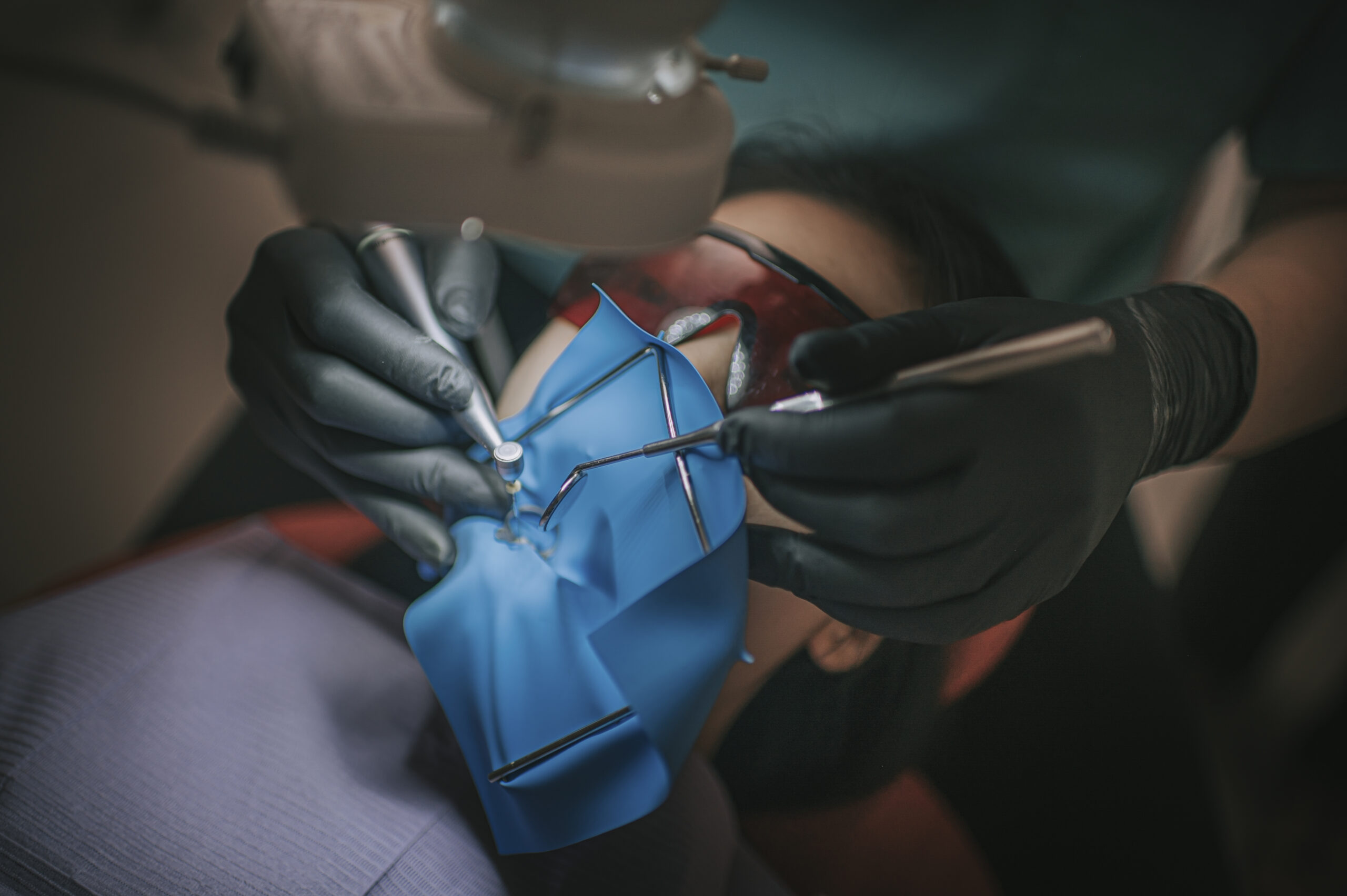
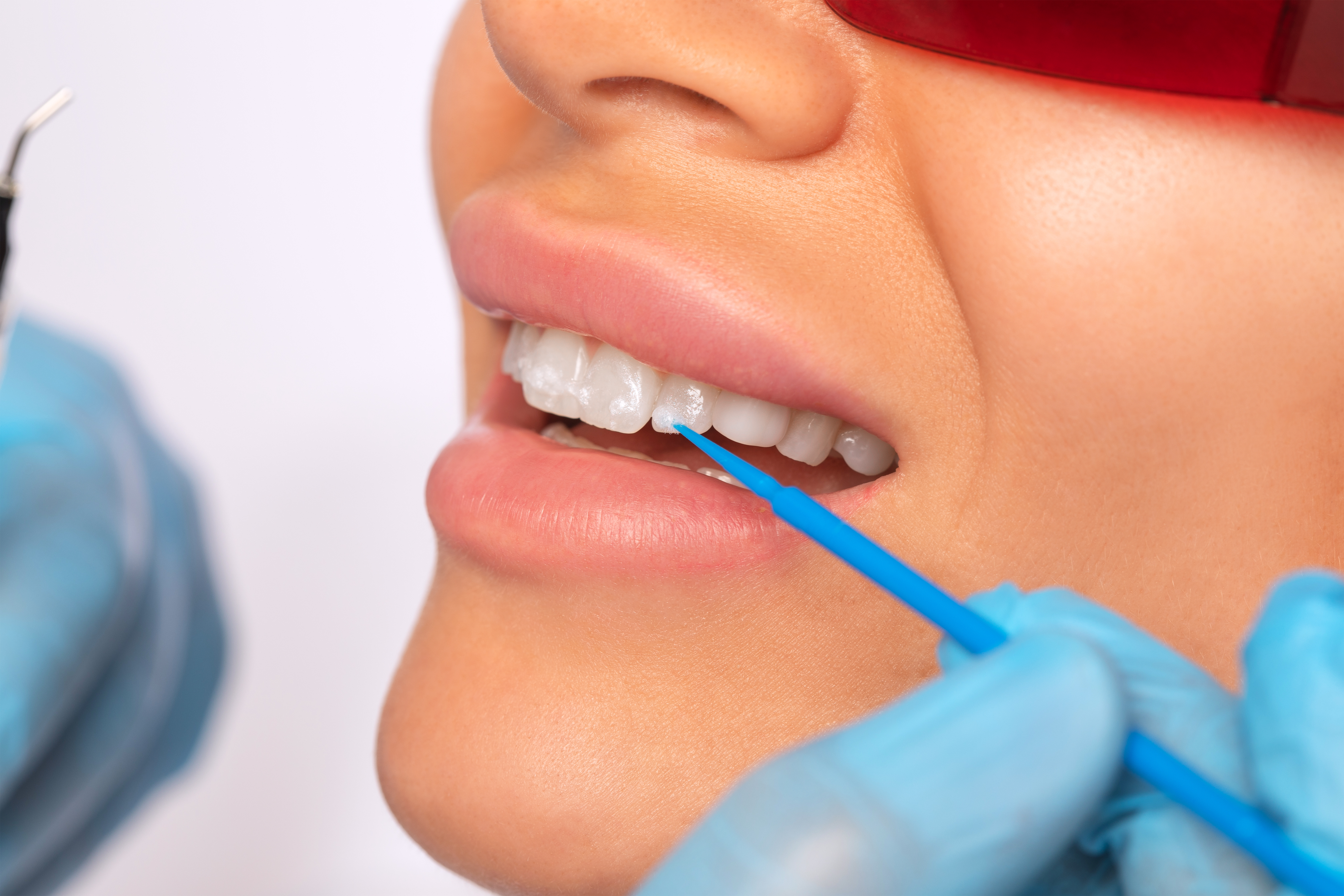
First, the dentist thoroughly removes decay and cleans the affected area. This allows for a clean, dry work area and proper preparation of the filling without the risk of reinfection.
Next, the tooth surface is treated and conditioned to ensure a secure bond. The filling material is then applied layer by layer, which helps precisely restore the tooth shape and control the strength of the restoration.
During the filling placement, the dentist shapes the composite, focusing on the natural anatomy of the tooth, the bite, and tongue movements. This is important to ensure the filling does not interfere with chewing and is comfortable in everyday life.
Then the material is cured using a special light source. This stage completes the filling procedure and secures the shape of the filling.
Local anesthesia is commonly used when necessary as part of the numbing procedure, so the patient experiences a calm, simple procedure without significant discomfort.

Teeth filling composite — Conclusion
A composite dental filling is a modern solution that allows you to restore a tooth with an emphasis on its appearance. Composite fillings are suitable for a wide range of clinical situations and provide predictable results when performed accurately and professionally. With proper care and when fillings are well taken care of, these restorations are long-lasting and maintain stability in everyday life.
At Dynasty Stomatology, we pay close attention to every stage of composite filling treatment to ensure the result is aesthetically pleasing and comfortable for the patient. Our team selects solutions individually, taking into account the clinical situation and the long-term health of the teeth.
Frequently Asked Questions about the composite filling procedure
-
How much is a composite filling?
The cost depends on the size of the defect, the tooth's location, and the complexity of the procedure. The cost of composite fillings is usually higher than simpler options, as the material is applied layer by layer and requires precise dentistry. At Dynasty Stomatology, the Price for teeth filling can range from 350 PLN to 650 PLN. We always discuss the cost in advance, so patients clearly know about composite fillings and understand whether insurance can cover the cost of composite treatment.
-
How does composite filling work?
Composite filling works by bonding the material directly inside the tooth structure. During treatment, the dentist cleans the affected area and prepares the filling of the teeth carefully. The composite is then applied in layers, a process known as placing the filling, and cured with light.
This method allows the dentist to fill a tooth accurately while preserving healthy tissue. Because the materials used bond directly to enamel and dentin, the restoration feels natural in everyday use. -
How long does a composite filling last?
With proper care, fillings are made to last for many years. The durability depends on chewing pressure, daily habits, and oral hygiene. Patients who maintain good dental routines often enjoy several years out of a composite restoration.
Regular check-ups help ensure long-term dental health and allow for small adjustments if needed. -
When can I eat after a composite filling?
You can usually eat shortly after treatment, once the numbness has worn off. Unlike some materials, composite hardens immediately, so there is no long waiting period. Patients often ask whether fillings hurt, but the procedure itself is comfortable due to modern anesthesia.
-
Is a composite filling suitable for children and teenagers?
Yes. Composite is an excellent filling type for younger patients. It preserves tooth structure, adapts well inside developing teeth, and matches the natural enamel. This is one reason patients prefer composite over older materials like dental amalgam filling.
-
Can composite fillings be repaired or adjusted if they chip or wear down?
In many cases, yes. Composite fillings may be repaired if minor damage occurs. Instead of replacing the entire restoration, the dentist can adjust or reinforce the existing material, which is especially useful for fillers for teeth placed in visible areas.
-
Are composite fillings safe for people with sensitive teeth or gums?
Yes, fillings are safe for sensitive teeth and gums. Composite is metal-free and gentle on surrounding tissues. Sealing the damaged area, it often improves comfort across the teeth and mouth.
-
Can a composite filling be used as a temporary or long-term solution?
Composite fillings can function as both a short-term and long-term solution. In some cases, ceramic fillings may be recommended later, but many patients keep their composite restoration for years without replacement.
This flexibility is part of the composite fillings benefits and one of the key things patients need to know about composite when getting a composite filling. If maintained well, a composite filling can reliably fill the teeth and restore function for a long time.
Book a consultation and rest assured about your dental health
If you have doubts, discomfort, or simply want to understand which treatment option is right for you, a consultation is the best first step. We’ll listen carefully, conduct a diagnosis, and thoroughly explain all possible solutions without rushing or pressuring you.
At Dynasty Stomatology, we treat every patient with care and attention. Our goal is not just to fix a tooth, but to help you maintain comfort, confidence, and a healthy smile for years to come. We’re here to answer all your questions and find the treatment that’s right for you.


Do you want to treat your teeth while you sleep?
Schedule an appointment!
By clicking the button, you give your agreet your personal data in accordance with privacy policy.
Services
All services-
Treatment of dental hypersensitivity in Krakow
Toothache when eating something cold, sweet or sour is a common cause of discomfort in patients of all ages. If you are concerned about increased tooth sensitivity, you should not endure the unpleasant sensations – the specialists of the Dynasty Stomatology clinic in Krakow will help eliminate the problem quickly and carefully. Make an appointment […]
Read more -
Root canal retreatment in Krakow
Re-treatment of root canals is required in cases where the initial treatment has proven ineffective and the tooth continues to cause discomfort, inflammation or complications. This procedure is especially important for preserving your own tooth and preventing its extraction, because repeated therapy allows you to neutralize hidden foci of infection, seal the canals hermetically and […]
Read more -
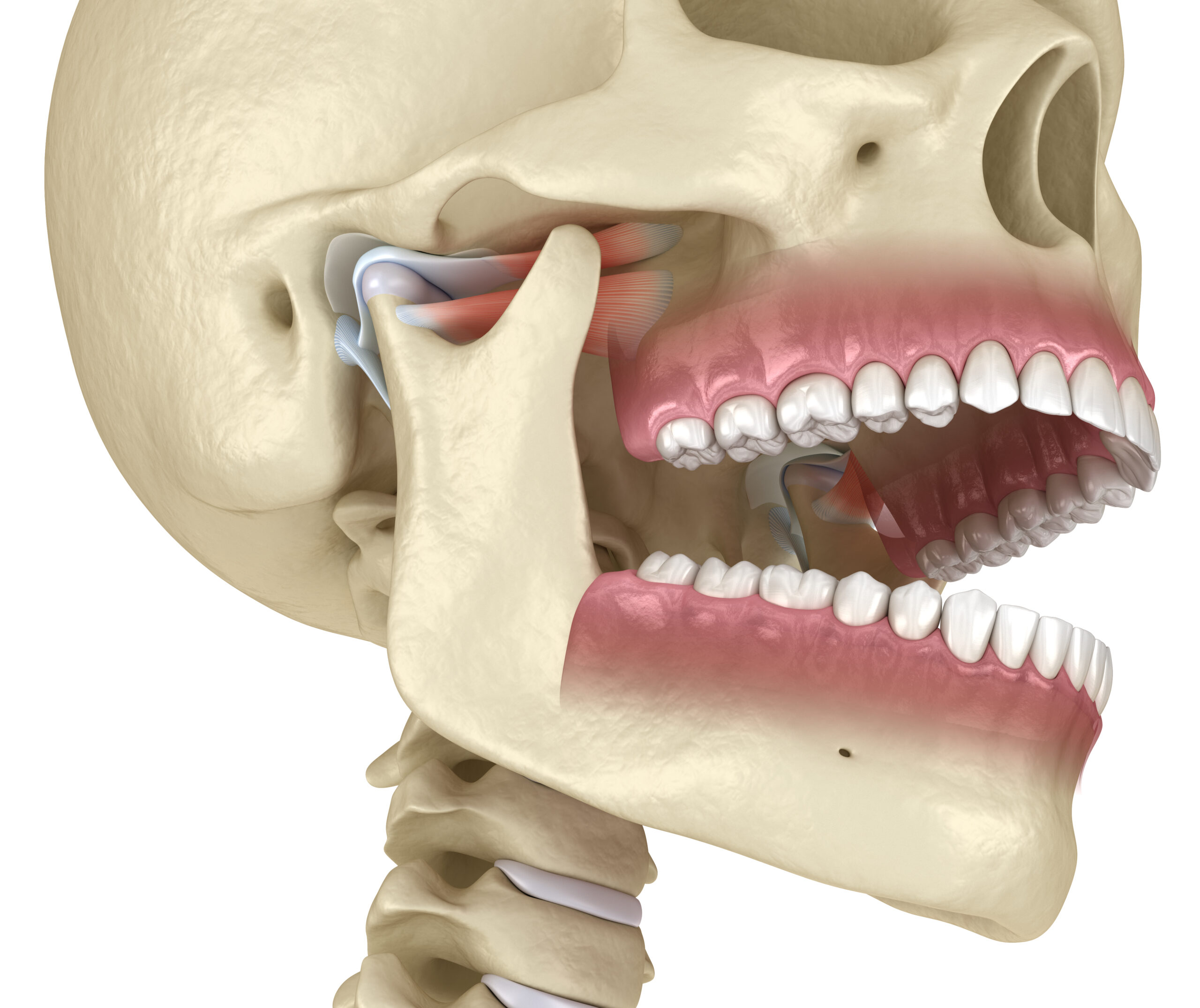
Modern diagnostics and treatment of TMJ dysfunction
Temporomandibular joint dysfunction is a common problem that can significantly impair quality of life due to pain, limited movement, and bite problems. If you experience discomfort or other unpleasant symptoms, it is important to seek professional help promptly.
Read more -
Online consultation with a dentist
Need urgent dental advice but unable to visit the clinic for an in-person appointment? Introducing a new service from Dynasty Stomatology — online consultation. This is a convenient way to get qualified help wherever you are.
Read more -
Treatment of stomatitis
Inflammation of the mucous membrane of the mouth causes pain, burning, ulcers, discomfort when eating and worsens general well-being. This condition is called stomatitis and it can occur in both children and adults. In children, it is often accompanied by refusal to eat and crankiness, in adults – a decrease in performance. And without timely […]
Read more -
Aesthetic restoration of teeth
How many times a day do you smile? No matter the number, we can assure you that after an aesthetic restoration at Dynasty Stomatology in Krakow (Poland) you’ll be showing off your smile much more often!
Read more -
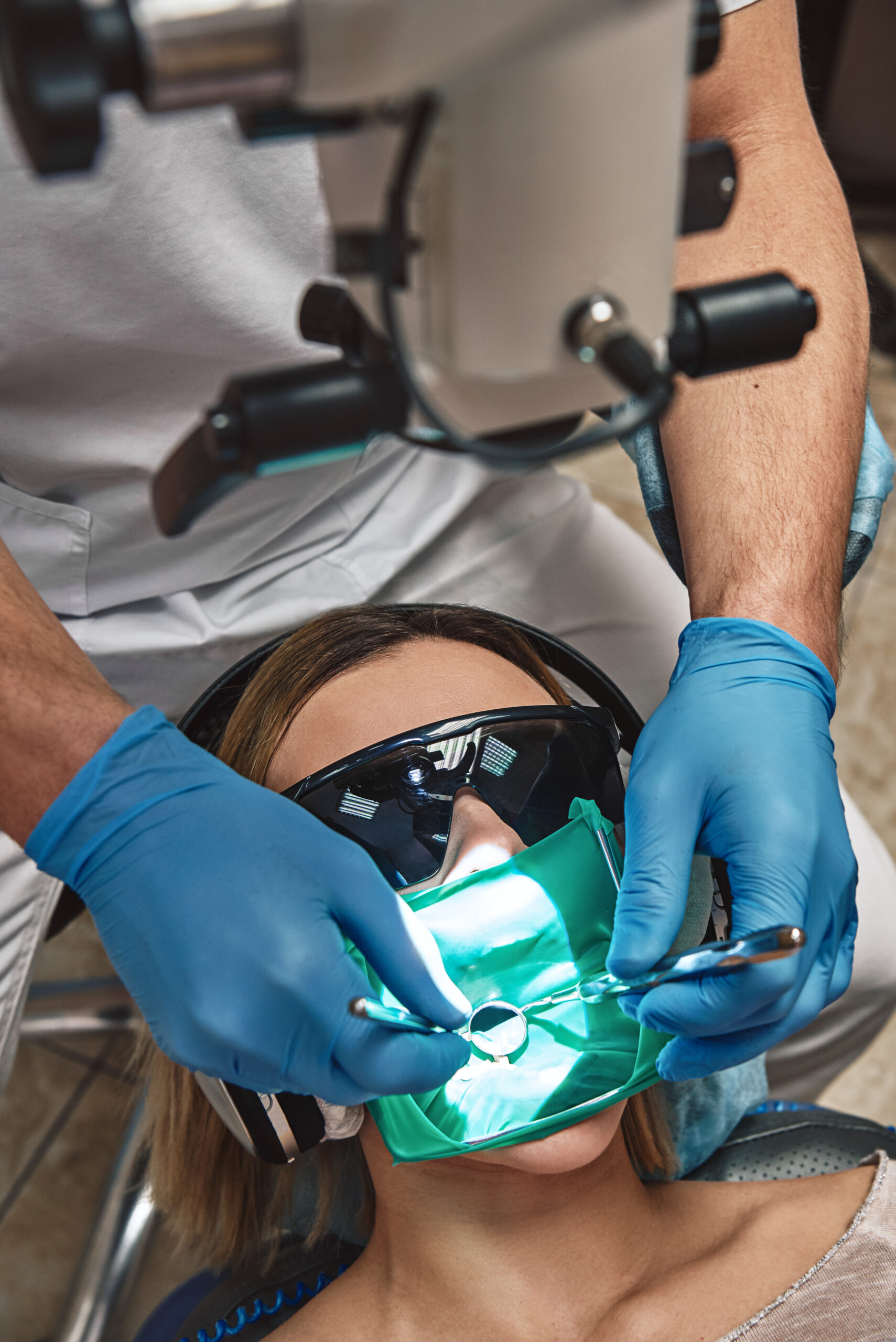
Dental treatment under a microscope
Root canal treatments have been radically transformed with the advent of the dental microscope in endodontics. It enables the specialist to view intricate dental structures otherwise not visible to the naked eye.
Read more -
Root canal treatment
Root canal treatment is required when the tooth pulp becomes inflamed or infected because of decay, injury or repeated dental treatment procedures. If the tooth is left untreated, the infection spreads leading to pain and inflammation. It can lead to an abscess that is the accumulation of pus in tooth’s root.
Read more -
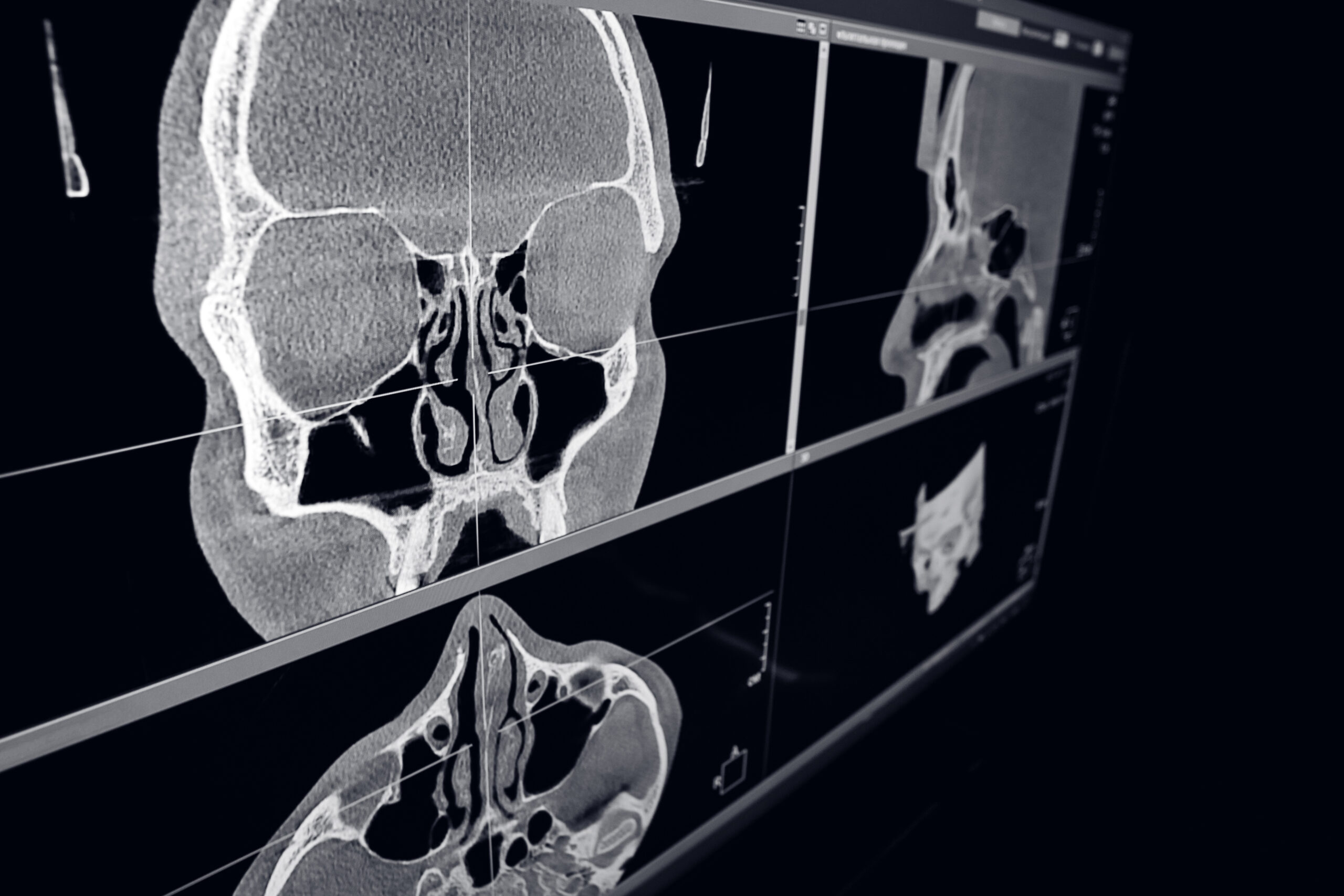
Computed tomography of ENT organs
Cone beam computed tomography in radiation refers to a unique kind of X-ray when a regular facial or dental x-ray is not sufficient for diagnosis or any surgical technique. It gives the ENT doctor a detailed image of the air spaces, bones, and soft tissues in your neck and head.
Read more -
Pulpitis treatment
Did you neglect treating tooth decay? Or fail to visit a dentist in time after a dental injury? Then the infection may have penetrated the inner tissues through damaged enamel and dentin. If you’re also experiencing severe, throbbing tooth pain, it’s very likely that pulpitis has developed. But don’t panic! At Dynasty Stomatology in Poland, […]
Read more -
X-ray diagnostics of dental condition
Dental x-ray diagnosis is the gold standard in dental examination and has been effectively used for decades. This widely used method allows dentists to accurately diagnose the condition of a tooth and develop an effective treatment plan. The Dynasty Stomatology dental center is equipped with modern devices, making dental x-rays at our clinic completely safe […]
Read more -
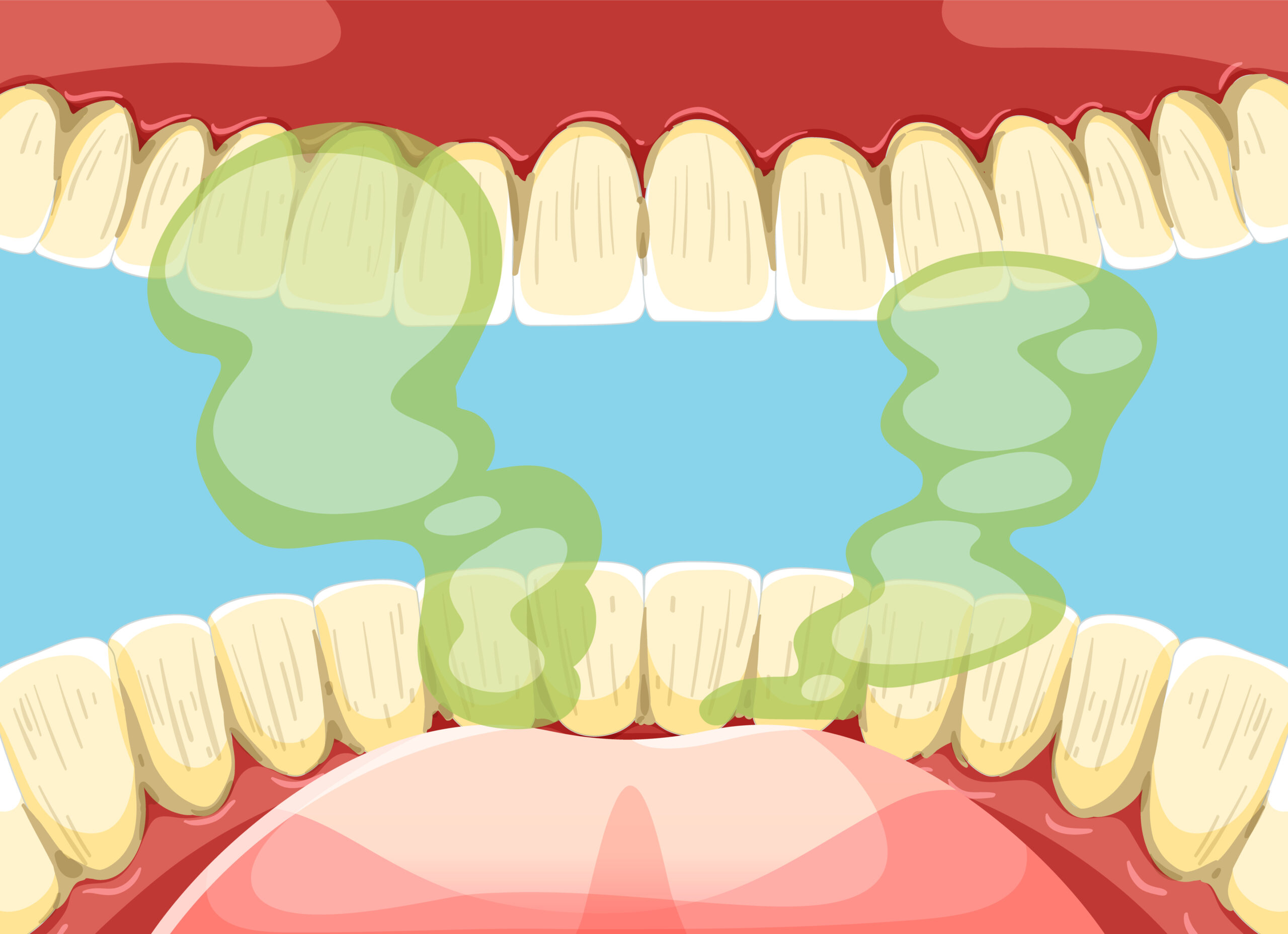
Treatment of Halitosis (Bad Breath)
Do you feel discomfort due to unpleasant breath? Have you lost self-confidence? Looking for a way to treat bad breath effectively? At Dynasty Stomatology, a premium dental clinic, our highly qualified specialists offer comfortable, painless, and efficient treatment for halitosis. Let us help restore your fresh breath and confidence!
Read more -
Treatment of initial caries using the ICON method
Initial caries is a damage to the enamel that has not yet affected the deeper layers of the tooth. It often appears as a white spot on the enamel and may remain unnoticed for a long time. However, it is crucial to detect such changes early to carry out a gentle treatment — without pain, […]
Read more -
Ceramic inlays using CAD/CAM technology
Tooth damage caused by decay, chipping, or failed fillings requires not only functional restoration but also high aesthetics. A ceramic inlay is a modern dental solution that allows precise restoration of a damaged tooth, both in form and structure. Inlays made using CAD/CAM technology are known for their durability, strength, and ideal fit, making them […]
Read more -
Targeted dental x-ray
A single-tooth x-ray is a simple, quick, and affordable diagnostic method frequently used in dental diagnostics to assess oral health. A digital 2D dental x-ray reveals the condition of both the crown part of the tooth and its roots, along with the surrounding tissues. At Dynasty Stomatology dental clinic, this type of x-ray diagnostics is […]
Read more -
Ceramic veneers using CAD/CAM technology (digital veneers)
A radiant smile always looks beautiful, promotes good health, and attracts attention. And it’s absolutely achievable! Modern dentistry opens up vast opportunities to correct any imperfections of the dental arch, whether congenital or acquired.
Read more -
Treatment of a broken tooth
A broken tooth is always an unpleasant surprise, often happening at the worst possible moment. But don’t panic! The highly qualified dental professionals at the innovative clinic Dynasty Stomatology are ready to provide immediate and effective treatment for this sudden dental emergency. We will carefully repair the damaged tooth, whether through restoration or placing an […]
Read more -
Treatment of caries
Caries is one of the most common dental diseases affecting the oral cavity. It’s the destruction of tooth enamel that gradually affects the deeper tooth tissues. Without timely treatment, it can lead to pain, inflammation, the spread of infection to the pulp, and eventually to tooth decay or even tooth loss. That’s why postponing a […]
Read more -
Dental Visiography
To obtain a detailed image of a tooth, we use a digital X-ray device known as a visiograph. This advanced dental visiography equipment ensures that every stage of treatment becomes as clear and transparent as possible. The modern device detects even the slightest changes in the structure of the teeth, allowing for early intervention. With […]
Read more -
Ceramic crowns using CAD/CAM technology
Ceramic crowns made with advanced technology like CAD/CAM technology blends aesthetics and functionality perfectly together. A patient will get high quality ceramic crowns with exact precision when they visit our clinic for treatment. Ceramic crowns are ideally recommended for caries and stained teeth. They are bio-compatible and do not cause allergies.
Read more -
Bruxism Treatment
Bruxism is a condition where children or adults unconsciously grind their teeth at night. The occurrence of bruxism takes place mostly in your sleep (nocturnal bruxism) but there are instances where it can happen when you’re awake. Untreated bruxism can lead to serious health issues and in such cases, you must consult a specialist at […]
Read more -
Treatment of a knocked-out tooth
A knocked-out tooth is a dental emergency where it can be chipped or broken. It calls for immediate attention and you must see a dentist as soon as possible. Whether it is a child who has lost a tooth while playing or an adult who suddenly faces an injury; to save the tooth, you must […]
Read more -
Digital Dentistry
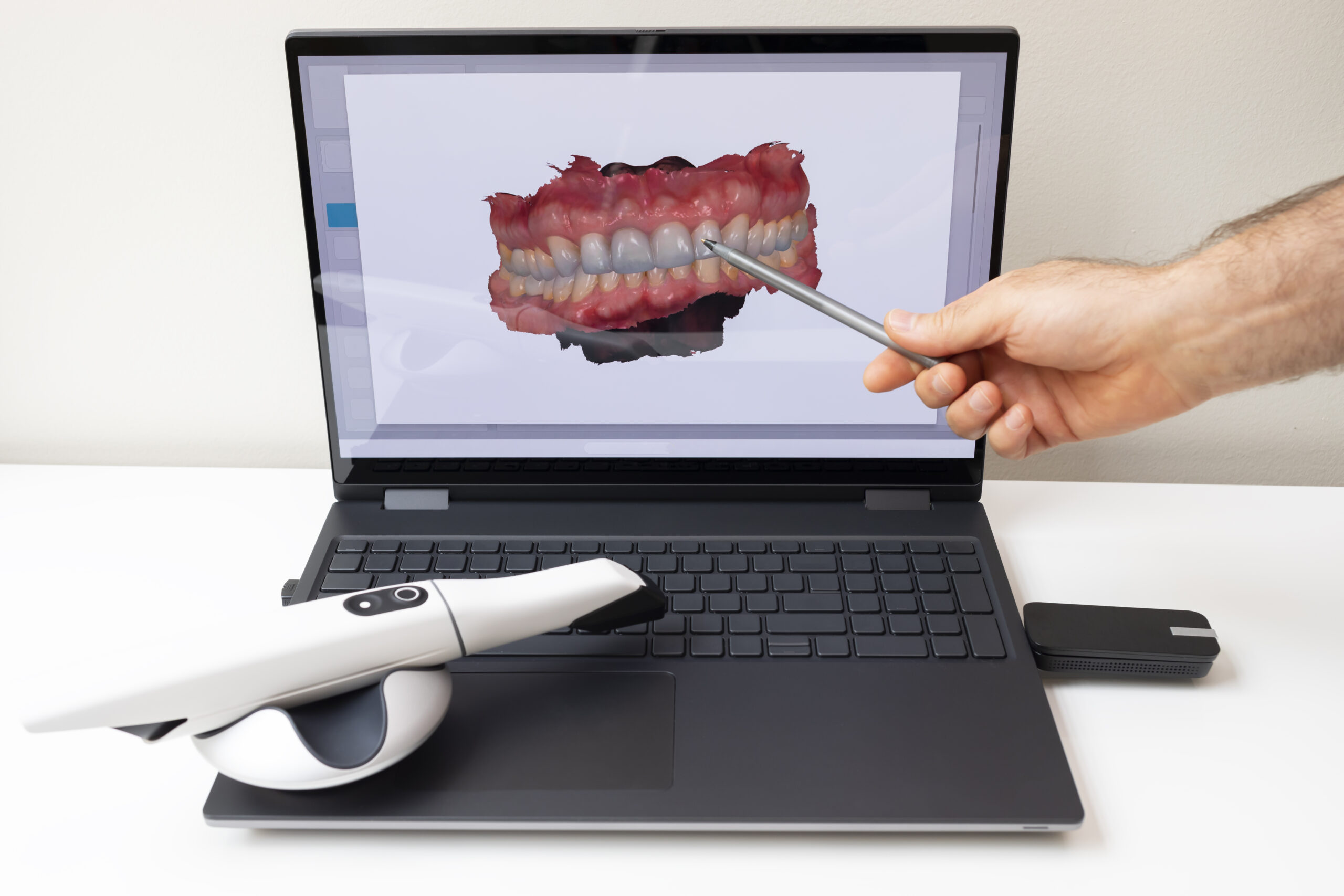
Dentistry has witnessed a significant technological revolution in the last few years. The foray of CAD/CAM technologies has made dental care more comfortable and pain-free for the patient. Known as “digital dentistry”, it is now becoming highly popular among patients and is redefining the future of dentistry today.
Read more -
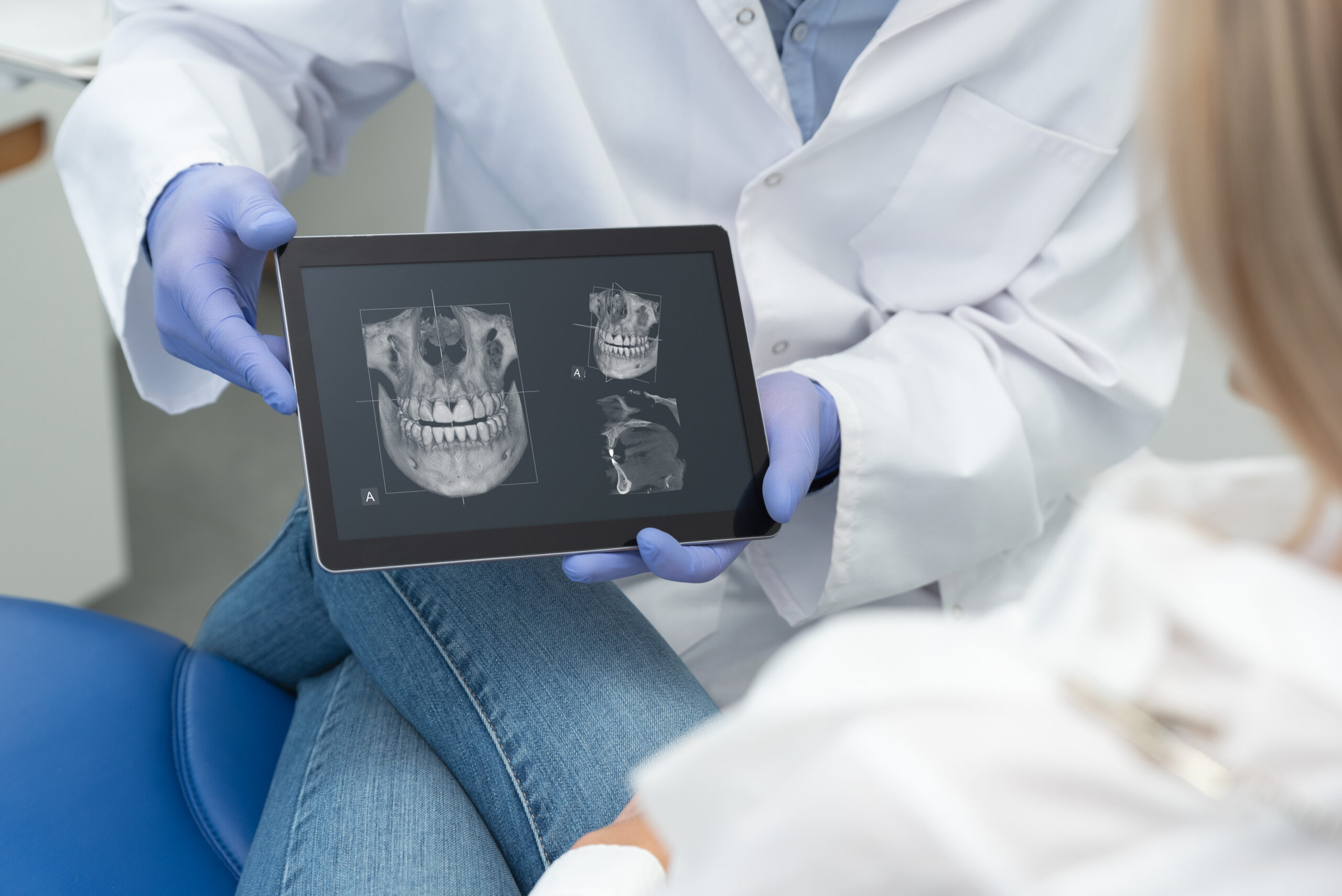
Computed tomography of teeth and oral cavity
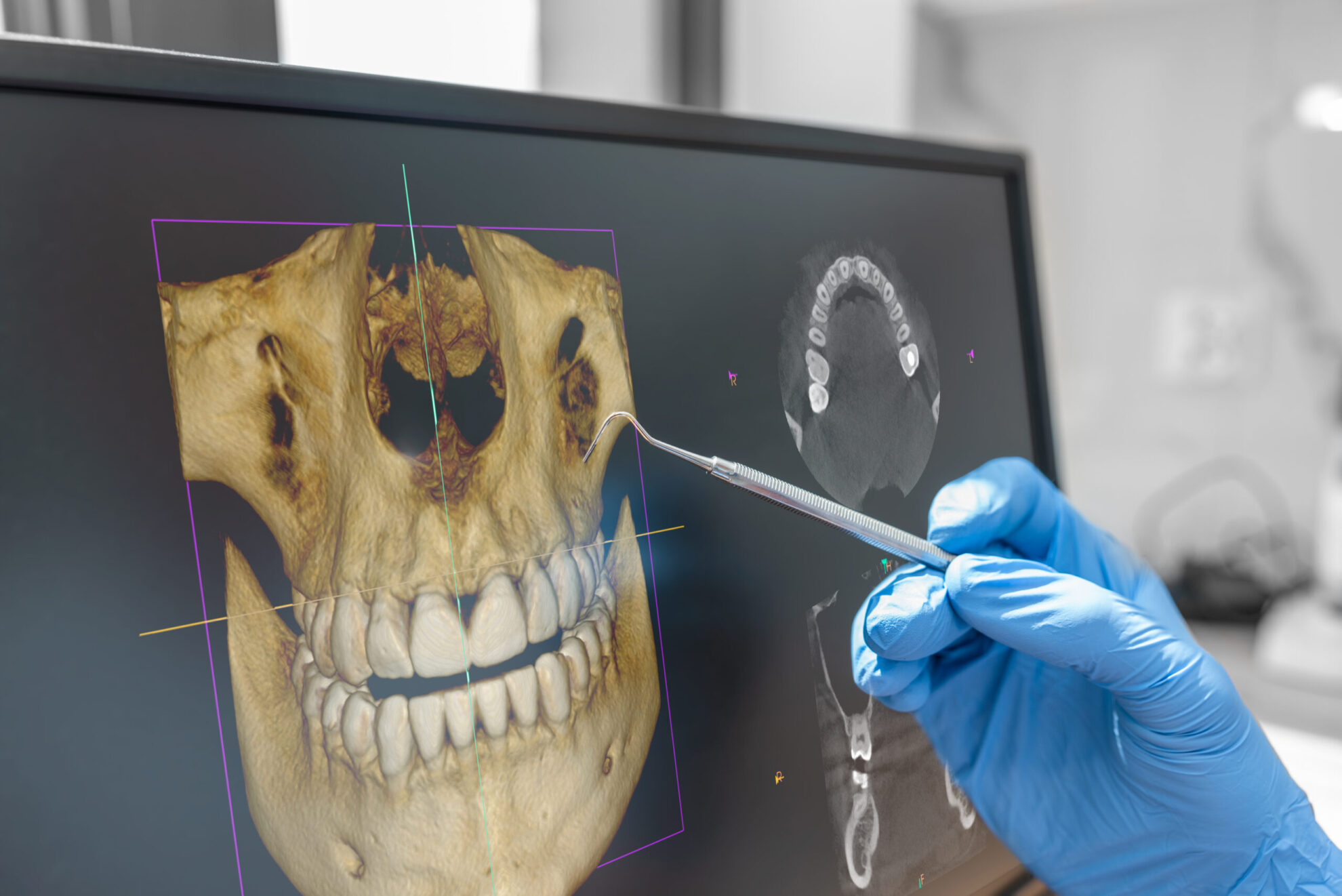
A computed tomography (CT) scan of the jaw deploys the use of advanced technology to view the tissues and bones in dentistry. It is essential in dental diagnostics for accurate diagnosis and treatment plans. A dental CT is painless and different from an x-ray as it creates cross-sectional images with a radiation dose concealing hidden […]
Read more -
Digital smile Design
Thanks to the advent of modern digital technologies, you can attain a beautiful smile with dental aesthetics treatment. This procedure makes it possible for dentists to design a smile digitally before the start of the procedure. This simulation of digital smile design allows personalization and better precision of the final result.
Read more -
Consultation with a gnathologist
Gnathologists arrest malocclusion issues responsible for discomfort in joint function, problems with the temporomandibular joint, pain in the area, and other complications like periodontitis, and mandibular problems. This specialist uses braces, veneers, or crowns to restore the tooth alignment when you make an appointment.
Read more -
Tooth dislocation – first aid, treatment
Accidents can happen in the blink of an eye and affect permanent teeth to cause serious mouth injuries or tooth loss. In case of a slip, fall, or sudden force or collision impact, you must see a dentist as soon as possible for appropriate treatment.
Read more -
Diagnosis of dental diseases
Dental diagnostics is indispensable for the early identification of periodontal diseases and oral infections. Thanks to technological advancements in dental care, the diagnosis and treatment of tooth decay, gingiva, oral cavity, tooth abscess, and other serious oral healthcare issues can be done faster.
Read more











Read also
View all blog-
20.03.2026
15
8 min. read
What You Need to Know About Professional Teeth Whitening
A white smile makes a face look fresher and more well-groomed. However, over time, the shade of teeth changes. Diet,…
Read more -
19.03.2026
24
8 min. read
Professional hygiene in a dental office — The complete guide
Most people believe they take proper care of their teeth. They brush their teeth morning and night, floss, and buy…
Read more -
09.03.2026
13
9 min. read
Restorative Dentistry Guide — Everything You Need to Know
Sometimes a tooth decays almost unnoticed. There's no sharp pain or warning signs. A small spot, mild sensitivity to cold,…
Read more -
04.03.2026
21
5 min. read
How to avoid surgery in the future — a case study of early orthodontic treatment at age 6
A mother brought her 6-year-old son to the Dynasty Stomatology clinic. She was confused: her son had already been examined…
Read more -
26.02.2026
23
11 min. read
What is Dental Implant Procedure — A Complete Guide
Losing a tooth isn't always just about aesthetics. It's about self-confidence, the ability to smile without tension, the ability to…
Read more -
24.02.2026
41
9 min. read
Understanding Oral Surgery — What You Need to Know
Until recently, a visit to the dentist was associated with significant discomfort. Uncomfortable impressions, long waits, and the need for…
Read more -
19.02.2026
25
5 min. read
Online consultation with a dentist — how it works, how much it costs, and when it is really needed
There are many reasons why people put off visiting the dentist. Especially when they live in countries where it is…
Read more