
Why Regular Dental Check Ups Are So Important


28.01.2026
39
7 min. read
Why Patients Trust Dynasty Stomatology
The trust in Dynasty Stomatology is built on a combination of many years of experience and an individual approach to every patient. We understand that a visit to the dentist is often accompanied by anxiety, so we place special emphasis on creating a comfortable and calm atmosphere where every patient feels safe.
The clinic is equipped with modern technology and uses advanced treatment methods, ensuring that procedures are carried out with maximum precision, efficiency, and comfort. All materials undergo strict quality control, and our doctors regularly improve their qualifications to offer only the most up-to-date and proven techniques.
In addition, Dynasty Stomatology values long-term relationships with patients. Our goal is not only to solve the problem at hand but also to maintain the health of teeth and gums for years to come. Openness, honesty, and transparency are the key principles that have earned the clinic its reputation as a reliable dental partner.
Facts about Dynasty Stomatology:
✅ Over 10 years of successful work in dentistry.
✅ Hundreds of positive reviews from patients in [Страна в соответствии с регионом] and abroad.
✅ We use premium materials from leading global brands.
✅ We offer treatment under sedation and general anesthesia.
✅ A full range of services — from pediatric dentistry to complex surgical operations.
Dynasty Stomatology — trust, expertise, reliability, and care for the beauty of your smile.
Learn about usMedical Expertise
Dynasty Stomatology’s doctors conduct medical reviews of all materials on the website to ensure their accuracy and practical value. Our authors and editors are experienced specialists in the fields of therapeutic, surgical, orthopedic, and pediatric dentistry. This approach allows us to maintain high professional standards and provide our readers with only verified, up-to-date, and useful information.
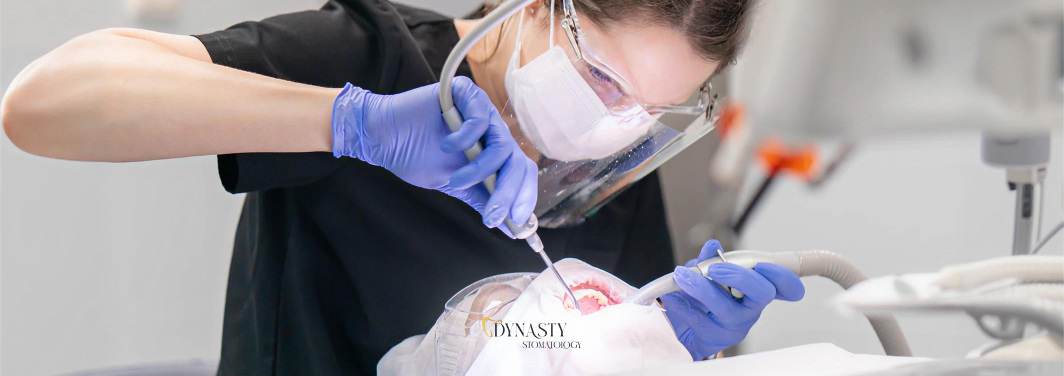
Most people only think about going to the dentist when a tooth starts to hurt and interferes with their daily life. Until then, everything seems fine. But dental problems can be hidden and go unnoticed for a long time. They can accumulate unnoticed until one day they require urgent treatment and unexpected expenses. Therefore, regular dental check ups are the most reliable way to maintain oral health and overall well-being.
Preventive visits are proactive. They help identify changes before pain occurs, maintain the health of teeth and gums, and avoid complex treatments in the future.
In this article, we’ll discuss how often dental checkups are essential, what happens during a visit, and who requires more frequent monitoring.
Why are regular dental checkups important?
The importance of regular dental check-ups lies in maintaining long-term oral health. Modern preventive dentistry helps identify and stop problems before they progress to the clinical stage and require complex interventions. Below, we have reviewed the benefits of preventive dental checkups:
Detect oral health problems before they become serious
Dentists focus on early detection of dental issues, including enamel damage and inflammation. Early cavity detection allows for gentle treatment and effective tooth decay prevention. Many dental problems develop slowly without pain or noticeable symptoms.
Screen for oral, head, and neck cancers
Standard dental screening includes mouth cancer screening and head and neck cancer screening. These procedures take minimal time but are crucial for the early detection of oral cancer, which affects the success of treatment.
Save money long-term with timely dental treatment
Regular preventative care reduces the cost of delayed dental treatment. Minor interventions are always cheaper than complex dental work, such as crowns or implants.

At what age should children start to go to regular checkups?
It’s recommended to start children dental visits as early as possible, even if there don’t seem to be any problems yet. We recommend begin visiting the dentist before the age of one or immediately after the first tooth appears. This early approach allows for an assessment of the child’s dental development and reduces the risk of developing dental anxiety later in life.
Early pediatric dental checkups help children get used to the office environment, establish a relationship with the dentist, and develop a positive attitude toward dental care. The dentist can also provide timely recommendations on hygiene, nutrition, and habits that affect enamel health.
How often should elderly people visit the dentist?
As people age, natural changes occur. Salivation decreases, bone structure changes, and gum health deteriorates, increasing the risk of dental problems and complications. Senior dental care requires special attention and regular monitoring. Elderly oral health impacts nutrition, speech, comfort, and overall quality of life.
Older patients often need to visit a dentist more often, especially if they have dentures or require dental implant maintenance. Regular visits help monitor the condition of their teeth and gums and prevent the progression of diseases.
What happens during a routine dental check-up?
Each routine dental visit follows a rigorous dental exam process so the doctor can assess the condition of the entire oral cavity and create a personalized plan. The main goal of the visit is to conduct a complete dental health assessment and identify any dental problems at an early stage.
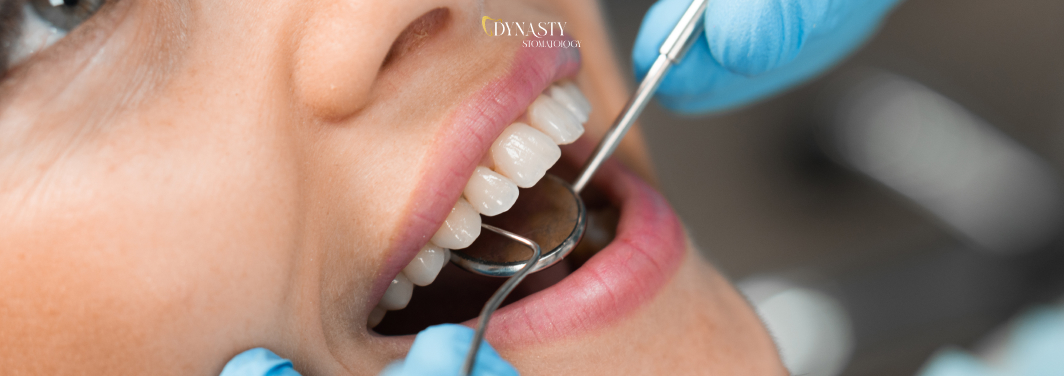
During your appointment, your dentist will examine your teeth, gums, and mucous membranes, assessing for inflammation, plaque, and other changes. If necessary, your dentist may also take X-rays to accurately identify hidden problems between your teeth and in the roots. A typical dentist visit includes:
- A complete dental examination of all teeth, gums, and soft tissues.
- Assessment for gum disease prevention and detection of signs of inflammation.
- Discussion of any health problems, including pain, sensitivity, and changes in the oral cavity.
- Oral hygiene recommendations, including proper brushing, flossing, and rinsing.
- Scheduling a next check-up for regular monitoring.
- If necessary, a professional cleaning with a dental hygienist.
Which conditions require more frequent check-ups?
High-risk dental patients are those for whom a standard dental checkup schedule may be insufficient. This includes people with chronic illnesses, weakened immune systems, already diagnosed dental and gum problems, as well as those who regularly smoke or drink alcohol. In such cases, the doctor determines an individualized dental check-up frequency based not only on the condition of the teeth but also on overall health, lifestyle, and existing risks. More frequent checkups allow for monitoring and early prevention of complications.
More frequent checkups are required for people with gum disease or tooth decay, as well as for patients with compromised immune systems and oral health. These factors increase the risk of complications and require regular monitoring.
We’d like to highlight pregnant women specifically. Dental care during pregnancy is important for oral health and the overall well-being of both mother and unborn child. Hormonal changes can affect gum health and increase inflammation. Therefore, regular dental visits are essential.
How often should I go to the dentist?
Most people need to visit the dentist every six months. This recommended frequency for dental visits allows for early detection of changes, maintaining stable teeth and gum health, and preventing the development of serious problems before symptoms appear.
However, the frequency of dental appointments is not universal and can vary depending on lifestyle, overall health, and the presence of risk factors. In some situations, such as active inflammatory processes or increased susceptibility to cavities, a visit every three months may be necessary.
At Dynasty Stomatology, a dentist may recommend a personalized schedule after a risk assessment and examination to ensure an optimal balance between prevention and the necessary level of control.
Who should see a dentist more often than every six months?
Not all patients are suited to the standard interval between dental visits. In some cases, their oral health requires more careful monitoring, as the risk of complications is higher and changes can occur more quickly. Below, we list the groups of people who need to see a dentist more frequently than every six months:
- Patients with active caries or gum disease, as well as those who have had similar experiences in the past, require regular monitoring. Even after treatment, such conditions can recur without noticeable symptoms.
- Regular alcohol and tobacco consumption negatively impacts oral tissues, increasing the risk of inflammation, gum disease, and other complications.
- People with weakened immune systems, as well as patients who have diabetes or other chronic health conditions, need more frequent checkups because they have a higher risk of infections and delayed tissue healing.
- During pregnancy, hormonal changes can increase gum inflammation. More frequent visits help maintain oral health and avoid problems during this period.
Through such visits, the dentist can monitor the progress of your condition, determine how often future visits are needed, and adjust your treatment plan if necessary.

Visit dentist for a check-up — Why it matters
We understand that sometimes you don’t have the time or desire to visit your dentist. But a preventive dental check-up is much more than just a dental exam. It’s a self-care habit that directly impacts your overall health, your confidence in the future, and your quality of life.
Regular dental visits allow your dentist to detect a variety of dental problems at the earliest stages, when treatment is as gentle and predictable as possible. This approach helps avoid complex interventions, reduces stress, and helps you feel in control.
Frequently asked questions about dental check-up
-
Can dental check-ups help prevent emergency dental treatments?
Yes, and this is one of the main advantages of preventative care. Regular check-ups allow us to identify problems at the earliest possible stage, before they require urgent intervention. Regular visits to the dentist allow the doctor to notice changes early and take action before the situation becomes urgent.
-
Is a dental check-up different from a professional teeth cleaning?
Yes, these are different stages of the same process. A checkup is a routine dental examination during which the doctor assesses the overall health of the oral cavity. Dental cleanings are aimed at removing plaque and tartar, including dental plaque, and can be performed separately or as part of a visit.
-
What signs indicate that I should book a dental check-up sooner than planned?
Bleeding gums, increased sensitivity, discomfort, or other oral health issues are reasons not to delay a dentist appointment. Even if the pain is mild, it's better to visit your dentist early than to wait for it to worsen.
-
Do dental check-ups differ for people with braces or dental implants?
Yes. Brace dental checkups and implant checkups have their own specific considerations. The dentist considers the design, load, and tissue condition so they can identify potential risks and address them promptly.
-
How long does a routine dental check-up usually take?
A dental visit typically lasts 30 to 60 minutes. During this time, a full examination is performed, complaints are discussed, and further action is planned. This is a comfortable, unhurried dental clinic visit.
-
Can skipping regular dental check-ups affect overall health, not just teeth?
Yes. Oral pathologies are considered dental diseases, which can affect overall health. Visiting the dentist regularly can help reduce the risk of inflammation and other serious dental complications.
-
Are dental check-ups necessary if I have no pain or visible problems?
Yes, because many problems develop without symptoms. Even if everything seems fine, it's important to visit the dentist at least for prevention. That's how regular dental care works.
-
How should I prepare for a dental check-up appointment?
No special preparation is required. Basic oral hygiene and an honest conversation with the dentist are sufficient. During the visit, the dentist will assess your oral health and ask any clarifying questions.
-
Can anxiety or dental fear be addressed during a routine check-up visit?
Yes, modern clinics pay great attention to dental anxiety management. You can always discuss your fears with your dentist. An experienced regular dentist will help you find a comfortable pace and format for your conversation.
-
What role do dental check-ups play in maintaining long-term oral aesthetics?
Regular checkups help maintain the aesthetics of your smile for years to come. They allow the dentist to monitor the condition of your enamel, gums, and restorations. The benefits of regular dental visits include not only your health but also your appearance.
Schedule a consultation and visit to the dentist at Dynasty Stomatology
Sometimes the most difficult step is figuring out how often should you go to the dentist. At our dental center, we help you figure this out calmly and without pressure. If you’ve been planning to visit my dentist for a while but have been putting it off, now’s the time to start with a consultation.
Our dental professionals conduct your examination in a way that’s comfortable and understandable to you. During your appointment, your dentist can see any hidden changes, assess the condition of your teeth and gums, and recommend a care plan. If necessary, a dental cleaning will be performed, and your dentist will also advise you on how to maintain the results at home.


Do you want to treat your teeth while you sleep?
Schedule an appointment!
By clicking the button, you give your agreet your personal data in accordance with privacy policy.
Services related to this topic
All services-
Treatment of dental hypersensitivity in Krakow
Toothache when eating something cold, sweet or sour is a common cause of discomfort in patients of all ages. If you are concerned about increased tooth sensitivity, you should not endure the unpleasant sensations – the specialists of the Dynasty Stomatology clinic in Krakow will help eliminate the problem quickly and carefully. Make an appointment […]
To the service -
Root canal retreatment in Krakow
Re-treatment of root canals is required in cases where the initial treatment has proven ineffective and the tooth continues to cause discomfort, inflammation or complications. This procedure is especially important for preserving your own tooth and preventing its extraction, because repeated therapy allows you to neutralize hidden foci of infection, seal the canals hermetically and […]
To the service -
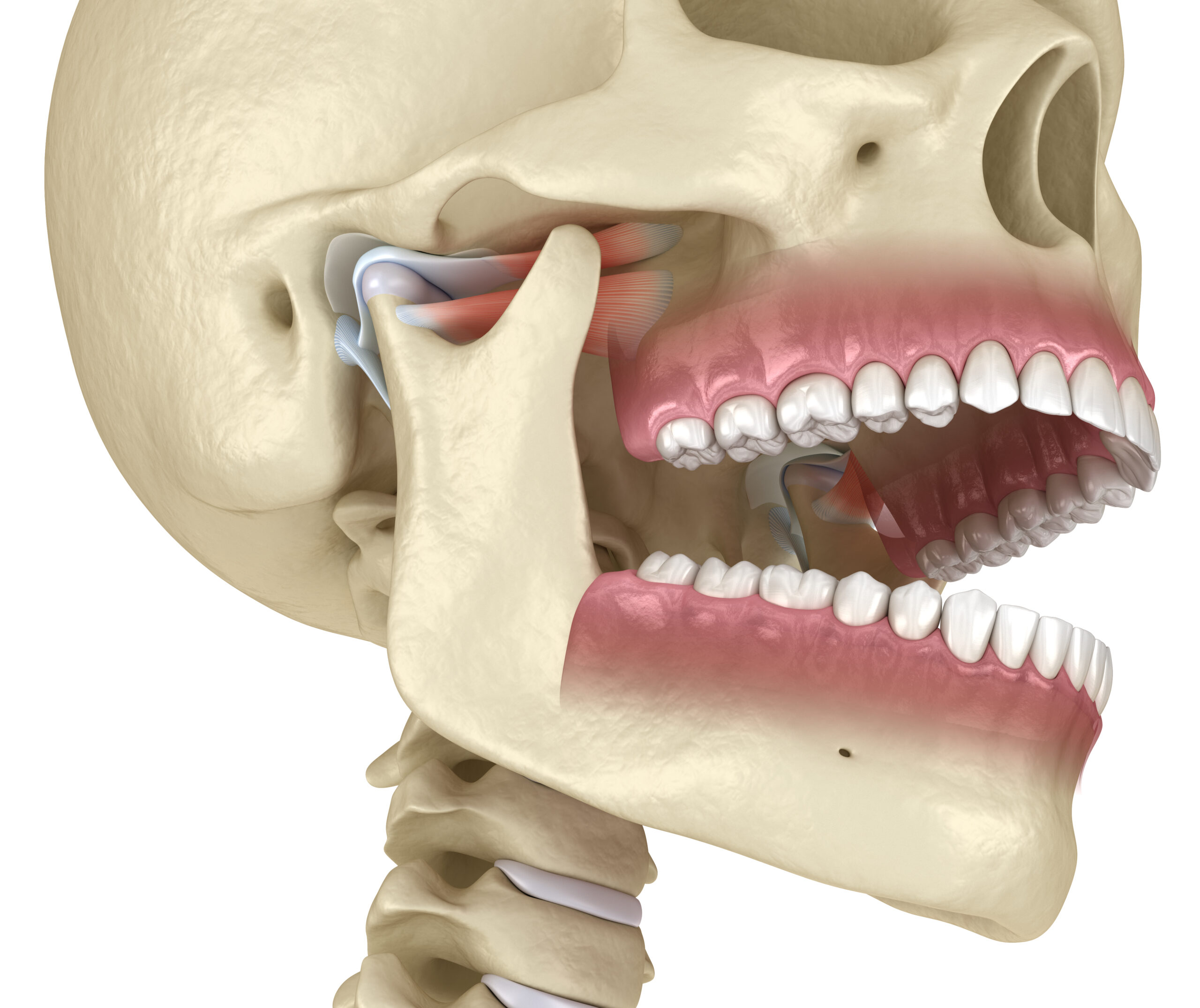
Modern diagnostics and treatment of TMJ dysfunction
Temporomandibular joint dysfunction is a common problem that can significantly impair quality of life due to pain, limited movement, and bite problems. If you experience discomfort or other unpleasant symptoms, it is important to seek professional help promptly.
To the service -
Online consultation with a dentist
Need urgent dental advice but unable to visit the clinic for an in-person appointment? Introducing a new service from Dynasty Stomatology — online consultation. This is a convenient way to get qualified help wherever you are.
To the service -
Treatment of stomatitis
Inflammation of the mucous membrane of the mouth causes pain, burning, ulcers, discomfort when eating and worsens general well-being. This condition is called stomatitis and it can occur in both children and adults. In children, it is often accompanied by refusal to eat and crankiness, in adults – a decrease in performance. And without timely […]
To the service -
Aesthetic restoration of teeth
How many times a day do you smile? No matter the number, we can assure you that after an aesthetic restoration at Dynasty Stomatology in Krakow (Poland) you’ll be showing off your smile much more often!
To the service -
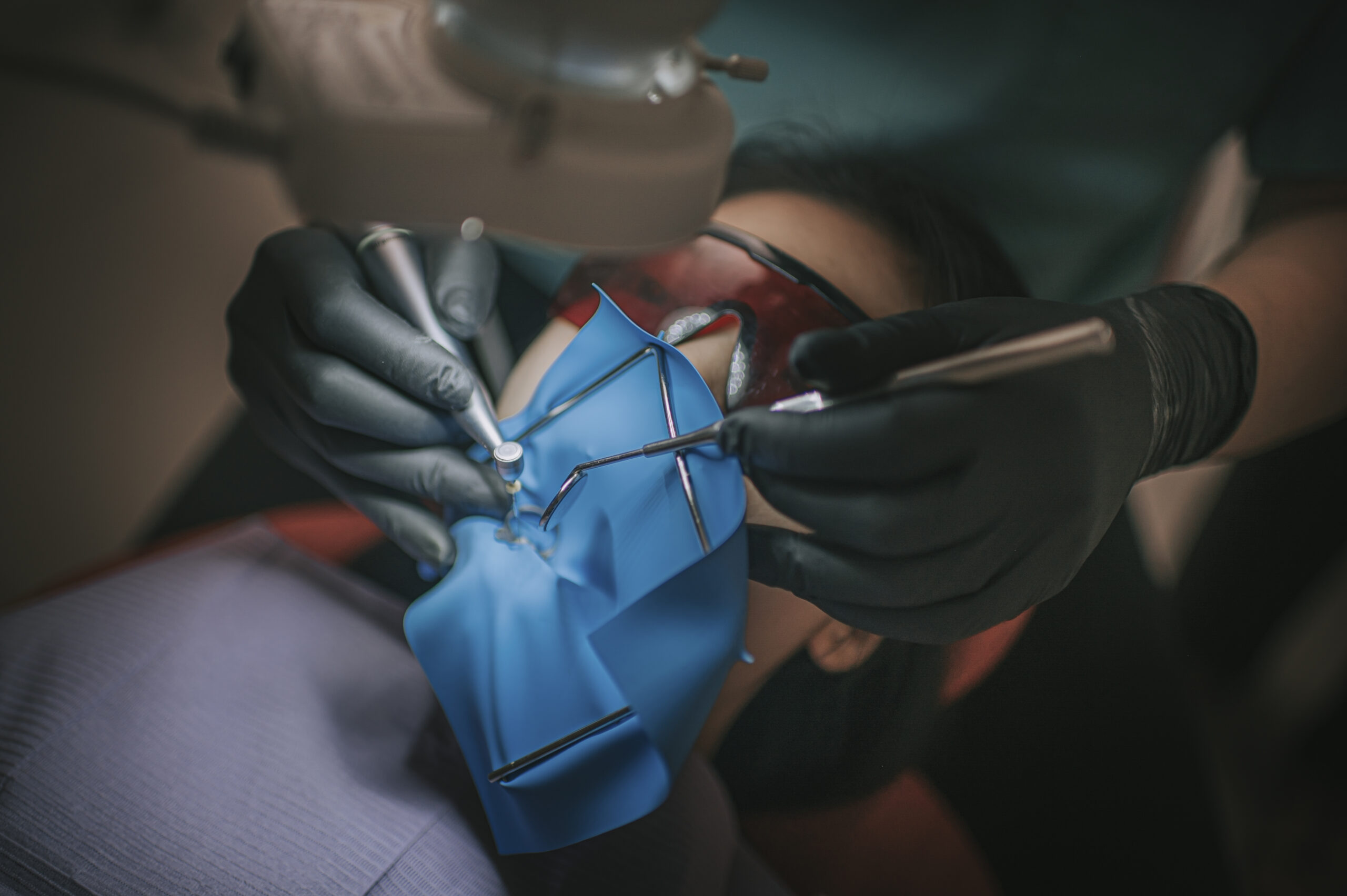
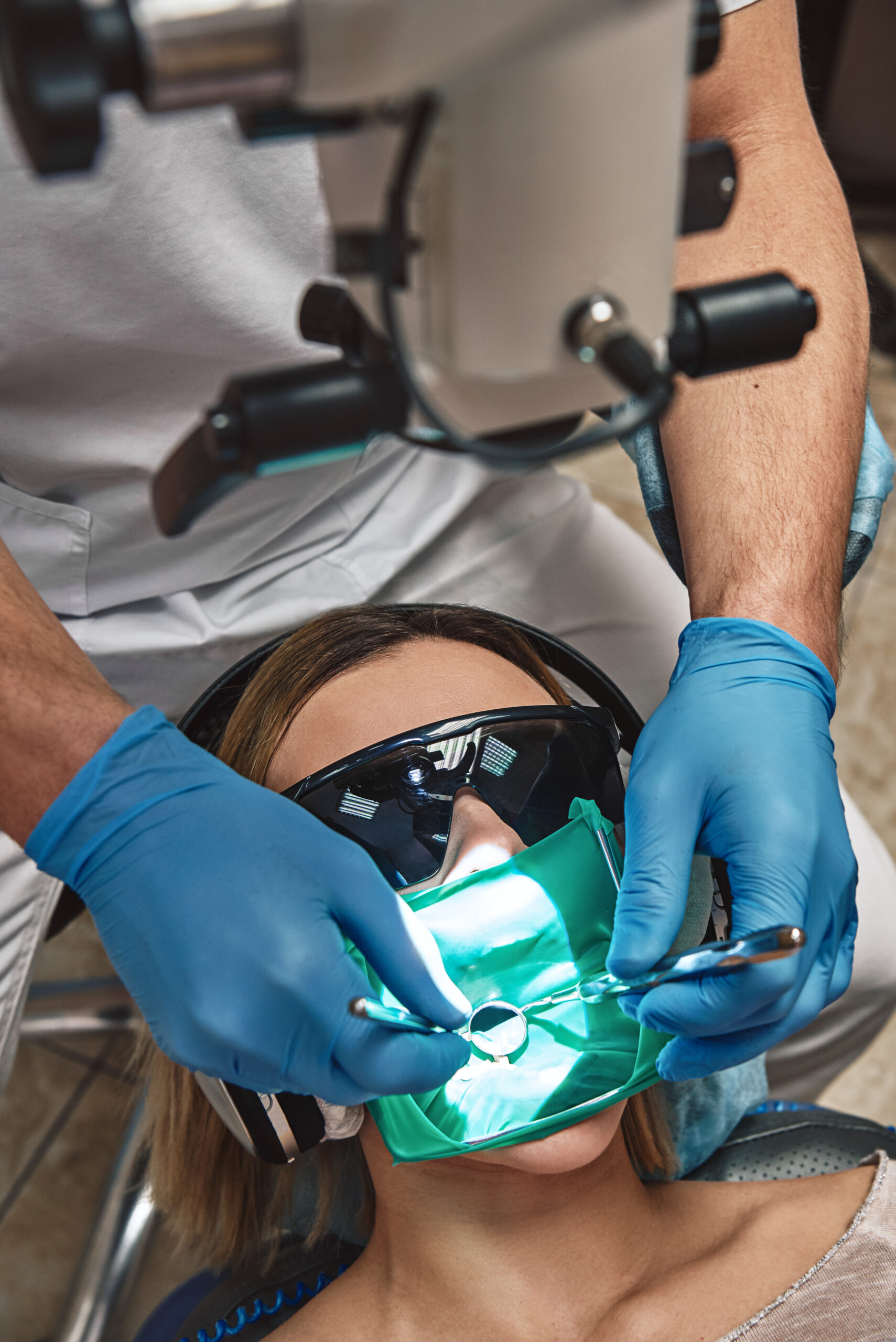
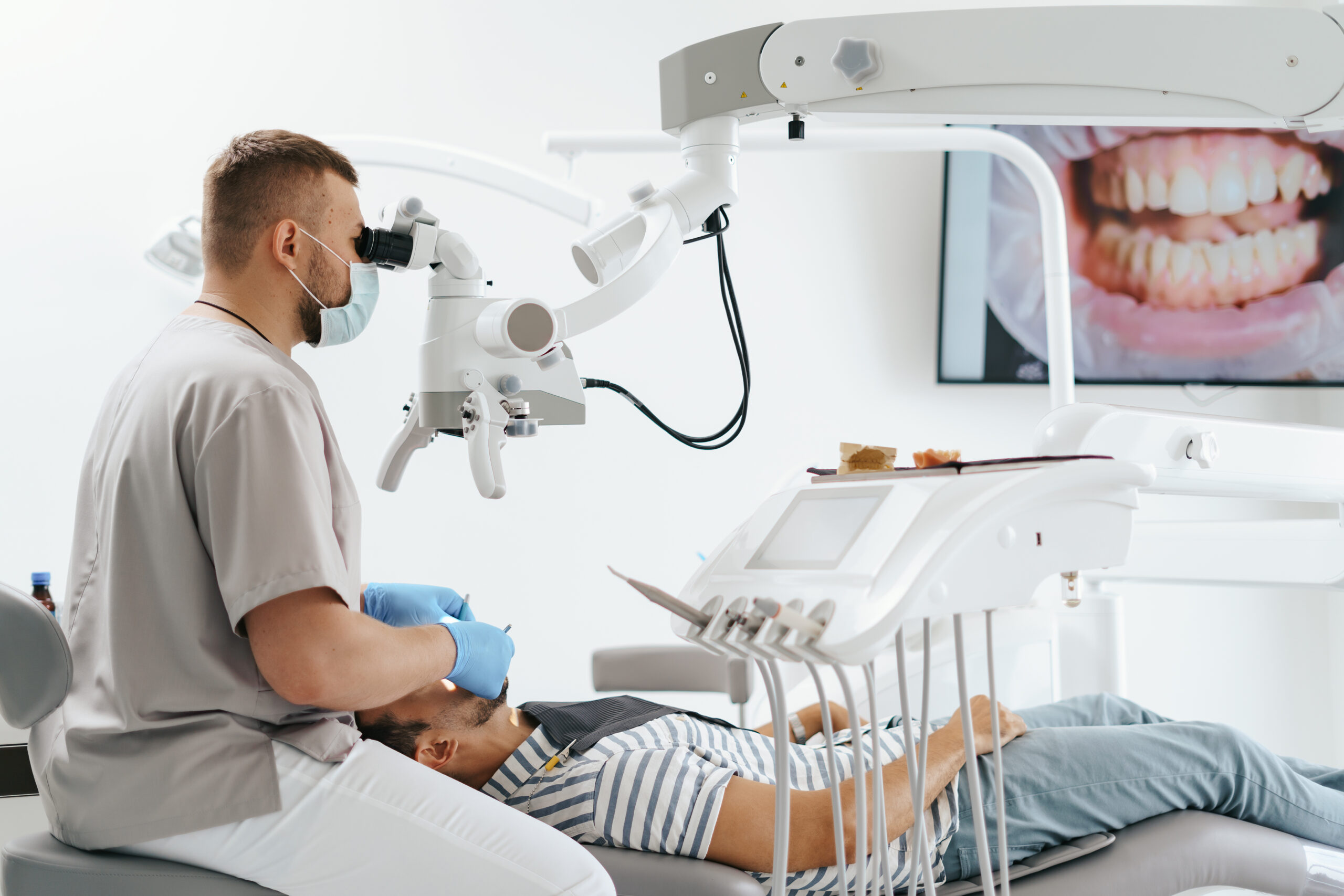
Dental treatment under a microscope
Root canal treatments have been radically transformed with the advent of the dental microscope in endodontics. It enables the specialist to view intricate dental structures otherwise not visible to the naked eye.
To the service -
Root canal treatment
Root canal treatment is required when the tooth pulp becomes inflamed or infected because of decay, injury or repeated dental treatment procedures. If the tooth is left untreated, the infection spreads leading to pain and inflammation. It can lead to an abscess that is the accumulation of pus in tooth’s root.
To the service -
Pulpitis treatment
Did you neglect treating tooth decay? Or fail to visit a dentist in time after a dental injury? Then the infection may have penetrated the inner tissues through damaged enamel and dentin. If you’re also experiencing severe, throbbing tooth pain, it’s very likely that pulpitis has developed. But don’t panic! At Dynasty Stomatology in Poland, […]
To the service -
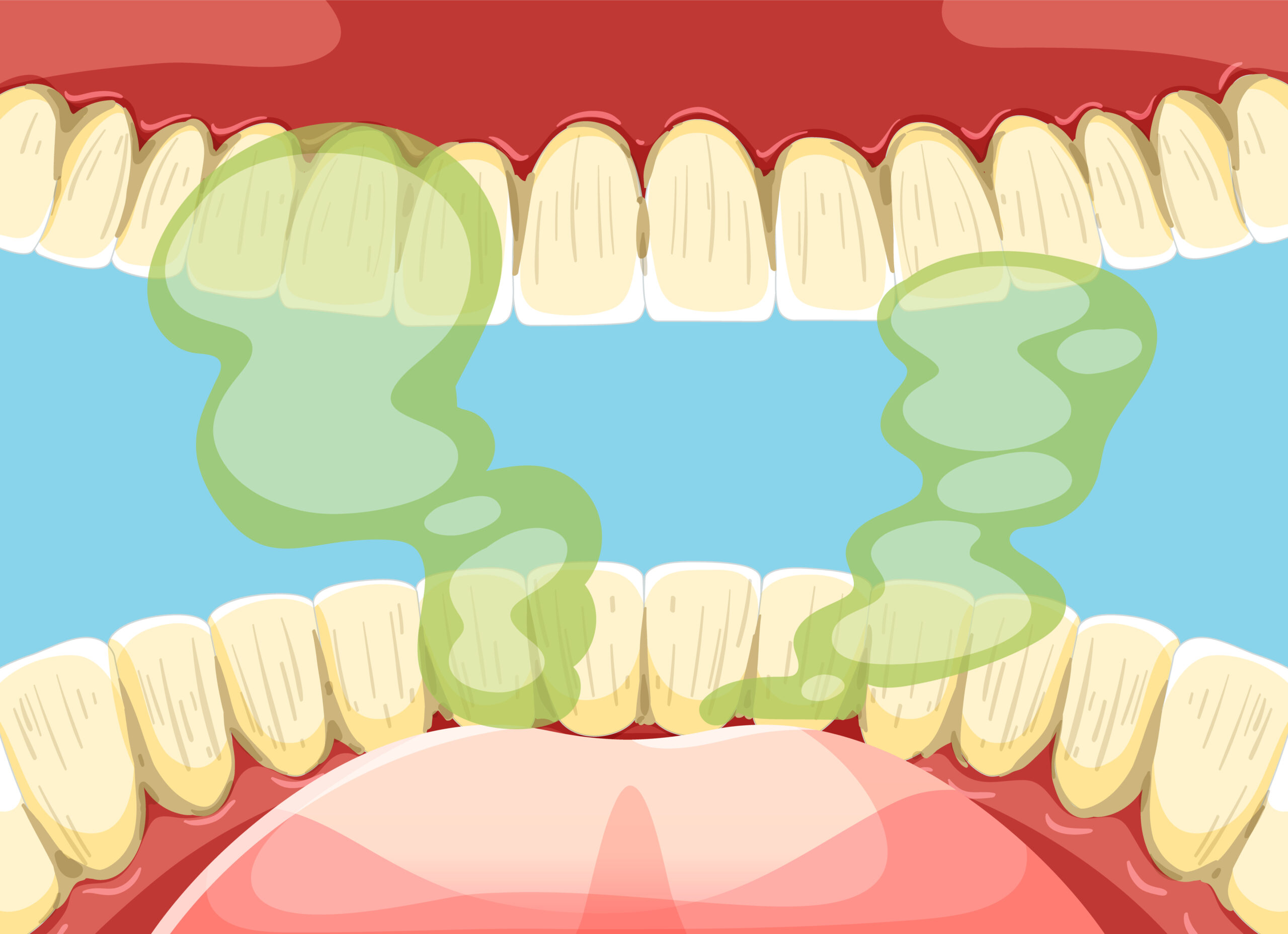
Treatment of Halitosis (Bad Breath)
Do you feel discomfort due to unpleasant breath? Have you lost self-confidence? Looking for a way to treat bad breath effectively? At Dynasty Stomatology, a premium dental clinic, our highly qualified specialists offer comfortable, painless, and efficient treatment for halitosis. Let us help restore your fresh breath and confidence!
To the service -
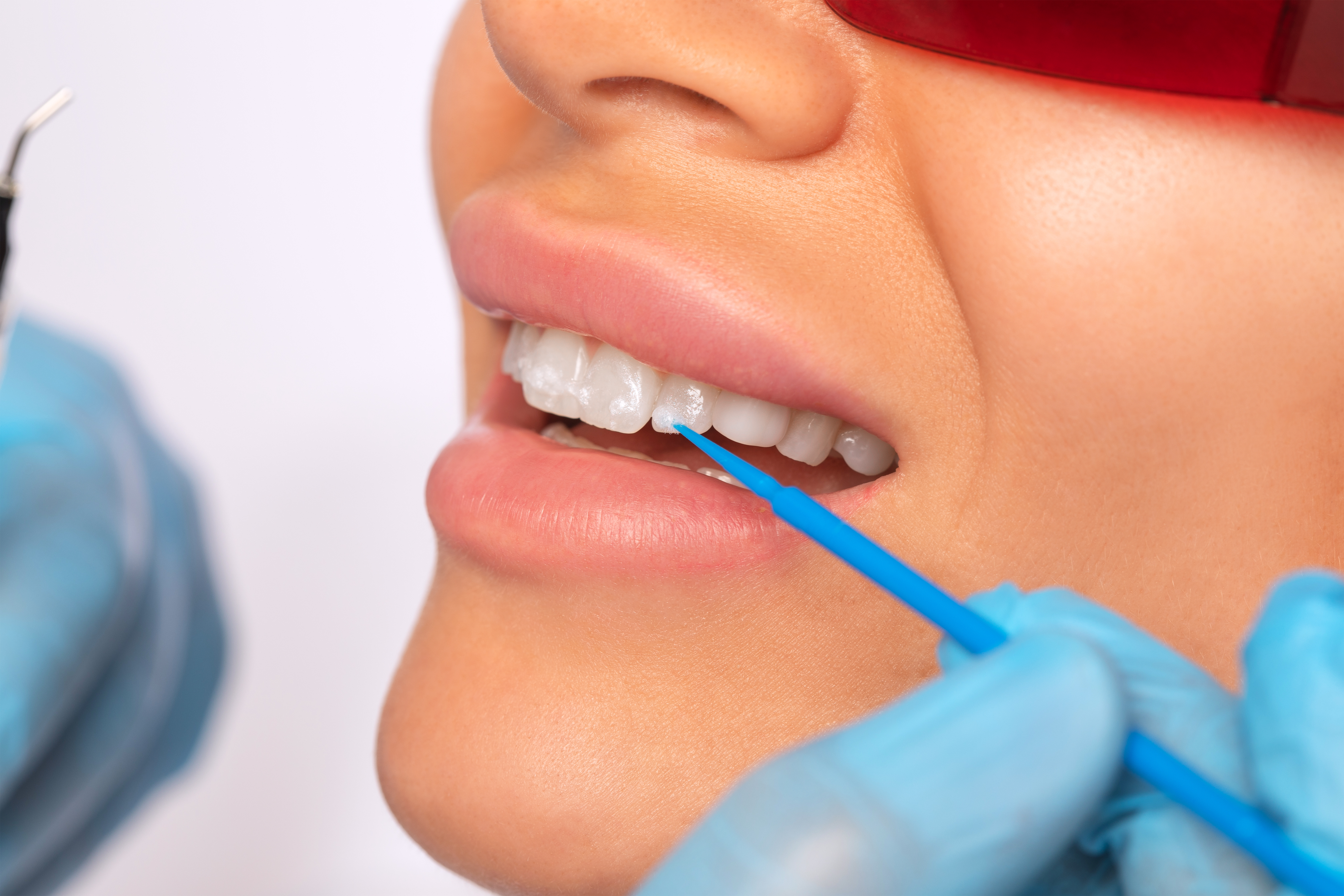
Treatment of initial caries using the ICON method
Initial caries is a damage to the enamel that has not yet affected the deeper layers of the tooth. It often appears as a white spot on the enamel and may remain unnoticed for a long time. However, it is crucial to detect such changes early to carry out a gentle treatment — without pain, […]
To the service -
Treatment of a broken tooth
A broken tooth is always an unpleasant surprise, often happening at the worst possible moment. But don’t panic! The highly qualified dental professionals at the innovative clinic Dynasty Stomatology are ready to provide immediate and effective treatment for this sudden dental emergency. We will carefully repair the damaged tooth, whether through restoration or placing an […]
To the service -
Treatment of caries
Caries is one of the most common dental diseases affecting the oral cavity. It’s the destruction of tooth enamel that gradually affects the deeper tooth tissues. Without timely treatment, it can lead to pain, inflammation, the spread of infection to the pulp, and eventually to tooth decay or even tooth loss. That’s why postponing a […]
To the service -
Bruxism Treatment
Bruxism is a condition where children or adults unconsciously grind their teeth at night. The occurrence of bruxism takes place mostly in your sleep (nocturnal bruxism) but there are instances where it can happen when you’re awake. Untreated bruxism can lead to serious health issues and in such cases, you must consult a specialist at […]
To the service -
Treatment of a knocked-out tooth
A knocked-out tooth is a dental emergency where it can be chipped or broken. It calls for immediate attention and you must see a dentist as soon as possible. Whether it is a child who has lost a tooth while playing or an adult who suddenly faces an injury; to save the tooth, you must […]
To the service -
Consultation with a gnathologist
Gnathologists arrest malocclusion issues responsible for discomfort in joint function, problems with the temporomandibular joint, pain in the area, and other complications like periodontitis, and mandibular problems. This specialist uses braces, veneers, or crowns to restore the tooth alignment when you make an appointment.
To the service -
Tooth dislocation – first aid, treatment
Accidents can happen in the blink of an eye and affect permanent teeth to cause serious mouth injuries or tooth loss. In case of a slip, fall, or sudden force or collision impact, you must see a dentist as soon as possible for appropriate treatment.
To the service









Read also
View all blog-
20.03.2026
15
8 min. read
What You Need to Know About Professional Teeth Whitening
A white smile makes a face look fresher and more well-groomed. However, over time, the shade of teeth changes. Diet,…
Read more -
19.03.2026
25
8 min. read
Professional hygiene in a dental office — The complete guide
Most people believe they take proper care of their teeth. They brush their teeth morning and night, floss, and buy…
Read more -
09.03.2026
15
9 min. read
Restorative Dentistry Guide — Everything You Need to Know
Sometimes a tooth decays almost unnoticed. There's no sharp pain or warning signs. A small spot, mild sensitivity to cold,…
Read more -
04.03.2026
22
5 min. read
How to avoid surgery in the future — a case study of early orthodontic treatment at age 6
A mother brought her 6-year-old son to the Dynasty Stomatology clinic. She was confused: her son had already been examined…
Read more -
26.02.2026
24
11 min. read
What is Dental Implant Procedure — A Complete Guide
Losing a tooth isn't always just about aesthetics. It's about self-confidence, the ability to smile without tension, the ability to…
Read more -
24.02.2026
42
9 min. read
Understanding Oral Surgery — What You Need to Know
Until recently, a visit to the dentist was associated with significant discomfort. Uncomfortable impressions, long waits, and the need for…
Read more -
19.02.2026
26
5 min. read
Online consultation with a dentist — how it works, how much it costs, and when it is really needed
There are many reasons why people put off visiting the dentist. Especially when they live in countries where it is…
Read more