
What is tartar removal and how often should you remove it?

11.08.2025
239
5 min. read
Why Patients Trust Dynasty Stomatology
The trust in Dynasty Stomatology is built on a combination of many years of experience and an individual approach to every patient. We understand that a visit to the dentist is often accompanied by anxiety, so we place special emphasis on creating a comfortable and calm atmosphere where every patient feels safe.
The clinic is equipped with modern technology and uses advanced treatment methods, ensuring that procedures are carried out with maximum precision, efficiency, and comfort. All materials undergo strict quality control, and our doctors regularly improve their qualifications to offer only the most up-to-date and proven techniques.
In addition, Dynasty Stomatology values long-term relationships with patients. Our goal is not only to solve the problem at hand but also to maintain the health of teeth and gums for years to come. Openness, honesty, and transparency are the key principles that have earned the clinic its reputation as a reliable dental partner.
Facts about Dynasty Stomatology:
✅ Over 10 years of successful work in dentistry.
✅ Hundreds of positive reviews from patients in [Страна в соответствии с регионом] and abroad.
✅ We use premium materials from leading global brands.
✅ We offer treatment under sedation and general anesthesia.
✅ A full range of services — from pediatric dentistry to complex surgical operations.
Dynasty Stomatology — trust, expertise, reliability, and care for the beauty of your smile.
Learn about usMedical Expertise
Dynasty Stomatology’s doctors conduct medical reviews of all materials on the website to ensure their accuracy and practical value. Our authors and editors are experienced specialists in the fields of therapeutic, surgical, orthopedic, and pediatric dentistry. This approach allows us to maintain high professional standards and provide our readers with only verified, up-to-date, and useful information.
Tartar buildup on teeth is a common dental issue that can lead to serious oral health problems if not addressed promptly. Regular removal of tartar is essential to maintain healthy gums and prevent tooth decay. Understanding how often tartar should be removed helps ensure effective dental care and long-term oral hygiene.
What Is Tartar?
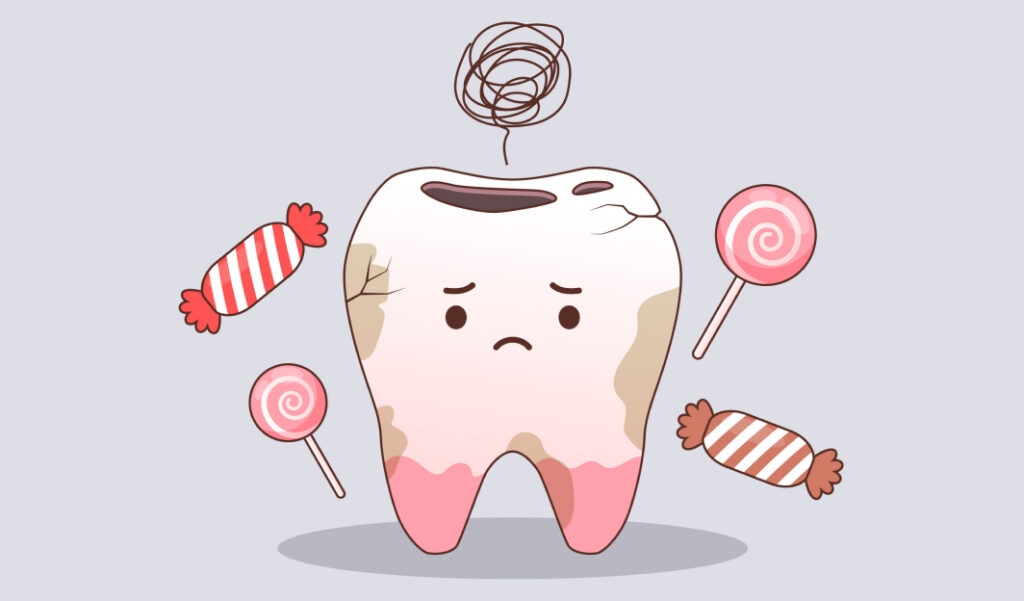
Tartar is a hard, crusty deposit that forms on the teeth when plaque is not removed properly. It firmly attaches to the tooth surface and can only be removed by professional dental cleaning.
What is tartar made of?
Tartar is made up of hardened dental plaque that has mineralized over time. It consists of bacteria, food particles, and minerals from saliva that combine and solidify on the teeth.
What Is Tartar Cleaning (Scaling)?
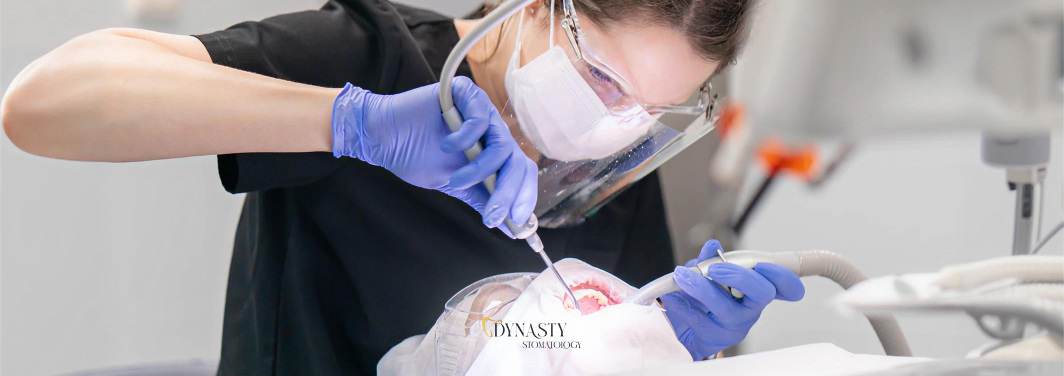
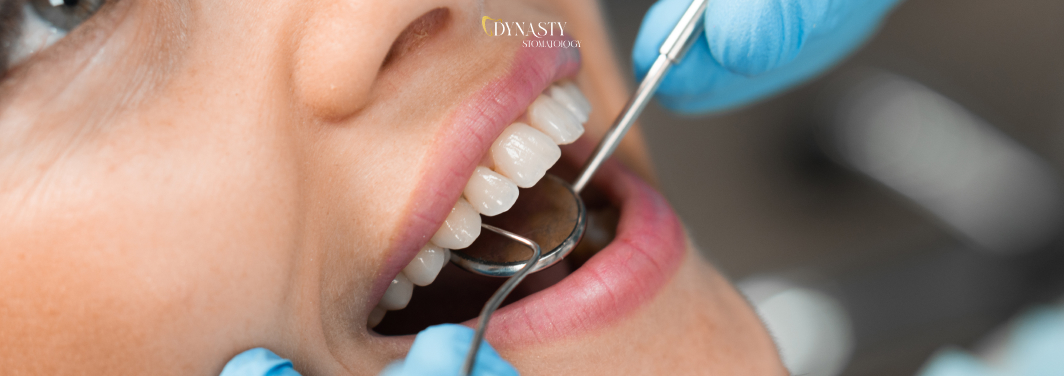
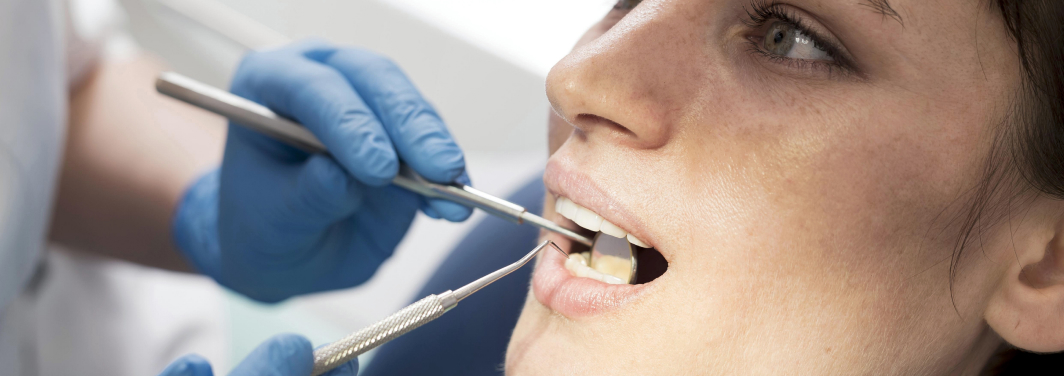
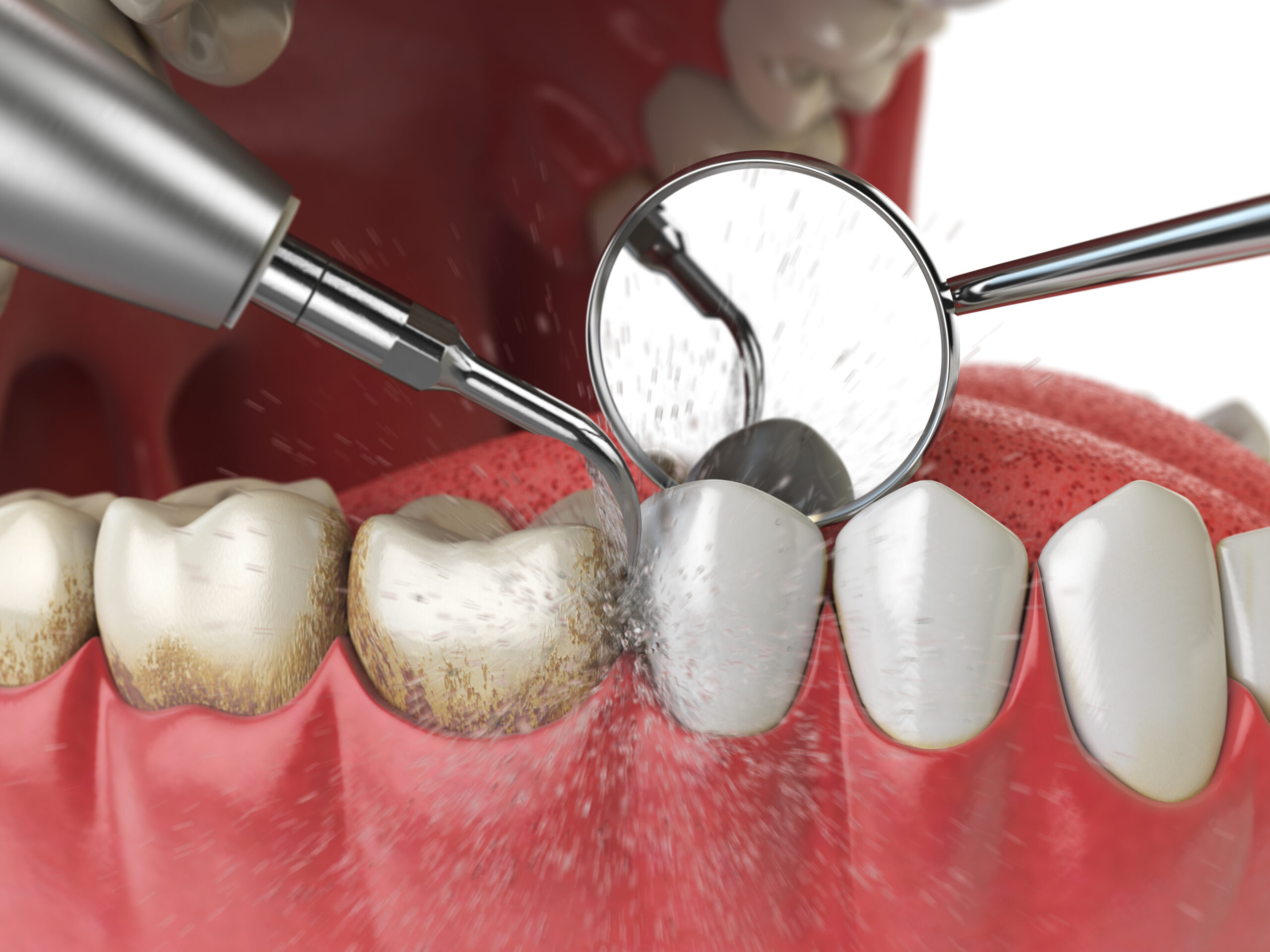
Some techniques and tools used during tartar cleaning help effectively remove buildup from the teeth to improve dental health.
- Ultrasonic Devices: These devices create high-frequency vibrations that help break down the tartar on the tooth surface.
- Scaler Tools: These tools carefully scrape the tartar from the tooth surface.
- Air and Water Spraying Devices: These devices use high-pressure air and water to clean the tooth surface.
Regular plaque cleaning and teeth tartar removal by a professional are crucial, as tartar on teeth removal cannot be achieved effectively by brushing and flossing alone.
The Symptoms of Tartar on Teeth
Common signs of tartar buildup include:
- Yellow, brown, or black stains on your teeth.
- Bad breath (halitosis).
- Gingivitis (red, swollen, or bleeding gums).
- A hard, crust-like coating on your teeth.
If you notice any of these symptoms, it is important to visit your dentist or dental hygienist promptly for a professional examination and tartar removal procedure.
Causes of Mouth Tartar
Tartar forms when plaque and bacteria build up on your teeth and harden over time. Common causes include:
- Don’t brush or floss as often as you should.
- Consuming lots of sugary foods and drinks like bread, pasta, and soda.
- Smoking or using other tobacco products.
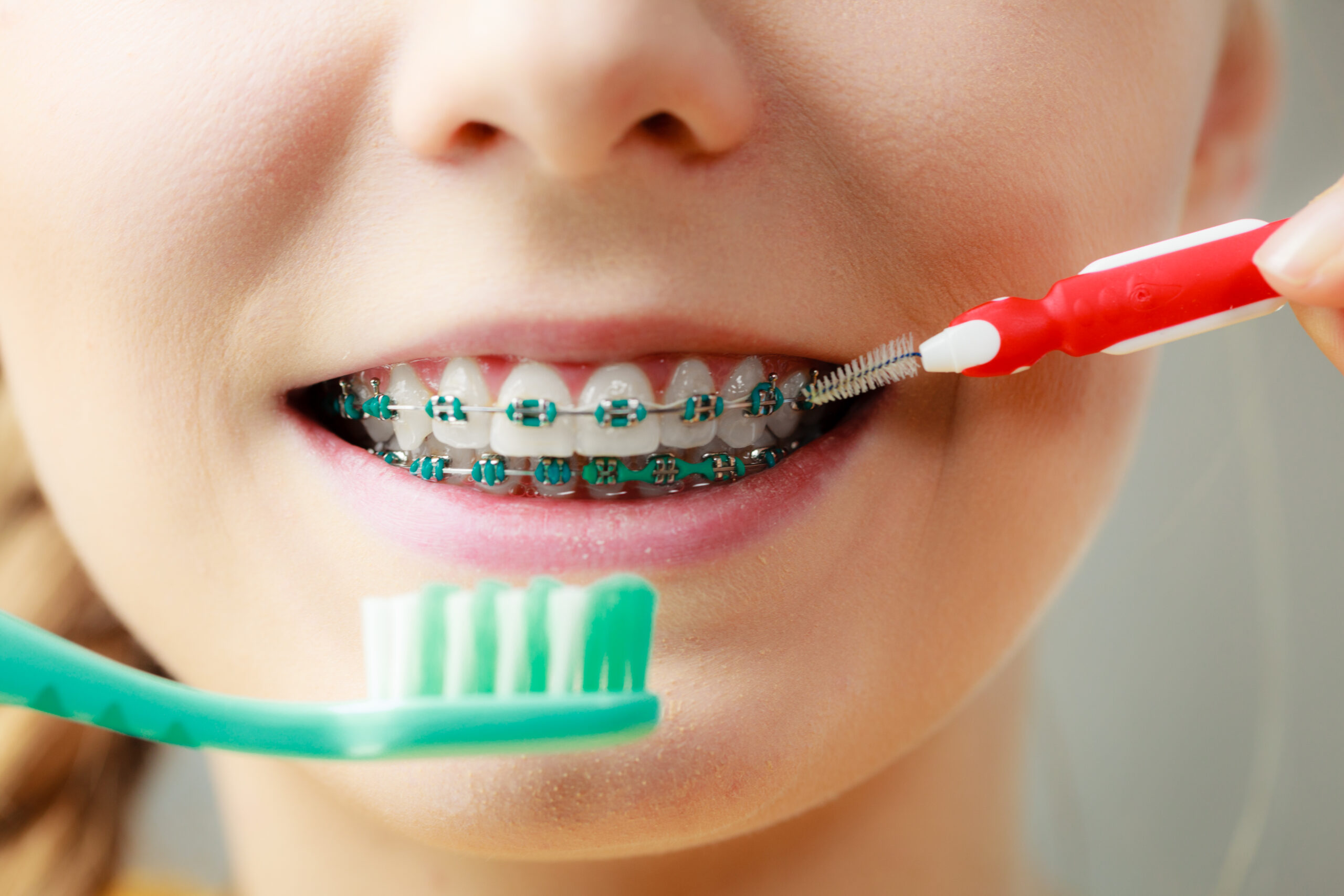
- Wearing braces.
- Having dry mouth (xerostomia).
These factors increase the risk of tartar formation, making regular teeth cleaning and good oral hygiene essential. Since tartar is usually hard and cannot be removed by brushing alone, visiting a dentist or hygienist regularly for tartar removal on teeth is important to prevent gum disease and protect your teeth.
What are the complications of having tartar on your teeth?
If tartar builds up on your teeth, it can lead to serious dental problems such as:
- Gingivitis or gum disease.
- Gum recession.
- Cavities.
The presence of tartar can damage your teeth and gums, making it essential to visit your dentist regularly for dental cleanings.
How do dentists diagnose tartar?
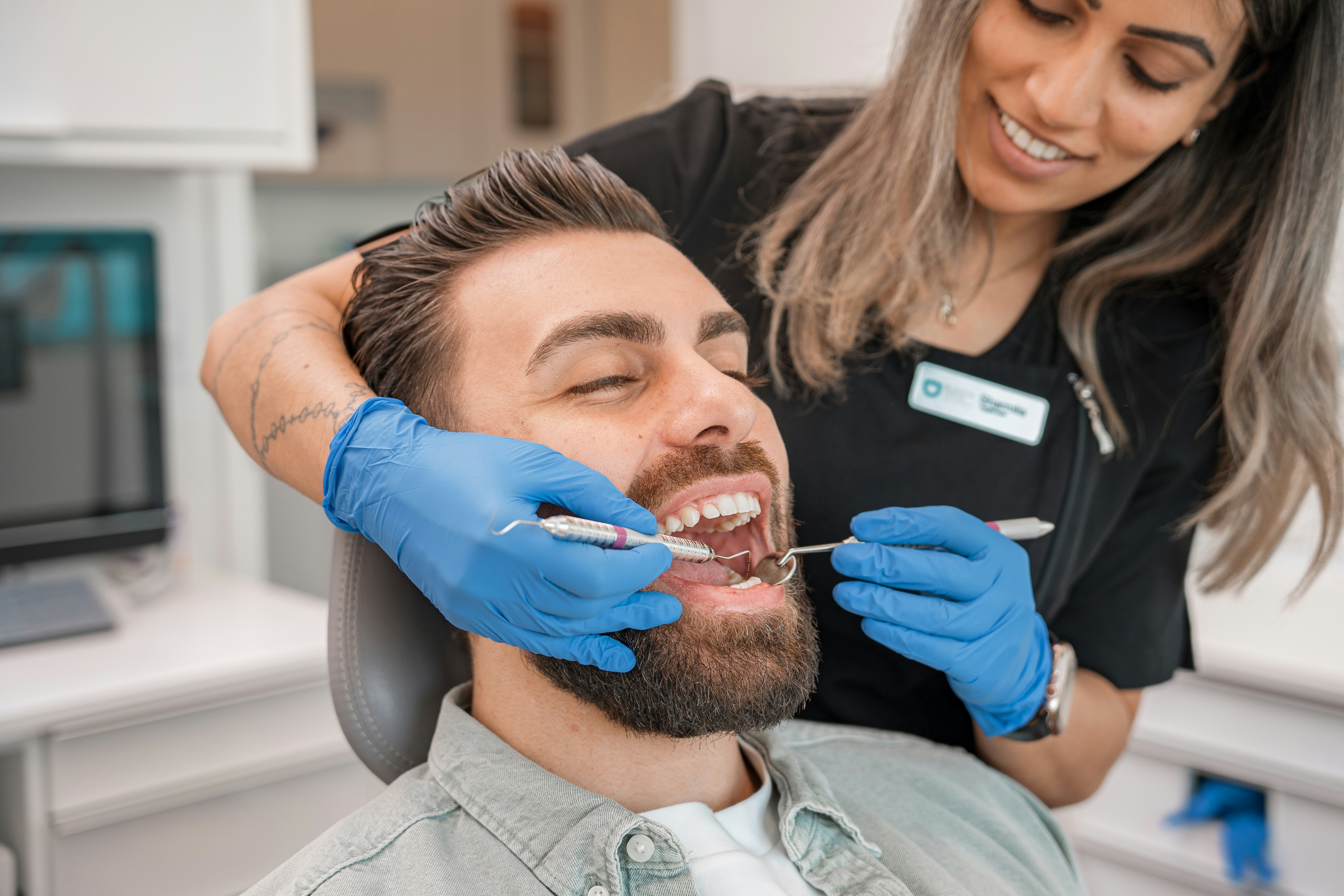
Dentists use various methods to diagnose tartar buildup and assess the health of your teeth and gums. These evaluations help identify the presence of tartar and any related dental issues early on:
- Take dental X-rays to see if you have cavities or bone loss.
- Measure the depth of any pockets around your teeth to see if you have signs of gum disease.
Regular visits to the dentist allow for professional calculus cleaning and the use of specialized tools to remove plaque and tartar, helping to maintain healthy teeth and gums.

How often should you remove tartar?
How often you should remove tartar from your teeth depends on your oral health and risk factors, but generally, visiting the dentist every six months for professional tartar removal is recommended. Your dentist may recommend more frequent cleanings if you are prone to tartar buildup or have gum disease, helping to prevent tartar formation and maintain healthy teeth and gums.
How Is Tartar Cleaning Done?
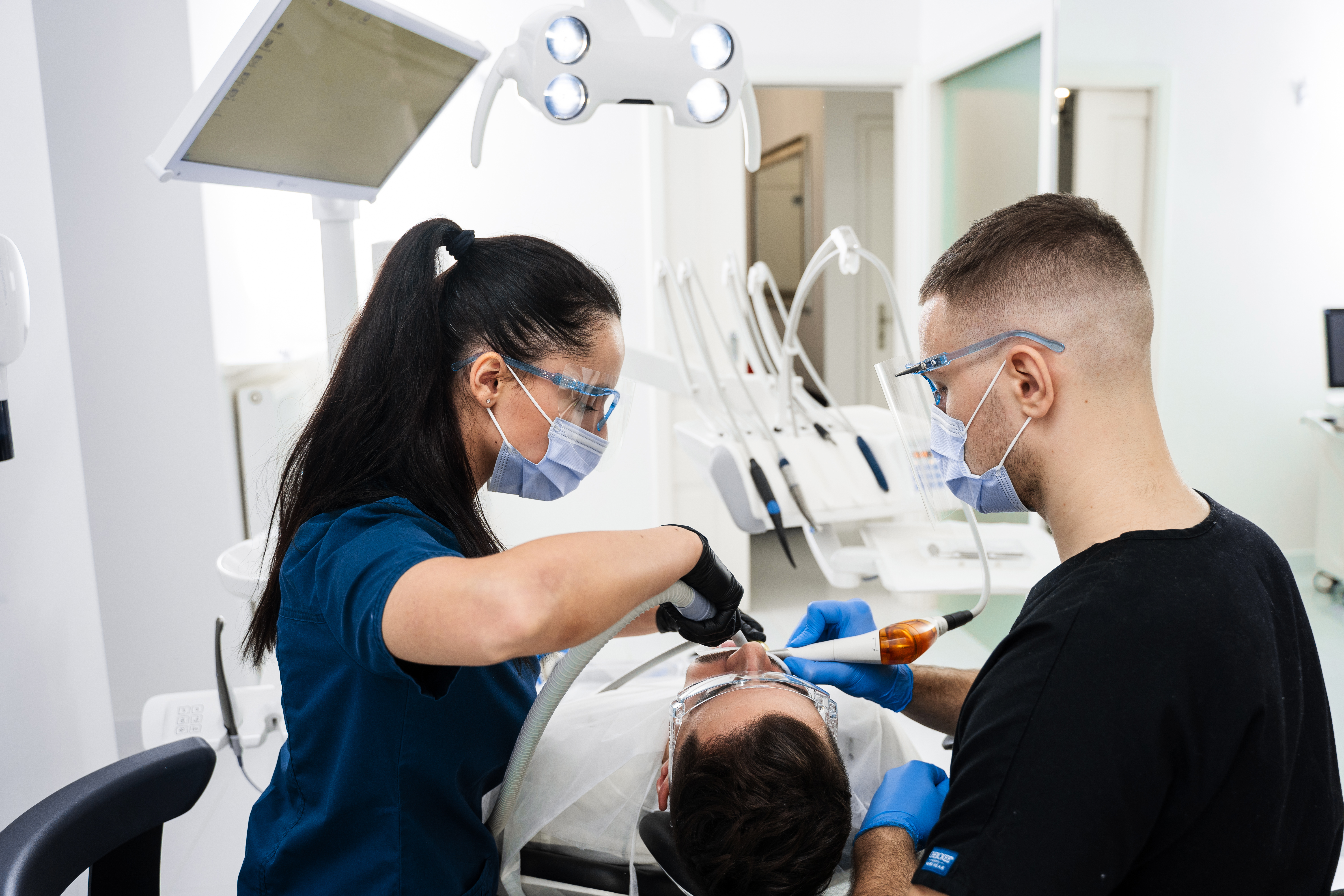
The process of tartar cleaning begins with a thorough oral examination by the dentist. Based on this assessment, the dentist decides whether the patient requires a standard cleaning or an advanced dental cleaning to effectively remove tartar buildup and protect oral health.
Dentist tartar removal follows this sequence:
- The dentist conducts an oral examination of the patient.
- After the necessary examination, the dentist decides whether the patient needs an advanced dental cleaning or a standard cleaning.
- Tartar is cleaned from between the teeth and the gum line using the tools.
- After that, a polishing procedure is applied to prevent tartar formation, and the tooth surface is polished.
- If necessary, floss is used to clean between the teeth.
- In some cases, root planing (cleaning the tooth roots) may also be required.
A hygienist can remove tartar in about 30 to 60 minutes, depending on the amount and severity of buildup.
This careful procedure helps remove plaque and tartar, prevent tartar buildup, and supports gums healing after tartar removal, ensuring long-term dental care and oral health.
How can you prevent tartar buildup?
To help prevent tartar buildup, follow these steps:
- Brush your teeth two to three times every day using fluoride toothpaste.
- Dental floss between your teeth once every day
- Rinse with an alcohol-free, antibacterial mouthwash twice a day
- Avoid smoking and other tobacco products
- Visit your dentist regularly for exams and cleanings.
How often you should remove tartar – Conclusion
Regular tartar removal is essential for maintaining oral and dental health because dental plaque can harden into tartar, which then builds up on your teeth and can lead to serious dental problems. The frequency of tartar removal depends on the amount of tartar buildup and individual risk factors for developing tartar. A dentist or dental hygienist uses specialized calculus and plaque remover tools for effective hard tartar removal to ensure tartar is properly removed from your teeth.
While good care of your teeth, including brushing your teeth at least twice a day and flossing, helps prevent tartar formation, regular visits to your dentist for tartar removal procedures are crucial. Discuss the best frequency of tartar removal with your dentist to protect your teeth and maintain healthy gums.
FAQ
-
What’s the difference between plaque and tartar?
Plaque is soft dental plaque that can form on your teeth, while tartar is hardened plaque that turns into tartar and requires calculus plaque remover tools for removal.
-
Why is tartar breaking off my teeth?
Tartar is hard but can chip or break due to its brittle nature, especially during tartar in teeth removal procedures.
-
Why do I have black tartar on my teeth?
Black tartar forms when plaque and tartar buildup trap stains from food, drinks, or smoking close to your teeth.
-
Can tartar lead to tooth loss if left untreated?
Yes, tartar can lead to gum disease and damage oral health because your teeth and gums are affected by tartar buildup.
-
Is tartar removal painful or uncomfortable?
Tartar plaque removal by a dentist using a dentist tartar removal tool is generally not painful, though some may experience slight discomfort.
-
Can I remove tartar at home using natural remedies or tools?
No, tartar is hard and requires a professional stone removal procedure; home remedies cannot effectively remove the tartar.
-
Does tartar affect the appearance of dental restorations like crowns or veneers?
Yes, tartar buildup on your teeth can cause discoloration and affect the look of crowns and veneers.
-
Can diet changes help reduce tartar buildup over time?
Improving your teeth cleaning routine and diet helps reduce plaque and tartar buildup, lowering the risk of developing tartar.
-
Are some people more genetically prone to tartar buildup?
Yes, some individuals have a higher risk of developing tartar due to genetic factors and should discuss them with their dentist.
-
Can tartar lead to bad breath even after brushing?
Yes, tartar can build up and cause bad breath because plaque and tartar are not fully removed by brushing alone.
-
Do electric toothbrushes help prevent tartar more effectively than manual ones?
Electric toothbrushes can better remove plaque from your teeth and help prevent tartar buildup when combined with flossing and proper dental care.
-
How does tartar affect gum health long-term?
Removing tartar buildup from your teeth is essential to prevent gum disease and maintain overall oral health.
-
Can mouthwash alone prevent tartar buildup if I skip flossing?
No, mouthwash helps but cannot replace flossing; plaque and tartar are removed most effectively by a combination of brushing, flossing, and regular professional cleaning.


Do you want to treat your teeth while you sleep?
Schedule an appointment!
By clicking the button, you give your agreet your personal data in accordance with privacy policy.
Services
All services-
Oral sanitation before medical procedures
Before important medical interventions – surgery, childbirth or the start of chemotherapy – it is especially important to clean up the oral cavity. The presence of hidden pockets of infection, inflamed gums or neglected caries can provoke complications, slow down the body’s recovery and even affect the outcome of the main treatment.
Read more -
Professional hygiene for braces
Orthodontic treatment helps you to align your teeth and correct bite problems. During this period, it is vital for you to take care of your oral hygiene with proper brushing and flossing. Maintaining good dental health becomes challenging when you wear braces and other appliances as food particles often get stuck leading to plaque and […]
Read more -
Preventive Dental CheckUps
Preventive dental check-ups are a vital part of maintaining strong teeth and good oral health. Regular visits to the dentist allow early detection of potential problems, helping prevent dental diseases such as tooth decay, gum disease (gingivitis, periodontitis), and other oral health issues. Early diagnosis through regular dental examinations reduces the risk of complications and […]
Read more -
Fluoridation and Remotherapy (Remineralization) of Teeth
Fluoridation and remotherapy (remineralization) are preventive dental procedures aimed at strengthening tooth enamel, reducing sensitivity, and protecting against caries. Fluoridation involves applying special agents containing active fluoride, which reinforces the enamel structure. Remotherapy restores the mineral composition using calcium, phosphorus, and other essential elements.
Read more -
Air Flow Teeth Cleaning
Professional Air Flow teeth cleaning is a modern and effective procedure designed to remove plaque, tartar, and pigmentation using an air flow, water, and special powder. Airflow compared to traditional teeth cleaning methods is painless and gentle. It doesn’t damage the tooth enamel, while still achieving excellent hygiene results and even whitening by several shades.
Read more -
Removal of tartar
Tartar is the yellow or brown hard substance that forms on the top of your gums or at the back of your teeth. It is formed when you do not remove the soft plaque from your teeth properly.
Read more -
Professional oral hygiene
Professional oral hygiene is indispensable for overall physical and mental health. It means visiting a dentist every 3 -6 months to arrest calculus and dental plaque build-up, gum infections, tooth decay, and other enamel-related issues. With regular visits to the dentist, small problems can be nipped in the bud and prevent them into escalating into […]
Read more



Read also
View all blog-
20.03.2026
15
8 min. read
What You Need to Know About Professional Teeth Whitening
A white smile makes a face look fresher and more well-groomed. However, over time, the shade of teeth changes. Diet,…
Read more -
19.03.2026
24
8 min. read
Professional hygiene in a dental office — The complete guide
Most people believe they take proper care of their teeth. They brush their teeth morning and night, floss, and buy…
Read more -
09.03.2026
13
9 min. read
Restorative Dentistry Guide — Everything You Need to Know
Sometimes a tooth decays almost unnoticed. There's no sharp pain or warning signs. A small spot, mild sensitivity to cold,…
Read more -
04.03.2026
21
5 min. read
How to avoid surgery in the future — a case study of early orthodontic treatment at age 6
A mother brought her 6-year-old son to the Dynasty Stomatology clinic. She was confused: her son had already been examined…
Read more -
26.02.2026
23
11 min. read
What is Dental Implant Procedure — A Complete Guide
Losing a tooth isn't always just about aesthetics. It's about self-confidence, the ability to smile without tension, the ability to…
Read more -
24.02.2026
41
9 min. read
Understanding Oral Surgery — What You Need to Know
Until recently, a visit to the dentist was associated with significant discomfort. Uncomfortable impressions, long waits, and the need for…
Read more -
19.02.2026
25
5 min. read
Online consultation with a dentist — how it works, how much it costs, and when it is really needed
There are many reasons why people put off visiting the dentist. Especially when they live in countries where it is…
Read more