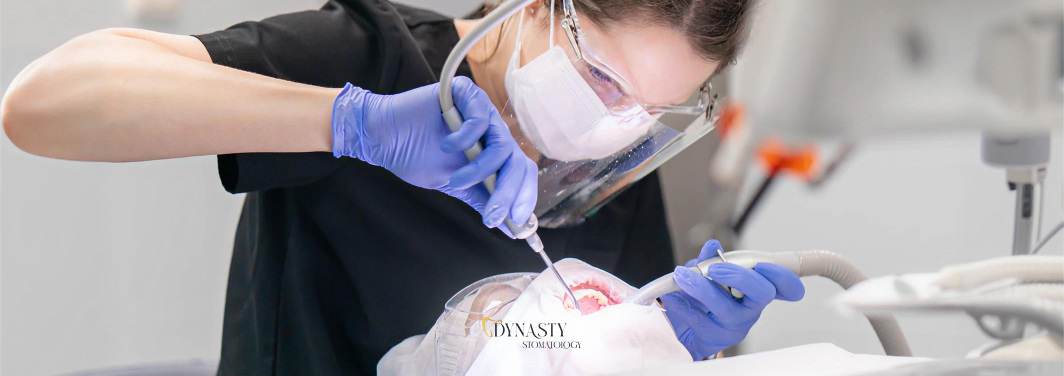

What is Periodontology – What Does a Periodontist Do?

01.08.2025
248
5 min. read
Why Patients Trust Dynasty Stomatology
The trust in Dynasty Stomatology is built on a combination of many years of experience and an individual approach to every patient. We understand that a visit to the dentist is often accompanied by anxiety, so we place special emphasis on creating a comfortable and calm atmosphere where every patient feels safe.
The clinic is equipped with modern technology and uses advanced treatment methods, ensuring that procedures are carried out with maximum precision, efficiency, and comfort. All materials undergo strict quality control, and our doctors regularly improve their qualifications to offer only the most up-to-date and proven techniques.
In addition, Dynasty Stomatology values long-term relationships with patients. Our goal is not only to solve the problem at hand but also to maintain the health of teeth and gums for years to come. Openness, honesty, and transparency are the key principles that have earned the clinic its reputation as a reliable dental partner.
Facts about Dynasty Stomatology:
✅ Over 10 years of successful work in dentistry.
✅ Hundreds of positive reviews from patients in [Страна в соответствии с регионом] and abroad.
✅ We use premium materials from leading global brands.
✅ We offer treatment under sedation and general anesthesia.
✅ A full range of services — from pediatric dentistry to complex surgical operations.
Dynasty Stomatology — trust, expertise, reliability, and care for the beauty of your smile.
Learn about usMedical Expertise
Dynasty Stomatology’s doctors conduct medical reviews of all materials on the website to ensure their accuracy and practical value. Our authors and editors are experienced specialists in the fields of therapeutic, surgical, orthopedic, and pediatric dentistry. This approach allows us to maintain high professional standards and provide our readers with only verified, up-to-date, and useful information.
Periodontology focuses on the health of the tissues surrounding and supporting the teeth. It plays a crucial role in preventing and treating gum diseases that can affect overall oral health. Understanding the importance of this dental specialty helps maintain strong teeth and gums throughout life.
What is Periodontics?
Periodontics is a branch of dentistry that focuses on the prevention, diagnosis, and treatment of periodontal disease. It deals with conditions that affect the gums and bone supporting the teeth, including inflammation, plaque buildup, and gingivitis. Periodontal dentists also manage advanced cases like periodontitis and perform procedures such as scaling, root planing, and periodontal surgery. This field of periodontology plays a key role in maintaining the health of your gums and preventing tooth loss.
What’s the difference between a dentist and a periodontist?
A general dentist provides routine oral care like cleanings, fillings, and basic exams, while a periodontist is a dental specialist focused on the prevention and treatment of gum disease. Your general dentist may refer you to a periodontist for specialized care.
The periodontics meaning refers to the specialized branch of dentistry focused on the prevention, diagnosis, and treatment of diseases affecting the gums and supporting structures of the teeth. A periodontist def is a dentist who specializes in treating periodontal disease and performing procedures such as dental implants and gum surgery.
Periodontists complete additional training in periodontology after dental school to manage advanced periodontal procedures, including treating bone loss, receding gums, and inflammation of the gums. The difference lies in the complexity of care: periodontal dentistry addresses issues that general dentists often refer to a periodontist for, especially when plaque and tartar buildup lead to serious periodontal problems or the need for implant surgery.
What are the causes of periodontal diseases?
The development of periodontal diseases is mainly triggered by several key factors, including:
- The most common causes of periodontal issues are dental plaque and tartar.
- Overzealous, hard brushing with incorrect technique or the wrong toothbrush causes gum recession, exposing part of the root.
- Unrestored contact points between teeth, large gaps, fillings with overhangs, and lack of proper tooth anatomy for hygiene can cause plaque and food debris to accumulate, leading to inflammation, gum and bone pockets, and periodontal atrophy.
- Teeth inadequately treated endodontically can lead to chronic inflammation spreading to the gums and surrounding bone.
- Improperly executed prosthetic restorations, such as crowns and veneers.
How does periodontal disease affect the body?
Gum and bone disease is often associated with general health problems, impacting overall well-being. Common health issues linked to periodontal disease include:
- Cardiovascular diseases;
- Heart disease;
- Stroke;
- Diabetes;
- Pregnancy complications;
- Osteoporosis;
- Kidney diseases;
- Rheumatoid arthritis;
- Cancer.
What symptoms should refer us to a periodontist
If you notice any of the following symptoms, it’s important to see a periodontist for proper diagnosis and treatment:
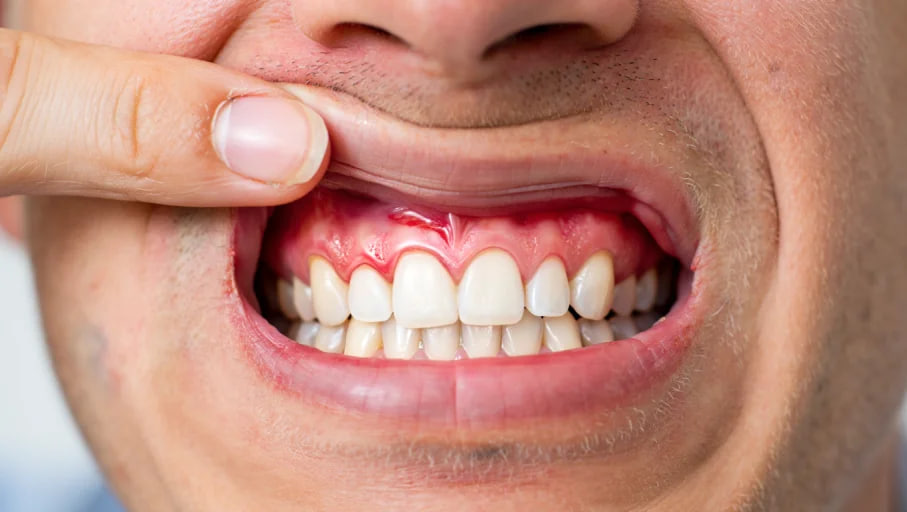
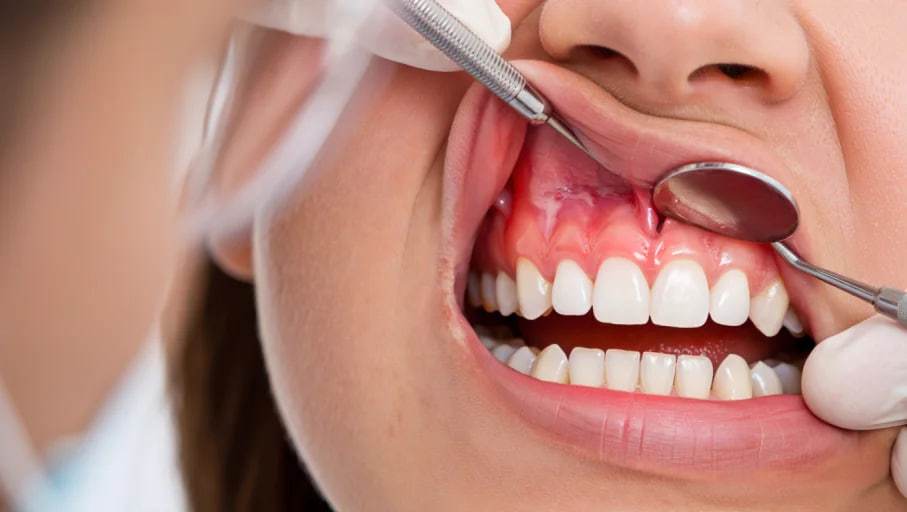
- Red, bleeding gums;
- Gum pain;
- Bad breath (halitosis);
- Movable teeth;
- Changes in the alignment of teeth;
- Teeth lengthening.
These signs often indicate advanced periodontal disease requiring specialized care. If untreated, gum inflammation can lead to tooth loss.
Phases of periodontal disease
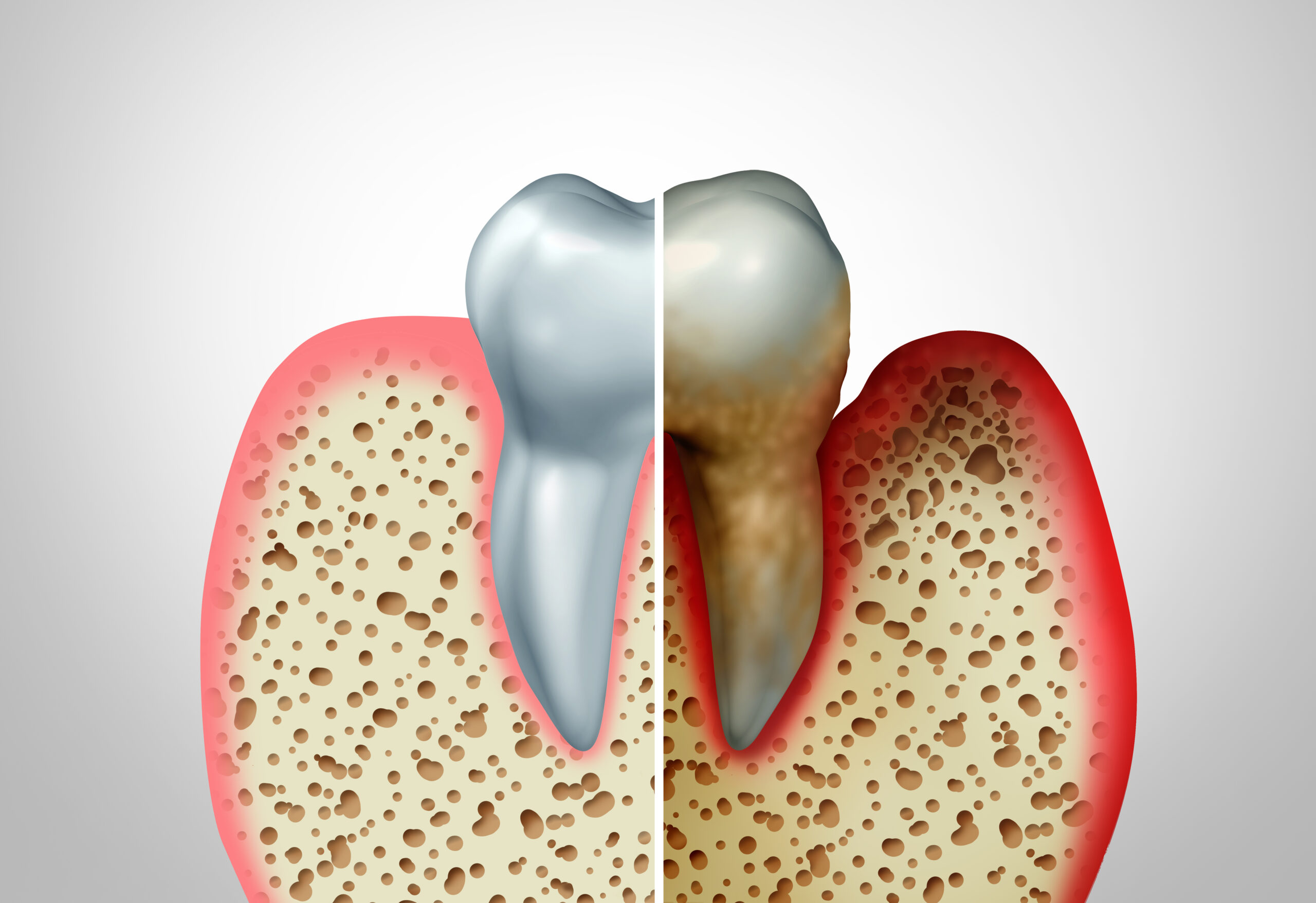
Periodontal disease is a progressive condition that affects the gums and supporting structures of the teeth. It develops in distinct phases, each requiring different levels of care and treatment:
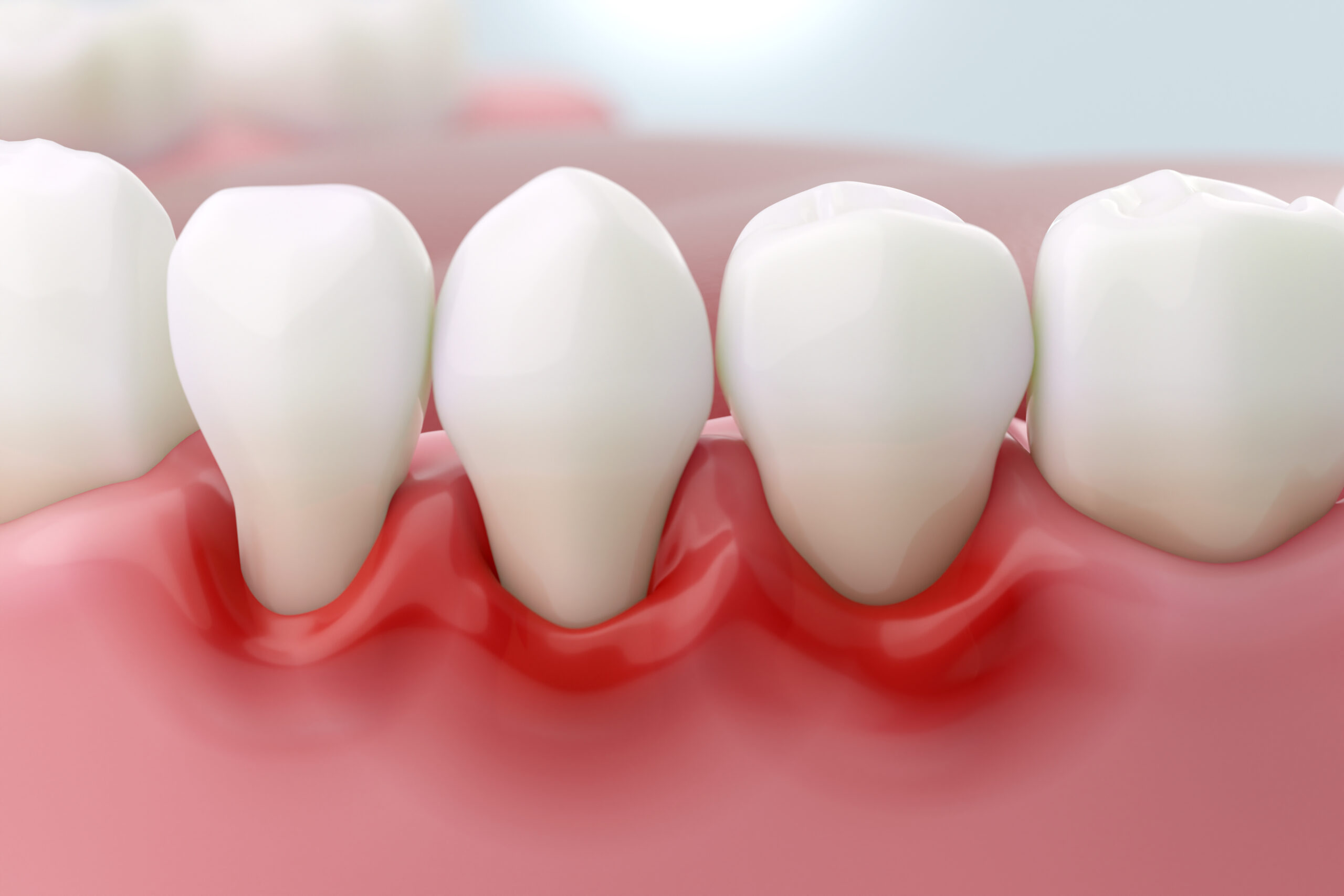
- Gingivitis: inflammation of gums, no bone loss.
- Mild periodontitis: early bone loss, mild gum recession.
- Moderate periodontitis: increased bone loss, deeper pockets.
- Advanced periodontitis: severe bone loss, tooth mobility, risk of tooth loss.
Understanding these stages helps in early diagnosis and effective periodontal treatment to prevent tooth loss and maintain oral health.
What exactly does a periodontist do?
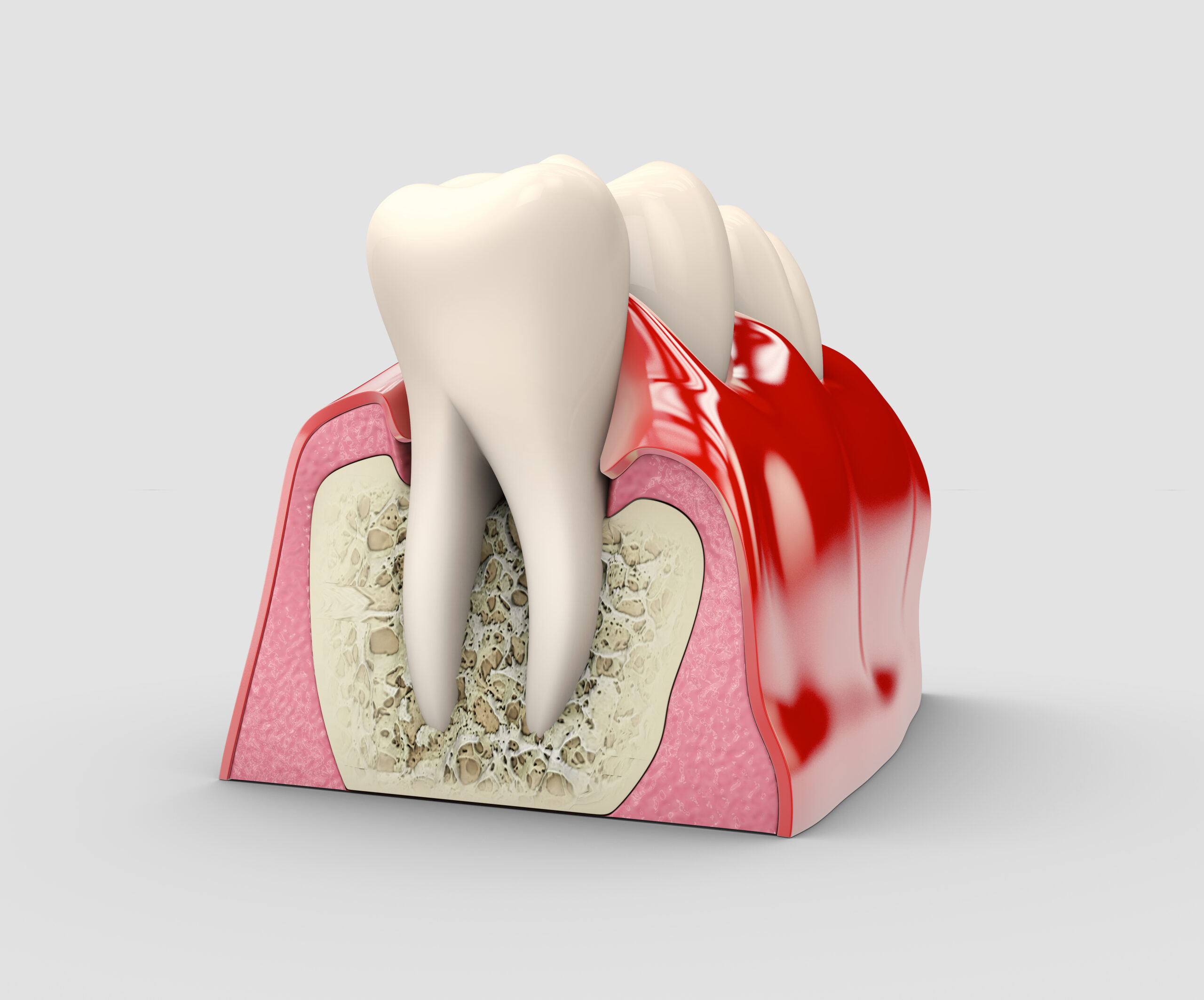
A periodontist specializes in diagnosing and treating the supporting structures of the teeth. Their work focuses on maintaining the health and function of:
- Gingiva: caring for the gums to prevent and treat inflammation.
- Periodontal ligament: managing the fibers that connect teeth to bone.
- Cementum: protecting the tooth root surface.
- Alveolar bone: preserving and restoring the bone that supports teeth.
What type of procedures does a periodontist perform in Dynasty Stomatology?
At Dynasty Stomatology in Poland, our experienced periodontists offer comprehensive periodontal care to ensure healthy gums and teeth. Our services include:
- Periodontal maintenance.
- Scaling and root planing (periodontal cleaning).
- Periodontal surgery, which covers:
- Gingival flap surgery;
- Gum grafts;
- Tooth extractions;
- Dental bone grafts;
- Surgical crown lengthening;
- Smile lift;
- Frenectomy.
Modern treatments combine periodontal and implant procedures to restore oral health. Cosmetic periodontal procedures help improve both function and aesthetics of your gums.
With advanced perio dentistry expertise and a personalized treatment plan, our dental implant and periodontal specialists provide effective care for all stages of periodontal disease.
Treatment of this disease can be divided into stages
Treatment of periodontal disease involves several important stages to address inflammation and preserve gums and bone health effectively:
- Hygienization phase: A dental hygienist plays a key role by professionally removing calculus and plaque to improve oral hygiene and reduce inflammatory response.
- Non-surgical phase: The periodontist, a dentist who specializes in perio in dentistry, performs deep cleaning of periodontal pockets to treat soft tissue and prevent further gum line damage.
- Surgical phase: In advanced cases, periodontal surgery is performed about 3 months after non-surgical treatment to restore bones and gums and prepare for possible placement of dental implants.
- Maintenance phase: Since periodontal disease is a chronic form of periodontal disease, ongoing care including regular check-ups, flossing, scaling, and curettage by your dentist perio or periodontist is essential to prevent disease progression and tooth loss.
These treatment methods follow guidelines by the American Board of Periodontology to ensure proper treatment and successful perio and implant outcomes, including implant dentistry when needed.
Periodontology – Conclusion
Periodontology is the study focused on the health of gums and supporting structures, with periodontists providing specialized treatment for periodontal disease. Early detection of signs of periodontal disease and appropriate treatment can prevent serious complications and tooth loss. If needed, a periodontist is a dentist who can perform dental implants and advanced periodontal procedures to restore oral health.
FAQ
-
Can periodontal disease be treated?
Yes, periodontal disease can be treated with appropriate treatment options guided by a periodontist.
-
How is periodontal disease diagnosed during the first consultation?
Diagnosis involves assessing signs such as swollen gums and evaluating oral hygiene and periodontal health.
-
Can children or teenagers develop periodontal issues?
Yes, periodontal dental problems can occur in children and teenagers, though they are less common.
-
Are there genetic factors that increase the risk of gum disease?
Genetics can influence susceptibility to periodontal disease, impacting perio in dental health.
-
What’s the connection between stress and periodontal health?
Stress can worsen inflammatory responses, increasing the risk of periodontal disease.
-
How do smoking and alcohol affect periodontal treatment outcomes?
Smoking and alcohol negatively affect healing and may reduce success in periodontics and implant treatments.
-
Can periodontal disease return after treatment?
Yes, without proper care and maintenance, periodontal disease can recur.
-
Is it safe to undergo periodontal procedures during pregnancy?
Certain periodontal treatments are safe during pregnancy but should be discussed with your periodontist.
-
How long does it take to recover from surgical periodontal treatments?
Recovery time varies depending on the treatment but typically requires careful post-operative care.
-
What oral hygiene tools are recommended for people with periodontal disease?
Soft brushes, floss, and other specialized tools are recommended to maintain oral hygiene in periodontal patients.
-
Can dental implants be placed in patients with a history of periodontitis?
Yes, dental implants periodontists can place implants after proper treatment and stabilization of periodontal disease.


Do you want to treat your teeth while you sleep?
Schedule an appointment!
By clicking the button, you give your agreet your personal data in accordance with privacy policy.
Services
All services-
Treatment of gum recession
Gum recession is a common condition where the tissue of the gums pull away from your teeth, exposing the tooth root. Known as gingival recession in periodontology dentistry, it leads to discomfort, tooth sensitivity, and eventually tooth loss, if left untreated.
Read more -
Treatment of periodontitis
You should never ignore gum infections assuming it will go disappear on its own. Untreated infections will escalate into gum disease becoming a major threat to your oral and physical health. Various periodontal diseases lead to serious dental complications that lead to tooth loss and bone damage.
Read more -
Gum treatment
Gum treatment mitigates infection, bacteria and plaque. Scaling and root planing protects gums and teeth to make them healthy and strong. Professional dental cleaning done early prevents bone loss, damage to your teeth, and pain. Besides the above, it aids in the prevention of diabetes and heart disease as well.
Read more -
Closed curettage
A curettage procedure in dentistry is commonly performed in the treatment of periodontal disease caused by poor oral hygiene. It is non-surgical in nature and involves cleaning periodontal pockets to reduce the depth of infection to the tooth and gums. The procedure is performed by cleaning the food debris from the number of affected teeth. […]
Read more -
Treatment for Bleeding Gums
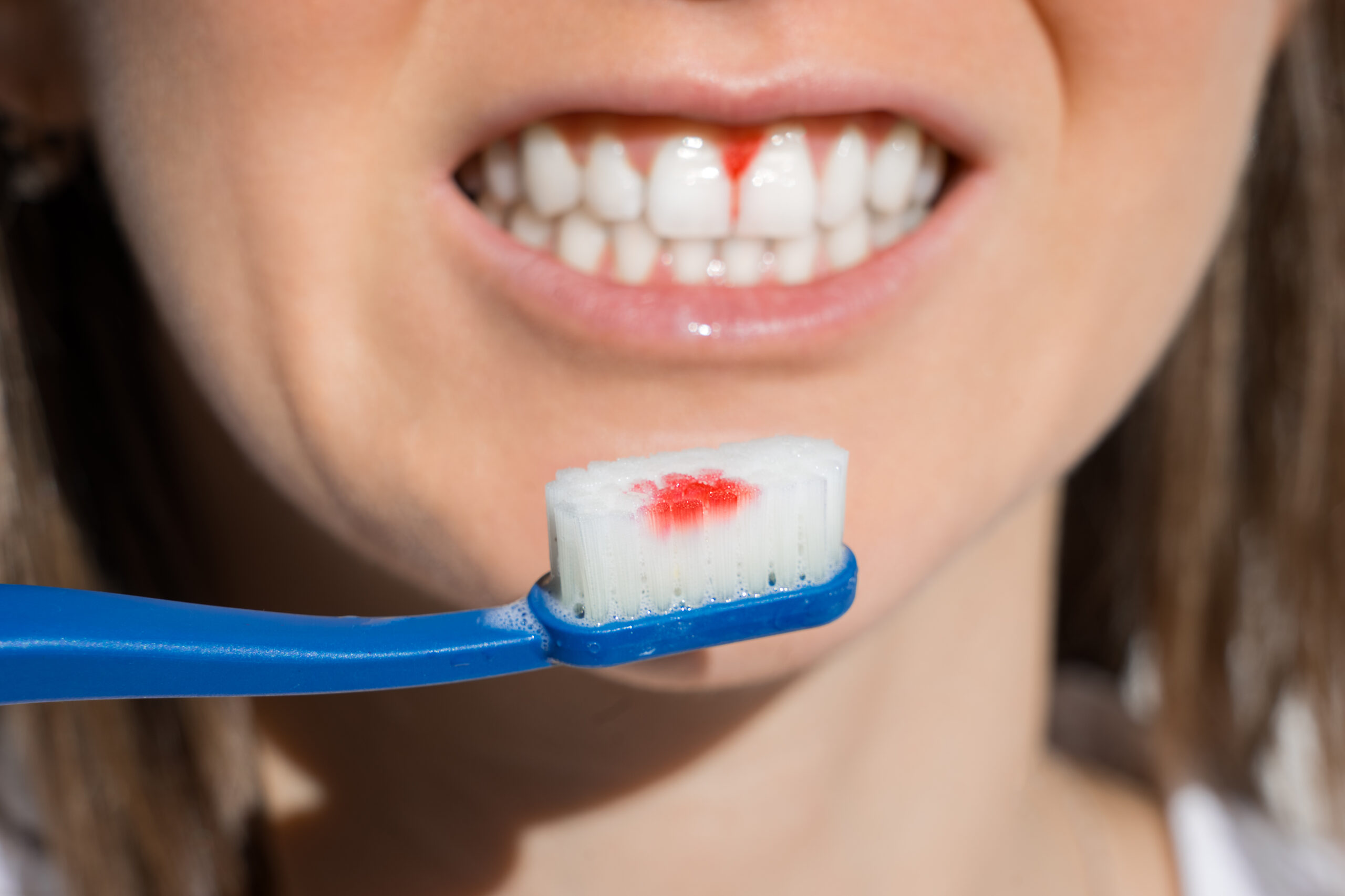
Have you noticed an unpleasant odor from your mouth? Do you experience discomfort when using dental floss? Do your gums bleed when brushing or eating? Gum inflammation and bleeding are very common issues that bother many of our patients. If you are also dealing with this problem, schedule an appointment at Dynasty Stomatology. Our highly […]
Read more -
Consultation with a periodontist
Good oral health is indispensable for your overall mental and physical health. Every three or four months, you are advised to visit a skilled periodontist to check the health of your gums and teeth. A periodontist is a dentist who specializes in keeping the teeth and gums healthy. Regular visits will reduce the risk of […]
Read more


Read also
View all blog-
20.03.2026
15
8 min. read
What You Need to Know About Professional Teeth Whitening
A white smile makes a face look fresher and more well-groomed. However, over time, the shade of teeth changes. Diet,…
Read more -
19.03.2026
24
8 min. read
Professional hygiene in a dental office — The complete guide
Most people believe they take proper care of their teeth. They brush their teeth morning and night, floss, and buy…
Read more -
09.03.2026
13
9 min. read
Restorative Dentistry Guide — Everything You Need to Know
Sometimes a tooth decays almost unnoticed. There's no sharp pain or warning signs. A small spot, mild sensitivity to cold,…
Read more -
04.03.2026
21
5 min. read
How to avoid surgery in the future — a case study of early orthodontic treatment at age 6
A mother brought her 6-year-old son to the Dynasty Stomatology clinic. She was confused: her son had already been examined…
Read more -
26.02.2026
23
11 min. read
What is Dental Implant Procedure — A Complete Guide
Losing a tooth isn't always just about aesthetics. It's about self-confidence, the ability to smile without tension, the ability to…
Read more -
24.02.2026
41
9 min. read
Understanding Oral Surgery — What You Need to Know
Until recently, a visit to the dentist was associated with significant discomfort. Uncomfortable impressions, long waits, and the need for…
Read more -
19.02.2026
25
5 min. read
Online consultation with a dentist — how it works, how much it costs, and when it is really needed
There are many reasons why people put off visiting the dentist. Especially when they live in countries where it is…
Read more