
What is Digital Dentistry — Everything you Need to Know

11.02.2026
38
8 min. read
Why Patients Trust Dynasty Stomatology
The trust in Dynasty Stomatology is built on a combination of many years of experience and an individual approach to every patient. We understand that a visit to the dentist is often accompanied by anxiety, so we place special emphasis on creating a comfortable and calm atmosphere where every patient feels safe.
The clinic is equipped with modern technology and uses advanced treatment methods, ensuring that procedures are carried out with maximum precision, efficiency, and comfort. All materials undergo strict quality control, and our doctors regularly improve their qualifications to offer only the most up-to-date and proven techniques.
In addition, Dynasty Stomatology values long-term relationships with patients. Our goal is not only to solve the problem at hand but also to maintain the health of teeth and gums for years to come. Openness, honesty, and transparency are the key principles that have earned the clinic its reputation as a reliable dental partner.
Facts about Dynasty Stomatology:
✅ Over 10 years of successful work in dentistry.
✅ Hundreds of positive reviews from patients in [Страна в соответствии с регионом] and abroad.
✅ We use premium materials from leading global brands.
✅ We offer treatment under sedation and general anesthesia.
✅ A full range of services — from pediatric dentistry to complex surgical operations.
Dynasty Stomatology — trust, expertise, reliability, and care for the beauty of your smile.
Learn about usMedical Expertise
Dynasty Stomatology’s doctors conduct medical reviews of all materials on the website to ensure their accuracy and practical value. Our authors and editors are experienced specialists in the fields of therapeutic, surgical, orthopedic, and pediatric dentistry. This approach allows us to maintain high professional standards and provide our readers with only verified, up-to-date, and useful information.
Until recently, a visit to the dentist was associated with significant discomfort. Uncomfortable impressions, long waits, and the need for multiple visits created a sense of uncertainty for patients. Under these circumstances, the only option was to trust the dentist and hope that the treatment results would meet expectations. Today, this practice is gradually becoming a thing of the past.
Digital dentistry changes not only the tools used but also the overall approach to treatment. Precise data replaces assumptions. Plaster and traditional casts are replaced by digital models. As a result, lengthy multi-stage procedures are replaced by a well-thought-out process in which the future outcome can be seen even before treatment begins.
Today’s patients strive to understand exactly what’s happening at every stage. They expect comfort, transparency, and predictable results. Digital dentistry meets these needs by combining modern technology, clinical experience, and a personalized approach to treatment.
In this article, we’ll take a detailed look at how digital dentistry is used in practice, how it differs from traditional methods, which technologies have already become industry standards, and what the future of dental care might look like in the coming years.
What is Digital Dentistry?
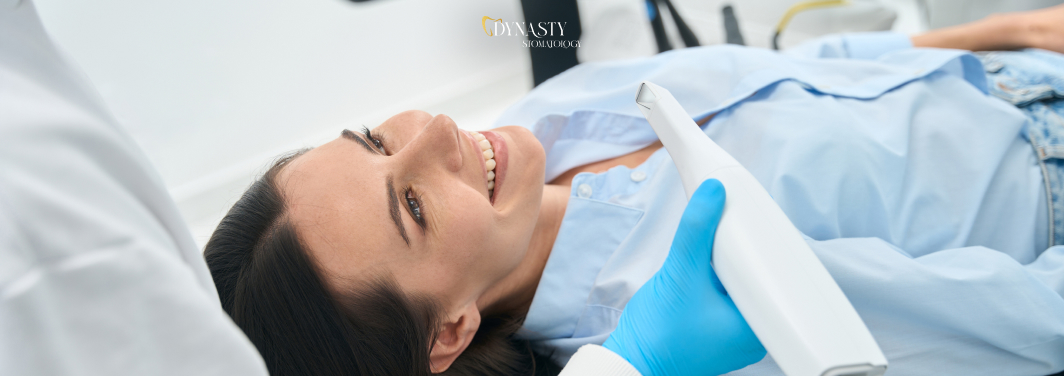
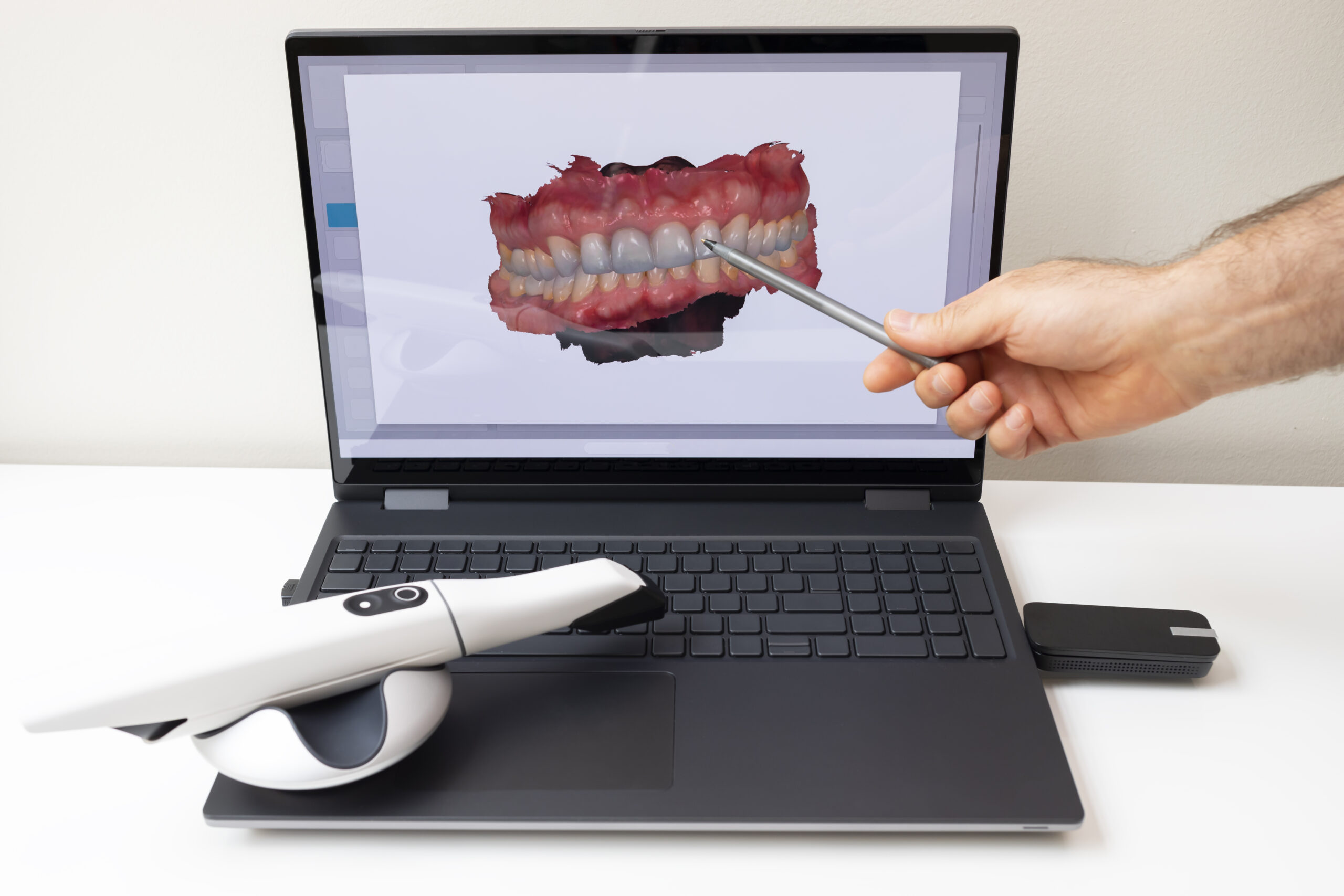
Digital dentistry refers to the integration of computers and digital tools into everyday dental practice. Instead of relying solely on physical impressions, plaster models, and analog processes, dentists employ digital systems to collect data, design, and manufacture dental solutions.
At its core, digital dentistry refers to the use of digital data at all stages of treatment — from diagnosis to production and storage. This allows for a more logical, accurate, and manageable care process.
Digital technologies do not replace a dentist’s professional expertise. They enhance it, reducing guesswork and increasing precision in various dental procedures.
How Digital Dentistry is Changing Patient Care
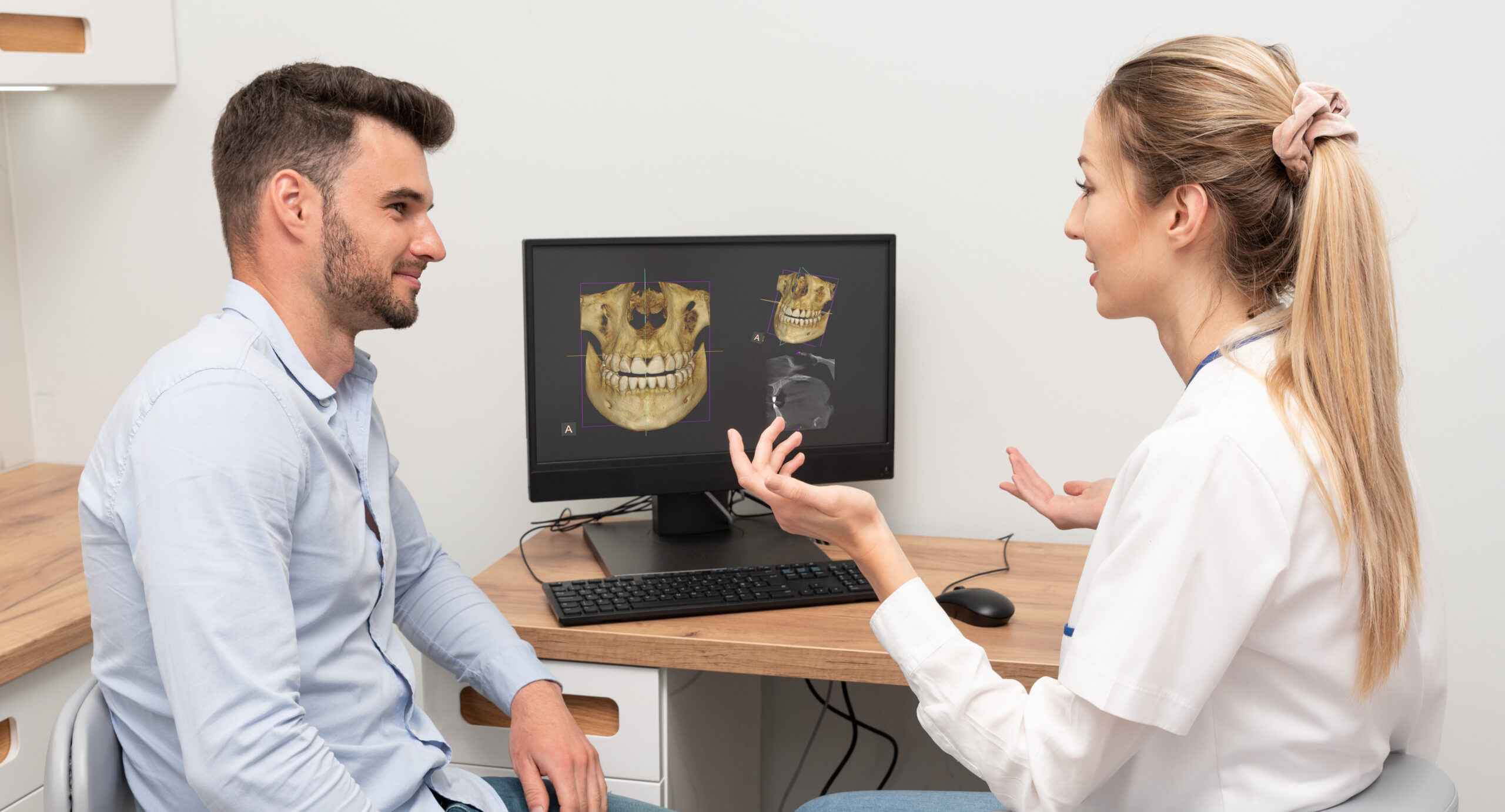
Digital dentistry has the most noticeable impact on patient care. Digital tools reduce discomfort, shorten treatment time, and make the process more transparent. Patients can see visualizations of the results and understand their treatment plan before procedures begin.
Furthermore, digital technologies help eliminate the need for multiple visits. In some cases, diagnosis, design, and placement of restorations are completed in a single visit. This is important for patients with complex dental issues. Dentists use digital visualizations to clearly explain treatment steps and build patient confidence.
Digital Dentistry vs Traditional Dentistry — Key Differences
Traditional dental processes rely on hand impressions, physical models, and laboratory production. These traditional procedures remain effective, but they are more time-consuming and prone to errors. And any error often means a complete rework.
Digital dentistry is different. Scanners, dental imaging software, and automated production are used. Digital impressions are more comfortable for the patient and more accurate. Treatment planning becomes more predictable. Digital data is stored and adjusted without repeating all stages.
Key Applications of Digital Dentistry in Modern Dental Practice
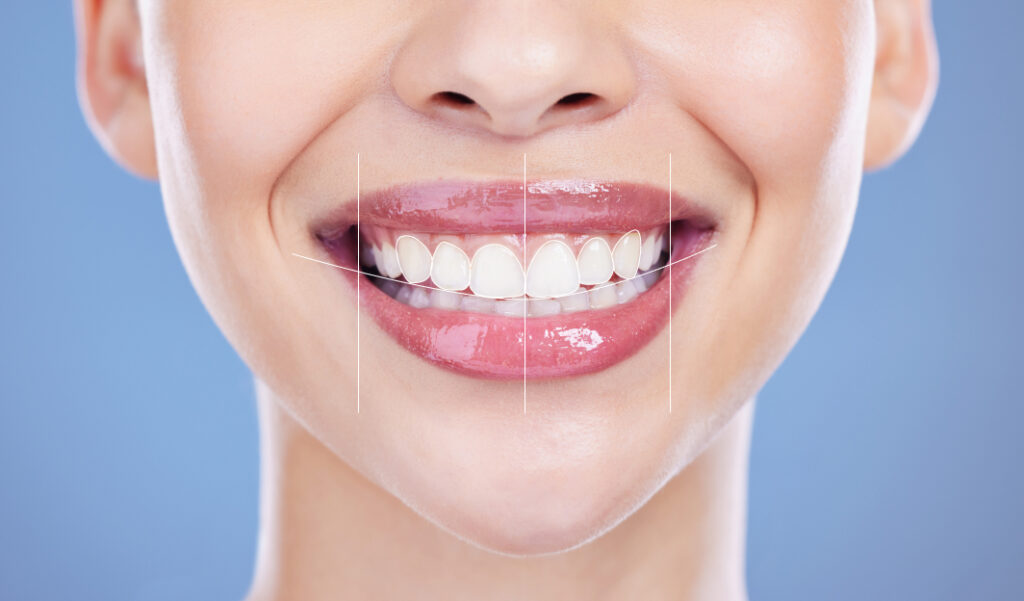
Digital Smile Design (DSD)
Allows the creation of a visual model of a patient’s future smile. The system takes into account facial proportions, aesthetics, and functionality. The patient sees the result in advance, which improves informed decision-making and the level of dental care.
Computer-Guided Implant Placement
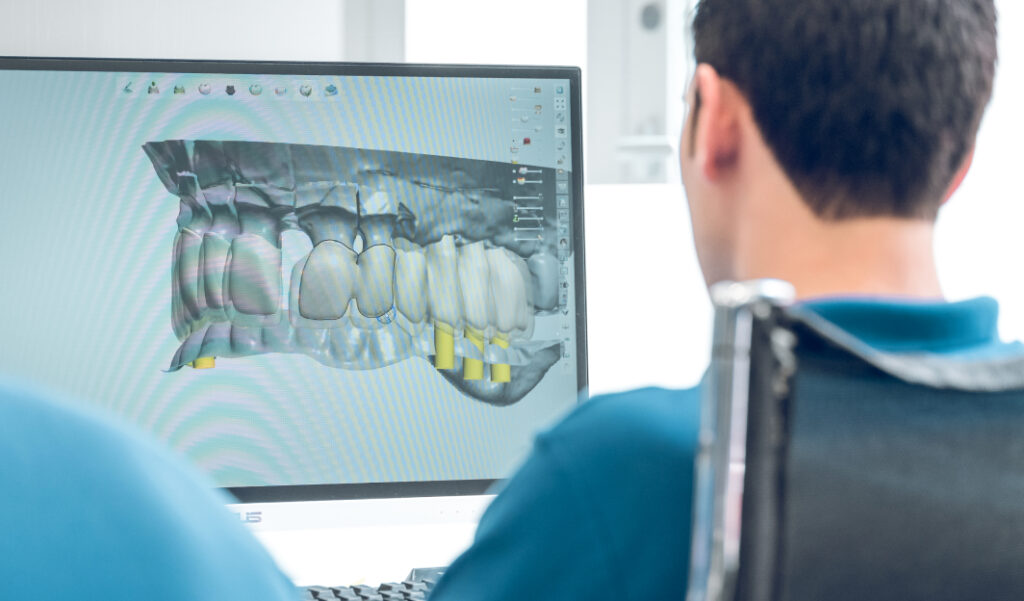
Improves implantation accuracy through digital planning. The results of virtual modeling are transferred to clinical practice using a surgical guide.
Same-Day Dental Digital Restorations
Single-visit restorations are made possible by chairside dentistry. The scanning, digital design, and manufacturing processes are all completed in a single clinical appointment.
Digital Orthodontic Treatment Planning
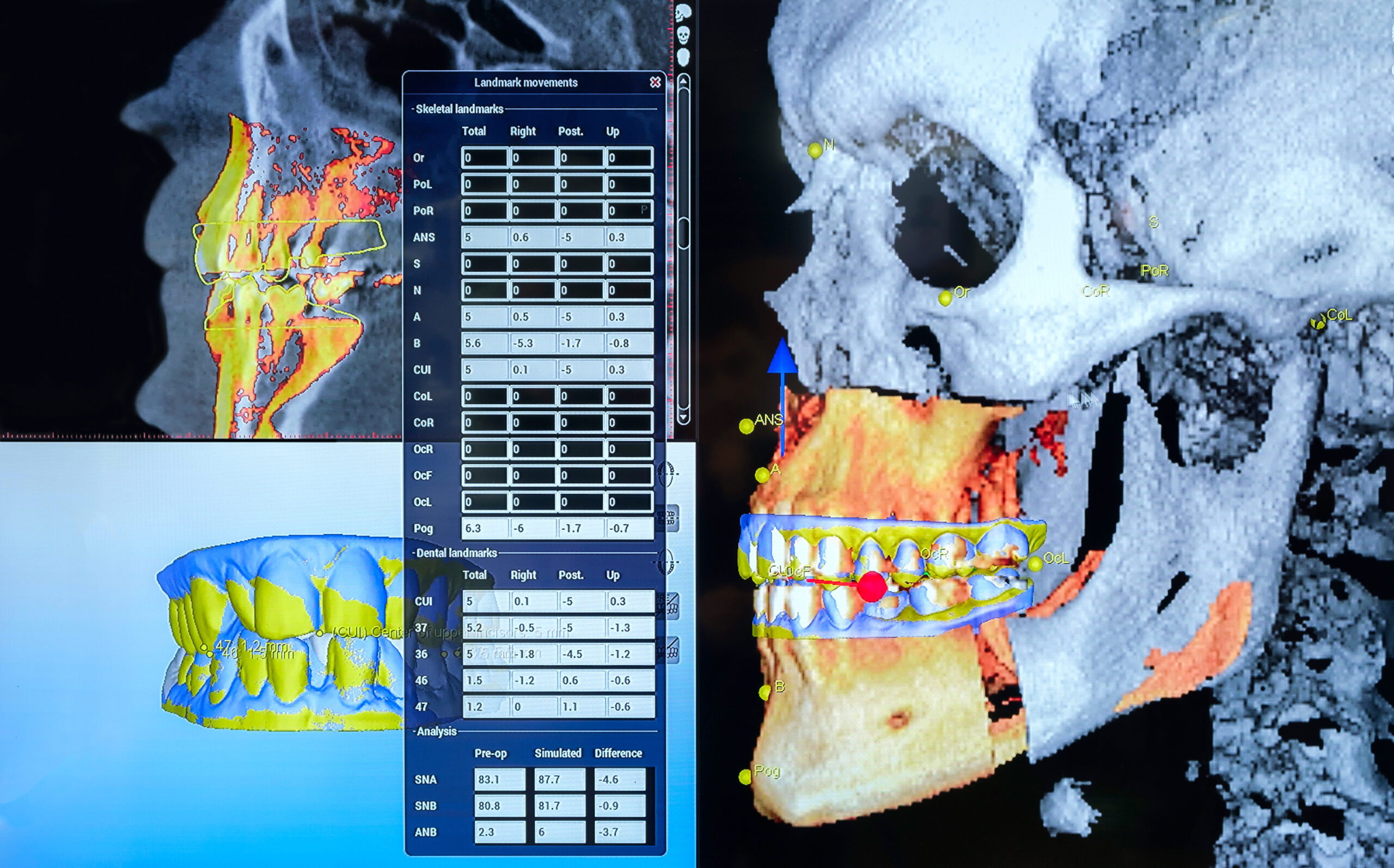
Digital orthodontics uses digital models and computer simulations to accurately plan tooth movement at each stage of treatment. This approach allows for advanced calculation of the movement trajectory, load, and correction timeline. This is especially effective when working with aligners.
Virtual Surgical Planning
Allows complex surgical procedures to be modeled in advance and potential risks to be assessed. This significantly reduces the likelihood of errors during the clinical stage.
Tele-dentistry and Remote Consultations
Digital platforms enable remote consultations using images, scans, and digital records, as well as data exchange with laboratories and other specialists. This approach expands access to care, making consultations convenient, fast, and accessible even for patients who are unable to visit a clinic frequently.
Digital Workflow in Dentistry
A digital workflow integrates all stages of treatment into a single data system and significantly simplifies interactions between the dentist, laboratory, and patient. Below, we examine the key components of a fully digital workflow.
Digital Imaging & Scanners
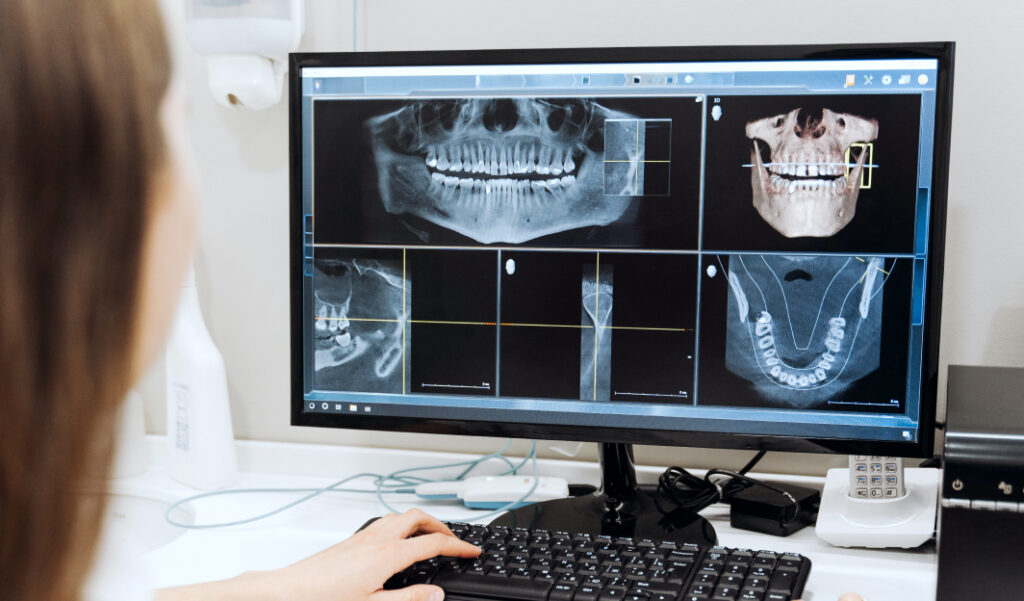
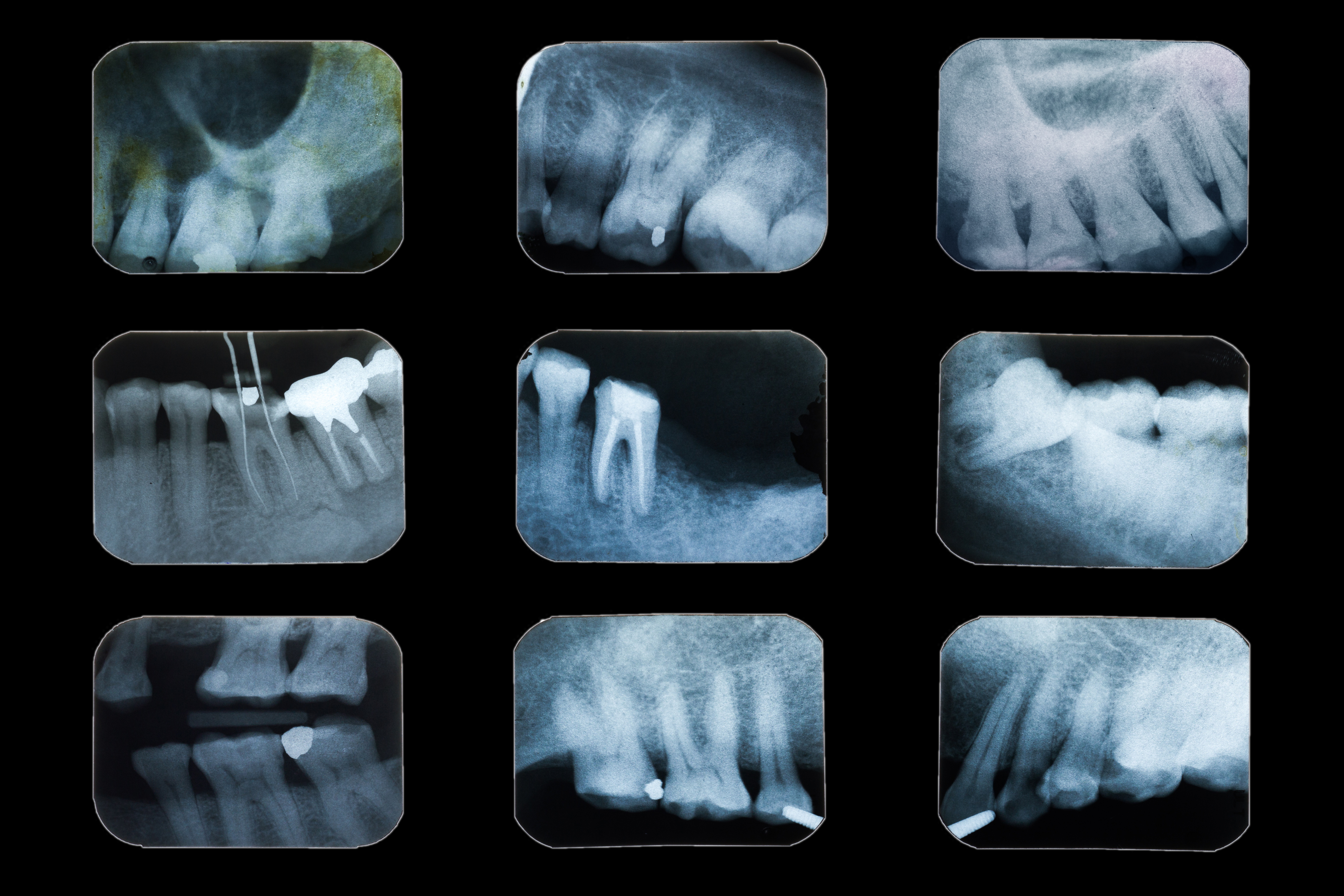
Digital imaging replaces film radiography. High-quality digital images enable rapid diagnosis. Intraoral scanners ensure accurate data collection.
Computer-Aided Design (CAD) & Manufacturing (CAM)
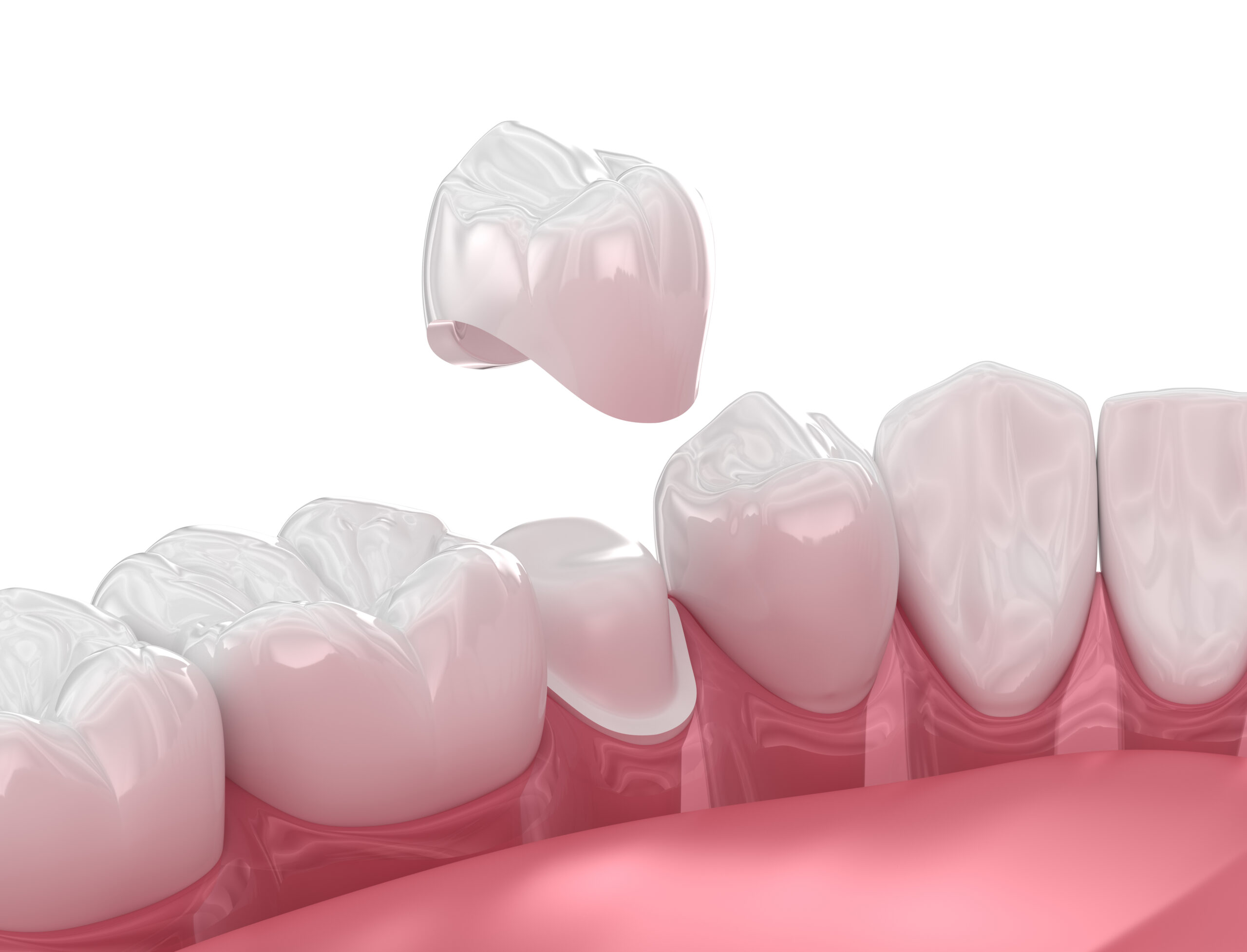
CAD/CAM dentistry systems allow dentists to design restorations directly in a digital environment and immediately transfer them to manufacturing. Dental CAD software is used to model tooth anatomy and predict restoration fit, while dental CAM milling ensures the precise fabrication of crowns, inlays, and veneers.
Treatment planning and design
Digital planning combines scan, image, and bite data, allowing for the creation of a personalized virtual treatment planning for each patient. Digital bite registration records tooth contact, and digital occlusion analysis helps prevent bite problems.
3D Printing Technology
3D printing is actively used to create models, surgical guides, temporary structures, and orthopedic devices. 3D dental modeling accelerates production and allows for the creation of precise, customized components without traditional intermediate steps.
Benefits of Digital Dentistry
Modern dentistry offers numerous benefits for both patients and dental professionals. Integrating advanced technologies into the workflow improves precision, reduces errors, and makes treatment more comfortable and predictable. Key benefits of digital dentistry include:
- Digital dentistry technologies support precision dentistry, minimizing errors and ensuring the most accurate results at all stages of treatment.
- A fully digital workflow reduces the number of visits, speeds up the treatment process, and saves time for both patients and the clinic.
- Comfortable scans, visual models, and digital simulations significantly improve the patient experience, making the process more understandable and convenient.
- The use of digital design allows treatment to be tailored to the individual needs of each patient, ensuring more precise and aesthetically pleasing results.
- Although the initial investment is higher, in the long term, digital solutions save resources by reducing the need for rework and laboratory steps.
Limitations of Digital Dentistry
Despite its many advantages, digital dentistry has its limitations. Not all clinical cases are suitable for digital methods. For example, complex surgical interventions or procedures involving multiple dental defects may require a combination of traditional and digital approaches.
Treatment outcomes still depend heavily on the dentist’s skills. Even when using digital dental equipment or digital scanners, specialist skills remain key to accurately performing dental treatment and successfully creating dental restorations or digital prosthodontics.
The high cost of equipment sometimes makes digital dentistry less accessible for some clinics. Transitioning to modern technology requires investment in digital dental equipment, doctor training, and a dental lab, so not every modern dental practice offers a completely paperless dental practice. Because of this, the cost of some procedures may be higher for patients compared to traditional methods.
Furthermore, even in a fully digital environment, technical issues are possible. Software problems, digital file glitches, or malfunctioning digital impression systems can slow down the treatment process and require additional intervention.
The Future of Digital Dentistry
Current trends indicate that the dentistry of the future will look different from what we are used to. Treatment approaches are gradually changing. Data analysis, process automation, and the ability to predict treatment outcomes are becoming increasingly important. 3D dental modeling technologies are becoming more accurate and enable the creation of customized solutions that take into account even the smallest anatomical features.
At the same time, the quality of materials and manufacturing methods is advancing. Modern dentures are becoming more durable, safer, and more aesthetically pleasing, while the procedures themselves are less traumatic and more comfortable for patients.
At the same time, the future of dental care is shifting from complex treatments to prevention and a personalized approach. This is happening because digital technologies help identify potential risks early. As a result, dental treatment is becoming clearer, safer, and significantly more convenient.
Conclusion
Digital dentistry is no longer a rarity. It is becoming an essential part of modern treatment approaches, gradually replacing traditional dental procedures with more precise and transparent digital processes. Digital impressions, fast digital scanning, and predictable results in restorative dentistry enable the use of modern dental technologies for more confident and effective treatment. Solutions such as computer-guided surgery, guided implant surgery, and virtual articulation increase the accuracy of dental implant placement and improve the long-term stability of results.
For patients, this means fewer visits and a more understandable treatment process, while for doctors, it means greater control over dental work and convenient integration with dental laboratories directly in the dental office. At Dynasty Stomatology, we use digital technologies as a tool to improve the quality of treatment and patient comfort. Although investing in digital dentistry requires a thoughtful approach, the development of digital advances, the growing market for digital impression systems, and the expansion of the field of digital dentistry are making these technologies increasingly accessible.
Frequently Asked Questions about Digital Dentistry Technologies
-
What exactly does digital dentistry include?
Digital dentistry covers modern workflows such as 3D scanning, CAD/CAM design, and computer-guided planning that replace many manual steps. It’s a practical guide to digital dentistry built around accuracy, speed, and predictability.
-
How does digital dentistry benefit patients?
Patients experience more comfort, clearer treatment plans, and fewer surprises thanks to precise dental impressions. This approach reflects the patient-centered future of dentistry.
-
Is digital dentistry more expensive than traditional methods?
Not necessarily. While some technologies cost more upfront, efficient digital dental solutions often reduce repeat visits and corrections, balancing overall expenses.
-
Does digital dentistry involve a heavy cost to set up?
Initial investment can be significant, but clinics benefit long term by integrating digital tools into daily workflows. Ongoing advancements in digital also make systems more accessible over time.
-
Can digital dentistry improve treatment outcomes?
Yes — accuracy and planning supported by technology in dentistry lead to better-fitting restorations and more predictable results, especially in advanced dental treatments.
-
How are single-visit restorations changing dental care?
They allow restorations to be designed and placed in one appointment, directly at the dental chair. This reflects major advancements in dental workflows.
-
How long does a single-visit restoration take?
Most procedures are completed within a few hours, depending on complexity and the type of dental appliances involved.
-
Are single-visit restorations durable?
Yes, modern materials and precise milling make them strong and reliable, including options like a digital denture created with high accuracy.
-
Is digital dentistry suitable for all dental procedures?
While not every case requires it, more clinics adopt digital dentistry for diagnostics, prosthetics, and surgery, steadily expanding its applications.
-
What is the cost of digital dentistry treatments?
The price of digital dentistry always depends on the clinical situation and the scope of work, so treatment usually starts with diagnostics and a detailed plan. This approach helps patients clearly understand the stages of treatment, timelines, and budget in advance, while allowing the doctor to achieve predictable and accurate results using digital technologies.
A prosthodontic consultation with a comprehensive treatment plan costs 250 PLN, and an orthopedic examination costs 150 PLN.
For precise diagnostics, modern digital methods are used:
3D scanning of one jaw — 200 PLN;
CT scan of one jaw — 250 PLN;
CT scan of two jaws — 350 PLN.
Restorations (depending on material and clinical needs):
Zirconia crown — 2 200 PLN;
E-max crown — 2 500 PLN;
E-max veneer — 2 500 PLN;
Zirconia crown on an implant — 3 000 PLN;
Zirconia post and core — 9 900 PLN.
Digital Dentistry Consultation: Take the First Step Toward Advanced Dental Care
If you’re thinking about modern dental treatment, a consultation at Dynasty Stomatology is the perfect first step. We work with digital dentistry technologies every day — from precise scans to clear, personalized treatment plans — so you always understand what’s happening and why. Our dentists use a fully digital workflow to make care more comfortable, predictable, and focused on you. Book a consultation to experience the real benefits of digital dentistry and see how advanced technology in dentistry helps us deliver high-quality, patient-centered care.


Do you want to treat your teeth while you sleep?
Schedule an appointment!
By clicking the button, you give your agreet your personal data in accordance with privacy policy.
Services related to this topic
All services-
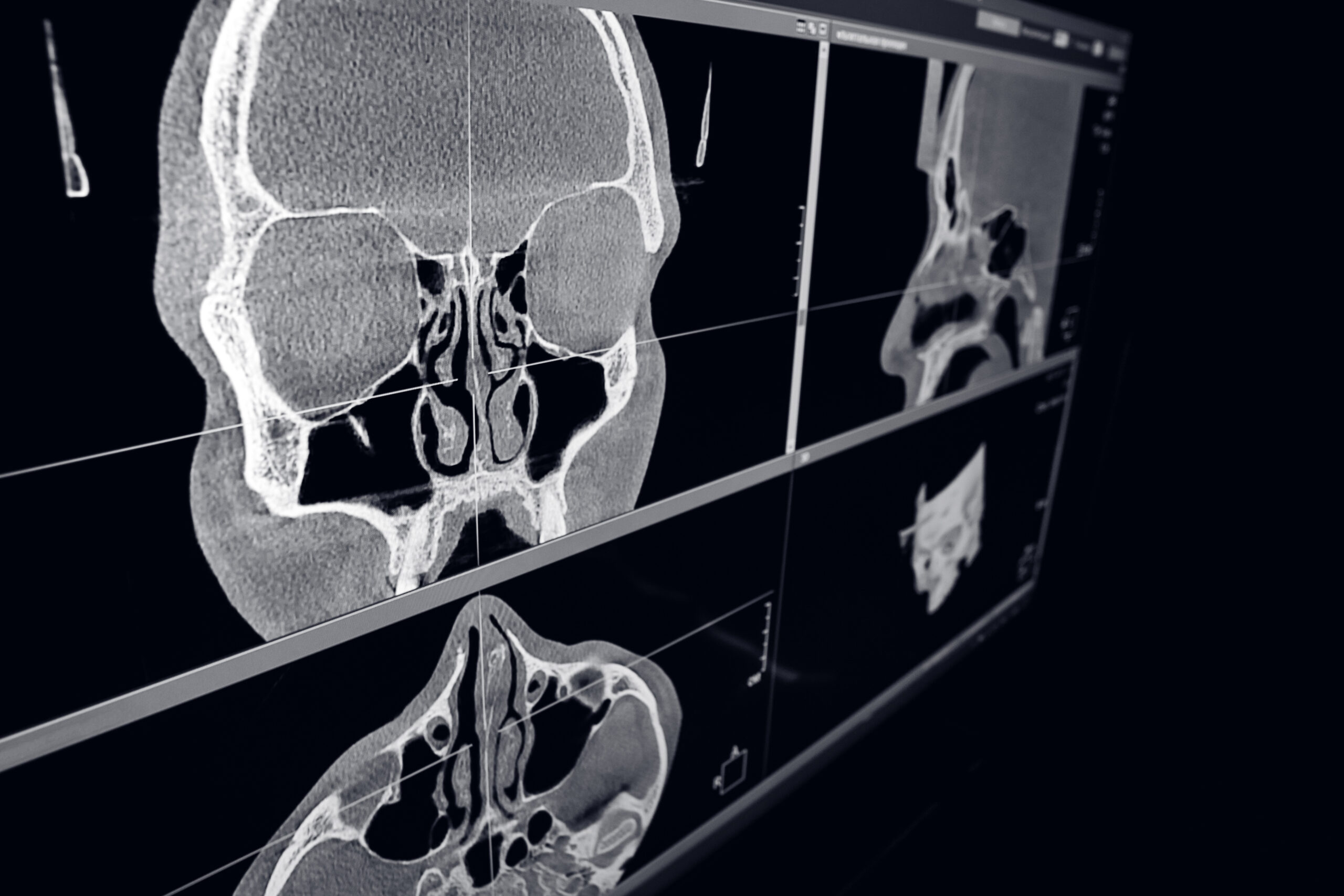
Computed tomography of ENT organs
Cone beam computed tomography in radiation refers to a unique kind of X-ray when a regular facial or dental x-ray is not sufficient for diagnosis or any surgical technique. It gives the ENT doctor a detailed image of the air spaces, bones, and soft tissues in your neck and head.
To the service -
X-ray diagnostics of dental condition
Dental x-ray diagnosis is the gold standard in dental examination and has been effectively used for decades. This widely used method allows dentists to accurately diagnose the condition of a tooth and develop an effective treatment plan. The Dynasty Stomatology dental center is equipped with modern devices, making dental x-rays at our clinic completely safe […]
To the service -
Ceramic inlays using CAD/CAM technology
Tooth damage caused by decay, chipping, or failed fillings requires not only functional restoration but also high aesthetics. A ceramic inlay is a modern dental solution that allows precise restoration of a damaged tooth, both in form and structure. Inlays made using CAD/CAM technology are known for their durability, strength, and ideal fit, making them […]
To the service -
Targeted dental x-ray
A single-tooth x-ray is a simple, quick, and affordable diagnostic method frequently used in dental diagnostics to assess oral health. A digital 2D dental x-ray reveals the condition of both the crown part of the tooth and its roots, along with the surrounding tissues. At Dynasty Stomatology dental clinic, this type of x-ray diagnostics is […]
To the service -
Ceramic veneers using CAD/CAM technology (digital veneers)
A radiant smile always looks beautiful, promotes good health, and attracts attention. And it’s absolutely achievable! Modern dentistry opens up vast opportunities to correct any imperfections of the dental arch, whether congenital or acquired.
To the service -
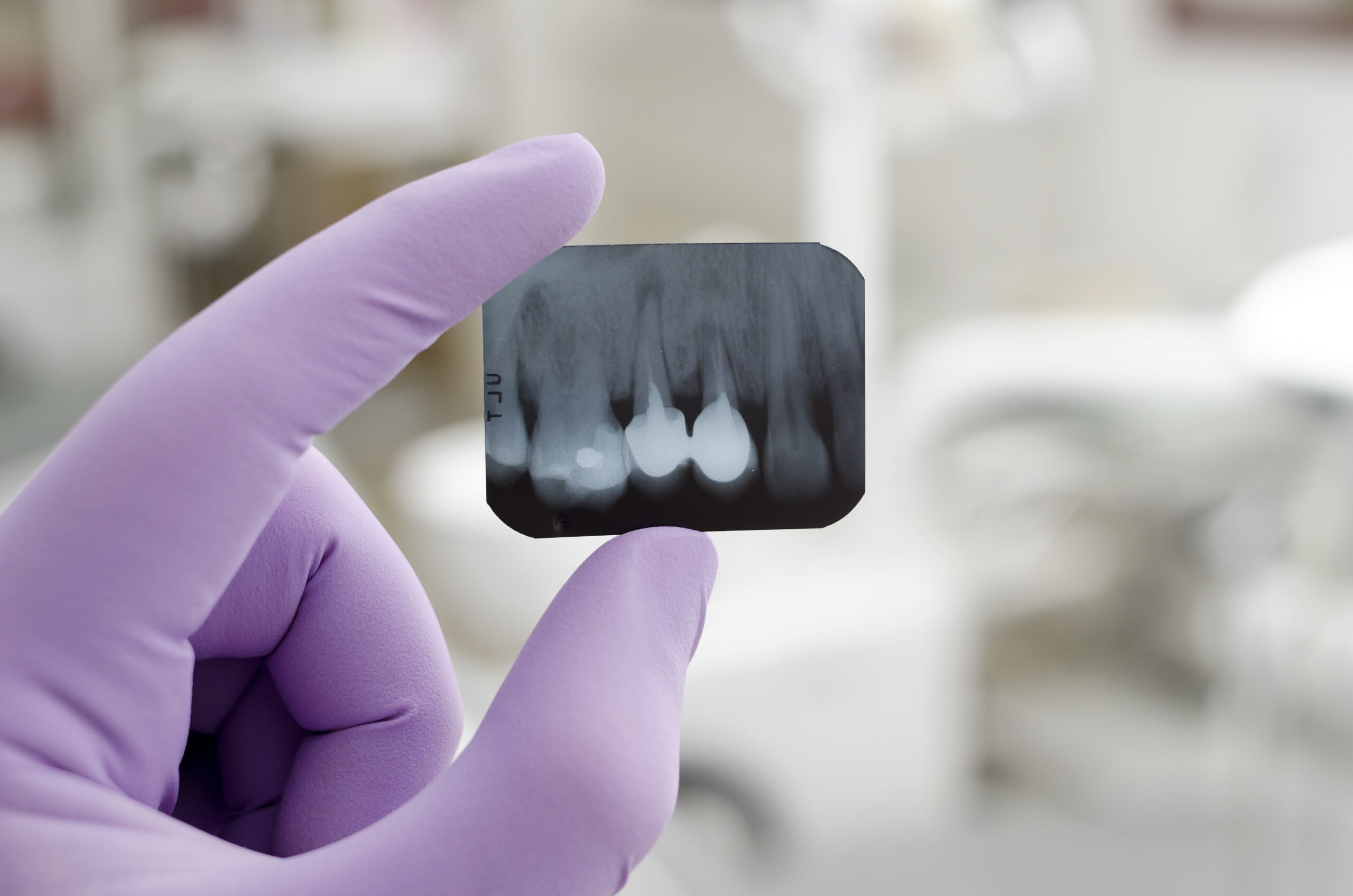
Dental Visiography
To obtain a detailed image of a tooth, we use a digital X-ray device known as a visiograph. This advanced dental visiography equipment ensures that every stage of treatment becomes as clear and transparent as possible. The modern device detects even the slightest changes in the structure of the teeth, allowing for early intervention. With […]
To the service -
Ceramic crowns using CAD/CAM technology
Ceramic crowns made with advanced technology like CAD/CAM technology blends aesthetics and functionality perfectly together. A patient will get high quality ceramic crowns with exact precision when they visit our clinic for treatment. Ceramic crowns are ideally recommended for caries and stained teeth. They are bio-compatible and do not cause allergies.
To the service -
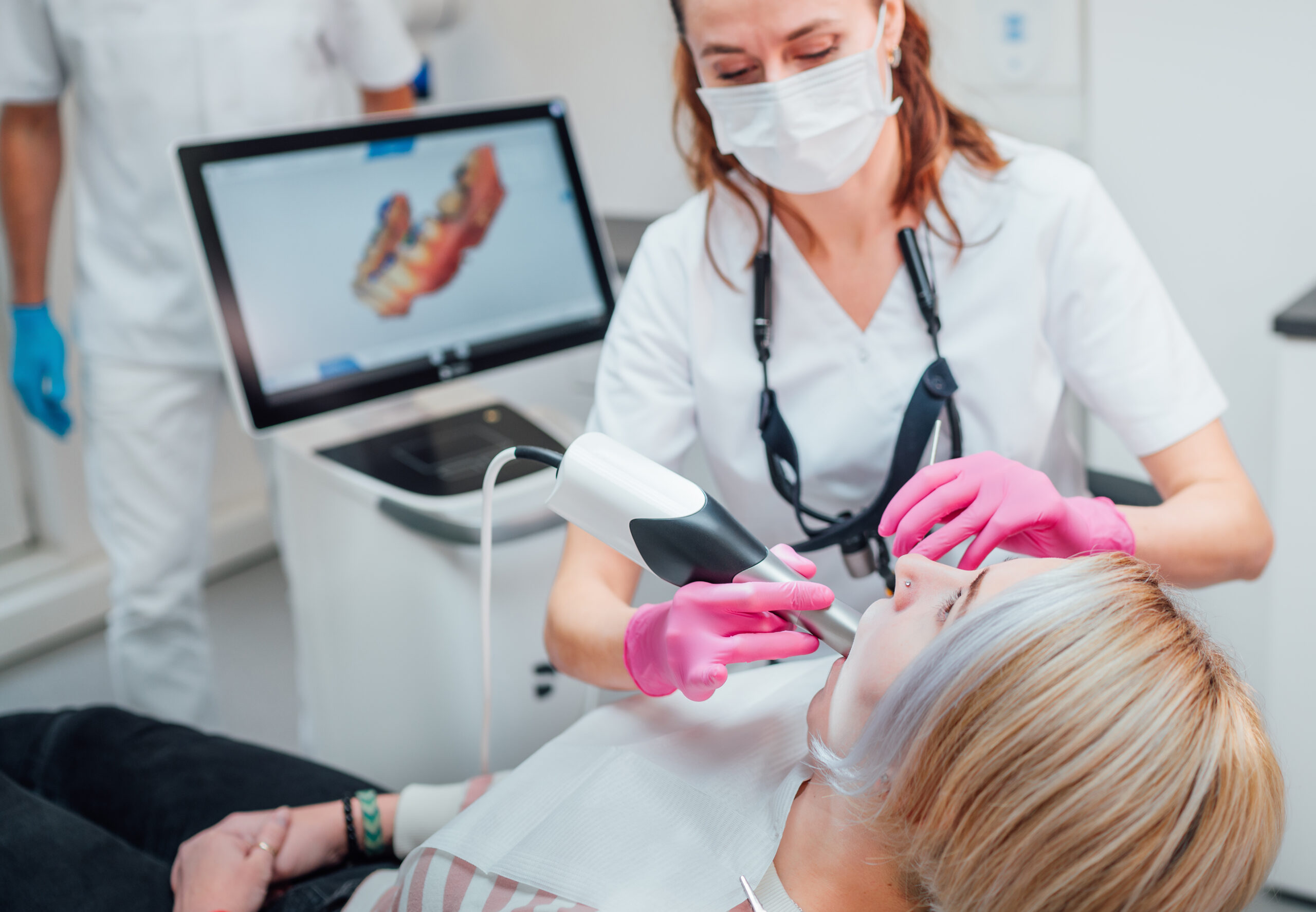
Digital Dentistry
Dentistry has witnessed a significant technological revolution in the last few years. The foray of CAD/CAM technologies has made dental care more comfortable and pain-free for the patient. Known as “digital dentistry”, it is now becoming highly popular among patients and is redefining the future of dentistry today.
To the service -
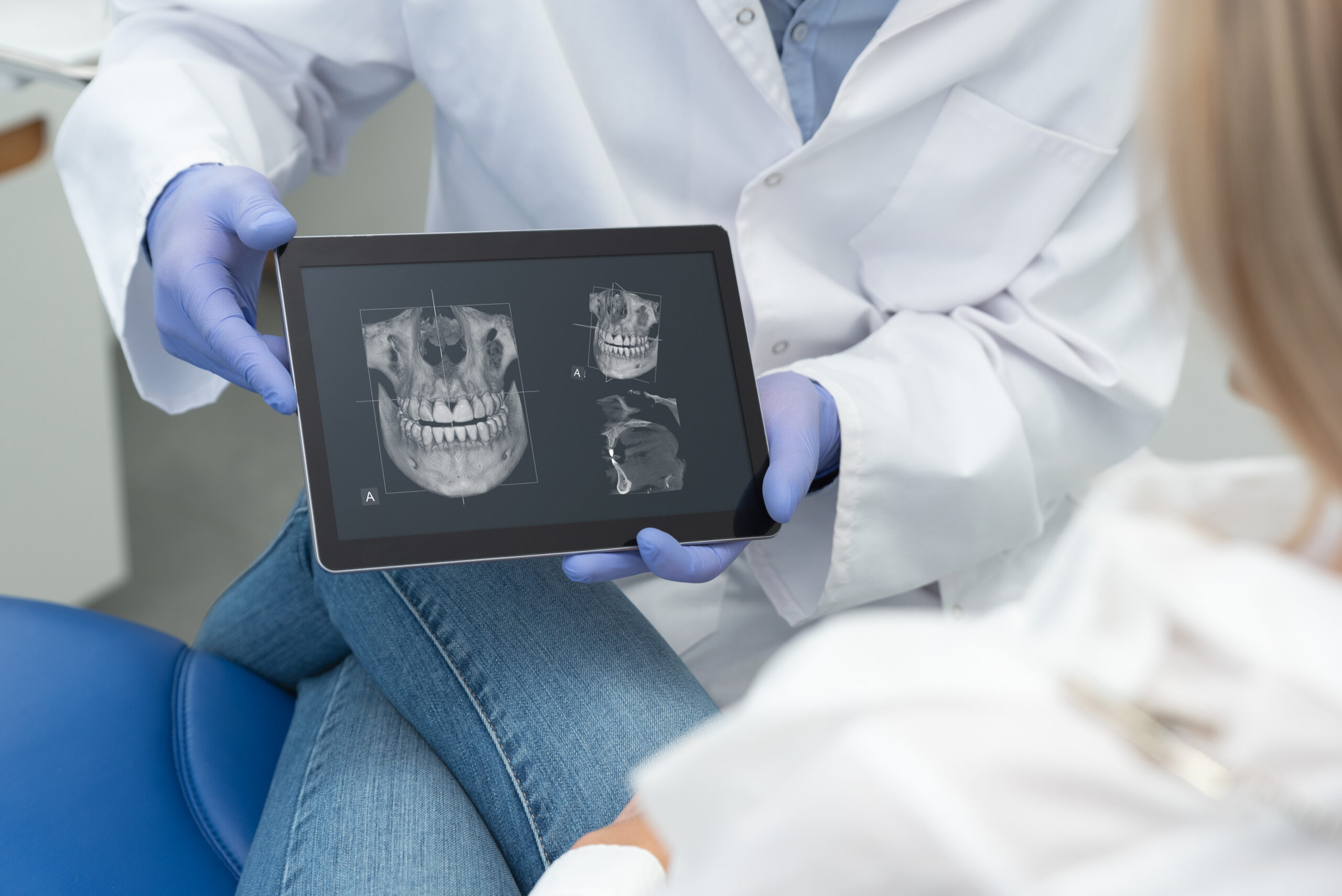
Computed tomography of teeth and oral cavity
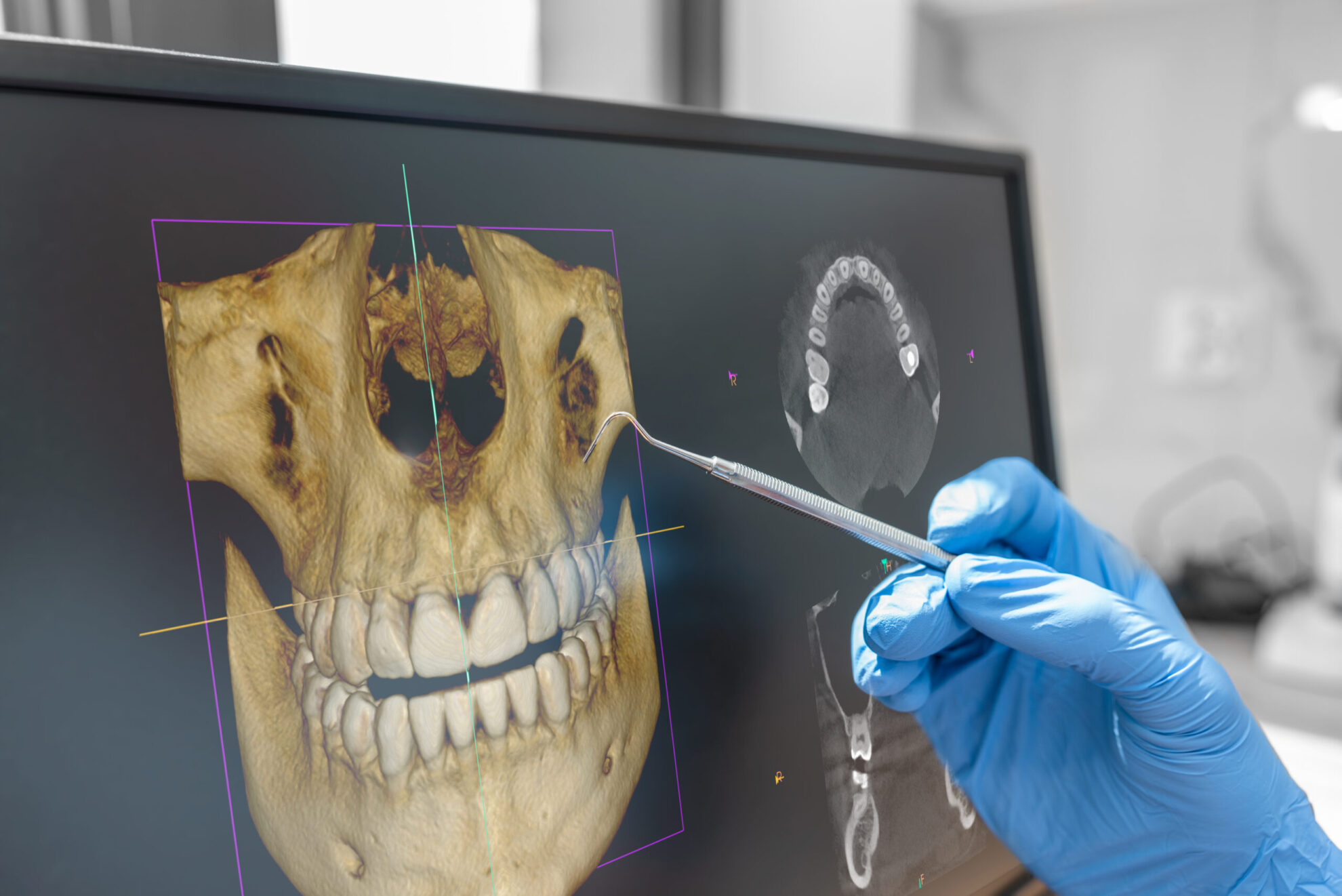
A computed tomography (CT) scan of the jaw deploys the use of advanced technology to view the tissues and bones in dentistry. It is essential in dental diagnostics for accurate diagnosis and treatment plans. A dental CT is painless and different from an x-ray as it creates cross-sectional images with a radiation dose concealing hidden […]
To the service -
Digital smile Design
Thanks to the advent of modern digital technologies, you can attain a beautiful smile with dental aesthetics treatment. This procedure makes it possible for dentists to design a smile digitally before the start of the procedure. This simulation of digital smile design allows personalization and better precision of the final result.
To the service -
Diagnosis of dental diseases
Dental diagnostics is indispensable for the early identification of periodontal diseases and oral infections. Thanks to technological advancements in dental care, the diagnosis and treatment of tooth decay, gingiva, oral cavity, tooth abscess, and other serious oral healthcare issues can be done faster.
To the service

Read also
View all blog-
20.03.2026
15
8 min. read
What You Need to Know About Professional Teeth Whitening
A white smile makes a face look fresher and more well-groomed. However, over time, the shade of teeth changes. Diet,…
Read more -
19.03.2026
24
8 min. read
Professional hygiene in a dental office — The complete guide
Most people believe they take proper care of their teeth. They brush their teeth morning and night, floss, and buy…
Read more -
09.03.2026
13
9 min. read
Restorative Dentistry Guide — Everything You Need to Know
Sometimes a tooth decays almost unnoticed. There's no sharp pain or warning signs. A small spot, mild sensitivity to cold,…
Read more -
04.03.2026
21
5 min. read
How to avoid surgery in the future — a case study of early orthodontic treatment at age 6
A mother brought her 6-year-old son to the Dynasty Stomatology clinic. She was confused: her son had already been examined…
Read more -
26.02.2026
23
11 min. read
What is Dental Implant Procedure — A Complete Guide
Losing a tooth isn't always just about aesthetics. It's about self-confidence, the ability to smile without tension, the ability to…
Read more -
24.02.2026
41
9 min. read
Understanding Oral Surgery — What You Need to Know
Until recently, a visit to the dentist was associated with significant discomfort. Uncomfortable impressions, long waits, and the need for…
Read more -
19.02.2026
25
5 min. read
Online consultation with a dentist — how it works, how much it costs, and when it is really needed
There are many reasons why people put off visiting the dentist. Especially when they live in countries where it is…
Read more