
What is Dental Implant Procedure — A Complete Guide


26.02.2026
24
11 min. read
Why Patients Trust Dynasty Stomatology
The trust in Dynasty Stomatology is built on a combination of many years of experience and an individual approach to every patient. We understand that a visit to the dentist is often accompanied by anxiety, so we place special emphasis on creating a comfortable and calm atmosphere where every patient feels safe.
The clinic is equipped with modern technology and uses advanced treatment methods, ensuring that procedures are carried out with maximum precision, efficiency, and comfort. All materials undergo strict quality control, and our doctors regularly improve their qualifications to offer only the most up-to-date and proven techniques.
In addition, Dynasty Stomatology values long-term relationships with patients. Our goal is not only to solve the problem at hand but also to maintain the health of teeth and gums for years to come. Openness, honesty, and transparency are the key principles that have earned the clinic its reputation as a reliable dental partner.
Facts about Dynasty Stomatology:
✅ Over 10 years of successful work in dentistry.
✅ Hundreds of positive reviews from patients in [Страна в соответствии с регионом] and abroad.
✅ We use premium materials from leading global brands.
✅ We offer treatment under sedation and general anesthesia.
✅ A full range of services — from pediatric dentistry to complex surgical operations.
Dynasty Stomatology — trust, expertise, reliability, and care for the beauty of your smile.
Learn about usMedical Expertise
Dynasty Stomatology’s doctors conduct medical reviews of all materials on the website to ensure their accuracy and practical value. Our authors and editors are experienced specialists in the fields of therapeutic, surgical, orthopedic, and pediatric dentistry. This approach allows us to maintain high professional standards and provide our readers with only verified, up-to-date, and useful information.
Losing a tooth isn’t always just about aesthetics. It’s about self-confidence, the ability to smile without tension, the ability to chew, laugh, and speak without worrying about how your smile looks. Yet, many live with this problem for years. Some fear pain. Others doubt the outcome. Still others are deterred by uncertainty. These fears are understandable. But it’s important to know: modern dentistry has long since changed. Today, solutions exist that make the process as comfortable, manageable, and predictable as possible.
Implantation is no longer perceived as a complex and risky procedure. It’s a technologically advanced and proven method of tooth restoration that allows you to restore natural function and aesthetics—without removable dentures and without the feeling of a “foreign” tooth in your mouth. An implant feels like your own tooth. It doesn’t interfere, doesn’t shift, and doesn’t make itself felt every day.
And yet, many questions remain. Is it truly painful? Are implants right for you? How long does the treatment take? What if the bone isn’t dense enough? And is it true that an implant can last for decades?
In this article, we’ll break it down in simple, understandable terms. From how an implant works and who it’s suitable for, to the installation stages, healing time, and proper care. If you’ve been thinking about dental restoration but don’t know where to start, this article covers everything you need to know about dental implants so you can make a calm and informed decision.
What are dental implants?
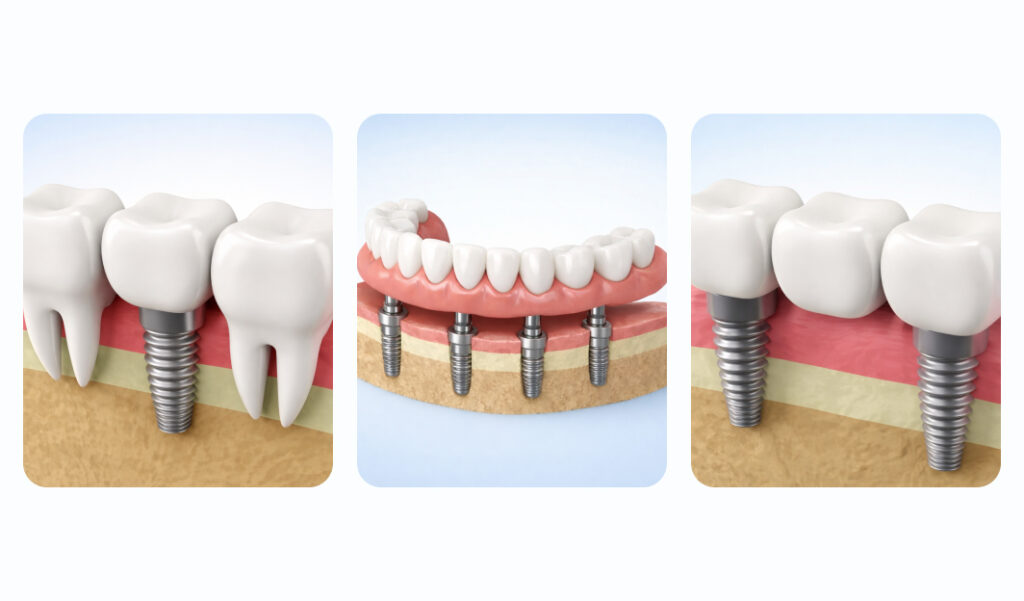
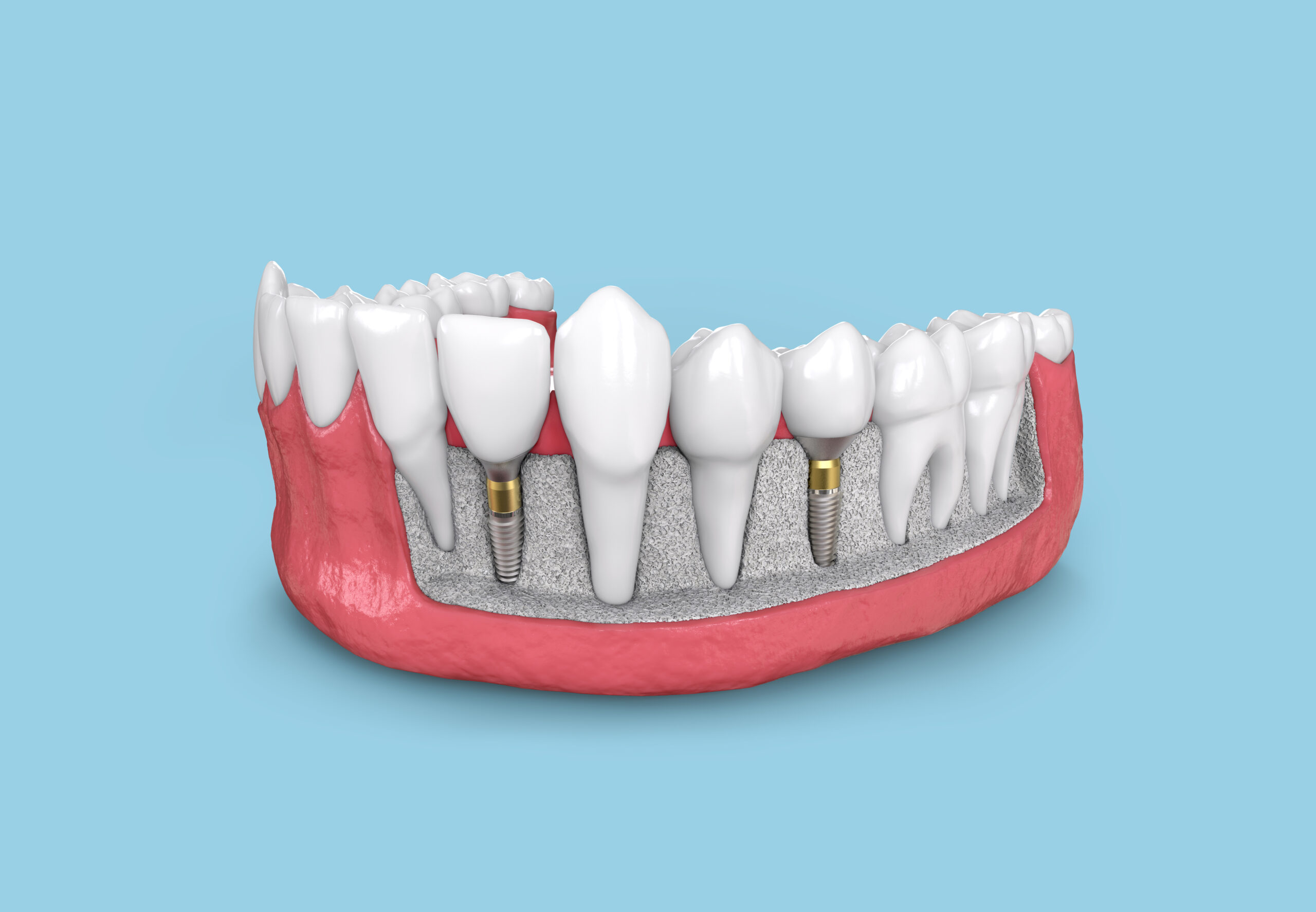
Dental implants are structures that replace the root of a lost tooth. Essentially, implants are artificial tooth roots that are surgically inserted into the jawbone.
A tooth dental implant procedure restores both the root and crown of a tooth. Unlike removable dentures, implants are fixed in place. They do not shift during speech or chewing.
Modern tooth replacements closely mimic the structure of natural teeth, making them feel natural.
The Components of a Dental Implant
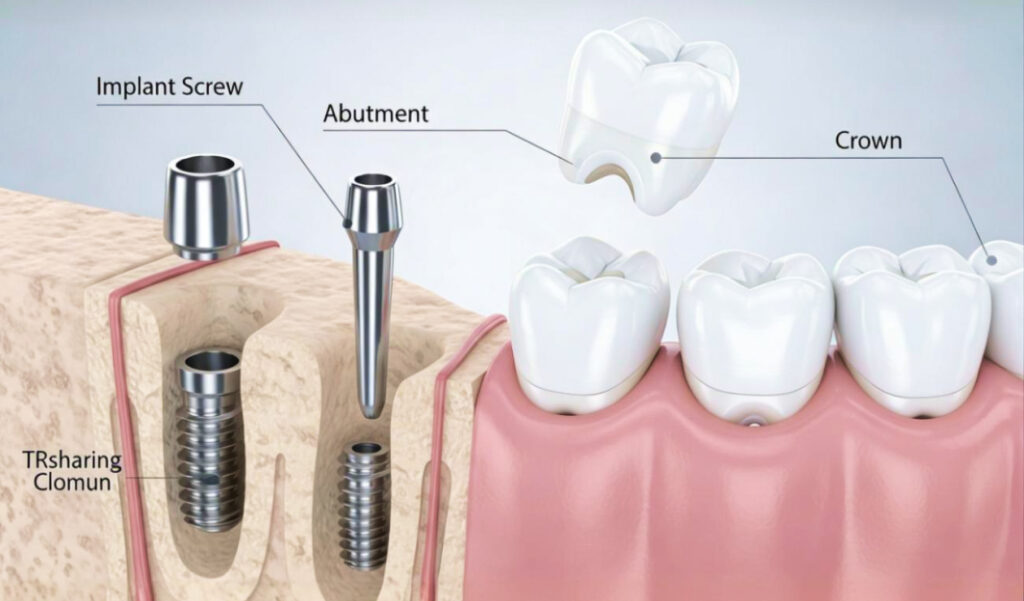
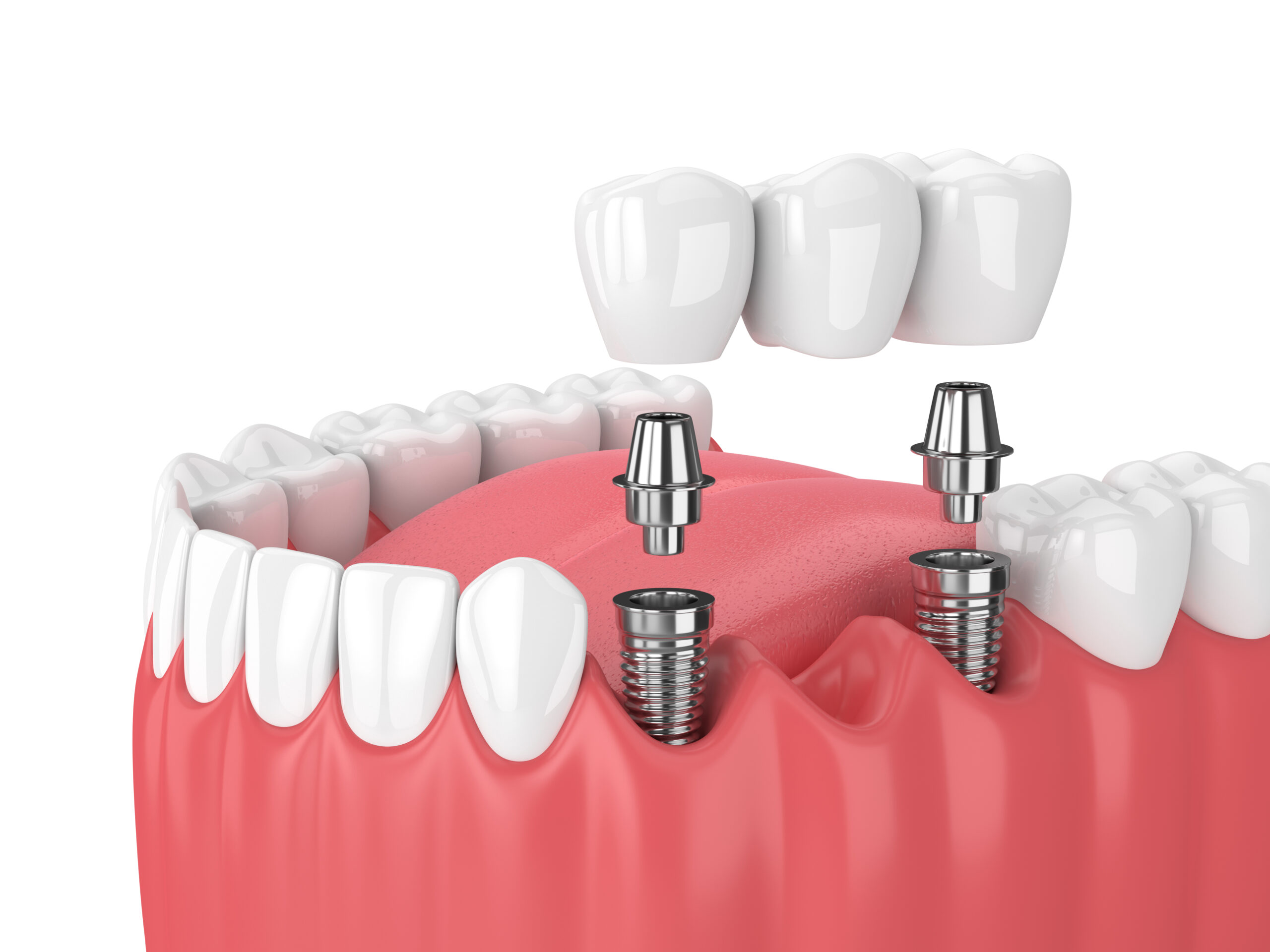
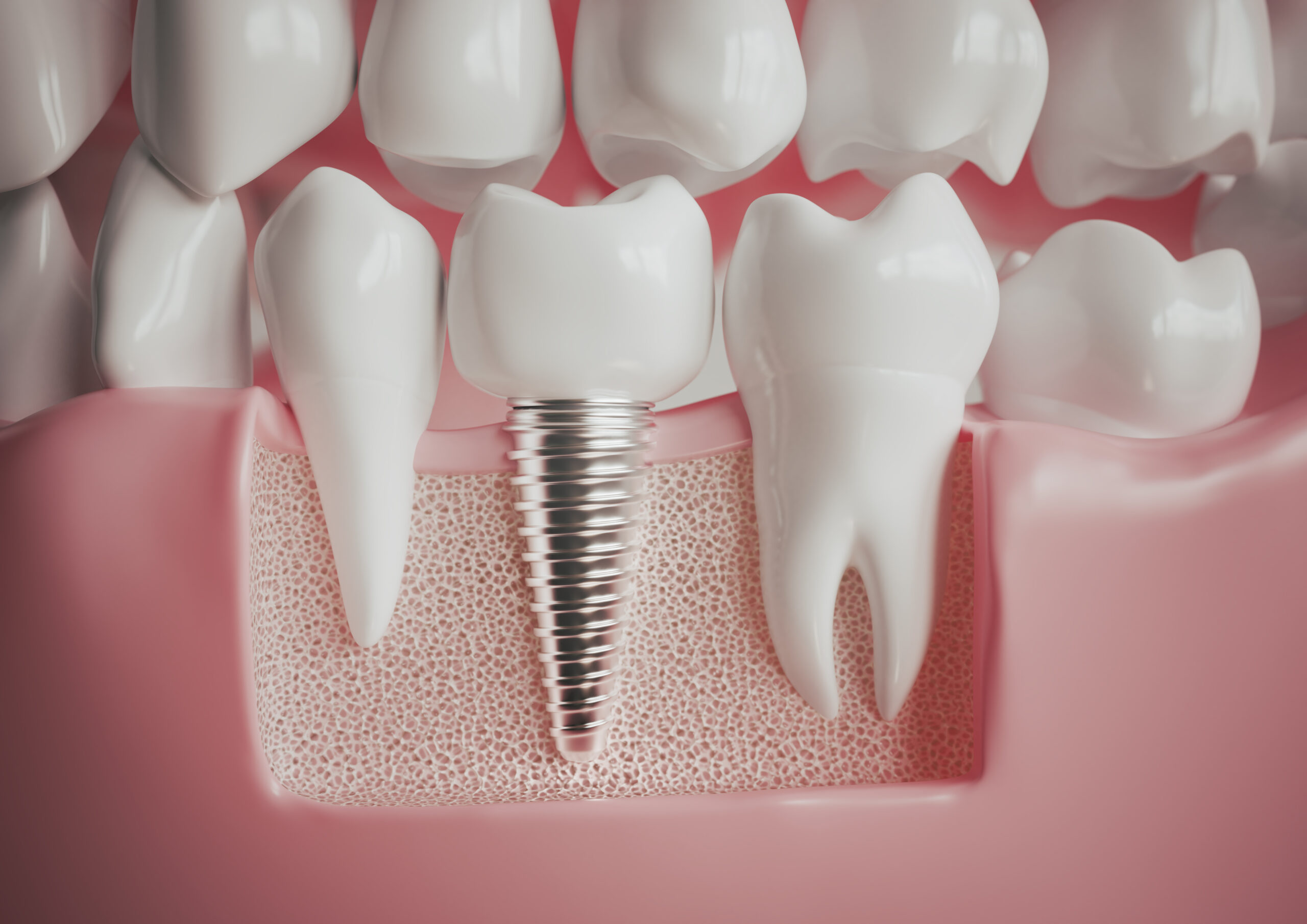
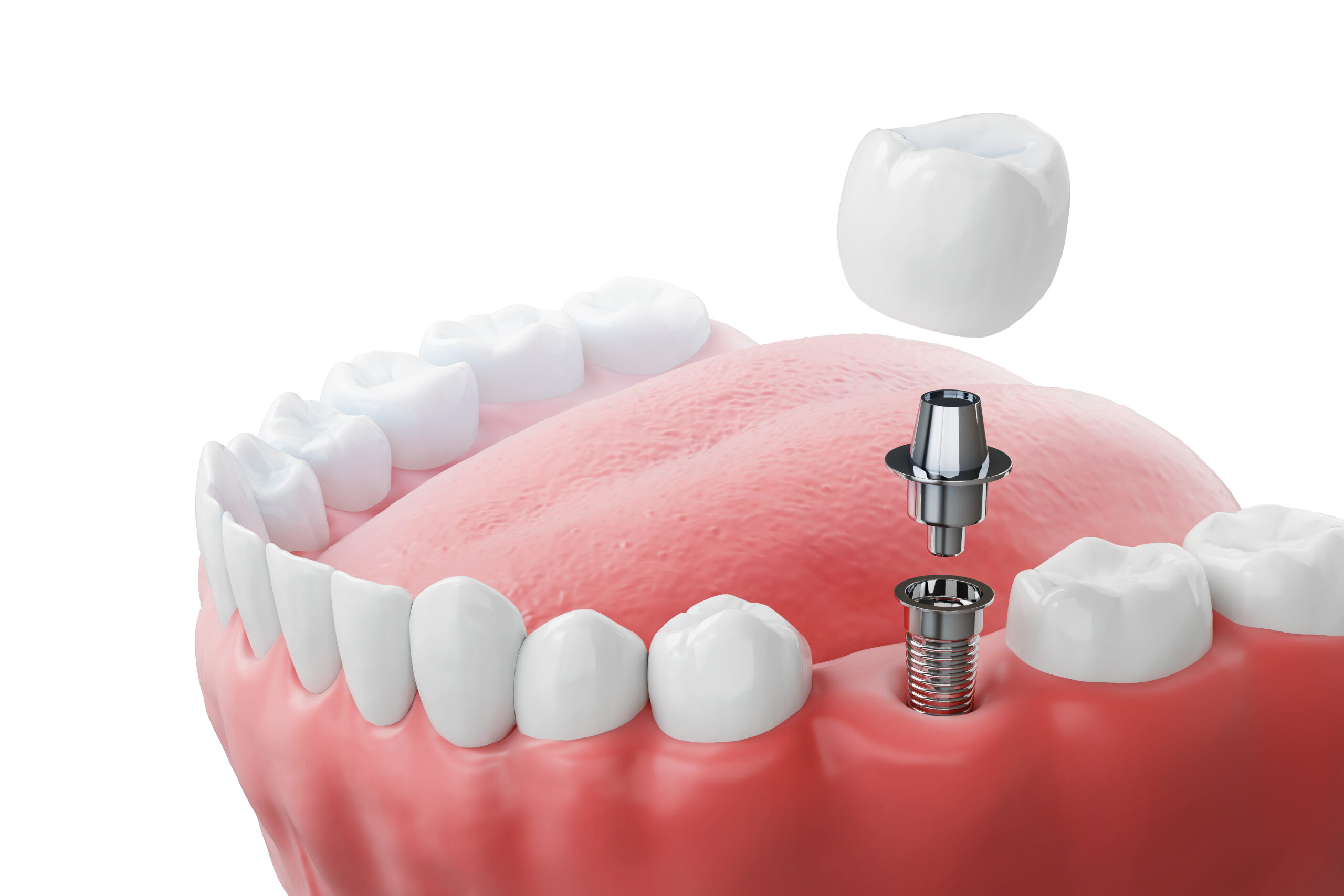
To understand how implantation works, it’s important to understand its design. A dental implant is a well-designed system of several components that work together to restore a tooth as naturally as possible. The complete structure consists of three parts, each with its own specific purpose.
Implant Post
The implant post is made of titanium, a durable and biocompatible material. It integrates well into the body and can withstand chewing forces. During surgery, the doctor places the implant into your jawbone, which functions as a tooth root. Over time, the bone fuses with the implant, providing stability. This part forms the foundation for the implant and is responsible for its reliability.
Abutment
The abutment is installed on top of the implant. It is the connecting element between the inner part of the implant and the future crown. It is securely attached to the implant and helps support the implant, creating a strong foundation for the final restoration.
Crown
The visible part is the dental crown. It is individually selected for color, shape, and size to harmoniously blend with the adjacent teeth. After the implant is placed, the crown completes the restoration, restoring a natural look and full function to your smile.
Who is a good candidate for dental implants?
A dental professional decides on implantation after an in-person consultation, diagnosis, and oral health analysis. This specialist determines whether you are a good candidate for dental implants based on your clinical picture and individual characteristics.
The primary assessment is the condition of your gums and bone tissue. Patients with good oral health and sufficient bone volume have a higher implant success rate. Chronic illnesses, hygiene, bad habits, and overall health are also taken into account.
It’s important to understand that even if there are initial limitations — for example, insufficient bone volume or inflammation — in most cases, these can be corrected with additional treatment.
Types of dental teeth implants and common options
There are different types of dental implants, and the choice depends on the clinical situation, the amount of bone tissue, and the number of missing teeth.
Basal implantation
Used for severe bone atrophy. The implant is fixed in deeper, denser layers of bone tissue, eliminating the need for complex bone grafting.
Endodontic
Used in certain clinical cases where additional fixation or restoration of tooth structure is required.
Subperiosteal
These implants are placed not within the bone, but on top of it, under the gums. This option may be considered when bone volume is insufficient and traditional placement is not possible.
Implantation options also differ by the number of teeth restored:
- Single tooth implant — a solution for replacing a single missing tooth.
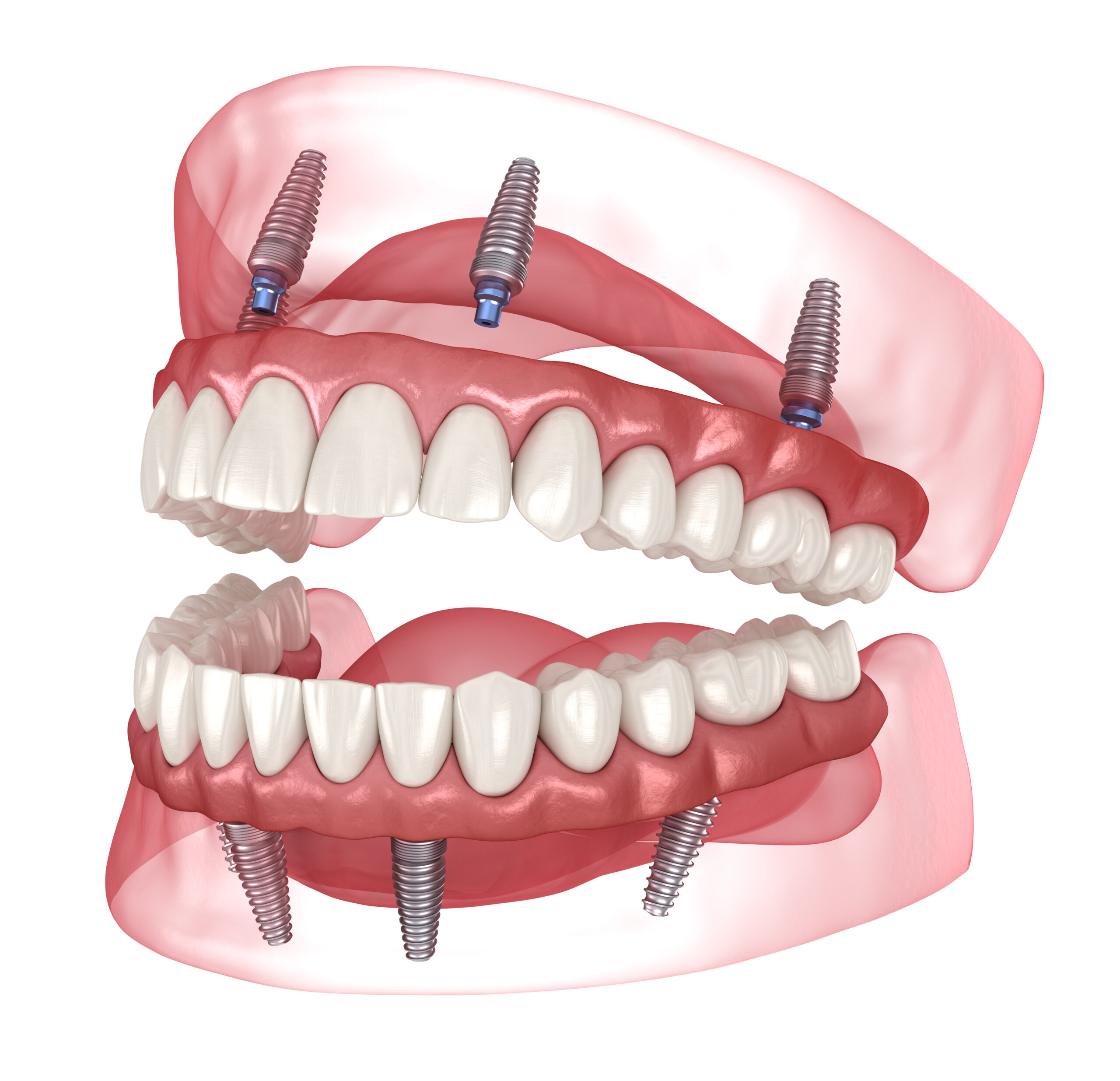
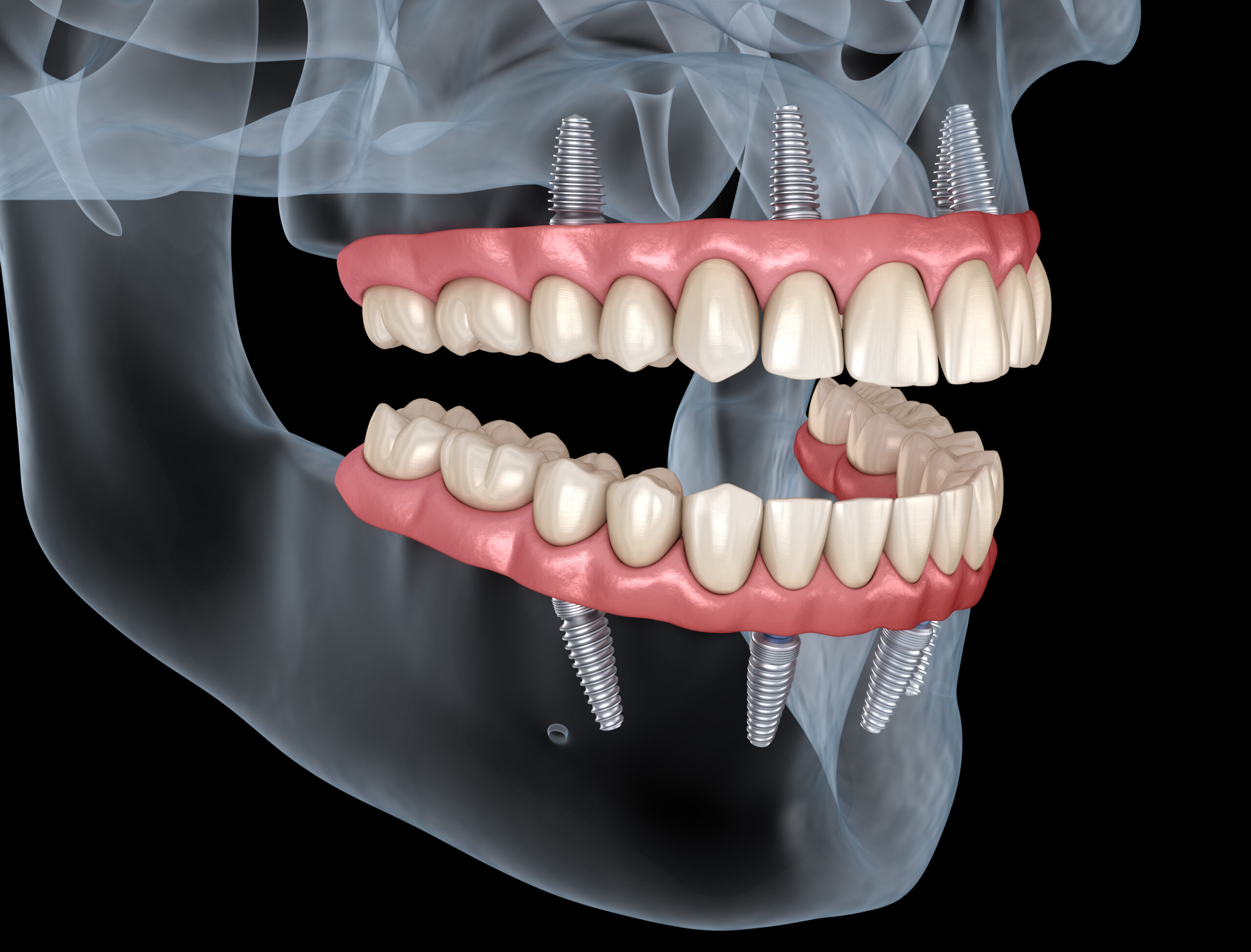
- Full arch implants — restoration of an entire arch of teeth using multiple implants.
- Full mouth dental implants as part of a full mouth dental restoration — comprehensive rehabilitation of the entire oral cavity in cases of complete edentulism or significant tooth decay.
Pros of dental implantation
Implantation is considered one of the most reliable and physiological methods of dental restoration. Key benefits of dental implants include:
- Implants have a high success rate.
- High implant success rate.
- The implant looks natural and is virtually indistinguishable from your own teeth.
- Implants don’t require grinding down adjacent teeth.
- Neighboring healthy teeth remain intact.
- The method is suitable for both single-tooth restoration and full-arch restoration.
- The materials are safe and rarely cause allergic reactions.
- Dental implants can last for decades with proper care.
Cons of dental implantation
Like any surgical procedure, implantation has its own unique characteristics. It’s important to understand the potential risks in advance so you can make a calm and informed decision.
- Possible causes of implant failure include inflammation, poor hygiene, or underlying body conditions.
- Temporary swelling, mild pain, or slight fever are possible after surgery.
- In rare cases, the body may not accept the implant.
- Long implant process — treatment is gradual and takes time.
- The healing process can take several weeks.
With proper diagnosis and adherence to the doctor’s recommendations, most complications are rare, and the outcome is predictable.
The Dental Implant Procedure — Step-by-Step
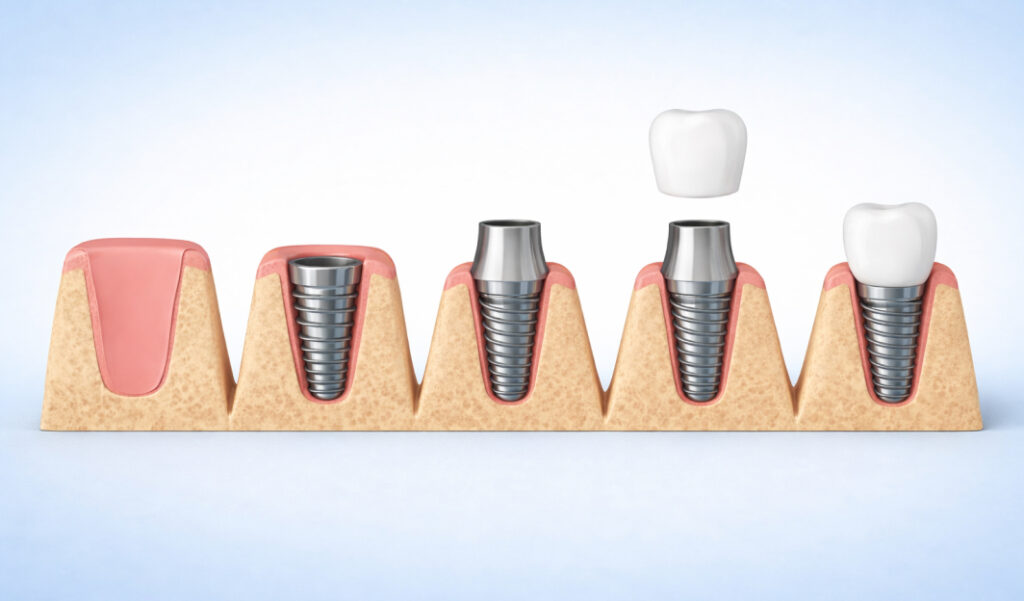
A complete dental implant procedure involves several key stages, each of which is essential for a successful outcome. Let’s take a closer look at each stage:
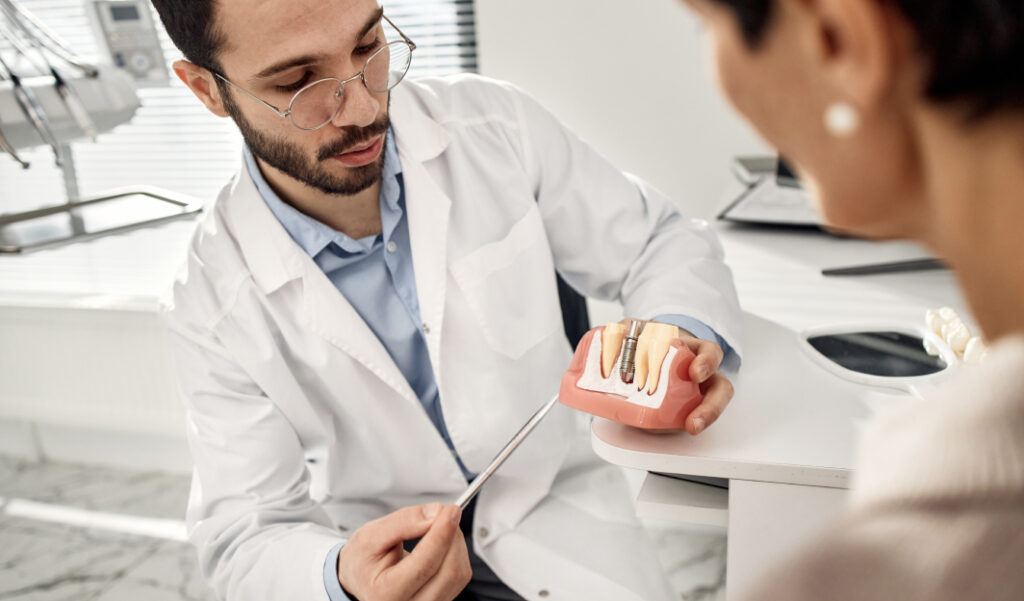
Consultation
During the first appointment, the implant dentist assesses the condition of the teeth, gums, and jawbone. The necessary X-rays and CT scans are performed for precise implant planning. If the bone is not dense enough, a bone graft may be recommended to create a stable base for the implant.
If the tooth is damaged or decayed, it is carefully removed before implant placement. Sometimes, immediate implant placement is possible if the bone and gum conditions allow.
Implantation
During dental implant surgery, the dentist performs a surgical procedure, carefully placing the implant post into the bone. The entire procedure is performed under anesthesia, so the patient experiences no pain. At this stage, a solid foundation for the future crown is created.
Healing
After placement, the implant process begins, which includes a process called osseointegration— the fusion of the implant with the bone. When the implant has fully integrated, it becomes stable and ready to withstand chewing forces. The implant needs time to heal, usually several months, during which it’s important to follow the dentist’s recommendations for care and nutrition.
Crown Placement
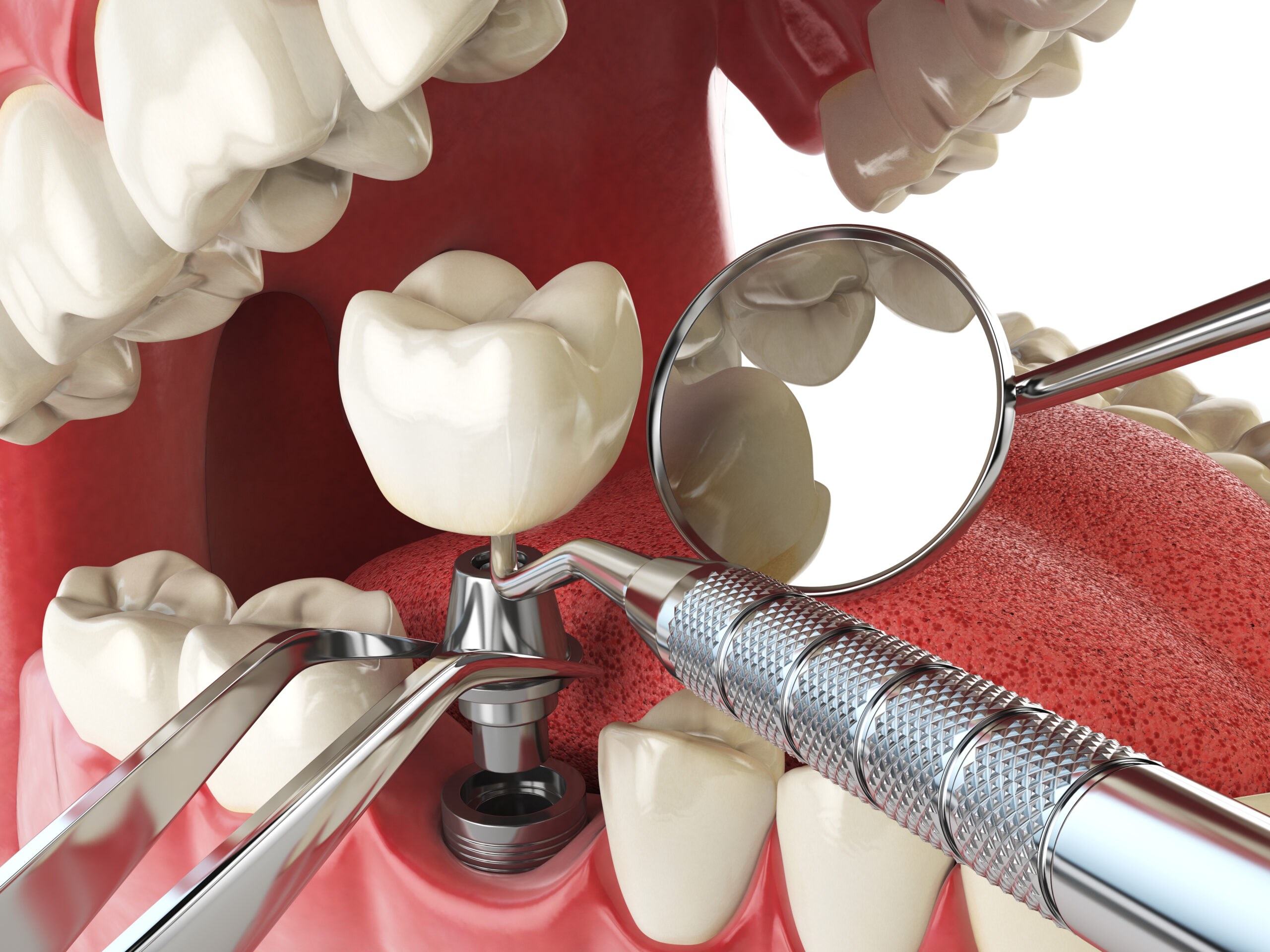
Once healing is complete, the dentist can expose the implant, place the abutment, and secure the dental crown. This final stage completes the dental implant placement, and the tooth regains its full function and natural appearance.
Dental Implantation — Risks, recovery, and aftercare
After successful dental implant surgery, it’s important to understand that even with careful dentistry, a recovery period begins, during which some body reactions may occur. Next, we’ll cover the key aspects of recovery and care after implant placement:
After implant placement, mild inflammation, bruising, or moderate pain are possible. This is a normal reaction and can usually be controlled with over-the-counter pain relievers. This mild soreness is often associated with the healing process and implant stability until the implant is fully integrated into the jawbone.
A soft diet is recommended during the first few days. This helps avoid unnecessary stress around the implant and promotes proper healing after dental implant surgery.
Regular brushing and flossing help prevent gum inflammation and reduce the risk of implant failure. Effective care is an important part of implant maintenance and long-term implant care, ensuring that dental implants last for decades.
Regular visits with a dental surgeon or dentist are important to monitor implant placement, assess the healing process, and maintain dental health. During these visits, your doctor can inspect the entire dental implant, ensure the success of your dental implant, and provide recommendations for further care.
Why Choose Dental Implants Over Other Options?
When choosing a method for restoring teeth, many patients compare and choose between different treatment options. However, today dental implants are a popular solution because they allow you to reliably replace missing teeth, maintain bone health and provide a natural result. Below we have given the main reasons why patients choose implantation.
- With proper hygiene and regular dental care, it is known that dental implants can last for decades, which makes them a long-term solution despite the cost of dental implants.
- Due to biological fusion with the bone, the implant is securely fixed and can withstand a full chewing load without mobility.
- Modern dental implants are artificial tooth structures that most accurately replicate the shape and function of natural teeth, providing comfort and natural aesthetics.
- A properly carried out dental implant process stimulates bone tissue and helps prevent its gradual atrophy after tooth loss.
- Unlike a classic dental bridge, placement of the implant is performed without interfering with adjacent healthy teeth, which preserves their integrity.
Dental Implants vs Tooth Transplant Procedure
When a patient experiences tooth loss, they often consider different restoration options. During the consultation, questions about dental implants often arise and at the same time interest in alternatives, including tooth transplant procedure. Let’s understand in clear language what the difference is and who each method is suitable for.
A tooth transplant involves moving the patient’s own tooth (most often a wisdom tooth) to the area of the lost one. This procedure is only possible under certain conditions, such as suitable root anatomy, sufficient bone volume and absence of inflammation. The method has limited use and is not suitable for everyone.
In contrast, implantation is a modern treatment in which dental implant surgery replaces the lost tooth root with an artificial implant. The implant integrates into the bone, creating a stable base for the crown. Today, dental implants are a generally safe and predictable restoration method, and research shows that dental implants have a high success rate.
How to Care for Dental Implants
Installing an implant is important, but it is equally important to properly care for it after treatment. Proper oral hygiene helps maintain gum health, prevent inflammation and reduce possible implant failure causes. We have collected basic recommendations that will help keep the implant stable and reliable for many years.
- Brush your teeth twice a day with a soft brush. This helps remove plaque and bacteria not only from the crown, but also in the gum area around the implant. Pay special attention to the area between the implant and the gums — this is where inflammation most often develops.
- Use dental floss or interdental brushes to gently clean between teeth and around the implant. The accumulation of plaque in these areas can lead to tissue inflammation, which further affects the stability of the structure.
- Regular visits to the dentist allow you to detect changes in the condition of the gums or bones in a timely manner. Even if there is no concern, a preventive examination helps ensure that the implant is functioning correctly and remains stable.
Dental Implant Surgery — Conclusion
Dental implants are a long-term solution that restores function, protects bone health, and brings back confidence in your smile. Yes, the process takes time and requires professional planning — but modern implantation is predictable, safe, and designed for comfort.
At Dynasty Stomatology, we approach dental implants with detailed diagnostics transparent planning, and a focus on both medical precision and patient comfort. Our goal is to provide a result that feels natural, looks aesthetically pleasing, and serves you for decades.
FAQs about Implant Treatment
-
What is dental implantation and in which cases is it needed?
Dental implantation is a modern method of replacing a missing tooth by placing an artificial root into the jawbone. It is recommended when one or several teeth are lost, and you want a stable, long-term solution instead of removable dentures. Dental implants are generally chosen by patients who value comfort, function, and aesthetics. If you’re considering dental implants, a consultation will determine the right type of implant and treatment plan for you.
-
How long do dental implants last?
With proper care, dental implants can last for decades. The titanium post integrates with the bone through a process called osseointegration, creating a strong and stable foundation. While the crown may need replacement over time due to wear, the implant itself often remains intact. Good hygiene and regular check-ups significantly extend the lifespan of implant treatment.
-
What is the success rate of dental implants?
Dental implants are generally associated with a high success rate — typically over 95% in healthy patients. Success depends on proper diagnostics, precise surgical technique, and following aftercare instructions. Lifestyle factors, such as smoking or uncontrolled medical conditions, can influence outcomes. When planned correctly, dental implant treatment is predictable and safe.
-
Can smokers get dental implants?
Smokers can get dental implants, but the risks are higher. Smoking slows healing and may affect the process called osseointegration, increasing the chance of complications associated with dental implant placement. Dentists usually recommend reducing or stopping smoking before and after the procedure. With proper monitoring and care, many smokers still successfully benefit from dental implants.
-
What should you do immediately after the implantation?
After getting a dental implant, it’s important to rest and avoid physical strain for at least 24–48 hours. Mild swelling or discomfort is normal, and your dentist will provide guidance on managing it. Avoid hot food, alcohol, and smoking during the first days. Careful adherence to recommendations helps the implant journey begin smoothly.
-
How to properly care for the oral cavity before and after the procedure?
Before the implant procedure is performed, maintaining good oral hygiene reduces the risk of infection. After surgery, gentle brushing, prescribed rinses, and avoiding pressure on the implant site are essential. Regular professional cleanings support healing and long-term stability. Proper care ensures you can safely get dental implants and maintain them for years.
-
What needs to be done immediately after implantation?
Immediately after implantation, apply a cold compress to minimize swelling and follow dietary recommendations — soft, lukewarm foods are best. Do not disturb the surgical area with your tongue or fingers. Take prescribed medications as directed to prevent inflammation. These simple steps support stable healing during the first stage of implant treatment.
-
What are the advantages of dental implants?
Dental implants offer a natural look and feel, restoring both function and confidence. Unlike bridges, they do not require grinding down neighboring teeth. They help preserve jawbone density and prevent facial changes after tooth loss. Many patients choose them because dental implants offer durability, comfort, and long-term value despite initial implant costs.
-
What stages does the dental implant placement process include?
The implant journey includes consultation and diagnostics, surgical placement, healing, and crown installation. In some cases, delayed implant placement is recommended if the bone needs time to recover after extraction. The process can take several months due to healing and osseointegration. Each stage is carefully monitored to ensure long-term success.
-
Why is bone grafting sometimes needed?
Bone grafting may be required if there is insufficient bone volume to securely place the implant. Tooth loss over time can lead to bone resorption, making additional support necessary. This preparatory step allows more patients to benefit from dental implants safely. Although it may extend the treatment timeline, it significantly increases the stability and success of the final result.
Restore Your Smile with Expert Guidance
At Dynasty Stomatology, we provide professional support at every stage of the dental implant process. Our specialists focus on personalized planning, patient comfort, and achieving long-term results. Through careful diagnostics and attention to detail, we help ensure that dental implants restore both function and aesthetics naturally.
During a consultation, our team can:
- Conduct a comprehensive assessment of teeth, gums, and bone tissue.
- Recommend the most suitable type of implant and create an individualized treatment plan.
- Explain the timing and stages of the procedure.
- Provide guidance on post-treatment care to support long-term implant stability.
With professional guidance and proper care, dental implants can help you regain a confident smile, restore chewing comfort, and maintain a natural look for years.


Do you want to treat your teeth while you sleep?
Schedule an appointment!
By clicking the button, you give your agreet your personal data in accordance with privacy policy.
Services related to this topic
All services-
Megagen implants
Have you lost your natural teeth? Searching for the perfect implantation system? The elite dental clinic Dynasty Stomatology offers a unique opportunity to achieve your dream smile. We work with Megagen dental implants from South Korea — a global leader in implantology, known for its use of nanotechnology and biotech innovations.
To the service -
Implants JD Dental
Have you lost one or more teeth? Then dental restoration is essential. Without it, your quality of life may significantly decline. You won’t be able to chew food properly, and a perfect smile will remain just a dream. To prevent serious complications, we recommend getting a dental implant procedure at the elite dental clinic Dynasty […]
To the service -
Implants Straumann
Straumann implants in dentistry are high-quality implants that blend advanced technology with Swiss engineering. Thanks to this winning combination, dentists can restore lost teeth with precision, delivering natural smile aesthetics and preserving bone quality.
To the service -
All-on-4 Implantation
All-on-4 dental implant is a modern solution for restoring a full arch of missing teeth using just 4 implants. This innovative implantation technique provides fast functional and aesthetic results with minimal trauma and time investment. The all-on-4 treatment is especially popular due to its accessibility and the possibility of fitting a temporary prosthesis on the […]
To the service -
All-on-6 implantation
All-on-6 implantation is a reliable and modern method to restore a full arch of teeth on one jaw using six dental implants. This method allows for secure fixation of a fixed dental prosthesis, restoring full chewing function and a natural smile aesthetic. The procedure is comfortable for the patient and delivers quick results even in […]
To the service -
Implantation without surgery
Implantation without surgery using a surgical template is an innovative and minimally invasive method of restoring one or more missing teeth. Thanks to digital planning, the procedure is highly accurate and requires no gum incisions or stitches. This significantly shortens healing time and reduces the risk of complications.
To the service -
Implantation in case of complete absence of teeth (edentia)
Complete edentulism is a condition where all teeth are missing on one or both jaws. This issue becomes especially common with age, trauma, or certain diseases, making it a widespread problem. The total absence of teeth significantly affects quality of life—impacting speech, chewing, and self-confidence due to an unaesthetic smile.
To the service -
One-stage implantation (with immediate loading)
One-stage dental implantation with immediate loading is an advanced method of tooth replacement, where a dental implant and a temporary implant crown are placed in a single visit. This approach, known as immediate function, allows you to restore a lost tooth immediately after the implant surgery, significantly reducing oral rehabilitation time and ensuring an aesthetic […]
To the service -
Immediate implantation (immediately after tooth extraction)
One-stage implantation (immediately after tooth extraction) can be defined as a dental procedure, which involves implant placement right into the tooth extraction socket, right — no time detained, no healing gaps.
To the service -
Dental implantation
Missing teeth can cause irreparable damage to your oral health and well-being if not arrested on time. Not only do they look ugly, but they cause serious problems like gum recession, shifting teeth, difficulties in speech and eating food. This misalignment results in bite issues, pressure on the remaining teeth and may cause gum or […]
To the service



Read also
View all blog-
20.03.2026
15
8 min. read
What You Need to Know About Professional Teeth Whitening
A white smile makes a face look fresher and more well-groomed. However, over time, the shade of teeth changes. Diet,…
Read more -
19.03.2026
25
8 min. read
Professional hygiene in a dental office — The complete guide
Most people believe they take proper care of their teeth. They brush their teeth morning and night, floss, and buy…
Read more -
09.03.2026
14
9 min. read
Restorative Dentistry Guide — Everything You Need to Know
Sometimes a tooth decays almost unnoticed. There's no sharp pain or warning signs. A small spot, mild sensitivity to cold,…
Read more -
04.03.2026
22
5 min. read
How to avoid surgery in the future — a case study of early orthodontic treatment at age 6
A mother brought her 6-year-old son to the Dynasty Stomatology clinic. She was confused: her son had already been examined…
Read more -
26.02.2026
24
11 min. read
What is Dental Implant Procedure — A Complete Guide
Losing a tooth isn't always just about aesthetics. It's about self-confidence, the ability to smile without tension, the ability to…
Read more -
24.02.2026
42
9 min. read
Understanding Oral Surgery — What You Need to Know
Until recently, a visit to the dentist was associated with significant discomfort. Uncomfortable impressions, long waits, and the need for…
Read more -
19.02.2026
26
5 min. read
Online consultation with a dentist — how it works, how much it costs, and when it is really needed
There are many reasons why people put off visiting the dentist. Especially when they live in countries where it is…
Read more