
What is Dental Calculus – Causes, Consequences, Methods of Removing, How to Prevent


01.08.2025
749
5 min. read
Why Patients Trust Dynasty Stomatology
The trust in Dynasty Stomatology is built on a combination of many years of experience and an individual approach to every patient. We understand that a visit to the dentist is often accompanied by anxiety, so we place special emphasis on creating a comfortable and calm atmosphere where every patient feels safe.
The clinic is equipped with modern technology and uses advanced treatment methods, ensuring that procedures are carried out with maximum precision, efficiency, and comfort. All materials undergo strict quality control, and our doctors regularly improve their qualifications to offer only the most up-to-date and proven techniques.
In addition, Dynasty Stomatology values long-term relationships with patients. Our goal is not only to solve the problem at hand but also to maintain the health of teeth and gums for years to come. Openness, honesty, and transparency are the key principles that have earned the clinic its reputation as a reliable dental partner.
Facts about Dynasty Stomatology:
✅ Over 10 years of successful work in dentistry.
✅ Hundreds of positive reviews from patients in [Страна в соответствии с регионом] and abroad.
✅ We use premium materials from leading global brands.
✅ We offer treatment under sedation and general anesthesia.
✅ A full range of services — from pediatric dentistry to complex surgical operations.
Dynasty Stomatology — trust, expertise, reliability, and care for the beauty of your smile.
Learn about usMedical Expertise
Dynasty Stomatology’s doctors conduct medical reviews of all materials on the website to ensure their accuracy and practical value. Our authors and editors are experienced specialists in the fields of therapeutic, surgical, orthopedic, and pediatric dentistry. This approach allows us to maintain high professional standards and provide our readers with only verified, up-to-date, and useful information.
Dental calculus is a common yet often overlooked contributor to various oral health issues. It tends to accumulate gradually, leading to complications that extend beyond just aesthetic concerns. Understanding what causes it and how to prevent its formation is essential for maintaining long-term dental hygiene.
What is Dental Calculus?
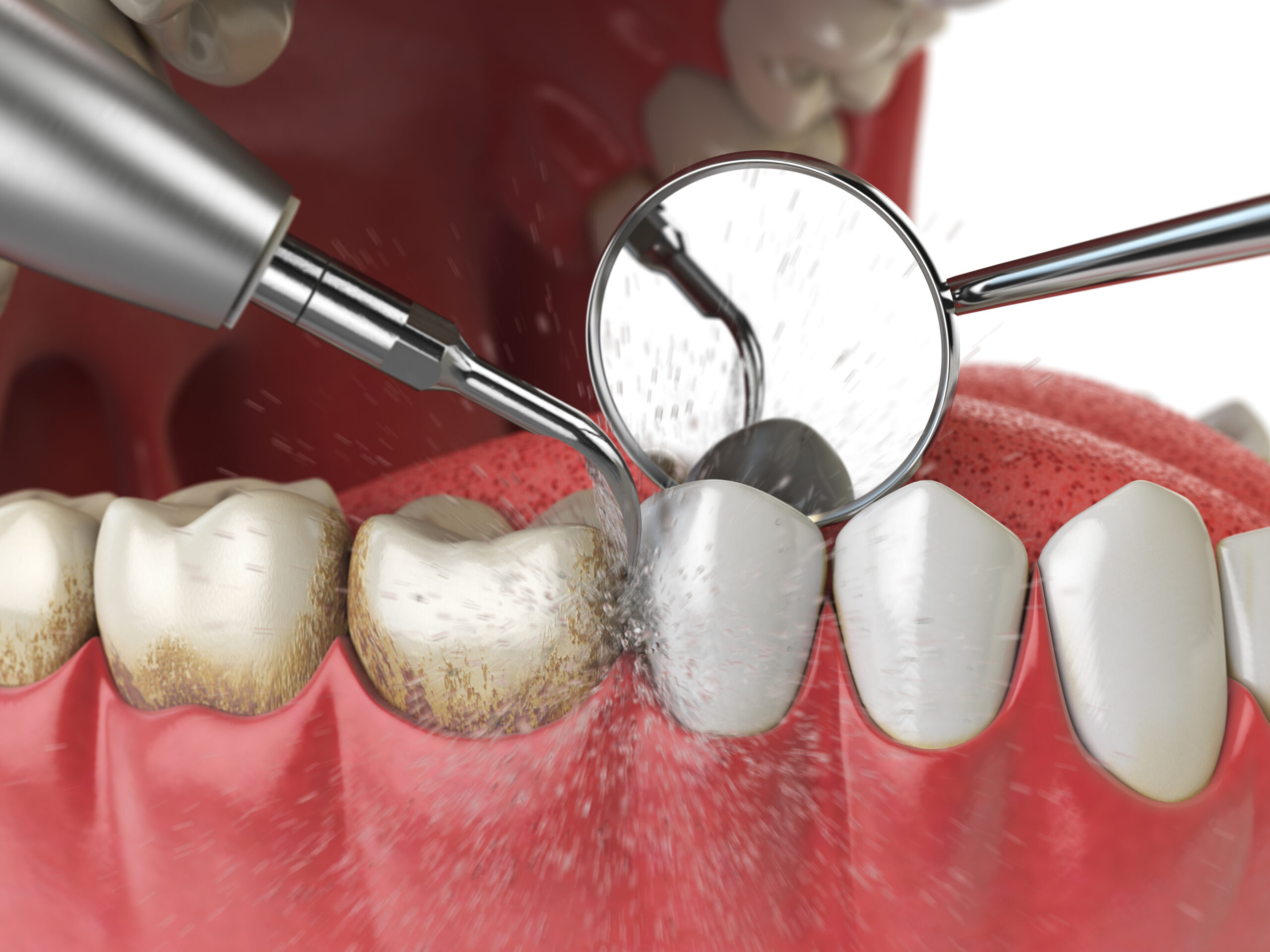
Dental calculus, also known as tartar, is a hardened form of dental plaque that builds up on the surface of teeth when plaque is not effectively removed. This calculus in the teeth forms when minerals in saliva interact with plaque, leading to calculus formation on the tooth surface. Over time, this buildup can compromise dental health and requires removal by a dental professional.
Formation of Dental Calculus
Dental calculus forms when dental plaque is not removed and gradually hardens into tartar due to the minerals present in saliva. This process creates calculus deposits on the surface of teeth, especially in areas difficult to clean with brushing and flossing, such as behind the lower front teeth. Over time, this hardened plaque can lead to calculus buildup both above (supragingival) and below (subgingival) the gum line.
Main Causes of Dental Calculus Formation
Dental calculus may develop when plaque is left to harden on the teeth and is not effectively removed through daily oral care and routine dental cleanings. Below are the main factors that increase the risk of dental calculus formation:
- Lack of proper oral hygiene.
- Diet rich in sugars and starches.
- Tobacco smoking.
- Genetic predispositions.
- Insufficient saliva.
- Lack of regular dental visits.
By understanding the causes of dental calculus, patients can improve their oral hygiene habits, attend regular dental visits, and seek timely professional dental care to remove dental calculus and reduce the risk of gum disease.

Consequences of Dental Calculus
Dental calculus, if not removed in time, can cause serious oral health issues. Here’s why removal of dental calculus is crucial:
- Gum inflammation – plaque and tartar buildup cause gingivitis.
- Periodontitis – subgingival calculus damages bone and soft tissues.
- Tooth decay – bacteria thrive beneath calculus of the teeth.
- Tooth loss – advanced dental calculus deposits weaken support structures.
- Bad breath – plaque and tartar trap odor-causing particles.
- Stains – visible calculus on the teeth affects appearance.
- Systemic risks – potential links to heart disease and diabetes.
Professional dental cleaning by a calculus dentist is essential to remove calculus and protect teeth and gums.
Calculus Detection System
As plaque hardens and forms on the teeth, it becomes increasingly difficult to remove. Modern technologies help detect supragingival and subgingival calculus more accurately before it causes severe damage.
Main Detection Methods:
- Periscopy – a tiny dental endoscope is used to visualize subgingival calculus below the gumline.
- Auto-fluorescence based technology – identifies mineralized plaque by detecting fluorescent properties of calculus of teeth.
- Optical Spectrometry – measures how light interacts with plaque on the teeth to distinguish it from calculus tartar.
These methods allow a dental professional to detect signs of calculus early, improving calculus removal outcomes and supporting oral hygiene and regular dental care.
Methods of Removing Tartar in Dynasty Stomatology
To effectively remove tartar and maintain oral health, Dynasty Stomatology uses advanced professional methods. These procedures are aimed at eliminating both supragingival calculus and plaque buildup before they harden into calculus and lead to complications.
Main Methods:
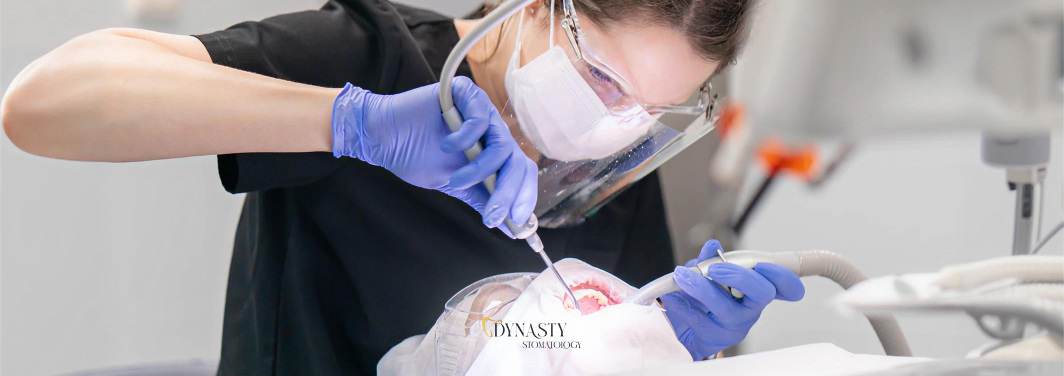
- Scaling. Mechanical removal of calculus deposits and plaque on the teeth using specialized dental instruments.
- Polishing. Smooths the tooth surface after scaling, helping reduce plaque accumulation and prevent calculus formation.
- Fluoride Treatment. Strengthens enamel, making it more resistant to plaque buildup and helping to reduce the risk of dental tartar reformation.
We select the appropriate method for each patient individually, based on the type of dental calculus, the rate of calculus formation, and overall oral condition. After treatment, we provide personalized care recommendations to help prevent tartar and maintain hygiene between routine dental visits.
Methods of Preventing Tartar
Excellent oral hygiene is the foundation for preventing tartar and maintaining healthy teeth and gums. Consistent care helps remove plaque before it hardens and turns into calculus.
- Every day floss and brush your teeth for at least 2 minutes.
- Choose a brush with thin and closer bristles.
- Prefer toothpaste with fluoride.
Eating a healthy diet also plays a key role in tartar prevention by supporting overall dental health and reducing plaque buildup.
- Limit sugary and starchy snacks (candies, chips, etc.).
- Maintain adequate intake of Vitamins C and D.
- Include omega-3 fatty acids in your diet.
- Avoid late-night snacking.
When tartar dental calculus has formed, Scaling and Root Planing is a key prevention and removal method performed by a dentist or dental hygienist.
- Removes calculus deposits below the gumline where plaque is a sticky film
- Smooths the surface of calculus tooth roots to prevent tartar and calculus from hardening and becoming calculus again
- Helps reduce the risk of calculus often leading to gum disease
- Supports overall dental health through regular dental cleaning and hygiene
- Only a dental professional can safely remove calculus; it cannot be removed effectively at home
- Recommended by the American Dental Association as part of prevention and treatment of dental calculus
Dental Calculus – Conclusion
Dental calculus in dental care is a common issue that requires attention because tartar can lead to serious oral health problems. Known as dental calculus, it forms when plaque hardens, including subgingival calculus forms beneath the gumline. Rapid calculus formation increases risks, and since calculus can only be removed safely by a dental professional, it’s essential to maintain good hygiene and regular dental visits. For effective prevention and treatment, consult a dental professional rather than trying to remove calculus at home.
Frequently Asked Questions about tartar
-
What is the difference between plaque and calculus?
Plaque is a sticky film of bacteria on teeth, while calculus, also called dental calculus, is hardened plaque that can only be removed by a dental professional.
-
How often should I visit the dentist to prevent plaque build-up?
Regular dental visits every six months help prevent plaque build-up and the formation of dental calculus.
-
Who is at major risk for calculus?
People with poor oral hygiene, smokers, and those prone to dry mouth are at higher risk for dental calculus.
-
How does this affect gum and teeth?
Tartar provides a rough surface that promotes bacterial growth, which can lead to gum disease and tooth decay.
-
How can we control calculus build-up?
Consistent brushing, flossing, using tartar control toothpaste, and regular dental cleanings help control calculus build-up.
-
How to remove tartar without a dentist?
Dental calculus can only be safely removed by a dental professional; home removal is not recommended.
-
Can a Waterpik remove tartar?
Waterpiks help remove plaque but cannot remove hardened tartar (dental calculus).
-
Can tooth tartar break off?
Tartar is firmly attached to teeth and does not break off easily without professional removal.
-
Is tartar removal painful?
Tartar removal is usually painless, though some may experience mild sensitivity during professional cleaning.
-
What is tartar made of?
Tartar is mineralized dental plaque, primarily composed of bacteria, saliva minerals, and food debris.


Do you want to treat your teeth while you sleep?
Schedule an appointment!
By clicking the button, you give your agreet your personal data in accordance with privacy policy.
Services related to this topic
All services-
Oral sanitation before medical procedures
Before important medical interventions – surgery, childbirth or the start of chemotherapy – it is especially important to clean up the oral cavity. The presence of hidden pockets of infection, inflamed gums or neglected caries can provoke complications, slow down the body’s recovery and even affect the outcome of the main treatment.
To the service -
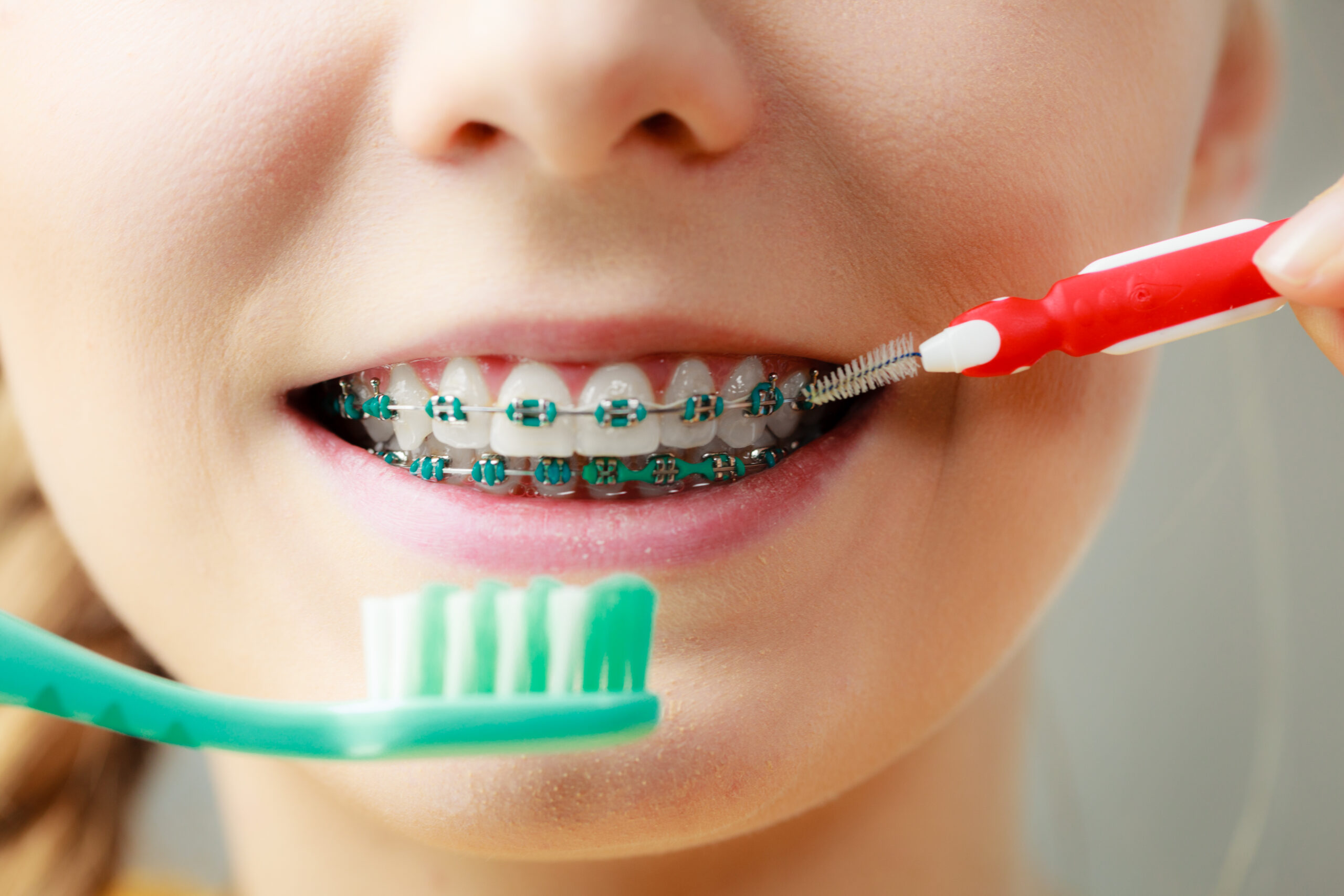
Professional hygiene for braces
Orthodontic treatment helps you to align your teeth and correct bite problems. During this period, it is vital for you to take care of your oral hygiene with proper brushing and flossing. Maintaining good dental health becomes challenging when you wear braces and other appliances as food particles often get stuck leading to plaque and […]
To the service -
Preventive Dental CheckUps
Preventive dental check-ups are a vital part of maintaining strong teeth and good oral health. Regular visits to the dentist allow early detection of potential problems, helping prevent dental diseases such as tooth decay, gum disease (gingivitis, periodontitis), and other oral health issues. Early diagnosis through regular dental examinations reduces the risk of complications and […]
To the service -
Fluoridation and Remotherapy (Remineralization) of Teeth
Fluoridation and remotherapy (remineralization) are preventive dental procedures aimed at strengthening tooth enamel, reducing sensitivity, and protecting against caries. Fluoridation involves applying special agents containing active fluoride, which reinforces the enamel structure. Remotherapy restores the mineral composition using calcium, phosphorus, and other essential elements.
To the service -
Air Flow Teeth Cleaning
Professional Air Flow teeth cleaning is a modern and effective procedure designed to remove plaque, tartar, and pigmentation using an air flow, water, and special powder. Airflow compared to traditional teeth cleaning methods is painless and gentle. It doesn’t damage the tooth enamel, while still achieving excellent hygiene results and even whitening by several shades.
To the service -
Removal of tartar
Tartar is the yellow or brown hard substance that forms on the top of your gums or at the back of your teeth. It is formed when you do not remove the soft plaque from your teeth properly.
To the service -
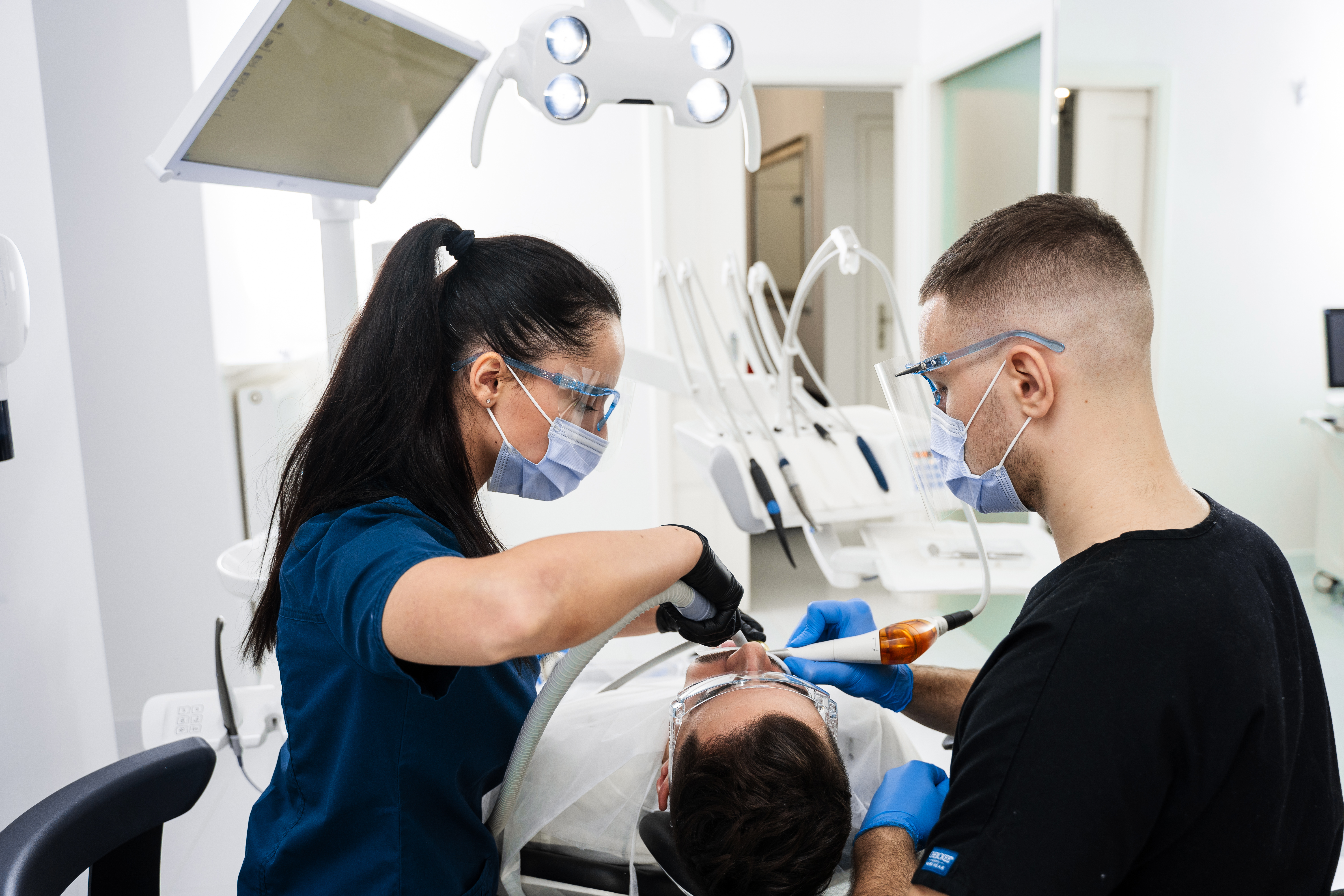
Professional oral hygiene
Professional oral hygiene is indispensable for overall physical and mental health. It means visiting a dentist every 3 -6 months to arrest calculus and dental plaque build-up, gum infections, tooth decay, and other enamel-related issues. With regular visits to the dentist, small problems can be nipped in the bud and prevent them into escalating into […]
To the service



Read also
View all blog-
20.03.2026
15
8 min. read
What You Need to Know About Professional Teeth Whitening
A white smile makes a face look fresher and more well-groomed. However, over time, the shade of teeth changes. Diet,…
Read more -
19.03.2026
25
8 min. read
Professional hygiene in a dental office — The complete guide
Most people believe they take proper care of their teeth. They brush their teeth morning and night, floss, and buy…
Read more -
09.03.2026
14
9 min. read
Restorative Dentistry Guide — Everything You Need to Know
Sometimes a tooth decays almost unnoticed. There's no sharp pain or warning signs. A small spot, mild sensitivity to cold,…
Read more -
04.03.2026
21
5 min. read
How to avoid surgery in the future — a case study of early orthodontic treatment at age 6
A mother brought her 6-year-old son to the Dynasty Stomatology clinic. She was confused: her son had already been examined…
Read more -
26.02.2026
23
11 min. read
What is Dental Implant Procedure — A Complete Guide
Losing a tooth isn't always just about aesthetics. It's about self-confidence, the ability to smile without tension, the ability to…
Read more -
24.02.2026
41
9 min. read
Understanding Oral Surgery — What You Need to Know
Until recently, a visit to the dentist was associated with significant discomfort. Uncomfortable impressions, long waits, and the need for…
Read more -
19.02.2026
25
5 min. read
Online consultation with a dentist — how it works, how much it costs, and when it is really needed
There are many reasons why people put off visiting the dentist. Especially when they live in countries where it is…
Read more