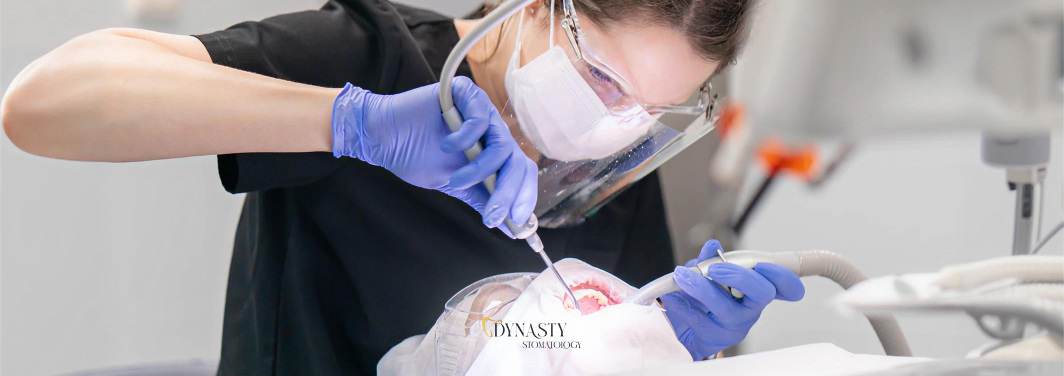

Understanding Oral Surgery — What You Need to Know


24.02.2026
42
9 min. read
Why Patients Trust Dynasty Stomatology
The trust in Dynasty Stomatology is built on a combination of many years of experience and an individual approach to every patient. We understand that a visit to the dentist is often accompanied by anxiety, so we place special emphasis on creating a comfortable and calm atmosphere where every patient feels safe.
The clinic is equipped with modern technology and uses advanced treatment methods, ensuring that procedures are carried out with maximum precision, efficiency, and comfort. All materials undergo strict quality control, and our doctors regularly improve their qualifications to offer only the most up-to-date and proven techniques.
In addition, Dynasty Stomatology values long-term relationships with patients. Our goal is not only to solve the problem at hand but also to maintain the health of teeth and gums for years to come. Openness, honesty, and transparency are the key principles that have earned the clinic its reputation as a reliable dental partner.
Facts about Dynasty Stomatology:
✅ Over 10 years of successful work in dentistry.
✅ Hundreds of positive reviews from patients in [Страна в соответствии с регионом] and abroad.
✅ We use premium materials from leading global brands.
✅ We offer treatment under sedation and general anesthesia.
✅ A full range of services — from pediatric dentistry to complex surgical operations.
Dynasty Stomatology — trust, expertise, reliability, and care for the beauty of your smile.
Learn about usMedical Expertise
Dynasty Stomatology’s doctors conduct medical reviews of all materials on the website to ensure their accuracy and practical value. Our authors and editors are experienced specialists in the fields of therapeutic, surgical, orthopedic, and pediatric dentistry. This approach allows us to maintain high professional standards and provide our readers with only verified, up-to-date, and useful information.
The words “dental surgery” still evoke anxiety in many people. They immediately conjure up images of instruments, pain, and a long recovery period. But modern dental surgery has long ceased to be something frightening and painful.
Today, dental surgery is primarily about restoring teeth, gums, and jawbones. This allows people to chew comfortably again, smile confidently, and avoid worrying about dental problems in their daily lives. Implants, gum surgery, bite correction, and extractions of complex teeth have all become part of routine medical practice, not a last resort.
In this article, we’ll explain dental surgery step by step and without complex terms: when it’s truly necessary, the different types of procedures available, and the preparation and recovery process. And most importantly, why, in most cases, surgery today isn’t associated with risk, but is a solution that makes life easier and more comfortable.
If you’ve ever put off a doctor’s visit due to fear or confusion, this material will help you look at the topic from a different perspective and navigate it with more peace of mind and confidence.
What Is Dental Surgery
Dental surgery is any surgical procedure performed on the teeth, gums, jawbones, or surrounding tissues. It may involve soft tissue manipulation, bone correction, or implant placement. These procedures are performed by a trained oral surgeon in a clinical setting.
Surgery encompasses both simple and complex procedures. The goal is to restore chewing function, speech, comfort, and aesthetics. In many cases, surgery is necessary to maintain overall oral health.
Why Is Oral Surgery Performed?
A dentist or oral specialist may recommend surgery for several medical reasons. Dental issues often progress silently and requiresurgical intervention when conservative treatment is no longer effective.
Common reasons include:
- Extensive tooth decay that damages internal structures.
- Advanced periodontal disease.
- Fractured or structurally compromised teeth.
- Impacted teeth that cannot erupt normally.
- Jawbone deterioration requiring reconstruction.
- Oral tumors or suspicious growths.
- Functional disorders affecting the jaw joint.
Common Types of Oral Surgery
Dental surgery covers a wide range of procedures, from standard extractions to complex restorative techniques. These interventions address both acute issues and routine tasks related to restoring the function and appearance of teeth and jaws.
Tooth Extraction Procedures
A common tooth extraction is performed when saving a tooth is no longer possible and further treatment is futile. This may be due to severe decay, trauma, or inflammation. In more complex cases, surgical tooth removal is required, especially if the tooth root is damaged or located deep in the bone. This surgical extraction is performed with care to protect surrounding tissue and preserve the surgical site, which is essential for proper healing.
One of the most common reasons for extraction is severe tooth decay, in which decay affects the root of the tooth and makes restoration impossible. A tooth fracture may also require extraction if the fracture extends below the gum line and the tooth cannot be restored using other methods. In cases where a tooth cannot erupt on its own and causes pain, inflammation, or pressure on adjacent teeth, impacted teeth are removed. Furthermore, late-stage gum disease leads to the loss of supporting tissue, making it impossible to save even with comprehensive treatment.
This is one of the most common dental surgeries. Third molars often don’t have enough space to erupt normally, which can lead to discomfort and inflammation. Timely wisdom teeth extraction helps prevent pain, infection, and displacement of adjacent teeth. This wisdom teeth surgical procedure is typically performed by an oral and maxillofacial surgeon.
A dental implant is used to replace the root of a missing tooth. It is an artificial tooth root that provides reliable support for the crown. A successful outcome depends largely on the accuracy of implant placement and sufficient bone volume. If bone volume is insufficient, bone grafting or a sinus lift procedure may be performed before placing dental implants.
Jaw Surgery
Jaw surgery, also known as orthognathic surgery, is used to correct malpositioned jaws. This type of dental approach, corrective jaw surgery, improves bite, diction, and facial symmetry. The procedure is performed by a maxillofacial surgeon after a thorough examination and detailed surgical planning.
Gum Surgery
Gum surgery is used for various gum diseases. Soft tissue surgery may be included as part of the treatment to eliminate recession, reduce inflammation, and protect teeth from further damage.
Root Canal Surgery
If deep inflammation of the internal tissues of the tooth occurs, surgical treatment may be required to preserve the tooth. In these situations, strict adherence to infection control dentistry protocols is especially important to prevent the spread of infection and ensure a safe recovery.

When Do You Need Dental Surgery?
Surgery is required when dental or gum problems begin to impact quality of life and do not respond to conservative treatment. Below are the main signs:
- Persistent pain that interferes with eating and sleeping, which may require pain management after surgery.
- Bleeding and inflammation of the gums.
- Difficulty chewing or discomfort when opening the mouth.
- Missing teeth that affect aesthetics and functionality.
Early consultation with a specialist and timely diagnosis help select the optimal treatment and significantly reduce the risk of surgical complications.
Preparing for Dental Surgery — Guide to Oral Surgery
Preparation for surgery begins with a preoperative assessment. A competent approach helps reduce risks and make the procedure more comfortable for the patient. The following key stages are considered during the preparation process:
Consultation
During the consultation, a diagnosis is made, and a treatment plan is discussed. The doctor assesses the condition of the teeth and gums, explains the nature of the upcoming procedure, and the possible stages of recovery. This helps the patient better understand the process.
Medical History
A medical history is necessary to assess the patient’s overall health. The patient reports any chronic illnesses, medications they are taking, and any allergies they may have. This information is important for determining treatment and anesthesia strategies.
Pre-Surgery Instructions
Before surgery, the patient receives personalized recommendations. These help properly prepare the teeth and body, including advice on nutrition, medication, and oral care before the procedure.
Ask Questions
During the preparation stage, it’s important to ask your doctor all the questions you have. Discussing the details of the procedure, how you’ll feel during and after surgery, and the recovery timeline helps reduce anxiety and avoid misunderstandings.
Recovery After Oral and Maxillofacial Surgery
Recovery after dental surgery is a crucial part of treatment, directly impacting the outcome. Below, we’ve outlined the key steps to ensure a safe and comfortable recovery after surgery.
- Rest is very important during oral surgery recovery, regardless of the type of surgery. The body needs time to recover from the procedure, especially if it was a common type of oral surgery.
- Careful adherence to your doctor’s recommendations is the foundation of proper postoperative care. Instructions from your dentist or oral surgeon are tailored to the specifics of the dental procedure performed and help avoid complications.
- Careful oral hygiene helps protect the oral cavity and maintain oral balance during the recovery period. Proper hygiene after oral surgery helps maintain dental health and accelerates healing.
- It’s important to closely monitor your post-operative condition and the suture and wound healing process. Early detection of any problems allows the dental professional to promptly adjust treatment and maintain optimal oral health.
Discomfort after Oral Surgery
Minor discomfort after surgery is a normal part of the healing process. It may manifest as pain, swelling, or tenderness in the surgical area. Proper pain management after surgery, including prescribed medications and doctor recommendations, helps effectively manage discomfort and maintain comfort during the recovery period.
Risks and Complications of Maxillofacial Surgery
Pain & Soreness
Postoperative pain and sensitivity are common reactions to the oral surgery procedure. They typically subside as healing progresses and are controlled by prescribed treatment.
Infection
The risk of infection exists with any procedure, especially if aftercare recommendations are not followed. Maintaining good oral hygiene and a proper approach to dental care helps reduce the risk of complications.
Bleeding
Minor bleeding is possible in the first hours after surgery. As part of common oral surgery, the doctor will provide recommendations to help manage this.
Swelling
Swelling is a natural tissue reaction following surgery. It occurs more frequently with more complex procedures, including maxillofacial surgery, and usually subsides within a few days.
Nerve damage
In rare cases, temporary or permanent sensitivity loss may occur. Such risks are assessed in advance, especially during common procedures performed by an experienced dental surgeon.
Nausea
Nausea may occur as a reaction to dental anesthesia or conscious sedation and is usually short-lived.
Further corrective procedures
Sometimes additional intervention may be required to achieve optimal results. This is possible in complex cases, as surgery encompasses a wide range of situations and individual patient characteristics.
Oral Surgery — Benefits of Surgery Services for Oral Health
Oral surgery is an important part of modern dentistry, helping restore comfort, health, and self-confidence. It plays a key role in maintaining oral health and quality of life.
This comprehensive guide demonstrates how modern dental treatments and an experienced surgical team can solve current dental problems. A competent approach ensures long-lasting results. At Dynasty Stomatology, we use advanced techniques and a personalized approach to each patient to ensure procedures are as safe, comfortable, and effective as possible.
Timely consultation with professionals and careful attention to your health not only preserve the function and aesthetics of your teeth but also significantly improve your overall quality of life.

FAQs About Common Types of Dental Surgery
-
What are typical reasons for an oral and maxillofacial surgeon?
Dental surgery may be necessary to treat severe tooth decay, gum disease, bite problems, or to prepare for the placement of dental implants. In some cases, a biopsy oral lesion is performed to rule out oral pathology. Different types of oral procedures address different issues, but the primary goal is to preserve the health and function of teeth.
-
Will oral surgery hurt?
Modern techniques, including local anesthesia dentistry, make the procedure as comfortable as possible. Some mild discomfort after the procedure is normal, but it can be controlled with anesthesia and oral hygiene.
-
How long does it hurt after dental surgery?
Pain usually subsides within a few days. Following your dentist's recommendations helps minimize discomfort and speed up recovery. Surgery can help not only resolve the problem but also reduce further pain.
-
What do I do about inflammation after tooth extraction?
It's important to maintain oral hygiene and follow care recommendations. In some cases, cold compresses and mild pain relievers are prescribed. This care promotes improved oral health and prevents complications.
-
How does dental surgery work?
Each procedure is unique. The procedure involves planning, diagnosis, and then safe and precise intervention. This complete guide to oral surgery will help you understand the steps and what to expect at each stage.
-
How long will the procedure take?
The time depends on the complexity. Simple procedures take less than an hour, while more complex ones, such as dental implant surgery or alveolar ridge preservation, can take longer.
-
How long will I need to recover?
Recovery varies depending on the procedure. After routine extractions, it can take a few days; after complex surgeries or periodontal surgeries, it can take up to several weeks. Following these recommendations significantly speeds healing.
-
What are my options for anesthesia?
You can choose local anesthesia dentistry, sedation, or general anesthesia, depending on the complexity of the procedure and the patient's condition. Your dentist will explain what is safe and comfortable for you.
-
What are my risks for surgery?
Risks are minimal with proper preparation and following instructions. In rare cases, bleeding, infection, or delayed healing may occur, so it's important to trust experienced dental specialists.
-
How long will I need to stay in the hospital after surgery?
Most dental procedures are performed on an outpatient basis. Only complex oral and maxillofacial surgeries may require a short-term hospital stay.
-
What are some good foods to eat after oral surgery?
It's best to choose soft foods, such as yogurt, purees, soups, and porridge. Avoid hard, spicy, or very hot foods to avoid irritating the wound and speed healing.
-
What are some important aspects of oral surgery recovery?
Maintaining oral hygiene, following a rest regimen, and following your dentist's recommendations are crucial. A dental crown or implant, after restoration, will help restore function and aesthetics. Using the recommendations in the comprehensive guide to oral procedures and consultations with dental school graduates ensures a safe and effective outcome.
The benefits of oral surgery include pain relief, restoration of dental function, improved bite, and long-term protection of oral health. By following the instructions, you can experience the entire procedure as comfortably as possible and maintain a healthy smile for years to come.
Explore the Benefits of Oral Surgery with an Experienced Oral Surgeon
Looking to solve problems with your teeth, gums, or bite safely and effectively? At Dynasty Stomatology, our specialists offer a wide range of surgical services, including various types of dental procedures.
Schedule a consultation with our oral surgeon to discuss your needs and determine the optimal treatment plan. We will help you restore your oral health, improve the aesthetics of your smile, and restore comfort in your daily life.


Do you want to treat your teeth while you sleep?
Schedule an appointment!
By clicking the button, you give your agreet your personal data in accordance with privacy policy.
Services related to this topic
All services-
Orthognathic surgery in Krakow – surgical correction of malocclusion
Orthognathic surgery helps to solve problems with the bite that cannot be treated with braces or aligners. If you have difficulty chewing, speech disorders or are unhappy with the shape of your face, surgical correction may be the best solution.
To the service -
Maxillofacial surgery in Poland
Maxillofacial surgery covers a wide range of interventions, from trauma treatment to complex reconstructive and resection surgeries. All these services are available at the Dynasty Stomatology clinic in Poland. Assistance is provided by experienced surgeons who will ensure a professional approach at every stage of treatment. We use modern technologies and comply with all international […]
To the service -
Frenulum of the tongue or lip in children and adults
A frenulum of the tongue or lip that is too short or incorrectly attached can cause serious difficulties: speech impairment, feeding problems in infants, discomfort with chewing and hygiene, and in adults, effects on the bite and the aesthetics of the smile. These limitations can seriously affect quality of life, especially if not addressed in […]
To the service -
Removal of a dental cyst
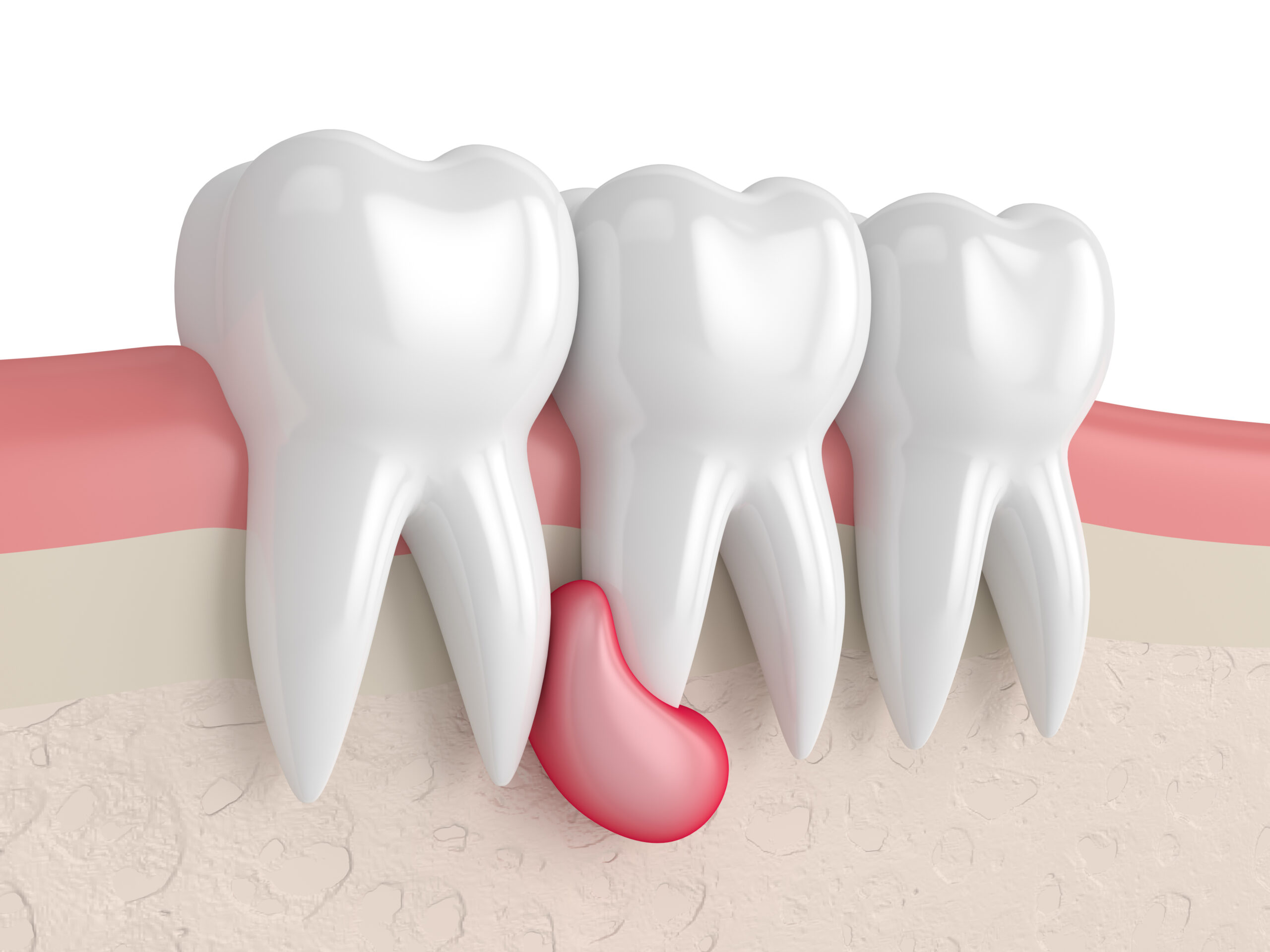
A tooth cyst is a fairly common dental problem that often develops without symptoms and remains unnoticed for a long time. It is characterized by a pathological formation, most frequently occurring near the apex of the tooth root due to inflammation, trauma, or infection. If the cyst is not removed in time, it may grow, […]
To the service -
Tooth extraction
Tooth extraction is a necessary dental procedure often required when a tooth cannot be preserved. Extraction may be needed due to severe tooth damage, untreatable decay, chronic inflammation, trauma, advanced mobility, or as preparation for orthodontic treatment, prosthetics, or dental implants. Timely removal of a tooth can help prevent complications and support overall dental care.
To the service -
Removal of a Retained Wisdom Tooth
A retained wisdom tooth (also called an “impacted tooth”) is one that remains partially or fully trapped in the gum or jawbone and cannot erupt completely. This condition often leads to inflammation, pain, swelling, damage to adjacent teeth, cyst formation, and other complications. Without timely removal, the problem may worsen and affect your bite, chewing […]
To the service -
Sinus-lift
Sinus lift in dentistry is a surgical procedure aimed at restoring bone volume in the upper jaw. It becomes necessary when the bone has thinned or decreased in volume after tooth extraction, especially in the posterior regions. This sinus lift surgery makes it possible to place dental implants even in cases of significant bone atrophy. […]
To the service -
Bone grafting
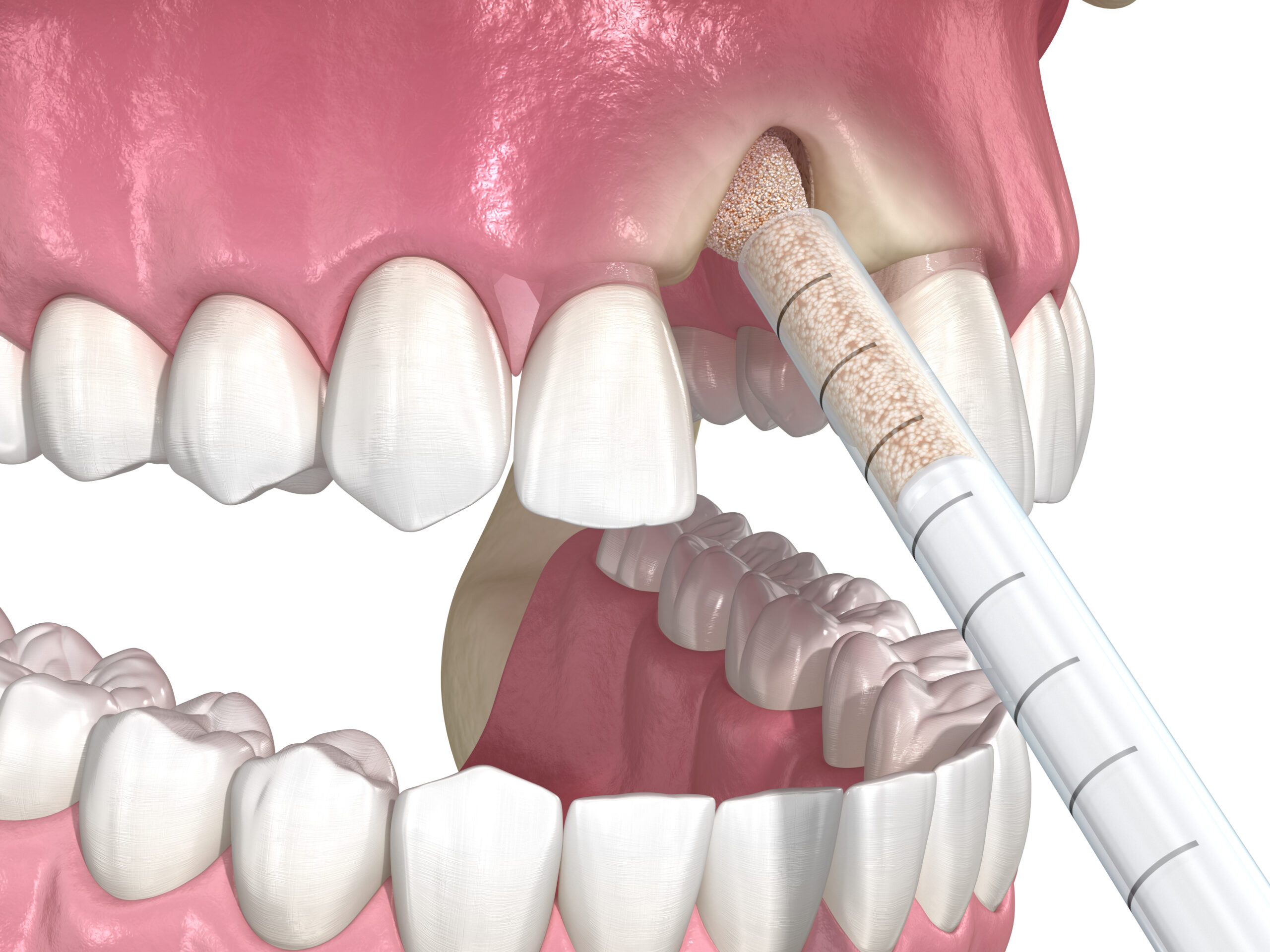
Bone grafting in dentistry is a surgical procedure aimed at restoring the volume of the jaw bone required for dental implantation or correcting defects caused by tooth loss. This technique helps create a solid foundation for a dental implant, enhances smile aesthetics, and prevents facial contour deformation. The use of modern equipment and advanced materials […]
To the service -
Autotransplantation teeth
Autotransplantation in dental practice is a treatment method where a patient’s own tooth is transplanted from one area of the jaw to another. This procedure serves as an alternative to dental implantation. It helps preserve living dental tissue, the periodontal ligament, and the natural function of the tooth. This method is especially valuable in cases […]
To the service






Read also
View all blog-
20.03.2026
15
8 min. read
What You Need to Know About Professional Teeth Whitening
A white smile makes a face look fresher and more well-groomed. However, over time, the shade of teeth changes. Diet,…
Read more -
19.03.2026
25
8 min. read
Professional hygiene in a dental office — The complete guide
Most people believe they take proper care of their teeth. They brush their teeth morning and night, floss, and buy…
Read more -
09.03.2026
14
9 min. read
Restorative Dentistry Guide — Everything You Need to Know
Sometimes a tooth decays almost unnoticed. There's no sharp pain or warning signs. A small spot, mild sensitivity to cold,…
Read more -
04.03.2026
21
5 min. read
How to avoid surgery in the future — a case study of early orthodontic treatment at age 6
A mother brought her 6-year-old son to the Dynasty Stomatology clinic. She was confused: her son had already been examined…
Read more -
26.02.2026
23
11 min. read
What is Dental Implant Procedure — A Complete Guide
Losing a tooth isn't always just about aesthetics. It's about self-confidence, the ability to smile without tension, the ability to…
Read more -
24.02.2026
42
9 min. read
Understanding Oral Surgery — What You Need to Know
Until recently, a visit to the dentist was associated with significant discomfort. Uncomfortable impressions, long waits, and the need for…
Read more -
19.02.2026
25
5 min. read
Online consultation with a dentist — how it works, how much it costs, and when it is really needed
There are many reasons why people put off visiting the dentist. Especially when they live in countries where it is…
Read more