
Underbite – main symptoms and treatment options

29.08.2025
234
6 min. read
Why Patients Trust Dynasty Stomatology
The trust in Dynasty Stomatology is built on a combination of many years of experience and an individual approach to every patient. We understand that a visit to the dentist is often accompanied by anxiety, so we place special emphasis on creating a comfortable and calm atmosphere where every patient feels safe.
The clinic is equipped with modern technology and uses advanced treatment methods, ensuring that procedures are carried out with maximum precision, efficiency, and comfort. All materials undergo strict quality control, and our doctors regularly improve their qualifications to offer only the most up-to-date and proven techniques.
In addition, Dynasty Stomatology values long-term relationships with patients. Our goal is not only to solve the problem at hand but also to maintain the health of teeth and gums for years to come. Openness, honesty, and transparency are the key principles that have earned the clinic its reputation as a reliable dental partner.
Facts about Dynasty Stomatology:
✅ Over 10 years of successful work in dentistry.
✅ Hundreds of positive reviews from patients in [Страна в соответствии с регионом] and abroad.
✅ We use premium materials from leading global brands.
✅ We offer treatment under sedation and general anesthesia.
✅ A full range of services — from pediatric dentistry to complex surgical operations.
Dynasty Stomatology — trust, expertise, reliability, and care for the beauty of your smile.
Learn about usMedical Expertise
Dynasty Stomatology’s doctors conduct medical reviews of all materials on the website to ensure their accuracy and practical value. Our authors and editors are experienced specialists in the fields of therapeutic, surgical, orthopedic, and pediatric dentistry. This approach allows us to maintain high professional standards and provide our readers with only verified, up-to-date, and useful information.
An underbite can affect more than just the appearance of your smile — it may also impact speech, chewing efficiency, and overall oral health. Many people are unaware of the functional challenges it can cause until symptoms become more pronounced. Early diagnosis and timely treatment can greatly improve both aesthetics and dental function, leading to a healthier, more confident smile.

What is an underbite?
An underbite is a type of bite misalignment where the lower teeth extend beyond the upper teeth when the mouth is closed. This occurs when the lower jaw is positioned forward in relation to the upper jaw, which can be influenced by both dental and skeletal factors. The causes of underbite can include genetics, childhood habits, or irregular jaw growth, and in severe cases, it may require a combination of orthodontic treatment and jaw surgery for effective correction.
Types of Underbites
Underbites can vary in severity, and understanding the differences helps determine the right treatment approach.
- Mild Underbite – lower teeth slightly overlap the upper front teeth; often easier to correct with orthodontic treatment.
- Moderate Underbite – more noticeable misalignment where teeth and jaw positioning require a tailored treatment plan.
- Severe Underbite – occurs when the lower teeth protrude far beyond the upper teeth, often needing jaw surgery in addition to braces for effective treatment.
Causes of underbite
Several factors contribute to the development of an under bite:
- vitamin D deficiency leading to weakening of bones during their growth;
- inappropriate position while sleeping or feeding;
- pathological cervical lordosis;
- long-term use of a pacifier;
- finger sucking;
- premature loss of primary lower incisors;
- hereditary bone development disorders;
- incorrect position of the tongue when the child’s mouth is constantly open.
How to recognize an underbite?
Symptoms of an underbite may vary depending on the patient’s age, and recognizing them early is key to starting effective underbite treatment.
- Underbite in children – Signs can include lower front teeth overlapping the upper teeth, difficulties in chewing, changes in speech, and a noticeable underbite profile. In some cases, underbite development may be linked to hereditary factors or habits like thumb sucking.
- Underbite in adults – Often presents as jaw discomfort, uneven tooth wear, and aesthetic concerns with the underbite profile. Untreated underbite can lead to functional problems, and surgery may be necessary in severe cases to correct an underbite and bring teeth into proper alignment.
What are the complications of an underbite?
An untreated underbite is a dental condition that can affect both function and health, often leading to long-term complications. Depending on the severity of the underbite, misaligned teeth and problems with the upper and lower jaw can trigger a range of issues that extend beyond appearance. Common complications include:
- Temporomandibular joint (TMJ) disorders.
- Dental problems.
- Sleep apnea.
- Increased risk of dental wear and tear due to misalignment.
- Difficulty in speech.

How is an underbite diagnosed?
To diagnose an underbite, an orthodontist uses several methods to assess the bite, jaw position, and overall dental health. These steps help determine the severity of your underbite and guide the choice of effective treatment options:
- Visual inspection of your bite and teeth positioning – allows the orthodontist to immediately recognize misalignment of the upper and lower teeth.
- X-rays or Dental Scans to evaluate the position and growth of the jaws and teeth – provides a detailed view of bone structure and helps identify causes of an underbite.
- Dental impressions to create models of your teeth for detailed analysis – enables precise planning for underbite correction and a customised treatment solution.
How can you prevent an underbite?
Taking preventive steps early in childhood can significantly reduce the risk of developing an underbite and the complications it may cause:
- Weaning your child from the bottle starting at age 1.
- Scheduling a dental visit by age 1.
- Discouraging thumb-sucking after age 3.
- Discouraging pacifier use after age 3.
Preventing an underbite is far easier than correcting the bite later and managing its potential complications.
Underbite Treatment Options
Treating an underbite involves selecting the most effective approach based on its severity, underlying causes, and the patient’s age. Modern dentistry and orthodontics offer a range of solutions designed to gradually shift teeth, correct jaw alignment, and restore a balanced bite for improved function and appearance.
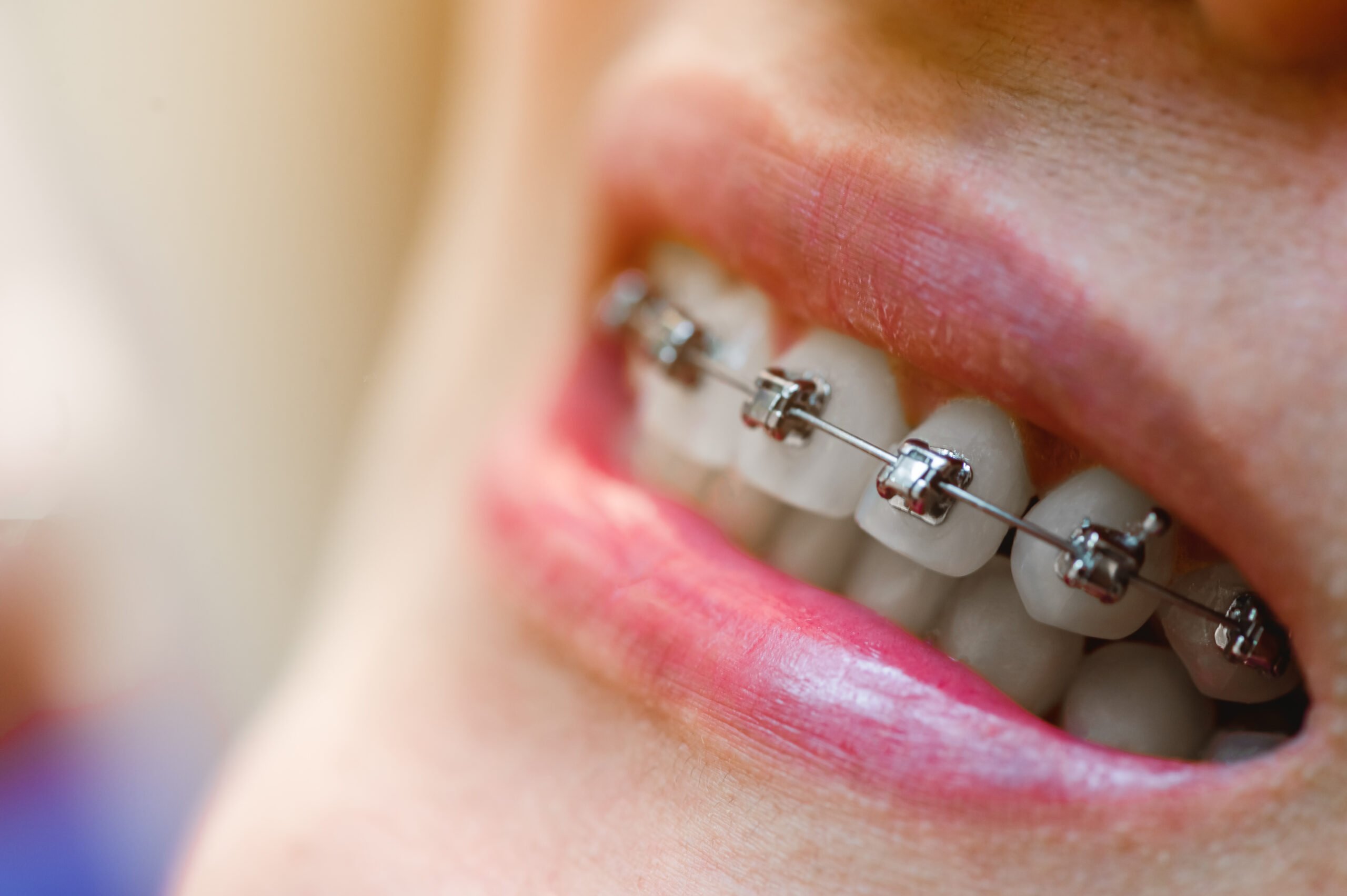
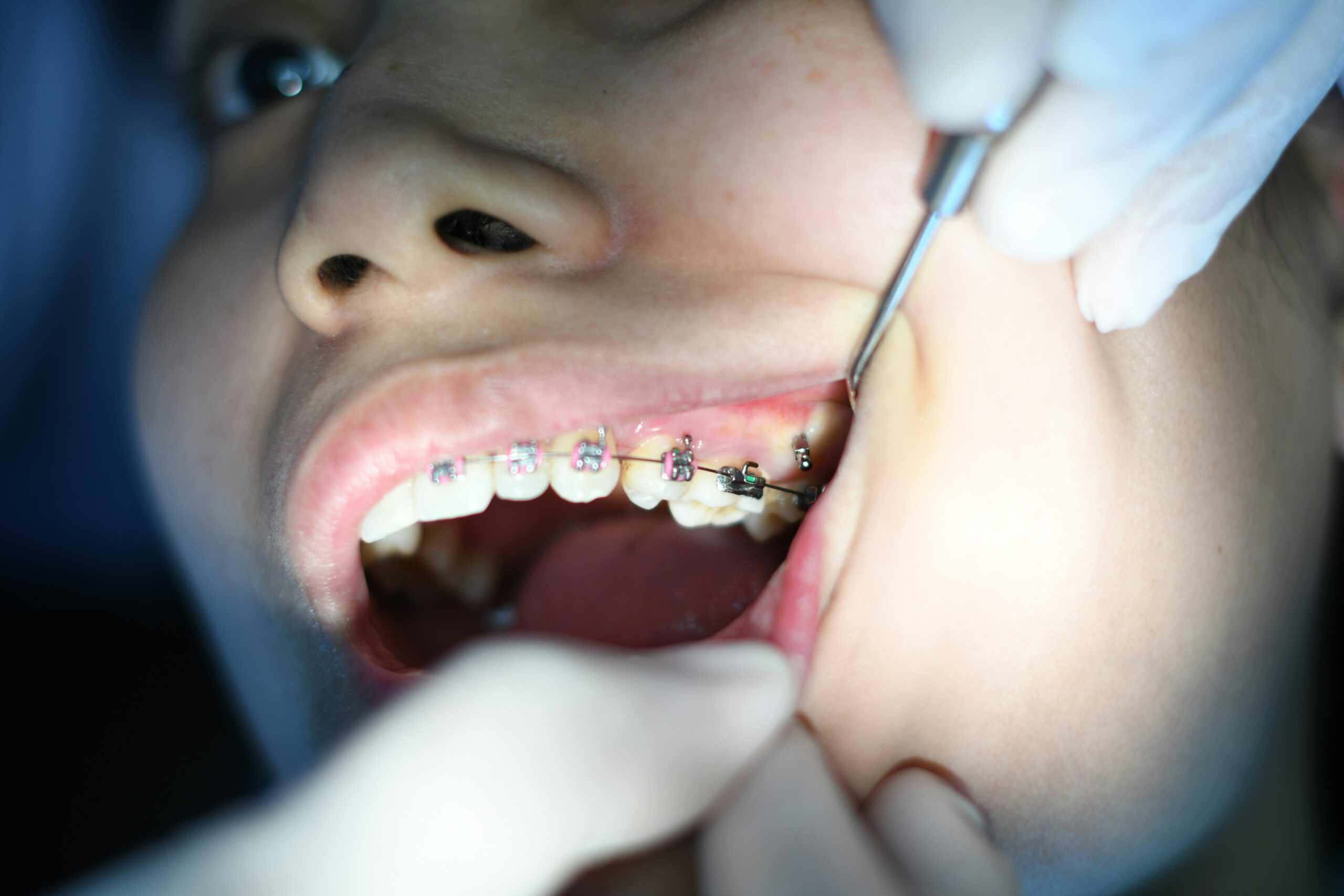
Braces
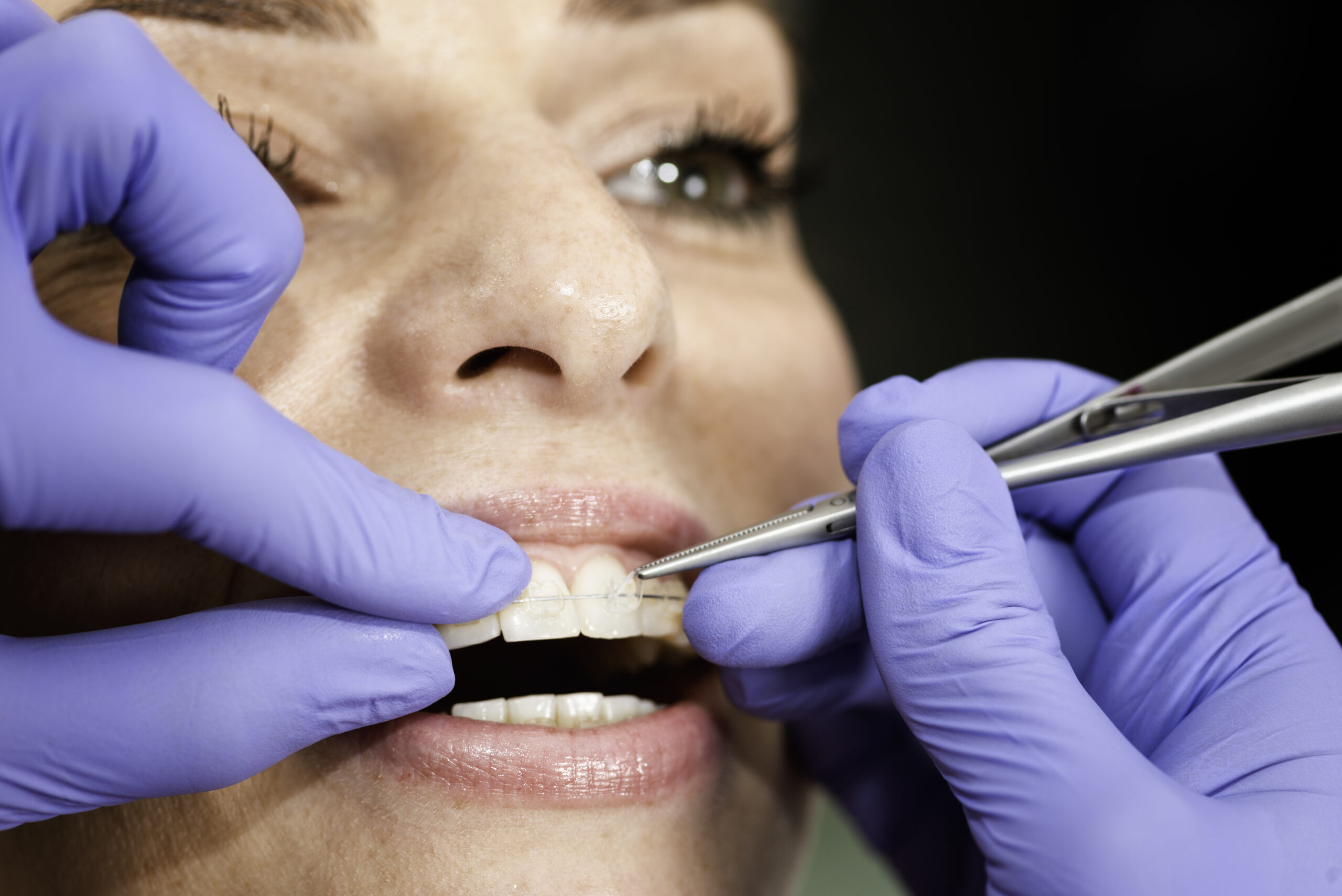
Braces are orthodontic devices designed to gradually shift teeth into proper alignment, making them one of the most effective methods to correct an underbite.
Pros:
- Proven and widely used.
- Can correct other issues (crowding, gaps) simultaneously.
Cons:
- May take 12-30 months.
- Regular adjustment appointments are required.
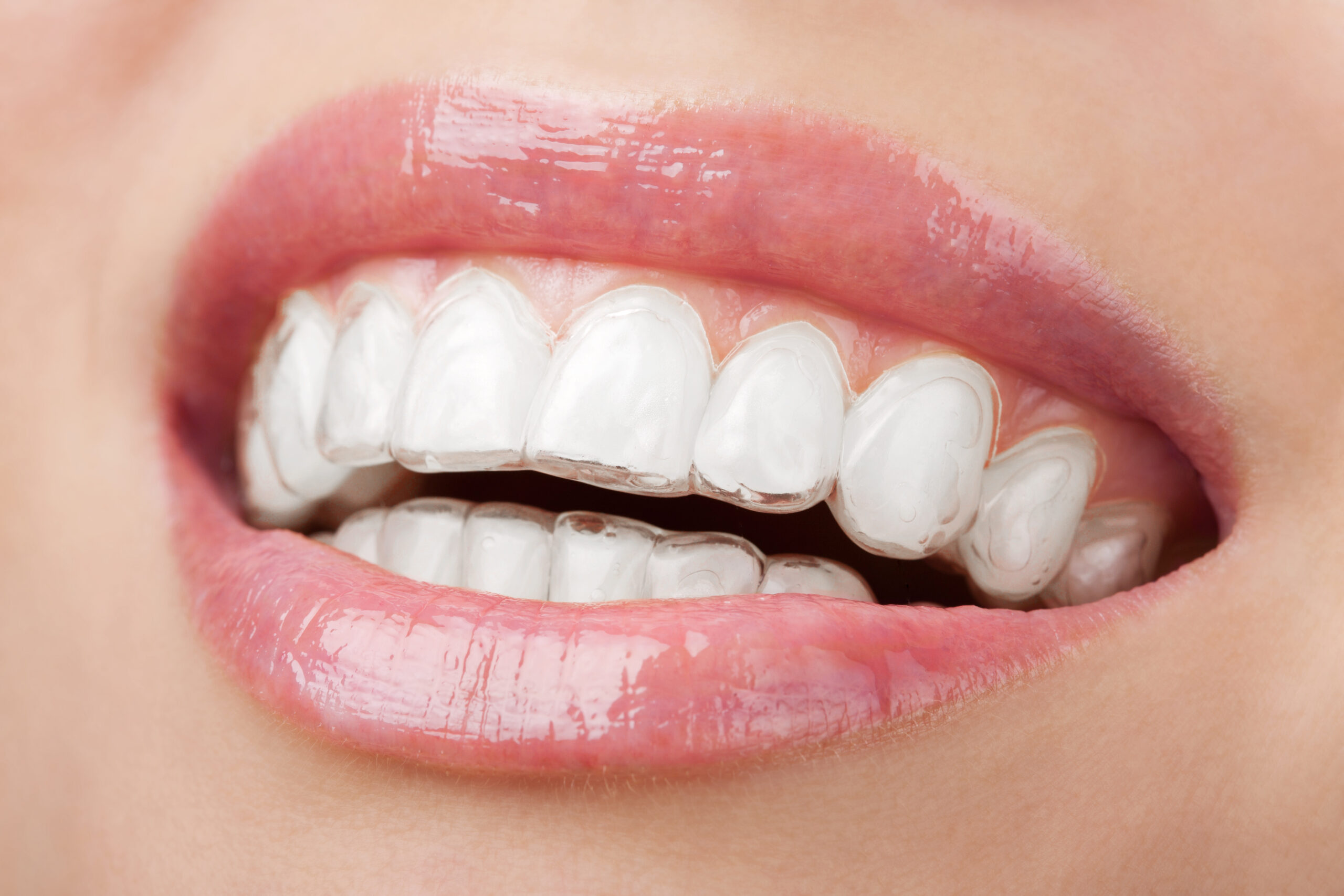
Clear Aligners
Clear aligners are transparent, removable orthodontic trays custom-made to gradually shift teeth into proper alignment and correct the underbite without the visibility of traditional braces.
Pros:
- Nearly invisible.
- Removable for eating and brushing.
- Comfortable and custom-fit.
Cons:
- Less effective for complex cases.
- Requires strict patient compliance.
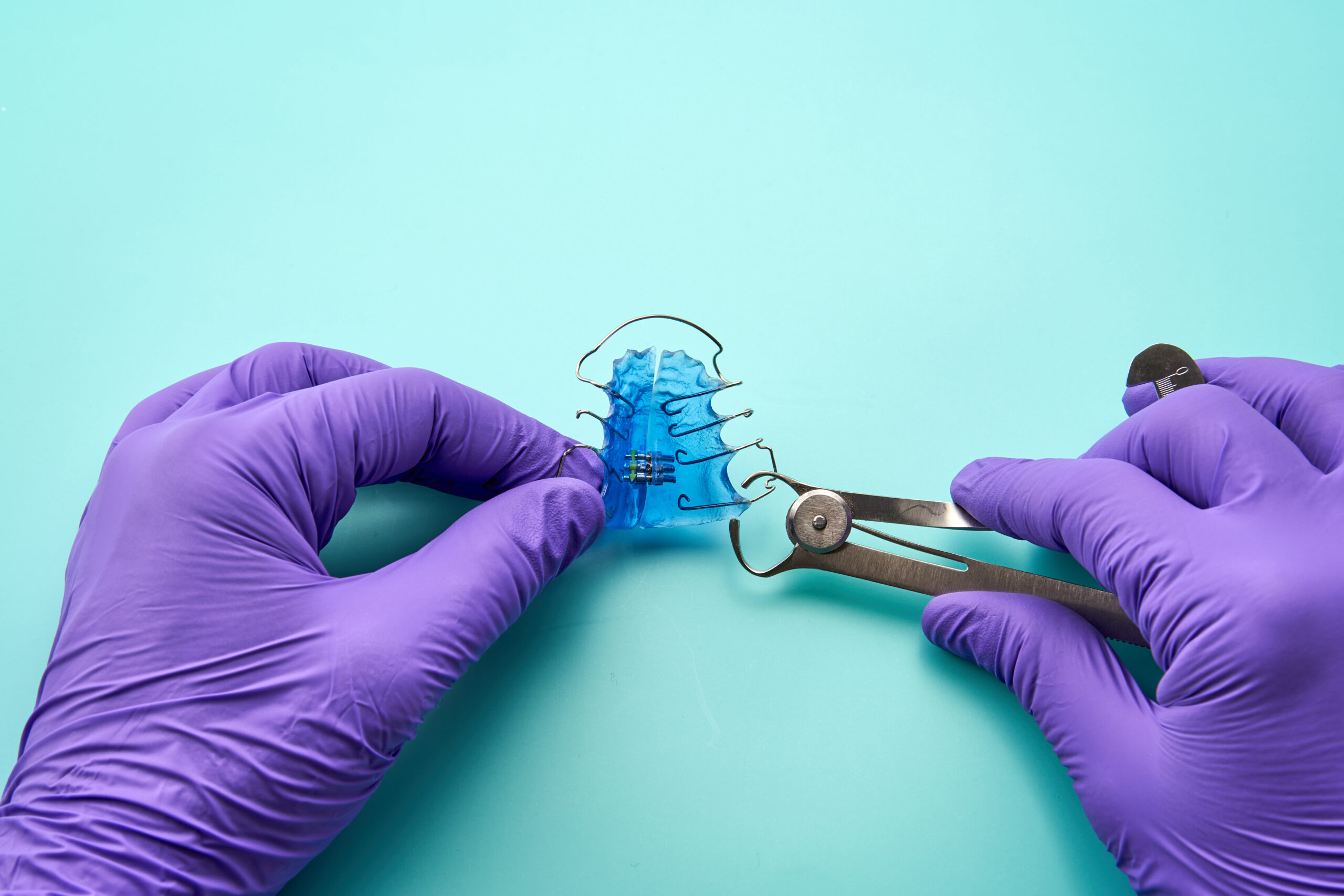
Palatal Expanders
Palatal expanders are orthodontic devices designed to widen the upper jaw, creating space for teeth to align correctly and help correct an underbite before permanent teeth are fully developed.
Pros:
- Non-surgical.
- Can prevent the need for future surgery.
Cons:
- Best used before puberty.
- May cause temporary discomfort or speech changes.
Orthognathic (Jaw) Surgery
Orthognathic (Jaw) Surgery is a treatment method used to fix an underbite in severe cases of underbite, especially when underbite occurs due to skeletal misalignment or underbite teeth are significantly displaced, and non-surgical approaches cannot correct the underbite.
Pros:
- Permanent correction of underbite.
- Can improve facial profile and sleep quality.
Cons:
- Invasive and requires recovery time.
- Usually recommended after skeletal maturity.
Reverse-Pull Headgear (Facemask Therapy)
Reverse-Pull Headgear (Facemask Therapy) is a non-surgical orthodontic treatment used to correct an underbite, especially when underbite starts in childhood and the lower teeth overlapping the upper indicate skeletal imbalance. It is most effective during early underbite development before skeletal maturity.
Pros:
- Non-surgical.
- Encourages balanced facial growth.
Cons:
- Must be worn consistently (12-14 hours daily).
- Can be bulky or uncomfortable.
Treatment options for underbite is highly individual and is selected based on the severity of the underbite, the patient’s age, and results from a thorough dental and orthodontic examination. After an underbite during a routine examination is assessed, the orthodontist diagnoses underbite type and considers whether mild underbite may be managed with braces or aligners, while severe underbite can lead to the need for jaw surgery.
It’s also important to understand what causes a underbite and the development of an underbite over time, as ignoring an underbite may result in complications. Treatment options depend on the underbite – whether underbite is severe or manageable – and addressing an underbite early often improves treatment outcomes and overall dental health.
Underbite – Conclusion
Early recognition of underbite – symptoms and understanding underbite causes is key to effective care, as untreated cases can result in an underbite or other long-term effects of underbite. Timely treatment for underbite, especially in underbite in childhood, increases the chances of success. With treatment options available, both severe underbite cases and those where it is possible to manageable the treatment can be addressed, helping patients correct your underbite and improve oral function.
FAQ
-
What’s the difference between an underbite and an overbite?
An underbite occurs when the lower teeth extend past the upper teeth, while an overbite is the opposite alignment, creating an overbite vs underbite scenario.
-
Is an underbite serious?
Yes, underbite is one condition that can affect chewing, speech, and jaw health if left untreated.
-
At what age should underbite treatment begin?
Underbite may start developing in childhood, and early intervention is recommended for the best treatment outcomes.
-
Can underbites correct themselves as a child grows?
Underbite can be treated, but spontaneous correction is uncommon; professional monitoring is usually needed.
-
How long does underbite treatment usually take?
Treatment may vary depending on severity, ranging from months to several years using braces, aligners, or other methods.
-
Is underbite treatment painful?
Discomfort is normal, especially after adjustments, but proper care ensures manageable treatment without excessive pain.
-
Can underbites cause speech issues?
Yes, symptoms of underbite can include difficulty pronouncing certain sounds due to misaligned teeth.
-
Do underbites get worse with age?
If ignored, causes of underbites can worsen over time, potentially requiring more complex interventions such as jaw surgery may be necessary.


Do you want to treat your teeth while you sleep?
Schedule an appointment!
By clicking the button, you give your agreet your personal data in accordance with privacy policy.
Services related to this topic
All services-
Orthodontic plates and appliances for children and adults
Bite disorders are a common dental problem in both children and adults. If uncorrected, occlusal disorders can lead to difficulties in hygiene, increased enamel abrasion, increased stress on the jaw joints and aesthetic discomfort. Orthodontic plates and appliances are effective and gentle in correcting this problem, especially in the early stages.
To the service -
Retainers
Retainers are dental appliances attached to the teeth custom-made to keep the position of your teeth in place after an orthodontic treatment. Once aligners or braces are removed, the teeth will tend to move into their original places. Orthodontists prescribe retainers to stop this move from occurring. They can be either fixed or removable in […]
To the service -
Self-ligating braces
Braces play a significant role in dental care for orthodontic treatment and smile aesthetics. One of the major developments in modern dentistry today is the emergence of the self-litigating orthodontic appliance.
To the service -
Aligners
Aligners are an innovative and nearly invisible alternative to traditional braces designed to straighten teeth and correct bite issues. They are clear, removable trays that fit comfortably over the teeth, do not interfere with speech, and cause no discomfort during wear. Orthodontic treatment with aligners is gradual and effective, requiring minimal disruption to your daily […]
To the service -
Metal braces
Metal braces are a classic orthodontic appliance designed to correct malocclusion and align the teeth. This brace system is suitable for both teenagers and adult patients, especially in cases of pronounced or complex bite irregularities. Orthodontic treatment with metal brackets not only improves the aesthetics of the smile, but also restores full chewing function.
To the service -
Ceramic braces
Ceramic braces are a modern and aesthetic way to correct malocclusion and straighten the tooth row. They are made from a durable ceramic material that matches the tooth colour, making them almost invisible against the enamel. An orthodontic ceramic brace system looks much more aesthetic and less noticeable compared to traditional metal braces. Additionally, ceramics […]
To the service -
Braces installation
Orthodontics primarily deals with the diagnosis, prevention and correction of teeth and jaws that are misaligned with each other. Oral hygiene and regular maintenance of fixed braces is mandatory for their optimal effectiveness
To the service -
Orthodontics (bite correction)
Malocclusions occur when the jaw or teeth are not aligned correctly. This affects your smile, makes it hard to chew, and causes discomfort. Bite correction is the process where braces or aligners are used in orthodontic treatments to correct the flaw. The treatment enhances overall function and boosts appearance. You should always wear a mouthguard […]
To the service



Read also
View all blog-
20.03.2026
15
8 min. read
What You Need to Know About Professional Teeth Whitening
A white smile makes a face look fresher and more well-groomed. However, over time, the shade of teeth changes. Diet,…
Read more -
19.03.2026
25
8 min. read
Professional hygiene in a dental office — The complete guide
Most people believe they take proper care of their teeth. They brush their teeth morning and night, floss, and buy…
Read more -
09.03.2026
14
9 min. read
Restorative Dentistry Guide — Everything You Need to Know
Sometimes a tooth decays almost unnoticed. There's no sharp pain or warning signs. A small spot, mild sensitivity to cold,…
Read more -
04.03.2026
21
5 min. read
How to avoid surgery in the future — a case study of early orthodontic treatment at age 6
A mother brought her 6-year-old son to the Dynasty Stomatology clinic. She was confused: her son had already been examined…
Read more -
26.02.2026
23
11 min. read
What is Dental Implant Procedure — A Complete Guide
Losing a tooth isn't always just about aesthetics. It's about self-confidence, the ability to smile without tension, the ability to…
Read more -
24.02.2026
42
9 min. read
Understanding Oral Surgery — What You Need to Know
Until recently, a visit to the dentist was associated with significant discomfort. Uncomfortable impressions, long waits, and the need for…
Read more -
19.02.2026
26
5 min. read
Online consultation with a dentist — how it works, how much it costs, and when it is really needed
There are many reasons why people put off visiting the dentist. Especially when they live in countries where it is…
Read more