
Tooth root resection – when should the apicoectomy be performed?


19.12.2025
121
8 min. read
Why Patients Trust Dynasty Stomatology
The trust in Dynasty Stomatology is built on a combination of many years of experience and an individual approach to every patient. We understand that a visit to the dentist is often accompanied by anxiety, so we place special emphasis on creating a comfortable and calm atmosphere where every patient feels safe.
The clinic is equipped with modern technology and uses advanced treatment methods, ensuring that procedures are carried out with maximum precision, efficiency, and comfort. All materials undergo strict quality control, and our doctors regularly improve their qualifications to offer only the most up-to-date and proven techniques.
In addition, Dynasty Stomatology values long-term relationships with patients. Our goal is not only to solve the problem at hand but also to maintain the health of teeth and gums for years to come. Openness, honesty, and transparency are the key principles that have earned the clinic its reputation as a reliable dental partner.
Facts about Dynasty Stomatology:
✅ Over 10 years of successful work in dentistry.
✅ Hundreds of positive reviews from patients in [Страна в соответствии с регионом] and abroad.
✅ We use premium materials from leading global brands.
✅ We offer treatment under sedation and general anesthesia.
✅ A full range of services — from pediatric dentistry to complex surgical operations.
Dynasty Stomatology — trust, expertise, reliability, and care for the beauty of your smile.
Learn about usMedical Expertise
Dynasty Stomatology’s doctors conduct medical reviews of all materials on the website to ensure their accuracy and practical value. Our authors and editors are experienced specialists in the fields of therapeutic, surgical, orthopedic, and pediatric dentistry. This approach allows us to maintain high professional standards and provide our readers with only verified, up-to-date, and useful information.
Sometimes dental problems develop unnoticed. Everything appears normal on the outside, but inflammation can gradually develop inside, right at the root. Pain may be intermittent or absent altogether. Only a dentist can detect the problem from an X-ray.
In such cases, standard root canal treatment isn’t always effective. A dentist can offer a more precise treatment without extracting the tooth. One such method is root canal resection. This procedure eliminates the source of infection and preserves the tooth, which can continue to function for many years.
What is root resection?
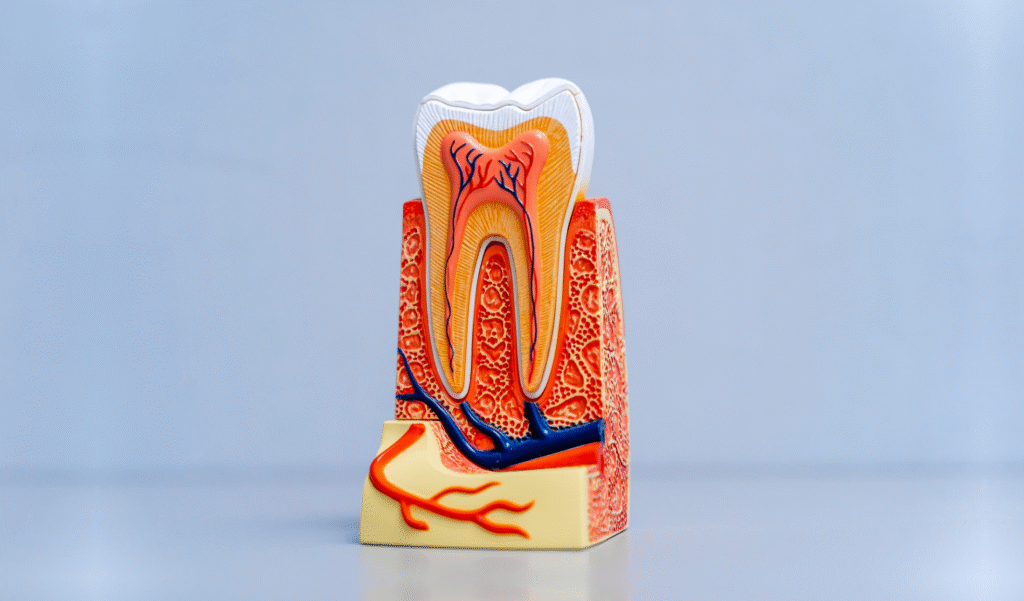
Simply put, root resection, also known as root apex resection, is a procedure in which a dentist removes the tip of the tooth root along with the infected tissue. This procedure targets the apex — the final part of the root, where the source of inflammation most often resides.
This method belongs to the field of surgical endodontics and is also called apical surgery or endodontic microsurgery. It is used when conventional root canal treatment is no longer effective, but the tooth can still be saved.
This tooth preservation procedure avoids tooth extraction and saving the natural tooth, which is important for normal chewing and overall comfort.
Why is a root tip resection performed?
Resection is performed when inflammation persists, even with appropriate treatment. A common cause is persistent root canal infection, which cannot be removed through the root canal.
Another common factor is chronic periapical inflammation, which develops around the root apex. It may be associated with a granuloma at root apex, a cyst at tooth root, or other forms of apical pathology.
In such cases, the procedure is necessary to remove the infected portion of the root and save the tooth.
Indications for tooth root resection
Root canal resection is performed when the problem is localized to the root apex and cannot be addressed with conservative methods. Below, we outline the main indications for this procedure.
Fracture of the tooth root apex
If a crack or fracture affects only the root apex, the tooth can still be saved. Removing the damaged area eliminates the source of inflammation and prevents further complications without completely removing the tooth.
Pulp stones (calcifications within the pulp)
Calcified mineral deposits in the pulp can block root canals and prevent proper treatment. These lesions are most common in lower incisors, molars, and impacted or unerupted teeth. In such cases, resection helps remove the problematic area and stabilize the tooth.
Inflammation of periapical tissues
Chronic inflammation of the tissues around the root apex often develops unnoticed and may not cause pain for a long time. But, over time, it leads to bone destruction. Resection allows for the removal of the inflamed area and halts the pathological process.
Unsuccessful endodontic (root canal) treatment and subsequent complications
If repeated root canal treatment fails and inflammation persists, surgical resection becomes the optimal alternative.
Complications related to prosthetic restorations, especially crown-root posts
In the presence of crowns and posts, retreatment of endodontic treatment may be technically impossible. In such cases, resection allows preserving the orthopedic structure and avoiding its dismantling.
Fracture of a dental instrument inside the root canal
If, during treatment, a portion of the instrument remains in the canal and cannot be removed in the standard manner, resection becomes the only way to remove the source of infection and prevent inflammation.
Spontaneous death of the tooth with persistent inflammation around the root
Sometimes a tooth loses vitality without obvious symptoms, but the inflammatory process around the root continues. In such situations, resection allows you to save the tooth and restore the health of the surrounding tissue.
Contraindications to tooth root resection
Although root resection is considered a safe procedure, it is not suitable for all patients. In some cases, the procedure may be ineffective or unsafe. Let’s consider these reasons.
Longitudinal tooth root fracture
If the crack extends along the root of the tooth, it cannot be saved. In such cases, resection will be ineffective, as the tooth has lost its structural integrity.
Periodontal disease
In severe cases of periodontitis, the tooth loses its support in the bone tissue. Even after root apex removal, the tooth’s stability will not be restored, so surgical preservation is not advisable.
Bite disorders
Incorrect distribution of chewing forces can lead to recurrent inflammation or damage to the tooth after surgery. In such situations, bite correction is required first.
Inflammation of the throat or mouth
Active inflammatory processes in the oral cavity increase the risk of complications and impair tissue healing. Resection is performed only after the acute inflammation has resolved.
Viral disease (herpes)
During the active phase of a viral infection, any surgical interventions are postponed to avoid complications and the spread of infection.
1st trimester of pregnancy
During this period, any planned dental procedures are not recommended. The only exceptions are emergency situations.
Diabetes
Unstable blood sugar levels slow tissue healing and increase the risk of infection. In such cases, surgery is only possible after the condition has stabilized.
Leukemia
Diseases of the hematopoietic system are a serious contraindication due to the increased risk of bleeding and infections.
Blood clotting disorders
If there are problems with coagulation, even minor surgery can be dangerous without prior medical correction.
Hypertension
High blood pressure increases the risk of complications during and after the procedure, so a consultation with a physician or cardiologist is required first.
Thyroid or kidney diseases
Certain systemic diseases may affect metabolism, response to anesthesia, and the healing process, making resection undesirable.
To make a final decision, the doctor must conduct a diagnostic examination. A periapical X-ray is used to better understand the situation. This allows the doctor to objectively assess the condition of the tooth and the bone tissue and determine whether resection is necessary.
What does the root tip resection procedure look like?
To give you peace of mind before the procedure, we’ve described in detail how tooth resection occurs.
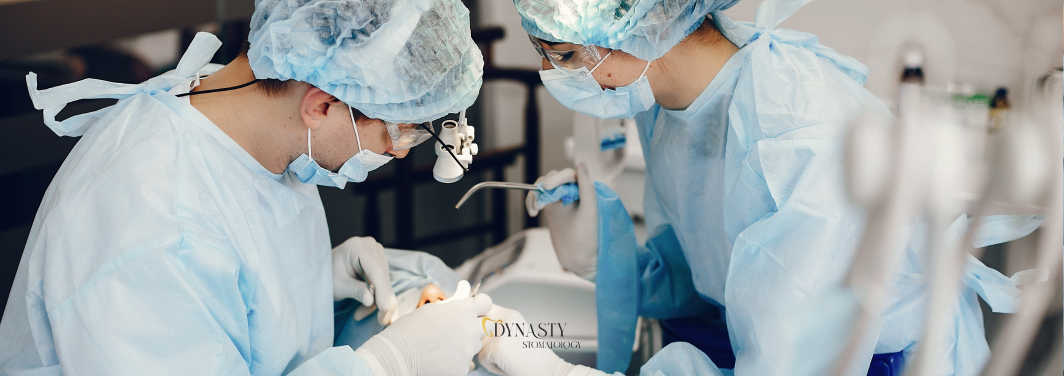
The surgical procedure is performed under local anesthesia, making it completely painless for the patient. Then the dentist makes a small incision in the gum to gain access to the root.
Next comes bone window creation, allowing surgical removal of infected tissue. The tip and the surrounding inflamed area are removed. This step is also called apical curettage.
The root is cut, and the canal is sealed with a retrograde root filling. This ensures tight filling of the root canal from below. The area is carefully cleaned and disinfected.
Finally, the wound is closed with a suture. The entire procedure usually lasts between 30 minutes and 1 hour, depending on complexity.
The procedure is performed in a specialized dental clinic using modern magnification tools. It belongs to the dental microsurgery.
Does Tooth Root Resection Hurt?
You don’t have to be afraid. The procedure is performed under local anesthesia, and patients do not feel pain during surgery. Mild discomfort may appear days after the procedure, but it is manageable with medication.
Root resection – is it worth it?
At Dynasty Stomatology, we understand that the decision to undergo surgery always raises doubts and fears. Patients want to be sure that the chosen treatment is truly justified and will produce long-lasting results. That’s why we only offer root canal resection when it’s objectively the best way to save the tooth.
The procedure is worthwhile, as root canal resection eliminates the source of infection and significantly prolongs the life of the tooth. Instead of tooth extraction, you have the chance to preserve your natural tooth and its function for many years.
An important advantage of resection is the ability to avoid extraction, which often requires an implant or bridge. This places additional stress on adjacent teeth and bone tissue.
Extraction is a procedure that completely removes the tooth, but resection is more gentle. It preserves natural anatomical structures, maintains bite stability, and helps prevent further changes in the oral cavity.
In rare cases, inflammation may return, but with proper diagnosis and the help of an experienced dental surgeon, the prognosis remains favorable.
Frequently Asked Questions about Root Resection
-
Does a root tip resection hurt?
No. The procedure is performed under local anesthesia, so you won't feel any pain during the procedure. Mild discomfort is possible after the procedure, but it's usually easily relieved with pain medication.
-
How long does a root tip resection take?
On average, it takes 30 to 60 minutes. The exact time depends on the complexity of the case, the location of the root of the tooth, and the extent of the procedure.
-
Can any tooth undergo apical root resection?
No. Resection is most often performed on anterior teeth, but this is always a case-by-case decision. The dentist evaluates whether the affected tooth can be saved or is one of those that would otherwise have to be extracted.
-
How long does it take to heal after the procedure?
Soft tissues heal within 1–2 weeks. Complete healing after apicoectomy takes longer, as the bone regenerates gradually. However, this process occurs without noticeable discomfort.
-
How can a dentist determine whether root resection is a better option than repeat endodontic treatment?
The doctor analyzes the images and clinical picture. If treatment-resistant inflammation, apical infection, or periapical lesion are detected and not resolved by repeated root canal treatment, then the procedure is considered to be performed surgically.
-
Is root resection a permanent solution, or can complications still return years later?
In most cases, the results are stable. With proper diagnosis and when root resection is performed as indicated, the risk of recurrence is minimal. However, as in any field of dentistry, there are no 100% guarantees, as every case is individual.
-
What symptoms may signal that a patient should consider consulting a dentist about possible root resection?
If you experience regular pain, swelling of the gums, discomfort when biting, or changes visible on dental imaging, you need to consult a specialist.
-
Are there any lifestyle restrictions after root resection that patients should be aware of?
Overall, lifestyle changes remain relatively unchanged. However, in the first few days, it's important to reduce stress on the surgical site and follow your dentist's oral hygiene recommendations.
-
How does root resection compare to tooth extraction in terms of long-term oral health outcomes?
Resection is aimed at preserving the natural tooth, while tooth extraction is a more radical solution. Preserving the tooth is better for the bite, bone tissue, and overall balance of the oral cavity.
-
Can root resection help preserve prosthetic work such as crowns or bridges that are already in place?
Yes. The procedure often allows you to preserve the crown of the tooth or bridge without having to remove it.
-
What imaging techniques are used to diagnose the need for a root tip resection?
X-rays and computed tomography are used. This is an important part of diagnostics in modern dental practice for planning dental treatment.
-
Does the patient need antibiotics before or after the procedure?
Antibiotics are not always required. The decision is made by the treating dentist, especially if the procedure involves a resection, which is a surgical treatment procedure in the field of dental surgery.
-
Are there differences in healing time depending on which tooth undergoes root resection?
Yes. Front teeth usually heal faster. It's important to keep in mind that the root is also connected to the surrounding bone tissue, and the rate of recovery varies from person to person.
-
Can untreated periapical inflammation lead to systemic health problems?
Yes. A long-term infection in the root area of a tooth can gradually affect not only the oral health but also overall well-being. Such inflammation can chronically stress the immune system and increase the risk of developing certain dental diseases, so prompt medical attention and treatment are essential.
Schedule a consultation and maintain the health of your smile
If you’re unsure whether you need root canal surgery or if another treatment is right for you, don’t waste your time. During your consultation, the doctor will thoroughly assess your situation, explain all treatment options, and select the best path for you.
At Dynasty Stomatology, we work attentively, unhurriedly, and with genuine care for our patients. You’ll receive clear answers, a clear plan of action, and confidence in every next step.
Make an appointment and entrust your dental health to the professionals.


Do you want to treat your teeth while you sleep?
Schedule an appointment!
By clicking the button, you give your agreet your personal data in accordance with privacy policy.
Services
All services-
Orthognathic surgery in Krakow – surgical correction of malocclusion
Orthognathic surgery helps to solve problems with the bite that cannot be treated with braces or aligners. If you have difficulty chewing, speech disorders or are unhappy with the shape of your face, surgical correction may be the best solution.
Read more -
Maxillofacial surgery in Poland
Maxillofacial surgery covers a wide range of interventions, from trauma treatment to complex reconstructive and resection surgeries. All these services are available at the Dynasty Stomatology clinic in Poland. Assistance is provided by experienced surgeons who will ensure a professional approach at every stage of treatment. We use modern technologies and comply with all international […]
Read more -
Frenulum of the tongue or lip in children and adults
A frenulum of the tongue or lip that is too short or incorrectly attached can cause serious difficulties: speech impairment, feeding problems in infants, discomfort with chewing and hygiene, and in adults, effects on the bite and the aesthetics of the smile. These limitations can seriously affect quality of life, especially if not addressed in […]
Read more -
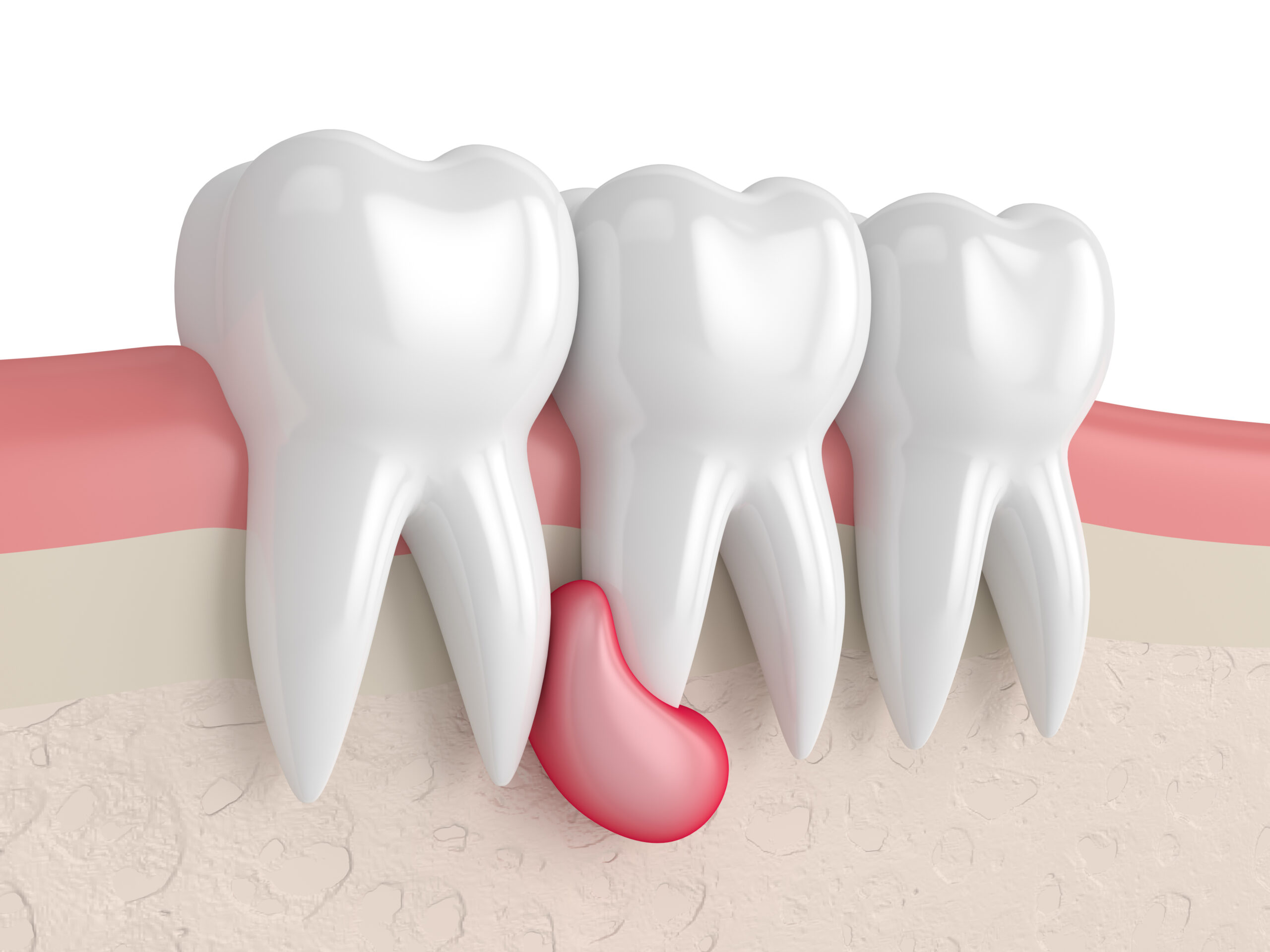
Removal of a dental cyst
A tooth cyst is a fairly common dental problem that often develops without symptoms and remains unnoticed for a long time. It is characterized by a pathological formation, most frequently occurring near the apex of the tooth root due to inflammation, trauma, or infection. If the cyst is not removed in time, it may grow, […]
Read more -
Tooth extraction
Tooth extraction is a necessary dental procedure often required when a tooth cannot be preserved. Extraction may be needed due to severe tooth damage, untreatable decay, chronic inflammation, trauma, advanced mobility, or as preparation for orthodontic treatment, prosthetics, or dental implants. Timely removal of a tooth can help prevent complications and support overall dental care.
Read more -
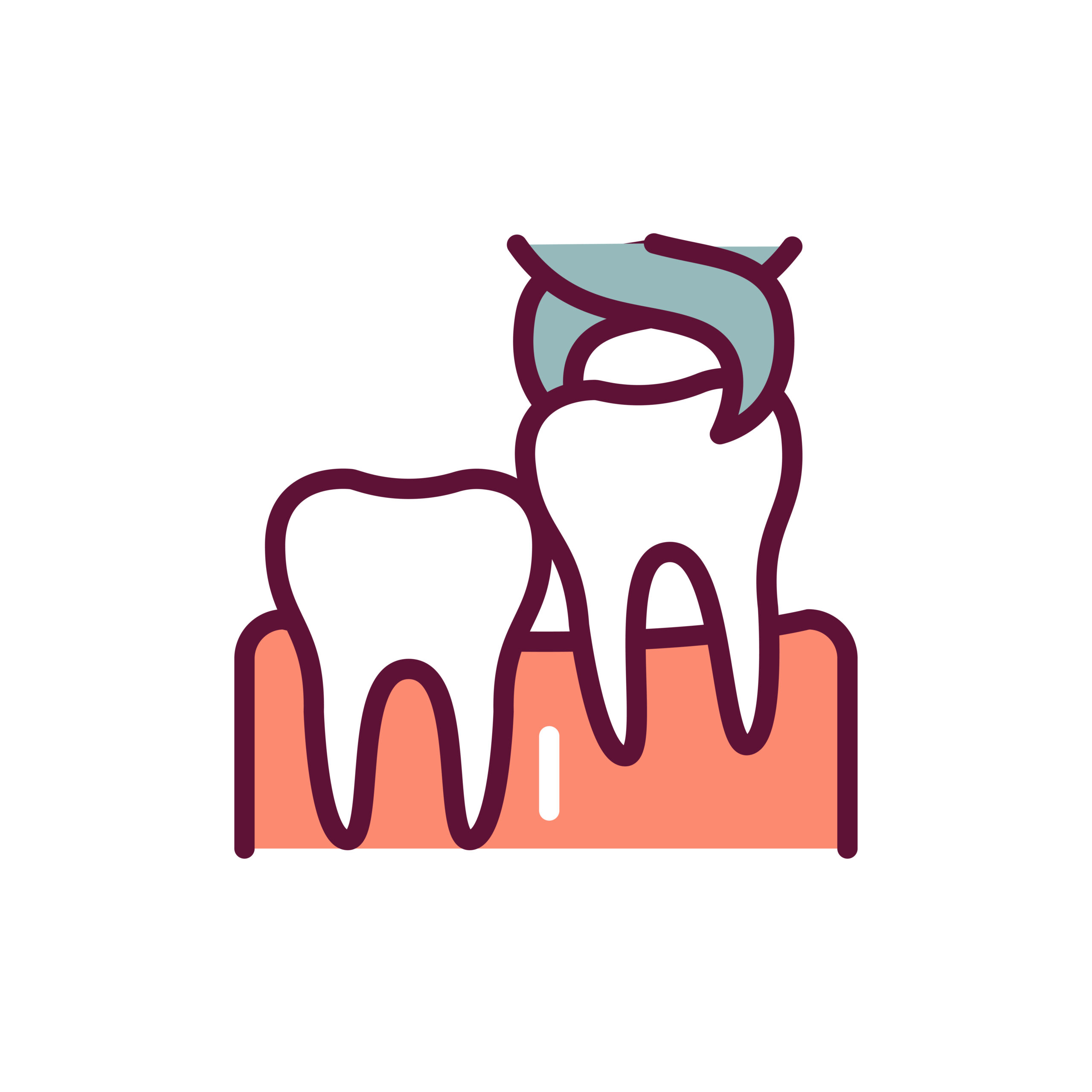
Removal of a Retained Wisdom Tooth
A retained wisdom tooth (also called an “impacted tooth”) is one that remains partially or fully trapped in the gum or jawbone and cannot erupt completely. This condition often leads to inflammation, pain, swelling, damage to adjacent teeth, cyst formation, and other complications. Without timely removal, the problem may worsen and affect your bite, chewing […]
Read more -
Sinus-lift
Sinus lift in dentistry is a surgical procedure aimed at restoring bone volume in the upper jaw. It becomes necessary when the bone has thinned or decreased in volume after tooth extraction, especially in the posterior regions. This sinus lift surgery makes it possible to place dental implants even in cases of significant bone atrophy. […]
Read more -
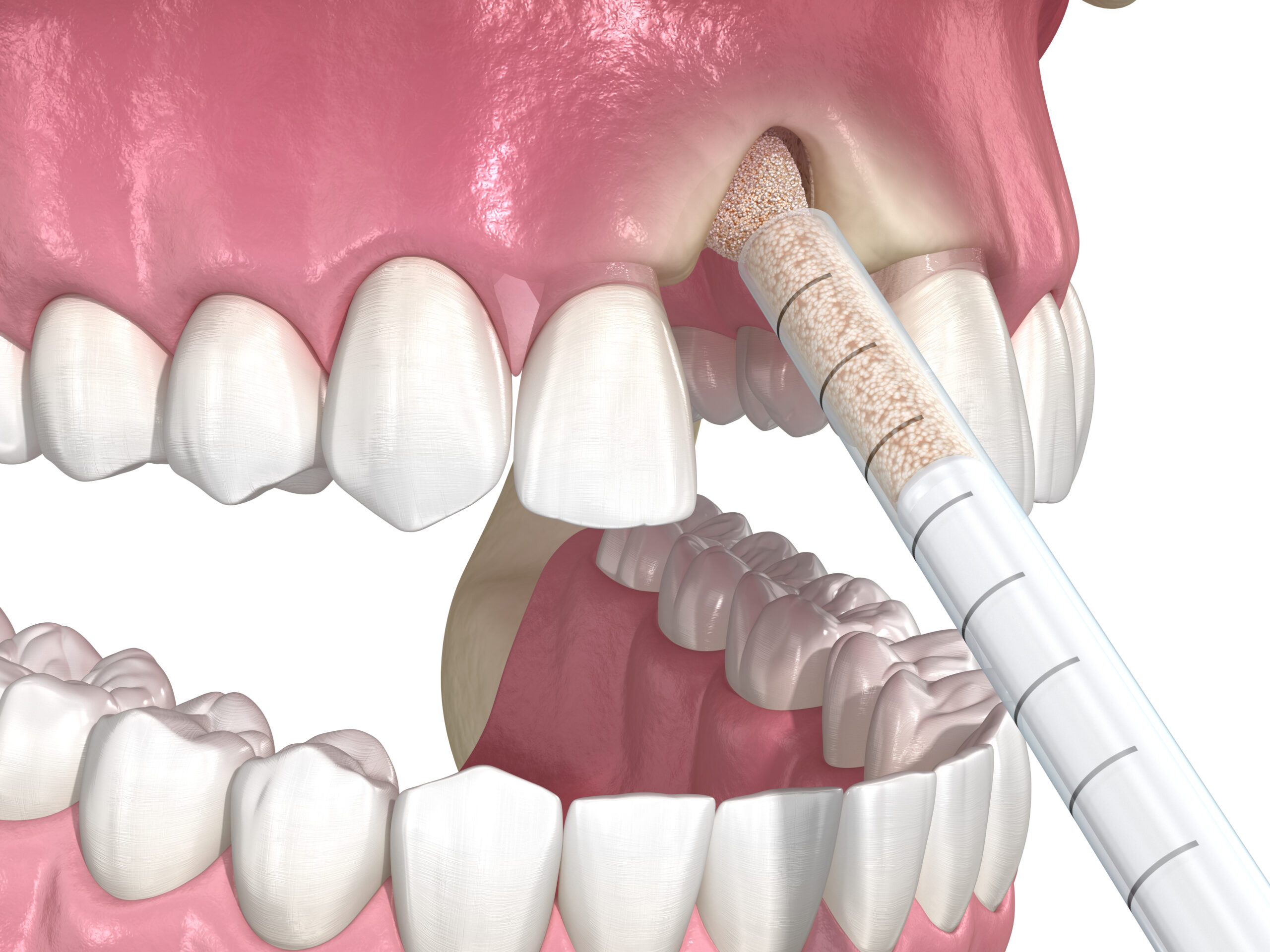
Bone grafting
Bone grafting in dentistry is a surgical procedure aimed at restoring the volume of the jaw bone required for dental implantation or correcting defects caused by tooth loss. This technique helps create a solid foundation for a dental implant, enhances smile aesthetics, and prevents facial contour deformation. The use of modern equipment and advanced materials […]
Read more -
Autotransplantation teeth
Autotransplantation in dental practice is a treatment method where a patient’s own tooth is transplanted from one area of the jaw to another. This procedure serves as an alternative to dental implantation. It helps preserve living dental tissue, the periodontal ligament, and the natural function of the tooth. This method is especially valuable in cases […]
Read more





Read also
View all blog-
20.03.2026
15
8 min. read
What You Need to Know About Professional Teeth Whitening
A white smile makes a face look fresher and more well-groomed. However, over time, the shade of teeth changes. Diet,…
Read more -
19.03.2026
24
8 min. read
Professional hygiene in a dental office — The complete guide
Most people believe they take proper care of their teeth. They brush their teeth morning and night, floss, and buy…
Read more -
09.03.2026
13
9 min. read
Restorative Dentistry Guide — Everything You Need to Know
Sometimes a tooth decays almost unnoticed. There's no sharp pain or warning signs. A small spot, mild sensitivity to cold,…
Read more -
04.03.2026
21
5 min. read
How to avoid surgery in the future — a case study of early orthodontic treatment at age 6
A mother brought her 6-year-old son to the Dynasty Stomatology clinic. She was confused: her son had already been examined…
Read more -
26.02.2026
23
11 min. read
What is Dental Implant Procedure — A Complete Guide
Losing a tooth isn't always just about aesthetics. It's about self-confidence, the ability to smile without tension, the ability to…
Read more -
24.02.2026
41
9 min. read
Understanding Oral Surgery — What You Need to Know
Until recently, a visit to the dentist was associated with significant discomfort. Uncomfortable impressions, long waits, and the need for…
Read more -
19.02.2026
25
5 min. read
Online consultation with a dentist — how it works, how much it costs, and when it is really needed
There are many reasons why people put off visiting the dentist. Especially when they live in countries where it is…
Read more