
The Role of Orthodontic Elastics in Treatment


26.08.2025
407
5 min. read
Why Patients Trust Dynasty Stomatology
The trust in Dynasty Stomatology is built on a combination of many years of experience and an individual approach to every patient. We understand that a visit to the dentist is often accompanied by anxiety, so we place special emphasis on creating a comfortable and calm atmosphere where every patient feels safe.
The clinic is equipped with modern technology and uses advanced treatment methods, ensuring that procedures are carried out with maximum precision, efficiency, and comfort. All materials undergo strict quality control, and our doctors regularly improve their qualifications to offer only the most up-to-date and proven techniques.
In addition, Dynasty Stomatology values long-term relationships with patients. Our goal is not only to solve the problem at hand but also to maintain the health of teeth and gums for years to come. Openness, honesty, and transparency are the key principles that have earned the clinic its reputation as a reliable dental partner.
Facts about Dynasty Stomatology:
✅ Over 10 years of successful work in dentistry.
✅ Hundreds of positive reviews from patients in [Страна в соответствии с регионом] and abroad.
✅ We use premium materials from leading global brands.
✅ We offer treatment under sedation and general anesthesia.
✅ A full range of services — from pediatric dentistry to complex surgical operations.
Dynasty Stomatology — trust, expertise, reliability, and care for the beauty of your smile.
Learn about usMedical Expertise
Dynasty Stomatology’s doctors conduct medical reviews of all materials on the website to ensure their accuracy and practical value. Our authors and editors are experienced specialists in the fields of therapeutic, surgical, orthopedic, and pediatric dentistry. This approach allows us to maintain high professional standards and provide our readers with only verified, up-to-date, and useful information.
Orthodontic treatment isn’t just about braces and wires — sometimes, it’s the smallest components that make the biggest difference in your smile’s transformation. Among these, orthodontic elastics play a surprisingly powerful role in guiding teeth into their ideal positions and fine-tuning your bite. They may look simple, but their impact on treatment outcomes is anything but. In this article, we’ll explore how these tiny helpers work behind the scenes to bring your orthodontic plan to life.
What are Orthodontic Elastics?
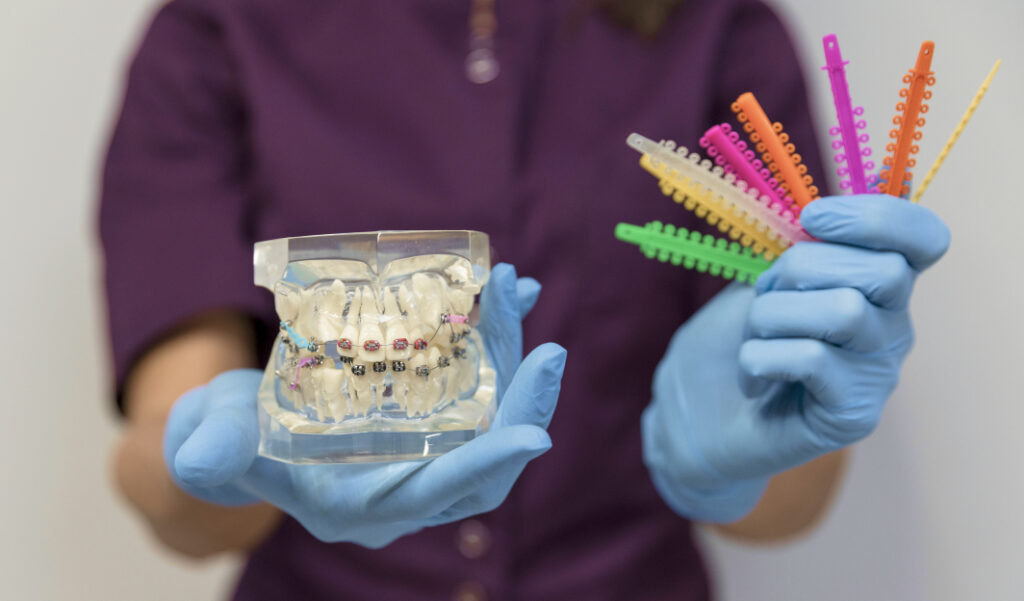
Orthodontic elastics, often called braces rubber bands, are tiny rubber bands used in orthodontics to help move the upper and lower teeth into better alignment. Attached to small hooks on the brackets, these elastic bands apply gentle, consistent force that assists in correcting bite issues as part of the overall treatment plan. They come in different types of braces bands, each designed for specific orthodontic needs.

Why Are They Used?
Orthodontic braces elastics are used to improve bite, guide tooth movement, and enhance treatment efficiency. What do the bands on braces do:
- Bite Correction;
- Teeth Alignment;
- Facilitating Faster Movement;
- Achieving Precise Movements;
- Patient Involvement;
- Flexibility in Treatment.
Main Types of Orthodontic Elastics and How They Work?
Orthodontists often recommend elastics for overbite to help correct the upper and lower teeth alignment efficiently. Orthodontic elastics come in various forms, each designed for specific tooth and jaw movements, and they play a crucial role in orthodontic treatment:
- Class II Elastics – used to correct an overbite by moving the upper teeth backward and lower teeth forward.
- Double Class II Elastics – provide extra force for overbite correction in more complex cases.
- Triangle Braces Elastics – connect three teeth to improve bite closure and alignment.
- Upside Down Triangle Elastics – reverse configuration to address open bite issues.
- Crossbite Elastics – correct a crossbite by shifting teeth sideways into proper position.
- Box Elastics – form a square or rectangular shape to help close gaps between upper and lower teeth.
The Orthodontist’s Role in Controlling Elastic Force
An orthodontist plays a pivotal role in adjusting and monitoring the force applied by rubber bands for braces to ensure safe and effective tooth movement. By carefully selecting the correct braces elastics positions and modifying the configuration — such as using class 3 elastics in orthodontics for underbite correction — they guide the orthodontic journey toward optimal results. Regular check-ups allow them to adapt the orthodontic bands setup to maintain steady progress and achieve the desired bite and smile.
How Elastics Influence Facial Symmetry
Facial asymmetry is often linked to bite issues, and elastics orthodontics can help restore balance by guiding the jaw and teeth into a more harmonious position. Through the targeted use of inter-arch rubber bands, orthodontists can correct disproportions caused by malocclusion, improving overall facial aesthetics. Consistent orthodontic care and proper elastic wear lead to a more symmetrical, healthy smile.
Patients must consistently wear braces as prescribed to ensure optimal results when using elastics.
Elastic Care Tips
Proper care of orthodontic rubber bands is essential to maintain their effectiveness and ensure your braces treatment progresses smoothly:
- Storing Your Elastics – Keep them in a clean, dry container to prevent contamination and preserve elasticity.
- Replacing Your Elastics – Change them as directed by your orthodontist, since elastics lose strength over time and can delay your treatment goals.
- Keeping Your Elastics Clean – Always wash your hands before handling rubber bands braces to avoid introducing bacteria into your mouth.
- Beware of Allergies – If you notice irritation or swelling, tell your orthodontist, as some ortho elastic bands may contain latex.
Wear rubber bands consistently and at the recommended times, including bands while sleeping, to achieve the best world of orthodontic outcomes.
The Importance of Compliance
Following your orthodontist’s instructions and wearing the elastics consistently is crucial, as it ensures the effectiveness of your braces treatment and optimal results.
- Achieving Desired Results – Keeps teeth and jaw moving to the desired position.
- Shortening Treatment Time – Consistent use of elastics in orthodontic treatment helps achieve a shorter treatment period.
- Preventing Regression – Maintains aligned smile progress and prevents teeth from shifting back.
- Cost Efficiency – Reduces need for additional adjustments or extended treatment time.
- Maintaining Oral Health – Proper use supports dental braces function and prevents bite issues.
- Psychological Benefits – Seeing progress motivates continued adherence to the journey to a perfect smile.
- Building Responsibility – Encourages wear your rubber bands habit, fostering patient accountability.
- Customized Treatment Plans – Ensures orthodontic elastics may work in conjunction with treatment plans tailored specifically for your case.
Using Elastics with Other Orthodontic Appliances
Orthodontic elastics are often used in conjunction with braces and other orthodontic appliances to enhance treatment results by applying controlled pressure on teeth and jaws. Elastics help correct bite issues, support midline alignment, and improve the effectiveness of treatment, with rubber bands coming in various sizes and configurations depending on the individual treatment plan.
Orthodontic Elastics – Conclusion
Orthodontic elastics play a crucial role in aligning teeth and jaws, as their use of rubber bands allows precise control over bite correction and interarch movements. When wearing the elastics as directed, their role becomes clear in achieving a perfect smile and accelerating shorter treatment times. While elastics may seem simple, bands work by applying constant pressure and are designed for specific treatment goals.
For personalized orthodontic care using braces and elastics, you can consult Dynasty Stomatology in Poland to correct your bite safely and effectively.
FAQ – Frequently Asked Questions About Elastics
-
Are elastics uncomfortable?
Some pressure is normal because elastics apply pressure to move teeth, but discomfort usually lessens over time.
-
Can I double up on elastics to get results faster?
No, elastics are designed for specific treatment goals and doubling them may cause harm.
-
What should I do if I lose my elastics?
Replace them immediately as elastics is essential for continuous treatment progress.
-
Can I eat while wearing orthodontic elastics?
It is recommended to remove braces rubber band hook elastics during meals to avoid damage.
-
What happens if I forget to wear my elastics for a day?
Missing a day can slow your treatment results, so resume wearing them as soon as possible.
-
Are there alternatives to elastics in orthodontic treatment?
In some cases, class III elastics or other appliances can be used based on the orthodontist’s plan.
-
Can orthodontic elastics cause jaw pain or headaches?
Occasionally, minor soreness occurs as part of the role of elastics in adjusting bite and alignment.
-
How do I know if my elastics are placed correctly?
Always follow the instructions to understand the role of each elastic and consult your orthodontist if unsure.


Do you want to treat your teeth while you sleep?
Schedule an appointment!
By clicking the button, you give your agreet your personal data in accordance with privacy policy.
Services related to this topic
All services-
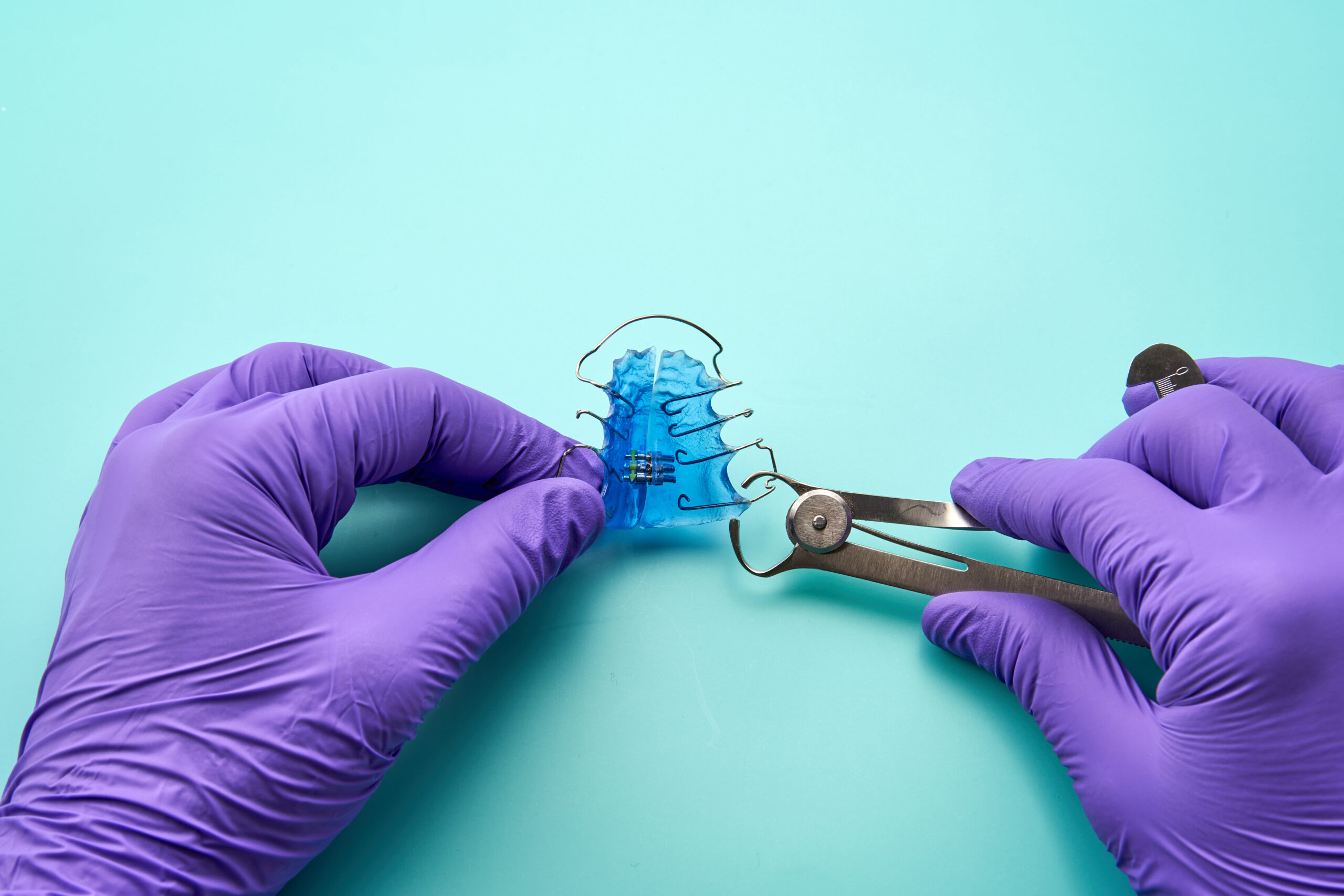
Orthodontic plates and appliances for children and adults
Bite disorders are a common dental problem in both children and adults. If uncorrected, occlusal disorders can lead to difficulties in hygiene, increased enamel abrasion, increased stress on the jaw joints and aesthetic discomfort. Orthodontic plates and appliances are effective and gentle in correcting this problem, especially in the early stages.
To the service -
Retainers
Retainers are dental appliances attached to the teeth custom-made to keep the position of your teeth in place after an orthodontic treatment. Once aligners or braces are removed, the teeth will tend to move into their original places. Orthodontists prescribe retainers to stop this move from occurring. They can be either fixed or removable in […]
To the service -
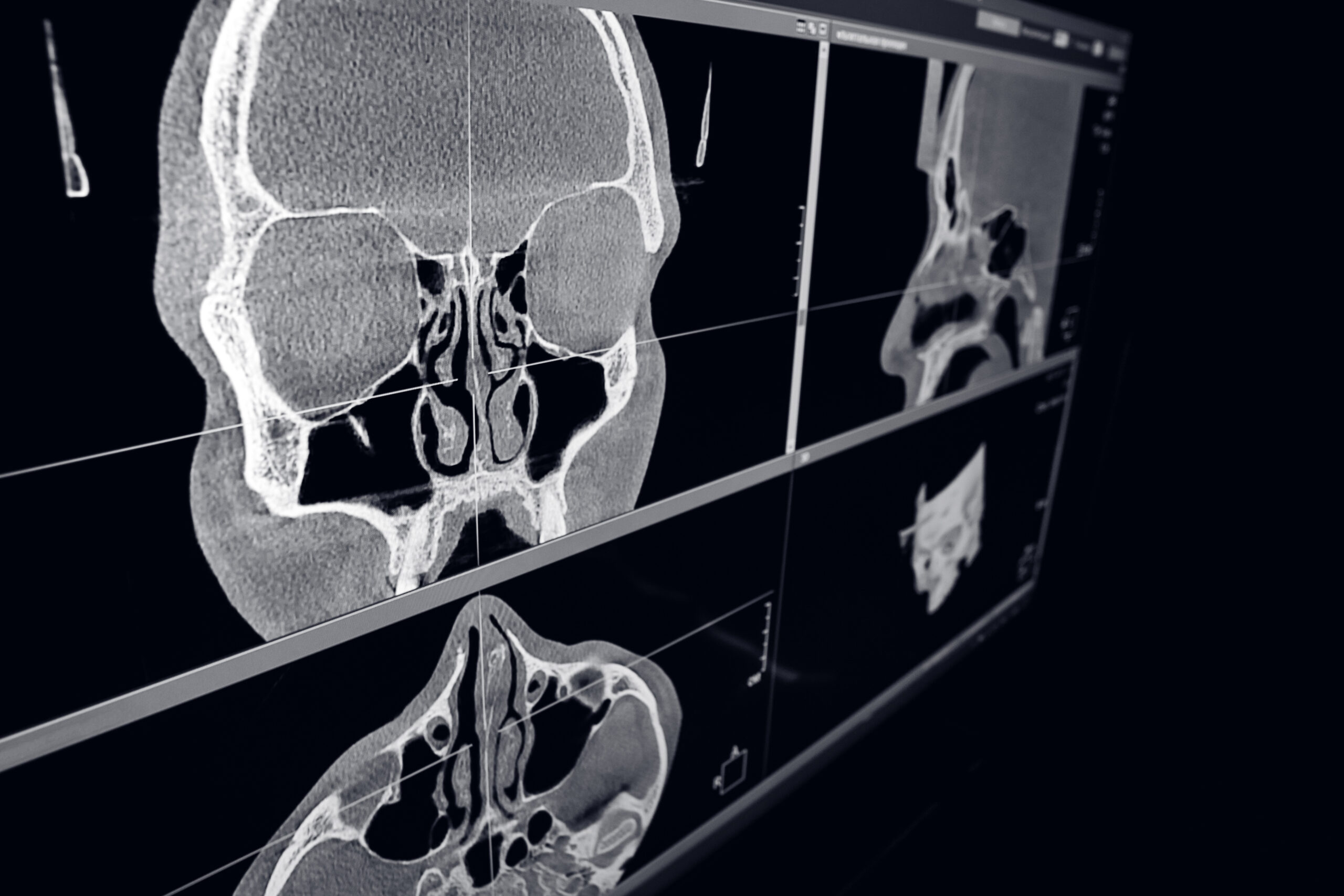
Computed tomography of ENT organs
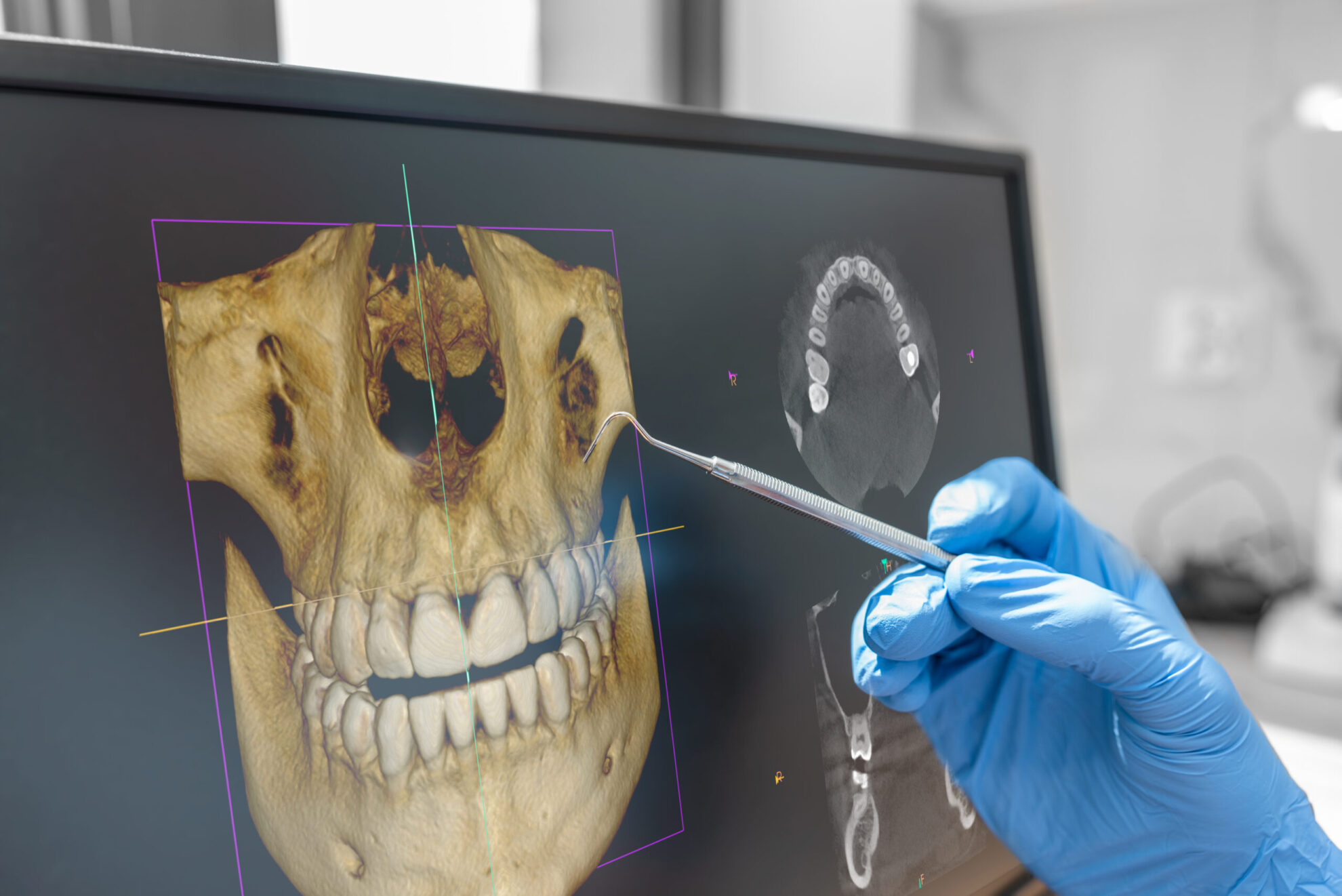
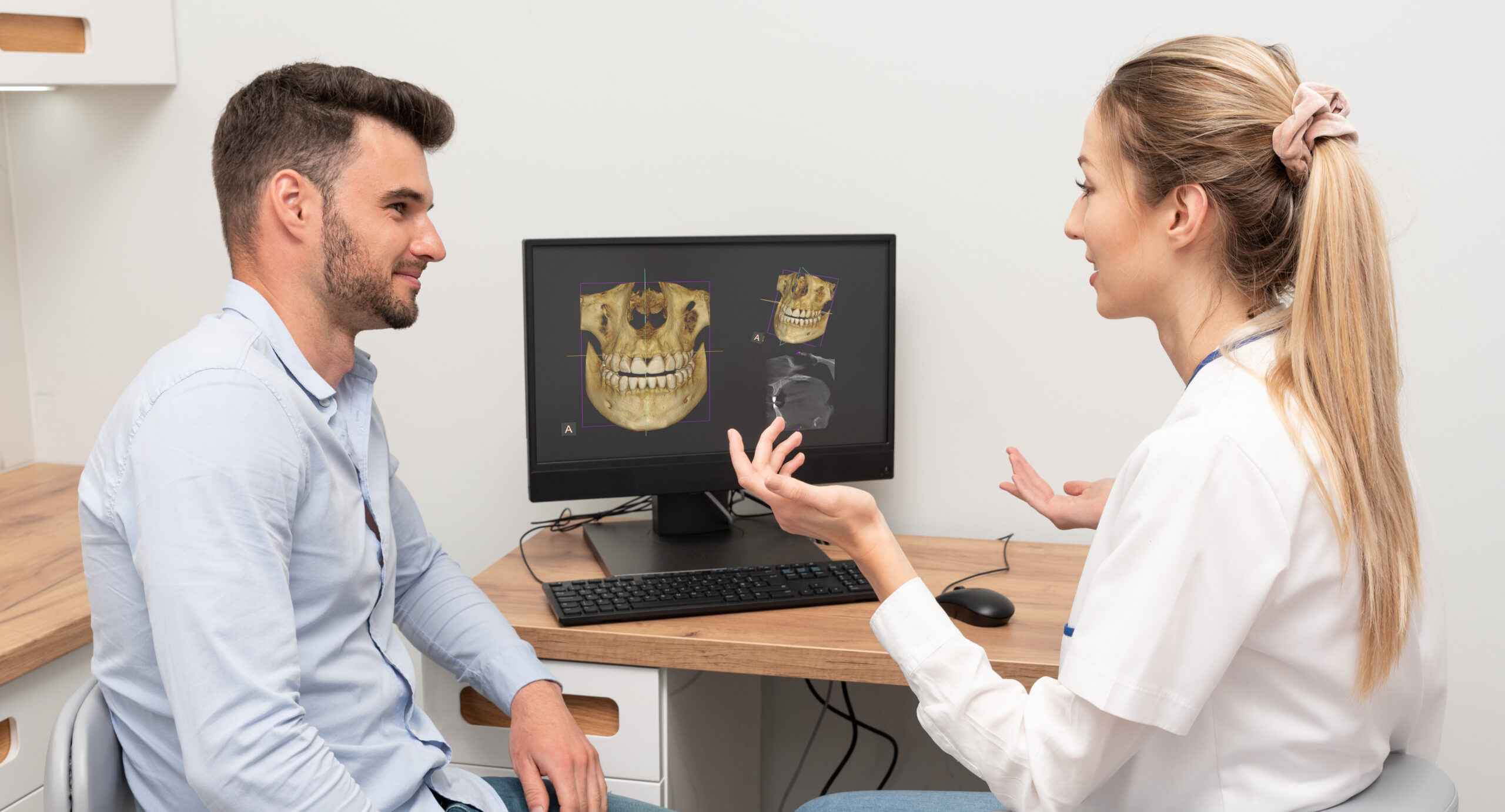
Cone beam computed tomography in radiation refers to a unique kind of X-ray when a regular facial or dental x-ray is not sufficient for diagnosis or any surgical technique. It gives the ENT doctor a detailed image of the air spaces, bones, and soft tissues in your neck and head.
To the service -
Self-ligating braces
Braces play a significant role in dental care for orthodontic treatment and smile aesthetics. One of the major developments in modern dentistry today is the emergence of the self-litigating orthodontic appliance.
To the service -
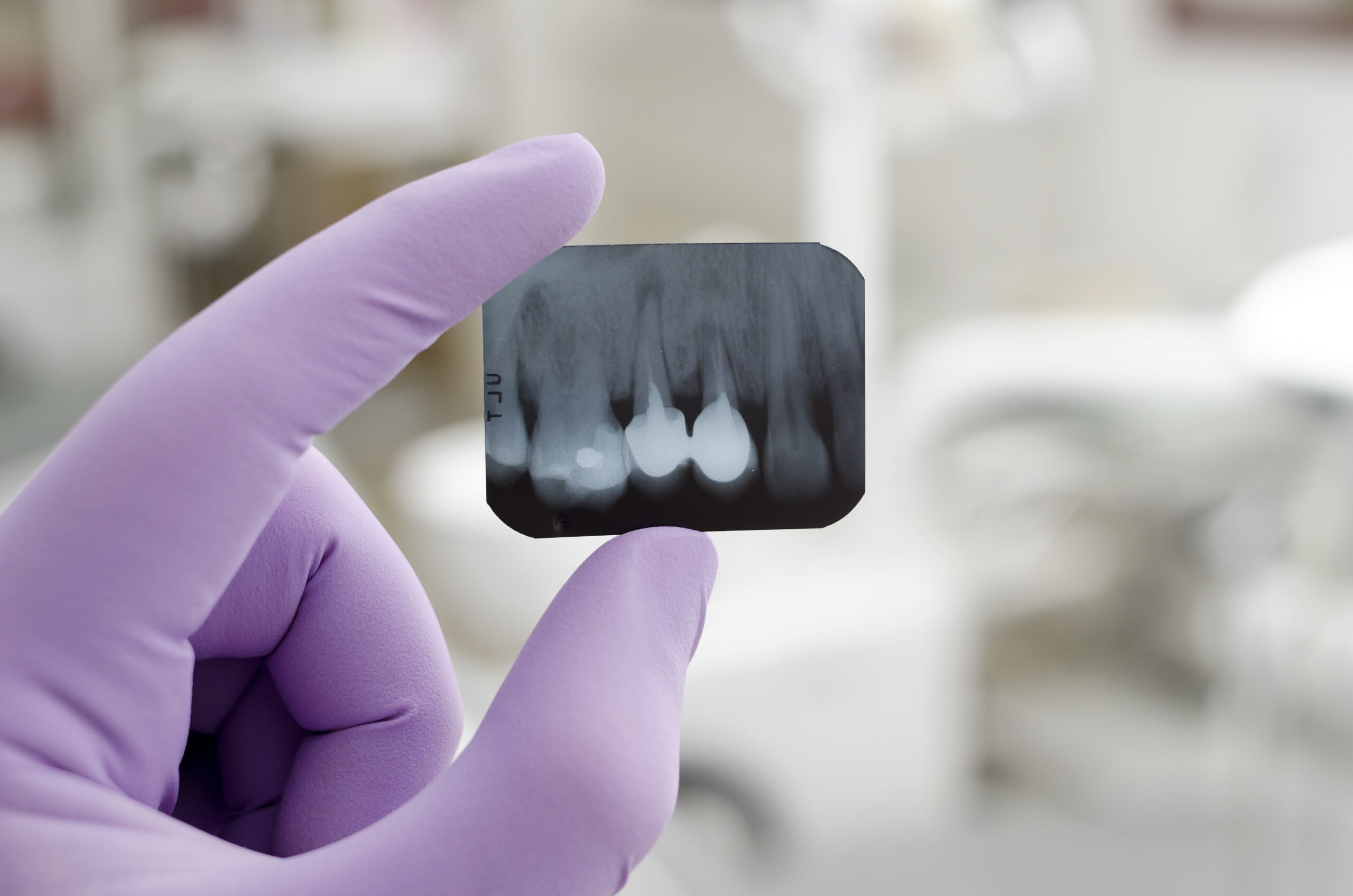
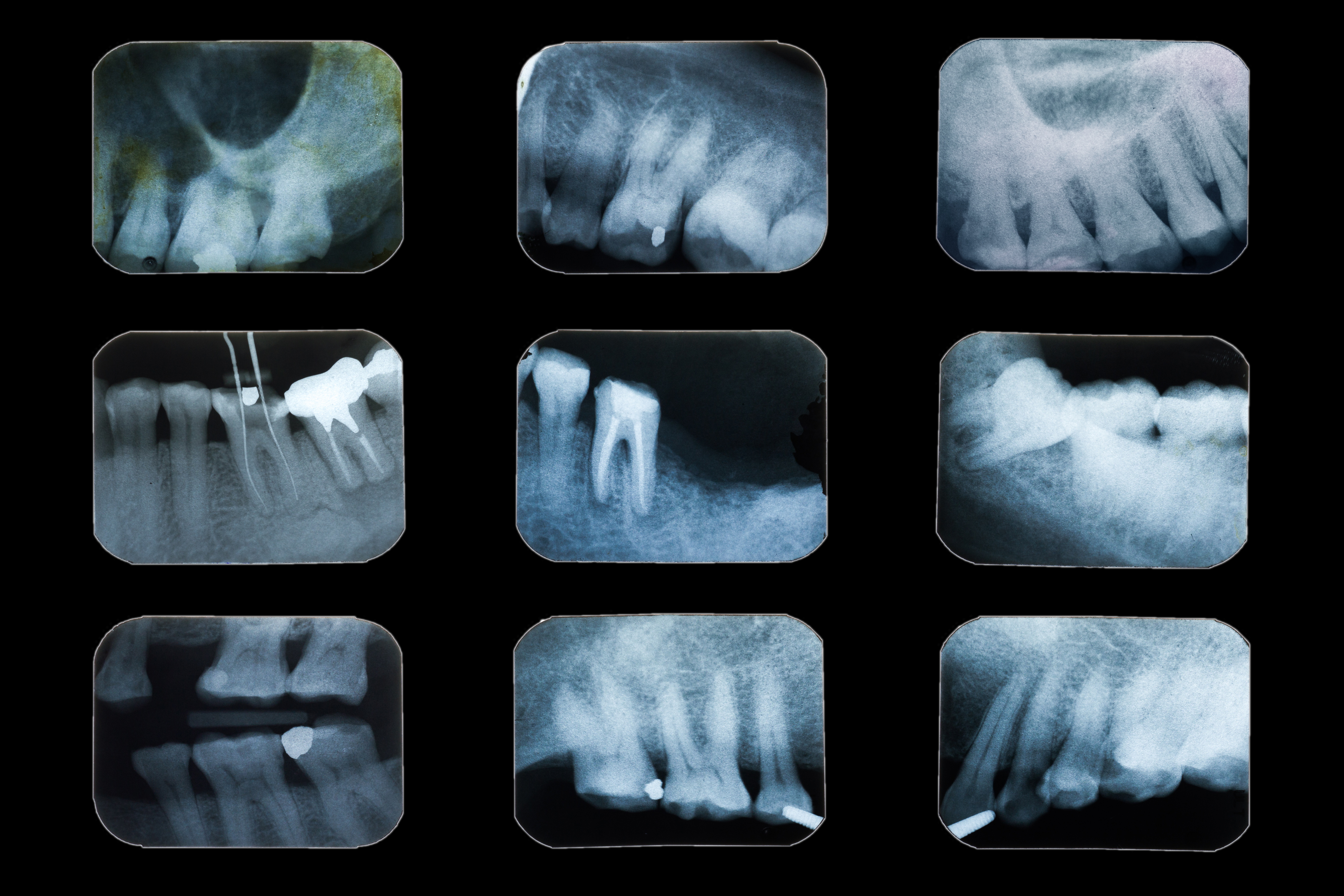
X-ray diagnostics of dental condition
Dental x-ray diagnosis is the gold standard in dental examination and has been effectively used for decades. This widely used method allows dentists to accurately diagnose the condition of a tooth and develop an effective treatment plan. The Dynasty Stomatology dental center is equipped with modern devices, making dental x-rays at our clinic completely safe […]
To the service -
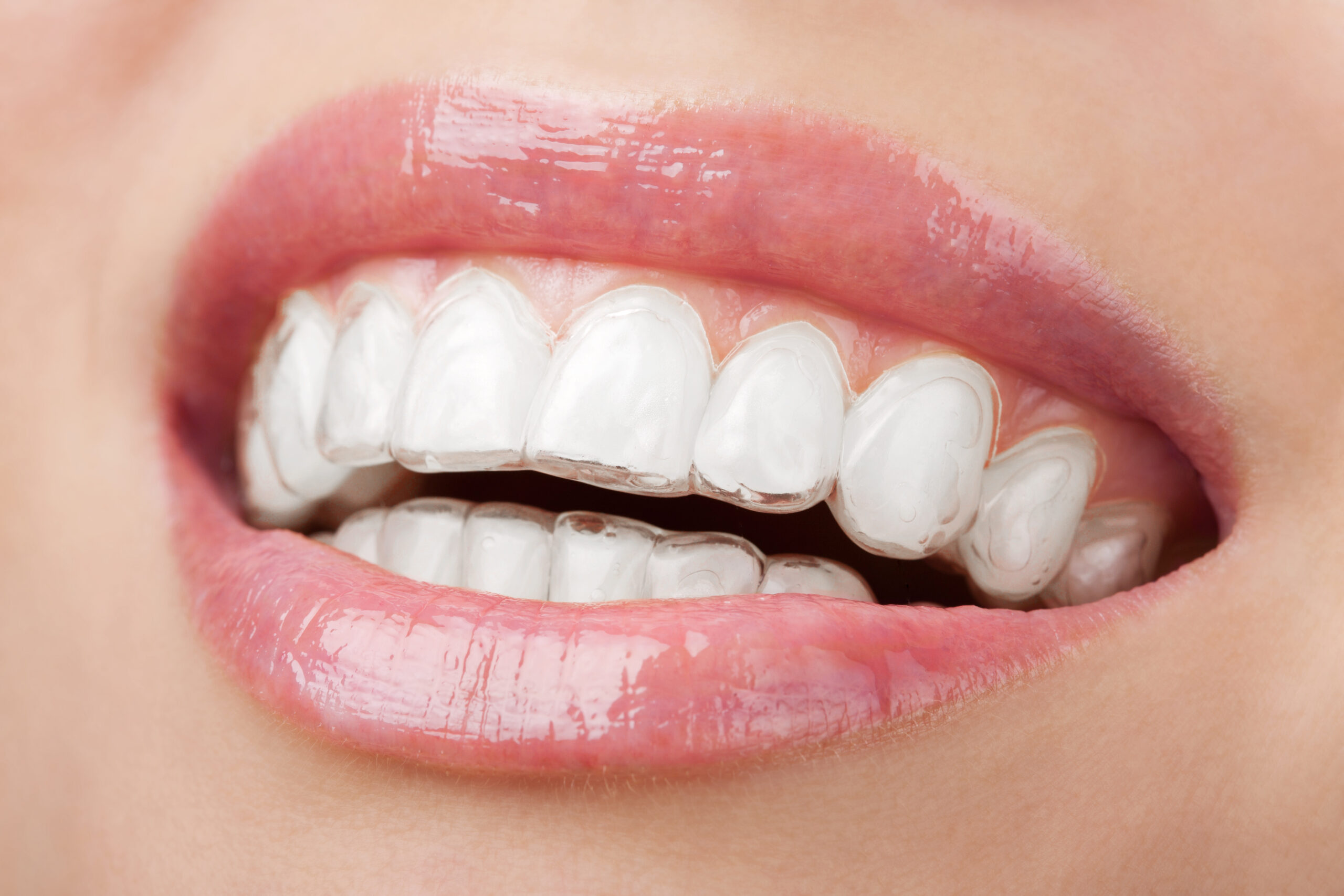
Aligners
Aligners are an innovative and nearly invisible alternative to traditional braces designed to straighten teeth and correct bite issues. They are clear, removable trays that fit comfortably over the teeth, do not interfere with speech, and cause no discomfort during wear. Orthodontic treatment with aligners is gradual and effective, requiring minimal disruption to your daily […]
To the service -
Ceramic inlays using CAD/CAM technology
Tooth damage caused by decay, chipping, or failed fillings requires not only functional restoration but also high aesthetics. A ceramic inlay is a modern dental solution that allows precise restoration of a damaged tooth, both in form and structure. Inlays made using CAD/CAM technology are known for their durability, strength, and ideal fit, making them […]
To the service -
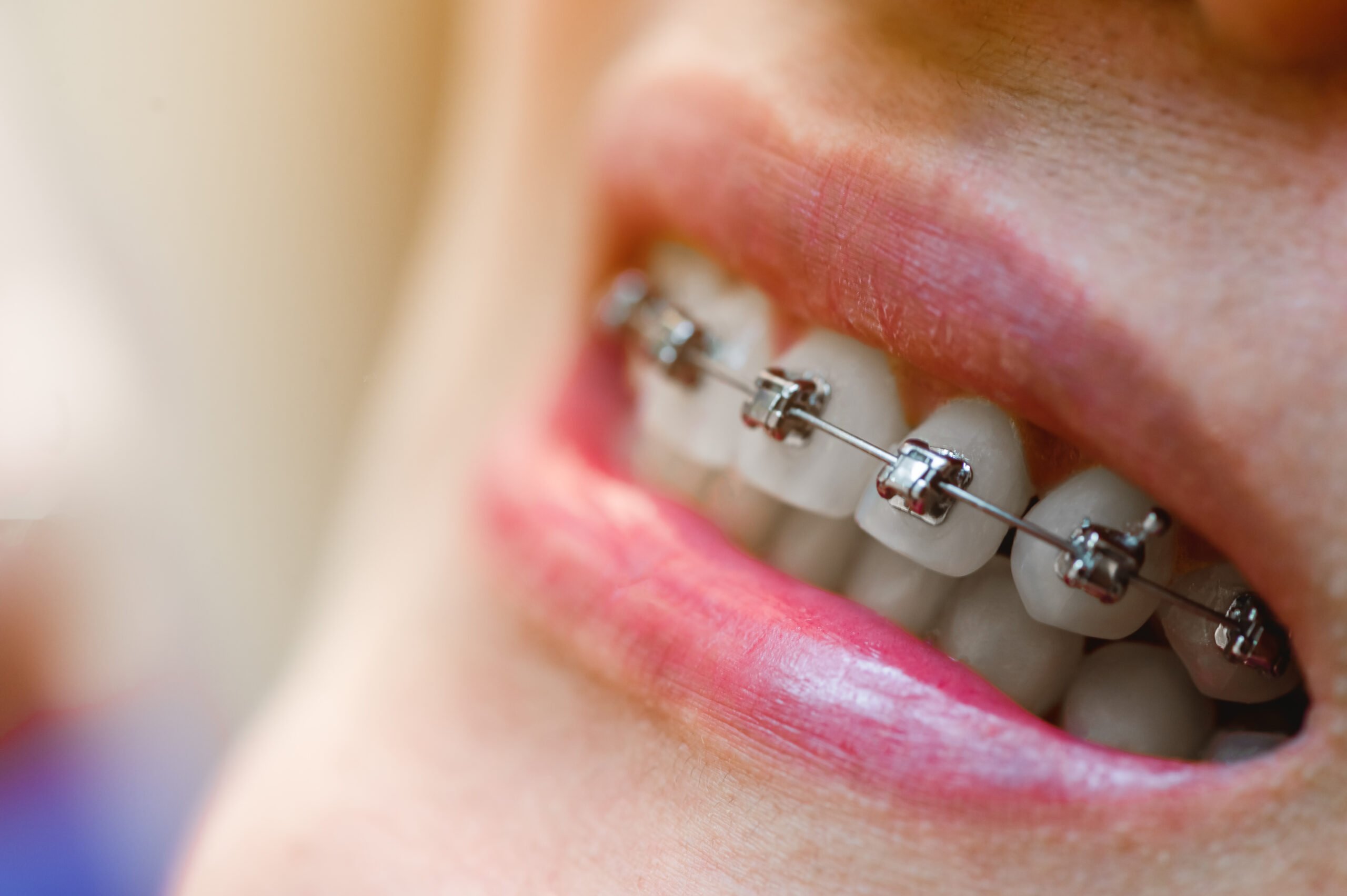
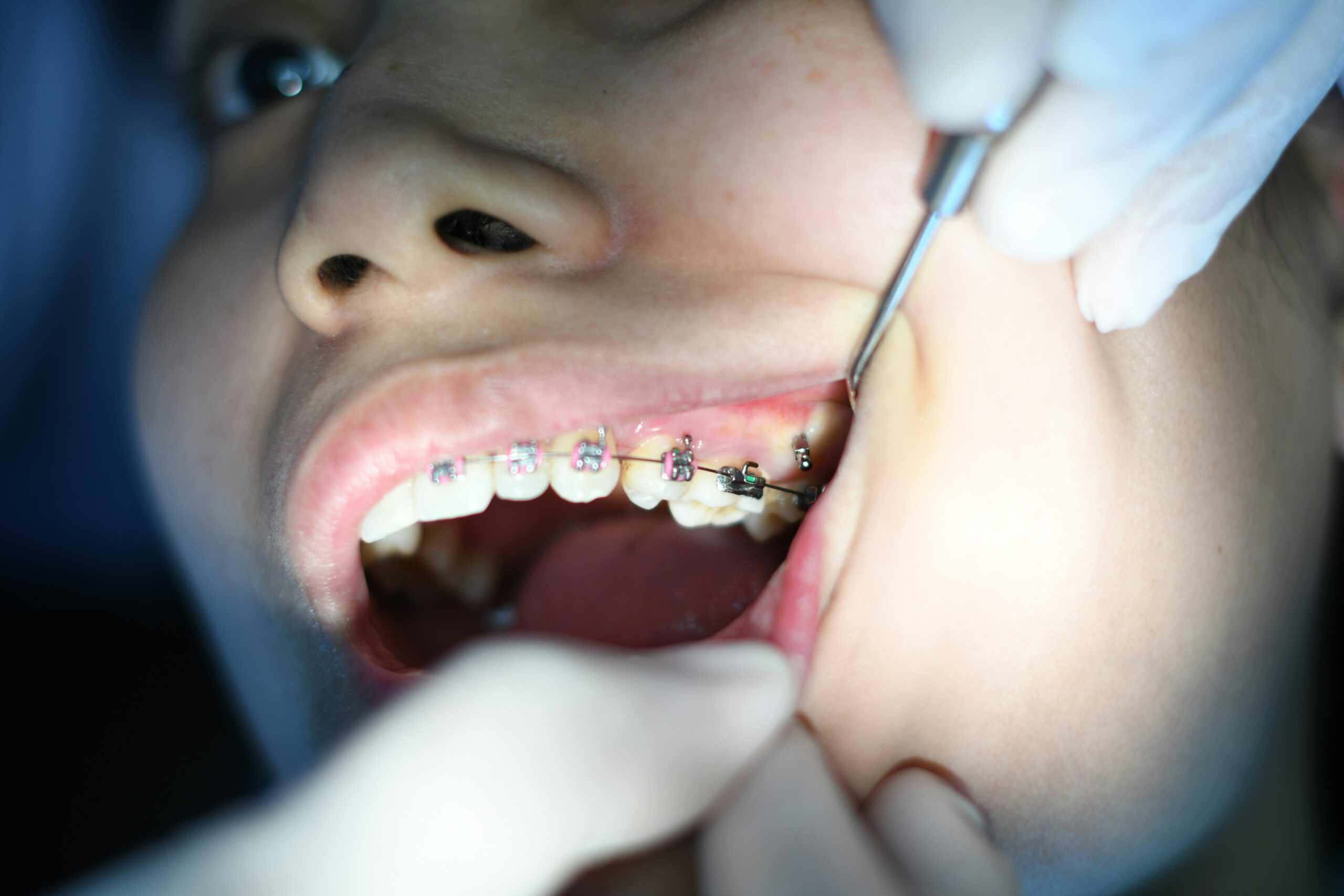
Metal braces
Metal braces are a classic orthodontic appliance designed to correct malocclusion and align the teeth. This brace system is suitable for both teenagers and adult patients, especially in cases of pronounced or complex bite irregularities. Orthodontic treatment with metal brackets not only improves the aesthetics of the smile, but also restores full chewing function.
To the service -
Targeted dental x-ray
A single-tooth x-ray is a simple, quick, and affordable diagnostic method frequently used in dental diagnostics to assess oral health. A digital 2D dental x-ray reveals the condition of both the crown part of the tooth and its roots, along with the surrounding tissues. At Dynasty Stomatology dental clinic, this type of x-ray diagnostics is […]
To the service -
Ceramic veneers using CAD/CAM technology (digital veneers)
A radiant smile always looks beautiful, promotes good health, and attracts attention. And it’s absolutely achievable! Modern dentistry opens up vast opportunities to correct any imperfections of the dental arch, whether congenital or acquired.
To the service -
Ceramic braces
Ceramic braces are a modern and aesthetic way to correct malocclusion and straighten the tooth row. They are made from a durable ceramic material that matches the tooth colour, making them almost invisible against the enamel. An orthodontic ceramic brace system looks much more aesthetic and less noticeable compared to traditional metal braces. Additionally, ceramics […]
To the service -
Dental Visiography
To obtain a detailed image of a tooth, we use a digital X-ray device known as a visiograph. This advanced dental visiography equipment ensures that every stage of treatment becomes as clear and transparent as possible. The modern device detects even the slightest changes in the structure of the teeth, allowing for early intervention. With […]
To the service -
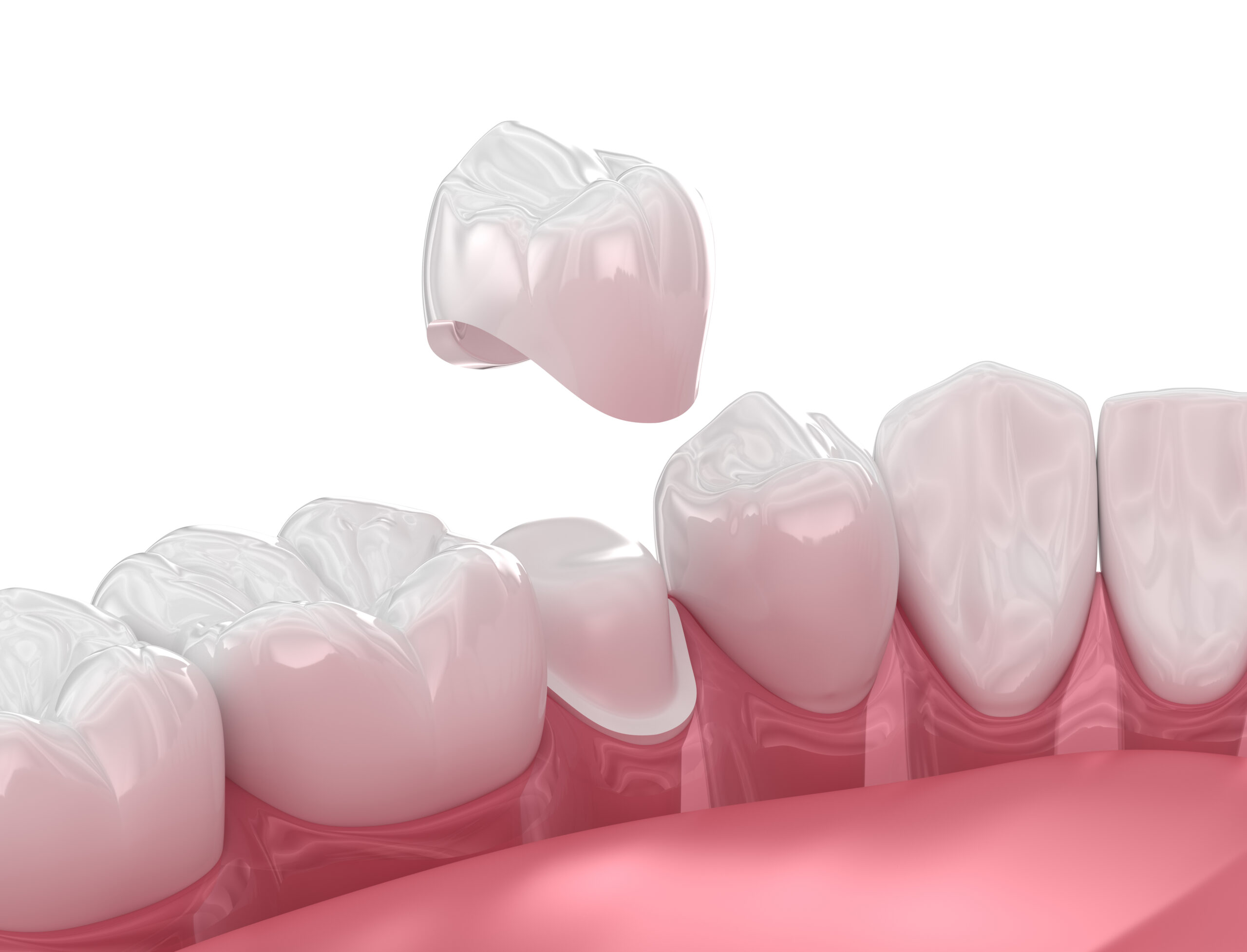
Ceramic crowns using CAD/CAM technology
Ceramic crowns made with advanced technology like CAD/CAM technology blends aesthetics and functionality perfectly together. A patient will get high quality ceramic crowns with exact precision when they visit our clinic for treatment. Ceramic crowns are ideally recommended for caries and stained teeth. They are bio-compatible and do not cause allergies.
To the service -
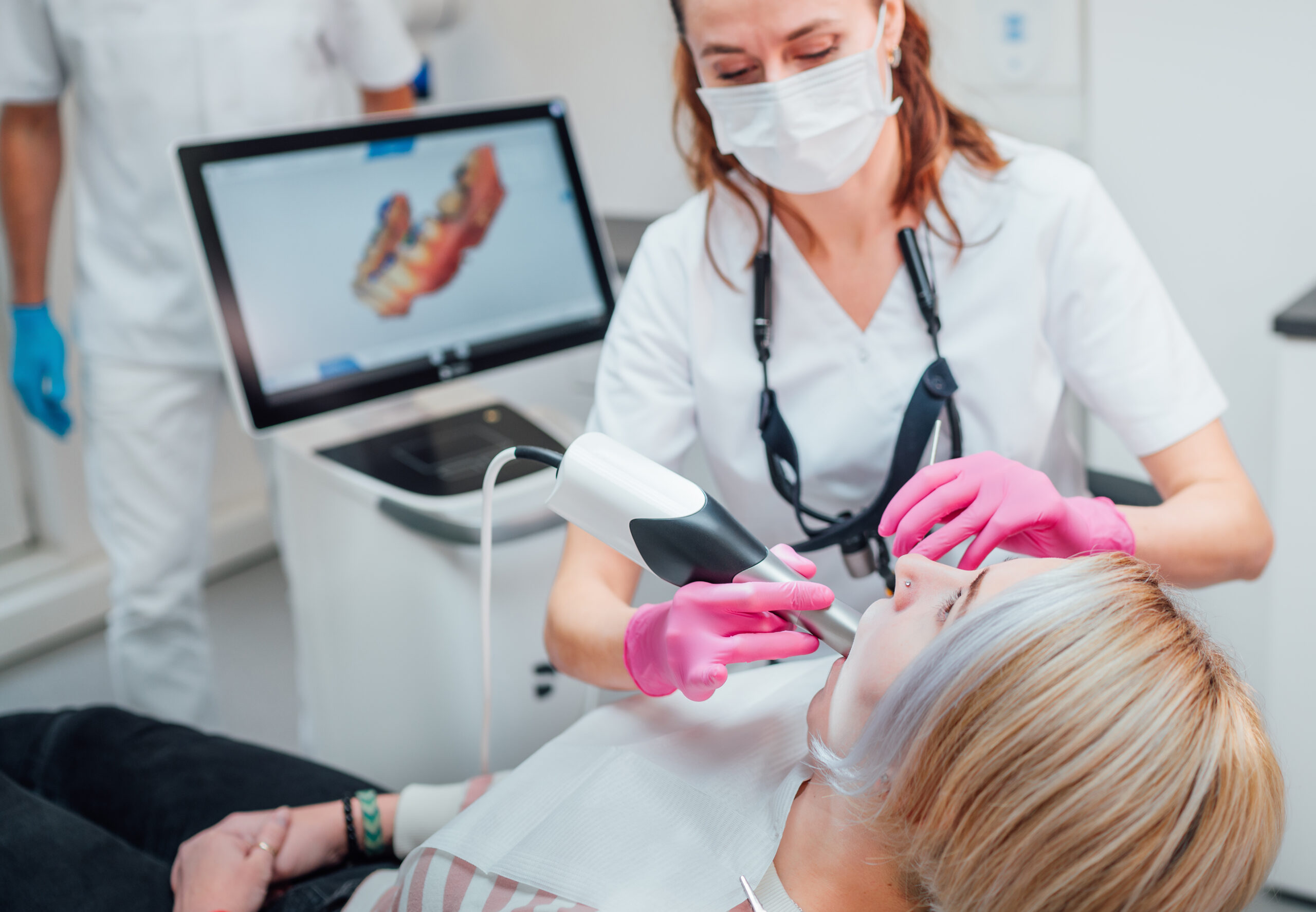
Digital Dentistry
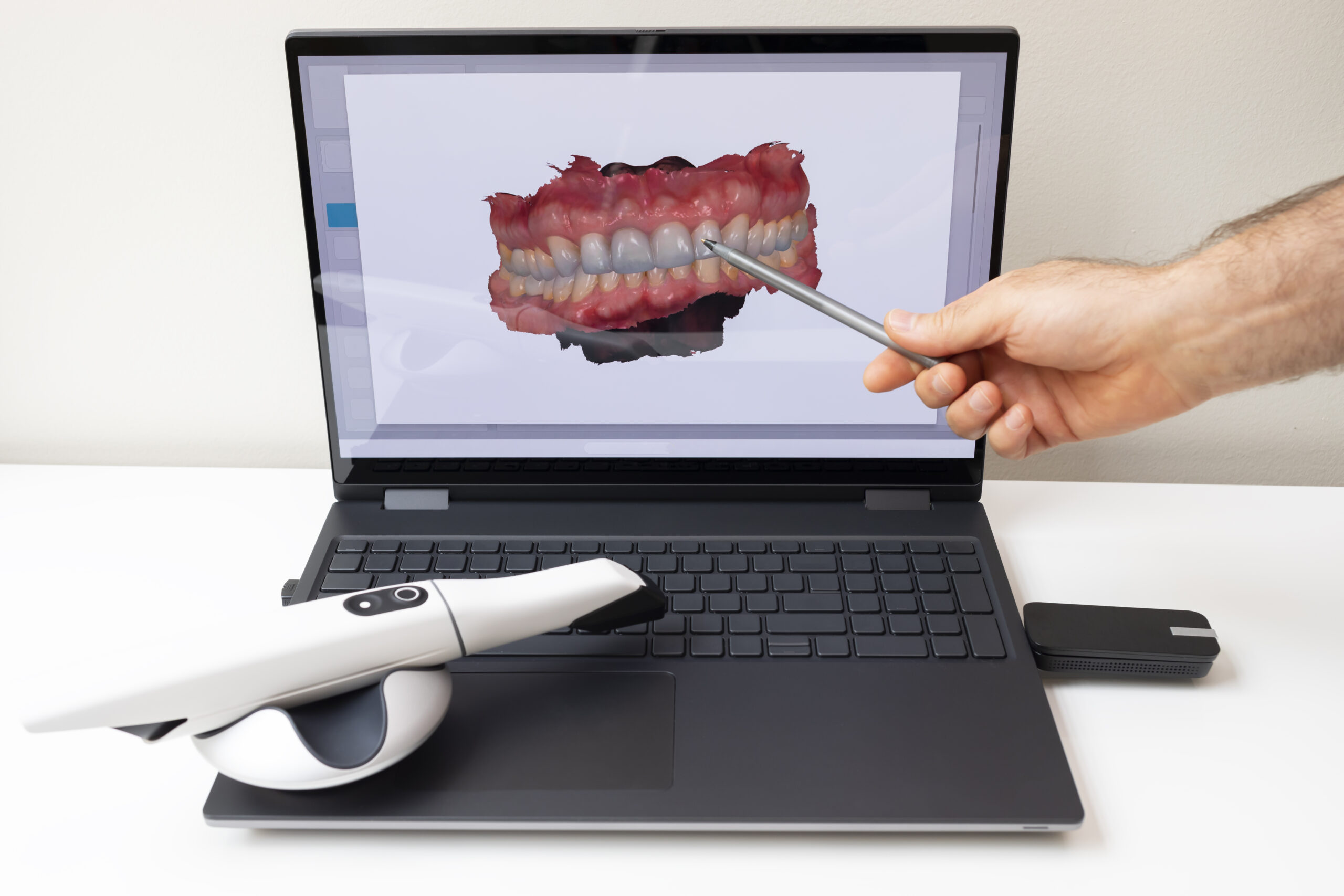
Dentistry has witnessed a significant technological revolution in the last few years. The foray of CAD/CAM technologies has made dental care more comfortable and pain-free for the patient. Known as “digital dentistry”, it is now becoming highly popular among patients and is redefining the future of dentistry today.
To the service -
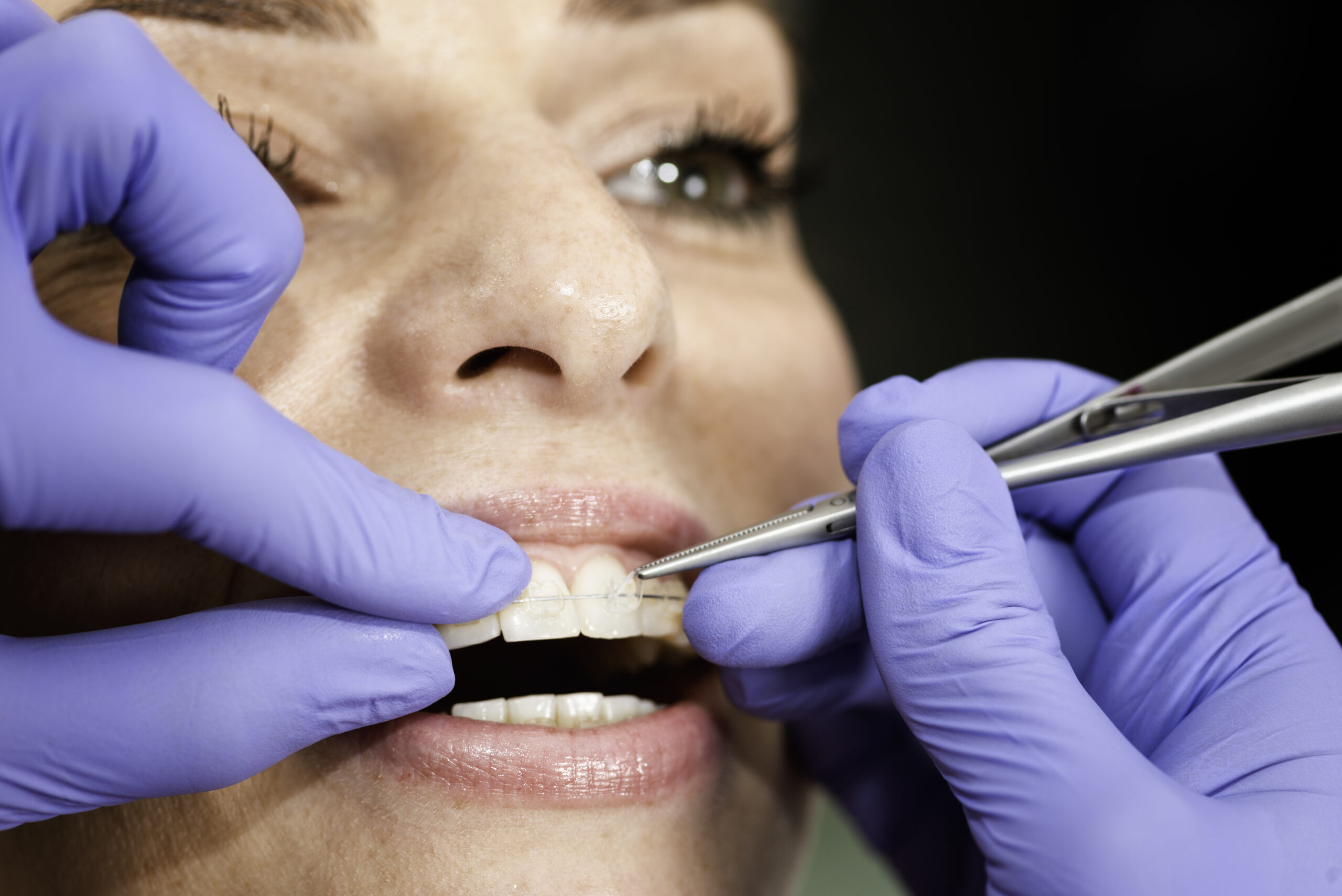
Braces installation
Orthodontics primarily deals with the diagnosis, prevention and correction of teeth and jaws that are misaligned with each other. Oral hygiene and regular maintenance of fixed braces is mandatory for their optimal effectiveness
To the service -
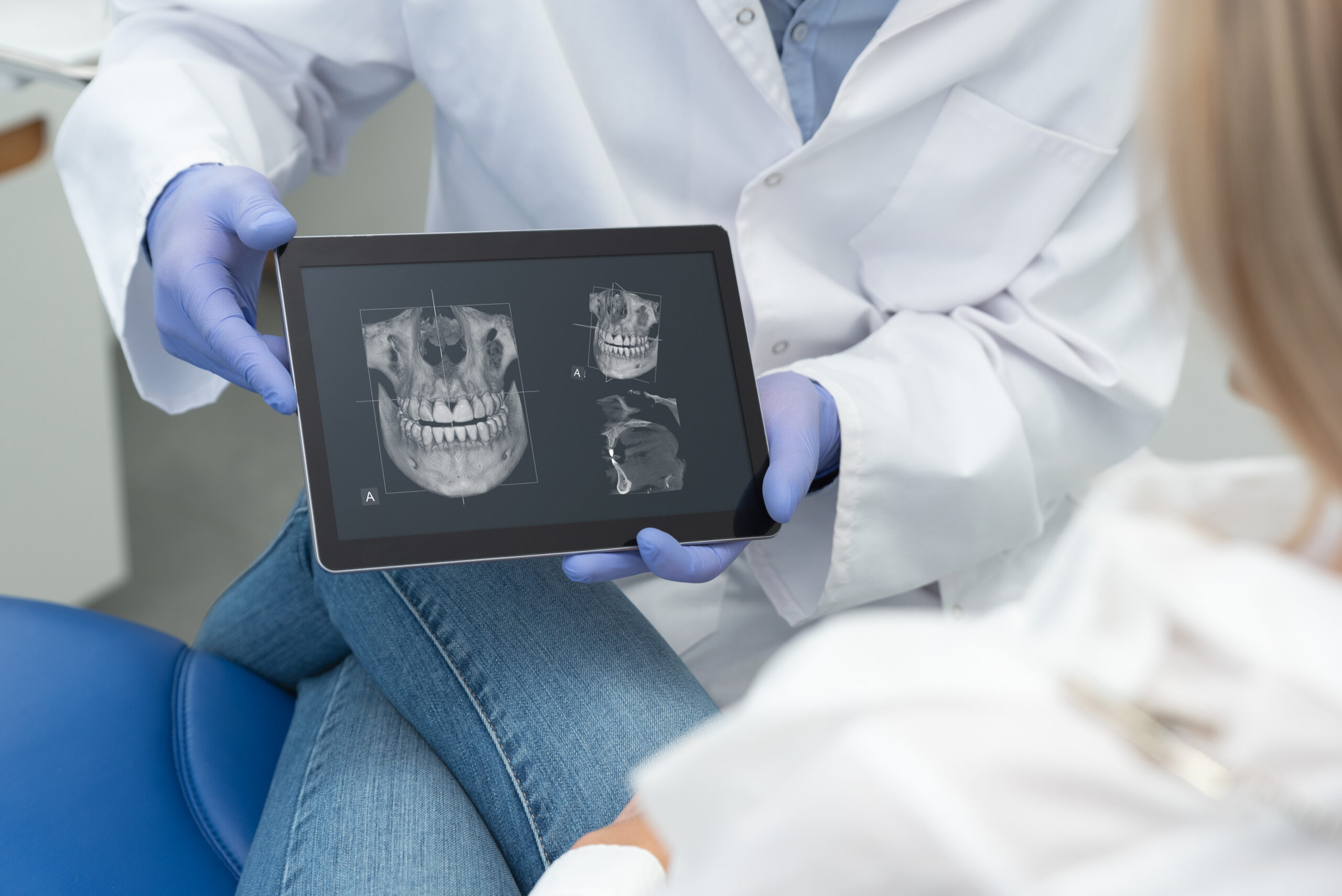
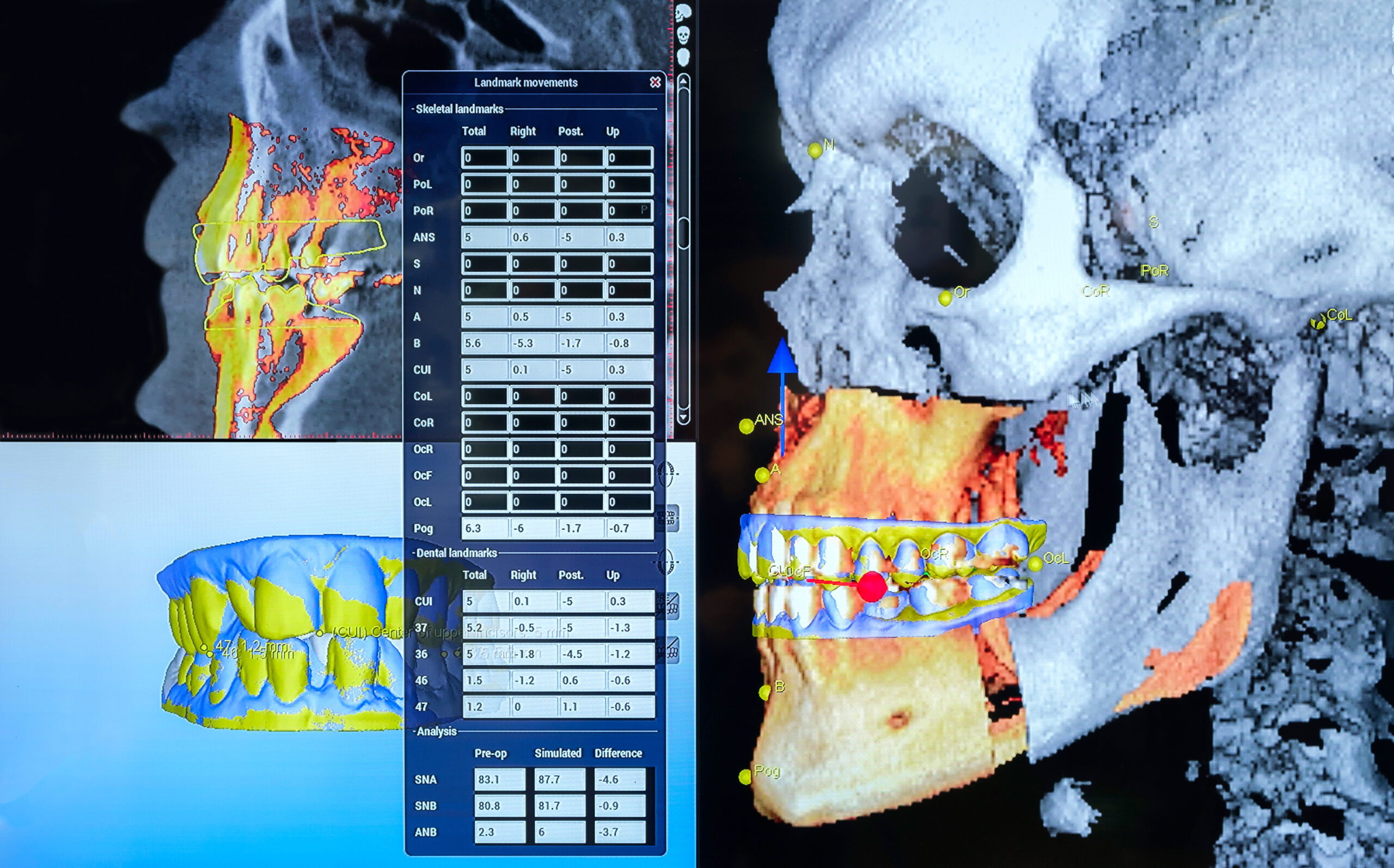
Computed tomography of teeth and oral cavity
A computed tomography (CT) scan of the jaw deploys the use of advanced technology to view the tissues and bones in dentistry. It is essential in dental diagnostics for accurate diagnosis and treatment plans. A dental CT is painless and different from an x-ray as it creates cross-sectional images with a radiation dose concealing hidden […]
To the service -
Digital smile Design
Thanks to the advent of modern digital technologies, you can attain a beautiful smile with dental aesthetics treatment. This procedure makes it possible for dentists to design a smile digitally before the start of the procedure. This simulation of digital smile design allows personalization and better precision of the final result.
To the service -
Orthodontics (bite correction)
Malocclusions occur when the jaw or teeth are not aligned correctly. This affects your smile, makes it hard to chew, and causes discomfort. Bite correction is the process where braces or aligners are used in orthodontic treatments to correct the flaw. The treatment enhances overall function and boosts appearance. You should always wear a mouthguard […]
To the service -
Diagnosis of dental diseases
Dental diagnostics is indispensable for the early identification of periodontal diseases and oral infections. Thanks to technological advancements in dental care, the diagnosis and treatment of tooth decay, gingiva, oral cavity, tooth abscess, and other serious oral healthcare issues can be done faster.
To the service



Read also
View all blog-
20.03.2026
15
8 min. read
What You Need to Know About Professional Teeth Whitening
A white smile makes a face look fresher and more well-groomed. However, over time, the shade of teeth changes. Diet,…
Read more -
19.03.2026
25
8 min. read
Professional hygiene in a dental office — The complete guide
Most people believe they take proper care of their teeth. They brush their teeth morning and night, floss, and buy…
Read more -
09.03.2026
15
9 min. read
Restorative Dentistry Guide — Everything You Need to Know
Sometimes a tooth decays almost unnoticed. There's no sharp pain or warning signs. A small spot, mild sensitivity to cold,…
Read more -
04.03.2026
22
5 min. read
How to avoid surgery in the future — a case study of early orthodontic treatment at age 6
A mother brought her 6-year-old son to the Dynasty Stomatology clinic. She was confused: her son had already been examined…
Read more -
26.02.2026
24
11 min. read
What is Dental Implant Procedure — A Complete Guide
Losing a tooth isn't always just about aesthetics. It's about self-confidence, the ability to smile without tension, the ability to…
Read more -
24.02.2026
42
9 min. read
Understanding Oral Surgery — What You Need to Know
Until recently, a visit to the dentist was associated with significant discomfort. Uncomfortable impressions, long waits, and the need for…
Read more -
19.02.2026
26
5 min. read
Online consultation with a dentist — how it works, how much it costs, and when it is really needed
There are many reasons why people put off visiting the dentist. Especially when they live in countries where it is…
Read more