
The Best Dental Restoration Options for Damaged Teeth


21.01.2026
50
6 min. read
Why Patients Trust Dynasty Stomatology
The trust in Dynasty Stomatology is built on a combination of many years of experience and an individual approach to every patient. We understand that a visit to the dentist is often accompanied by anxiety, so we place special emphasis on creating a comfortable and calm atmosphere where every patient feels safe.
The clinic is equipped with modern technology and uses advanced treatment methods, ensuring that procedures are carried out with maximum precision, efficiency, and comfort. All materials undergo strict quality control, and our doctors regularly improve their qualifications to offer only the most up-to-date and proven techniques.
In addition, Dynasty Stomatology values long-term relationships with patients. Our goal is not only to solve the problem at hand but also to maintain the health of teeth and gums for years to come. Openness, honesty, and transparency are the key principles that have earned the clinic its reputation as a reliable dental partner.
Facts about Dynasty Stomatology:
✅ Over 10 years of successful work in dentistry.
✅ Hundreds of positive reviews from patients in [Страна в соответствии с регионом] and abroad.
✅ We use premium materials from leading global brands.
✅ We offer treatment under sedation and general anesthesia.
✅ A full range of services — from pediatric dentistry to complex surgical operations.
Dynasty Stomatology — trust, expertise, reliability, and care for the beauty of your smile.
Learn about usMedical Expertise
Dynasty Stomatology’s doctors conduct medical reviews of all materials on the website to ensure their accuracy and practical value. Our authors and editors are experienced specialists in the fields of therapeutic, surgical, orthopedic, and pediatric dentistry. This approach allows us to maintain high professional standards and provide our readers with only verified, up-to-date, and useful information.
When something happens to a tooth, the first reaction is often anxiety. People often assume that treatment will be expensive and painful. The good news is that in most cases, the situation is not that bad. Modern dentistry has reached a level where teeth can be restored carefully, predictably, and with a natural-looking result.
The challenge lies elsewhere. Today, there are so many restoration options that it is easy to feel confused without clear explanations. Fillings, inlays, crowns, or restoration after root canal treatment are familiar terms, yet the difference between them is not always obvious. That is why it is important to understand what stands behind each method, when it is truly appropriate, and why one option may last for many years while another may be only a temporary solution.
In this article, the Dynasty Stomatology team explains what tooth restoration really means, which restoration methods are used most often, when a tooth can be preserved, and when alternative solutions should be considered. We will also discuss how to make treatment decisions together with your dentist and what to pay attention to so that the result is not only aesthetically pleasing but also durable.
What is tooth restoration?
Tooth restoration is a comprehensive dental procedure designed to restore the function and stability of a tooth fully. The main goal of treatment is to return the anatomical shape, comfort, and chewing efficiency of the patient’s natural tooth.
Dental tooth restoration may include several stages, such as enamel repair, reinforcement of the internal tooth structure after damage or root canal treatment, as well as the replacement of lost tissues using modern materials. The choice of approach depends on the extent of damage, the load on the tooth, and the overall condition of the oral cavity.

Benefits of tooth restoration
Professional dental restoration provides a comprehensive effect, as it simultaneously restores both the functional and visual qualities of the tooth. These procedures help regain full chewing efficiency and proper speech, protect the tooth from further decay and other forms of dental damage, and preserve the natural tooth structure.
The aesthetic aspect is equally important. Cosmetic tooth restoration improves the appearance of the smile by correcting the tooth’s shape, color, and surface. Moreover, modern dental restoration techniques provide high strength, creating long-lasting dental restorations that maintain results for years and minimize the risk of retreatment.
4 Popular dental restoration methods
There are several proven methods for dental restoration, each addressing specific needs, from minor defects to severe damage. Choosing the right method allows you to restore your teeth’s shape and function while maintaining a natural smile for years to come. Next, we’ll take a detailed look at four of the most popular and effective dental restoration methods, their features, and the situations in which each is used:
Dental bonding
Dental bonding is a minimally invasive method. It uses composite resin to correct small defects. It is often applied for chipped tooth repair and minor surface damage. The material bonds directly to the tooth, allowing for quick restoration.
Dental fillings
A dental filling is used for a cavity caused by tooth decay. After removing the affected tissue, a filling made of composite or porcelain is placed. This is one of the most common dental treatment methods.
Inlays and onlays
These types of dental restoration are manufactured in a dental lab to specifically fit the damaged area. They are used when the damage is too extensive for a filling but does not require a crown. This type of restoration provides precision and strength.
Dental crowns
A dental crown covers the entire tooth. It is often used for severely damaged teeth or after a root canal. Dental crowns to complete complex cases help complete the restoration process and restore both aesthetics and function. Crowns to complete the restoration are a reliable solution for significantly damaged teeth.
Indications for tooth reconstruction
Tooth reconstruction is indicated in cases where a tooth has been damaged or weakened and requires restoration of both function and appearance. This may include broken tooth restoration after mechanical trauma, as well as cracked tooth treatment in cases of cracks or excessive chewing stress.
These procedures are necessary when there is a need to strengthen the crown of the tooth or after endodontic treatment, when tooth restoration after root canal is required. Additionally, aesthetic dental restoration is used to enhance the appearance of teeth, while dental restoration for front teeth allows correction of shape, color, and overall smile aesthetics.
Timely restoring damaged teeth reduces the risk of further complications and helps preserve tooth structure restoration.
When dental reconstruction doesn’t work
Although modern restoration methods allow tooth preservation in many dental cases, there are situations where tooth reconstruction does not provide a reliable and long-term result. This is not due to the quality of treatment, but rather to objective limitations related to the condition of the teeth, tissues, and overall health of the patient. In such cases, restoration may be unstable, and the doctor recommends other solutions, most often dental implants. The main reasons include:
- Blows or trauma – Significant fractures may occur due to accidents, sports injuries, or certain conditions like bruxism, which can exert excessive stress on teeth. Even strong, direct impacts can make reconstruction ineffective.
- Age – Older patients often experience a gradual loss of gum tissue and natural wear of teeth. This progressive deterioration sometimes makes dental implants a more predictable solution than conventional tooth restoration.
- Periodontitis – This disease causes chronic inflammation of the gums, leading to weakened support for teeth. In advanced cases, teeth may become unsalvageable for reconstruction and may require replacement.
- Other pathologies – Certain systemic conditions, including diabetes, cancer, osteomyelitis, and autoimmune diseases, can affect healing and compromise the longevity of restorative dentistry procedures. In such cases, direct use of dental implants is often preferred over traditional dental restoration methods.

How to choose a dental restoration procedure to fix damaged teeth
The choice of dental restoration method directly impacts the appearance of your smile and how comfortable and confident you will feel in everyday life. There are no one-size-fits-all solutions, as each case is individual and requires a balanced approach.
That’s why choosing the right dental restoration begins with understanding the overall situation. The dentist analyzes the extent of the damaged or decayed tooth and determines whether it’s realistic to restore the tooth with a reliable and long-lasting result. Parameters such as tooth restoration cost, chewing load, and the patient’s aesthetic expectations are also considered.
At Dynasty Stomatology, choosing a method begins with a detailed diagnosis and open dialogue. We help determine what dental restoration is best for your specific situation and ensure the optimal balance between function and aesthetics. We also consider all clinical factors and your lifestyle to ensure your chosen solution is comfortable not only today but also in the long term.
Frequently Asked Questions about the right dental restoration option
-
How long do different tooth reconstruction methods typically last?
The lifespan depends on the chosen dental restoration types, materials, and daily habits. Simple restorations may last several years, while full tooth restoration solutions can remain stable much longer with proper care. Some dental restorations are often designed to be durable, especially when the bite is balanced and oral hygiene is consistent. In cases where implants are used, dental implants can last for decades when properly maintained.
-
Is tooth reconstruction a painful procedure?
Most tooth restoration procedures are performed under local anesthesia, so discomfort is minimal. After treatment, mild sensitivity is possible, but it usually fades quickly as the restoration on teeth adapts to normal function.
-
Can multiple restoration methods be combined for one tooth?
Yes. In complex cases, different approaches to repairing damaged teeth may be combined. For example, a tooth after root canal treatment often requires additional reinforcement to ensure long-term stability when restoring tooth structure. This is especially important when addressing more serious dental issues.
-
How long does it take to complete tooth reconstruction from start to finish?
The dental restoration process may take one visit or several appointments. Simple cases can be completed quickly, while advanced restorations require planning and precision. Some restoration procedures should be addressed in stages to ensure predictable results, particularly when dealing with more complex kinds of dental restorations.
-
Does tooth reconstruction affect chewing or speech?
Once healing is complete, chewing and speech typically improve. The goal is to fix teeth in a way that feels natural and supports everyday function, especially for patients with teeth that are in bad condition before treatment.
-
Are there any restrictions after a tooth reconstruction procedure?
Temporary restrictions may apply depending on the common restoration used. Your dentist will guide you on eating habits while materials are fully set, particularly when dental cement is involved.
-
How do I care for a reconstructed tooth on a daily basis?
Caring for a restored tooth is fairly simple and not much different from regular dental care. It just requires a little more attention to detail. Regular brushing twice a day, flossing, and, if necessary, using a water pick help keep the area around the restoration clean and prevent plaque buildup. By doing this, you can maintain oral health, reduce stress on the restored area, and notice changes that may require repair teeth before complications arise.
-
Can tooth reconstruction be performed in a single dental visit?
Yes, some available dental restoration choices allow same-day treatment. Whether a restoration possible in one visit depends on the complexity of the case and the chosen materials.
-
What factors influence the cost of tooth reconstruction?
Cost is influenced by the complexity of treatment, materials used, and whether dental restoration is needed for functional or aesthetic reasons. The right dental restoration option balances durability, appearance, and budget.
At Dynasty Stomatology, we make this process as clear and transparent as possible. The doctor thoroughly explains all possible treatment options, their costs, and expected results before the procedure begins, so you understand exactly what you're paying for and what solution you're choosing. -
How do I know if a reconstructed tooth needs to be replaced or repaired?
If you notice pain, sensitivity, tooth mobility, or changes in your bite, it requires attention. In some cases, existing tooth restoration methods can correct or repair the tooth, but in cases of damaged or missing teeth, it may be necessary to replace a missing tooth with solutions such as dental bridges or dental implants.
When implants are used, implants anchor the restoration prosthesis, keeping the restoration prosthesis in place securely and restoring full function. The safest step is to contact a dental office, where a doctor will assess the situation and help you choose the right type of treatment, because dental restoration will be best when it is individually tailored to your needs, even when many dental factors are involved.
Request an appointment and receive a personalized treatment plan
If you’re concerned about the condition of your teeth or want to understand which restoration option is right for you, don’t delay your visit to a specialist. During your consultation in Dynasty Stomatology, the dentist will assess your situation, answer all your questions, and offer the optimal solution based on functionality, aesthetics, and budget.


Do you want to treat your teeth while you sleep?
Schedule an appointment!
By clicking the button, you give your agreet your personal data in accordance with privacy policy.
Services
All services-
Dental treatment for elderly patients in Krakow – gerontostomatology
As we age, dental care requires special attention due to changes in the body and oral health. Dynasty Stomatology in Krakow offers specialized treatment for elderly patients, taking into account age-related features. Contact our experienced specialists for comfortable and effective dental care, dental treatment, prosthetics, implantation or other services.
Read more -
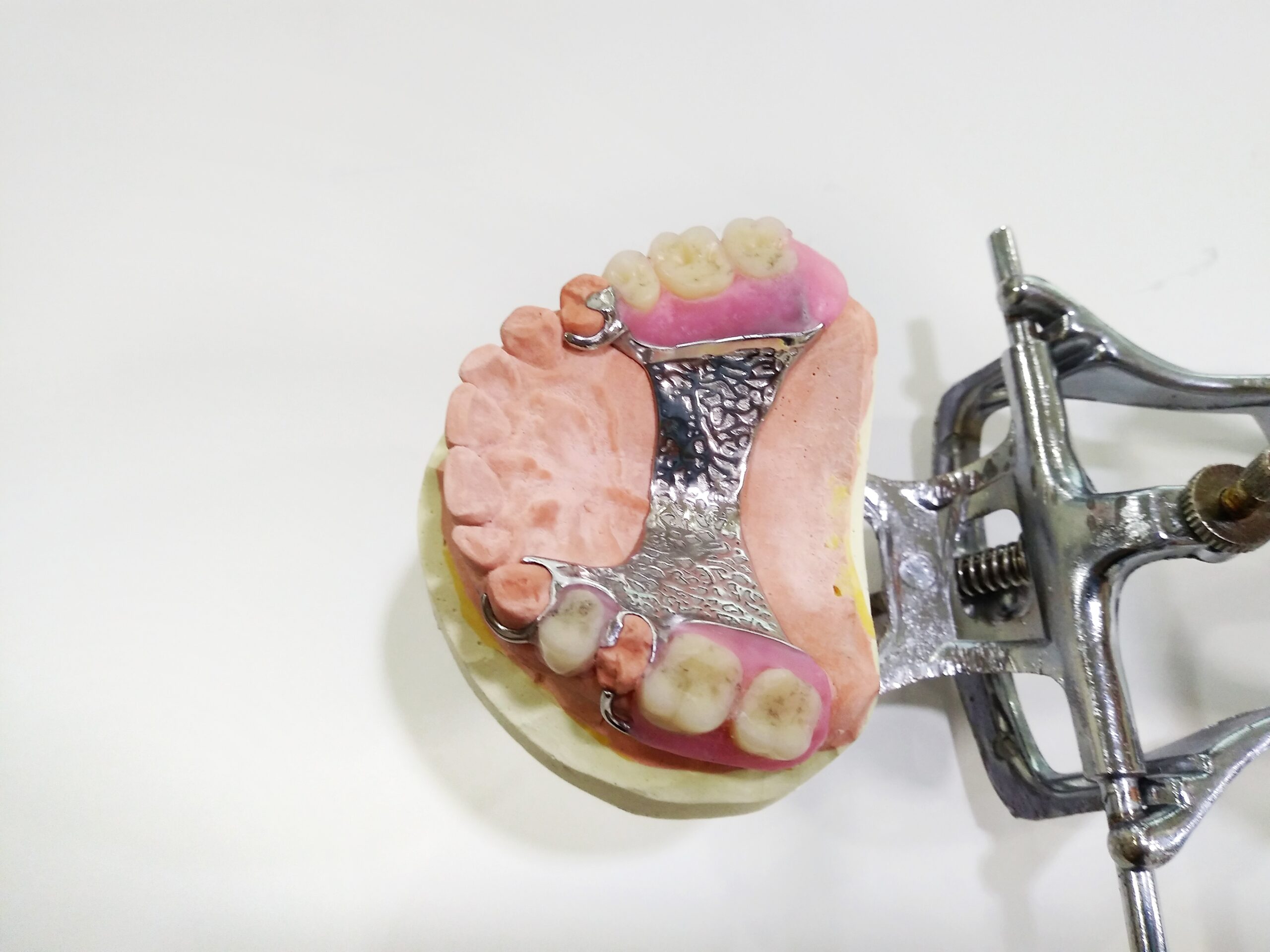
Manufacturing of removable dentures in case of partial or complete absence of teeth
The problem of partial or complete tooth loss can significantly affect the quality of life – from difficulties in eating to aesthetic and psychological discomfort. Removable dentures allow you to restore both chewing function and self-confidence.
Read more -
Prosthetics on implants
The absence of several or all teeth is not only an aesthetic issue but also a serious impairment of jaw function, which can lead to reduced chewing ability, bite changes, and even deformation of the facial skeleton. In such cases, it is important to timely restore lost teeth to prevent further complications and improve quality […]
Read more -
Dental prosthetics
Dental prosthetics is an effective way to restore damaged or missing patient’s teeth and improve the overall dentition. Modern prosthetic methods not only bring back chewing function but also ensure a natural-looking smile by matching the color of teeth and preserving the aesthetics of the visible part of the tooth.
Read more -
Microprosthetics of teeth
After tooth damage, many people face a number of unpleasant problems and urgent challenges. First, constant discomfort and painful sensations appear in the oral cavity. Second, it becomes difficult to bite and thoroughly chew solid food. Third, your psychological well-being may suffer, as your smile loses its aesthetic appeal.
Read more -
Dental veneers
Are you dreaming of achieving that perfect “Hollywood smile” like your favorite movie star? Well, the good news is you can make your wish come true thanks to dental veneers. They not only enhance your appearance, but they improve front teeth bite functionality after your dental treatment. Hollywood smile refers to comprehensive procedure that involves […]
Read more -
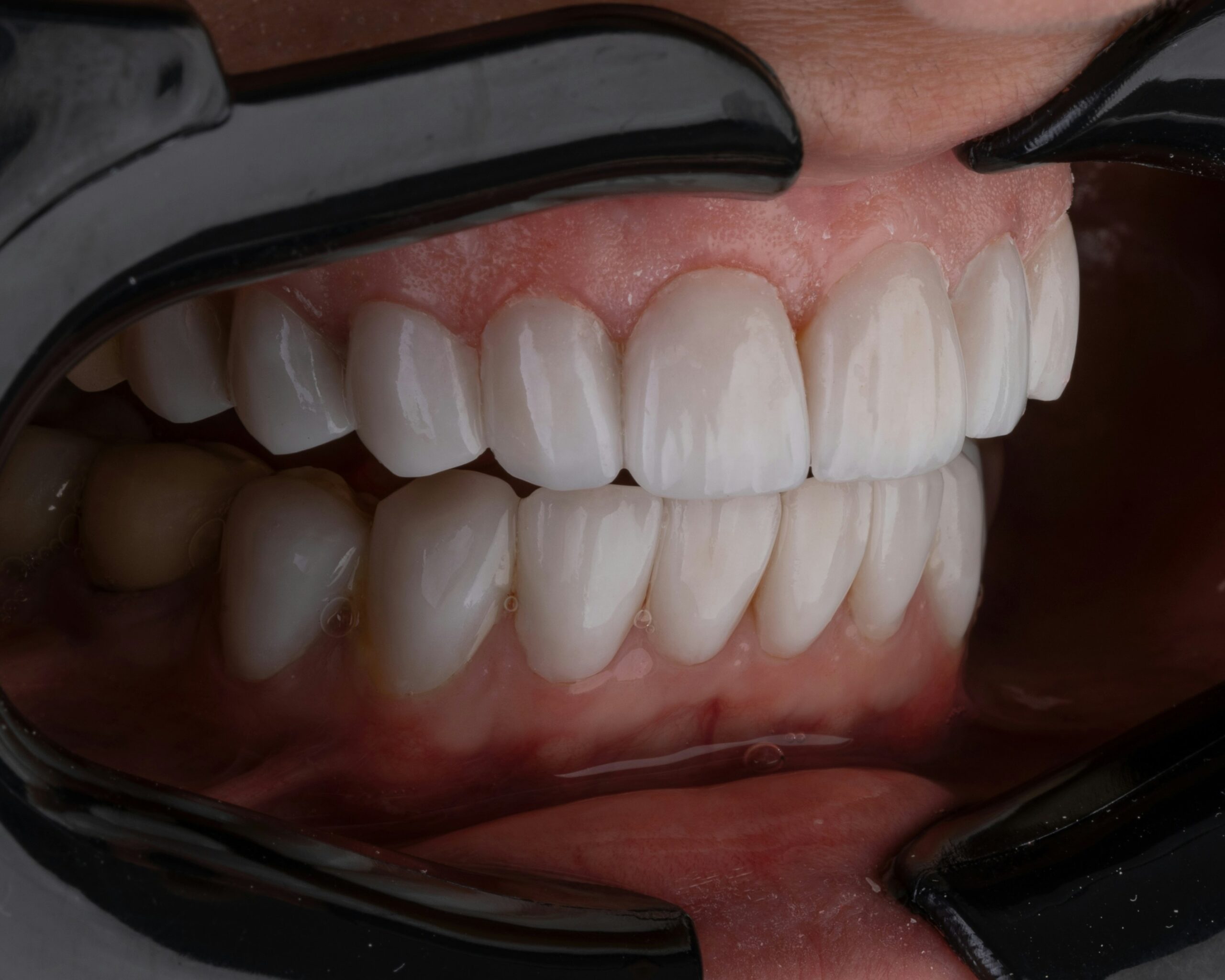
Ceramic crowns
Ceramic dental crowns offer protection to damaged, or decayed teeth. These crowns, used for various dental procedures are made from safe, bio-compatible and metal-free materials like porcelain, resin, and zirconia for front teeth.
Read more




Read also
View all blog-
20.03.2026
15
8 min. read
What You Need to Know About Professional Teeth Whitening
A white smile makes a face look fresher and more well-groomed. However, over time, the shade of teeth changes. Diet,…
Read more -
19.03.2026
24
8 min. read
Professional hygiene in a dental office — The complete guide
Most people believe they take proper care of their teeth. They brush their teeth morning and night, floss, and buy…
Read more -
09.03.2026
13
9 min. read
Restorative Dentistry Guide — Everything You Need to Know
Sometimes a tooth decays almost unnoticed. There's no sharp pain or warning signs. A small spot, mild sensitivity to cold,…
Read more -
04.03.2026
21
5 min. read
How to avoid surgery in the future — a case study of early orthodontic treatment at age 6
A mother brought her 6-year-old son to the Dynasty Stomatology clinic. She was confused: her son had already been examined…
Read more -
26.02.2026
23
11 min. read
What is Dental Implant Procedure — A Complete Guide
Losing a tooth isn't always just about aesthetics. It's about self-confidence, the ability to smile without tension, the ability to…
Read more -
24.02.2026
41
9 min. read
Understanding Oral Surgery — What You Need to Know
Until recently, a visit to the dentist was associated with significant discomfort. Uncomfortable impressions, long waits, and the need for…
Read more -
19.02.2026
25
5 min. read
Online consultation with a dentist — how it works, how much it costs, and when it is really needed
There are many reasons why people put off visiting the dentist. Especially when they live in countries where it is…
Read more