

You should never ignore gum infections assuming it will go disappear on its own. Untreated infections will escalate into gum disease becoming a major threat to your oral and physical health. Various periodontal diseases lead to serious dental complications that lead to tooth loss and bone damage.
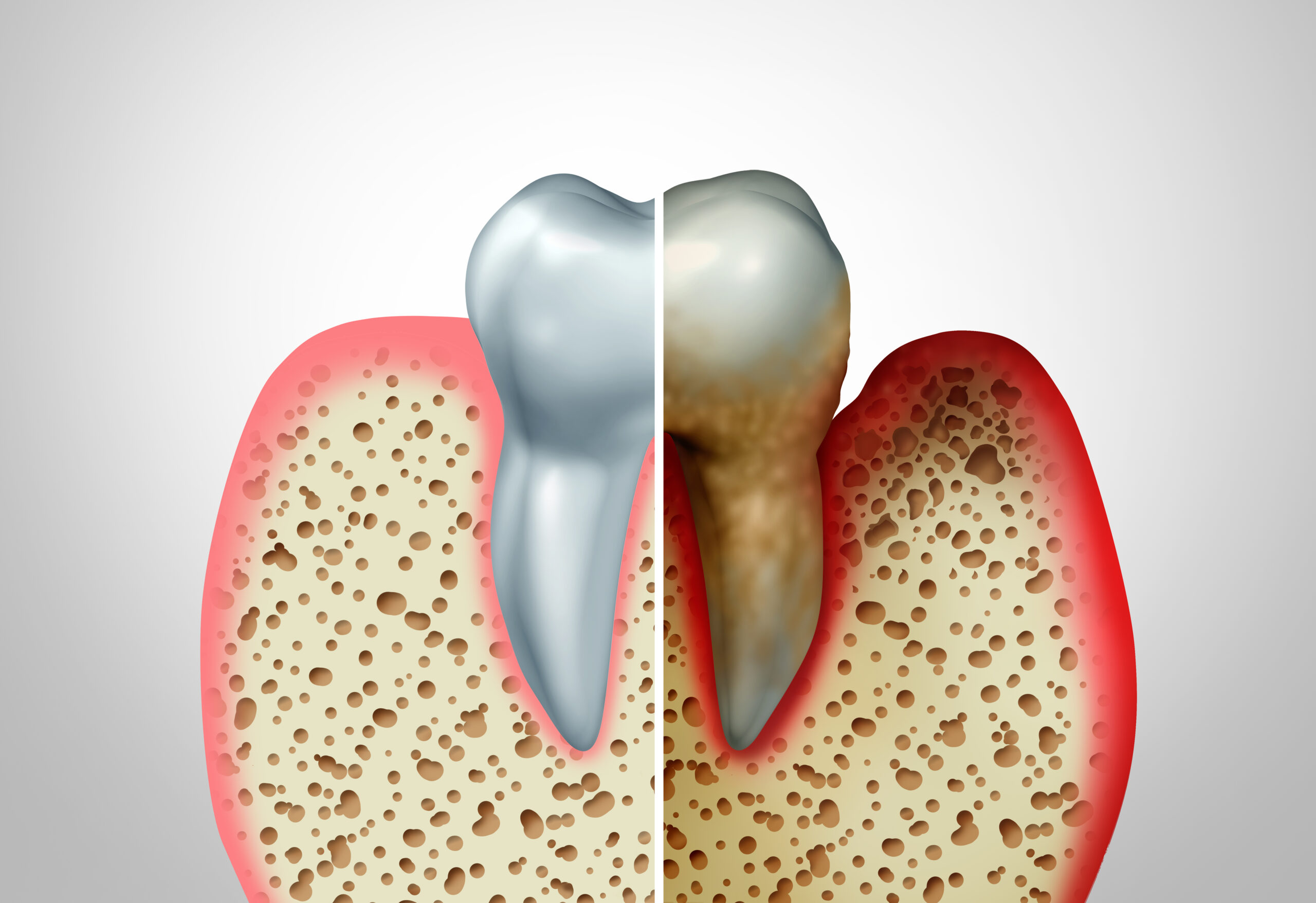

Accumulation of debris on the teeth

Formation of mature bacterial plaque

Onset of inflammation
How can periodontitis be prevented?
Effective treatment starts with proper oral hygiene to remove plaque at home every day. You must brush your teeth with a soft-bristled or an interdental toothbrush at a 45-degree angle from the teeth to the gumline.
You need to make several appointments for professional teeth cleaning like a scaling every 6 months to ensure plaque and tartar do not accumulate on the surface of the teeth. In case, you have gum sensitivity, visiting a dentist every three months should be a part of the treatment.
For successful periodontal treatment, you need to eat a balanced diet rich in calcium and vitamin C. Stress management and the control of diabetes are essential to keep your immunity strong. If you identify any of the symptoms described above, visit a periodontist to book several appointments for teeth cleaning. Ensure you follow up with oral hygiene at home every day.

Price: Treatment of periodontitis
All price-
General consultation + treatment plan
250 PLN
Have you noticed signs of inflammation or are you experiencing pain? Don't delay your visit to the dentist.
Schedule an appointment!
By clicking the button, you give your agreet your personal data in accordance with privacy policy.
Frequently asked questions about periodontitis treatment
-
Can periodontitis be cured with home remedies?
Periodontitis must be professionally treated by a skilled periodontist. Post treatment follow-up care can be done at home with proper oral hygiene and dental care.
-
Who is most susceptible to periodontitis?
Those with a chronic plaque deposit but also people with uncontrolled diabetes, poor oral hygiene, smokers, and pregnant women are most susceptible to periodontitis.
-
Is periodontitis an inherited disease?
Genes can also affect enamel health and immunity so family history can play a minor role on infections called periodontitis thus preventing their gums to heal.
-
What does periodontitis treatment involve?
Periodontitis treatment involves professional scaling and root planing over multiple sessions as they cannot be carried out in a single session.
-
What are the first symptoms of a gingival recession?
Sensitivity of dental root surfaces to cold and hot food, gum inflammation, and root exposure are the first symptoms of a gingival recession.
-
How to prevent a gingival recession?
Regular brushing and flossing prevent infections and gums from becoming inflamed. Bite misalignments should be corrected with orthodontic or crown placement treatment.
Doctors who perform periodontitis treatment
View all doctors
Anastasiia Danyliuk
General dentist, endodontist
Focuses not only on treatment effectiveness but also on patient comfort. Her main goal is to provide long-term results without the need for repeate...

Yana Tereshchenko
General dentist, endodontist
Cares about both the health and the aesthetic and functional aspects of her patients’ teeth, helping preserve a natural, beautiful smile for years.

Yuliia Rudzynska
Pediatric dentist
Helps children not only maintain healthy teeth but also develop a positive attitude toward dentistry, ensuring fear-free visits.

Borys Minakov
Prosthodontist
His approach focuses on individually tailored treatment plans that not only solve current issues but also prevent future ones. This helps patients ...
Reviews on periodontitis treatment in Krakow
Expert articles on the topic
View all blog-
09.12.2025
330
6 min. read
What is Dental Splinting and How It Can Save a Loose Tooth?
Loose teeth in adults are often a sign that something important is changing in your mouth. This causes a lot of discomfort and further problems, interferes with speaking and chewing, and, unfortunately, can lead to tooth loss. However, there is a procedure called teeth splinting, which can strengthen the tooth and prevent further damage or […]
Read more -
01.09.2025
221
7 min. read
Periodontal disease – causes, symptoms, treatment options
Periodontal disease is one of the most common oral health issues worldwide, affecting millions of people and often developing silently over time. Left untreated, it can lead to serious complications, including tooth loss and systemic health problems. Understanding the causes, recognizing early symptoms, and exploring effective treatment options are essential for maintaining a healthy smile […]
Read more -
01.08.2025
248
5 min. read
What is Periodontology – What Does a Periodontist Do?
Periodontology focuses on the health of the tissues surrounding and supporting the teeth. It plays a crucial role in preventing and treating gum diseases that can affect overall oral health. Understanding the importance of this dental specialty helps maintain strong teeth and gums throughout life. What is Periodontics? Periodontics is a branch of dentistry that […]
Read more




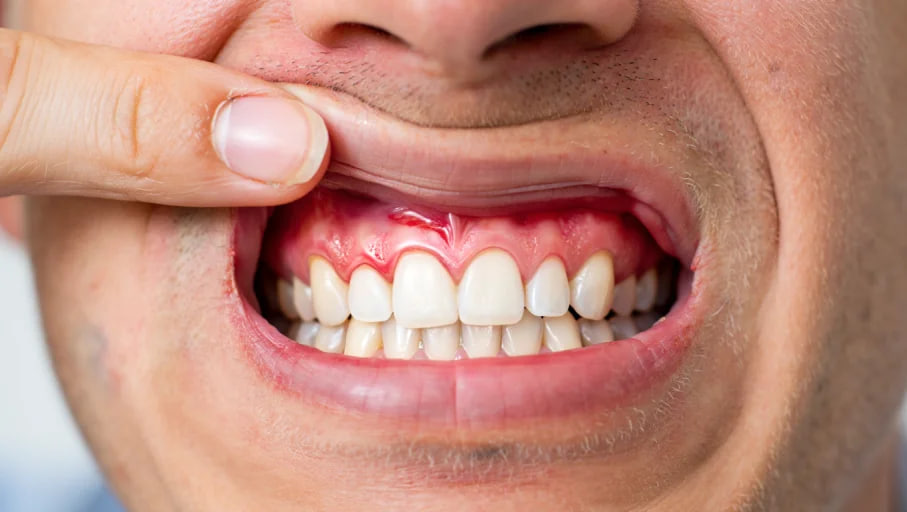
Cases of periodontal disease begins as a mild gum disease around the teeth and is harmful, if not treated. It starts with bleeding and inflammation that gradually converts into a serious condition that seeks immediate medical intervention.
What is periodontitis and gum disease?
Periodontitis seriously affects the soft tissue and the bone that holds your teeth in position. Gingivitis precedes periodontitis in its early stage and is a minor gum problem accompanied with inflammation and redness.
Eventually, open spaces between the teeth form. The teeth gradually fall out affecting bite function and jaw alignment while chewing on food. Advanced periodontitis affects oral health and causes serious complications in the body like heart disease and organ infections. Dental care experts in periodontology recommend you treat gum disease early to prevent surgical treatment and tooth loss.
What causes periodontitis of the teeth and gums?
Poor oral hygiene and regular dental care neglect leads to periodontitis and gum disease. When you do not brush or dental floss your teeth properly, a sticky layer of bacteria called plaque forms on the surface of the teeth. With time, this layer becomes thicker and hardens into tartar. The gums get infected, and they become red and swollen.
Other causes of periodontitis are hormonal changes in the body, diabetes, smoking, and any history of family disease. If you do not treat periodontal disease on time, the infection aggravates damaging the tissue and bone that support the teeth. Gum treatment is the shrinkage reversal process carried out by a skilled dental specialist to protect the teeth, bone and tissue from decay.
Stages of development of periodontal diseases
You should note gum disease doesn’t happen overnight. It develops in stages beginning with subtle signs with no specific indications like pain, blood, gum inflammation, or even an oral cavity. With time, it becomes worse and the gums and the bone surrounding the teeth slowly become susceptible to damage.
Appearance of bacteria in the bacterial plaque
In some hours, the bacteria that naturally forms in your mouth works on the soft deposit and this gives rise to early signs of dental plaque. The microbes digest the sugars, release acids, and toxins that cause irritation to the epithelium on the gum before it becomes noticeable.
Appearance of initial symptoms
Initial symptoms of periodontitis include an awkward metallic taste in the mouth, consistent bad breath, bleeding gums, and an occasional pinkish foam that may occur in the mouth. Your gums appear shiny and when you apply light pressure the gums start to bleed.
Worsening of symptoms
In advanced periodontal disease, the symptoms listed above become worse and the defense system of your body becomes destructive. Gum recession is common at this stage where they pull away causing periodontal pockets leading to the accumulating of tartar. If left untreated, the bone stars to resorb and the teeth appear longer. Periodontal therapy should be started immediately.
What are the symptoms of periodontitis?
Let’s look at the symptoms of the disease below:
atrophy of the gums and exposure of the teeth necks
Shrinkage of the gum takes place in both thickness and height exposing the sensitive dentin of the tooth root surface. Consuming cold, hot, or sugary food may result in sharp pain in your tooth.
teeth mobility or tilting, or formation of gaps between the teeth
There is a formation of open spaces because of bone loss and loose teeth. Chewing becomes difficult and changes in bite aggravate the condition. You’ll experience greater sensitivity of the dental root and other signs of the disease include discomfort while eating.
purulent exudate (pus) from the gum pockets
When the bacterial deposits and tartar builds up the condition of your gums worsens. You experience pain in very different ways and when the infection becomes serious, a yellowish white pus starts to ooze out of the periodontal pockets. This pus indicates the tissues have broken down resulting in a bad odor from the mouth. This is the stage where periodontal treatment becomes essential.
What are the risks of untreated gingivitis?
Untreated gingivitis puts you at the risk of periodontitis. Gums pulling away from the teeth, bone and tooth loss is another side effect of gum infection. Ignoring it destroys periodontal ligament and bone damage leading to tooth loss.
Besides the above, it also complicates the management of diabetes, increases the markers for cardiovascular health, and affects adversely the outcomes of pregnancy. Treating periodontitis is essential for keeping the above risks at bay effectively.
Periodontitis treatment at Dynasty Stomatology dental clinic
At Dynasty Stomatology in Krakow, Poland, we ensure you get different treatment methods for periodontitis in a safe manner. We arrest the development of gum infection at the outset with the aid of modern equipment and the latest technology. We use local anesthesia for patients to ensure the treatment sessions are comfortable and pain-free.
Our friendly dental practice experts help patients practice optimal oral hygiene at home to mitigate the adverse effects of periodontitis. Complete recovery is ensured only if patients practice proper oral hygiene and dental care at home.
If you have any queries and concerns about the process and side effect of gum treatment, feel free to reach out to us today!
Prices for periodontitis treatment at our dental center
The prices for the treatment of gum diseases varies and depend on the severity of the condition along with the prescribed treatment and healing plan. A detailed consultation with a skilled periodontist will help you check the condition of your gums for a personalized treatment plan.