

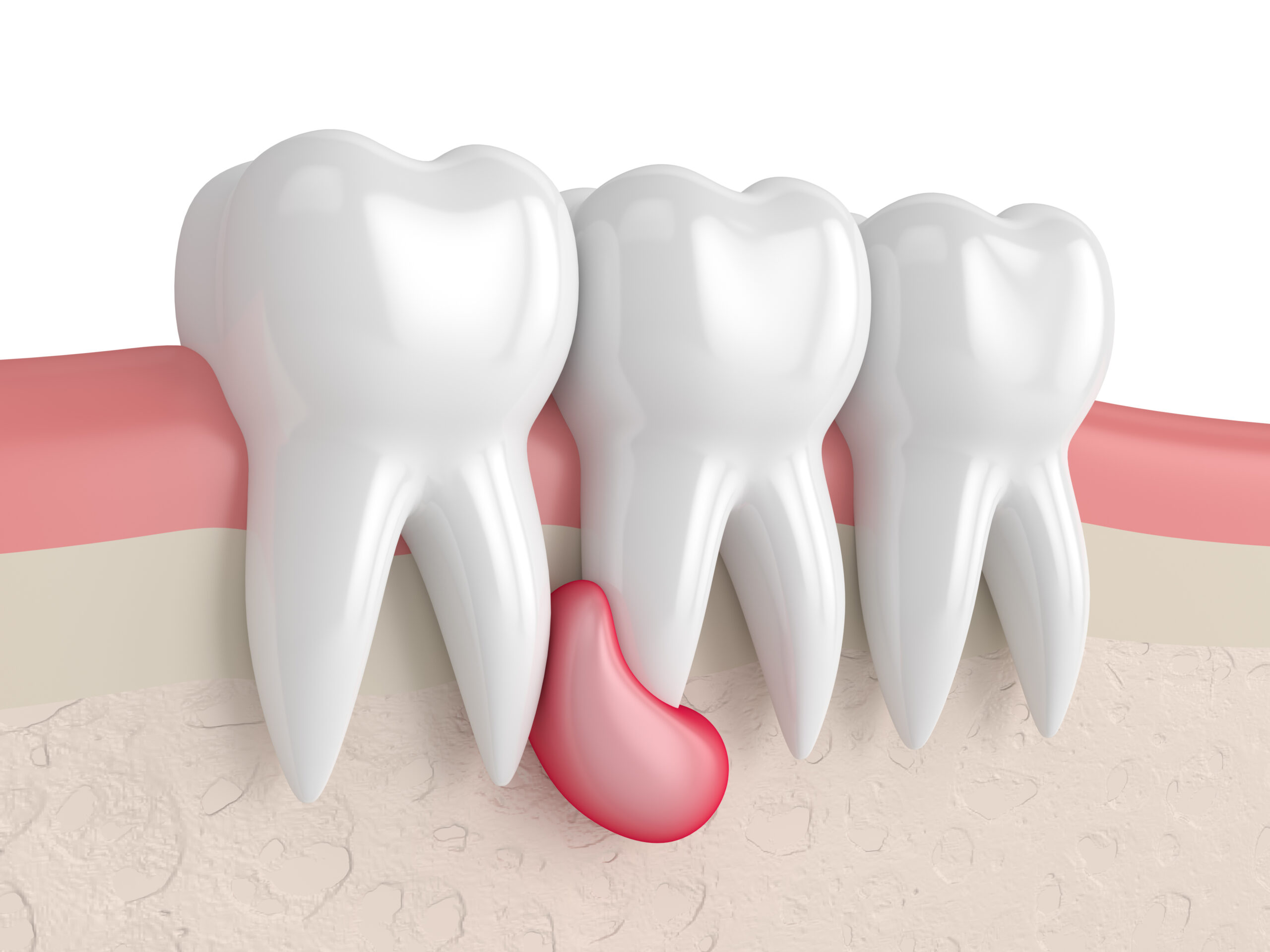
A tooth cyst is a fairly common dental problem that often develops without symptoms and remains unnoticed for a long time. It is characterized by a pathological formation, most frequently occurring near the apex of the tooth root due to inflammation, trauma, or infection. If the cyst is not removed in time, it may grow, destroy bone tissue, cause severe pain, swelling, tooth displacement, form fistulas, and in severe cases lead to tooth loss and even damage to surrounding tissues and the jaw bone.

Conservative Therapy

Surgical Treatment Methods

Cystectomy
Tooth Cyst Treatment at Dynasty Stomatology
Removing a tooth cyst is a crucial procedure to maintain oral health and prevent dental cyst complications. At our clinic, you will receive effective treatment led by experienced specialists using modern technology and safe methods.
All procedures are performed by a qualified surgeon following established protocols. Treatments are done under anesthesia to ensure your comfort. We offer an individualized approach and guarantee high-quality care considering the anatomical shape of the tooth and personal patient needs.
Schedule a consultation at Dynasty Stomatology today. We ensure your health and comfort throughout the process!
Dynasty Stomatology is among the best dental clinics offering expert care for odontogenic cysts and other oral conditions. Let us help you maintain healthy teeth and gums with personalized treatment options.

Price: Removal of a dental cyst
All price-
Surgical examination
150 PLN -
Tomography of 1 jaw
250 PLN -
Tomography of 2 jaws
350 PLN
Do you want to treat your teeth while you sleep?
Schedule an appointment!
By clicking the button, you give your agreet your personal data in accordance with privacy policy.
Frequently asked questions about tooth cyst removal
-
Is it possible to treat a cyst without removing the tooth?
If a cyst is detected at an early stage and its size is small, it is often possible to save the tooth. In such cases, therapeutic treatment involving antiseptic and anti-inflammatory agents and canal filling may be done. However, larger or chronic cysts typically need surgical removal to prevent recurrence and complications. The decision is made individually after diagnosis.
-
Does removing a tooth cyst hurt?
The procedure is performed under anesthesia, so there is no pain. Mild discomfort may occur after surgery but is managed with painkillers.
-
How long does full recovery take after cyst removal?
Full recovery generally takes 1 to 2 weeks. Sutures (if placed) are removed within 7-10 days. Complete healing of the bone tissue may take 2-3 months, especially with large cystic cavities.
-
What risks and complications can arise after cyst removal?
Possible complications include inflammation of the socket, bleeding, swelling, damage to adjacent teeth or maxillary sinus, numbness (if a nerve is affected), or cyst recurrence. Risks are minimal when you follow your doctor’s recommendations and prepare properly for the operation.
-
How can you tell if the cyst has returned?
Recurrence may present as pulling or throbbing pain in the area where the cyst was removed, swelling of the gum or cheek, appearance of a fistula (pus discharge on the gum), bad mouth odor, or headaches if infection spreads to the maxillary sinus. Sometimes, the cyst is asymptomatic and detected only via X-ray. Regular dental check-ups are essential for prevention.
-
How to prevent the formation of cysts on teeth?
To prevent dental cysts, it is important to: Regularly visit the dentist for check-ups; Timely treat teeth by caries and pulp infections; Maintain good oral hygiene; Avoid injuries to teeth and gums.
Dentists and surgeons who remove tooth cysts
View all doctors
Kostiantyn Danyliuk
Oral Surgeon, Implantologist
Konstantin is a skilled specialist who combines in-depth knowledge and cutting-edge technology to achieve the best results. He maintains active com...
Reviews of tooth cyst removal in Krakow
Expert articles on the topic
View all blog-
24.02.2026
43
9 min. read
Understanding Oral Surgery — What You Need to Know
Until recently, a visit to the dentist was associated with significant discomfort. Uncomfortable impressions, long waits, and the need for…
Read more -
19.12.2025
121
8 min. read
Tooth root resection – when should the apicoectomy be performed?
Sometimes dental problems develop unnoticed. Everything appears normal on the outside, but inflammation can gradually develop inside, right at the root. Pain may be intermittent or absent altogether. Only a dentist can detect the problem from an X-ray. In such cases, standard root canal treatment isn’t always effective. A dentist can offer a more precise […]
Read more -
17.12.2025
150
5 min. read
Do Wisdom teeth always need to be removed – Debunking Common Myths
Wisdom teeth are the teeth that most often cause unexpected issues. Some people live with them comfortably throughout their lives, while for others, they develop into impacted teeth, causing complications. Wisdom teeth behave differently, and there’s no single answer — to remove or not to remove. A personalized approach is essential to determine whether wisdom […]
Read more -
25.11.2025
201
7 min. read
Frenulum cutting in children – when should the frenulum be cut
Many children struggle with a problem that can impact proper speech development and eating comfort – a tongue or lip frenulum that is too short or improperly attached. While this is often noticeable in infants, the problem may go unnoticed until preschool age. Lip frenulum cutting in adults may be indicated in cases of limited […]
Read more -
21.11.2025
342
8 min. read
Dry socket – one of the complications after tooth extraction
Most tooth extractions heal normally, but some patients may experience a condition known as dry socket. This painful post-extraction complication can develop when the tooth extraction clot fails to remain in the wound, leaving the socket exposed. In this situation, severe pain often occurs, which can radiate to the ear, temple, or jaw, and home […]
Read more -
23.07.2025
609
7 min. read
What to Expect After Wisdom Tooth Extraction: Recovery Tips
Wisdom tooth extraction is a common dental procedure, often necessary to prevent or resolve issues such as overcrowding, infection, or impaction. While the surgery itself is typically quick and routine, knowing what to expect during the recovery process can make a significant difference in healing smoothly and comfortably. In this article, we’ll walk you through […]
Read more





If you are diagnosed with a tooth cyst, do not delay treatment. Qualified dental cyst removal treatment is available at Dynasty Stomatology in Poland. Our experienced surgeons perform cyst removal using advanced methods and local anesthesia. Make an appointment, and we will help preserve your oral health and prevent complications.
What is a tooth cyst and why is it dangerous?
A tooth cyst is a pathological cavity, usually filled with fluid, that forms around the root of the tooth or less commonly near the bud of an unerupted tooth. It develops as a result of chronic inflammation, trauma, or infection that has penetrated the root canal. The dental cyst often remains asymptomatic for a long time and is frequently detected incidentally during an x-ray.
The danger of a dental cyst lies in its gradual growth, which destroys the jaw bone, may provoke fistula formation, cause displacement or loss of neighboring teeth, and become a source of chronic infection in the body. Without timely cyst treatment, complications such as abscess, osteomyelitis, or jaw phlegmon may occur. Therefore, early removal of the cyst is essential.
Why does a cyst develop?
The most common cause of cyst formation is chronic inflammation, for example, due to untreated caries, inadequate root canal treatment, trauma, or infections near the gums. Bacteria penetrate through the root canal into surrounding tissues — periodontal ligament and bone tissue—where the cyst develops as a protective reaction to infection.
Types of dental cysts
Depending on the cause and location, the types of cysts include:
- Radicular cyst — forms at the root of a dead or severely damaged tooth;
- Follicular cyst — develops near the bud of an unerupted tooth, more common in children and adolescents;
- Paradental cyst — occurs near a partially erupted wisdom tooth;
- Residual cyst — remains in the bone after tooth extraction or due to incomplete removal of a previous cyst.
Symptoms of a Tooth Cyst
At the early stages, a tooth with a cyst may not show any symptoms, but as the cyst grows, the following dental cyst symptoms may appear:
- Sharp pain when biting down;
- Swelling of the gums;
- Formation of a fistula with purulent discharge (pus);
- Discoloration of the affected tooth;
- Unpleasant odor from the mouth;
- Feeling of pressure or fullness in the jaw.
Indications for Cyst Removal
Surgical removal of a cyst is performed in the following cases:
- The size of the cyst exceeds 5 mm;
- The cyst causes inflammation or purulent infection of the tissues;
- There is no effect from therapeutic antibiotic treatment;
- Risk of infection spreading to neighboring teeth and inflammation in the upper jaw (maxillary sinus);
- The cyst interferes with dental implant placement or orthodontic treatment;
- The cyst causes destruction of bone tissue in the upper or lower jaw.
In each clinical case, the dentist at the dental clinic individually decides whether to treat or remove the cyst surgically.
Contraindications
The following conditions may be contraindications to surgical treatment of a dental cyst:
- Acute inflammatory processes in the body;
- Exacerbation of chronic diseases;
- Blood clotting disorders;
- Severe cardiovascular or endocrine diseases;
- Pregnancy (especially in the first trimester);
- Individual intolerance to anesthetics.
Before the removal of a cyst, a thorough consultation and diagnostic examination, such as a CT scan, are conducted at the dental office to exclude any risks.
Methods of Treating Tooth Cysts
The choice of tooth cyst treatment depends on the cyst size, location, condition of the tooth’s bone structure including the root and crown, presence of inflammation, and other factors. Modern dentistry offers the following treatment options:
- Cystotomy. A more conservative approach for treating large cysts that have damaged surrounding tissues. Part of the cyst wall is left intact to promote natural healing. This method is suitable for patients with weakened immunity or when the cyst is close to the maxillary sinus (upper jaw). It is a gentle procedure but may require repeated intervention.
-
Hemisection of a Periapical Cyst. Used if the cyst affects only one root of a multi-rooted tooth. The damaged root and part of the crown are removed, preserving the healthy parts. This allows avoiding complete tooth extraction. The procedure is done under local anesthesia and typically lasts about an hour.
In all cases, treatment of dental cysts includes antiseptic processing, suturing, and postoperative rehabilitation. Use of a microscope or laser may be involved in the procedure for higher precision and reduced trauma.
Rehabilitation Period
After cyst removal surgery on the upper or lower jaw, following the dentist’s recommendations is crucial for full recovery and prevention of dental cyst complications. The healing period typically lasts from 7 to 14 days, depending on the extent of the procedure and individual patient factors.
Doctors may advise:
- Pain management with analgesics, anti-inflammatory drugs, and antibiotics if needed;
- Strict oral hygiene: avoid rinsing vigorously on the first day to preserve the blood clot in the socket. From day 2-3, use antiseptic solutions as recommended. Brush teeth carefully, avoiding the surgical area;
- A gentle diet: consume soft, warm foods that do not irritate the mucous cyst area. Avoid hot, spicy, and hard foods. Chew on the opposite side. Drink plenty of fluids but avoid using straws to prevent dislodging the clot;
- Avoid physical exertion, bending, and heavy lifting for 2-3 days;
- Avoid overheating the body — no saunas, hot baths, or baths;
- Maintain a healthy lifestyle: completely exclude smoking and alcohol for at least 5-7 days as they delay healing and increase the risk of inflammation;
- Follow-up visits: attend scheduled check-ups, especially if sutures or drainage devices were used.
If severe pain, swelling, fever, or discharge occurs during recovery, immediately contact the dental office.
This comprehensive approach to tooth cyst treatment and aftercare ensures the best dental outcomes and minimizes the risk of further complications.
Cost of Tooth Cyst Removal at Dynasty Stomatology
The cost of removing a cyst on the tooth at our clinic depends on the complexity of the procedure, the location and type of the cyst, and whether additional treatments are needed. Book a consultation to diagnose a cyst accurately, find out the exact cost of removing it, and receive a personalized treatment plan.