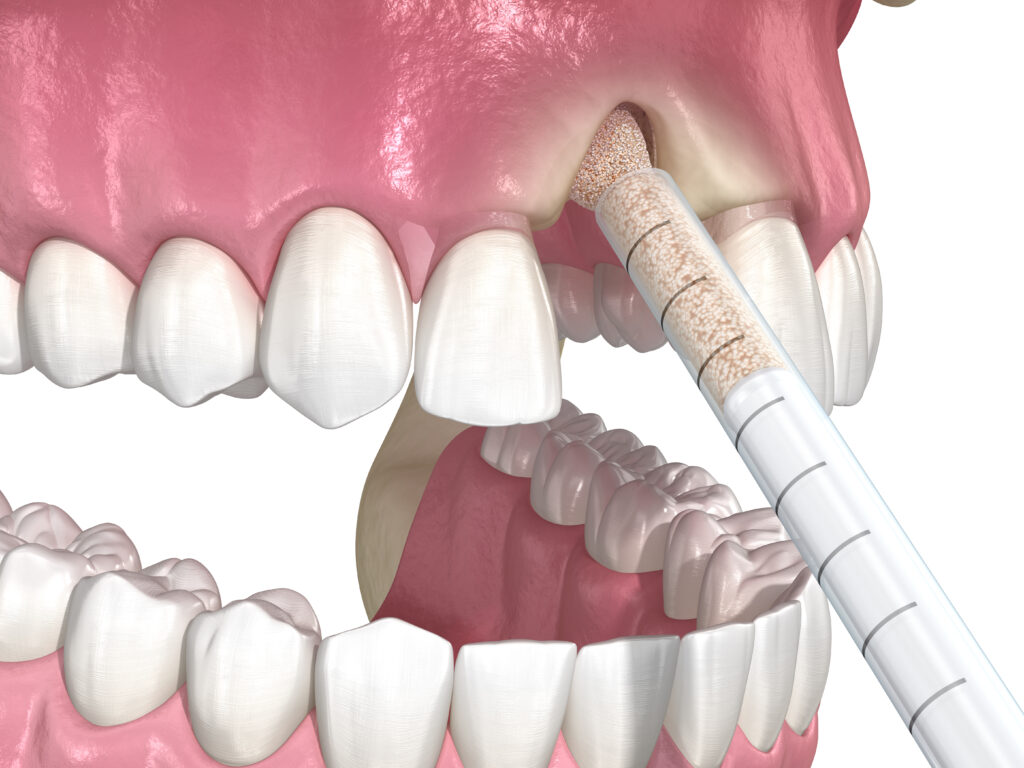

Wisdom tooth extraction is a common dental procedure, often necessary to prevent or resolve issues such as overcrowding, infection, or impaction. While the surgery itself is typically quick and routine, knowing what to expect during the recovery process can make a significant difference in healing smoothly and comfortably. In this article, we’ll walk you through the key stages of post-extraction recovery and share essential tips to help you minimize discomfort, avoid complications, and get back to feeling your best as quickly as possible.
What Are Wisdom Teeth and Why Do I Have Them?
Wisdom teeth, also known as third molars, are the last set of teeth to emerge, typically between the ages of 17 and 25. From an evolutionary perspective, they were useful to our ancestors, who had larger jaws and diets that required more chewing power to break down coarse, raw foods. These extra molars helped with grinding tough plants and meats.
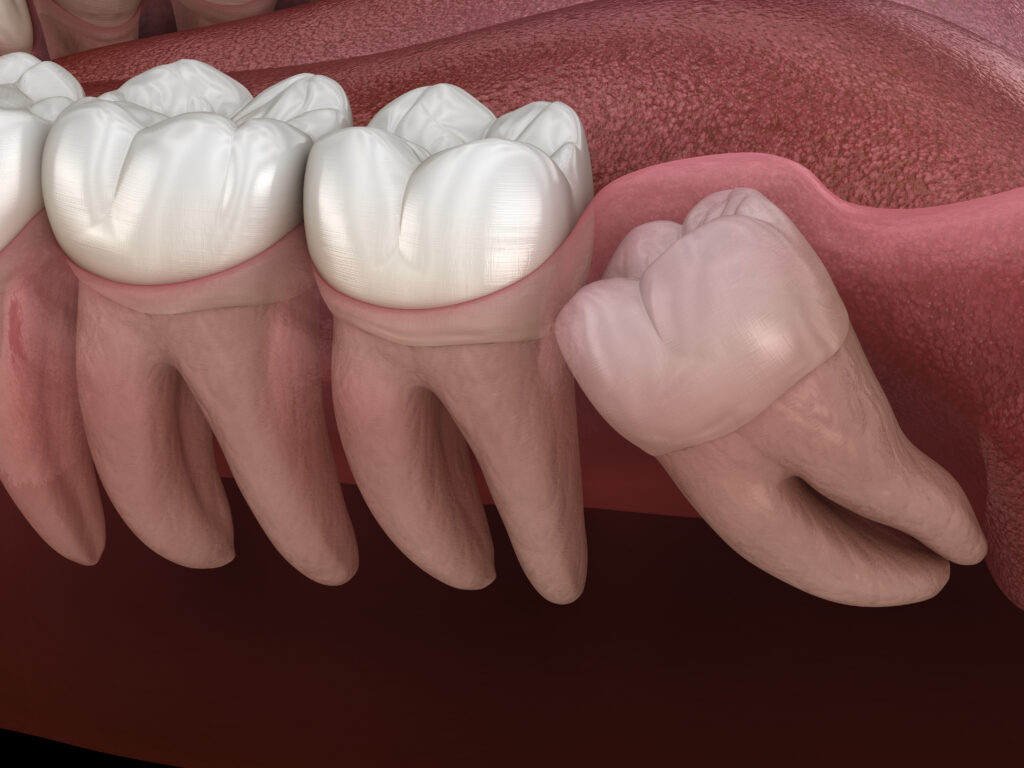
Today, however, our jaws are generally smaller due to changes in diet and lifestyle, and many people don’t have enough space to accommodate four wisdom teeth. As a result, impacted wisdom teeth — teeth that don’t fully emerge or grow in at an angle — are a common issue that often leads to wisdom teeth removal.
Why Is Wisdom Teeth Extraction Necessary?
Removing wisdom teeth is often essential to prevent dental complications. When there’s not enough space for these third molars to erupt properly, they can cause discomfort and negatively impact your dental care.
Your dentist may recommend wisdom teeth removal surgery in the following cases:
- Impacted wisdom teeth causing pain and swelling.
- Repeated infections in the gums where your wisdom teeth are located.
- Development of tooth decay in partially erupted wisdom teeth.
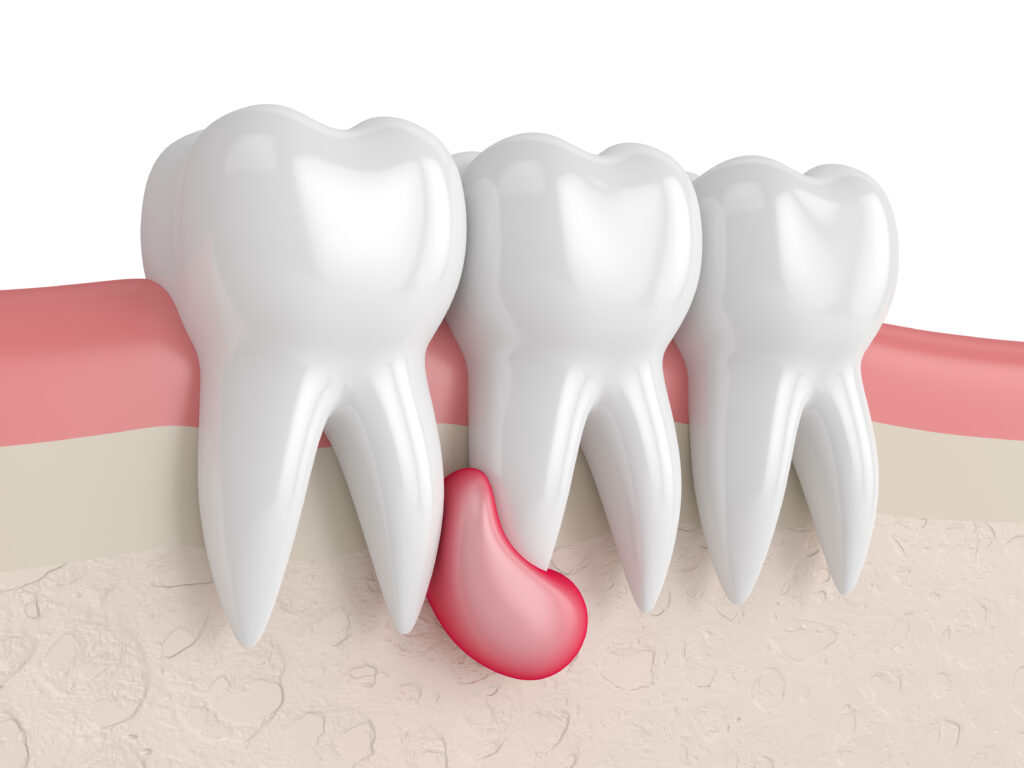
- Cysts or damage to nearby teeth and bone.
- Difficulty cleaning the area near the extraction site, increasing the risk of infection.
- Orthodontic reasons, such as preparing for braces or correcting crowding.
Getting your wisdom teeth removed at the right time helps avoid more serious issues and allows for a smoother recovery in the long run.
What to Expect After Wisdom Tooth Extraction
After wisdom teeth surgery, it’s normal to experience a few side effects as part of the healing process. Understanding what’s typical during recovery after wisdom tooth extraction can help you stay calm and respond appropriately.
- Nausea Due to Local Anesthesia. Mild nausea may occur in the first few hours after surgery, especially if you haven’t eaten. It usually passes quickly, but if it persists or worsens, contact your dentist.
- Potential Pain & Swelling in the Gums. Some pain and discomfort, along with mild swelling, is expected during the first 24 hours. You can use an ice pack to reduce swelling and take pain medication as directed. If you experience severe pain or the swelling increases after the first few days, it may signal an infection.
- Bleeding from the Extraction Site. Slight bleeding is normal, especially within the first 24 hours after surgery, as a blood clot at the extraction site forms. If bleeding continues heavily or you notice no clot at the extraction site, this may indicate a dry socket, and you should seek prompt care.
Pre-Surgery Preparation for Wisdom Teeth Extraction
Proper planning before undergoing wisdom tooth extraction plays a crucial role in minimizing complications and ensuring a smoother recovery. A few simple steps can make the first few days after surgery more manageable and support a faster recovery.
Here are essential tips for preparation:
- Consult Your Dentist – Discuss your health, medications, and what to expect.
- Stock Up on Supplies – Get everything you’ll need ahead of time.
- Ice Packs – Help reduce swelling and support a speedy recovery.
- Soft Foods – Easier to chew and won’t irritate the extraction site.
- Pain Relievers – For managing discomfort during recovery from wisdom teeth.
- Gauze Pads – Useful for initial bleeding after the wisdom teeth removal procedure.
- Antibiotics – Take as prescribed to prevent infection and support healing.
- Salt – To make a salt water rinse and rinse your mouth gently during recovery from wisdom teeth surgery.
- Arrange Your Schedule – Clear your calendar to rest during the first 24 hours after the surgery.
What to Do Immediately After Wisdom Teeth Removal
The first hours after surgery are crucial for a smooth recovery. To support proper healing and reduce complications, follow these wisdom teeth removal recovery tips:
- bite gently on a gauze pad;
- rest with your head elevated;
- apply an ice pack.
Focus on keeping the extraction site clean, eat soft foods, and take medications as prescribed. Avoid disturbing the socket after a tooth extraction, and follow all instructions after getting your teeth extracted.
Signs of Complications After Wisdom Teeth Removal
While most patients recover from wisdom teeth removal without issues, it’s important to recognize warning signs that may require medical attention. These include:
- dry socket;
- infection;
- nerve Injury (numbness in the lips, tongue, or chin);
- persistent swelling or pain in the extraction area;
- difficulty opening your mouth during recovery time.
If you experience any of these symptoms, contact your dentist promptly for evaluation and care.
Wisdom Teeth Removal Recovery Timeline
Understanding the typical stages of recovery after wisdom teeth removal can help you manage expectations and care for yourself properly during the healing process:
- The First 24 Hours: Initial Recovery. Right after surgery, focus on rest and applying an ice pack to reduce swelling. Stick to soft foods and avoid disturbing the tooth extraction hole.
- Days 2-3: Overcoming the Hurdles. Swelling usually peaks, and jaw stiffness may occur. Continue eating soft foods and follow all tips for wisdom teeth care.
- Days 4-7: The Road to Recovery. Swelling and bruising start to subside. You can gradually resume normal activities but still avoid the extraction site.
- Week 2: Almost There! The extraction site continues healing, jaw soreness lessens, and eating becomes easier. Maintain gentle dental hygiene.
- Beyond Week 2: The New Normal. Encourage healing by following your dentist’s advice, and attend regular check-ups to ensure full recovery.
Wisdom Teeth Removal Recovery Tips
Following simple yet effective care routines can significantly improve your recovery from wisdom teeth removal and help you heal faster:
- To manage swelling, apply an ice pack to your cheek during the first few hours after surgery and keep your head elevated to help reduce inflammation.
- Take prescribed pain medication as directed and avoid activities that may irritate the mouth during the recovery.
- Stick to soft, cool foods and avoid hard, spicy, or crunchy items that may irritate the extraction site. Proper nutrition plays a key role in your recovery.
7 Oral Hygiene Tips After Wisdom Tooth Extraction
Proper oral hygiene is essential for a smooth recovery and to prevent infection soon after the extraction. Following these simple rules will help you recover quickly after wisdom tooth removal:
- Gentle Brushing — Carefully brush your teeth without irritating the extraction site.
- Saltwater Rinses — Use a mild saltwater rinse to keep your mouth clean.
- Avoid Certain Areas — Be cautious around the extraction area to protect the healing socket.
- Use Antiseptic Mouthwash — As recommended by your dentist to reduce bacteria.
- No Spitting or Rinsing Forcefully — This can disturb the blood clot and delay healing.
- Stay Hydrated — Drink plenty of fluids to support overall healing.
- Don’t Rinse Your Mouth Too Strenuously — Gentle rinsing is key during the early hours after wisdom tooth removal.
5 Things to Avoid After Wisdom Tooth Removal
Following your surgery, certain habits can slow down healing or cause complications. To ensure a smooth recovery, avoid these common pitfalls following wisdom teeth removal:
- Avoid using straws, smoking, spitting, sucking, or drinking alcohol.
- No vigorous exercise or heavy physical activity.
- Don’t poke or irritate the extraction site.
- Avoid taking aspirin unless advised by your doctor.
- Don’t pick at the gap left by your extracted wisdom teeth.
Wisdom Tooth Extraction in Dynasty Stomatology
If you need wisdom tooth removal in Poland, trust Dynasty Stomatology for expert care and personalized attention. Our team provides gentle treatment and shares tips for a smooth recovery, helping you heal comfortably and get back to your daily life faster.
FAQ
-
Most people need 3 to 5 days of rest for optimal wisdom teeth recovery, though some swelling and discomfort may last longer.
-
Healing with stitches usually takes about 7 to 10 days, with most discomfort easing within the first week.
-
Following proper oral hygiene, using saltwater rinses, and avoiding irritation of the extraction site promote faster healing.
-
It’s best to wait at least 3 days after surgery to avoid pressure changes that may affect healing.
-
Mild ear pain or headaches can occur due to nerve proximity but should improve within a few days.
-
Sleep with your head elevated to reduce swelling and avoid lying flat.
-
Speech may be temporarily affected due to swelling and numbness but improves quickly.
-
Gently brush surrounding areas but avoid the extraction site during the first 24 hours.
-
Consult your dentist; generally, avoid using them until the site has healed sufficiently.
-
Contact your dentist promptly to assess and manage the situation.
-
Extraction is usually postponed unless urgent; always consult your doctor and dentist.
-
Use caution and consult your healthcare provider before trying alternative remedies.
-
Symptoms include sinus pressure, congestion, and pain near your upper teeth; consult your dentist for evaluation.
-
Follow tips for a faster and smooth recovery by resting, eating soft foods, and adhering to your dentist’s instructions.