

Autotransplantation in dental practice is a treatment method where a patient’s own tooth is transplanted from one area of the jaw to another. This procedure serves as an alternative to dental implantation. It helps preserve living dental tissue, the periodontal ligament, and the natural function of the tooth. This method is especially valuable in cases where a missing tooth occurs at a young age or when a natural tooth bud is absent.
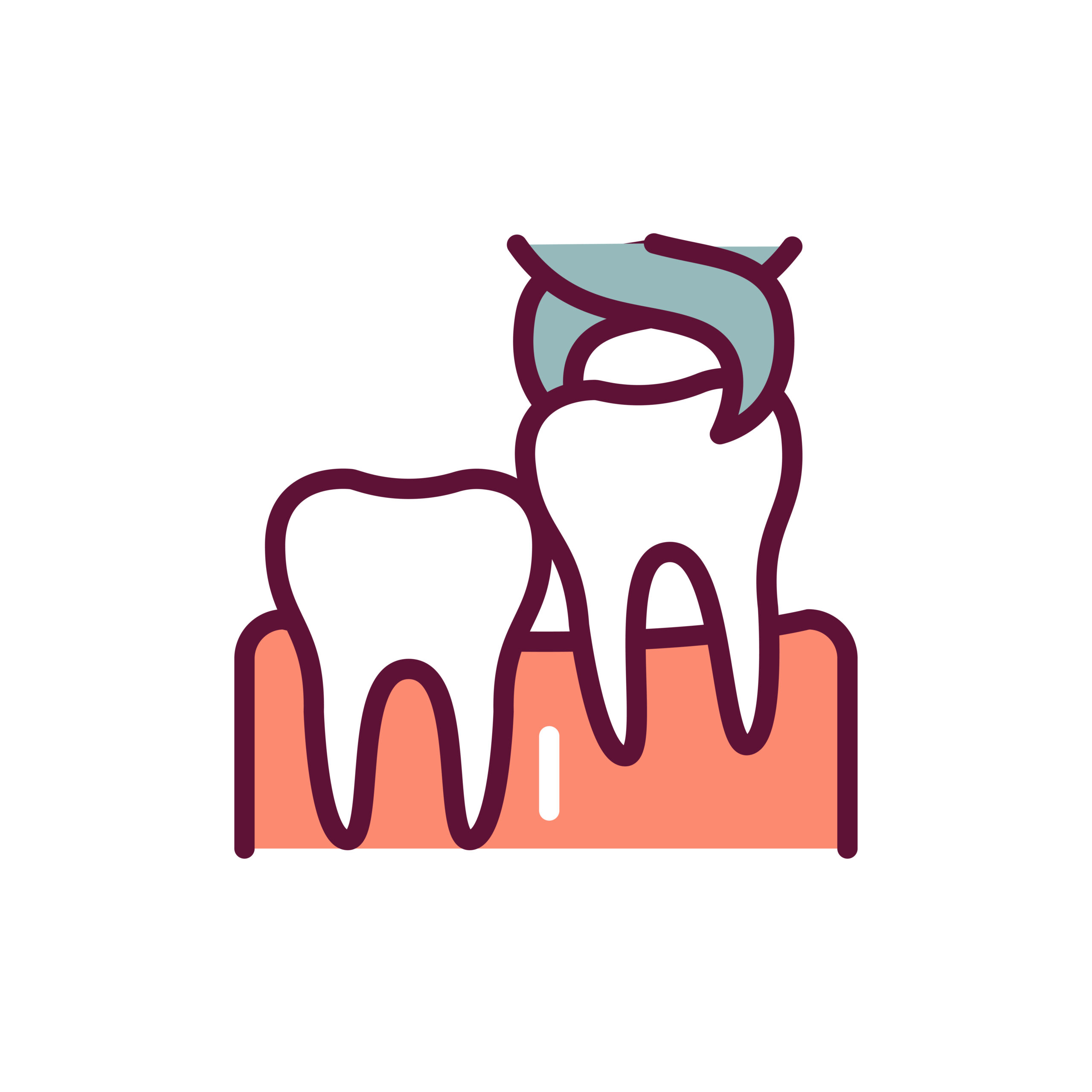

Diagnosis and planning, Preparation of the socket

Tooth extraction, Transplantation to the new site

Healing period, Final restoration
Advantages of Tooth Transplantation at Dynasty Stomatology
Autotransplantation is a delicate procedure requiring high precision and experience. Our dental clinic offers you an individual approach with careful care for the health of your periodontium.
Why choose Dynasty Stomatology:
- Experienced dental surgeons specializing in tooth transplantation;
- Use of gentle methods without tissue trauma;
- Modern equipment and sterile conditions;
- Personal management and monitoring at all stages of healing;
- Detailed treatment plan with a forecast of the result;
- Comfortable procedure and friendly attitude toward each patient.
Contact Dynasty Stomatology to save your own tooth and restore your attractive smile!

Price: Autotransplantation teeth
All price-
Surgical examination
150 PLN -
Tooth extraction
310-800 PLN
Do you want to treat your teeth while you sleep?
Schedule an appointment!
By clicking the button, you give your agreet your personal data in accordance with privacy policy.
Frequently asked questions about tooth autotransplantation
-
Does it hurt to transplant your own tooth?
No, the transplantation procedure is performed under anesthesia and is not painful. After the intervention, some discomfort may occur but it passes quickly.
-
How long does the autotransplantation procedure take?
Usually, the transplantation of one tooth takes about 1-2 hours. The exact time depends on the clinical situation and preparation.
-
What care measures should be followed after tooth transplantation?
After dental autotransplantation, it is important to maintain oral hygiene, avoid chewing on the affected area, avoid hot food, and attend regular check-ups.
Surgeons who perform dental autotransplantation
View all doctors
Kostiantyn Danyliuk
Oral Surgeon, Implantologist
Konstantin is a skilled specialist who combines in-depth knowledge and cutting-edge technology to achieve the best results. He maintains active com...
Reviews of tooth autotransplantation in Krakow
Expert articles on the topic
View all blog-
24.02.2026
42
9 min. read
Understanding Oral Surgery — What You Need to Know
Until recently, a visit to the dentist was associated with significant discomfort. Uncomfortable impressions, long waits, and the need for…
Read more -
19.12.2025
121
8 min. read
Tooth root resection – when should the apicoectomy be performed?
Sometimes dental problems develop unnoticed. Everything appears normal on the outside, but inflammation can gradually develop inside, right at the root. Pain may be intermittent or absent altogether. Only a dentist can detect the problem from an X-ray. In such cases, standard root canal treatment isn’t always effective. A dentist can offer a more precise […]
Read more -
17.12.2025
150
5 min. read
Do Wisdom teeth always need to be removed – Debunking Common Myths
Wisdom teeth are the teeth that most often cause unexpected issues. Some people live with them comfortably throughout their lives, while for others, they develop into impacted teeth, causing complications. Wisdom teeth behave differently, and there’s no single answer — to remove or not to remove. A personalized approach is essential to determine whether wisdom […]
Read more -
25.11.2025
201
7 min. read
Frenulum cutting in children – when should the frenulum be cut
Many children struggle with a problem that can impact proper speech development and eating comfort – a tongue or lip frenulum that is too short or improperly attached. While this is often noticeable in infants, the problem may go unnoticed until preschool age. Lip frenulum cutting in adults may be indicated in cases of limited […]
Read more -
21.11.2025
342
8 min. read
Dry socket – one of the complications after tooth extraction
Most tooth extractions heal normally, but some patients may experience a condition known as dry socket. This painful post-extraction complication can develop when the tooth extraction clot fails to remain in the wound, leaving the socket exposed. In this situation, severe pain often occurs, which can radiate to the ear, temple, or jaw, and home […]
Read more -
23.07.2025
609
7 min. read
What to Expect After Wisdom Tooth Extraction: Recovery Tips
Wisdom tooth extraction is a common dental procedure, often necessary to prevent or resolve issues such as overcrowding, infection, or impaction. While the surgery itself is typically quick and routine, knowing what to expect during the recovery process can make a significant difference in healing smoothly and comfortably. In this article, we’ll walk you through […]
Read more




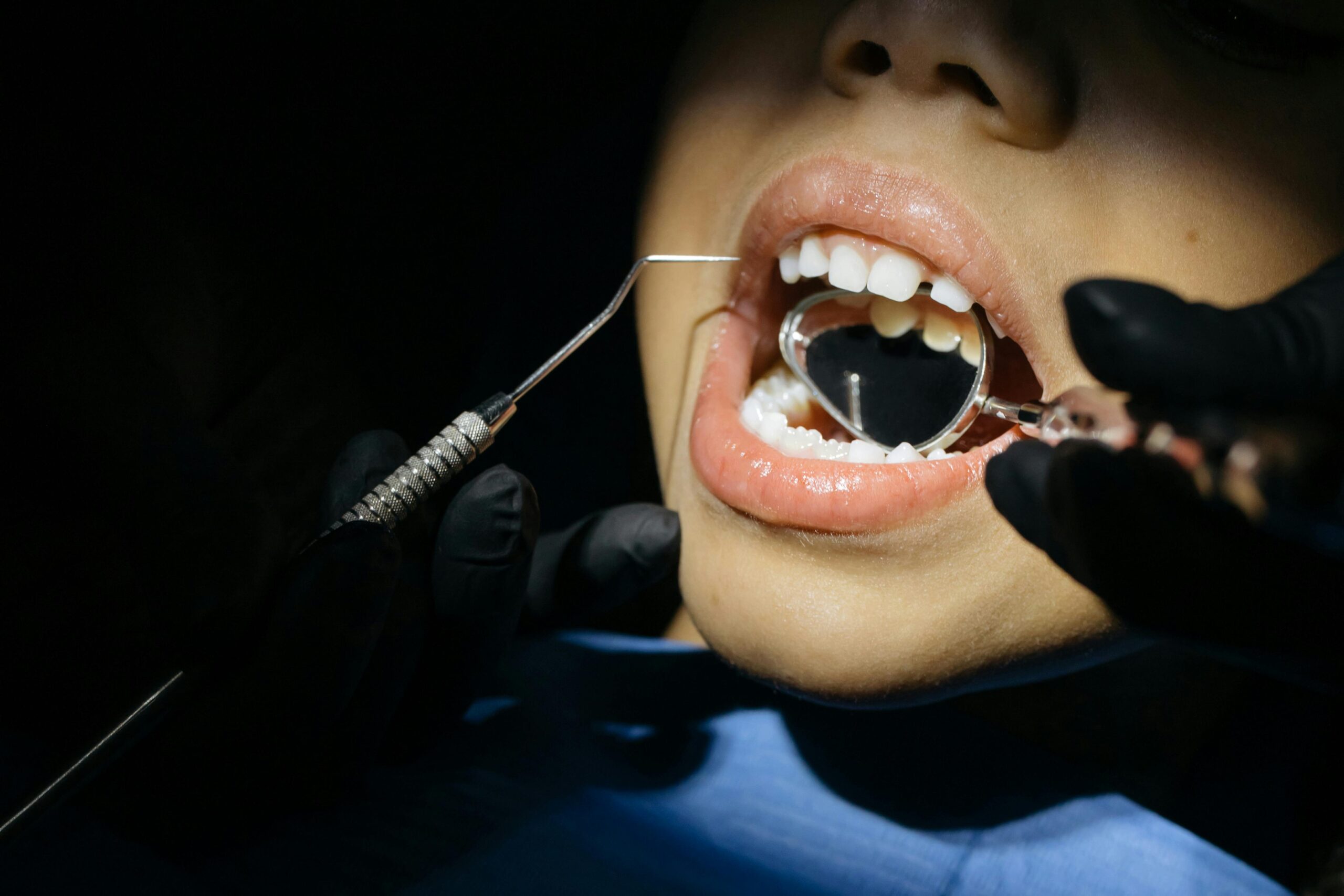
Tooth autotransplantation in Poland is available at Dynasty Stomatology. We perform teeth autotransplantation using modern equipment under the supervision of experienced surgeons and orthopedists. Book a preliminary consultation, and our doctor will perform diagnostics, select a suitable donor tooth, and carry out the transplantation safely and comfortably.
What Is Tooth Autotransplantation?
Autotransplantation is the transplantation of a patient’s own tooth from one place in the jaw to another. Typically, a healthy wisdom tooth or premolar acts as the “donor” and is moved to the site of a missing tooth or a nonviable one. Crucially, a transplanted tooth includes intact root structures and ligaments, which increases the chance of successful integration.
This procedure is performed under strict indications and requires precise diagnostics. It is particularly relevant for adolescents and young patients for whom implantation is not yet advisable. Thanks to modern technologies and careful monitoring of the healing process, a transplanted tooth can function effectively for many years.
However, there are some limitations:
- Not every tooth is suitable for transplant — it must be healthy;
- Requires high surgical expertise and detailed planning.
Benefits and Limitations of Autotransplantation
Tooth autotransplantation is a modern and gentle way to restore the dental arch, allowing for the preservation of a natural, living tooth. It offers several significant benefits:
- The patient retains their own living tooth with nerve and root;
- No risk of rejection as with artificial implantation;
- Suitable for patients with underdeveloped jaw bones;
- No need for foreign materials;
- Helps maintain proper bite and prevent jaw deformation;
- More natural restoration compared to prosthetics or implants.
However, there are some limitations:
- Not every tooth is suitable for transplant — it must be healthy;
- Requires high surgical expertise and detailed planning.
Which Teeth Can Be Transplanted?
Not every tooth is suitable for autotransplantation — it is essential that the donor is healthy and functionally appropriate for the transplant. Most commonly, the following are selected to replace a missing tooth:
- Wisdom teeth (third molars) — especially if they do not participate in the bite;
- Supernumerary teeth — additional ones that do not take part in chewing;
- Premolars — often used to replace front teeth, especially in a child or adolescent;
- Recently extracted teeth — under certain conditions, it is possible to quickly transplant them to the site of the lost tooth.
The selection of a donor tooth is made after a full examination, taking into account anatomy, root condition, canal structure, and the bite.
Features of Wisdom Tooth Transplantation
The wisdom tooth often becomes the ideal donor for autotransplantation due to its anatomical and functional characteristics. However, this procedure has its specific aspects:
- Most often, wisdom tooth transplantation is used to replace molars, especially when they are lost at a young age;
- In children or younger patients, third molars may have roots that are not fully formed, which may increase the chance of successful integration;
- A wisdom tooth can only be transplanted if it is completely healthy — free of cavities, trauma, inflammation, or structural anomalies;
- Thorough planning is necessary, including CBCT scans, 3D modeling, and bite analysis;
- The dentist must take great care — precision is key to preserve periodontal tissues and minimize surgical trauma.
Transplantation of a third molar is a reliable way to maintain your own dental arch without implants or bridges. It serves as a natural and fast solution with fewer complications and better long-term care outcomes.
Indications and Contraindications for Autotransplantation of a Tooth
Autotransplantation is an effective method to restore the dental arch, but it is not suitable for everyone. It is important to consider the indications and limitations to ensure a successful outcome.
The method is successfully applied in the following cases:
- Loss of a tooth with preserved bone base;
- Trauma to a front tooth;
- Removal of a tooth that cannot be saved (for example, resorption, cyst).
A mandatory condition for the procedure is the presence of a healthy donor (most often wisdom teeth or supernumerary teeth).
However, autotransplantation is not possible in these situations:
- Acute inflammatory processes in the oral cavity;
- Severe chronic or systemic diseases (for example, uncontrolled diabetes);
- Insufficient volume of bone tissue in the transplantation area;
- Blood clotting disorders;
- Complex anatomy of the donor tooth, making transplantation impractical.
A consultation with a dental surgeon and comprehensive examination at our clinic allow us to carefully look at your case and determine whether this method suits you. We also develop an effective treatment plan.
Stages of Tooth Autotransplantation
Autotransplantation is a carefully calculated process that requires precision and an individual approach. The main stages of the procedure include:
- Fixation and suturing. If necessary, the tooth is temporarily fixed with a splint to ensure immobility for better healing. Sutures are applied to the extraction site.
The effectiveness of autotransplantation largely depends on the accuracy of these stages and careful adherence to the dentist’s recommendations.
Healing and Recovery Period
The healing period typically lasts around 2-3 months. During this time, the tooth should securely integrate into the new socket without signs of complications. It is very important to follow all medical instructions during the recovery phase to prevent undesirable consequences.
Proper oral hygiene and regular check-ups also contribute much to the success of the treatment.
Lifespan of the Transplanted Tooth and Care Recommendations
A transplanted tooth can last for decades with proper care and absence of complications. It fully participates in the chewing process, especially if the load is correctly distributed.
Care recommendations after autotransplantation:
- Avoid chewing on the side of the transplanted tooth during the first weeks after the operation;
- Maintain good oral hygiene — use a soft toothbrush and antiseptic mouth rinses;
- Regularly visit the dentist to monitor the condition of the donor tooth and the transplant site;
- Avoid excessive chewing load during the first months;
- Do not miss scheduled check-ups and imaging to assess healing.
Prices for Tooth Autotransplantation
The cost of transplanting your own wisdom tooth or premolar is determined individually and depends on the complexity of the clinical situation, the need for additional procedures (for example, CT scans, preparation of the donor tooth and socket), and the specialist’s qualifications. You can find out the exact price for autotransplantation after a consultation.