
Periodontal disease – causes, symptoms, treatment options


01.09.2025
221
7 min. read
Why Patients Trust Dynasty Stomatology
The trust in Dynasty Stomatology is built on a combination of many years of experience and an individual approach to every patient. We understand that a visit to the dentist is often accompanied by anxiety, so we place special emphasis on creating a comfortable and calm atmosphere where every patient feels safe.
The clinic is equipped with modern technology and uses advanced treatment methods, ensuring that procedures are carried out with maximum precision, efficiency, and comfort. All materials undergo strict quality control, and our doctors regularly improve their qualifications to offer only the most up-to-date and proven techniques.
In addition, Dynasty Stomatology values long-term relationships with patients. Our goal is not only to solve the problem at hand but also to maintain the health of teeth and gums for years to come. Openness, honesty, and transparency are the key principles that have earned the clinic its reputation as a reliable dental partner.
Facts about Dynasty Stomatology:
✅ Over 10 years of successful work in dentistry.
✅ Hundreds of positive reviews from patients in [Страна в соответствии с регионом] and abroad.
✅ We use premium materials from leading global brands.
✅ We offer treatment under sedation and general anesthesia.
✅ A full range of services — from pediatric dentistry to complex surgical operations.
Dynasty Stomatology — trust, expertise, reliability, and care for the beauty of your smile.
Learn about usMedical Expertise
Dynasty Stomatology’s doctors conduct medical reviews of all materials on the website to ensure their accuracy and practical value. Our authors and editors are experienced specialists in the fields of therapeutic, surgical, orthopedic, and pediatric dentistry. This approach allows us to maintain high professional standards and provide our readers with only verified, up-to-date, and useful information.
Periodontal disease is one of the most common oral health issues worldwide, affecting millions of people and often developing silently over time. Left untreated, it can lead to serious complications, including tooth loss and systemic health problems. Understanding the causes, recognizing early symptoms, and exploring effective treatment options are essential for maintaining a healthy smile and preventing long-term consequences, making this topic more relevant.

What is periodontal disease?
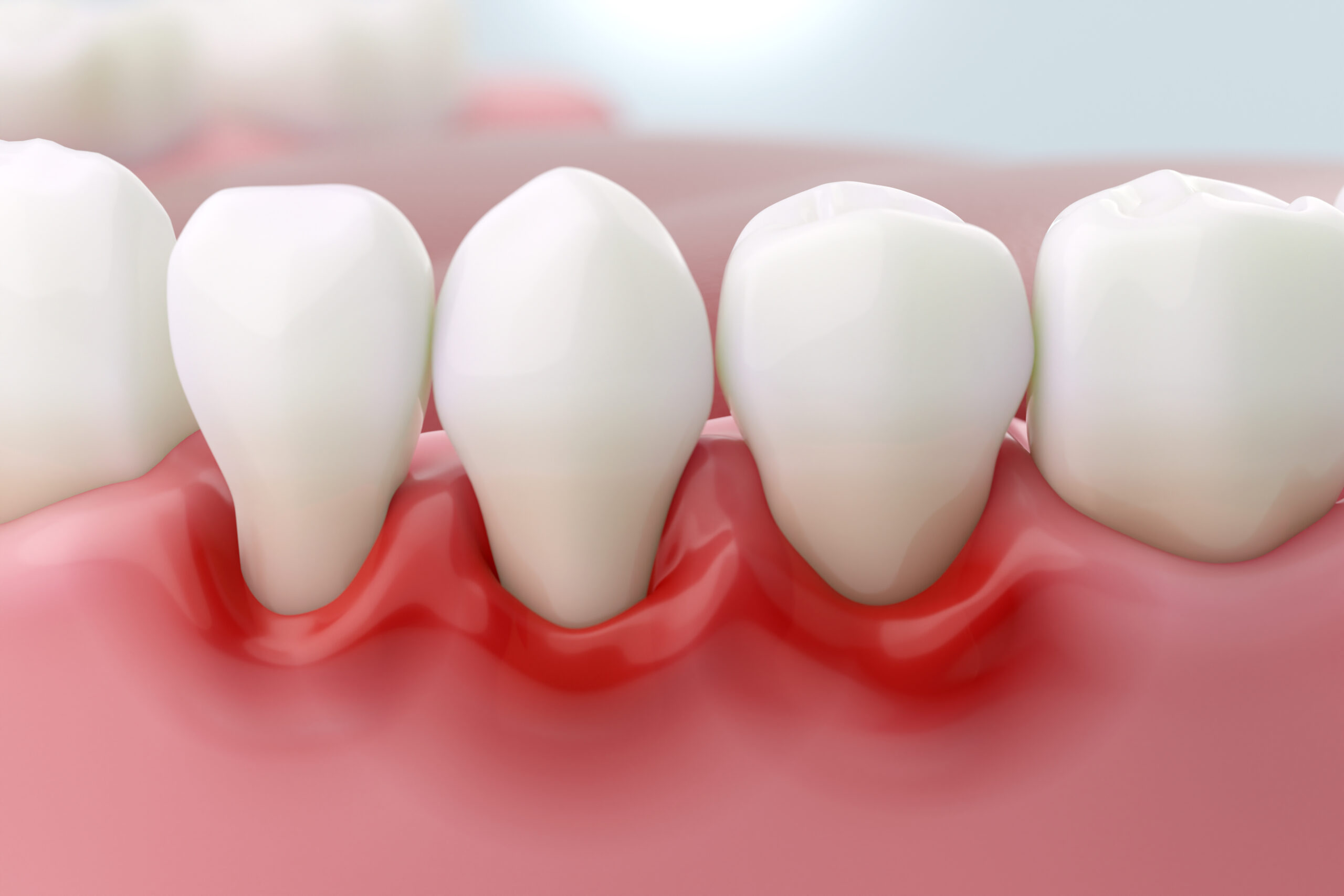
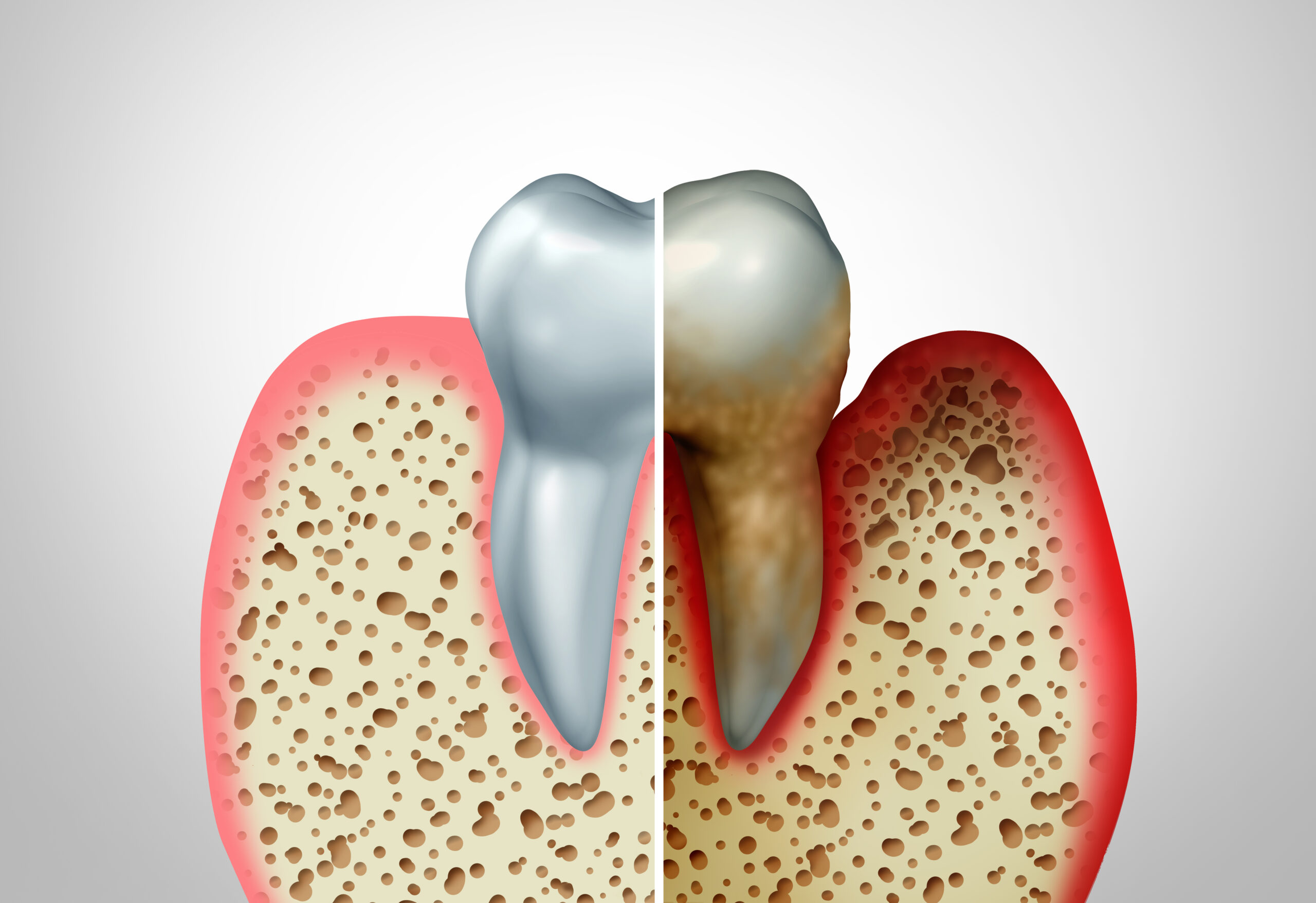
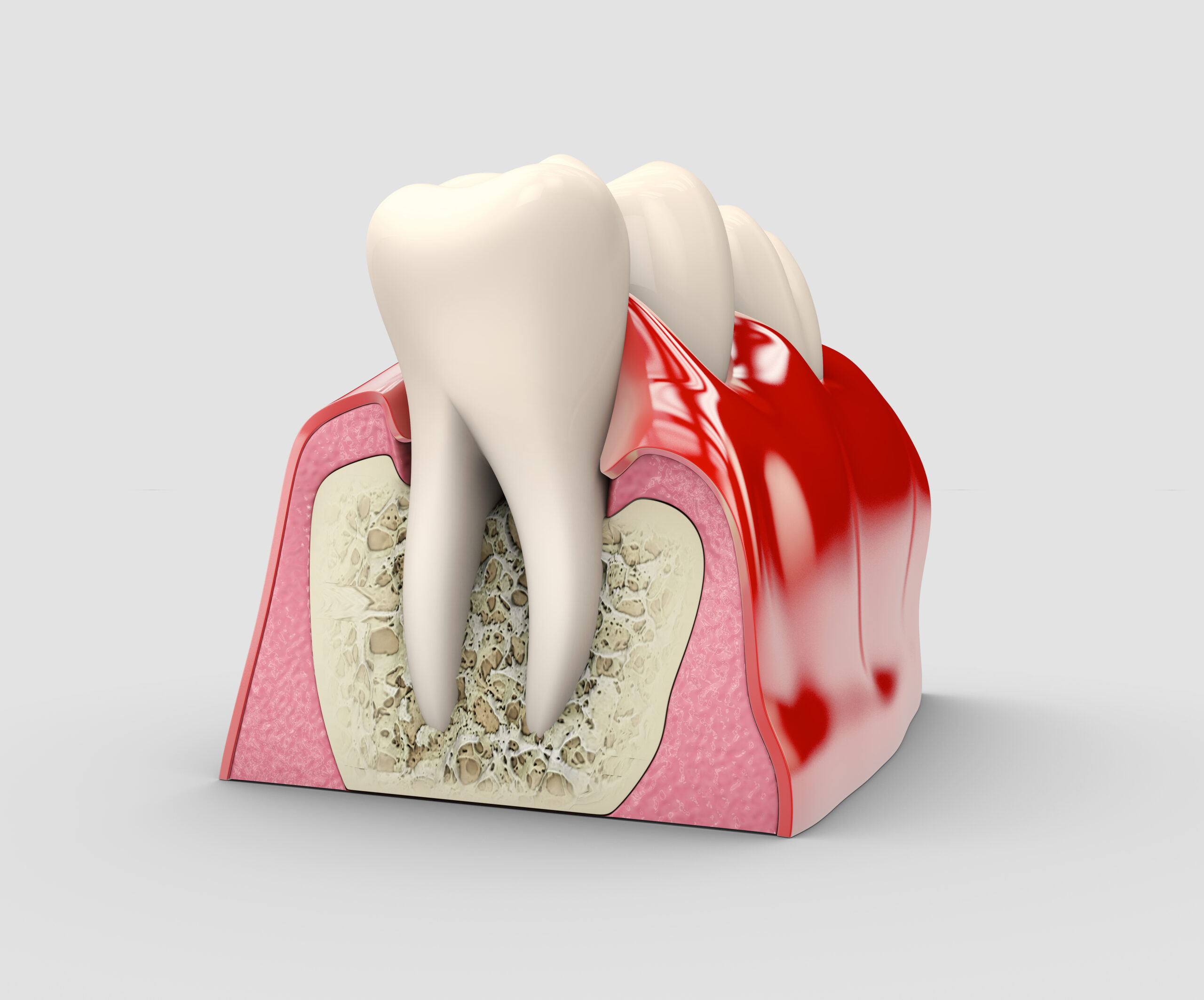
Periodontal disease is a progressive gum condition that affects the tissues and bone supporting your teeth, starting often with plaque buildup along the gum line. In its early stage, known as gingivitis, symptoms may include red, swollen, or bleeding gums, while untreated cases can progress to periodontitis, forming periodontal pockets, causing gum recession, and potentially leading to tooth loss. Recognizing early periodontal disease and addressing gum infection promptly is key to maintaining gum health and preventing more severe complications.
How common is gum disease?
Gum disease is extremely common, affecting a significant portion of adults worldwide. Studies show that mild periodontitis often begins in young adulthood, while advanced periodontal disease becomes more prevalent with age, particularly in people over 40. Early detection and treatment can help prevent disease progression and protect the bone that supports your teeth, preserving both oral health and overall well-being.
What are the symptoms of periodontal disease?
Periodontal disease may develop slowly over time, often starting with mild inflammation that can go unnoticed until more serious symptoms appear. Common warning signs include:
- Reddish or purplish gums;
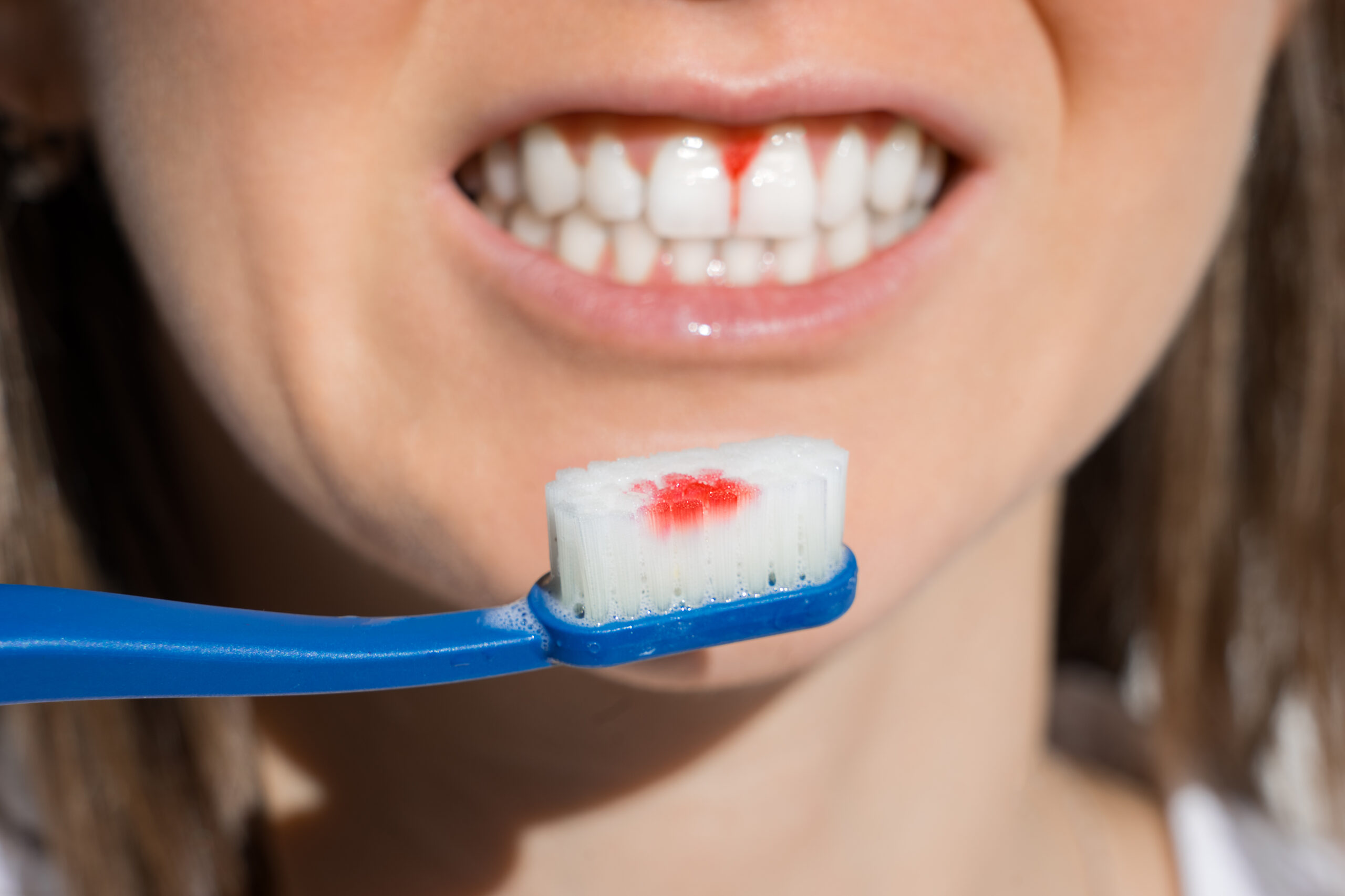
- Bleeding;
- Soreness;
- Bad breath (halitosis);
- Unpleasant taste;
- Pain when chewing;
- Gum recession (gums that pull away from your teeth);
- Loose teeth;
- A change in the way your teeth fit together.
If you notice any of these symptoms of periodontitis, it’s essential to see a dentist as soon as possible to prevent disease progression and avoid complications such as bone loss or tooth loss.
Periodontal disease stages
There are four stages of gum disease, each with distinct characteristics and implications for oral health:
- Gingivitis: The earliest stage, characterized by gum inflammation, redness, and bleeding, often caused by plaque buildup on teeth. This stage is reversible with proper oral hygiene and treatment.
- Mild periodontitis: Inflammation progresses below the gum line, leading to early formation of periodontal pockets around your teeth and minor gum recession. Early intervention and periodontal disease treatment can prevent further damage.
- Moderate periodontitis: Gum tissue and bone that support your teeth begin to deteriorate, causing deeper pockets, gum recession, and potential loosening of teeth. Treatment may include scaling and root planing or other procedures to halt progression.
- Advanced periodontitis: Significant loss of gum tissue and bone occurs, potentially leading to severe gum recession, loose permanent teeth, and increased risk of tooth loss. Aggressive treatment such as gum surgery or gum grafting may be necessary to manage the condition.
What causes gum disease?
Gum disease develops when plaque and bacteria accumulate around your teeth and gums, causing inflammation that can progress from mild irritation to more severe tissue and bone damage. Understanding the causes of periodontal disease is crucial for prevention and timely treatment.
Common causes of gum disease include:
- Plaque buildup on teeth due to inadequate oral hygiene, leading to gingivitis plaque on teeth.
- Tartar formation, which hardens and irritates the gum tissue.
- Smoking or tobacco use, which impairs gum health and healing.
- Genetic predisposition, making some individuals more likely to get gum disease.
- Hormonal changes, such as during pregnancy or menopause, which can increase gum sensitivity.
- Certain medications that reduce saliva flow, causing dry mouth and increased bacterial growth.
- Systemic conditions, like diabetes or heart disease, which can affect gum tissue and immune response.
- Poor nutrition, leading to reduced ability to fight infection and support healthy gums.
- Grinding or clenching teeth, which puts extra stress on teeth and gums.
- Ill-fitting dental appliances, which can trap food and bacteria around teeth and gums.
Early detection and treatment can prevent progression to periodontitis and protect the bone that supports your teeth.
Gum disease risk factors
Several factors can increase the likelihood of developing gum disease, making it important to recognize your personal risk and take preventive measures.
- Smoking or other tobacco use.
- Poor oral hygiene.
- Diabetes.
- Autoimmune diseases, including lupus, scleroderma and Crohn’s disease.
- Hormonal changes, particularly during puberty, pregnancy and menopause.
- Stress.
- Genetics (you’re more likely to get gum disease if your parents, grandparents or siblings have it).
- Heart disease.

What are the complications of periodontal disease?
If left untreated, periodontal disease can progress and result in several unpleasant consequences.
Complications of periodontal disease include:
- Tooth loss.
- Gum recession.
- Formation of periodontal pockets.
- Damage to the bone that supports your teeth.
- Increased risk of heart disease.
- Persistent bad breath (perio breath).
- Difficulty chewing.
- Infection spreading to surrounding tissues.
How do dentists diagnose periodontal disease?
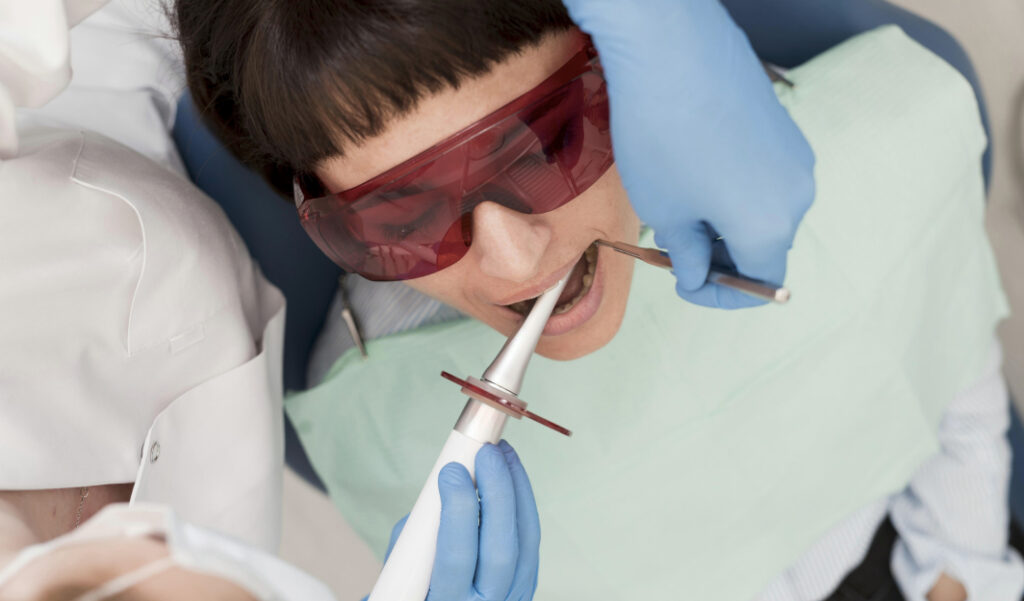
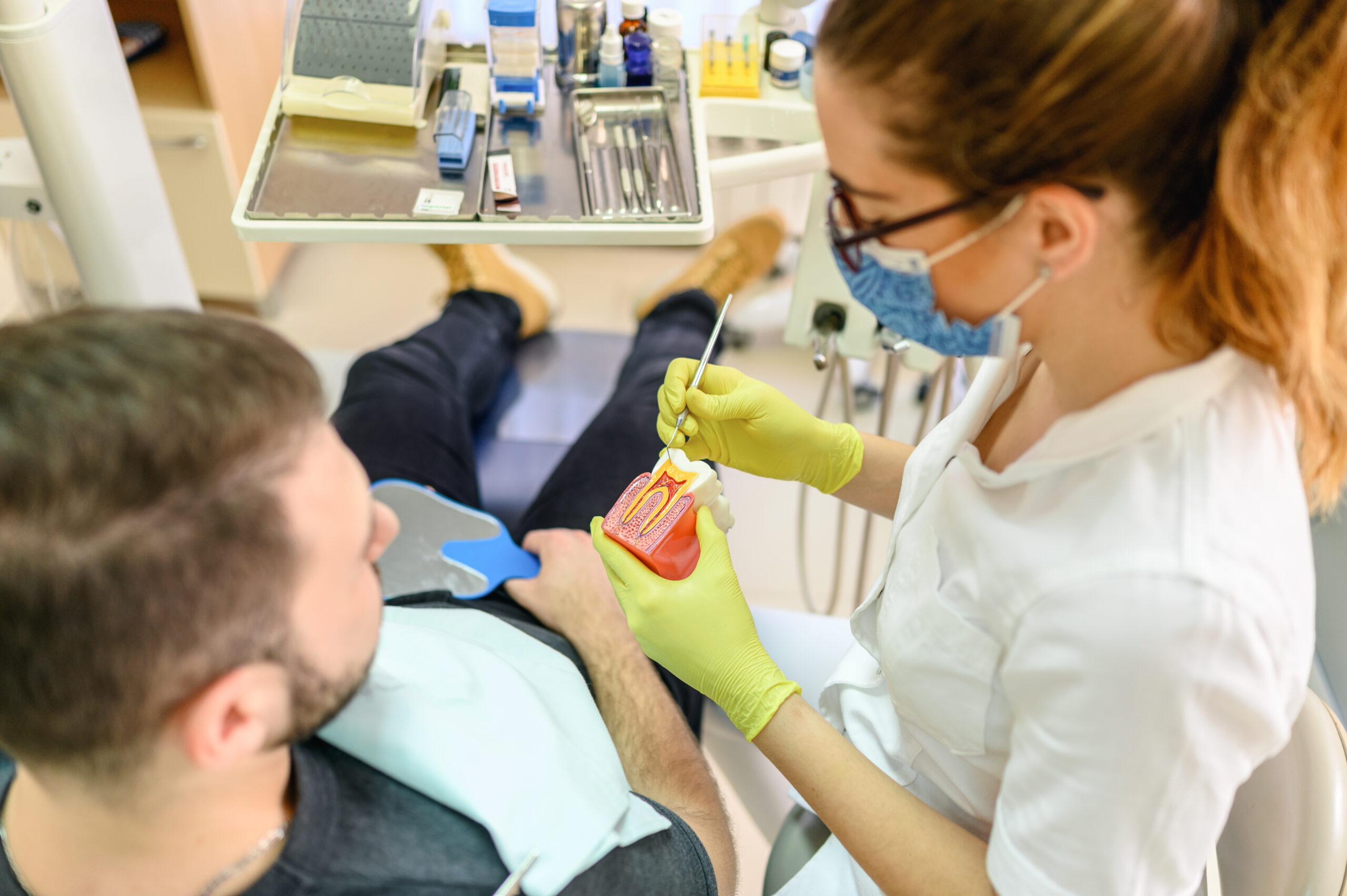
Dentists diagnose periodontal disease through a combination of clinical examination and specialized tools to assess gum health. They look for signs of gum disease such as redness, swelling, bleeding, and gum recession, and may use a periodontal probe to measure periodontal pockets around your teeth. In some cases, X-rays are taken to evaluate bone loss supporting the teeth, helping the gum specialist create an appropriate treatment plan and determine the early stage of periodontal disease.
How is periodontal disease treated?
Treatment of periodontal disease focuses on removing infection, reducing inflammation, and preserving the supporting structures of the teeth. Early intervention and consistent oral care are key to preventing disease progresses and ensuring treatment and good oral hygiene.
Common gum disease treatment methods include:
- Dental cleaning and improved oral hygiene – professional cleaning combined with proper home care to remove gingivitis plaque on teeth and prevent gum disease may from advancing.
- Scaling and root planing – deep cleaning below the tooth root to smooth surfaces and reduce bacterial buildup in periodontis pockets.
- Pocket reduction surgery – surgical procedure to minimize pockets around your teeth and allow gums to reattach, improving gum disease treatment outcomes.
- LANAP (Laser-assisted new attachment procedure) – laser-based therapy targeting bacteria, enhancing healing and supporting periodontitis treatment.
- Bone grafting – restoring lost bone that supports your teeth, often combined with other treatment and good oral hygiene practices.
- Gum grafting – replacing damaged gum tissue to protect roots and improve aesthetics while supporting periodontal disease treatment.
- Guided tissue regeneration (GTR) – using membranes to encourage regeneration of gum tissue and bone, part of advanced periodontitis treatment.
- Platelet-rich fibrin (PRF) and platelet-rich plasma (PRP) – biologic therapies enhancing healing of gum tissue and supporting treatment of periodontal disease.
The choice of gum disease treatment is always individualized based on the form of gum disease, gum disease symptoms, and the clinical picture observed by a dentist. Dentist may recommend specific procedures depending on the early stage of gum disease or more advanced conditions, ensuring that treatment can help prevent further gum disease can cause and protect the structures that hold your teeth in place. A tailored treatment plan helps address the underlying disease causes and reduces the risk of advanced stages of gum disease, supporting long-term oral health.
How to prevent periodontal disease
Preventing periodontal disease is crucial for everyone, especially individuals at higher risk of developing periodontal disease due to genetics, lifestyle, or existing gum irritation. Early preventive measures can stop disease can lead to more serious complications and help maintain healthy around your gum line.
To maintain optimal gum health and reduce the risk of gum disease, follow these essential practices:
- Brush your teeth two to three times every day.
- Floss between your teeth daily.
- Use an antibacterial mouthwash.
- Avoid smoking and other tobacco use.
- Visit your dentist for regular cleanings and exams.
These steps are the best way to prevent periodontitis and minimize the increase your risk for periodontal complications in the future.
Periodontal diseases – Conclusion
Periodontal disease is a serious condition that can lead to tooth loss and other health complications if left untreated. Recognizing the early signs of gum disease and seeking timely gum infection treatment is essential for maintaining healthy teeth and gums. Understanding the symptoms and causes empowers individuals to take preventive steps and ensures that a dentist may intervene effectively to protect oral health.
FAQ
-
What does gum disease look like?
You can identify it by swollen, red, or bleeding gums, and there are helpful early stage gum disease pictures to compare with healthy gums. What is gum disease refers to inflammation and infection of the gums and surrounding tissues that lead to gum and tooth problems if untreated.
-
How long can you keep your teeth with periodontal disease?
With proper care and treatment, teeth can be preserved, but untreated periodontitis can lead to tooth loss.
-
Can periodontal disease affect overall health or lead to other illnesses?
Yes, gum disease is an infection that can increase the risk of systemic issues like heart disease and diabetes.
-
What’s the difference between gingivitis and periodontitis?
Gingivitis is the earliest stage of gum disease, while periodontitis involves deeper tissue and bone damage, requiring more intensive treatment.
-
Can periodontal disease return after successful treatment?
Yes, without proper maintenance and how to treat gum infection, the disease may recur.
-
Are certain age groups more susceptible to gum disease?
Risk increases with age, poor oral hygiene, and other factors, so understanding periodontal disease is key for prevention.
-
Is it possible to treat periodontal disease without surgery?
Yes, many cases can be managed with non-surgical methods, and a dentist may recommend proper cleaning and care to prevent progression.


Do you want to treat your teeth while you sleep?
Schedule an appointment!
By clicking the button, you give your agreet your personal data in accordance with privacy policy.
Services related to this topic
All services-
Treatment of gum recession
Gum recession is a common condition where the tissue of the gums pull away from your teeth, exposing the tooth root. Known as gingival recession in periodontology dentistry, it leads to discomfort, tooth sensitivity, and eventually tooth loss, if left untreated.
To the service -
Treatment of periodontitis
You should never ignore gum infections assuming it will go disappear on its own. Untreated infections will escalate into gum disease becoming a major threat to your oral and physical health. Various periodontal diseases lead to serious dental complications that lead to tooth loss and bone damage.
To the service -
Gum treatment
Gum treatment mitigates infection, bacteria and plaque. Scaling and root planing protects gums and teeth to make them healthy and strong. Professional dental cleaning done early prevents bone loss, damage to your teeth, and pain. Besides the above, it aids in the prevention of diabetes and heart disease as well.
To the service -
Closed curettage
A curettage procedure in dentistry is commonly performed in the treatment of periodontal disease caused by poor oral hygiene. It is non-surgical in nature and involves cleaning periodontal pockets to reduce the depth of infection to the tooth and gums. The procedure is performed by cleaning the food debris from the number of affected teeth. […]
To the service -
Treatment for Bleeding Gums
Have you noticed an unpleasant odor from your mouth? Do you experience discomfort when using dental floss? Do your gums bleed when brushing or eating? Gum inflammation and bleeding are very common issues that bother many of our patients. If you are also dealing with this problem, schedule an appointment at Dynasty Stomatology. Our highly […]
To the service -
Consultation with a periodontist
Good oral health is indispensable for your overall mental and physical health. Every three or four months, you are advised to visit a skilled periodontist to check the health of your gums and teeth. A periodontist is a dentist who specializes in keeping the teeth and gums healthy. Regular visits will reduce the risk of […]
To the service

Read also
View all blog-
20.03.2026
15
8 min. read
What You Need to Know About Professional Teeth Whitening
A white smile makes a face look fresher and more well-groomed. However, over time, the shade of teeth changes. Diet,…
Read more -
19.03.2026
24
8 min. read
Professional hygiene in a dental office — The complete guide
Most people believe they take proper care of their teeth. They brush their teeth morning and night, floss, and buy…
Read more -
09.03.2026
13
9 min. read
Restorative Dentistry Guide — Everything You Need to Know
Sometimes a tooth decays almost unnoticed. There's no sharp pain or warning signs. A small spot, mild sensitivity to cold,…
Read more -
04.03.2026
21
5 min. read
How to avoid surgery in the future — a case study of early orthodontic treatment at age 6
A mother brought her 6-year-old son to the Dynasty Stomatology clinic. She was confused: her son had already been examined…
Read more -
26.02.2026
23
11 min. read
What is Dental Implant Procedure — A Complete Guide
Losing a tooth isn't always just about aesthetics. It's about self-confidence, the ability to smile without tension, the ability to…
Read more -
24.02.2026
41
9 min. read
Understanding Oral Surgery — What You Need to Know
Until recently, a visit to the dentist was associated with significant discomfort. Uncomfortable impressions, long waits, and the need for…
Read more -
19.02.2026
25
5 min. read
Online consultation with a dentist — how it works, how much it costs, and when it is really needed
There are many reasons why people put off visiting the dentist. Especially when they live in countries where it is…
Read more