
Moving tooth – main causes and effective dental treatment


31.07.2025
438
6 min. read
Why Patients Trust Dynasty Stomatology
The trust in Dynasty Stomatology is built on a combination of many years of experience and an individual approach to every patient. We understand that a visit to the dentist is often accompanied by anxiety, so we place special emphasis on creating a comfortable and calm atmosphere where every patient feels safe.
The clinic is equipped with modern technology and uses advanced treatment methods, ensuring that procedures are carried out with maximum precision, efficiency, and comfort. All materials undergo strict quality control, and our doctors regularly improve their qualifications to offer only the most up-to-date and proven techniques.
In addition, Dynasty Stomatology values long-term relationships with patients. Our goal is not only to solve the problem at hand but also to maintain the health of teeth and gums for years to come. Openness, honesty, and transparency are the key principles that have earned the clinic its reputation as a reliable dental partner.
Facts about Dynasty Stomatology:
✅ Over 10 years of successful work in dentistry.
✅ Hundreds of positive reviews from patients in [Страна в соответствии с регионом] and abroad.
✅ We use premium materials from leading global brands.
✅ We offer treatment under sedation and general anesthesia.
✅ A full range of services — from pediatric dentistry to complex surgical operations.
Dynasty Stomatology — trust, expertise, reliability, and care for the beauty of your smile.
Learn about usMedical Expertise
Dynasty Stomatology’s doctors conduct medical reviews of all materials on the website to ensure their accuracy and practical value. Our authors and editors are experienced specialists in the fields of therapeutic, surgical, orthopedic, and pediatric dentistry. This approach allows us to maintain high professional standards and provide our readers with only verified, up-to-date, and useful information.
When it comes to restoring damaged or decayed teeth, dental fillings are one of the most common and A loose or shifting tooth can be alarming and uncomfortable, affecting both your smile and your ability to chew properly. Several factors — from gum disease to trauma — can cause a tooth to move. In this article, we’ll look at the most common causes of tooth mobility and outline effective treatment options to help you regain a stable, healthy bite.
What is a loose (moving or shifting) tooth?
A loose tooth refers to a permanent tooth that moves or shifts slightly when touched. It’s not normal for adult teeth to feel loose, and this condition often signals an issue with the teeth and gums, such as periodontal disease, trauma, or excessive pressure on your teeth. Understanding the potential causes of a tooth moving or teeth shifting is the first step toward finding the right solution.
Is it possible for your teeth to shift?
Yes, it is possible for your teeth to shift, and in some cases, this can be completely normal. Teeth movement can occur naturally over time due to aging or changes in the jawbone, especially if you’ve lost one or more teeth and did not replace them with dental implants.
However, if your teeth are moving noticeably or rapidly, it might signal a problem such as gum disease, teeth grinding, or loose adult teeth. If a tooth may feel unstable or you notice teeth loosening, especially front teeth or lower teeth, it’s important to see a dentist to assess the degree of tooth mobility. Early diagnosis and prompt treatment can help prevent tooth loss and keep your teeth in place.
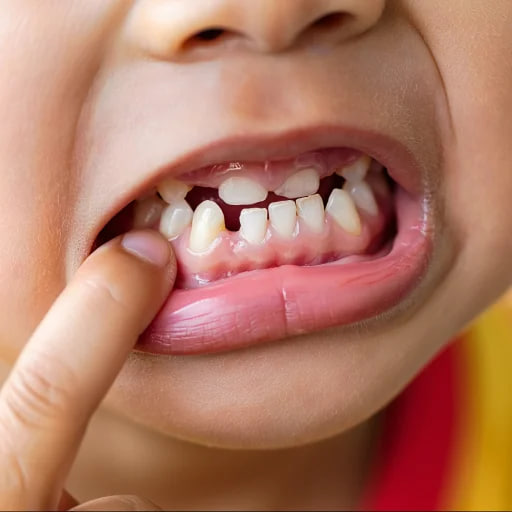
What are the symptoms of a loose tooth?
If you have a loose tooth or suspect that one of your teeth is shifting, certain warning signs can help you identify the issue early. These symptoms of a loose tooth may indicate problems with your oral health:
- Red, tender gums;
- Bleeding gums;
- Swollen gums;
- Gum recession;
- Tooth discoloration.
A tooth in loose condition should be examined promptly to avoid further complications.
What causes loose teeth?
A loose tooth can develop for several reasons, and understanding the cause of loose teeth is key to preventing further damage. Below are the most common factors that may loosen teeth or lead to tooth falling out unexpectedly:
- Gum (periodontal) disease;
- Dental trauma;
- Teeth grinding (bruxism);
- Pregnancy.
The gums are firmly attached to your teeth and help keep them stable. However, when inflammation occurs, these tissues weaken, which can lead to looseness in both your top and bottom teeth.
What are the complications of a loose tooth?
If a loose tooth hasn’t been treated on time, it can lead to serious dental complications:
- Bite issues (malocclusion);
- Difficulty chewing;
- Excess pressure on neighboring teeth.
It’s important to visit your dentist promptly to prevent your teeth from shifting and to reduce the risk of needing tooth extraction.
How are loose teeth diagnosed?
To diagnose loose teeth, a dentist will perform a clinical exam and may order X-rays to assess bone support and detect gum or tooth loss. They check how the tooth or teeth respond to pressure, identify possible causes like grinding your teeth or gum disease, and evaluate treatment options for a loose tooth. Accurate diagnosis helps save the tooth and prevent loose teeth.
How is a loose tooth treated?
Treatment for a loose tooth depends on the cause, severity, and overall dental health. A dentist will evaluate your condition and recommend a personalized treatment plan. In many cases, teeth can be saved and stabilized with timely intervention. Whether you’re dealing with a loose molar, loose front tooth, or teeth loose due to gum disease, there are both nonsurgical and surgical treatment options for a loose tooth.
Nonsurgical treatments:
- Bite adjustment – reshaping the tooth surface to reduce uneven pressure and stop your teeth from loosening further. Treatment often involves correcting the relationship between top and bottom teeth.
- Mouth guard – often recommended if you grind your teeth or experience clenching your teeth at night.
- Splinting – bonding the loose tooth to two neighboring teeth to prevent movement and allow healing.
A single tooth with teeth next to it may still require support if it becomes loose. If you did dental treatment early, the chance of saving your tooth is much higher.
Surgical treatments:
- Scaling and root planing – deep cleaning to remove plaque and bacteria that cause teeth to become loose.
- Osseous (flap) surgery – a procedure to clean infected tissue and reshape the bone supporting the tooth.
- Dental bone grafts – used if bone loss is present to support and save a loose tooth.
- Gum grafts – restore gum tissue if teeth become loose due to receding gums.
Early diagnosis and care can protect your teeth and significantly improve the chance of saving your tooth.
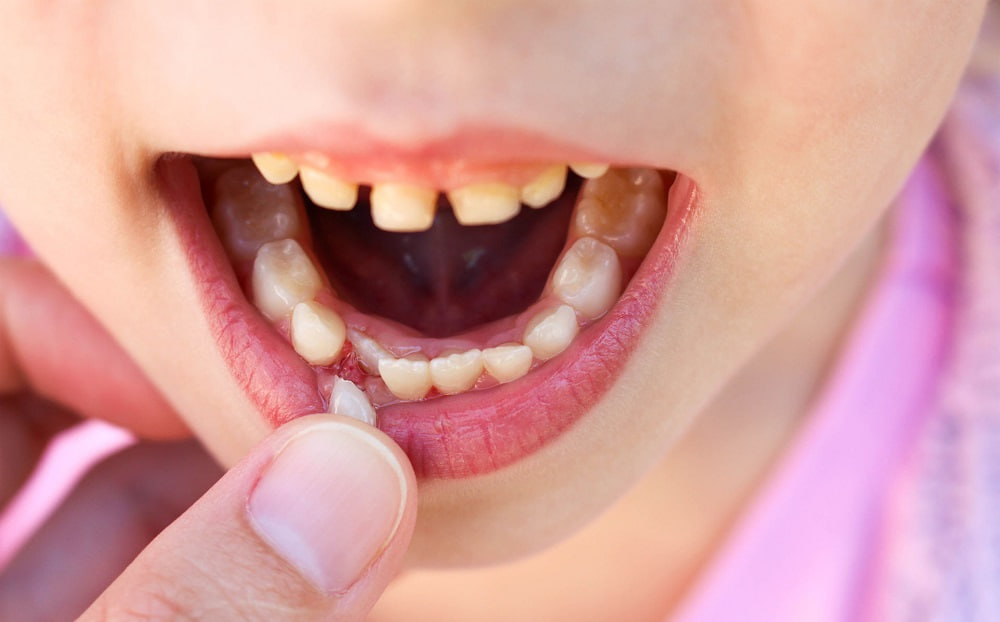
When should you see a dentist?
You should see a dentist if one tooth or more starts to feel loose. Teeth can also become unstable due to injury, gum disease, or other issues. It’s not normal for your teeth to move. Early treatment can help prevent teeth shifting, tooth removal, or even missing teeth. Regular brushing your teeth and having your teeth cleaned professionally support healthy teeth.
When is a loose adult tooth an emergency?
A loose adult tooth is an emergency if it’s painful, bleeding, or at risk to loosen and fall. If you’ve had trauma, put pressure on your teeth while eating or grinding, or notice your teeth have shifted, seek urgent care. Acting fast can help you avoid tooth extracted or even lose a tooth permanently.
How to Prevent Teeth Shifting?
Preventing teeth shifting is essential to maintain healthy, straightened teeth and avoid complications like falling out teeth or loose teeth. Here are effective methods to keep your teeth in place:
- Maintain good hygiene by brushing and flossing regularly.
- Use invisalign treatment or orthodontic treatment if recommended.
- Avoid grinding or clenching your teeth (grind their teeth).
- Address wisdom teeth issues promptly to prevent crowding.
- Visit your dentist for dental check-ups twice a year.
- Protect teeth with dental implants and natural teeth equally.
- Follow what to do how to do advice from your dental professional.
Moving tooth – Conclusion
A moving tooth can signal underlying issues that require prompt attention, as untreated teeth that shift over or become loose may lead to further tooth loss or teeth to become more crowded. Since treatment depends on the specific cause and severity, it’s important to seek professional care. Visit our clinic in Poland, where we provide personalized solutions to protect your teeth, ensuring your oral health is preserved.
FAQ
-
How can I tighten a loose tooth at home?
Home remedies may help reduce discomfort, but it’s best to see a dentist for loose teeth to ensure proper care.
-
Why is my tooth bite suddenly changing?
A changing bite can be caused by shifting teeth or a loose tooth affecting how your upper and bottom teeth meet.
-
How do I know when a loose tooth is beyond saving?
If a tooth doesn’t improve with treatment or causes persistent pain, it may be beyond saving and require extraction.
-
What’s the outlook for loose adult teeth?
With early diagnosis and treatment, many loose adult teeth can be saved and stabilized.
-
Can I prevent loose teeth?
Good oral hygiene and regular dental check-ups help prevent teeth from becoming loose or causing tooth loss.
-
My tooth is loose – what can I do?
Avoid putting pressure on the tooth and visit your dentist to assess the cause of looseness.
-
My child has a loose tooth – should I leave it or pull it?
For children, loose teeth usually fall out naturally; consult a dentist if there’s pain or unusual symptoms.


Do you want to treat your teeth while you sleep?
Schedule an appointment!
By clicking the button, you give your agreet your personal data in accordance with privacy policy.
Read also
View all blog-
20.03.2026
15
8 min. read
What You Need to Know About Professional Teeth Whitening
A white smile makes a face look fresher and more well-groomed. However, over time, the shade of teeth changes. Diet,…
Read more -
19.03.2026
25
8 min. read
Professional hygiene in a dental office — The complete guide
Most people believe they take proper care of their teeth. They brush their teeth morning and night, floss, and buy…
Read more -
09.03.2026
15
9 min. read
Restorative Dentistry Guide — Everything You Need to Know
Sometimes a tooth decays almost unnoticed. There's no sharp pain or warning signs. A small spot, mild sensitivity to cold,…
Read more -
04.03.2026
22
5 min. read
How to avoid surgery in the future — a case study of early orthodontic treatment at age 6
A mother brought her 6-year-old son to the Dynasty Stomatology clinic. She was confused: her son had already been examined…
Read more -
26.02.2026
24
11 min. read
What is Dental Implant Procedure — A Complete Guide
Losing a tooth isn't always just about aesthetics. It's about self-confidence, the ability to smile without tension, the ability to…
Read more -
24.02.2026
42
9 min. read
Understanding Oral Surgery — What You Need to Know
Until recently, a visit to the dentist was associated with significant discomfort. Uncomfortable impressions, long waits, and the need for…
Read more -
19.02.2026
26
5 min. read
Online consultation with a dentist — how it works, how much it costs, and when it is really needed
There are many reasons why people put off visiting the dentist. Especially when they live in countries where it is…
Read more