
Interdental brushing: how to use, simple guide

17.08.2025
304
7 min. read
Why Patients Trust Dynasty Stomatology
The trust in Dynasty Stomatology is built on a combination of many years of experience and an individual approach to every patient. We understand that a visit to the dentist is often accompanied by anxiety, so we place special emphasis on creating a comfortable and calm atmosphere where every patient feels safe.
The clinic is equipped with modern technology and uses advanced treatment methods, ensuring that procedures are carried out with maximum precision, efficiency, and comfort. All materials undergo strict quality control, and our doctors regularly improve their qualifications to offer only the most up-to-date and proven techniques.
In addition, Dynasty Stomatology values long-term relationships with patients. Our goal is not only to solve the problem at hand but also to maintain the health of teeth and gums for years to come. Openness, honesty, and transparency are the key principles that have earned the clinic its reputation as a reliable dental partner.
Facts about Dynasty Stomatology:
✅ Over 10 years of successful work in dentistry.
✅ Hundreds of positive reviews from patients in [Страна в соответствии с регионом] and abroad.
✅ We use premium materials from leading global brands.
✅ We offer treatment under sedation and general anesthesia.
✅ A full range of services — from pediatric dentistry to complex surgical operations.
Dynasty Stomatology — trust, expertise, reliability, and care for the beauty of your smile.
Learn about usMedical Expertise
Dynasty Stomatology’s doctors conduct medical reviews of all materials on the website to ensure their accuracy and practical value. Our authors and editors are experienced specialists in the fields of therapeutic, surgical, orthopedic, and pediatric dentistry. This approach allows us to maintain high professional standards and provide our readers with only verified, up-to-date, and useful information.
Interdental brushing is a simple yet highly effective way to improve your oral hygiene and protect your smile. By cleaning the spaces between your teeth that a regular toothbrush can’t reach, interdental brushes help prevent plaque buildup, cavities, and gum disease. In this article, we’ll cover everything you need to know — from choosing the right brush to mastering proper technique.
What is interdental brushing?
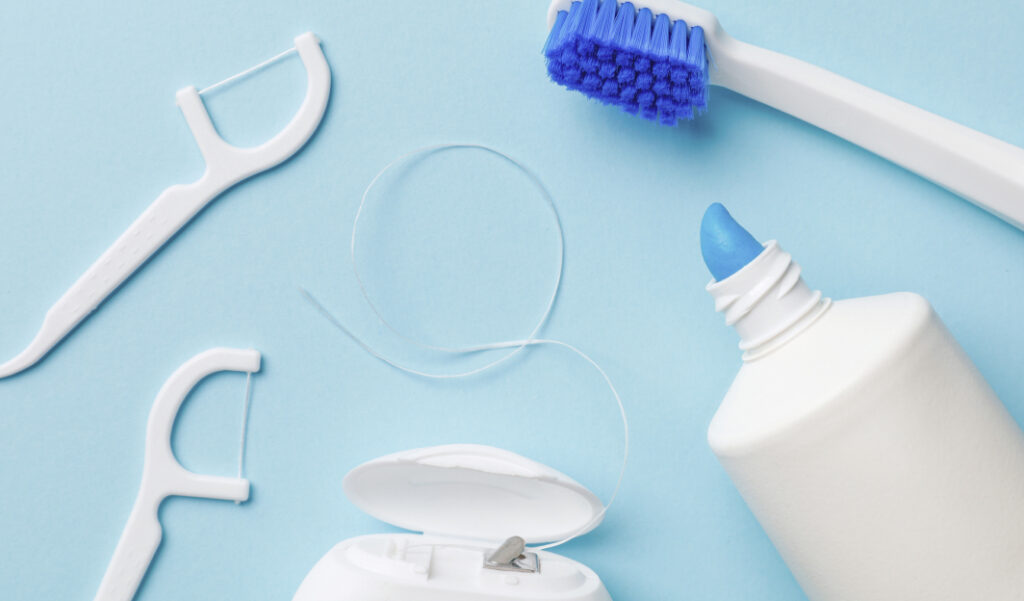
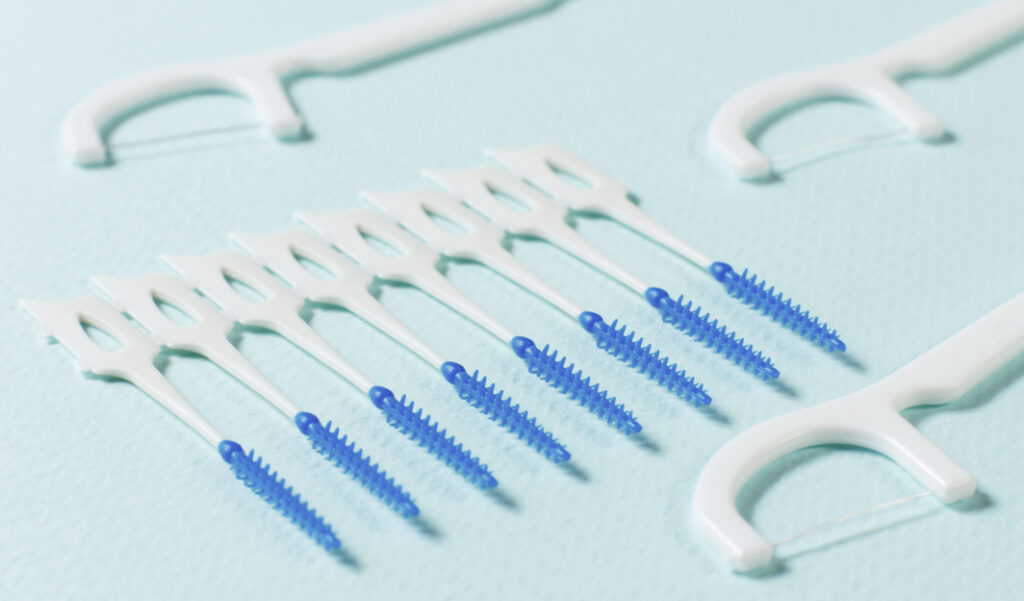
An interdental brush is a small, specially designed cleaning tool with fine bristles on a wire core, used to remove plaque and food particles from the spaces between teeth where a regular toothbrush cannot reach. It helps maintain optimal oral hygiene and prevent gum disease by targeting these hard-to-clean areas.
Why not just use floss?
Dental floss is effective for removing plaque between teeth, but it may not always clean the larger gaps or areas around dental work as thoroughly. What is an interdental brush? It’s a special brush designed to effectively remove plaque and food particles from those hard-to-reach areas.
Use your interdental brush daily to maintain healthy gums and prevent plaque buildup.
When to use the interdentals?
Interdental brushes are especially useful in situations where regular brushing is not enough to remove plaque and food particles. They can be a daily part of your oral care or used in specific cases:
- If you have wider gaps between teeth.
- When wearing braces or orthodontic appliances.
- For cleaning around dental implants or bridges.
- If your dentist recommends extra cleaning in certain areas.
- After meals to quickly remove trapped food.
What is important in an interdental brush?
The best way to clean between teeth is to choose a between teeth brush that fits your interdental space perfectly. Using the right size helps protect teeth and gums, prevents tooth decay, and makes cleaning between teeth more effective. Soft yet durable bristles on a toothbrush for between teeth should remove plaque without damaging enamel, and a coated wire ensures safety. A comfortable, non-slip handle ensures precise control, making daily cleaning easier and more effective.
Interdental Brushing Quick Guide
For effective oral hygiene, it’s important to know the proper technique and steps for how to use an interdental brush. Below we offer you a simple step-by-step guide to make cleaning between teeth both quick and effective:
- Select a brush appropriate to the gap(s) that you are cleaning.
- Very gently insert the brush into the gap(s).
- Slowly and gently pass the brush back and forth and against the side of each tooth to dislodge and remove any debris or build-up of plaque.
- Develop a pattern using the different sized brushes to work around your mouth, ensuring that you clean between all the gaps.
- You may find that when you first start using interdental brushes your gums will feel tender or even bleed a little as you start to get rid of any plaque build-up. This is normal and is nothing to worry about. The tenderness and bleeding will reduce as your gums get used to the process and become healthier.
- If the bleeding does continue for more than a few days, it is worth seeing your dentist to check that you are brushing correctly and that there are no problems with your gums.
- Always apply the same hygiene rules to your interdental brushes as you do to your toothbrush. Rinse them thoroughly after use and use the storage cap that is provided to protect the brush head(s) and keep them clean between uses.
It’s important to brush between your teeth carefully, ensuring all spaces are cleaned. Knowing how to use interdental brush will help make your oral hygiene routine faster, easier, and more effective.
How to Clean Interdental Brushes
It’s important to know not only how to use dental brushes but also how to care for them properly. Proper cleaning of your interdental brushes is essential for maintaining good oral health and ensuring ease of use. Follow these simple steps to keep your brushes clean and effective:
- Rinse the brush thoroughly under running water after each use to remove food debris and plaque.
- Gently remove any stubborn debris trapped between the bristles without forcing the brush.
- Allow the brush to air dry completely before storing it to prevent bacterial growth.
- Use the protective cap or case provided to keep the brush clean between uses.
- Replace your interdental brush regularly, especially if the bristles become worn or damaged.
Maintaining clean interdental brushes supports your daily oral hygiene routine and helps prevent bad breath, bleeding gums, and periodontal disease. Make it a habit to brush every day, including interdental areas, as part of your routine.
Common mistakes to avoid
Using interdental brushes correctly is essential for effective interdental cleaning and maintaining healthy gums and teeth. Many people don’t find the right brush size or don’t know how often should you use interdental brushes, which reduces the benefits of interdental brush use. Below are common mistakes in brushing between teeth, their consequences, and practical solutions to help you get the most from your oral care routine and clean in between teeth properly.
Choosing the wrong size
- Mistake: Using a brush that is too big or too small for the interdental space.
- Consequences: A brush that is too large can damage the gums or break when inserted. Too small will not clean effectively.
- Solution: Consult your dentist or hygienist to determine the appropriate size for your spaces.
Force the brush head
- Error: Inserting the brush head with too much force.
- Consequences: This can cause injury and damage to the gums.
- Solution: Insert the brush head gently. If it doesn’t pass easily, it’s probably an indication that you need a smaller size or you’re not aligning it correctly.
Neglecting to clean the brush head after use
- Error: Not rinsing or cleaning the brush head properly after each use.
- Consequences: Accumulation of bacteria which can then be reintroduced into the mouth.
- Solution: Always rinse the brush head under lukewarm water after each use and occasionally disinfect it with an antiseptic solution.
Use a damaged brush head
- Error: Continuing to use a brush head with worn, deformed or broken bristles.
- Consequences: Ineffective cleaning, and the risk of introducing bacteria or causing injury.
- Solution: Replace your interdental brushes regularly. If you notice signs of wear or damage, it’s time to change it.
Inappropriate use
- Error: Using the brush head without proper movements or turning it inappropriately.
- Consequences: Risk of damaging the gums or not effectively removing dental plaque.
- Solution: Use gentle back and forth movements without turning it excessively. Make sure to cover the entire interdental surface.
Why should you combine the use of interdental brushes with the electric toothbrush
For effective oral hygiene, combining an electric toothbrush with dental brushes for between teeth is highly recommended. While electric toothbrushes excel at brushing your teeth, interdental brushes offer essential cleaning in between teeth where toothbrushes can’t reach.
Cleaning Efficiency
- Electric Toothbrush: Designed to maximize plaque removal on the tooth surface through oscillating, rotating, or sonic movements.
- Interdental Brushes: These little brushes clean spaces between the teeth that even the best toothbrush between teeth can miss.
Disease Prevention
- The combination of an electric toothbrush and interdental brushes ensures that the majority of surfaces and spaces in the mouth are cleaned.
Gum Health
- Electric Toothbrush: Many have pressure sensors that prevent brushing too vigorously, which can be harmful to the gums. Gentle and effective cleaning helps maintain healthy gums.
- Interdental Brushes: By removing plaque between teeth, they prevent inflammation of the gums, thereby reducing the risk of developing periodontitis, a serious condition that can lead to tooth loss.
Comfort and Convenience
- The electric toothbrush makes the brushing process less laborious and more efficient.
- The interdental brushes are easy to use and can quickly clean the spaces between the teeth.
Learning how to use both types of brushes helps make your oral hygiene more effective.
Interdental brushing – Conclusion
Interdental brushing is an essential part of your daily oral care routine, helping to clean in between teeth where regular brushing and flossing may miss. Using an interdental brush properly, both on front teeth and back teeth, supports healthy gums and prevents dental issues. Interdental brushes come in various sizes, so it’s important to find the right one and use it at least once a day for the best results. Learning how to clean in between teeth interdentally will make your dental practice easier and more effective.
FAQ
-
Can I use dental floss and interdental brushes at the same time?
Yes, combining floss and an in between teeth brush improves cleaning effectiveness and oral health.
-
At what age can you start using interdental brushes?
Interdental brushes are recommended once children have gaps in their teeth and can use them safely, usually around 6 years old.
-
Do I need interdental brushes if I don't have visible gaps between my teeth?
If your teeth are very close, floss may be enough, but using a smaller interdental brush can still be beneficial.
-
Can I use one interdental brush for my whole mouth?
No, you should use different sizes for different gaps in your teeth to clean effectively.
-
What should I do if using an interdental brush is painful every time?
Try using a smaller brush and use gentle movements to avoid injury.
-
How often should interdental brushes be replaced?
Replace your interdental brush when the bristles wear out or at least every week with daily use.
-
Is there a difference between interdental brushes from different brands?
Yes, some brushes are easier to use and better suited for specific gaps in your teeth.
-
Can interdental brushes damage tooth enamel?
No, if you use the interdental brush properly and choose the right size, it won’t damage your enamel.
-
Should I use toothpaste with an interdental brush?
It’s generally not necessary, but you can use a small amount if recommended by your dentist.
-
Can interdental brushes replace professional dental cleaning?
No, interdental brushing is important but does not replace regular professional dental care.


Do you want to treat your teeth while you sleep?
Schedule an appointment!
By clicking the button, you give your agreet your personal data in accordance with privacy policy.
Services related to this topic
All services-
Computed tomography of ENT organs
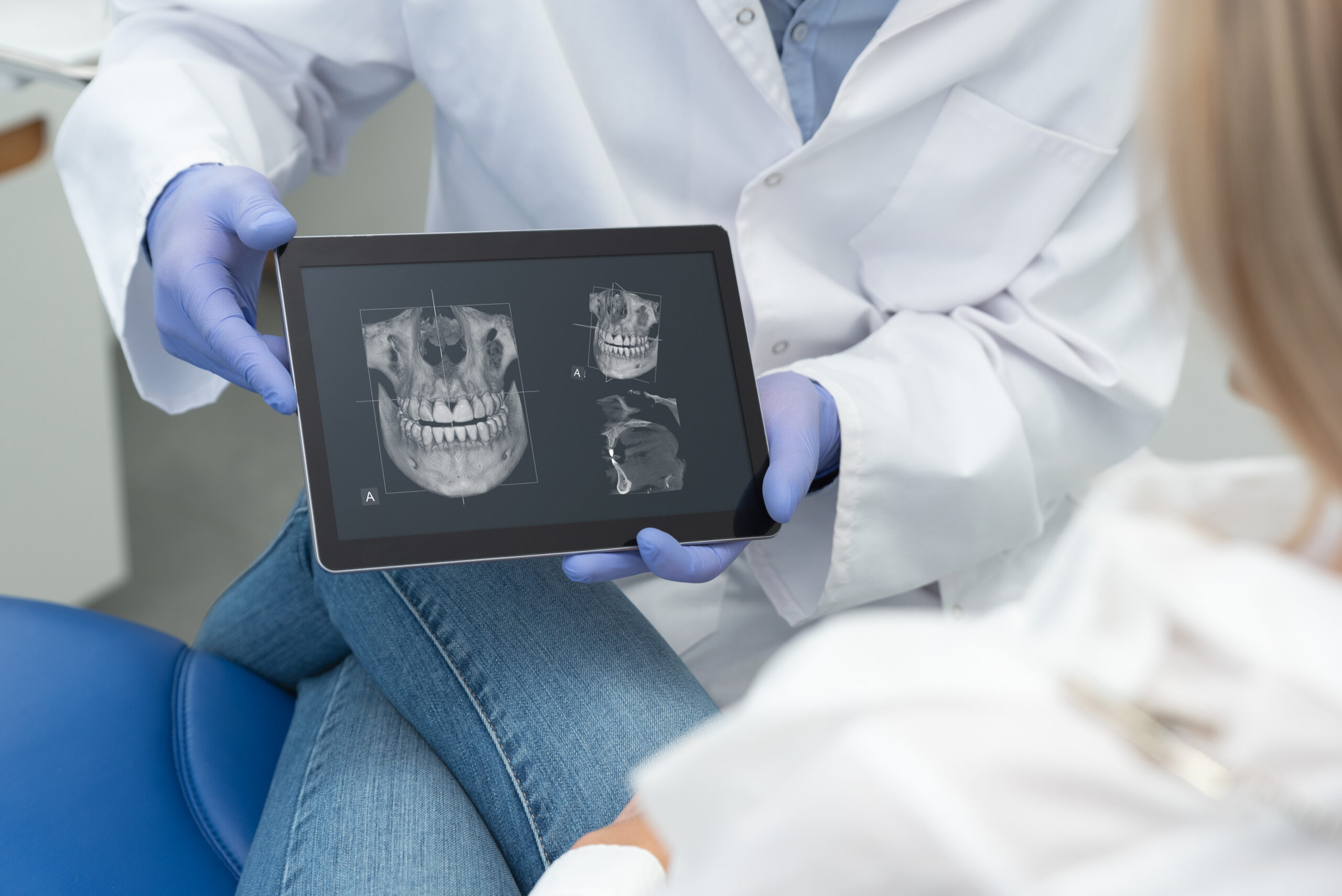
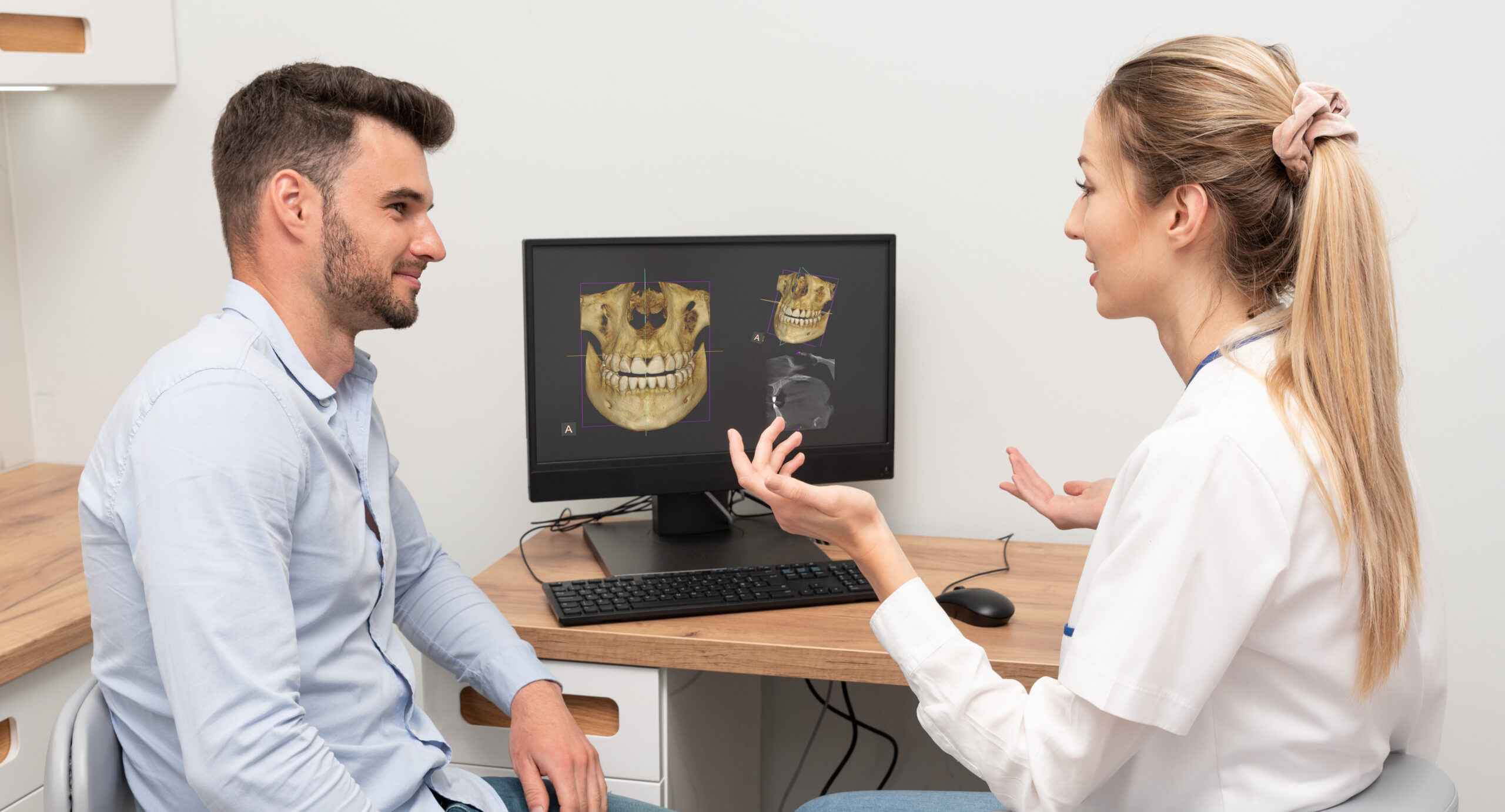
Cone beam computed tomography in radiation refers to a unique kind of X-ray when a regular facial or dental x-ray is not sufficient for diagnosis or any surgical technique. It gives the ENT doctor a detailed image of the air spaces, bones, and soft tissues in your neck and head.
To the service -
X-ray diagnostics of dental condition
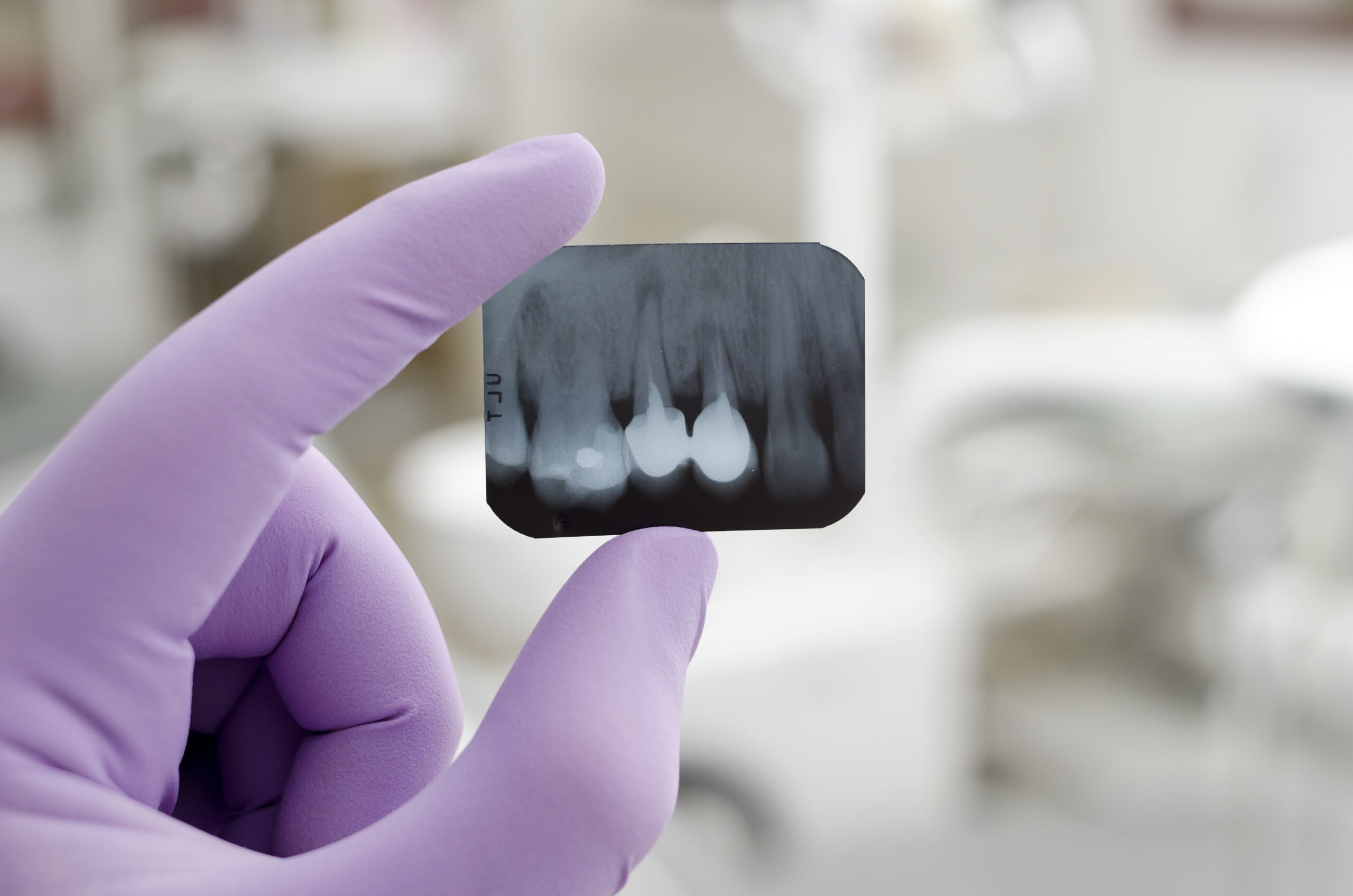
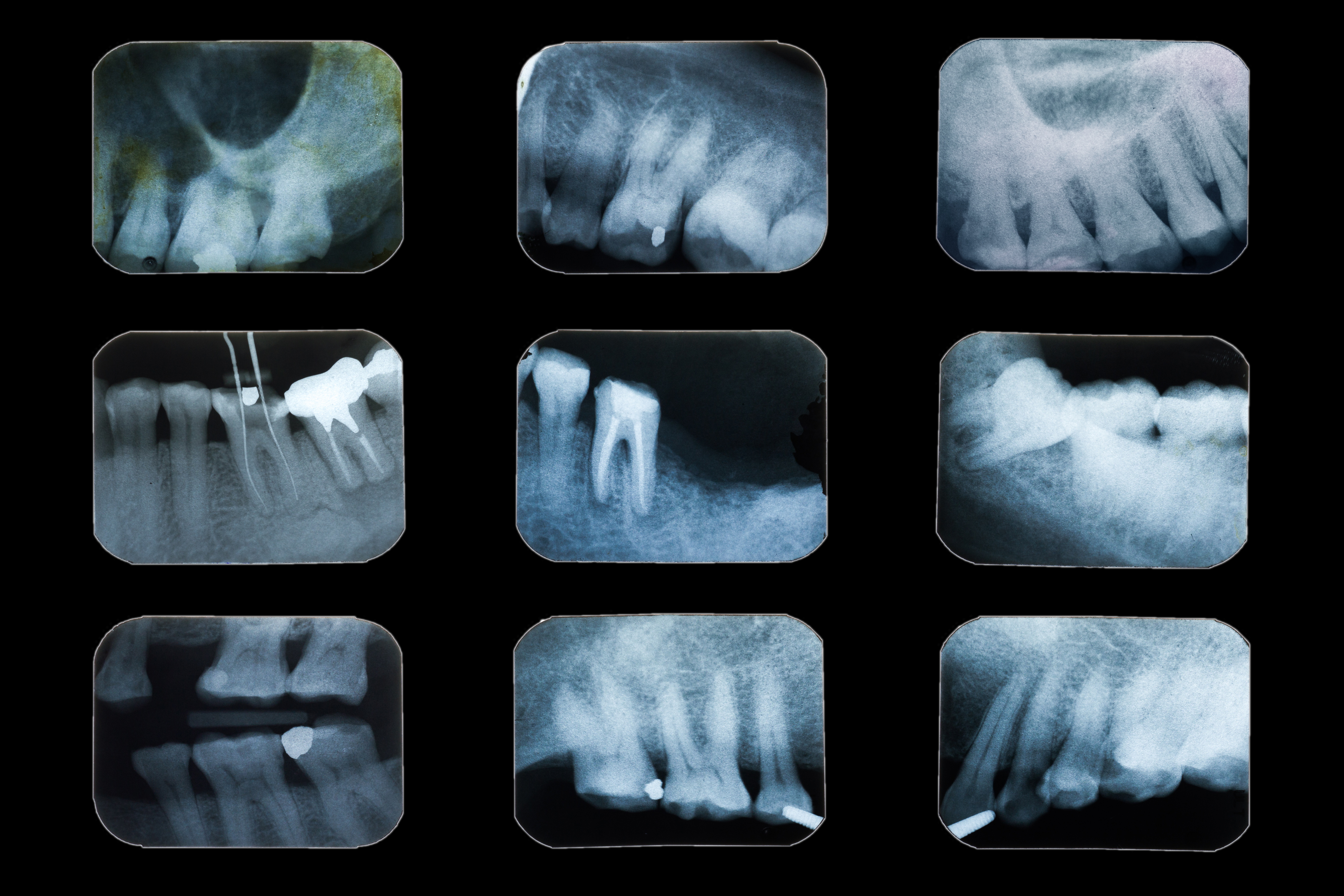
Dental x-ray diagnosis is the gold standard in dental examination and has been effectively used for decades. This widely used method allows dentists to accurately diagnose the condition of a tooth and develop an effective treatment plan. The Dynasty Stomatology dental center is equipped with modern devices, making dental x-rays at our clinic completely safe […]
To the service -
Ceramic inlays using CAD/CAM technology
Tooth damage caused by decay, chipping, or failed fillings requires not only functional restoration but also high aesthetics. A ceramic inlay is a modern dental solution that allows precise restoration of a damaged tooth, both in form and structure. Inlays made using CAD/CAM technology are known for their durability, strength, and ideal fit, making them […]
To the service -
Targeted dental x-ray
A single-tooth x-ray is a simple, quick, and affordable diagnostic method frequently used in dental diagnostics to assess oral health. A digital 2D dental x-ray reveals the condition of both the crown part of the tooth and its roots, along with the surrounding tissues. At Dynasty Stomatology dental clinic, this type of x-ray diagnostics is […]
To the service -
Ceramic veneers using CAD/CAM technology (digital veneers)
A radiant smile always looks beautiful, promotes good health, and attracts attention. And it’s absolutely achievable! Modern dentistry opens up vast opportunities to correct any imperfections of the dental arch, whether congenital or acquired.
To the service -
Dental Visiography
To obtain a detailed image of a tooth, we use a digital X-ray device known as a visiograph. This advanced dental visiography equipment ensures that every stage of treatment becomes as clear and transparent as possible. The modern device detects even the slightest changes in the structure of the teeth, allowing for early intervention. With […]
To the service -
Ceramic crowns using CAD/CAM technology
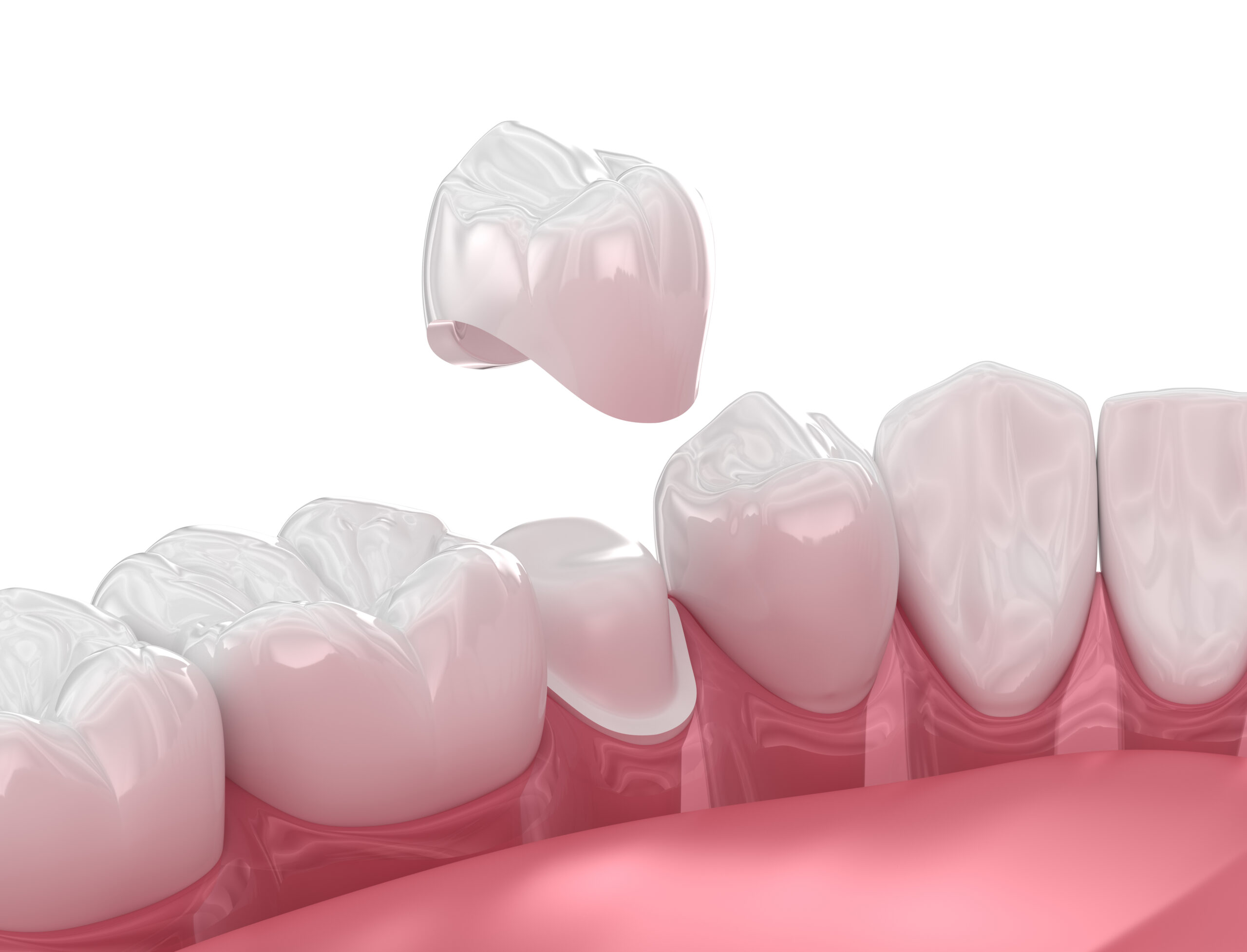
Ceramic crowns made with advanced technology like CAD/CAM technology blends aesthetics and functionality perfectly together. A patient will get high quality ceramic crowns with exact precision when they visit our clinic for treatment. Ceramic crowns are ideally recommended for caries and stained teeth. They are bio-compatible and do not cause allergies.
To the service -
Digital Dentistry
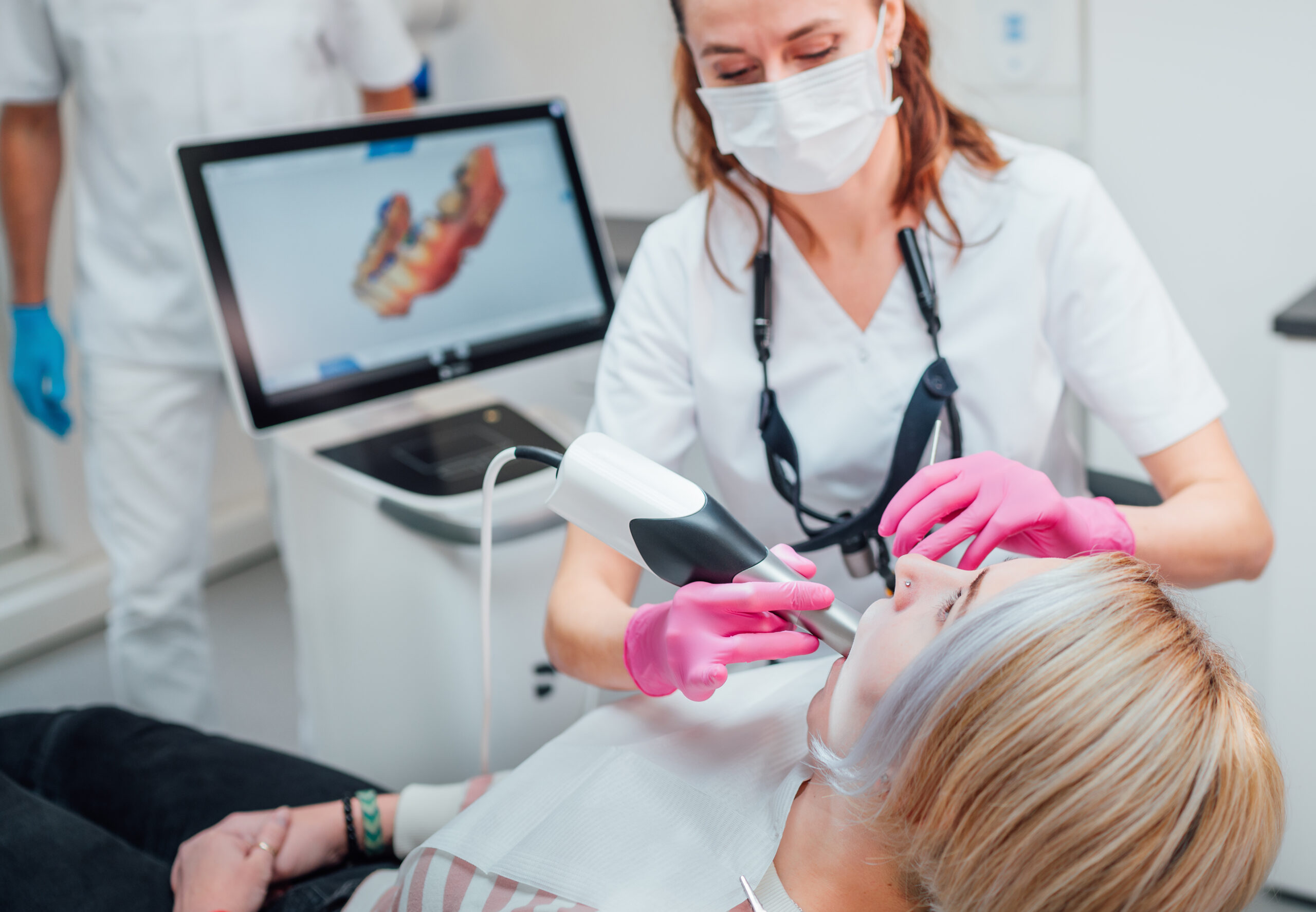
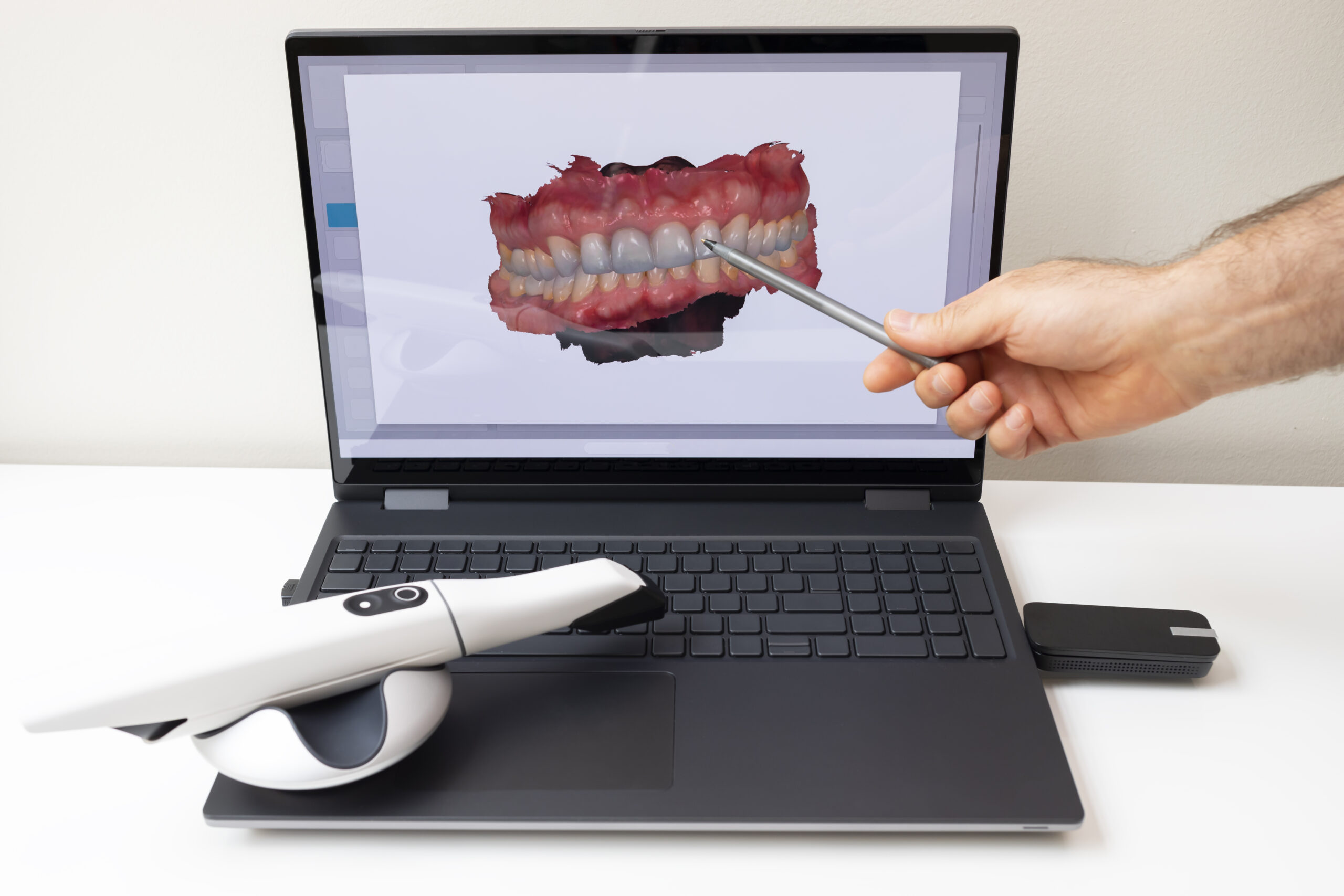
Dentistry has witnessed a significant technological revolution in the last few years. The foray of CAD/CAM technologies has made dental care more comfortable and pain-free for the patient. Known as “digital dentistry”, it is now becoming highly popular among patients and is redefining the future of dentistry today.
To the service -
Computed tomography of teeth and oral cavity
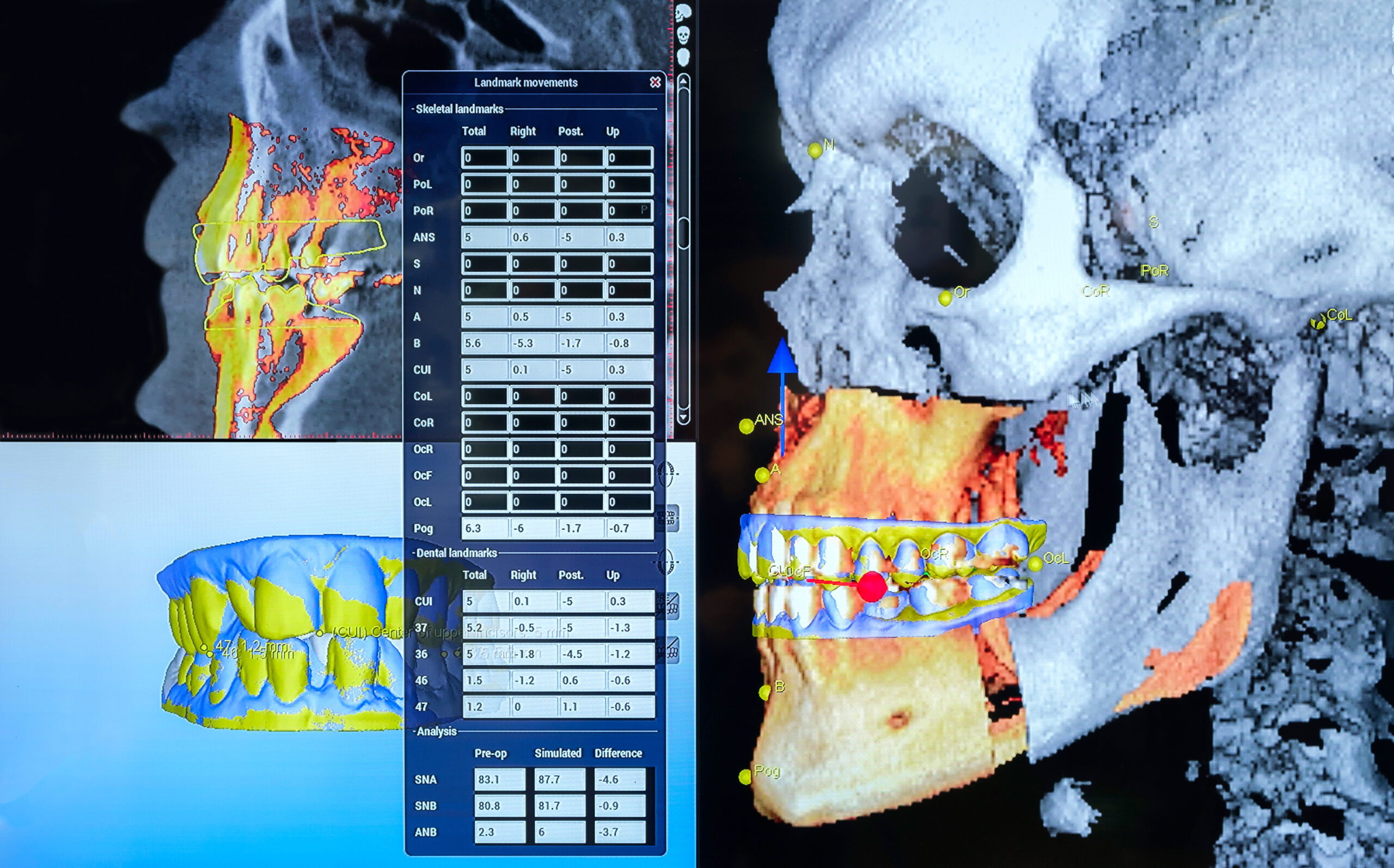
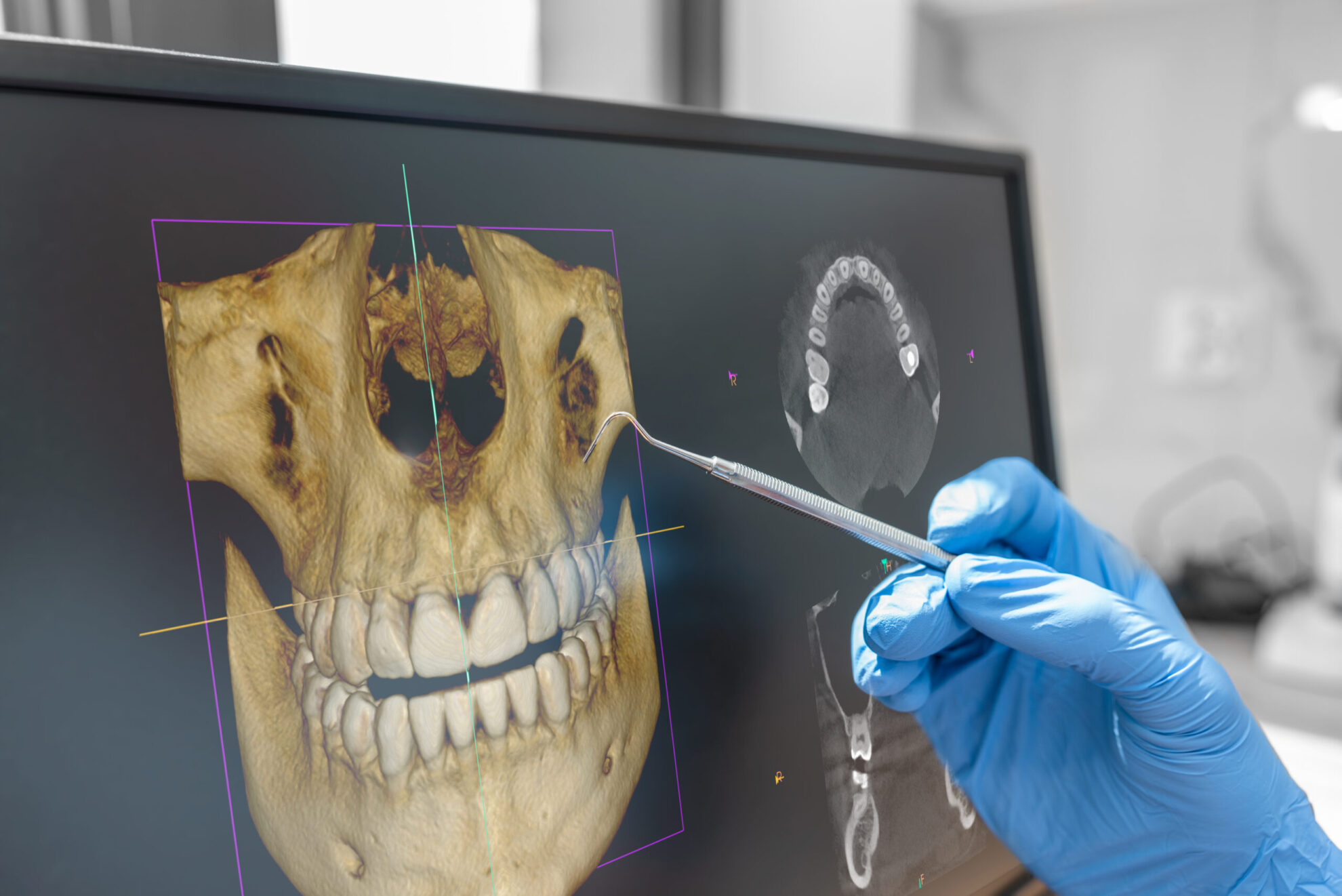
A computed tomography (CT) scan of the jaw deploys the use of advanced technology to view the tissues and bones in dentistry. It is essential in dental diagnostics for accurate diagnosis and treatment plans. A dental CT is painless and different from an x-ray as it creates cross-sectional images with a radiation dose concealing hidden […]
To the service -
Digital smile Design
Thanks to the advent of modern digital technologies, you can attain a beautiful smile with dental aesthetics treatment. This procedure makes it possible for dentists to design a smile digitally before the start of the procedure. This simulation of digital smile design allows personalization and better precision of the final result.
To the service -
Diagnosis of dental diseases
Dental diagnostics is indispensable for the early identification of periodontal diseases and oral infections. Thanks to technological advancements in dental care, the diagnosis and treatment of tooth decay, gingiva, oral cavity, tooth abscess, and other serious oral healthcare issues can be done faster.
To the service

Read also
View all blog-
20.03.2026
15
8 min. read
What You Need to Know About Professional Teeth Whitening
A white smile makes a face look fresher and more well-groomed. However, over time, the shade of teeth changes. Diet,…
Read more -
19.03.2026
25
8 min. read
Professional hygiene in a dental office — The complete guide
Most people believe they take proper care of their teeth. They brush their teeth morning and night, floss, and buy…
Read more -
09.03.2026
15
9 min. read
Restorative Dentistry Guide — Everything You Need to Know
Sometimes a tooth decays almost unnoticed. There's no sharp pain or warning signs. A small spot, mild sensitivity to cold,…
Read more -
04.03.2026
22
5 min. read
How to avoid surgery in the future — a case study of early orthodontic treatment at age 6
A mother brought her 6-year-old son to the Dynasty Stomatology clinic. She was confused: her son had already been examined…
Read more -
26.02.2026
24
11 min. read
What is Dental Implant Procedure — A Complete Guide
Losing a tooth isn't always just about aesthetics. It's about self-confidence, the ability to smile without tension, the ability to…
Read more -
24.02.2026
42
9 min. read
Understanding Oral Surgery — What You Need to Know
Until recently, a visit to the dentist was associated with significant discomfort. Uncomfortable impressions, long waits, and the need for…
Read more -
19.02.2026
26
5 min. read
Online consultation with a dentist — how it works, how much it costs, and when it is really needed
There are many reasons why people put off visiting the dentist. Especially when they live in countries where it is…
Read more