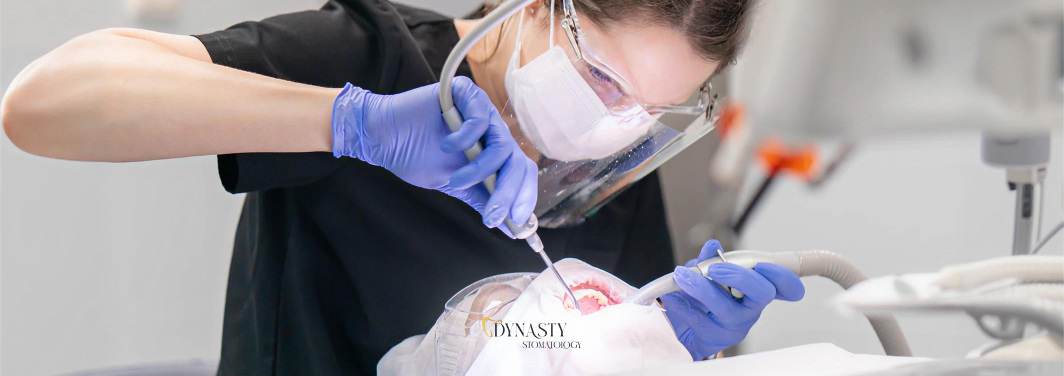

Frenulum cutting in children – when should the frenulum be cut


25.11.2025
201
7 min. read
Why Patients Trust Dynasty Stomatology
The trust in Dynasty Stomatology is built on a combination of many years of experience and an individual approach to every patient. We understand that a visit to the dentist is often accompanied by anxiety, so we place special emphasis on creating a comfortable and calm atmosphere where every patient feels safe.
The clinic is equipped with modern technology and uses advanced treatment methods, ensuring that procedures are carried out with maximum precision, efficiency, and comfort. All materials undergo strict quality control, and our doctors regularly improve their qualifications to offer only the most up-to-date and proven techniques.
In addition, Dynasty Stomatology values long-term relationships with patients. Our goal is not only to solve the problem at hand but also to maintain the health of teeth and gums for years to come. Openness, honesty, and transparency are the key principles that have earned the clinic its reputation as a reliable dental partner.
Facts about Dynasty Stomatology:
✅ Over 10 years of successful work in dentistry.
✅ Hundreds of positive reviews from patients in [Страна в соответствии с регионом] and abroad.
✅ We use premium materials from leading global brands.
✅ We offer treatment under sedation and general anesthesia.
✅ A full range of services — from pediatric dentistry to complex surgical operations.
Dynasty Stomatology — trust, expertise, reliability, and care for the beauty of your smile.
Learn about usMedical Expertise
Dynasty Stomatology’s doctors conduct medical reviews of all materials on the website to ensure their accuracy and practical value. Our authors and editors are experienced specialists in the fields of therapeutic, surgical, orthopedic, and pediatric dentistry. This approach allows us to maintain high professional standards and provide our readers with only verified, up-to-date, and useful information.
Many children struggle with a problem that can impact proper speech development and eating comfort – a tongue or lip frenulum that is too short or improperly attached. While this is often noticeable in infants, the problem may go unnoticed until preschool age. Lip frenulum cutting in adults may be indicated in cases of limited lip mobility or speech difficulties.
A frenulum cut in a child can address these difficulties, improving tongue movement and facilitating everyday activities such as sucking, chewing, and clear articulation. More and more parents are opting for this procedure because, when performed correctly, it can significantly improve a child’s quality of life.
What is a frenulum and what is it responsible for?
The frenulum is a small fold of tissue located in the oral cavity that connects the tongue, lips, or cheeks to the floor of the mouth. Although small, it serves an important function: it controls the movement of the tongue and lips, which influences proper sucking in infants, chewing, swallowing, and speech development in older children.
If the frenulum is too short or improperly formed, tongue movement can be restricted, making daily activities difficult. In such cases, frenulum reduction surgery is often performed to restore full function and comfort for the child.

Types of frenulum in the oral cavity – what is their role?
There are several types of frenulum in the oral cavity, each of which performs a specific function and influences the proper functioning of the speech organs and food intake:
- The sublingual frenulum connects the lower surface of the tongue to the floor of the mouth and is responsible for the freedom of tongue movement, so its incorrect structure can limit articulation and make eating difficult.
- Upper lip frenulum – located between the upper lip and the gum. A frenulum that is too short or improperly attached can cause a gap between the first teeth (diastema) and affect speech.
- The lower lip frenulum connects the lower lip to the gum. Its incorrect length can expose the necks of the teeth and promote gingivitis.
- The buccal frenulum – located in the lateral parts of the mouth, supports the proper tension of the cheek tissues and the stability of dentures or orthodontic appliances.
A properly formed lingual frenulum and the frenulum of the upper and lower lips are of great importance for the proper development of speech and smile – both in children and adults.
Incorrect frenulum structure – consequences
If the frenulum is abnormally formed, movement of the tongue, lips, or cheeks may be restricted. This, in turn, affects how you eat, suck, chew, breathe, or speak. The effects depend on which frenulum is shortened, enlarged, or incorrectly attached:
- Sublingual frenulum: A frenulum under the tongue that is too short can impede sucking in infants, cause chewing problems in older children, and affect the pronunciation of sounds that require raising the tongue (e.g., “l,” “sh,” “ż,” “r”). Later in life, it can lead to compensatory habits and malocclusion.
- Labial frenulum (upper and lower lips): An enlarged or improperly attached upper lip frenulum can cause a gap between the teeth (diastema). A lower lip frenulum can contribute to exposed tooth necks and gingivitis. In children, it can affect speech acquisition and proper lip positioning during articulation.
- Buccal frenulum: its dysfunction can cause cheek tension, difficulty sucking, and difficulty holding food in the mouth. In individuals wearing braces or dentures, it can lead to irritation and stability issues.
For this reason, in cases of a short frenulum, it is advisable to undergo frenulum reduction surgery as soon as possible, especially in children and infants, whose daily life functions are affected. Early correction helps avoid permanent defects and the need for longer-term therapy in the future.
When should the frenulum be trimmed?
Surgery is considered when the frenulum restricts tongue or lip movement and affects sucking, eating, speaking, or occlusion. Indications for frenulum removal include:
- difficulty in sucking in a newborn or infant;
- articulation problems (e.g. short frenulum of the tongue);
- overgrown frenulum of the upper lip causing diastema;
- compensatory muscle tension in the oral cavity.
What are the benefits of frenulum trimming? Improving eating and speech function and preventing malocclusion.
Patients often ask if upper lip frenulum cutting hurts – the procedure is virtually painless thanks to local anesthesia. The cost of tongue frenulum cutting depends on the type of procedure.
How can I correct a frenulum?
A specialist can perform a frenulum ablation on adults in the comfort of an outpatient clinic. The procedure involves gently releasing tension or shortening tissue to restore normal tongue or lip mobility. Correction methods:
- cutting the frenulum of the tongue or lip with surgical scissors,
- laser frenulum cutting – precise and usually less bleeding,
- frenulum shortening in combination with myofunctional or speech therapy.
The method is always selected individually, depending on age, type of frenulum and reported difficulties.
What does a frenulum cutting procedure look like?
The procedure is performed on an outpatient basis under local anesthesia, making it comfortable and, if cutting the frenulum is painful, it usually isn’t. The doctor precisely releases the restrictive tissue around the frenulum.
How long does a frenulum procedure take? Typically, it’s only a few minutes. Healing is rapid, and return to daily activities is almost immediate.

Sublingual frenulum in newborns – how to quickly diagnose it?
Parents may notice difficulty sucking, rapid fatigue during feeding, smacking, a downward-only tongue protrusion, or a characteristic “heart-shaped” tongue tip. If you suspect an abnormal frenulum structure in a newborn, it’s worth consulting a doctor for an evaluation and possible frenulum trimming.
Short frenulum of the tongue and breastfeeding
Infants with a short lingual frenulum may experience difficulty latching on correctly, fatigue quickly during feeding, and experience nipple soreness in the mother. In such cases, lingual frenulum trimming may be indicated to improve feeding comfort and sucking efficiency.
Cutting the frenulum – what is worth knowing?
A frenulum procedure can be performed on infants, children, and adults if the frenulum is found to be overgrown or poorly attached. It’s important to monitor speech and feeding development in young children – early diagnosis can help avoid problems with the tongue attaching to the floor of the mouth or disruptions to the upper lip frenulum. A consultation with a specialist can help determine when the procedure is most beneficial and how to prepare the child for frenulum surgery.
When should the frenulum be trimmed?
A frenulum trim is recommended when an infant or child has an abnormally shaped frenulum, an overgrown lingual frenulum, difficulty sucking or breastfeeding, limited tongue lifting, or a characteristically shaped tongue tip. Early diagnosis and frenulum trim in a child can help prevent complications and support proper oral development.
What does a frenulum cutting procedure look like?
A frenulum procedure in an infant or child begins with a thorough examination of the lingual or sublingual frenulum, followed by an assessment of the anatomy of the lingual frenulum and the underside of the tongue with the floor of the mouth. Removing the upper frenulum or upper lip can be performed in children and adults using either laser or traditional methods.
The entire frenulum procedure is quick and comfortable, and recovery begins after frenulum removal in children. When frenulum removal occurs in adults, it is important to monitor for potential complications and assess the effectiveness of the frenulum removal.
Shortening of the lingual frenulum in children and adults
Upper lip frenulum removal in children and adults is an effective procedure performed by experienced doctors at our clinic in Poland. Upper lip frenulum removal in children and adults can be performed using laser or traditional methods.
Tongue frenulum removal – the price depends on the type of surgery, and the exact cost can be determined by your dentist. We also offer annual checkups to monitor oral development and prevent complications.
If you need a frenulum trim for a child or adult, schedule an appointment now!
FAQ
-
At what age should the frenulum be trimmed?
A frenulum procedure is most often performed in children during infancy or early childhood when they experience difficulty with sucking or articulation. In adults, a frenulum procedure is performed when the tongue has limited mobility or speech problems.
-
How long does a frenulum removal procedure take in children and infants?
A procedure to cut the frenulum of a child's tongue and to cut the frenulum of an infant typically takes a few minutes. With laser frenulum cutting, recovery is quick and the risk of complications is minimal.
-
Cutting a child's frenulum – does it hurt?
A child's lingual frenulum is removed under local anesthesia, so the procedure is usually painless. After lingual frenulum removal, you may experience a slight burning sensation or discomfort, which quickly subsides during recovery.
-
What can a child eat after having their frenulum cut?
After frenulum removal, it's recommended that your child eat soft, easy-to-swallow foods, such as pureed fruit, yogurt, or cereal. Avoid hard and spicy foods to avoid irritating the surgical site and to promote proper healing of the underside of the tongue.
-
Breastfeeding after frenulum removal
After frenulum cutting, the baby can usually resume breastfeeding almost immediately. The procedure does not restrict the movement of the underside of the tongue with the floor, and proper latch facilitates effective sucking and minimizes the risk of frenulum cutting complications.
-
How long does it take for a cut frenulum to heal?
A cut frenulum usually heals within a few days to a week. With proper care of the tongue's underside and the tongue's underside, the recovery process is smooth and uneventful.
-
How to prepare a child for frenulum trimming?
When preparing a child for frenulum resection, it's important to discuss the entire procedure with them and ensure a calm atmosphere. The doctor will examine the underside of the tongue and the floor of the oral cavity, ensuring that the tongue is properly attached to the floor, which reduces the risk of complications.
📍 Krakow | Romanowicza 1/LU3, 30-702
Romanowicza 4B/B.L.U.1, 30-702
📞 In Ukrainian, Russian, English — with understanding and care.


Do you want to treat your teeth while you sleep?
Schedule an appointment!
By clicking the button, you give your agreet your personal data in accordance with privacy policy.
Services related to this topic
All services-
Orthognathic surgery in Krakow – surgical correction of malocclusion
Orthognathic surgery helps to solve problems with the bite that cannot be treated with braces or aligners. If you have difficulty chewing, speech disorders or are unhappy with the shape of your face, surgical correction may be the best solution.
To the service -
Maxillofacial surgery in Poland
Maxillofacial surgery covers a wide range of interventions, from trauma treatment to complex reconstructive and resection surgeries. All these services are available at the Dynasty Stomatology clinic in Poland. Assistance is provided by experienced surgeons who will ensure a professional approach at every stage of treatment. We use modern technologies and comply with all international […]
To the service -
Frenulum of the tongue or lip in children and adults
A frenulum of the tongue or lip that is too short or incorrectly attached can cause serious difficulties: speech impairment, feeding problems in infants, discomfort with chewing and hygiene, and in adults, effects on the bite and the aesthetics of the smile. These limitations can seriously affect quality of life, especially if not addressed in […]
To the service -
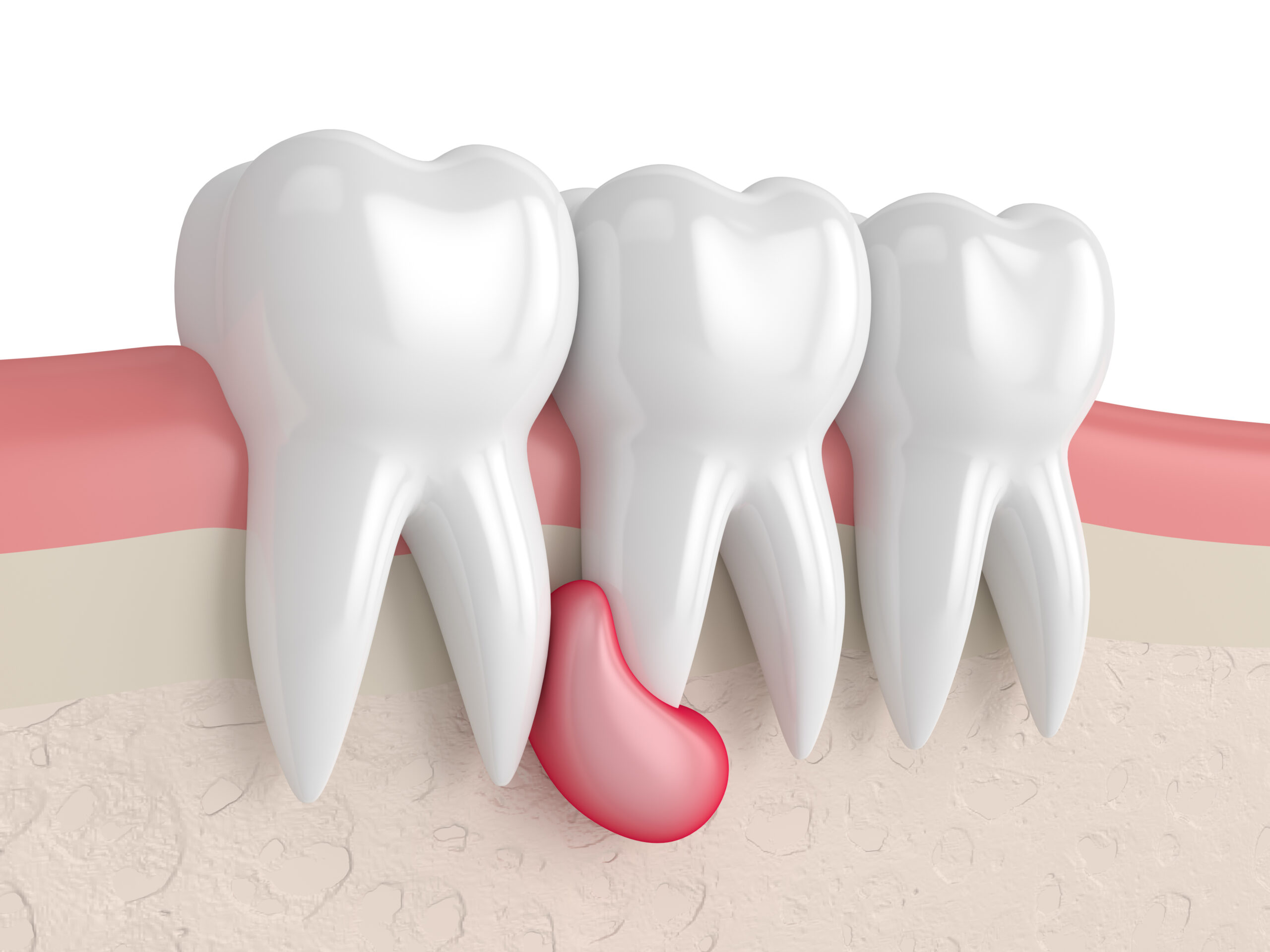
Removal of a dental cyst
A tooth cyst is a fairly common dental problem that often develops without symptoms and remains unnoticed for a long time. It is characterized by a pathological formation, most frequently occurring near the apex of the tooth root due to inflammation, trauma, or infection. If the cyst is not removed in time, it may grow, […]
To the service -
Tooth extraction
Tooth extraction is a necessary dental procedure often required when a tooth cannot be preserved. Extraction may be needed due to severe tooth damage, untreatable decay, chronic inflammation, trauma, advanced mobility, or as preparation for orthodontic treatment, prosthetics, or dental implants. Timely removal of a tooth can help prevent complications and support overall dental care.
To the service -
Removal of a Retained Wisdom Tooth
A retained wisdom tooth (also called an “impacted tooth”) is one that remains partially or fully trapped in the gum or jawbone and cannot erupt completely. This condition often leads to inflammation, pain, swelling, damage to adjacent teeth, cyst formation, and other complications. Without timely removal, the problem may worsen and affect your bite, chewing […]
To the service -
Sinus-lift
Sinus lift in dentistry is a surgical procedure aimed at restoring bone volume in the upper jaw. It becomes necessary when the bone has thinned or decreased in volume after tooth extraction, especially in the posterior regions. This sinus lift surgery makes it possible to place dental implants even in cases of significant bone atrophy. […]
To the service -
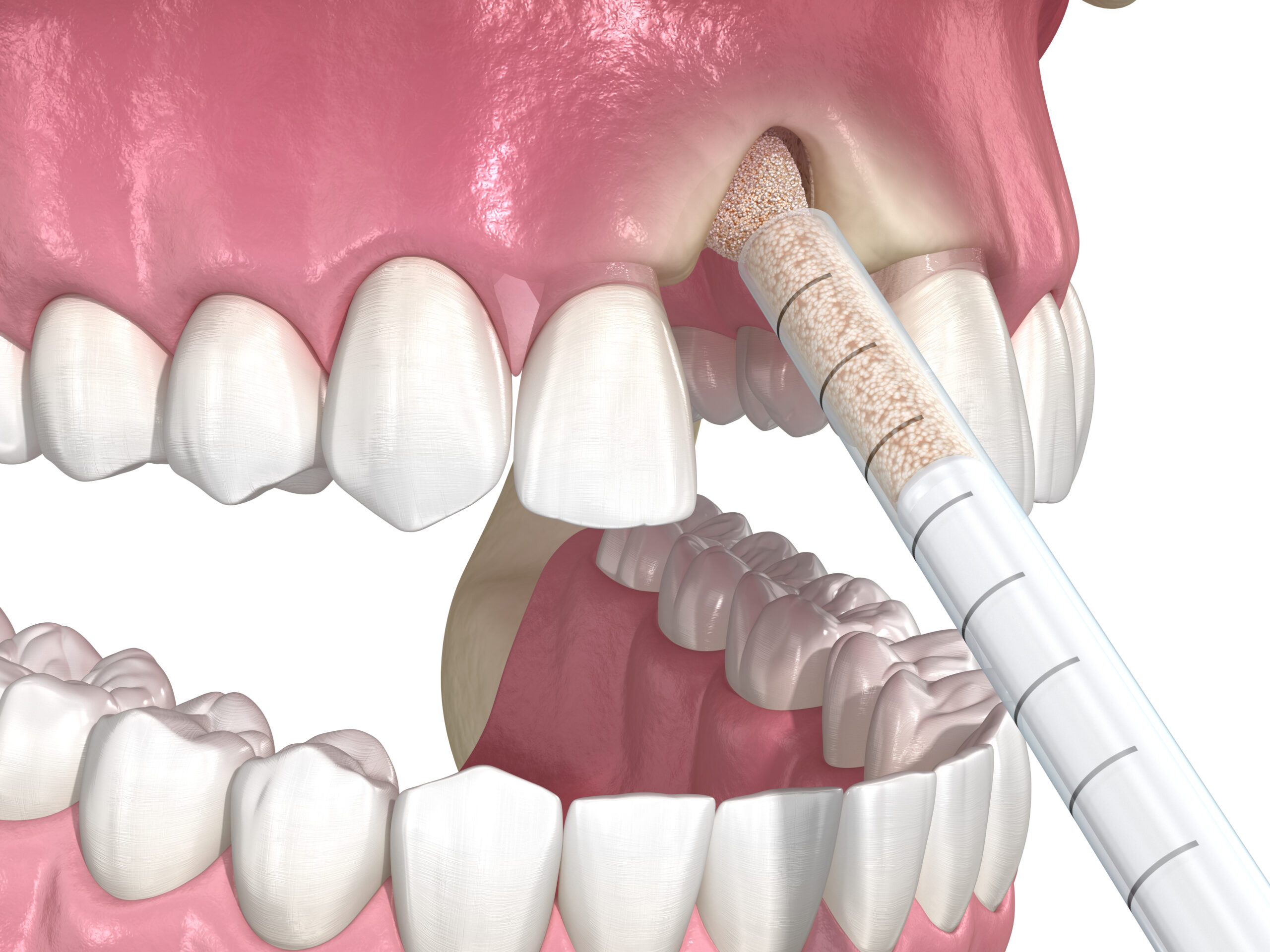
Bone grafting
Bone grafting in dentistry is a surgical procedure aimed at restoring the volume of the jaw bone required for dental implantation or correcting defects caused by tooth loss. This technique helps create a solid foundation for a dental implant, enhances smile aesthetics, and prevents facial contour deformation. The use of modern equipment and advanced materials […]
To the service -
Autotransplantation teeth
Autotransplantation in dental practice is a treatment method where a patient’s own tooth is transplanted from one area of the jaw to another. This procedure serves as an alternative to dental implantation. It helps preserve living dental tissue, the periodontal ligament, and the natural function of the tooth. This method is especially valuable in cases […]
To the service





Read also
View all blog-
20.03.2026
15
8 min. read
What You Need to Know About Professional Teeth Whitening
A white smile makes a face look fresher and more well-groomed. However, over time, the shade of teeth changes. Diet,…
Read more -
19.03.2026
25
8 min. read
Professional hygiene in a dental office — The complete guide
Most people believe they take proper care of their teeth. They brush their teeth morning and night, floss, and buy…
Read more -
09.03.2026
15
9 min. read
Restorative Dentistry Guide — Everything You Need to Know
Sometimes a tooth decays almost unnoticed. There's no sharp pain or warning signs. A small spot, mild sensitivity to cold,…
Read more -
04.03.2026
22
5 min. read
How to avoid surgery in the future — a case study of early orthodontic treatment at age 6
A mother brought her 6-year-old son to the Dynasty Stomatology clinic. She was confused: her son had already been examined…
Read more -
26.02.2026
24
11 min. read
What is Dental Implant Procedure — A Complete Guide
Losing a tooth isn't always just about aesthetics. It's about self-confidence, the ability to smile without tension, the ability to…
Read more -
24.02.2026
42
9 min. read
Understanding Oral Surgery — What You Need to Know
Until recently, a visit to the dentist was associated with significant discomfort. Uncomfortable impressions, long waits, and the need for…
Read more -
19.02.2026
26
5 min. read
Online consultation with a dentist — how it works, how much it costs, and when it is really needed
There are many reasons why people put off visiting the dentist. Especially when they live in countries where it is…
Read more