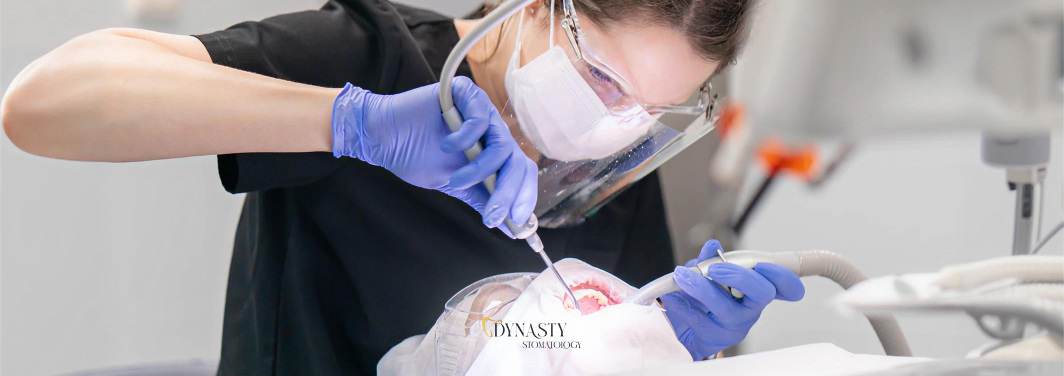

Endodontic Tooth Treatment – What It Is, When It’s Needed & How It’s Performed


23.01.2026
44
10 min. read
Why Patients Trust Dynasty Stomatology
The trust in Dynasty Stomatology is built on a combination of many years of experience and an individual approach to every patient. We understand that a visit to the dentist is often accompanied by anxiety, so we place special emphasis on creating a comfortable and calm atmosphere where every patient feels safe.
The clinic is equipped with modern technology and uses advanced treatment methods, ensuring that procedures are carried out with maximum precision, efficiency, and comfort. All materials undergo strict quality control, and our doctors regularly improve their qualifications to offer only the most up-to-date and proven techniques.
In addition, Dynasty Stomatology values long-term relationships with patients. Our goal is not only to solve the problem at hand but also to maintain the health of teeth and gums for years to come. Openness, honesty, and transparency are the key principles that have earned the clinic its reputation as a reliable dental partner.
Facts about Dynasty Stomatology:
✅ Over 10 years of successful work in dentistry.
✅ Hundreds of positive reviews from patients in [Страна в соответствии с регионом] and abroad.
✅ We use premium materials from leading global brands.
✅ We offer treatment under sedation and general anesthesia.
✅ A full range of services — from pediatric dentistry to complex surgical operations.
Dynasty Stomatology — trust, expertise, reliability, and care for the beauty of your smile.
Learn about usMedical Expertise
Dynasty Stomatology’s doctors conduct medical reviews of all materials on the website to ensure their accuracy and practical value. Our authors and editors are experienced specialists in the fields of therapeutic, surgical, orthopedic, and pediatric dentistry. This approach allows us to maintain high professional standards and provide our readers with only verified, up-to-date, and useful information.
Sometimes dental problems begin almost unnoticed. Mild discomfort, sensitivity to hot or cold, or occasional aching pain that quickly subsides may occur. Many people put off visiting the dentist at these times, hoping it will “go away on its own.” Unfortunately, this is often how root canal treatment begins.
At this stage, the tooth can still be saved, provided treatment is started quickly. After all, the longer the treatment is delayed, the faster the infection penetrates deeper, affecting the internal tissues and gradually destroying the tooth structure from the inside. What seems like a minor symptom can eventually lead to severe pain, inflammation, and the need for more complex and lengthy treatment. The good news is that modern endodontics makes it possible to halt this process early and save the natural tooth without extraction.
In this article, we’ll take a detailed look at what root canal treatment is, when it’s truly necessary, how the procedure works step by step, and why modern endodontic treatment can be comfortable and effective for patients.
What is endodontic treatment?
The endodontic treatment meaning refers to a dental procedure focused on treating tissues located inside of the tooth, primarily the pulp. The pulp is a soft tissue that contains nerves and blood vessels, which keep the tooth alive during development. When the dental pulp becomes inflamed, the condition is known as inflammation of dental pulp.
This type of care belongs to endodontics, a specialized area of dentistry. It is also a recognized dental specialty and part of dentistry that deals with diseases of the inner tooth.
Also known as root canal therapy, it is one of the most common endodontic procedures in modern dentistry.

When is endodontic treatment necessary?
Endodontic treatment is necessary when the tooth pulp is damaged due to deep tooth decay, trauma, or bacterial infection. In such situations, inflammation develops within the tooth, affecting the soft tissues, and is often accompanied by tooth pain, ranging from aching to sharp, throbbing pain.
The most common reasons for requiring endodontic treatment include:
- Deep tooth infection, when bacteria penetrate deep into the tooth.
- Situations in which cracked teeth endodontic treatment require.
- Traumatic dental injuries, sustained after a blow or fall.
- Advanced caries, in which the infected pulp forms.
It’s important to understand that the problem doesn’t always manifest itself as severe pain. Sometimes, a tooth is affected without obvious symptoms, and the person may not realize the severity of the problem for a long time. In such cases, a dental X-ray diagnosis is essential, allowing for the detection of pathology within the tooth, especially in the root tip area.
If treatment is not started promptly, the infection can spread beyond the tooth, leading to inflammation of the surrounding tissue and the need for tooth abscess treatment. In more severe and advanced cases, this increases the risk of tooth loss, and sometimes the only possible solution is tooth extraction.
How is endodontic treatment performed?
A root canal procedure is a precise and controlled dental procedure aimed at eliminating infection and preserving the tooth. The procedure is performed by a dentist or endodontist, depending on the complexity of the clinical situation. If the root canal structure is complex or the infection has spread deep, the patient is referred to an endodontic specialist who specializes in treating the internal structures of the tooth.
Treatment involves a step-by-step approach to the root canal system. First, the dentist accesses the tooth’s internal tissues, then carefully removes the affected areas and thoroughly cleans and disinfects the canals. The canals are then sealed to prevent bacterial re-entry and infection.
This approach allows us to address the problem from the inside. The primary goal of treatment is endodontic tooth preservation, which means preserving the functionality and structure of the tooth, as well as saving a natural tooth, which is always a priority in modern dentistry.
Endodontic treatment – step by step
Endodontic treatment is a sequential and meticulously planned process with no unnecessary steps. Each stage is performed in a specific order and plays a vital role in eliminating infection, preserving the tooth, and preventing recurring complications. Below, we’ve described each step of this treatment in detail so you have a clear understanding of the procedure.
Stage 1. Local anesthesia
Treatment begins with effective pain relief. Modern anesthetics allow for painless root canal treatment, ensuring patient comfort throughout the procedure. Thanks to this, pain during the procedure is reduced to a minimum.
Stage 2. Creating access to the canals
At this stage, an opening in the tooth is created, allowing the dentist to safely access the inner tooth and begin working with the tissue inside the tooth. Access is created in a way that preserves as much healthy tooth tissue as possible.
Stage 3. Removal of the infected pulp
The infected pulp is removed from the tooth cavity and root canals. This stage is often called tooth nerve treatment, as it eliminates the source of infection and pain.
Stage 4. Cleaning and disinfection of the canals
The root canals are widened using specialized instruments and carefully prepared. This is an important stage of precision root canal therapy, often performed using microscopic endodontics for maximum precision and control. At this stage, the canals are disinfected with a sodium hypochlorite solution, which effectively kills bacteria and removes any remaining pulp.
Stage 5. Canal length control
The dentist determines the exact working length of the canals down to the tip of the tooth root, allowing for proper canal preparation and protection of the root from damage.
Stage 6. Root canal filling
After preparation, the root canals are hermetically filled with a special biocompatible material called gutta-percha (an elastic, natural rubber-based material that is safe for tooth tissue and reliably seals the root canals). This filling ensures a tight seal along the entire length of the canals, prevents re-infection, and maintains long-term dental health.
Stage 7. Tooth restoration
Depending on the extent of the damage, the tooth is restored with a filling or a dental crown, which helps maintain the strength and stability of the tooth structure.
Stage 8. X-ray result monitoring
The final stage involves checking the quality of treatment with an X-ray. This ensures that the canals are treated and filled along their entire length, and that the tissues in the root apex area show no signs of inflammation. This monitoring is an important part of diagnosis and treatment and confirms the effectiveness of the treatment.
How long does endodontic treatment take?
The duration of the treatment procedure depends primarily on the type of tooth and the number of root canals. Anterior teeth typically have a single root canal and are treated more quickly—on average, 45 minutes. Premolars can have one or two canals, so treatment typically takes about an hour. Molars are considered the most complex: they can have three to five canals with complex anatomy, and treatment for them requires 90–120 minutes. Furthermore, treatment can be completed in a single visit if the inflammation is limited to the root and there are no significant complications.
In more complex clinical situations, treatment is performed over two or more visits. This is necessary in the presence of severe swelling, cysts, or abscesses, with a medicated solution placed in the canals between visits to control the infection. The nature of the treatment also significantly influences the duration: initial treatment is faster, while follow-up treatments require more time due to the need to remove old filling materials.
Using a dental microscope may slightly increase the duration of the appointment, but it significantly improves the precision and quality of treatment. It’s also important to consider that after root canal treatment, the tooth requires final restoration, which can be performed the same day or at a subsequent visit.
What should you do after endodontic treatment?
After endodontic treatment, the tooth and surrounding tissues require time to recover. During this period, it’s important to follow the dentist’s recommendations to reduce the risk of complications, minimize discomfort, and ensure a stable treatment outcome. Proper post root canal care includes the following recommendations:
- Do not eat or drink for the first 2 hours after the procedure until the anesthesia has completely worn off to avoid accidental soft tissue injury.
- Rinse your mouth with salt water 1-2 times a day, starting the next day, to reduce inflammation and support healing.
- Use a cold compress on the outside of your cheek if swelling or discomfort occurs during the first 24 hours.
- Take pain medication only as recommended by your doctor and strictly in the prescribed dosage.
- Maintain regular dental care, brush your teeth gently, and maintain daily oral hygiene, avoiding excessive pressure on the treated tooth.

Primary and secondary endodontic treatment
Primary endodontic treatment is performed on a tooth for the first time when infection or inflammation of the pulp is detected early, and the canals have not been previously treated. In such cases, the dentist must clean and disinfect the root canals, then seal them hermetically to eliminate the source of infection and save the tooth.
Secondary treatment, or endodontic retreatment, is required when previous therapy has proven ineffective. This may be due to complex canal anatomy, incomplete treatment, or recurrent infection. Retreat requires greater precision and time, as the old filling materials are first removed, followed by a second cleaning and disinfection. In rare and more complex cases, when conservative treatment fails, removal of the root tip may be necessary to eliminate the source of inflammation and save the tooth.
Endodontic treatment at Dynasty Stomatology
Dynasty Stomatology utilizes modern endodontic treatment based on precise diagnostics, modern protocols, and cutting-edge dental technology. This approach allows the dentist to work with maximum precision and efficiency, even in clinically complex cases. Each treatment plan is developed individually after a detailed endodontic consultation, during which the condition of the tooth, the anatomy of the canals, and any potential risks are assessed.
Our dental clinic is focused on advanced care and comprehensive problem-solving, not just symptom management. We also provide emergency endodontic care to patients with acute pain and inflammation requiring urgent intervention. The primary goal of treatment is to save the tooth and preserve natural teeth that might otherwise be removed, ensuring long-term function and patient comfort.
Frequently asked questions about root canal treatment
-
Is endodontic treatment painful?
Modern endodontic treatment is performed under effective anesthesia, so the procedure is usually comfortable. Pain is often associated not with the treatment itself, but rather with the pulp becoming inflamed or infected before the appointment. Minor discomfort is possible after treatment, but it quickly subsides.
-
How much does endodontic treatment cost?
The cost depends on the complexity of the case, the type of tooth, and the number of canals. It also matters whether this is a first-time treatment or a follow-up to a previous root canal. The doctor will explain the cost in detail after the diagnosis and treatment plan.
-
Can endodontic treatment save a tooth that would otherwise need extraction?
Yes. Endodontics treatment aims to save your natural tooth. This is especially important for teeth that might otherwise need to be removed.
-
What happens if an infected tooth is not treated endodontically?
Without treatment, the infection progresses, affecting the tissue around the root and causing serious dental issues. In such cases, simple dental infection treatment is no longer sufficient, and the risk of tooth loss increases significantly.
-
Is it possible to retreat a tooth after a failed root canal?
Yes, root canal retreatment is performed if necessary. Retreatment helps eliminate infection after unsuccessful therapy and avoids repeated dental procedures in the future.
-
How do you know if a tooth needs endodontic treatment without severe pain?
Sometimes, the affected tooth doesn't cause significant pain. Diagnostic tests reveal that the pulp, particularly the dental pulp, becomes inflamed or infected. In such cases, treatment is determined based on clinical findings and imaging.
-
Are there alternatives to endodontic treatment for infected teeth?
The main alternative is tooth extraction. However, among treatment options, endodontic therapy is considered preferable as it allows for tooth preservation. Endodontic treatment involves eliminating the infection and restoring tooth function.
-
How long should a tooth last after successful endodontic treatment?
With proper restoration and care, a treated tooth can last for decades. Treatment helps prevent recurrence and maintains the stability of the tooth root.
-
Can endodontic treatment be performed on previously crowned teeth?
Yes, treatment is possible even with a crown. The doctor carefully accesses the canals and performs a root canal without removing the crown in most cases.
-
What complications can occur if root canals are not properly sealed?
Poor-quality filling can lead to recurrent inflammation in the area of the tip of the root and the development of endodontic problems requiring repeated intervention.
-
Is endodontic treatment suitable for children and adolescents?
Yes, endodontic treatment is also used in children, especially in cases of trauma or deep carious lesions. Endodontic therapy helps preserve developing teeth and avoid complications.
-
How soon can a permanent crown be placed after endodontic treatment?
Once the treatment is completed and tissue healing is confirmed, the permanent crown can be placed immediately or at the next visit, depending on the clinical situation.
Book a consultation and save your tooth
If you’re experiencing symptoms that may indicate a damaged or diseased tooth, don’t delay a visit to a specialist. Timely treatment allows you to stop the infection early and save the root of a tooth, preventing extraction. Modern endodontic treatment focuses on precisely addressing the root of the problem, not just pain relief.
A consultation will help you understand whether treatment is truly necessary, what options are available, and in which cases endodontic treatment may be the best solution. The doctor will explain everything you need to know in detail, assess the condition of the tooth, and, if necessary, refer you to an endodontist for more complex treatment. Proper treatment and a professional approach can save natural teeth that might otherwise be lost without timely intervention.


Do you want to treat your teeth while you sleep?
Schedule an appointment!
By clicking the button, you give your agreet your personal data in accordance with privacy policy.
Services related to this topic
All services-
Treatment of dental hypersensitivity in Krakow
Toothache when eating something cold, sweet or sour is a common cause of discomfort in patients of all ages. If you are concerned about increased tooth sensitivity, you should not endure the unpleasant sensations – the specialists of the Dynasty Stomatology clinic in Krakow will help eliminate the problem quickly and carefully. Make an appointment […]
To the service -
Root canal retreatment in Krakow
Re-treatment of root canals is required in cases where the initial treatment has proven ineffective and the tooth continues to cause discomfort, inflammation or complications. This procedure is especially important for preserving your own tooth and preventing its extraction, because repeated therapy allows you to neutralize hidden foci of infection, seal the canals hermetically and […]
To the service -
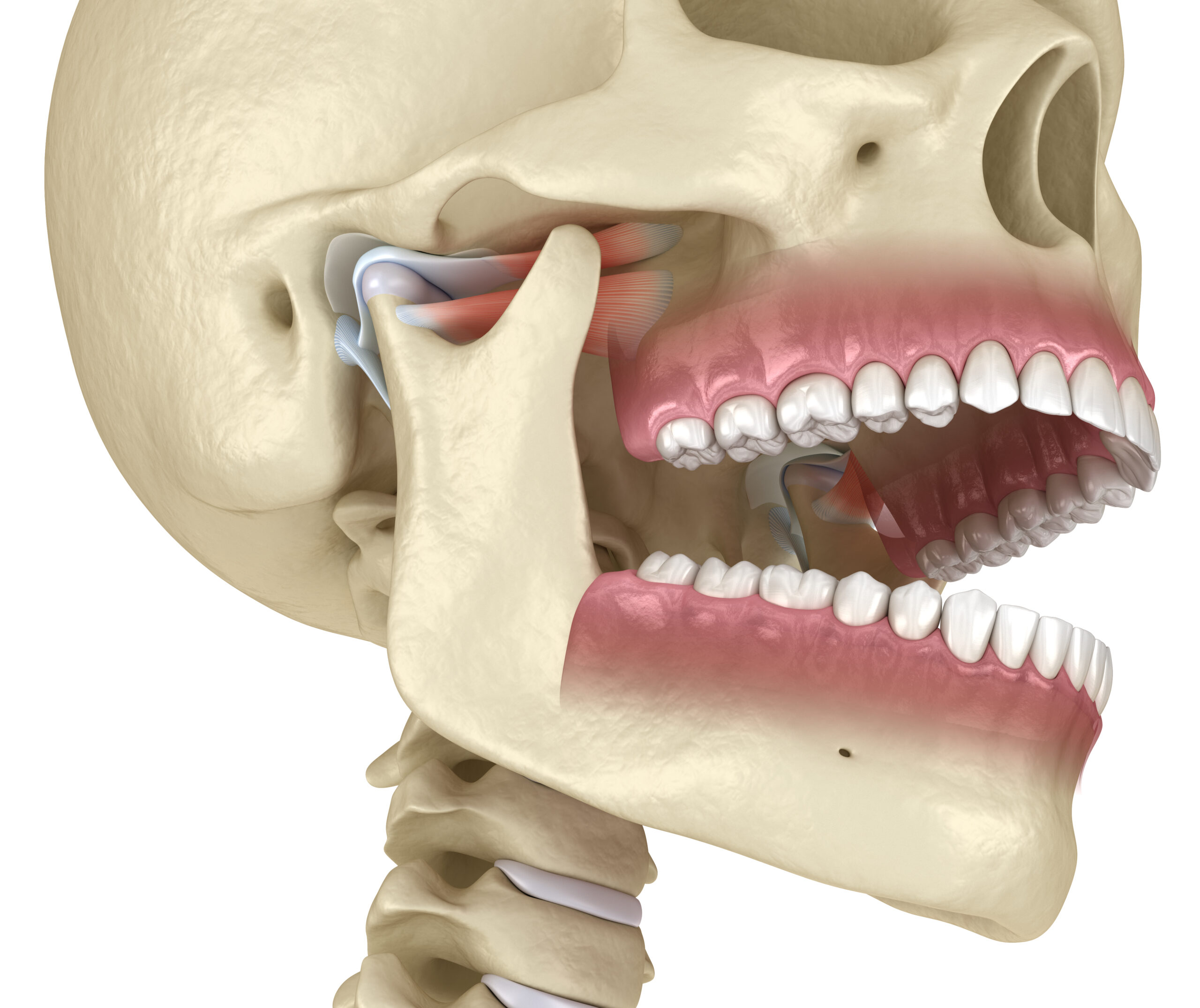
Modern diagnostics and treatment of TMJ dysfunction
Temporomandibular joint dysfunction is a common problem that can significantly impair quality of life due to pain, limited movement, and bite problems. If you experience discomfort or other unpleasant symptoms, it is important to seek professional help promptly.
To the service -
Online consultation with a dentist
Need urgent dental advice but unable to visit the clinic for an in-person appointment? Introducing a new service from Dynasty Stomatology — online consultation. This is a convenient way to get qualified help wherever you are.
To the service -
Treatment of stomatitis
Inflammation of the mucous membrane of the mouth causes pain, burning, ulcers, discomfort when eating and worsens general well-being. This condition is called stomatitis and it can occur in both children and adults. In children, it is often accompanied by refusal to eat and crankiness, in adults – a decrease in performance. And without timely […]
To the service -
Aesthetic restoration of teeth
How many times a day do you smile? No matter the number, we can assure you that after an aesthetic restoration at Dynasty Stomatology in Krakow (Poland) you’ll be showing off your smile much more often!
To the service -
Dental treatment under a microscope
Root canal treatments have been radically transformed with the advent of the dental microscope in endodontics. It enables the specialist to view intricate dental structures otherwise not visible to the naked eye.
To the service -
Root canal treatment
Root canal treatment is required when the tooth pulp becomes inflamed or infected because of decay, injury or repeated dental treatment procedures. If the tooth is left untreated, the infection spreads leading to pain and inflammation. It can lead to an abscess that is the accumulation of pus in tooth’s root.
To the service -
Pulpitis treatment
Did you neglect treating tooth decay? Or fail to visit a dentist in time after a dental injury? Then the infection may have penetrated the inner tissues through damaged enamel and dentin. If you’re also experiencing severe, throbbing tooth pain, it’s very likely that pulpitis has developed. But don’t panic! At Dynasty Stomatology in Poland, […]
To the service -
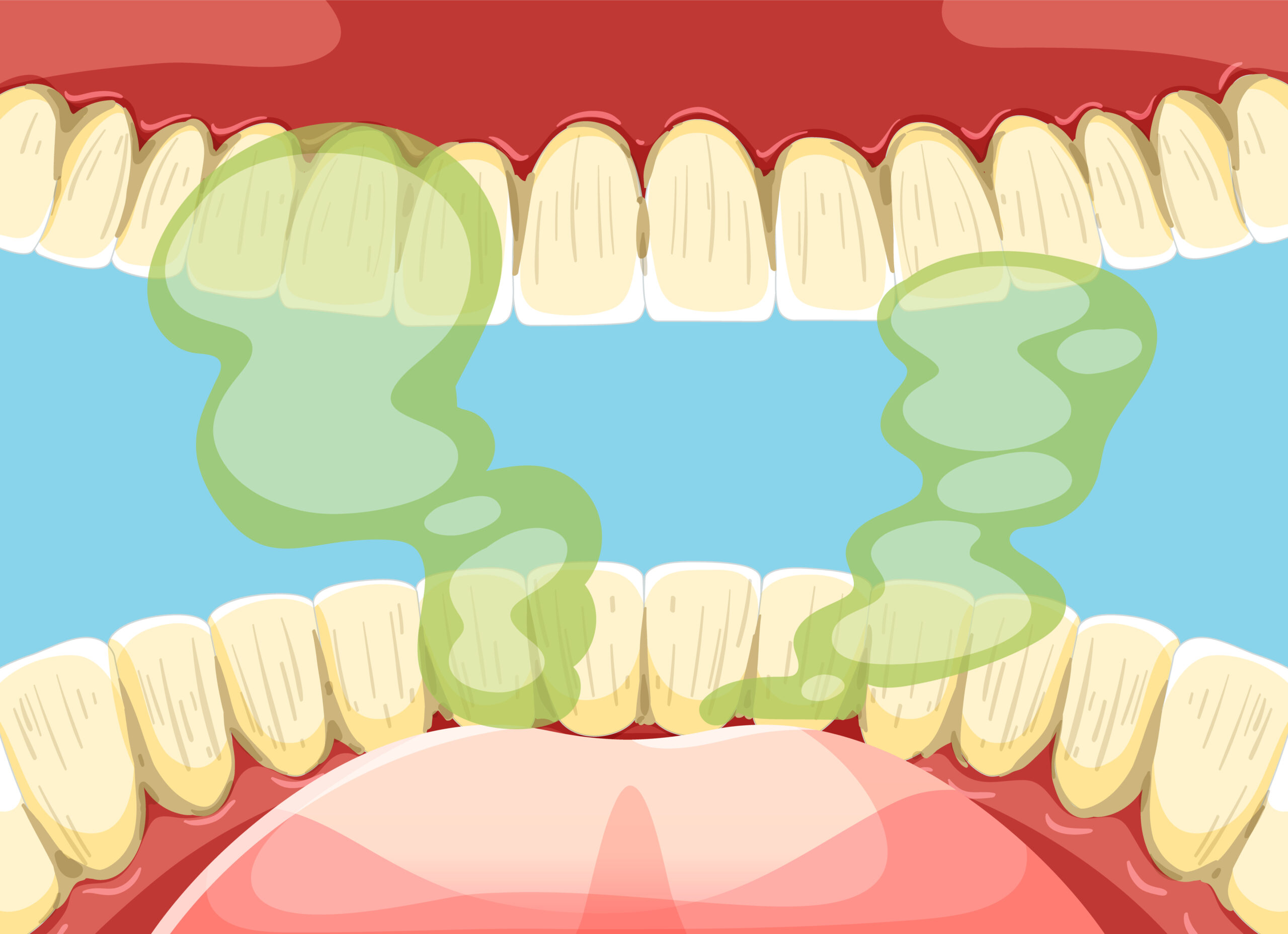
Treatment of Halitosis (Bad Breath)
Do you feel discomfort due to unpleasant breath? Have you lost self-confidence? Looking for a way to treat bad breath effectively? At Dynasty Stomatology, a premium dental clinic, our highly qualified specialists offer comfortable, painless, and efficient treatment for halitosis. Let us help restore your fresh breath and confidence!
To the service -
Treatment of initial caries using the ICON method
Initial caries is a damage to the enamel that has not yet affected the deeper layers of the tooth. It often appears as a white spot on the enamel and may remain unnoticed for a long time. However, it is crucial to detect such changes early to carry out a gentle treatment — without pain, […]
To the service -
Treatment of a broken tooth
A broken tooth is always an unpleasant surprise, often happening at the worst possible moment. But don’t panic! The highly qualified dental professionals at the innovative clinic Dynasty Stomatology are ready to provide immediate and effective treatment for this sudden dental emergency. We will carefully repair the damaged tooth, whether through restoration or placing an […]
To the service -
Treatment of caries
Caries is one of the most common dental diseases affecting the oral cavity. It’s the destruction of tooth enamel that gradually affects the deeper tooth tissues. Without timely treatment, it can lead to pain, inflammation, the spread of infection to the pulp, and eventually to tooth decay or even tooth loss. That’s why postponing a […]
To the service -
Bruxism Treatment
Bruxism is a condition where children or adults unconsciously grind their teeth at night. The occurrence of bruxism takes place mostly in your sleep (nocturnal bruxism) but there are instances where it can happen when you’re awake. Untreated bruxism can lead to serious health issues and in such cases, you must consult a specialist at […]
To the service -
Treatment of a knocked-out tooth
A knocked-out tooth is a dental emergency where it can be chipped or broken. It calls for immediate attention and you must see a dentist as soon as possible. Whether it is a child who has lost a tooth while playing or an adult who suddenly faces an injury; to save the tooth, you must […]
To the service -
Consultation with a gnathologist
Gnathologists arrest malocclusion issues responsible for discomfort in joint function, problems with the temporomandibular joint, pain in the area, and other complications like periodontitis, and mandibular problems. This specialist uses braces, veneers, or crowns to restore the tooth alignment when you make an appointment.
To the service -
Tooth dislocation – first aid, treatment
Accidents can happen in the blink of an eye and affect permanent teeth to cause serious mouth injuries or tooth loss. In case of a slip, fall, or sudden force or collision impact, you must see a dentist as soon as possible for appropriate treatment.
To the service















Read also
View all blog-
20.03.2026
16
8 min. read
What You Need to Know About Professional Teeth Whitening
A white smile makes a face look fresher and more well-groomed. However, over time, the shade of teeth changes. Diet,…
Read more -
19.03.2026
28
8 min. read
Professional hygiene in a dental office — The complete guide
Most people believe they take proper care of their teeth. They brush their teeth morning and night, floss, and buy…
Read more -
09.03.2026
16
9 min. read
Restorative Dentistry Guide — Everything You Need to Know
Sometimes a tooth decays almost unnoticed. There's no sharp pain or warning signs. A small spot, mild sensitivity to cold,…
Read more -
04.03.2026
23
5 min. read
How to avoid surgery in the future — a case study of early orthodontic treatment at age 6
A mother brought her 6-year-old son to the Dynasty Stomatology clinic. She was confused: her son had already been examined…
Read more -
26.02.2026
25
11 min. read
What is Dental Implant Procedure — A Complete Guide
Losing a tooth isn't always just about aesthetics. It's about self-confidence, the ability to smile without tension, the ability to…
Read more -
24.02.2026
43
9 min. read
Understanding Oral Surgery — What You Need to Know
Until recently, a visit to the dentist was associated with significant discomfort. Uncomfortable impressions, long waits, and the need for…
Read more -
19.02.2026
27
5 min. read
Online consultation with a dentist — how it works, how much it costs, and when it is really needed
There are many reasons why people put off visiting the dentist. Especially when they live in countries where it is…
Read more