
Do Wisdom teeth always need to be removed – Debunking Common Myths

17.12.2025
150
5 min. read
Why Patients Trust Dynasty Stomatology
The trust in Dynasty Stomatology is built on a combination of many years of experience and an individual approach to every patient. We understand that a visit to the dentist is often accompanied by anxiety, so we place special emphasis on creating a comfortable and calm atmosphere where every patient feels safe.
The clinic is equipped with modern technology and uses advanced treatment methods, ensuring that procedures are carried out with maximum precision, efficiency, and comfort. All materials undergo strict quality control, and our doctors regularly improve their qualifications to offer only the most up-to-date and proven techniques.
In addition, Dynasty Stomatology values long-term relationships with patients. Our goal is not only to solve the problem at hand but also to maintain the health of teeth and gums for years to come. Openness, honesty, and transparency are the key principles that have earned the clinic its reputation as a reliable dental partner.
Facts about Dynasty Stomatology:
✅ Over 10 years of successful work in dentistry.
✅ Hundreds of positive reviews from patients in [Страна в соответствии с регионом] and abroad.
✅ We use premium materials from leading global brands.
✅ We offer treatment under sedation and general anesthesia.
✅ A full range of services — from pediatric dentistry to complex surgical operations.
Dynasty Stomatology — trust, expertise, reliability, and care for the beauty of your smile.
Learn about usMedical Expertise
Dynasty Stomatology’s doctors conduct medical reviews of all materials on the website to ensure their accuracy and practical value. Our authors and editors are experienced specialists in the fields of therapeutic, surgical, orthopedic, and pediatric dentistry. This approach allows us to maintain high professional standards and provide our readers with only verified, up-to-date, and useful information.
Wisdom teeth are the teeth that most often cause unexpected issues. Some people live with them comfortably throughout their lives, while for others, they develop into impacted teeth, causing complications. Wisdom teeth behave differently, and there’s no single answer — to remove or not to remove. A personalized approach is essential to determine whether wisdom tooth removal is necessary for you.
In this article, we’ll help you understand this issue, dispel common myths, and answer frequently asked questions about wisdom teeth.
What are wisdom teeth?
Wisdom teeth are the last teeth to emerge. If the jaw is wide enough, fully erupted wisdom teeth can remain healthy for many years. However, partially erupted wisdom teeth are more difficult to clean. Food accumulates around impacted wisdom teeth, increasing the risk of infection and cavities. Regular dental check-ups help monitor the position of your wisdom teeth and maintain oral health.
Myth 1 — All Wisdom Teeth Must Be Removed
Let’s dispel the first myth. Many people think that all four wisdom teeth need to be removed. But this isn’t always necessary. Some wisdom teeth grow straight, don’t cause discomfort, and are easy to clean. However, wisdom teeth can sometimes cause problems. Therefore, a dentist evaluates each case individually.
Myth 2 — Removing All Four Wisdom Teeth Prevents Future Issues
Some believe that removing all four wisdom teeth can prevent future complications. However, preventative wisdom teeth removal depends on age, jaw anatomy, and care. Wisdom teeth don’t always cause illness. Many people live with them for many years without problems. If wisdom teeth aren’t causing any symptoms, the decision to remove all four wisdom teeth is made only after a clinical evaluation, not as a precaution.
A Personalized Approach to Wisdom Teeth Removal
At Dynasty Stomatology, during the initial consultation, the wisdom tooth surgeon evaluates the images, tooth position, and impact on adjacent teeth. A dental X-ray allows the dentist to assess their position and identify possible risks, such as impaction or damage to adjacent teeth. This allows the doctor to determine whether wisdom teeth removal is essential and recommend wisdom tooth extraction only if necessary.
How to Know if Your Wisdom Teeth Need Removal
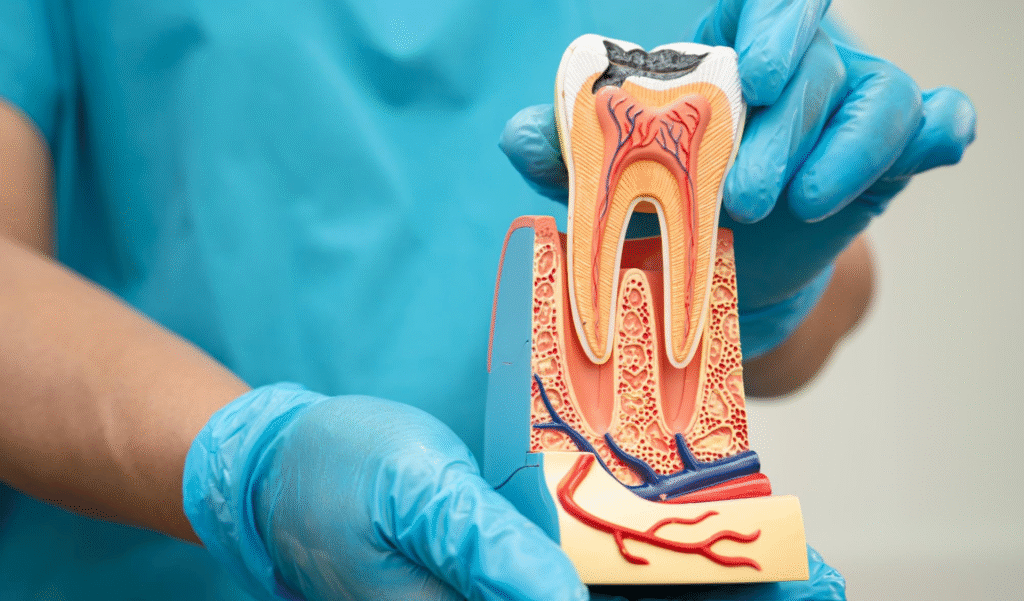
Your dentist may recommend wisdom tooth removal if your teeth:
- Impacted and causing wisdom tooth pain, swelling, or infection;
- create a risk of displacement or wisdom tooth pressure (wisdom teeth crowding) on adjacent teeth;
- show signs of tooth decay or gum disease;
- trigger the formation of a wisdom tooth cyst;
- wisdom tooth swelling;
- jaw pain (wisdom tooth);
- swollen gums (wisdom tooth) – inflamed gums;
- infected wisdom tooth – signs of infection.
All these symptoms are signs wisdom teeth need removal. Delaying treatment is not recommended, as complications can develop quickly.
When Preventive Extraction Is Recommended for Impacted Wisdom Teeth
Sometimes dentists still recommend preventative wisdom tooth removal, even if it isn’t bothering them. This may be due to the following reasons:
Anticipated Impaction
If X-rays show that a wisdom tooth will not erupt normally and will impact the wisdom tooth, removal might prevent future inflammation.
Preventing Future Dental Issues
Wisdom teeth can cause cavities, inflammation, or damage to nearby teeth, especially if the wisdom tooth is partially erupted.
Simpler Recovery
Recovery from wisdom tooth removal is easier at a young age, and wisdom tooth healing time is shorter.
Procedure for surgical removal of wisdom teeth
At Dynasty Stomatology, wisdom tooth surgical removal is performed by an experienced oral surgeon. Patient comfort is our priority, so the type of anesthesia is tailored to the individual. Generally, anesthesia for wisdom tooth surgery is sufficient.
The procedure may involve a gum incision or tooth separation, especially if there are impacted teeth. Many people wonder how long does wisdom tooth extraction take. Typically, the procedure takes the following timeframes, depending on the complexity of the case:
- Simple extraction: 5-15 minutes;
- Partially impacted tooth: 20-30 minutes;
- Completely impacted tooth or tooth with non-standard root anatomy: up to 45-60 minutes.
The patient spends less time in the chair thanks to anesthesia and the surgeon’s smooth workflow.
The cost of wisdom tooth removal is determined by the depth of the tooth, the required extent of the procedure, and the surgeon’s qualifications.
The procedure itself is as safe as possible, as the surgeon oversees every stage, cleans the socket after extraction, and provides clear care recommendations. This reduces the risk of complications of wisdom teeth and helps the recovery process go more smoothly and quickly.
How to Recover From Wisdom Tooth Removal
After surgery, it’s important to follow the recommendations to avoid complications. Recovery after wisdom tooth extraction varies from person to person, but typically takes about two weeks.
During recovery, you may experience mild pain, pressure, or discomfort. This is all part of healing. Maintaining good oral hygiene is important to reduce the risk of wisdom tooth complications during recovery.
Common Reasons for Wisdom Concerns – Frequently Asked Questions
-
How can someone tell the difference between normal eruption discomfort and a real wisdom-tooth problem?
When a tooth is erupting, mild, short-term pain is normal. However, if the pain increases, swelling, an unpleasant odor, a feeling of pressure, or teeth can cause pain, this is a reason to see a doctor. Inflammation, including pericoronitis, can develop under the gums, and it's best not to ignore it.
-
Are there any long-term consequences of keeping wisdom teeth that grow in correctly?
If the teeth are straight, easy to brush, and don’t irritate the mucous membrane, your dentist may recommend keep your wisdom teeth under periodic monitoring. Still, wisdom teeth may cause issues later because conditions in the mouth can change over time. In some cases, it is safe to keep your wisdom teeth if they remain healthy.
-
How often should wisdom teeth be monitored if they don’t require immediate removal?
For stable cases, regular dental check-ups every six months are sufficient. These visits help detect early decay, shifts in tooth position, or signs of inflammation. Monitoring is important because wisdom teeth can stay problem-free for years, but still require supervision.
-
Can wisdom teeth affect orthodontic results or ongoing aligner treatment?
Yes. Wisdom teeth often create unwanted pressure on the archwire or aligners. To prevent relapse, your dentist may recommend removal if they see movement. Sometimes wisdom teeth can become a factor in crowding, and a dentist may say wisdom teeth should be removed to protect the outcome.
-
Do genetics play a role in whether wisdom teeth will cause complications?
Yes. Genetics influence jaw size, root shape, and the likelihood of impaction. The situation wisdom teeth depends not only on hygiene but also on hereditary anatomy.
-
Is it safe to remove wisdom teeth at an older age, such as after 40?
Extraction can be performed at any age if indicated. After 40, healing may take longer, and removal might be necessary mainly when inflammation or decay appears. Many people undergo oral surgery later in life with predictable outcomes.
-
What are the potential risks of delaying wisdom-tooth removal when symptoms first appear?
Unfortunately, symptoms do not resolve on their own. Infections, cysts, soft-tissue inflammation, and damage to adjacent teeth can occur. When it comes to wisdom teeth, early intervention is usually easier. Some cases even become emergencies if wisdom teeth are impacted or infected.
-
Are there non-surgical treatment options for mild wisdom-tooth discomfort?
Rinses and anti-inflammatory medications can temporarily reduce symptoms. However, these solutions are limited, especially when the underlying cause relates to anatomy. In the end, you may need to remove wisdom teeth if symptoms return or worsen. Long-term management sometimes includes preventive wisdom strategies or full preventive wisdom teeth removal to avoid complications.
-
How can a patient prepare for a consultation about wisdom teeth to ensure an accurate evaluation?
Collect recent X-rays and describe your symptoms in detail. It’s important to schedule your wisdom tooth consultation calmly, without rushing. These steps help the dentist decide whether you need your wisdom teeth removed or if observation is enough.
-
Does lifestyle — such as smoking or poor oral hygiene — increase the likelihood of wisdom-tooth complications?
Yes. Smoking reduces blood circulation and slows healing. Poor hygiene increases the risk of inflammation around a partially erupted wisdom tooth, especially if access is limited. These factors influence whether it becomes necessary to remove the tooth later.
Do Your Wisdom Teeth Need to Be Removed or Can You Keep Your Wisdom Teeth?
The best decision is one made together with your dentist. Schedule a consultation, and we’ll calmly discuss whether your wisdom tooth needs treatment or can be monitored. We will explain whether it becomes necessary to remove wisdom teeth, or if your situation allows keeping them for now.
Some patients worry they always have to be removed, but that’s not true — much depends on the fact that wisdom teeth are the third molars and last teeth to develop, and their behavior varies. Others fear complications from getting your wisdom teeth removed, but modern methods make the procedure quick and safe.
If extraction is advised, we’ll explain why teeth need to be taken, what signs mean you need wisdom intervention, and whether it’s recommended to have four wisdom teeth removed or only the problematic ones. Sometimes removal is only needed because wisdom teeth are located too close to nerves or other structures.
Every plan is individual, and sometimes you can continue living comfortably wisdom teeth without immediate treatment.


Do you want to treat your teeth while you sleep?
Schedule an appointment!
By clicking the button, you give your agreet your personal data in accordance with privacy policy.
Services related to this topic
All services-
Orthognathic surgery in Krakow – surgical correction of malocclusion
Orthognathic surgery helps to solve problems with the bite that cannot be treated with braces or aligners. If you have difficulty chewing, speech disorders or are unhappy with the shape of your face, surgical correction may be the best solution.
To the service -
Maxillofacial surgery in Poland
Maxillofacial surgery covers a wide range of interventions, from trauma treatment to complex reconstructive and resection surgeries. All these services are available at the Dynasty Stomatology clinic in Poland. Assistance is provided by experienced surgeons who will ensure a professional approach at every stage of treatment. We use modern technologies and comply with all international […]
To the service -
Frenulum of the tongue or lip in children and adults
A frenulum of the tongue or lip that is too short or incorrectly attached can cause serious difficulties: speech impairment, feeding problems in infants, discomfort with chewing and hygiene, and in adults, effects on the bite and the aesthetics of the smile. These limitations can seriously affect quality of life, especially if not addressed in […]
To the service -
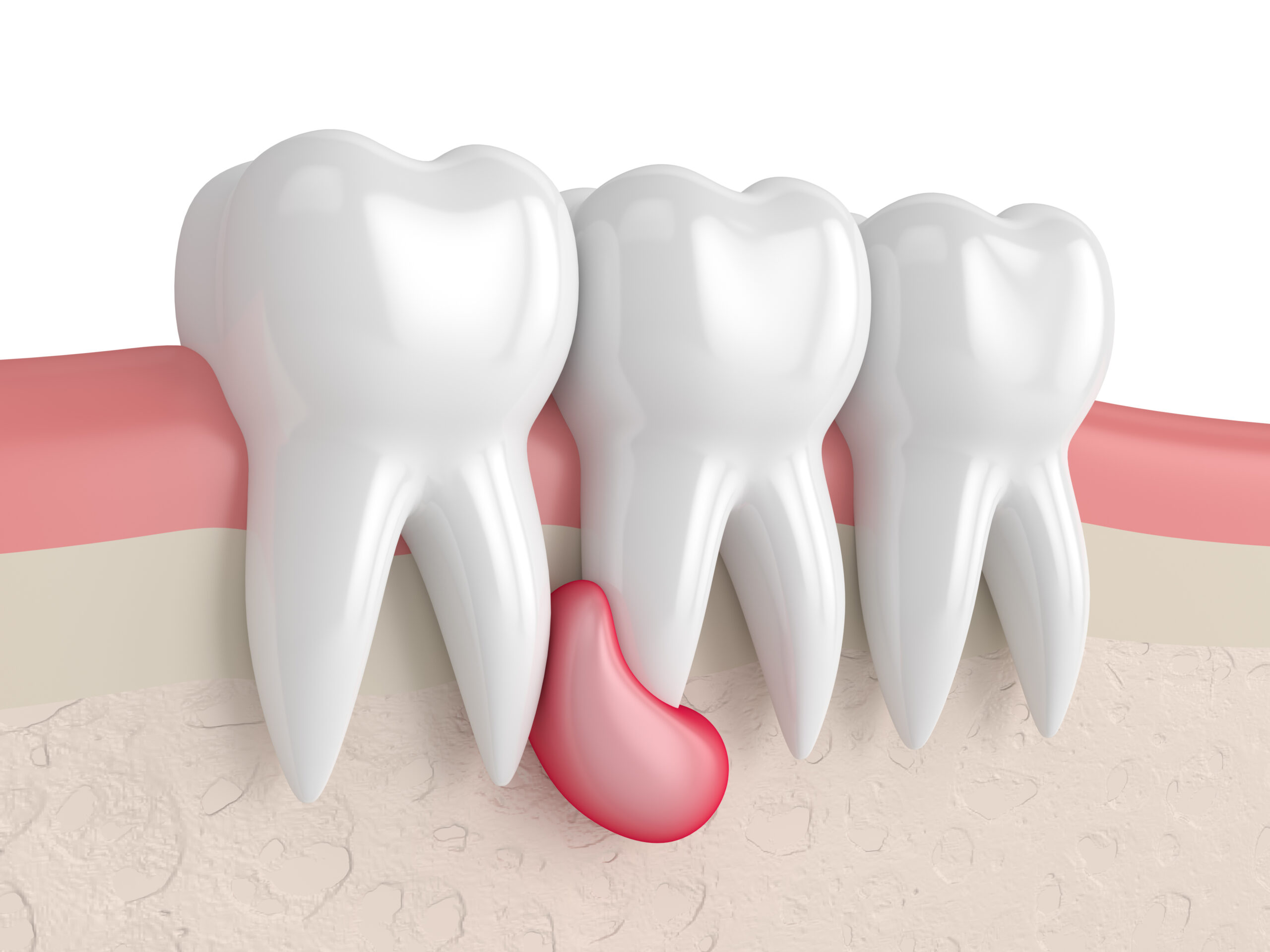
Removal of a dental cyst
A tooth cyst is a fairly common dental problem that often develops without symptoms and remains unnoticed for a long time. It is characterized by a pathological formation, most frequently occurring near the apex of the tooth root due to inflammation, trauma, or infection. If the cyst is not removed in time, it may grow, […]
To the service -
Tooth extraction
Tooth extraction is a necessary dental procedure often required when a tooth cannot be preserved. Extraction may be needed due to severe tooth damage, untreatable decay, chronic inflammation, trauma, advanced mobility, or as preparation for orthodontic treatment, prosthetics, or dental implants. Timely removal of a tooth can help prevent complications and support overall dental care.
To the service -
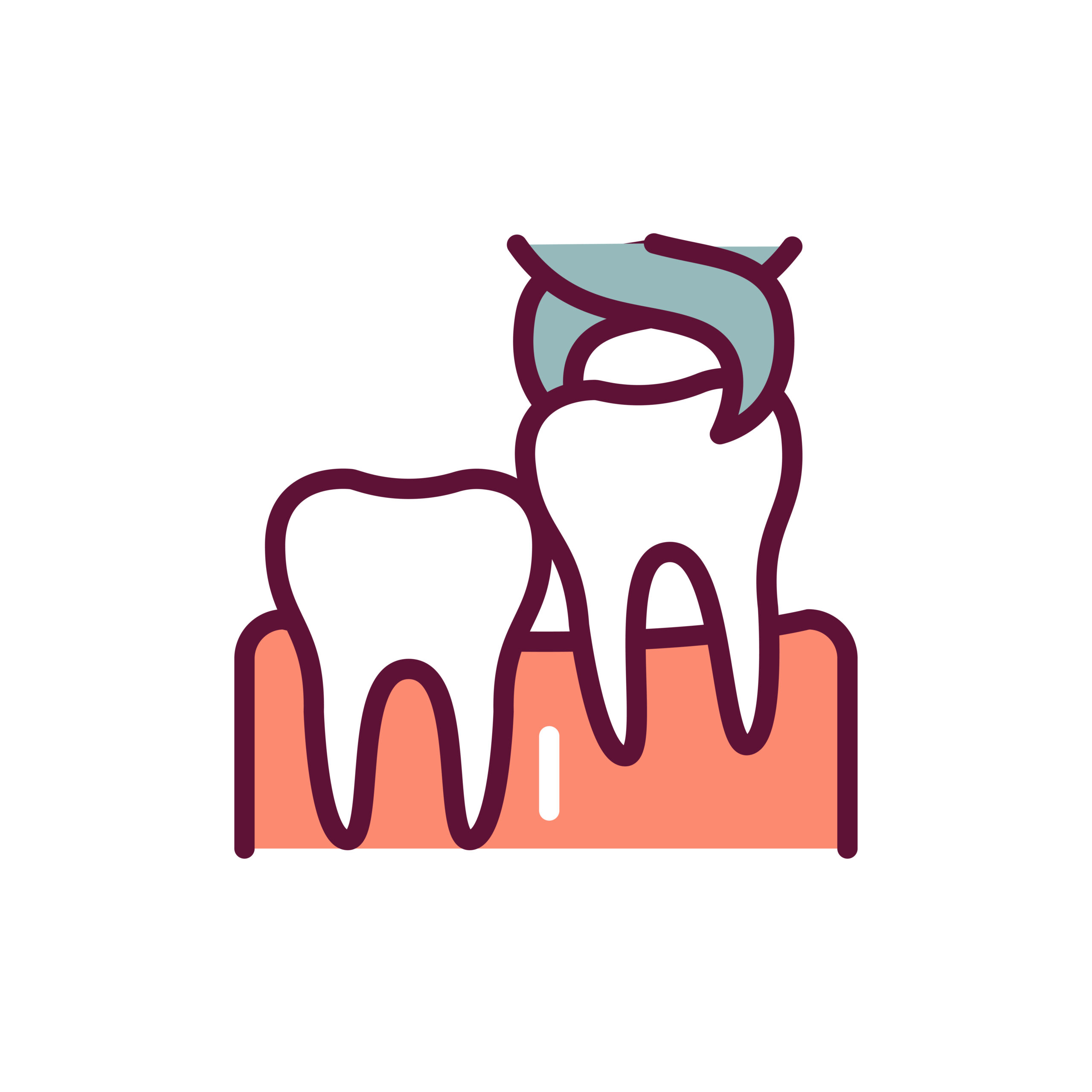
Removal of a Retained Wisdom Tooth
A retained wisdom tooth (also called an “impacted tooth”) is one that remains partially or fully trapped in the gum or jawbone and cannot erupt completely. This condition often leads to inflammation, pain, swelling, damage to adjacent teeth, cyst formation, and other complications. Without timely removal, the problem may worsen and affect your bite, chewing […]
To the service -
Sinus-lift
Sinus lift in dentistry is a surgical procedure aimed at restoring bone volume in the upper jaw. It becomes necessary when the bone has thinned or decreased in volume after tooth extraction, especially in the posterior regions. This sinus lift surgery makes it possible to place dental implants even in cases of significant bone atrophy. […]
To the service -
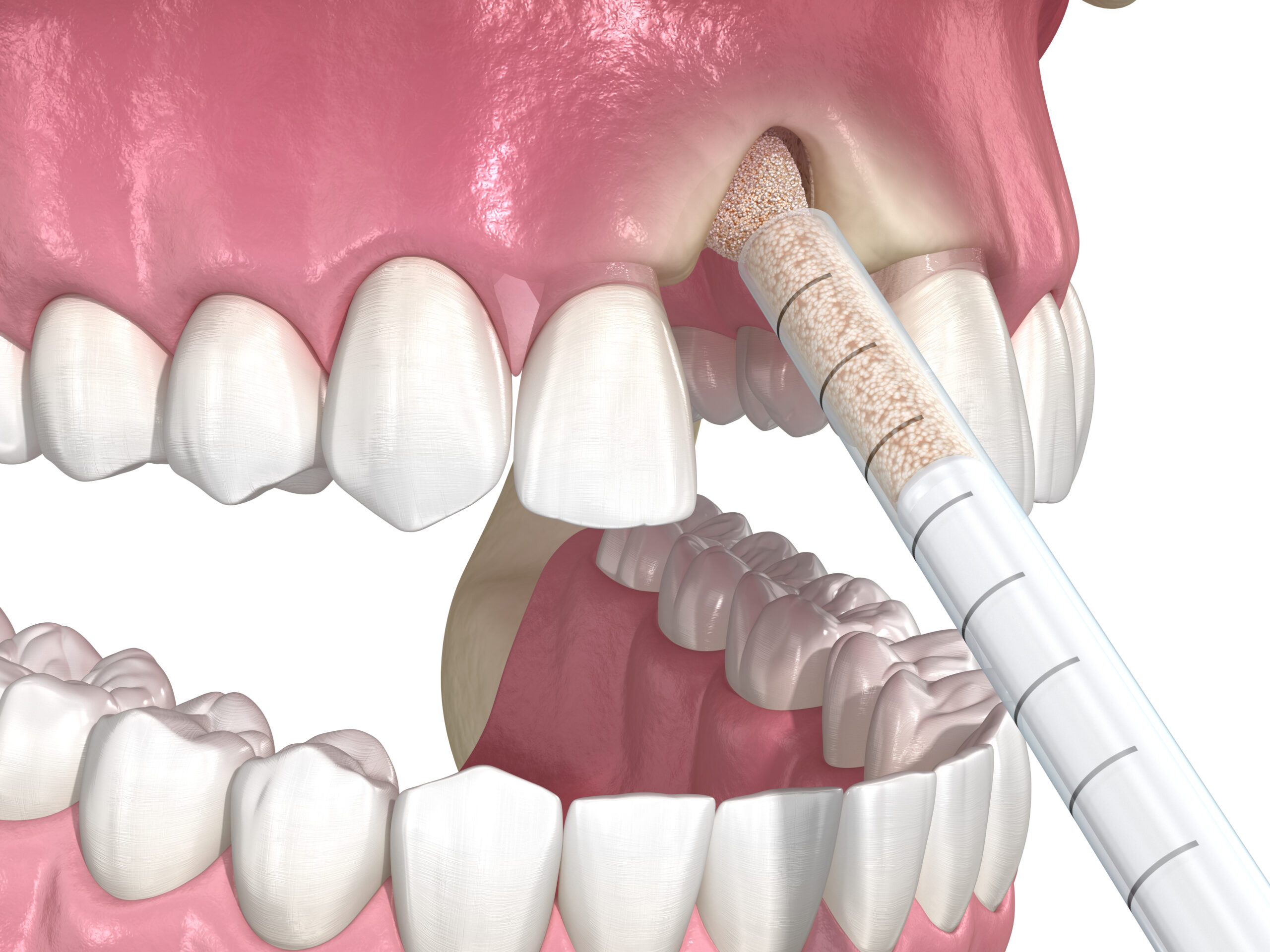
Bone grafting
Bone grafting in dentistry is a surgical procedure aimed at restoring the volume of the jaw bone required for dental implantation or correcting defects caused by tooth loss. This technique helps create a solid foundation for a dental implant, enhances smile aesthetics, and prevents facial contour deformation. The use of modern equipment and advanced materials […]
To the service -
Autotransplantation teeth
Autotransplantation in dental practice is a treatment method where a patient’s own tooth is transplanted from one area of the jaw to another. This procedure serves as an alternative to dental implantation. It helps preserve living dental tissue, the periodontal ligament, and the natural function of the tooth. This method is especially valuable in cases […]
To the service





Read also
View all blog-
20.03.2026
15
8 min. read
What You Need to Know About Professional Teeth Whitening
A white smile makes a face look fresher and more well-groomed. However, over time, the shade of teeth changes. Diet,…
Read more -
19.03.2026
25
8 min. read
Professional hygiene in a dental office — The complete guide
Most people believe they take proper care of their teeth. They brush their teeth morning and night, floss, and buy…
Read more -
09.03.2026
14
9 min. read
Restorative Dentistry Guide — Everything You Need to Know
Sometimes a tooth decays almost unnoticed. There's no sharp pain or warning signs. A small spot, mild sensitivity to cold,…
Read more -
04.03.2026
21
5 min. read
How to avoid surgery in the future — a case study of early orthodontic treatment at age 6
A mother brought her 6-year-old son to the Dynasty Stomatology clinic. She was confused: her son had already been examined…
Read more -
26.02.2026
23
11 min. read
What is Dental Implant Procedure — A Complete Guide
Losing a tooth isn't always just about aesthetics. It's about self-confidence, the ability to smile without tension, the ability to…
Read more -
24.02.2026
42
9 min. read
Understanding Oral Surgery — What You Need to Know
Until recently, a visit to the dentist was associated with significant discomfort. Uncomfortable impressions, long waits, and the need for…
Read more -
19.02.2026
26
5 min. read
Online consultation with a dentist — how it works, how much it costs, and when it is really needed
There are many reasons why people put off visiting the dentist. Especially when they live in countries where it is…
Read more