
Dental Prosthetics – The Secret to a Beautiful Smile

06.01.2026
70
8 min. read
Why Patients Trust Dynasty Stomatology
The trust in Dynasty Stomatology is built on a combination of many years of experience and an individual approach to every patient. We understand that a visit to the dentist is often accompanied by anxiety, so we place special emphasis on creating a comfortable and calm atmosphere where every patient feels safe.
The clinic is equipped with modern technology and uses advanced treatment methods, ensuring that procedures are carried out with maximum precision, efficiency, and comfort. All materials undergo strict quality control, and our doctors regularly improve their qualifications to offer only the most up-to-date and proven techniques.
In addition, Dynasty Stomatology values long-term relationships with patients. Our goal is not only to solve the problem at hand but also to maintain the health of teeth and gums for years to come. Openness, honesty, and transparency are the key principles that have earned the clinic its reputation as a reliable dental partner.
Facts about Dynasty Stomatology:
✅ Over 10 years of successful work in dentistry.
✅ Hundreds of positive reviews from patients in [Страна в соответствии с регионом] and abroad.
✅ We use premium materials from leading global brands.
✅ We offer treatment under sedation and general anesthesia.
✅ A full range of services — from pediatric dentistry to complex surgical operations.
Dynasty Stomatology — trust, expertise, reliability, and care for the beauty of your smile.
Learn about usMedical Expertise
Dynasty Stomatology’s doctors conduct medical reviews of all materials on the website to ensure their accuracy and practical value. Our authors and editors are experienced specialists in the fields of therapeutic, surgical, orthopedic, and pediatric dentistry. This approach allows us to maintain high professional standards and provide our readers with only verified, up-to-date, and useful information.
A healthy smile isn’t just about looking perfect. It’s about how comfortable you are when you eat, how freely you speak, and how confident you feel when you smile. After all, if you have chips, cracks, or missing teeth, your lifestyle changes. That’s why dental prosthetics plays a crucial role in restoring your sense of self. Modern solutions enable you to restore both dental function and aesthetics after tooth loss or damage, while preserving your natural facial features.
In this article, we want to immerse you in the world of dental prosthetics. We’ve covered the main types of prosthetics, their benefits, potential risks, and care instructions. After reading, you’ll be able to make an informed decision and approach their treatment calmly and mindfully.
What is dental prosthetics?
Dental prosthetics is a branch of dentistry that focuses on restoring lost or damaged teeth using specialized dental appliances. These devices replace lost tooth structure, improve function, and maintain overall dental health.
Prosthetic dentistry combines medical expertise, aesthetics, and precision engineering. Prosthetics are created to restore chewing function, speech clarity, and facial balance. They also help prevent complications associated with tooth loss.
At Dynasty Stomatology, we use custom-made dental prosthetics, which are individually selected based on the patient’s bite, anatomy, and lifestyle.

Understanding Dental Prosthetics – Types and Uses
There are many types of dental prosthetics, each designed for specific clinical situations. The choice depends on the number of missing teeth, the condition of the jawbone, and the treatment goals. Let’s take a closer look at each type:
Crowns
Dental crowns are restorative dental structures that are installed on a damaged or weakened tooth to restore and protect it. They restore damaged or weakened teeth, cover the visible portion of the tooth, and protect it from further decay. Porcelain crowns and zirconia crowns are valued for their strength and aesthetics. Crowns help preserve natural teeth and restore function and appearance.
Implants
Implants are artificial tooth root replacements that are used to replace a lost tooth entirely. A titanium structure placed into the jawbone provides reliable support for a crown or bridge. Dental implant prosthesis ensures stability and the most natural feeling possible.
Bridges
Dental bridges are fixed structures designed to restore one or more missing teeth in a row. These prostheses are used to replace one or more missing teeth. A fixed dental prosthesis is supported by adjacent teeth or implants, restoring the bite and preventing tooth displacement.
Dentures
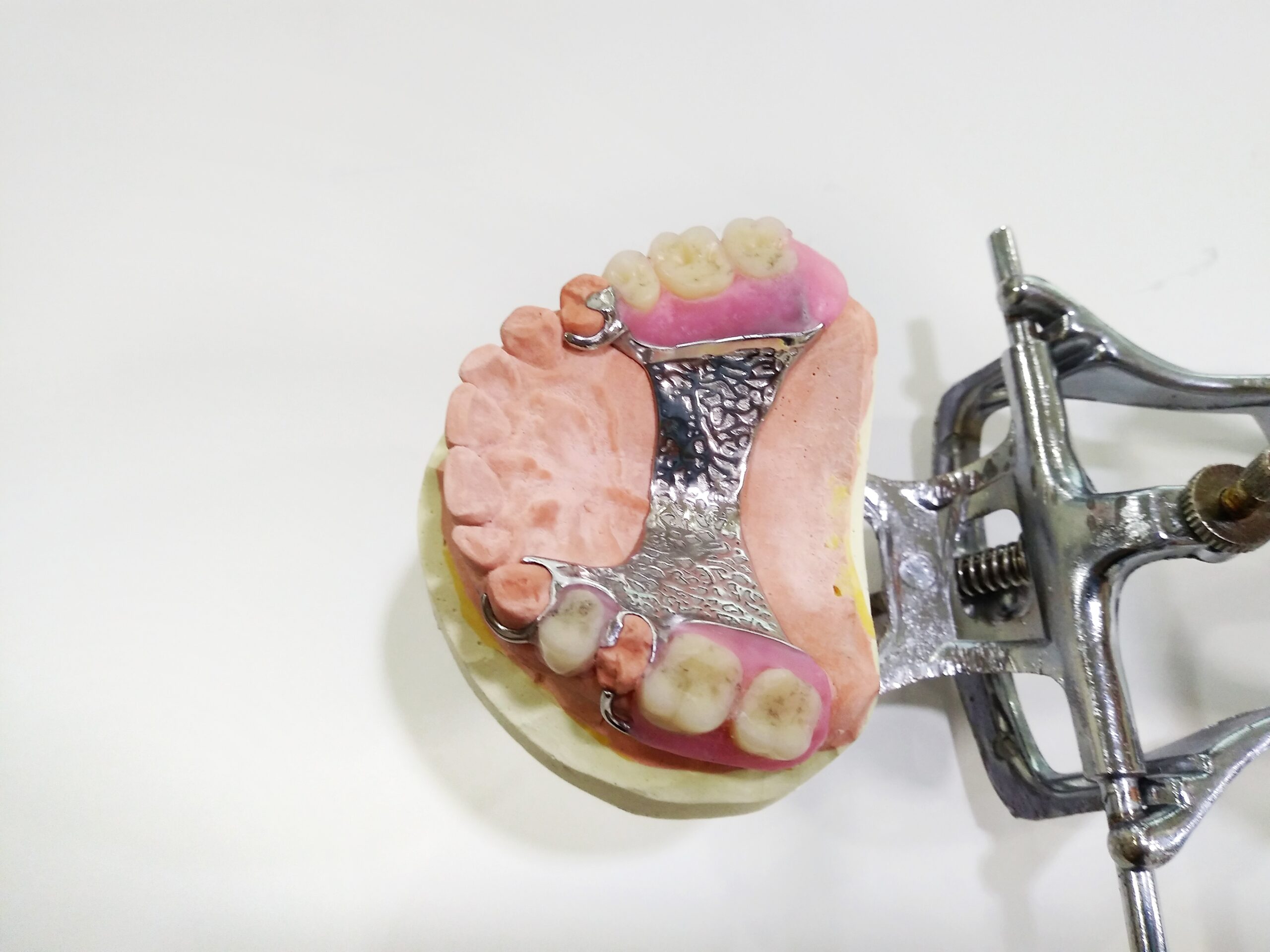
Removable dentures are structures used in cases of partial or complete tooth loss. Depending on the clinical situation, full dentures, partial dentures, or removable dental prostheses are used. Modern dentures are designed with comfort, anatomy, and aesthetics in mind, including removable gum elements, allowing for a natural appearance and ease of use in everyday life.
Veneers
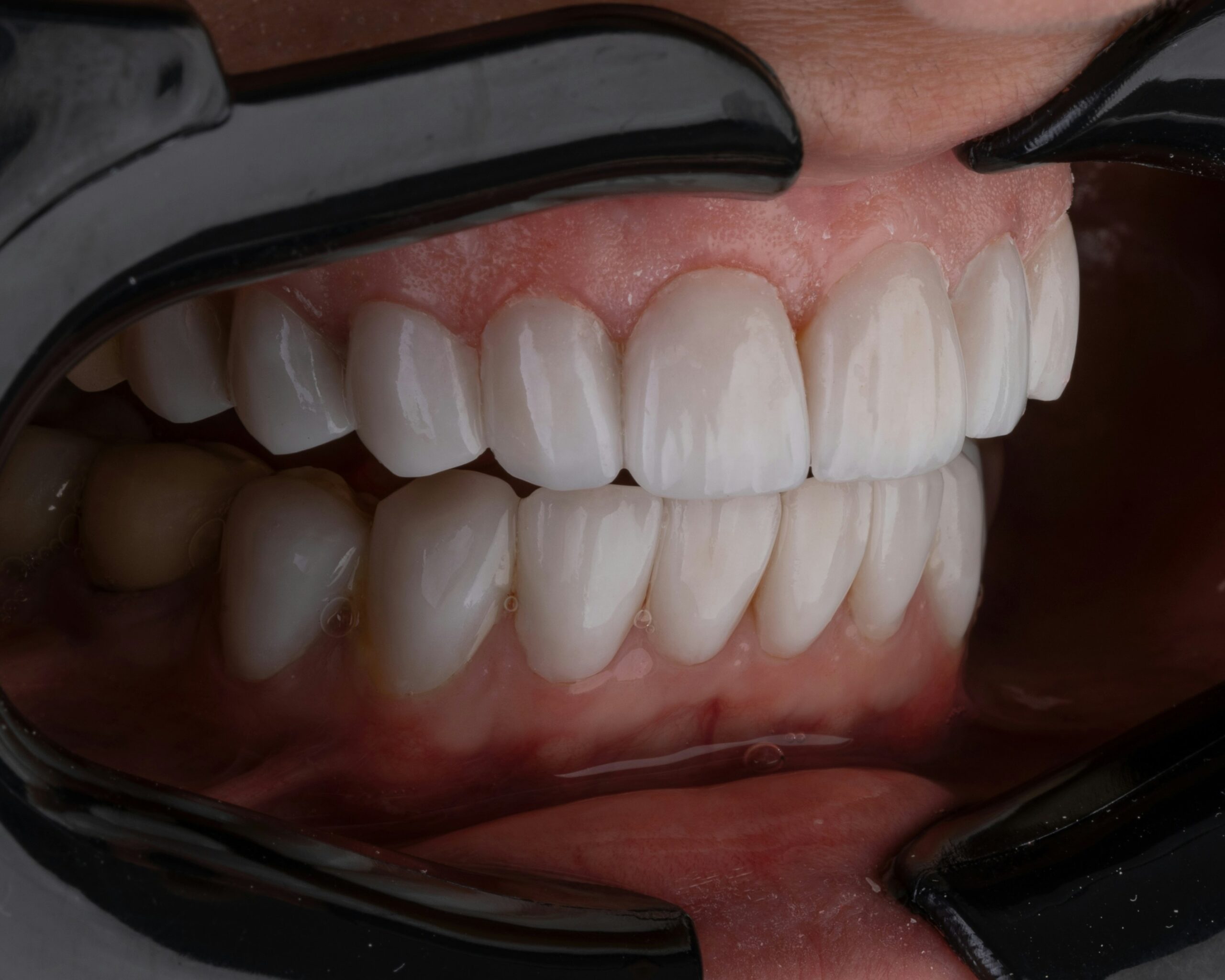
Veneers are thin ceramic shells placed on the front surface of teeth, significantly transforming your smile without radical intervention. They help restore aesthetics, straighten teeth, and conceal chips, discolorations, and irregularities, creating a neat and natural result. Custom color and shape selection ensures a harmonious and fresh smile.
The Functional Benefits of Dental Prosthetics for Everyday Life
Prosthetic dentistry offers tangible functional benefits that directly impact a person’s quality of life. Dental restoration helps restore comfort and confidence.
Chewing and Digestion
Tooth loss significantly reduces the ability to chew, causing people to avoid hard foods or chew them unevenly. Dentures provide complete bite restoration, restoring proper chewing pressure.
Speech Improvement
Missing teeth often impact speech. A person develops a lisp, slurred articulation, or discomfort when speaking. Dentures help restore the natural position of the tongue and lips, improving diction. This allows patients to chew and speak freely.
Structural Integrity
Without timely treatment, teeth can gradually shift, the bite changes, and the balance of the entire dental system is disrupted. Prosthetics support occlusal rehabilitation, maintaining the correct position of teeth and the stability of the dental arch. This helps prevent overloading of individual areas and reduces the risk of further dental problems.
Jaw Support and Health
Implants help prevent bone loss that occurs after tooth loss by preserving the structure of the jawbone and surrounding tissue. This is essential for long-term health and the preservation of natural facial features.
Aesthetic Improvements – How Prosthetics Enhance Your Smile
The goal of modern prosthetics is to seamlessly integrate into a smile and preserve individual facial features. Therefore, they are created using modern dental materials that precisely mimic the color, translucency, and texture of natural enamel. This ensures the result is as natural as possible.
Prosthetics significantly improve smile aesthetics and restore teeth to their proper shape, proportions, and shade. This creates a more polished smile. In complex clinical cases, dentures become part of a comprehensive smile reconstruction, allowing for the restoration of not only individual teeth but also the entire smile.
The result is a natural-looking smile that is vibrant and unobtrusive, highlighting facial features. The smile becomes brighter and more expressive, creating a radiant smile, and the overall effect creates an aesthetically pleasing smile that instills confidence in everyday interactions.
When Is It Worth Signing Up for A Prosthodontist?
You should consult a dentist if you have lost one or more teeth, have serious injuries, have jaw dysfunction, have old restorations that have stopped working, or if you experience discomfort when chewing.
In such cases, a timely prosthetic consultation allows you to assess your current oral health and find the optimal solution before the problem worsens.
Prosthetic treatment is often considered the final stage of treatment, but in practice, it is more important than it seems. Dentures play a vital role in maintaining oral health, helping to evenly distribute the forces of chewing. Therefore, it is best to consult a dentist as soon as possible after you notice discomfort to avoid complications.
How do You Choose The Right Specialist?
Choosing a specialist is an important step. We understand that you’re concerned about choosing a good doctor who will solve your problem and not waste your time and money. Therefore, we’d like to offer some recommendations for choosing a specialist.
- A qualified dental professional must have practical experience and work with modern dental technology, which allows for accurate diagnosis, competent treatment planning, and predictable outcomes.
- It is important for the dentist to offer a personalized treatment plan that takes into account the patient’s dental condition, bite, and individual expectations.
- During the initial consultation, available prosthetic treatment options, their advantages, and possible limitations should be discussed in detail.
- The specialist must explain the stages of the prosthetic fitting process, the expected treatment timeline, and the specifics of adapting to dentures.
- The optimal replacement solutions for missing teeth are also selected, or the most suitable solution for missing teeth is chosen, ensuring comfort in everyday life and long-term reliability.
At Dynasty Stomatology, you’ll find just such an approach. We combine experienced specialists, modern dental technology, and individualized attention to each patient. Treatment is based on a well-thought-out treatment plan, clear steps, and attention to detail.
Potential Risks and Complications of Dental Prosthetics
With proper planning and a professional approach, prosthetics are considered a safe and predictable procedure. However, like any dental treatment, it can be associated with certain risks. These include gum inflammation, discomfort during the adaptation period, improper fit of the restoration, or possible complications after implantation, especially if the dentist’s recommendations are not followed.
Patients with dental concerns including gum disease or significant bone loss, require more thorough diagnosis and preparation before treatment. In such cases, preliminary tissue treatment, bone strengthening, or staged restoration may be necessary.
A personalized approach and proper planning help minimize risks. This improves patient comfort and ensures stable, long-term results.
Maintaining Your Dental Prosthetics – Tips and Best Practices
To preserve your orthopedic structures for a long time, proper care is essential. After all, daily habits directly impact the long-term durability of prosthetics and overall dental health. Even the highest-quality dentures require attention and regular monitoring. Here are the main tips:
- The foundation of care is daily dental care, including meticulous hygiene and careful handling of orthodontic appliances.
- Regular dental visits allow the specialist to promptly detect changes in the fit of the prosthesis and the condition of the surrounding tissues.
- Particular attention should be paid to proper dental hygiene, including cleaning hard-to-reach areas and using recommended products.

Dental Prosthetics – Conclusion
Modern dental prosthetics include much more than just replacing lost teeth. They are thoughtful solutions that help restore comfort, confidence, and a natural look in everyday life. Prosthetics allow patients to restore their smiles, enjoy eating again, communicate freely, and not worry about their appearance.
Prosthetics provide complete restoration of dental structure, creating a new smile and maintaining a healthy smile for years to come. When treatment is tailored individually, and care becomes part of a routine, orthodontic appliances feel like a natural extension of your own teeth.
Frequently Asked Questions about Dental Prosthodontics
-
How long do most dental prosthetics typically last before needing replacement?
Lifespan depends on the design, materials, and care. On average, dentures last 10 to 20 years, and with proper care and the use of digital dental prosthetics, even longer. Regular checkups help maintain the results for as long as possible.
-
Are dental prosthetics suitable for patients with gum disease or bone loss?
Yes, but preparation is required first. For gum disease or bone loss, treatment is carried out in stages, as prosthetics are crucial for a stable and safe result. The doctor will select the solution individually.
-
Do prosthetics feel natural in the mouth, and how long does the adjustment period take?
Modern designs are designed to feel as natural as possible. Adaptation typically takes several days to a couple of weeks, after which the ability to chew and speak without discomfort is fully restored.
-
Can lifestyle factors, such as smoking or teeth grinding, affect the longevity of dental prosthetics?
Yes, smoking, teeth grinding, and poor dental hygiene can shorten the lifespan of your teeth. Following recommendations and maintaining good dental hygiene can help prevent premature wear.
-
What materials are considered the most durable for modern dental prosthetics?
Ceramic and zirconium are considered among the most reliable materials. They provide a functional and aesthetic balance between strength and a natural appearance.
-
How soon after tooth extraction can a patient receive a prosthetic restoration?
The time frame depends on how tissue healing is progressing and the chosen restoration option. In some cases, a temporary or permanent restoration can be installed fairly quickly if the oral condition allows for a lengthy waiting period.
-
Are dental prosthetics covered by insurance or dental plans?
At Dynasty Stomatology, treatment is provided on a private basis, and dental prosthetics are not covered by insurance or dental plans. However, the clinic offers transparent pricing and flexible payment options to make treatment more accessible. During your consultation, the team will clearly explain the cost of prosthetic treatment and help you choose a payment solution that fits your needs and budget.
-
Can prosthetics be combined with dental implants for better stability?
Yes, implant-supported prosthetics provide excellent retention and comfort. They are often used to restore multiple teeth and provide a feeling of stability and confidence.
-
How often should prosthetic wearers schedule check-ups with their dentist?
It's recommended to visit your dentist at least twice a year. Regular dental checkups allow you to notice changes early and maintain comfort.
-
What signs indicate that a dental prosthetic may need repair or replacement?
If you experience discomfort, mobility, or changes in your bite or appearance, these are all reasons to see a doctor. These symptoms can affect the appearance and aesthetics of your smile, so don't delay your visit.
Schedule a consultation at Dynasty Stomatology
If you’re considering dental prosthetics or want a professional opinion on possible dental restoration options, a consultation with a specialist is the best first step. At Dynasty Stomatology, we’ll thoroughly assess your situation, answer all your questions, offer a personalized treatment plan, and explain your available payment options. Schedule a consultation to calmly and confidently take the next step toward a comfortable and healthy smile.


Do you want to treat your teeth while you sleep?
Schedule an appointment!
By clicking the button, you give your agreet your personal data in accordance with privacy policy.
Services related to this topic
All services-
Dental treatment for elderly patients in Krakow – gerontostomatology
As we age, dental care requires special attention due to changes in the body and oral health. Dynasty Stomatology in Krakow offers specialized treatment for elderly patients, taking into account age-related features. Contact our experienced specialists for comfortable and effective dental care, dental treatment, prosthetics, implantation or other services.
To the service -
Manufacturing of removable dentures in case of partial or complete absence of teeth
The problem of partial or complete tooth loss can significantly affect the quality of life – from difficulties in eating to aesthetic and psychological discomfort. Removable dentures allow you to restore both chewing function and self-confidence.
To the service -
Prosthetics on implants
The absence of several or all teeth is not only an aesthetic issue but also a serious impairment of jaw function, which can lead to reduced chewing ability, bite changes, and even deformation of the facial skeleton. In such cases, it is important to timely restore lost teeth to prevent further complications and improve quality […]
To the service -
Dental prosthetics
Dental prosthetics is an effective way to restore damaged or missing patient’s teeth and improve the overall dentition. Modern prosthetic methods not only bring back chewing function but also ensure a natural-looking smile by matching the color of teeth and preserving the aesthetics of the visible part of the tooth.
To the service -
Microprosthetics of teeth
After tooth damage, many people face a number of unpleasant problems and urgent challenges. First, constant discomfort and painful sensations appear in the oral cavity. Second, it becomes difficult to bite and thoroughly chew solid food. Third, your psychological well-being may suffer, as your smile loses its aesthetic appeal.
To the service -
Dental veneers
Are you dreaming of achieving that perfect “Hollywood smile” like your favorite movie star? Well, the good news is you can make your wish come true thanks to dental veneers. They not only enhance your appearance, but they improve front teeth bite functionality after your dental treatment. Hollywood smile refers to comprehensive procedure that involves […]
To the service -
Ceramic crowns
Ceramic dental crowns offer protection to damaged, or decayed teeth. These crowns, used for various dental procedures are made from safe, bio-compatible and metal-free materials like porcelain, resin, and zirconia for front teeth.
To the service




Read also
View all blog-
20.03.2026
15
8 min. read
What You Need to Know About Professional Teeth Whitening
A white smile makes a face look fresher and more well-groomed. However, over time, the shade of teeth changes. Diet,…
Read more -
19.03.2026
25
8 min. read
Professional hygiene in a dental office — The complete guide
Most people believe they take proper care of their teeth. They brush their teeth morning and night, floss, and buy…
Read more -
09.03.2026
15
9 min. read
Restorative Dentistry Guide — Everything You Need to Know
Sometimes a tooth decays almost unnoticed. There's no sharp pain or warning signs. A small spot, mild sensitivity to cold,…
Read more -
04.03.2026
22
5 min. read
How to avoid surgery in the future — a case study of early orthodontic treatment at age 6
A mother brought her 6-year-old son to the Dynasty Stomatology clinic. She was confused: her son had already been examined…
Read more -
26.02.2026
24
11 min. read
What is Dental Implant Procedure — A Complete Guide
Losing a tooth isn't always just about aesthetics. It's about self-confidence, the ability to smile without tension, the ability to…
Read more -
24.02.2026
42
9 min. read
Understanding Oral Surgery — What You Need to Know
Until recently, a visit to the dentist was associated with significant discomfort. Uncomfortable impressions, long waits, and the need for…
Read more -
19.02.2026
26
5 min. read
Online consultation with a dentist — how it works, how much it costs, and when it is really needed
There are many reasons why people put off visiting the dentist. Especially when they live in countries where it is…
Read more