
Dental Crowns: Types, Costs, and the Procedure

24.07.2025
251
10 min. read
Why Patients Trust Dynasty Stomatology
The trust in Dynasty Stomatology is built on a combination of many years of experience and an individual approach to every patient. We understand that a visit to the dentist is often accompanied by anxiety, so we place special emphasis on creating a comfortable and calm atmosphere where every patient feels safe.
The clinic is equipped with modern technology and uses advanced treatment methods, ensuring that procedures are carried out with maximum precision, efficiency, and comfort. All materials undergo strict quality control, and our doctors regularly improve their qualifications to offer only the most up-to-date and proven techniques.
In addition, Dynasty Stomatology values long-term relationships with patients. Our goal is not only to solve the problem at hand but also to maintain the health of teeth and gums for years to come. Openness, honesty, and transparency are the key principles that have earned the clinic its reputation as a reliable dental partner.
Facts about Dynasty Stomatology:
✅ Over 10 years of successful work in dentistry.
✅ Hundreds of positive reviews from patients in [Страна в соответствии с регионом] and abroad.
✅ We use premium materials from leading global brands.
✅ We offer treatment under sedation and general anesthesia.
✅ A full range of services — from pediatric dentistry to complex surgical operations.
Dynasty Stomatology — trust, expertise, reliability, and care for the beauty of your smile.
Learn about usMedical Expertise
Dynasty Stomatology’s doctors conduct medical reviews of all materials on the website to ensure their accuracy and practical value. Our authors and editors are experienced specialists in the fields of therapeutic, surgical, orthopedic, and pediatric dentistry. This approach allows us to maintain high professional standards and provide our readers with only verified, up-to-date, and useful information.
Dental crowns play a vital role in restoring the strength, function, and appearance of damaged or weakened teeth. Whether due to decay, injury, or extensive dental work, a crown can protect the remaining tooth structure while improving your smile’s aesthetics. In this article, we’ll explore everything you need to know about dental crowns — including their types, advantages, procedure steps, and what to consider when choosing the right option for your dental needs.
What Are Dental Crowns?
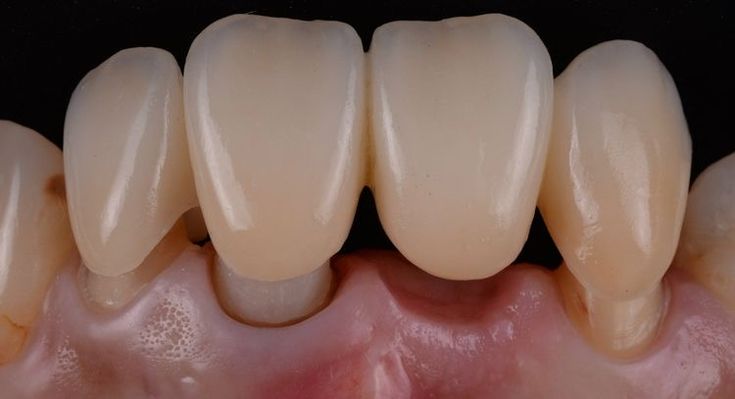
A dental crown is a tooth-shaped cap placed over a damaged or weakened tooth to restore its shape, size, strength, and appearance. It completely encases the visible part of the tooth above the gumline, offering protection and improving functionality. Dental crowns are commonly used to repair teeth that are broken, heavily decayed, worn down, or have undergone a root canal.
Crowns can be made from various materials, including ceramic, porcelain, metal, and zirconia, with the choice often depending on the tooth’s location, the patient’s budget, and aesthetic preferences. Dental crowns for teeth not only enhance the look of your smile but also provide long-term durability. The dental crown cost may vary depending on the type of dental crown selected and whether dental insurance covers part of the treatment.
Types of Dental Crowns
There are several types of crowns available, each offering unique benefits in terms of strength, aesthetics, and cost. Below, we’ll explore the most common materials used for crowns dental and help you understand which type of dental crown may best suit your needs.
Metal Crowns
Metal crowns are one of the oldest and most durable types of dental restorations, often used for back teeth where strength is more important than aesthetics. Made from gold alloys, base-metal alloys, or other metallic blends, they offer long-lasting performance in dental care.
Main advantages of metal crowns:
- Exceptional durability and strength — ideal for molars and damaged teeth.
- Less tooth structure needs to be removed during the dental crown procedure.
- Rarely chip or break, making them longer-lasting than ceramic crowns.
- Withstand heavy chewing forces and resist wear over time.
- Long lifespan of a dental crown compared to other materials.
The cost for crown on tooth made of metal is the lowest compared to other types of dental crowns.
Main disadvantages of metal crowns:
- Metallic color doesn’t blend with natural teeth, making them less aesthetic.
- Not recommended for front teeth due to appearance.
- Some patients may experience allergic reactions to certain metals.
- Metal crowns are often more noticeable when you smile.
While metal crowns are not the most aesthetic option, their longevity and resistance make them a valuable choice when functionality is the priority, especially in dental offices focusing on long-term solutions.
Porcelain-Fused-to-Metal Crowns
Porcelain-fused-to-metal crowns (PFM) are a popular choice that combines the strength of metal with the natural appearance of porcelain crowns. This type of crown is widely used for both front teeth and back teeth, especially when patients want a balance between durability and aesthetics.
Main advantages of Porcelain-Fused-to-Metal Crowns:
- More natural look compared to full metal crowns thanks to the porcelain overlay.
- Strong metal structure underneath provides good durability for chewing functions.
- Suitable for dental crowns for teeth with moderate to high bite pressure.
- Cost-effective option compared to all-ceramic crowns or zirconia crowns – PFM crown on tooth cost is more affordable.
- Can be used on both dental implants and natural teeth.
Main disadvantages of Porcelain-Fused-to-Metal Crowns:
- Over time, the porcelain layer may chip or wear, especially under heavy pressure.
- The metal underneath can sometimes show through as a dark line near the gumline.
- Less translucent than ceramic dental crowns, making them slightly less aesthetic.
- May not be ideal for those with metal allergies.
- May require more removal of tooth structure during crown placement.
For many patients looking to get dental crowns, PFM offers a balanced solution. While not as natural-looking as all-porcelain crowns, their strength and reasonable cost of crown tooth make them a reliable option for both cosmetic and dental treatment needs.
All-Ceramic Crowns
All-ceramic crowns are made entirely of porcelain or other ceramic materials without any metal base. They are especially popular for front teeth restorations due to their highly natural appearance and translucency that closely resembles natural enamel.
Main advantages of all-ceramic crowns:
- Excellent aesthetics, ideal for visible teeth.
- Biocompatible and metal-free, suitable for patients with metal allergies.
- Natural look that blends well with surrounding teeth.
- Often recommended by a dentist for broken tooth restoration or when aesthetics are a priority.
- Compatible with regular dental care and hygiene routines.
Although they offer superior appearance, porcelain or ceramic crowns may be less durable than metal-based options. They can chip or crack under pressure, especially on back teeth, and may have a higher cost of a crown on a tooth compared to some alternatives.
If you’re looking for a dental crown that prioritizes appearance, all-ceramic crowns are an excellent choice — especially when placed on front teeth.
Zirconia Crowns
Zirconia crowns are made from a strong, durable ceramic material known for its excellent strength and natural appearance. They offer a great balance between aesthetics and toughness, making them a popular choice for both front and back teeth restorations. Many patients looking to get a dental crown appreciate the longevity and biocompatibility of this crown material. The average cost of a tooth crown made from zirconia generally reflects these premium qualities.
Main advantages of zirconia crowns:
- Highly durable and resistant to chipping or cracking.
- Natural tooth-like color that blends well with surrounding teeth.
- Biocompatible and metal-free, suitable for patients with sensitivities.
- Often preferred for long-lasting dental restorations and dental crown procedure.
- Compatible with regular dental care routines and offer a good lifespan.
Despite their strength, zirconia crowns can sometimes be less translucent than all-ceramic crowns, making them slightly less natural-looking on front teeth. Additionally, their hardness may cause wear on opposing teeth over time. Zirconia crowns price tends to be higher.
Provisional or Temporary Crown
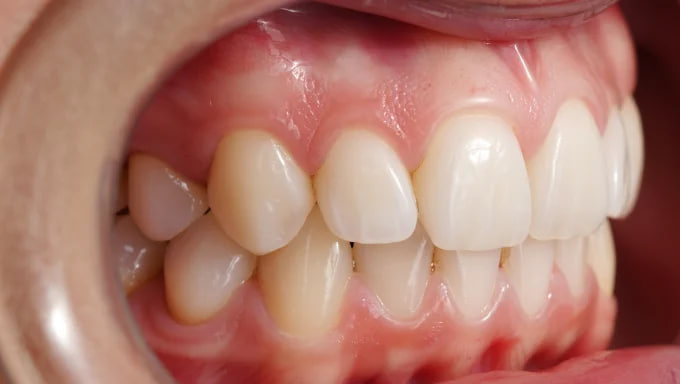
A provisional or temporary crown is a short-term dental tooth crown placed to protect a tooth while the permanent crown is being made. It helps maintain tooth function and appearance during this interim period. The main advantage of a temporary crown is that it prevents sensitivity and protects the prepared tooth from damage.
However, temporary crowns are less durable and can be prone to chipping or falling off. They are generally more affordable and used as part of the dental crown procedure before the final crown placement. The cost of a temporary crown is usually lower compared to permanent options.
Advantages of Dental Crowns
Dental crowns offer several important benefits for patients seeking dental restoration and protection. These advantages include:
- Improved Smile Aesthetics — Crowns restore the natural look of damaged or discolored teeth, enhancing your smile.
- Restoration of Chewing Function — A dental crown helps regain full chewing ability, especially on damaged or weakened teeth.
- Tooth Protection — Crowns cover and protect teeth from further decay or damage, especially after root canal treatment.
- Durability — Quality crowns last long and withstand daily wear, making them a reliable dental solution.
Understanding the cost of dental crowns and the types of dental crowns available can help you choose the best option for your dental needs.
When to Use Dental Crowns?
Dental crowns are used in various cases to restore dental function, protect teeth, and enhance appearance. Here are the main indications for getting a crown:
- To restore and support damaged teeth: covering large decay, protecting weak teeth from cracking, and covering extensive restorations.
- To improve tooth appearance: protecting tipped or malformed teeth and covering developmental anomalies.
- To complete other dental treatments: securing dental bridges, covering dental implants, and protecting teeth after root canal treatment.
Does Placing a Crown Hurt?
Placing a dental crown typically does not cause pain thanks to modern anesthesia used during the procedure. You might feel some pressure or mild discomfort, but the treatment is designed to be as comfortable as possible. After the crown placement, some sensitivity can occur, which usually subsides quickly.
Indications for the Installation of Dental Crowns
Dental crowns are used in a variety of clinical cases to restore and protect damaged teeth. You need a dental crown in the following cases:
- A weakened tooth after severe decay or a large cavity;
- To cover a dental implant and ensure proper function;
- To replace a large filling that no longer supports the tooth structure;
- A natural tooth that is damaged or cracked due to trauma or wear;
- A tooth that has undergone root canal treatment, especially in the back teeth;
- To align your bite and improve overall dental function;
- For aesthetic improvements, such as correcting shape, size, or color of teeth.
How Long Does It Take to Place a Crown?
The process of getting a dental crown typically involves two to four visits to the dental office, depending on the type of crown and the condition of the tooth. Here’s a general outline of the steps:
- First Visit – Initial Examination and Tooth Preparation. The dentist evaluates the tooth and prepares it by reshaping the structure to fit the crown. Impressions are taken to design your new crown, and a temporary crown is placed to protect the tooth.
- Second Visit – Crown Fabrication. The impression is sent to a dental lab, where the crown is made. The crown material—such as porcelain, zirconia, or metal — is chosen based on your needs, budget, and the location of the tooth (e.g., front teeth vs. back teeth).
- Third Visit – Crown Placement. Once the crown is ready, the temporary crown is removed, and the permanent one is tested for fit and appearance. The dentist then uses dental cement to secure the crown in place.
- Fourth Visit – Final Adjustments (if needed). In some cases, an additional visit may be required for minor bite adjustments or evaluation of crown function and comfort.
While same-day crowns are available in some clinics, most dental crowns require multiple appointments to ensure the best fit and durability.
How to Care for a Dental Crown?
Proper care is essential to extend the lifespan of your dental crown and avoid dental issues in the future. Whether you have a gold crown, zirconia crown, or porcelain dental crown, follow these tips to keep it in good shape:
- Maintain Regular Oral Hygiene – Brush and floss daily to prevent decay around the tooth crown.
- Avoid Hard Foods – Biting hard objects can damage even strong types of dental crowns.
- Regular Check-ups – Visit your dentist to ensure the crown is intact and monitor for any dental problems.
With consistent care, dental crowns last many years and provide reliable protection.
How Much Does a Dental Crown Cost?
The cost of a dental crown may vary depending on several important factors. These include the type of crown material used (such as zirconia, porcelain, or stainless steel crown), the tooth’s location, and whether additional treatments are required. The crown dental cost can also be influenced by the experience of the tooth crown dentist, the complexity of the case, and whether a temporary crown is needed before placing the permanent crown. Since dental crowns come in different types, choosing the right one plays a key role in determining the cost of crown on tooth. Additionally, dental insurance may cover part of the cost, depending on your plan.
At Dynasty Stomatology, you can get a dental crown with expert care and personalized attention. We offer different types of dental crowns at an affordable rate, and the cost of your crown will depend on the material and complexity of the case.
At our clinic, dental crowns are affordable for every patient. Contact us today to learn how much a crown is and book your consultation!
FAQ
-
What Are the Types of Dental Crowns?
There are different types of crowns including metal, porcelain-fused-to-metal, all-ceramic, and zirconia crowns. Each crown depends on the material used and the dental needs.
-
How Much Do Dental Crowns Cost?
The average cost of a dental crown can vary widely. How much are crowns per tooth depends on the crown material, complexity of the procedure, and dental office pricing.
-
What Materials Are Used in Dental Crowns?
Dental crowns are made from materials like metal, porcelain, ceramic, zirconia, and combinations such as porcelain-fused-to-metal. Choosing the right dental crown material affects durability and aesthetics. How much is a crown for tooth also depends on the material used.
-
What Are the Most Common Dental Crown Problems?
Disadvantages of dental crowns may include chipping, discomfort, or sensitivity. Proper care can reduce these issues.
-
What is the Difference Between a Crown and a Cap?
A crown and a dental cap for teeth refer to the same dental restoration used to cover and protect a damaged tooth.
-
How Long Do Dental Crowns Last?
Crowns can last many years depending on material, oral hygiene, and dental care.
-
What is the Cheapest Crown for a Tooth?
Metal crowns generally have a lower tooth crown cost compared to porcelain or zirconia options.
-
Are Veneers Cheaper Than Crowns?
Veneers typically cost less but serve different purposes; crowns offer more comprehensive tooth protection.
-
Is a Crown Better Than a Filling?
A crown is better for severely damaged or weakened teeth, while fillings are suitable for smaller cavities.


Do you want to treat your teeth while you sleep?
Schedule an appointment!
By clicking the button, you give your agreet your personal data in accordance with privacy policy.
Services
All services-
Dental treatment for elderly patients in Krakow – gerontostomatology
As we age, dental care requires special attention due to changes in the body and oral health. Dynasty Stomatology in Krakow offers specialized treatment for elderly patients, taking into account age-related features. Contact our experienced specialists for comfortable and effective dental care, dental treatment, prosthetics, implantation or other services.
Read more -
Manufacturing of removable dentures in case of partial or complete absence of teeth
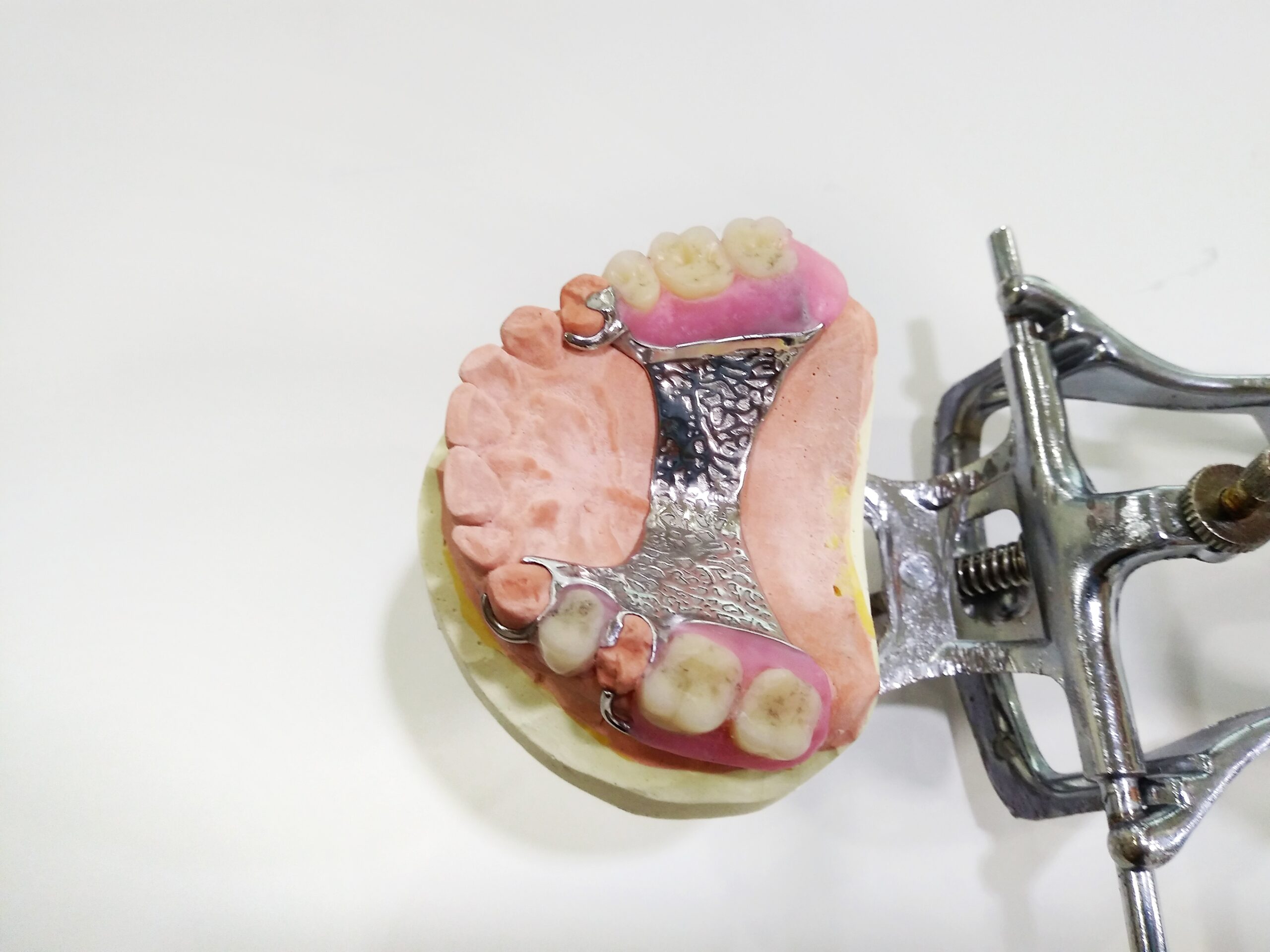
The problem of partial or complete tooth loss can significantly affect the quality of life – from difficulties in eating to aesthetic and psychological discomfort. Removable dentures allow you to restore both chewing function and self-confidence.
Read more -
Prosthetics on implants
The absence of several or all teeth is not only an aesthetic issue but also a serious impairment of jaw function, which can lead to reduced chewing ability, bite changes, and even deformation of the facial skeleton. In such cases, it is important to timely restore lost teeth to prevent further complications and improve quality […]
Read more -
Dental prosthetics
Dental prosthetics is an effective way to restore damaged or missing patient’s teeth and improve the overall dentition. Modern prosthetic methods not only bring back chewing function but also ensure a natural-looking smile by matching the color of teeth and preserving the aesthetics of the visible part of the tooth.
Read more -
Microprosthetics of teeth
After tooth damage, many people face a number of unpleasant problems and urgent challenges. First, constant discomfort and painful sensations appear in the oral cavity. Second, it becomes difficult to bite and thoroughly chew solid food. Third, your psychological well-being may suffer, as your smile loses its aesthetic appeal.
Read more -
Dental veneers
Are you dreaming of achieving that perfect “Hollywood smile” like your favorite movie star? Well, the good news is you can make your wish come true thanks to dental veneers. They not only enhance your appearance, but they improve front teeth bite functionality after your dental treatment. Hollywood smile refers to comprehensive procedure that involves […]
Read more -
Ceramic crowns
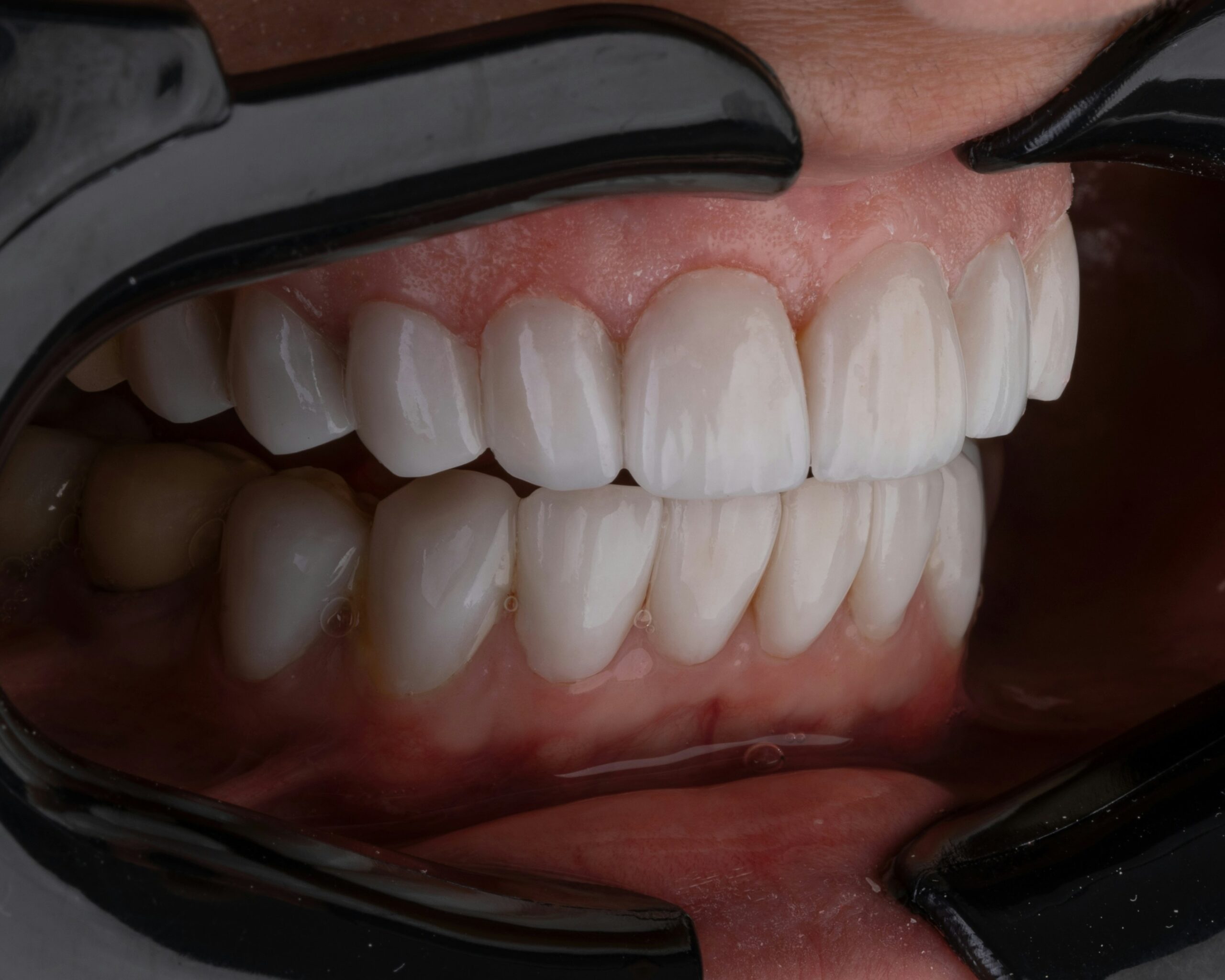
Ceramic dental crowns offer protection to damaged, or decayed teeth. These crowns, used for various dental procedures are made from safe, bio-compatible and metal-free materials like porcelain, resin, and zirconia for front teeth.
Read more




Read also
View all blog-
20.03.2026
15
8 min. read
What You Need to Know About Professional Teeth Whitening
A white smile makes a face look fresher and more well-groomed. However, over time, the shade of teeth changes. Diet,…
Read more -
19.03.2026
24
8 min. read
Professional hygiene in a dental office — The complete guide
Most people believe they take proper care of their teeth. They brush their teeth morning and night, floss, and buy…
Read more -
09.03.2026
13
9 min. read
Restorative Dentistry Guide — Everything You Need to Know
Sometimes a tooth decays almost unnoticed. There's no sharp pain or warning signs. A small spot, mild sensitivity to cold,…
Read more -
04.03.2026
21
5 min. read
How to avoid surgery in the future — a case study of early orthodontic treatment at age 6
A mother brought her 6-year-old son to the Dynasty Stomatology clinic. She was confused: her son had already been examined…
Read more -
26.02.2026
23
11 min. read
What is Dental Implant Procedure — A Complete Guide
Losing a tooth isn't always just about aesthetics. It's about self-confidence, the ability to smile without tension, the ability to…
Read more -
24.02.2026
41
9 min. read
Understanding Oral Surgery — What You Need to Know
Until recently, a visit to the dentist was associated with significant discomfort. Uncomfortable impressions, long waits, and the need for…
Read more -
19.02.2026
25
5 min. read
Online consultation with a dentist — how it works, how much it costs, and when it is really needed
There are many reasons why people put off visiting the dentist. Especially when they live in countries where it is…
Read more