
Dental Anesthesia: Types, Side Effects, and Risks


05.09.2025
562
10 min. read
Why Patients Trust Dynasty Stomatology
The trust in Dynasty Stomatology is built on a combination of many years of experience and an individual approach to every patient. We understand that a visit to the dentist is often accompanied by anxiety, so we place special emphasis on creating a comfortable and calm atmosphere where every patient feels safe.
The clinic is equipped with modern technology and uses advanced treatment methods, ensuring that procedures are carried out with maximum precision, efficiency, and comfort. All materials undergo strict quality control, and our doctors regularly improve their qualifications to offer only the most up-to-date and proven techniques.
In addition, Dynasty Stomatology values long-term relationships with patients. Our goal is not only to solve the problem at hand but also to maintain the health of teeth and gums for years to come. Openness, honesty, and transparency are the key principles that have earned the clinic its reputation as a reliable dental partner.
Facts about Dynasty Stomatology:
✅ Over 10 years of successful work in dentistry.
✅ Hundreds of positive reviews from patients in [Страна в соответствии с регионом] and abroad.
✅ We use premium materials from leading global brands.
✅ We offer treatment under sedation and general anesthesia.
✅ A full range of services — from pediatric dentistry to complex surgical operations.
Dynasty Stomatology — trust, expertise, reliability, and care for the beauty of your smile.
Learn about usMedical Expertise
Dynasty Stomatology’s doctors conduct medical reviews of all materials on the website to ensure their accuracy and practical value. Our authors and editors are experienced specialists in the fields of therapeutic, surgical, orthopedic, and pediatric dentistry. This approach allows us to maintain high professional standards and provide our readers with only verified, up-to-date, and useful information.
Dental anesthesia is a key part of making dental treatments comfortable and stress-free. Whether you’re getting a simple filling or a more complex procedure, knowing about the types of anesthesia available — and their possible side effects and risks — can help you feel more confident and relaxed.
Being informed about dental anesthesia means you can better understand what will happen during your visit, ask the right questions, and work with your dentist to choose the safest option for you.
Understanding Dental Anesthesia
Dental anesthesia is a medical practice used to numb or sedate patients during dental procedures, ensuring comfort and pain relief throughout the treatment. There are different types of anesthesia at the dentist’s disposal, carefully selected based on the complexity of the dental work, the patient’s health, and personal needs.
Choosing the right anesthesia for dental procedures helps manage pain effectively, whether it’s a simple tooth filling or more involved dental surgery. Understanding the types and uses of anesthesia for dentistry can also prepare patients for what to expect during their dental appointment and reduce anxiety about potential side effects or risks.

What Are The Different Types Of Anesthetic For Dental Procedures?
There are several types of anesthesia used in dental procedures, each chosen based on how they work and the needs of the patient.
Local Anesthesia
Local anestesia is often used to numb a specific area of the mouth during minor dental work. It is commonly applied in cases such as:
- Cavity fillings;
- Tooth extractions;
- Root canal procedures;
- Placing dental crowns;
- Root scaling and planing.
General Anesthetic
General anesthesia in dentistry is administered for more complex or major dental surgeries. It is indicated for procedures including:
- Bone graft. Used during extensive bone restoration to ensure patient comfort throughout the lengthy dental surgery anesthesia.
- Tooth extraction. General anaesthetic for tooth extraction is applied in cases of complex or multiple extractions, impacted wisdom teeth removal, or when the patient requires complete unconsciousness for comfort and safety.
- Surgery to treat oral cancer. Administered to provide deep sedation, allowing dental professionals to perform major oral surgery safely and effectively.
- Surgery to treat sleep apnea. Used to manage anesthesia during surgical procedures aimed at correcting airway obstructions, ensuring patient safety throughout the procedure.
- Surgery to correct the jaw. General anesthesia allows full control of patient comfort during jaw realignment or corrective surgeries.
- Surgery for a cleft palate or cleft lip. Essential for enabling the dental team to safely conduct intricate reconstructive procedures on children or adults.
- Cosmetic dental procedure. Sometimes required for extensive cosmetic treatments where prolonged patient immobility and comfort are necessary.
General anesthesia is chosen individually by the dental professional depending on the complexity of the dental work, patient’s medical history, and dental anxiety.
Sedation
Sedation is a form of anesthesia that helps patients relax during dental work and comes in different levels:
- Mild sedation: This level of sedation allows patients to remain conscious and responsive to commands.
- Moderate sedation: It induces a semi-conscious state in which patients may still respond to verbal cues but have a reduced awareness of their surroundings.
- Deep sedation: This level of sedation induces a state of unconsciousness, where the patients are unaware of their surroundings and unable to respond to commands.
What type of anesthesia is used for tooth extraction or other procedures is selected by your dental professional during your appointment, based on your dental procedure, medical history, and individual needs.
Is There A Difference Between Sedation Dentistry & Dental Anesthetics?
Sedation dentistry and dental anesthetics differ primarily in their mechanism and depth of action. Dental anesthetics, such as local anesthetic injections, work by numbing specific areas to block pain sensations, allowing patients to remain fully conscious during procedures. In contrast, sedation dentistry involves administering medications that relax the patient to varying degrees — from mild relaxation to deep sedation — without necessarily blocking pain completely.
While both methods aim to make patients feel comfortable during dental treatment, sedation and general anesthesia carry different risks and side effects. Dental anesthetics usually have localized effects and fewer systemic side effects, whereas sedation and general anesthesia affect the entire body and may lead to tiredness after general anaesthetic or other anesthesia side effects.
The choice between sedation and dental anesthetics depends on the patient’s health, anxiety levels, and the complexity of the dental procedure.

Benefiting From Anesthetics for Dentistry
The types of dental anesthesia available in modern dentistry offer several important benefits that improve the patient’s experience and treatment outcomes:
- Having a dental anesthetic can allow a number of vital dental appointments to be merged into just one appointment where all the treatment can be carried out at once.
- The patient will experience a lot less pain when having their procedure.
- Anesthetics can be used along with sedatives so anxiety, pain and discomfort can be alleviated.
- Dental anesthetics which are administered today are safe and produce highly effective results.
Procedures Requiring Dental Anesthesia
Anesthesia at dentist plays a crucial role in ensuring patient comfort and safety during a wide range of dental procedures:
- Tooth Extractions: Local anesthesia is often used for pain-free experiences, whether it’s routine tooth extraction, complex wisdom tooth removal, decayed tooth removal, or when tooth extraction under general anaesthetic is required for more complicated cases.
- Root Canal Treatment: Root canal procedures involve the removal of infected pulp from the tooth. Local anesthesia is administered to relieve pain and discomfort during the treatment.
- Dental Implant Placement: Dental implant surgeries involve the placement of artificial tooth roots and often require local anesthesia to manage pain and discomfort.
- Gum Surgeries: Various gum surgeries, such as gum grafts or periodontal procedures, may involve the use of local anesthesia to numb the gums and surrounding tissues.
- Complex Dental Restorations: Procedures like dental crowns, bridges, and inlays/onlays may require local anesthesia to ensure a painless and stress-free experience for the patient.
- Orthodontic Procedures: Certain orthodontic treatments, especially those involving surgical interventions, may require the administration of dental anesthesia.
- Surgical Tooth Exposure: In cases where a tooth fails to erupt properly, surgical tooth exposure procedures may be performed under local anesthesia.
Side Effects of Dental Anesthesia
Dental anesthesia or sedation is generally safe, but like any medical procedure, it can cause some side effects:
- Numbness: Temporary numbness from dental anesthesia is a common side effect during dental treatment. It may take some time for the effects of general anesthesia or local anesthesia to wear off completely after undergoing dental anesthesia.
- Tingling or Itching: Some patients undergoing dental anesthesia may experience sensations of tingling or itching as the anesthetic wears off. These side effects from dental anesthesia are usually temporary and subside soon.
- Swelling and Bruising: Mild swelling or bruising at the injection site can occur with anesthesia for dentist procedures. This is generally minimal and resolves quickly within dental practices.
- Nausea: A mild sensation of nausea may appear in some individuals after sedation or general anesthesia, but it is usually brief and diminishes quickly.
- Dizziness or Lightheadedness: Feeling dizzy or lightheaded is a side effects of anesthetics. It is advisable to move slowly and avoid sudden position changes after dental care.
- Allergic Reactions: Although rare, allergic reaction to anesthesia can occur. It is important to inform your dentista about any known allergies before undergoing dental anesthesia.
- Injection Site Discomfort: Mild soreness or discomfort at the injection site is common and usually resolves without special treatment during dental treatment under general anesthesia or local anesthetic.
- Unable to Blink: Temporary inability to blink one eye is a rare side effect that can occur with anesthesia dentist procedures. Dental professionals can manage this by taping the eye shut until normal function returns.
- Hematoma: Hematoma, a blood-filled swelling, may occur if the injection needle inadvertently hits a blood vessel. This is an infrequent complication.
- Racing Heartbeat: The vasoconstrictor in some anesthetics can transiently increase heart rate. Inform your dentist if you experience this; it typically resolves quickly and is considered a manageable risk associated with dental anesthesia.
- Nerve Damage: Direct contact of the needle with a nerve during anesthesia injection can cause numbness and pain lasting weeks or months. This rare side effect from dental anesthesia highlights the importance of skilled anesthesia dentist administration.
Sometimes patients ask, “Can you die from anesthesia at the dentist?”. While very rare, serious complications can occur, but dental anesthesia is generally safe when administered by trained professionals.
Precautions to Take When Undergoing Dental Anesthesia
Anesthesia is a safe, but to minimize the risks of dental anesthesia, it is important to discuss the following factors with your dentist:
- Pregnancy: If you are pregnant, it is important to inform your dental professional. They will evaluate the potential risks and benefits associated with anesthesia for both you and your baby.
- Special needs: Individuals with special needs, such as cognitive or developmental disabilities, may require additional considerations when it comes to dental anesthesia.
- Older adults: Older adults may have specific health concerns or take medications that can interact with anesthesia. It is important to disclose this information to your dental professional so that they can make informed decisions.
- Pre-existing medical conditions: If you have pre-existing medical history of illness, such as liver, kidney, lung, or heart problems, it is crucial to inform your dental professional.
- Neurologic conditions: Certain neurologic conditions, like epilepsy or Parkinson’s disease, may affect the choice and use of anesthesia.
- Other medical conditions: Even if you have other medical conditions not mentioned above, it is essential to discuss them with your dental professional. They will be able to identify any potential risks or necessary precautions associated with anesthesia based on your specific conditions.
What are the Risks of Dental Anesthesia?
Dental anesthesia, while generally safe and essential for many procedures, carries certain risks that patients should be aware of.The anesthesia side effects dental patients may experience depend on the particular type of anesthesia used, the level of anesthesia administered, and individual health factors. General anesthesia for dental surgery or dental work often carries higher risks and side effects compared to local anesthesia. It is important to discuss any concerns with your dentist to feel comfortable during dental procedures and to understand the precautions when taking dental anesthetics.
How long does the anaesthetic last at the dentist?
The duration of dentist anesthesia varies depending on the main types used and the specific procedure. Local tooth anesthesia typically lasts from one to several hours, while the effects of general anesthesia dental work can last longer. How long do the effects of general anesthesia last depends on factors such as the dosage, type of anesthetic administered, and individual patient response. Understanding these variations helps patients prepare for their dental treatment and any common dental anesthesia side effects they may experience.
Dental Anesthesia – Conclusion
Dental anesthesia is an essential part of modern dental care, allowing patients to undergo dental treatment comfortably and painlessly. The type of anesthesia administered depends on the procedure and individual needs, with common types of dental anesthesia including local and general anesthesia. While general anesthesia carries higher risks and potential side effects compared to local anesthesia, both are generally safe when proper precautions are taken. Understanding the effects and side effects of general anesthesia helps patients feel more informed and confident during their dental visits.
At Dynasty Stomatology in Poland, we use different types of dental anesthesia, all of which are safe. With us, you can receive dental treatment without pain. We are confident: dental anesthesia is essential for comfortable treatment!
FAQ
-
When can I eat again after the local anaesthetic at the dentist?
You should wait until the numbness from the local anesthesia wears off completely to avoid biting your tongue or cheek.
-
What if the anaesthetic doesn't work?
If the anesthesia doesn’t take effect, inform your dentist as anesthesia depends on factors like injection technique and individual response.
-
Does the anaesthetic at the dentist hurt?
The injection may cause slight discomfort, but it is generally quick and tolerable.
-
Is it possible to accelerate the reduction of anaesthesia with home remedies?
There are no proven home remedies to speed up anesthesia wear-off; it typically subsides naturally over time.
-
What to do if the anaesthetic doesn't go away after a visit to the dentist?
If numbness persists longer than expected, contact your dental professional for evaluation as it might indicate a side effect from local anesthesia.
-
Can I drive after the anaesthetic at the dentist?
After local anesthesia, driving is usually safe, but if general anesthesia dentistry or sedation was used, avoid driving until fully alert.
-
Can I do sports after the anaesthetic at the dentist?
It’s recommended to avoid strenuous activities until the anesthesia effects subside to prevent injury.
-
Is it possible to have a local anaesthetic at the dentist during pregnancy?
Local anesthesia is generally safe during pregnancy but should be used with special precautions when taking dental anesthetics.
-
What happens after waking up?
After general anesthesia is administered, patients may feel groggy or tired as part of the normal effects.
-
What is the cost of general anesthesia at the dentist?
Costs vary and may depend on dental insurance coverage and the complexity of the procedure.
-
How long do you sleep after general anesthesia?
The duration of sleep under general anesthesia varies depending on the procedure and type of anesthesia administered.
-
What anesthesia is used for tooth extraction?
Anesthesia depends on the complexity, ranging from local anesthesia to tooth extraction general anesthesia for more complicated cases.


Do you want to treat your teeth while you sleep?
Schedule an appointment!
By clicking the button, you give your agreet your personal data in accordance with privacy policy.
Services
All services-
Dental treatment under mild sedation
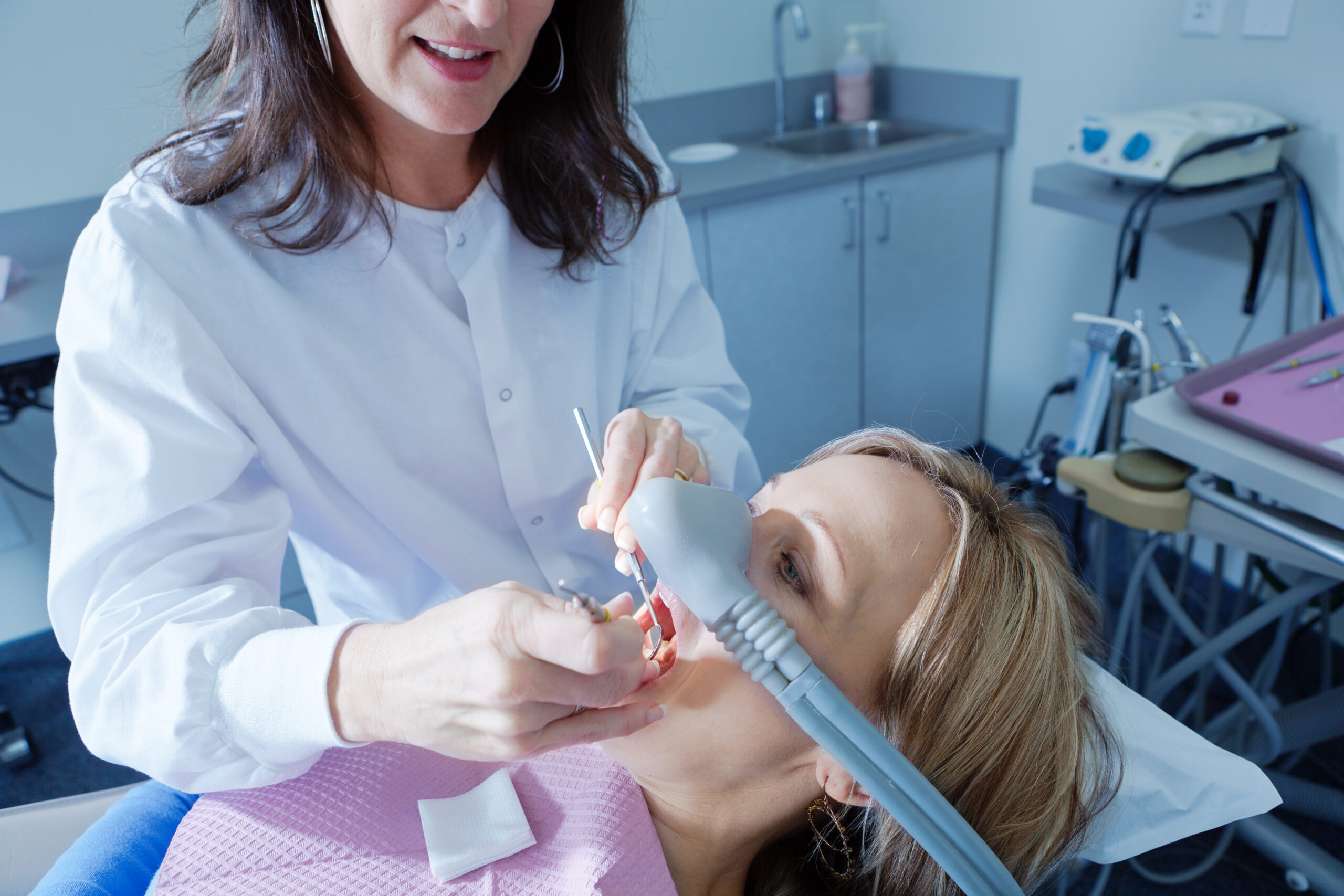
If you suffer from dental anxiety during routine visits to the dentist for oral surgery, sedation dentistry is the perfect solution for you. Different levels of sedation are used in dentistry for treatment. Your dentist will determine which one will be the best for you.
Read more -
Dental Treatment under Sedation
Sedation dentistry is beneficial for people with pain sensitivity, individuals with special needs, strong gag reflexes, pain sensitivity, or those with extreme fear of the dentist. Doses of the sedation may be given in varying levels to treat patients nervous wary of oral care procedures. The major goal of this technique is to ease discomfort […]
Read more

Read also
View all blog-
20.03.2026
15
8 min. read
What You Need to Know About Professional Teeth Whitening
A white smile makes a face look fresher and more well-groomed. However, over time, the shade of teeth changes. Diet,…
Read more -
19.03.2026
24
8 min. read
Professional hygiene in a dental office — The complete guide
Most people believe they take proper care of their teeth. They brush their teeth morning and night, floss, and buy…
Read more -
09.03.2026
13
9 min. read
Restorative Dentistry Guide — Everything You Need to Know
Sometimes a tooth decays almost unnoticed. There's no sharp pain or warning signs. A small spot, mild sensitivity to cold,…
Read more -
04.03.2026
21
5 min. read
How to avoid surgery in the future — a case study of early orthodontic treatment at age 6
A mother brought her 6-year-old son to the Dynasty Stomatology clinic. She was confused: her son had already been examined…
Read more -
26.02.2026
23
11 min. read
What is Dental Implant Procedure — A Complete Guide
Losing a tooth isn't always just about aesthetics. It's about self-confidence, the ability to smile without tension, the ability to…
Read more -
24.02.2026
41
9 min. read
Understanding Oral Surgery — What You Need to Know
Until recently, a visit to the dentist was associated with significant discomfort. Uncomfortable impressions, long waits, and the need for…
Read more -
19.02.2026
25
5 min. read
Online consultation with a dentist — how it works, how much it costs, and when it is really needed
There are many reasons why people put off visiting the dentist. Especially when they live in countries where it is…
Read more