

Bite treatment in children is one of the key tasks of pediatric orthodontics. Occlusal disorders often occur in childhood and can lead not only to aesthetic problems, but also to difficulty in chewing, impaired diction, increased erosion of teeth and even to abnormal development of the maxillofacial system.
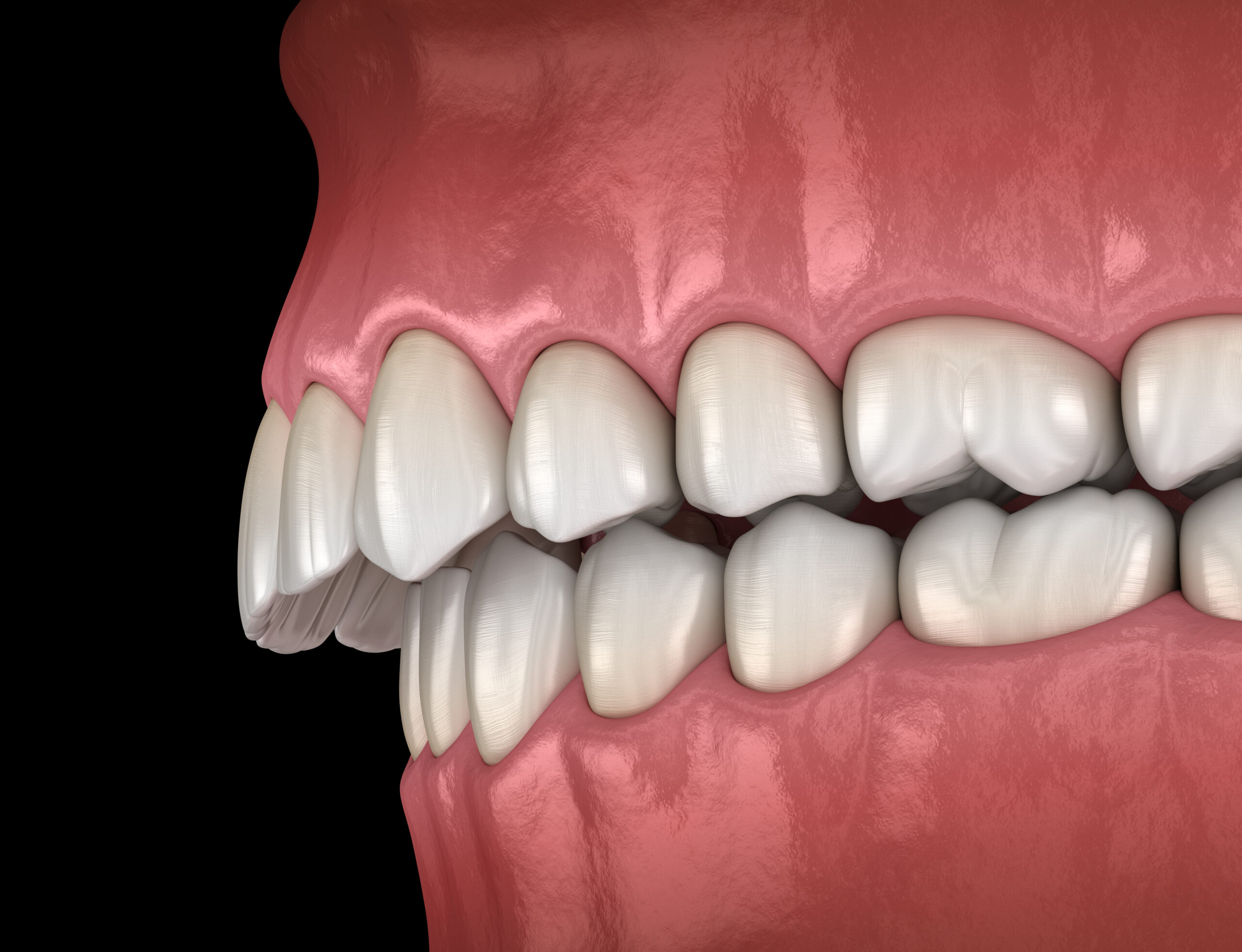
Treatment of malocclusion in children – pediatric orthodontics

Orthodontic appliances for children to correct their bite

Orthodontic pediatric plates

Bracket Systems
Stages of bite formation in children
Bite formation in children and adolescents occurs gradually:
- neonatal bite (0-6 months) – the mouth is adapted for sucking, there are no teeth yet, jaws, muscles and first habits are formed;
- milk bite (6 months to 3 years) – milk teeth erupt (up to 20), the foundations of chewing function and bite are laid;
- stable milk bite (3-6 years) – all milk teeth are in place, jaws are actively growing, it is important to watch out for bad habits;
- mixed (6-12 years old) – the replacement of milk teeth with permanent teeth begins, this is a critical period – this is the time when bite disorders most often appear;
- permanent (from 12 years old) – all permanent teeth have erupted, the bite is stabilized, the dento-alveolar system completes its formation.
Regular check-ups with a pediatric orthodontist at each of the stages allow to detect and correct the bite of teeth in time.

Price: Treatment of malocclusion in children – pediatric orthodontics
All price-
Orthodontic consultation (children < 10 years)
150 PLN -
Diagnostic (foto, CT jaws, CT joints, cephalometric, treatment plan) children < 10 years
450 PLN
Do you want to treat your teeth while you sleep?
Schedule an appointment!
By clicking the button, you give your agreet your personal data in accordance with privacy policy.
Frequently asked questions about bite treatment for children
-
Is orthodontic treatment harmful to tooth enamel?
With proper care and adherence to the doctor's recommendations, treatment is safe and does not damage the enamel.
-
How can I speed up the process of orthodontic treatment?
It is important to visit the orthodontist regularly, observe good hygiene and wear the appliances for as long as recommended.
-
What is the best choice: braces or plates for children?
The choice depends on the age of the child and the complexity of the problem - plates are suitable for younger children, braces - for teenagers with more serious disorders.
-
At what age is the best time to correct the bite?
It is optimal to start treatment during the period of mixed bite - from 6 to 12 years of age.
-
What methods does Dynasty Stomatology use to correct the bite in children?
We use removable appliances, orthodontic plates and modern bracket systems.
-
What is the most difficult bite to correct?
Mesial and crossbites are the most difficult to correct, especially in late treatment.
-
How long does it take to correct a bite?
The treatment period varies from several months to 2-3 years depending on age and severity of the disorder.
Specialists in pediatric orthodontics
View all doctors
Tetiana Pererva
Orthodontist
Over 5000 orthodontic cases in 16 years of practice. Believes orthodontics is about more than straight teeth — it’s about facial harmony. Actively ...
Reviews of bite treatment for children in Krakow
The earlier the correction is started, the more effective and easier the treatment is – children’s bodies adapt more easily to the changes and the results last for many years.
If you notice uneven teeth, facial asymmetry or speech problems in your child, don’t put off visiting a specialist. Contact Dynasty Stomatology in Poland, where experienced pediatric orthodontists will diagnose and offer effective treatment with care, attention and individual approach.
Correct bite: characteristic features
A healthy bite in a child is a jaw position in which the upper and lower teeth interlock harmoniously, ensuring normal functions of chewing, speech, breathing and facial formation. The formation of the bite is gradual and begins at an early age, starting with the eruption of baby teeth.
The main signs of a correct bite:
- upper teeth slightly overlap the lower teeth by about one-third of the crown height;
- the center lines of the upper and lower dentition coincide;
- there are no gaps or excessive crowding between teeth;
- chewing load is distributed evenly throughout the jaw;
- the jaws are symmetrical, without misalignment or deformities;
- clenching of the teeth does not cause tension or pain;
- speech is clear, without whispering or other disorders of articulation.
Correct occlusion is not only for aesthetics, but also for general health. It is important to form a correct bite from childhood, because it contributes to the normal development of the facial skeleton, reduces the risk of diseases of the gums and teeth, facilitates oral care and builds self-confidence.
Forms and types of malocclusion in children
Occlusal disorders can manifest themselves in different ways and differ in the severity of the changes. The main types of malocclusion in children:
- Distal. The upper jaw is significantly advanced in relation to the lower jaw. Visually manifested as protruding forward upper teeth or even a “bulging” profile of the face. It is often accompanied by difficulty in closing the lips and can affect speech and breathing.
- Mesial. The lower jaw is excessively forward, and the lower incisors overlap the upper ones. The face in this case acquires a characteristic “bulging” profile of the chin. Can lead to a violation of the temporomandibular joint.
- Open. Characterized by a lack of contact between the upper and lower front (or side) teeth when the jaws are clamped together. Open bite often occurs due to bad habits (sucking a finger, biting objects), violates diction and chewing function.
- Deep. The upper teeth excessively overlap the lower teeth, sometimes hiding them almost completely. This can lead to trauma to the mucous membrane of the palate, increased tooth erosion and stress on the temporal joints.
- Crossed (lingual). Occurs when the tooth rows are shifted sideways, when one part of the lower jaw closes incorrectly with the upper jaw. The face may become asymmetrical, chewing on one side may be impaired, and jaw deformation may occur during the process of changing baby teeth.
Causes of formation of malocclusion
Disorder in the position of teeth and jaws can arise due to many factors. The main reasons for the development of malocclusion in children:
- Illiterate breastfeeding or artificial feeding;
- excess of soft food in the diet, lack of chewing load;
- early loss or delayed eruption of milk teeth;
- bad habits (sucking fingers, toys, etc.); frequent use of a pacifier or bottle. );
- prolonged use of a pacifier or bottle;
- frequent diseases of the ENT organs (adenoids, rhinitis, etc.);
- congenital anomalies and genetic predisposition;
- malposition of the tooth rudiments;
- hormonal disorders, especially thyroid disorders.
Methods of bite correction in children
The alignment of a child’s teeth is not only a matter of aesthetics, but also an important part of the prevention of bite disorders, diction and proper development of the maxillofacial apparatus.
The orthodontist performs the methods of occlusion correction individually – after diagnosis.
Periods of treatment of malocclusion in children
Correction of malocclusion in children has some peculiarities depending on age:
- 6-10 years – the stage of active growth and change of teeth, removable appliances and plates are used to eliminate bad habits, correction of jaw growth, prevention of violations;
- 11-15 years – permanent teeth are almost completely erupted, but the child’s jaws are growing, alignment of teeth is carried out, correction of the bite is mainly with the help of bracket systems;
- after 16 years – the bite is formed, treatment is aimed at aesthetics and accurate correction, completion of teeth alignment, consolidation of the result, brackets and eliners are used.
Indications and contraindications
Orthodontic treatment of children in dental practice is recommended in such cases:
- violation of the position of teeth (crowding, sparseness, rotations);
- different types of malocclusion (distal, mesial, open, deep, crossbite);
- premature loss of milk teeth with violation of space for permanent teeth;
- bad habits affecting the bite (finger sucking, tongue between teeth);
- speech disorders caused by bite abnormalities;
- chewing disorders or discomfort when closing the mouth;
- facial asymmetry associated with abnormal jaw development;
- preparation for orthopedic or surgical dental treatment.
Contraindications to orthodontic correction:
- underdeveloped dental system (early age);
- congenital anomalies of development of teeth or jaws;
- acute dental diseases (caries, pulpitis, etc.) requiring prior treatment;
- allergic reactions to materials used in appliances or braces;
- severe systemic diseases (e.g., diabetes in decompensation, blood pathology);
- psychological or behavioral features of the child that make cooperation difficult;
- uncontrolled bone diseases or metabolic disorders;
- bite disorders that require prior surgical intervention (not performed in children).
How is bite treatment for children?
Correcting occlusion in childhood can take several months to several years, because moving teeth takes time. The process includes these sequential steps:
- Consultation and diagnosis. The orthodontist examines the child, takes pictures and impressions to accurately assess the bite.
- Treatment plan. Based on the diagnosis, the doctor makes an individual program with the choice of methods and timing.
- Bite correction. An orthodontic appliance or braces are installed.
- Regular visits. Further control examinations are carried out and, if necessary, the treatment is corrected.
- Retention period. After active treatment, the child wears special retention devices to consolidate the result obtained.
In some cases, it may be necessary to preliminarily remove milk teeth that interfere with the eruption of permanent teeth. Before correcting the bite, our specialist will certainly tell you about all the stages.
Recommendations for bite correction in children
To achieve noticeable results and comfortable bite correction, follow these recommendations:
- Early diagnosis – contact the orthodontist at the first signs of irregularities.
- Regular follow-up – visit the clinic on schedule to monitor the effectiveness of treatment.
- Oral hygiene – brush your teeth thoroughly, especially around appliances and braces.
- Nutrition – avoid hard and sticky foods to avoid damaging orthodontic appliances.
- Cooperation and motivation – support your child, explain the importance of treatment and following the dentist’s recommendations.
Price of bite correction at Dynasty Stomatology
The total cost of treatment in our clinic depends on the type of disorder and the chosen correction method. However, we offer transparent treatment prices and an individual approach to find the best solution for each child.
Dynasty Stomatology is a place where children get back their dental health, a beautiful smile and self-confidence without pain. Our clinic is equipped with the latest equipment for accurate diagnosis, and experienced doctors provide assistance.
Schedule a consultation at Dynasty Stomatology at a time that is convenient for you!