

Root Canal Treatment: All What You Need to Know


24.07.2025
278
8 min. read
Why Patients Trust Dynasty Stomatology
The trust in Dynasty Stomatology is built on a combination of many years of experience and an individual approach to every patient. We understand that a visit to the dentist is often accompanied by anxiety, so we place special emphasis on creating a comfortable and calm atmosphere where every patient feels safe.
The clinic is equipped with modern technology and uses advanced treatment methods, ensuring that procedures are carried out with maximum precision, efficiency, and comfort. All materials undergo strict quality control, and our doctors regularly improve their qualifications to offer only the most up-to-date and proven techniques.
In addition, Dynasty Stomatology values long-term relationships with patients. Our goal is not only to solve the problem at hand but also to maintain the health of teeth and gums for years to come. Openness, honesty, and transparency are the key principles that have earned the clinic its reputation as a reliable dental partner.
Facts about Dynasty Stomatology:
✅ Over 10 years of successful work in dentistry.
✅ Hundreds of positive reviews from patients in [Страна в соответствии с регионом] and abroad.
✅ We use premium materials from leading global brands.
✅ We offer treatment under sedation and general anesthesia.
✅ A full range of services — from pediatric dentistry to complex surgical operations.
Dynasty Stomatology — trust, expertise, reliability, and care for the beauty of your smile.
Learn about usMedical Expertise
Dynasty Stomatology’s doctors conduct medical reviews of all materials on the website to ensure their accuracy and practical value. Our authors and editors are experienced specialists in the fields of therapeutic, surgical, orthopedic, and pediatric dentistry. This approach allows us to maintain high professional standards and provide our readers with only verified, up-to-date, and useful information.
A root canal treatment is often the best solution when a tooth becomes severely decayed, infected, or inflamed. While many people associate it with pain, modern techniques make the procedure safe, effective, and relatively comfortable. In this article, you’ll learn what a root canal is, when it’s necessary, how the treatment is performed, what to expect during recovery, and how to avoid future dental issues through proper oral care.
What Is a Root Canal?
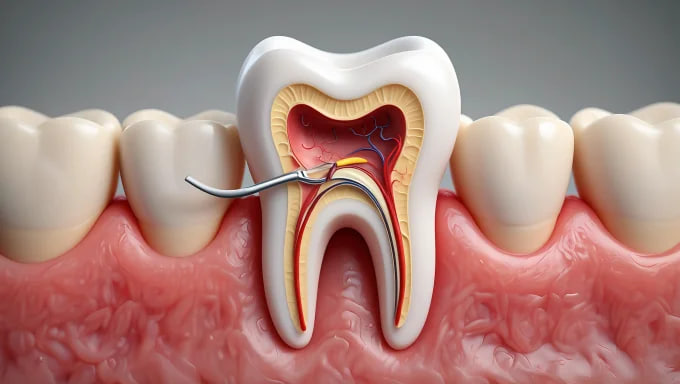
A root canal is the natural space within the root of a tooth that houses the dental pulp, including nerves, blood vessels, and connective tissue. This inner chamber extends from the pulp chamber down through the root canals to the tip of the tooth’s root. The root canal system plays a vital role during the development of the tooth, but once the tooth is fully formed, the pulp’s primary functions — sensation and nourishment — become less essential.
When the pulp inside the root canal becomes inflamed or infected due to tooth decay, cracks, or trauma, the tooth may require endodontic treatment to preserve its structure. Left untreated, problems within the tooth canal can lead to severe pain, abscesses, or even tooth loss.
What Is Root Canal Treatment?
Root canal treatment — also known as endodontic treatment — is a dental procedure used to save a tooth when the pulp inside becomes infected or inflamed due to tooth decay, trauma, or cracks. During this canal root treatment, the dentist removes the infected tissue from the chamber and root canals, cleans and disinfects the space, then fills and seals it to prevent further infection.
A crown or filling is typically placed afterward to restore the tooth’s strength and function. This painless and effective dental treatment helps avoid extraction and preserves your natural teeth.

What Are Signs for a Root Canal Treatment?
Recognizing the early symptoms of infection inside a tooth is essential, as root canal treatment may become necessary to save the tooth. If left untreated, complications can worsen and, in rare cases, lead to serious health risks if the infection reaches the root and spreads. Knowing the signs can help you seek endodontics treatment in time.
You may need a root canal procedure if you experience the following symptoms:
- Tooth pain that doesn’t go away, even after using painkillers;
- Sensitivity or sharp pain when pressure hurts, like when chewing or biting;
- Swollen gums around the affected tooth;
- A recurring pimple on your gums (dental abscess);
- Swollen jaw due to deep infection;
- A discolored tooth (especially if darker than surrounding teeth);
- A loose tooth, without trauma or other cause.
If you experience any of these symptoms, consult your dental clinic for evaluation. Root canal tooth decay treatment or rc treatment may be required to stop the progression and restore oral health. Acting early reduces the cost, time, and risk of complications associated with root canal therapy.
How Does Endodontic Treatment Save the Tooth?
Endodontic treatment — also known as root canal therapy or endodontic therapy — saves the tooth by removing infected or inflamed pulp from the root cavity, disinfecting the inside of the root canal, and sealing it to prevent reinfection. This process not only stops pain and infection but also preserves the natural tooth structure, preventing the need for extraction. Root canal treatment is necessary when the infection has reached the root, and it offers a reliable solution with long-term success when the root canal procedure is properly performed.
Step-by-Step Endodontic Procedure
Understanding what happens during a dental root canal treatment can help ease anxiety and prepare you for each step of the procedure. Endodontic treatment is a routine dental procedure performed by a dentist to treat an infected root and save your natural tooth. Here’s what typically happens during RCT treatment:
- Cleaning the root canal. The dentist removes infected pulp from the root of the tooth, cleans the inner chamber, and disinfects it thoroughly to stop the infection from spreading further.
- Filling the root canal. Once cleaned, the canal is filled with a biocompatible material to seal the space and prevent future reinfection. A temporary filling may be used initially.
- Adding a crown or filling. To restore full function and strength, the tooth is covered with a crown or filling. This final step protects the tooth structure and completes the root canal treatment procedure.
Root canal treatment involves multiple steps but is generally painless and highly effective. Leaving a root canal infection untreated can lead to complications, so endodontic treatment is necessary as soon as symptoms appear.
How painful is treatment of the root canal?
Root canal treatment is generally painless because it is performed under local anesthesia, which numbs the area and prevents discomfort during the procedure. Most patients feel little to no pain while the root canal is performed, and any mild sensitivity afterward usually subsides quickly. Thanks to modern techniques and anesthesia, endodontic treatment is a comfortable experience that effectively treats infection without causing pain.
What happens after a root canal treatment?
After root canal treatment, following your dentist’s advice is crucial for a smooth recovery and to avoid complications. Here’s what to expect and important care tips for the first few days after treatment:
- Mild sensitivity or discomfort around the treated tooth, which should gradually lessen.
- Avoid chewing hard or sticky foods on the treated tooth until the crown and the root restoration is complete.
- Take any prescribed medication as directed by your dentist.
- Maintain good oral hygiene to support healing and prevent root canal infection treatment failure.
- Attend follow-up appointments to complete the root canal treatment procedure.
- Avoid very hot or cold foods and drinks to protect the healing root cavity treatment area.
- Contact your dentist promptly if you notice increased pain, swelling, or signs of infection.
Careful attention to these guidelines will help ensure your endodontic treatment is successful and that your tooth recovers fully after the treatment root canal.
Possible Complications of Root Canal Treatment
While root canal treatment is generally safe and effective, some complications can occur. Sometimes, a tooth may have more canals than initially detected—for example, three canals found when there are actually four. It is essential that the dentist ensures the filling material extends fully to seal the entire canal. Additionally, the root of the tooth may crack during the procedure, or instruments used in treatment might break or perforate the canal. Awareness of these potential issues is important to understand the risks and ensure successful healing after endodontic treatment.
How to Prevent Infections, Tooth Decay, and Gum Disease
Understanding what is a root canal treatment and how to avoid the need for one starts with good oral hygiene and healthy habits. Proper care can significantly reduce the risk of infections and decay that lead to root canal treatment.
To maintain your dental health and minimize the chance that you’ll need a root canal, follow these effective practices:
- Brush your teeth last thing at bedtime and at least once more during the day.
- Use toothpaste that contains fluoride to strengthen enamel and prevent decay.
- Choose a suitable toothbrush and replace it regularly to ensure effective cleaning.
- Attend regular dental checkups and professional cleanings to catch issues early.
- Floss daily to clean between teeth and prevent plaque buildup, a common reason for root canal infections.
- Avoid sugary drinks and foods, and maintain a balanced, healthy diet to protect your teeth long term.
By following these guidelines at home, you can greatly improve your oral health and reduce the likelihood that you’ll need root canal treatment in the future.
What are the potential benefits of root canals treatment?
Root canal treatment offers several important benefits for preserving your natural teeth and oral health:
- Relieves severe tooth pain caused by infection or decay;
- Eliminates infection in the root canal and surrounding tissues;
- Prevents the need for tooth extraction;
- Preserves the natural tooth structure and function;
- Allows you to eat comfortably without pain;
- Restores the tooth’s appearance with a crown or filling;
- Helps maintain overall dental health and prevents spread of infection.
Understanding what is endodontic treatment and its benefits can help you make informed decisions about your dental care.
What does root canal treatment cost?
The cost of root canal treatment depends on several factors, including the type of tooth affected, the complexity of the procedure, the age and condition of the tooth, and whether additional treatments like a crown or filling are needed. For a precise estimate, it’s best to consult your dental professional.
Root canal treatment at Dynasty Stomatology
At Dynasty Stomatology, we provide expert root canal treatment with the latest technology to ensure your comfort and effective results. Our skilled team focuses on painless procedures, thorough cleaning, and precise filling to save your natural tooth. Get a root canal treatment with confidence knowing you receive personalized care designed to restore dental health and prevent complications. Contact us to learn more and schedule your consultation.
FAQ: Everything You Need to Know About Root Canal Treatment
-
Can an untreated root canal kill you?
Yes, an untreated root canal infection may lead to serious complications and can, in rare cases, kill if the infection spreads beyond the tooth.
-
How long does it take to recover from a root canal?
Recovery time varies, but most patients experience relief within a few days. Proper care after the procedure helps ensure maximum healing.
-
How do I take care of myself after a root canal?
Following your dentist’s instructions, including avoiding hard foods and maintaining good oral hygiene, is crucial to prevent post-treatment complications and support healing.
-
How can I avoid a root canal?
Regular dental checkups, good oral care, and early treatment of cavities reduce the need for root canal therapy by preventing infection and decay.
-
What happens if I delay root canal treatment?
Delaying treatment increases the risk of infection spreading, causing more pain and damage, and may lead to tooth loss or other health issues.
-
Do root canals hurt?
The root canal may cause pain when inflamed. Root canal treatment does not cause pain during the procedure, thanks to effective anesthesia. Some mild discomfort may occur after, but it is temporary.
-
Can you eat before a root canal?
Yes, you can eat before the procedure unless otherwise instructed by your dentist.
-
What can I eat after a root canal?
Soft foods are recommended immediately after treatment to avoid irritation to the treated tooth and surrounding area.
-
Can you drink alcohol after a root canal?
It’s best to avoid alcohol for at least 24 hours post-treatment to support healing and prevent interactions with medications.
-
What not to do after a root canal?
Avoid chewing hard foods on the treated side, neglecting oral hygiene, or skipping follow-up appointments, as these can affect the success of your treatment.


Did you find this article helpful?
Do you want to treat your teeth while you sleep?
Schedule an appointment!
By clicking the button, you give your agreet your personal data in accordance with privacy policy.
-
24.07.2025
0
7 min. read
Benefits of Getting Cosmetic Dentistry for You and Your Smile
Cosmetic dentistry offers more than just a beautiful smile — it can enhance your overall oral health, boost your confidence, and even improve your quality of life. Whether you’re dealing with stained, chipped, misaligned, or missing teeth, modern cosmetic dental procedures provide effective, minimally invasive solutions tailored to your needs. In this article, we’ll explore […]
Read more -
05.09.2025
0
10 min. read
Dental Anesthesia: Types, Side Effects, and Risks
Dental anesthesia is a key part of making dental treatments comfortable and stress-free. Whether you’re getting a simple filling or a more complex procedure, knowing about the types of anesthesia available — and their possible side effects and risks — can help you feel more confident and relaxed. Being informed about dental anesthesia means you […]
Read more -
24.07.2025
0
6 min. read
How to Choose The Right Dental Clinic For Your Teeth Care?
Choosing the right dental clinic is essential for maintaining your oral health and achieving a confident smile. With so many options available, it’s important to find a clinic that not only offers professional dental services but also prioritizes patient comfort, advanced technology, and personalized care. This guide will help you understand what makes a good […]
Read more




Read also
View all blog-
24.07.2025
0
7 min. read
Benefits of Getting Cosmetic Dentistry for You and Your Smile
Cosmetic dentistry offers more than just a beautiful smile — it can enhance your overall oral health, boost your confidence, and even improve your quality of life. Whether you’re dealing with stained, chipped, misaligned, or missing teeth, modern cosmetic dental procedures provide effective, minimally invasive solutions tailored to your needs. In this article, we’ll explore […]
Read more -
05.09.2025
0
10 min. read
Dental Anesthesia: Types, Side Effects, and Risks
Dental anesthesia is a key part of making dental treatments comfortable and stress-free. Whether you’re getting a simple filling or a more complex procedure, knowing about the types of anesthesia available — and their possible side effects and risks — can help you feel more confident and relaxed. Being informed about dental anesthesia means you […]
Read more -
24.07.2025
0
6 min. read
How to Choose The Right Dental Clinic For Your Teeth Care?
Choosing the right dental clinic is essential for maintaining your oral health and achieving a confident smile. With so many options available, it’s important to find a clinic that not only offers professional dental services but also prioritizes patient comfort, advanced technology, and personalized care. This guide will help you understand what makes a good […]
Read more