

Just a few years ago, losing a tooth meant a long and unpleasant process: extraction, months of waiting, temporary solutions, and only then the final result. Many people delayed treatment precisely because of this process. Today, the situation has changed. Modern dentistry now offers solutions that allow patients to restore their smile in just one visit.
Teeth in a Day may sound almost too good to be true at first. But behind it lie precise calculations, the doctor’s experience, and modern implantation methods.
In this article, we’ll explore how immediate implantation works, when it produces the best results, and what nuances are important to consider before making a decision.
What are Same-Day Dental Implants?
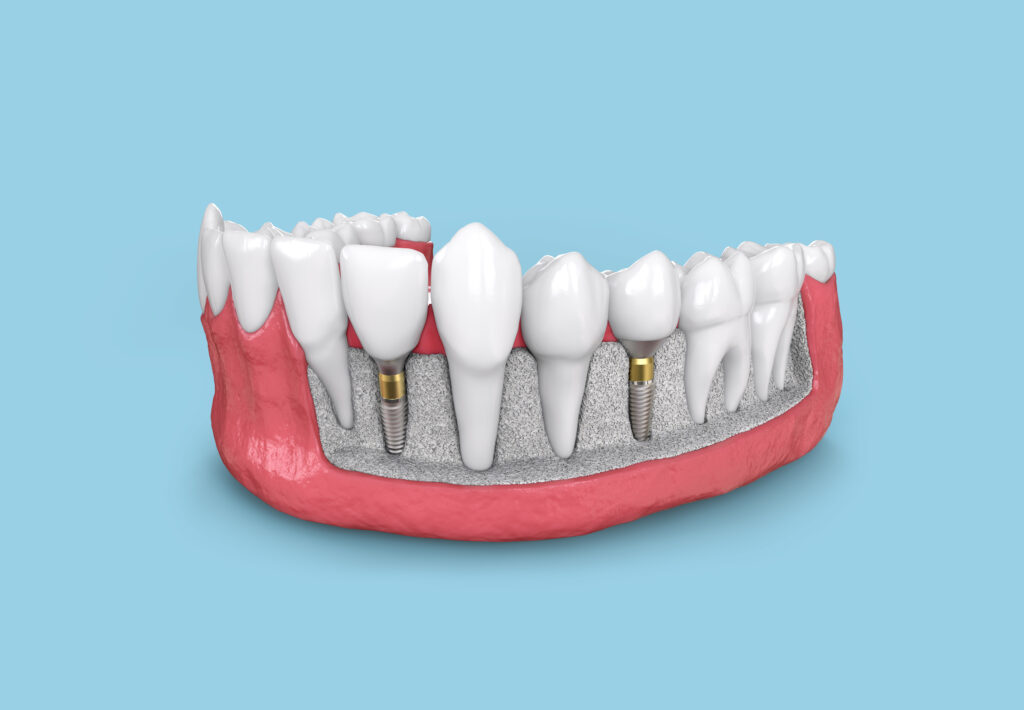
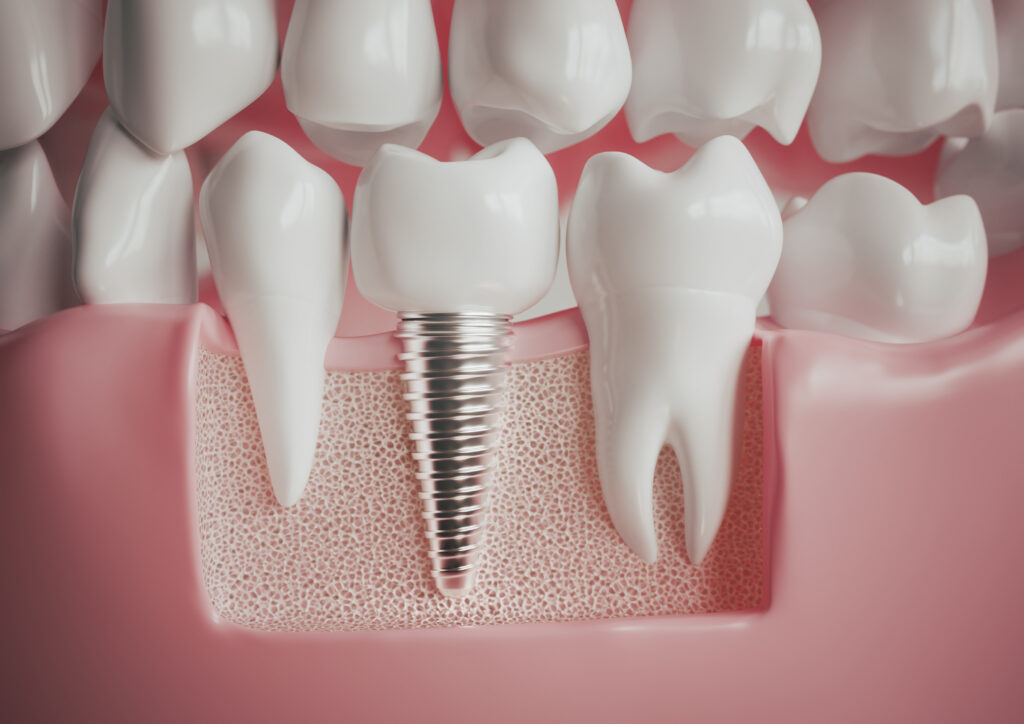
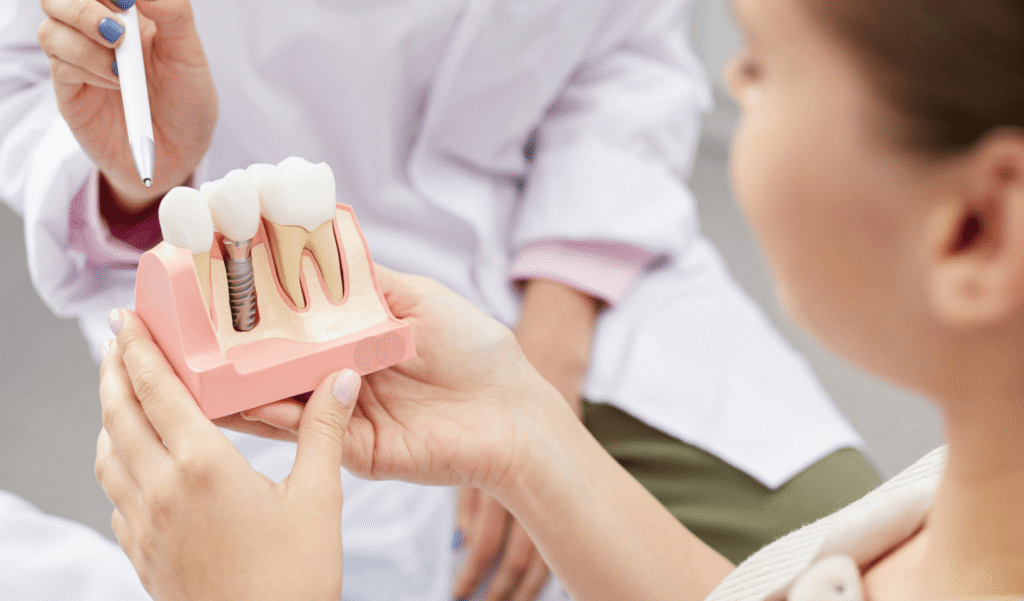
Same-day dental implants are a modern solution that allows you to replace missing teeth in a single visit. The implant is placed right after tooth extraction, and a temporary crown is secured the same day.
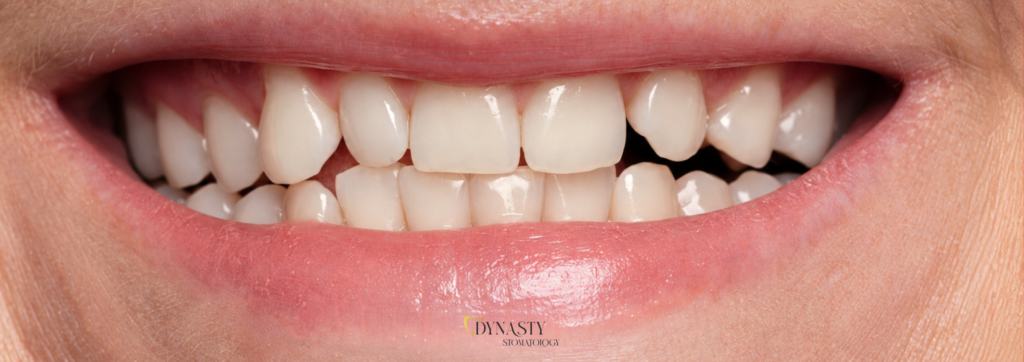
The main goal is to restore function and aesthetics without waiting. The patient leaves the dental clinic with new teeth.
The procedure is based on technologies such as 3D imaging, digital implant planning, and guided implant surgery, which ensure precise implant placement.
Same-Day vs. Traditional Implants
The difference between same-day implants and traditional methods lies in the treatment approach itself. This includes how quickly the patient receives results, how many stages they need to undergo, and how comfortable the entire process is. For many, this is the deciding factor.
Understanding these differences helps you evaluate in advance which option is best for your specific situation, taking into account your health, expectations, and desired outcome.
| Criteria | Same-Day Implants | Traditional Method |
|---|---|---|
| Timing | Placed on the same day | Requires a long waiting period |
| Procedure | Extraction and implant placement in one visit | Separate stages |
| Restoration | Crown on the same day or a temporary crown | Delayed final crown placement |
| Healing | Shorter visible recovery | Longer implant healing time |
| Aesthetics | Immediate smile restoration | Delayed results |
| Comfort | Fewer visits | Multiple surgeries |
The traditional method usually involves removing the tooth, allowing it to heal, and then placing the implant. This can extend the treatment time significantly.
By contrast, the same-day dental implant process allows placement of dental implants immediately after extraction. This reduces trauma and speeds up the healing process.
Advantages of Immediate Implantation Over Delayed Implantation
Immediate implantation provides more comfort, better planning, and faster results. This approach shortens the path from a problem to a full smile and makes the entire process more predictable for the patient.
Key advantages:
- Time savings. The traditional approach assumes that the dental implant process can take several months. The patient undergoes extraction, healing, and then implantation. Immediate implantation reduces this process to a single visit, allowing for a quicker return to normal life.
- Fewer procedures. Instead of several surgical stages, a single implant procedure is performed. This reduces stress, reduces the number of visits, and simplifies the entire dental care process.
- Aesthetics from the first day. A temporary crown is placed immediately after placement. This is especially important in the front teeth, where appearance is key. The patient is not left without a tooth, even for a short period.
- Tissue Preservation. After tooth extraction, natural bone loss begins. An implant helps preserve the jawbone and maintains the contour of the gum, preventing bone loss and changes in facial shape.
- Comfort in everyday life. Unlike removable solutions such as dentures, an implant functions like a natural tooth. It does not shift, does not rub, and does not cause discomfort when eating.
- Quick adaptation. The patient doesn’t need to get used to temporary restorations. The new crown feels natural, and speech and chewing are restored more quickly.
- Predictable outcome. Thanks to modern technology and planning, the doctor can see the outcome in advance. This reduces risks and makes the treatment process easier for patients to understand.
How Is Immediate Implantation Performed?
The immediate implantation process begins long before the surgery itself. Preparation and precision at every stage are key. The entire procedure is built around detailed analysis, planning, and achieving primary implant stability, which directly impacts the success of the treatment.
Modern technologies allow the doctor to simulate the outcome in advance. Digital implant planning is used, allowing for precise determination of the implant position, placement angle, and load. This makes implant surgery not only more predictable but also as safe as possible for the patient.
What Are The Steps Of Teeth in a Day Procedure?
Immediate implantation is a clearly structured process, where each stage logically follows from the previous one. It’s important to understand that speed doesn’t mean simplification. On the contrary, this approach requires even greater precision and control at every step. The main stages of the procedure:
Consultation and Diagnosis
Everything begins with a consultation. At this stage, the dentist conducts a comprehensive assessment, analyzes oral health, and checks the bone condition and root area. Modern imaging techniques are also used to obtain an accurate picture. The main goal is to determine whether the patient is a suitable candidate for immediate treatment and whether the procedure can be safely performed in one day.
Tooth Extraction and Implant Placement
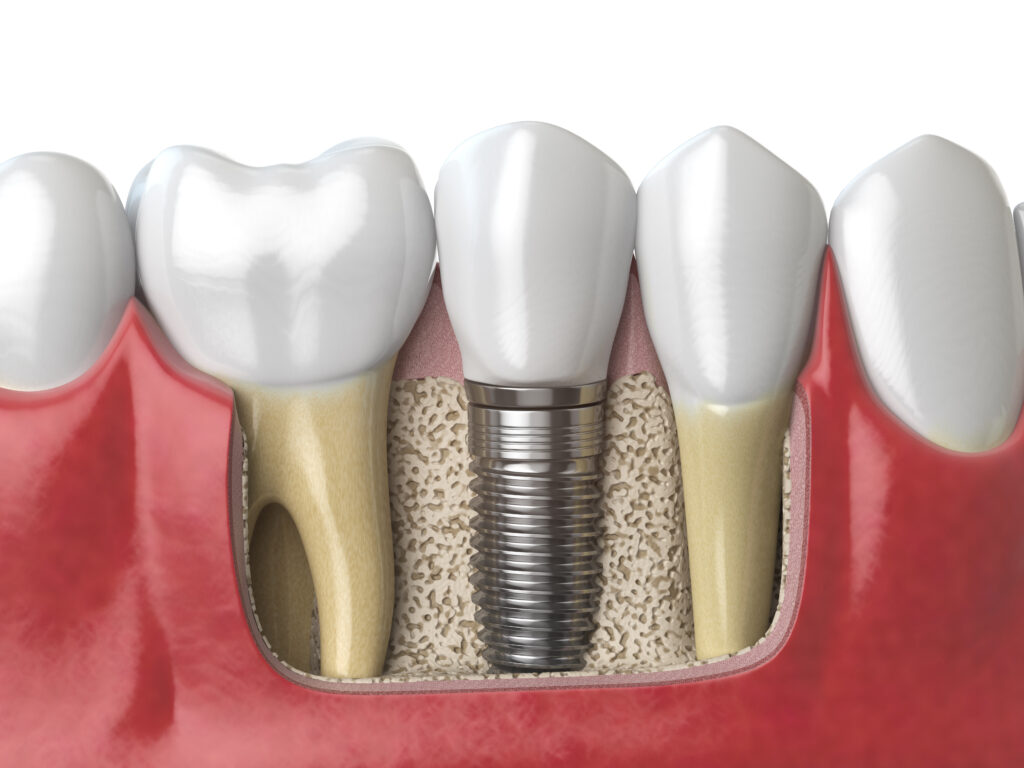
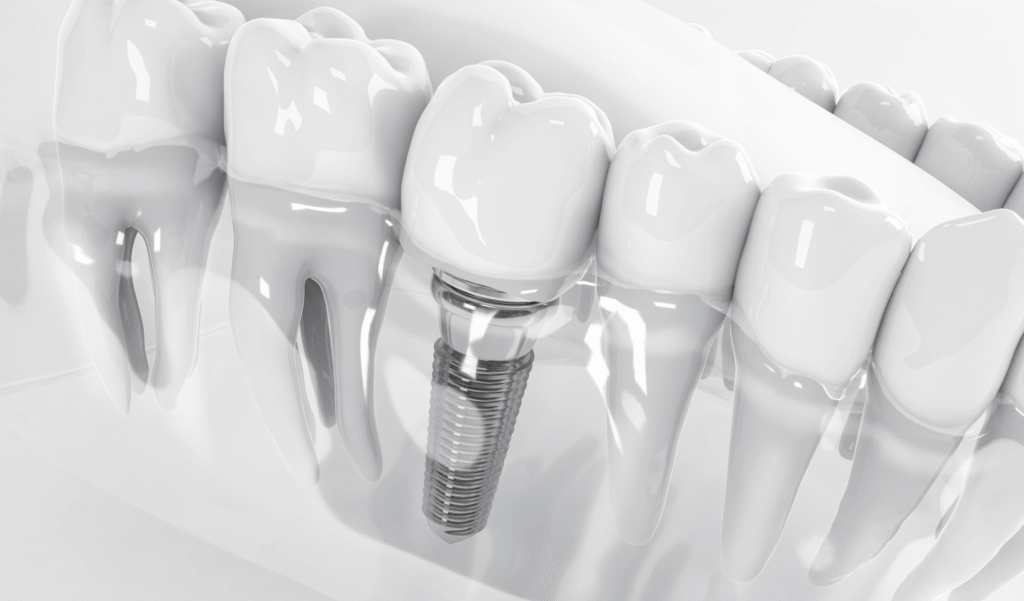
The next stage is extraction and implant placement. Extraction is performed as carefully as possible to preserve the surrounding tissue. Immediately after this, implant placement begins — installation of the implant in the prepared socket. This stage is called extraction and implant placement and is key to immediate implantation. The implant takes over the function of the root and completely replaces the tooth root.
Temporary Crown Placement
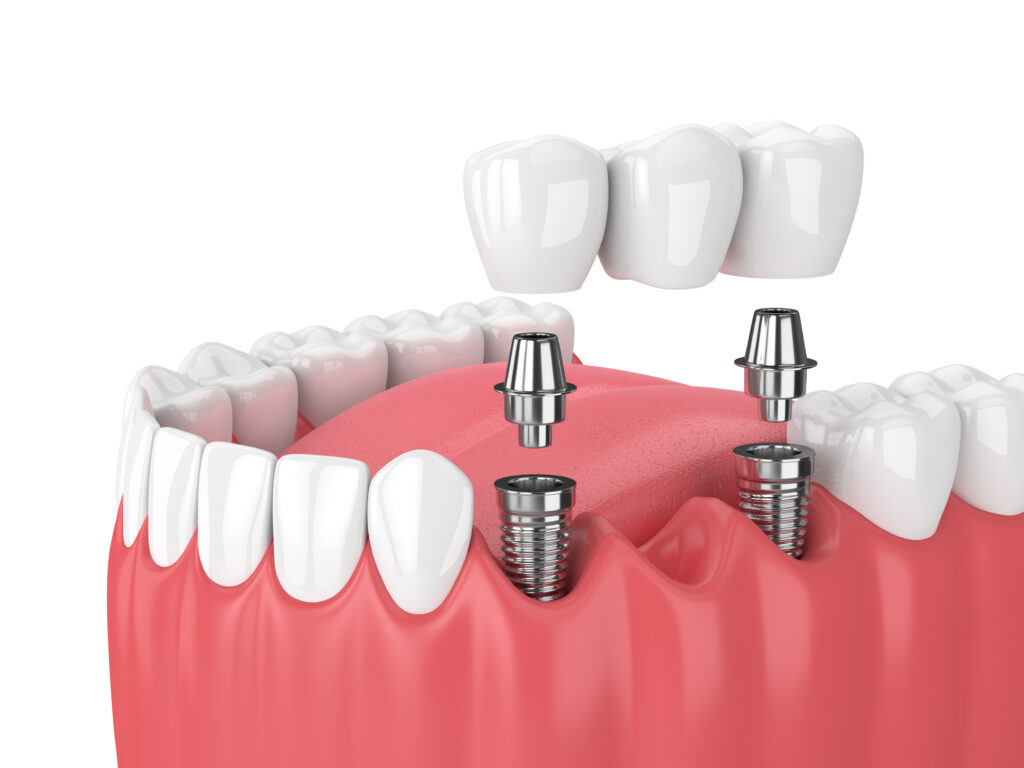
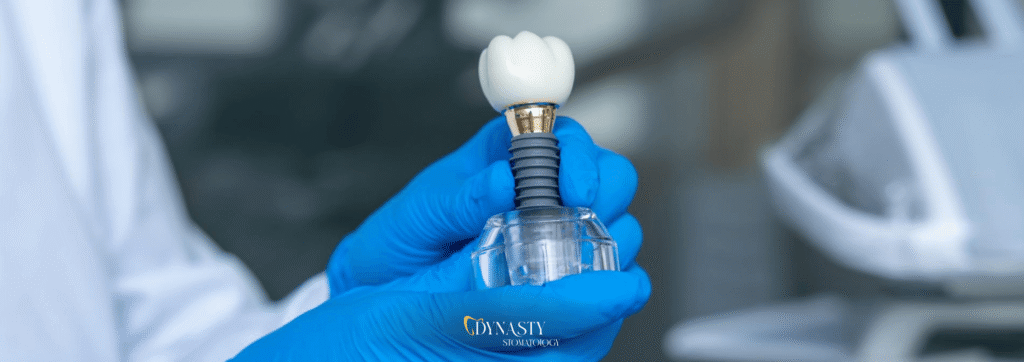
After the implant is secured, immediate loading is performed. This means the patient receives the temporary crown immediately after surgery. The crown is placed the same day and attached to the implant abutment. This allows for immediate restoration of appearance and partial chewing function, without waiting.
Healing and Integration
After placement, a natural healing process begins in which the implant integrates with the bone tissue. This process is called osseointegration. A strong bond forms between the implant and surrounding bone during healing. During this time, it is important to follow your doctor’s recommendations to ensure stability and long-term results.
Candidate For Same-Day Dental Implants
Immediate implantation is not suitable for every patient. Despite the speed and convenience of this method, the decision is always made individually. The doctor evaluates the current situation and long-term risks. The main goal is to ensure implant stability and successful healing.
Before recommending treatment, the specialist analyzes several key factors:
- the presence of missing or damaged teeth and their location;
- the condition and density of the jawbone;
- overall oral health;
- which teeth specifically require replacement (one, several, or the entire arch);
- the presence of concomitant diseases;
- the patient’s willingness to follow the doctor’s recommendations.
The patient’s behavior after the procedure is assessed separately, as adherence to recommendations directly affects the outcome.
The ideal candidate for same-day dental implants is a patient who:
- has healthy gums and no inflammation;
- is in good general health;
- is a non-smoker;
- has sufficient bone volume and quality;
- requires replacement of one or more teeth, especially in the smile zone;
- needs to restore multiple teeth or even a full arch of teeth.
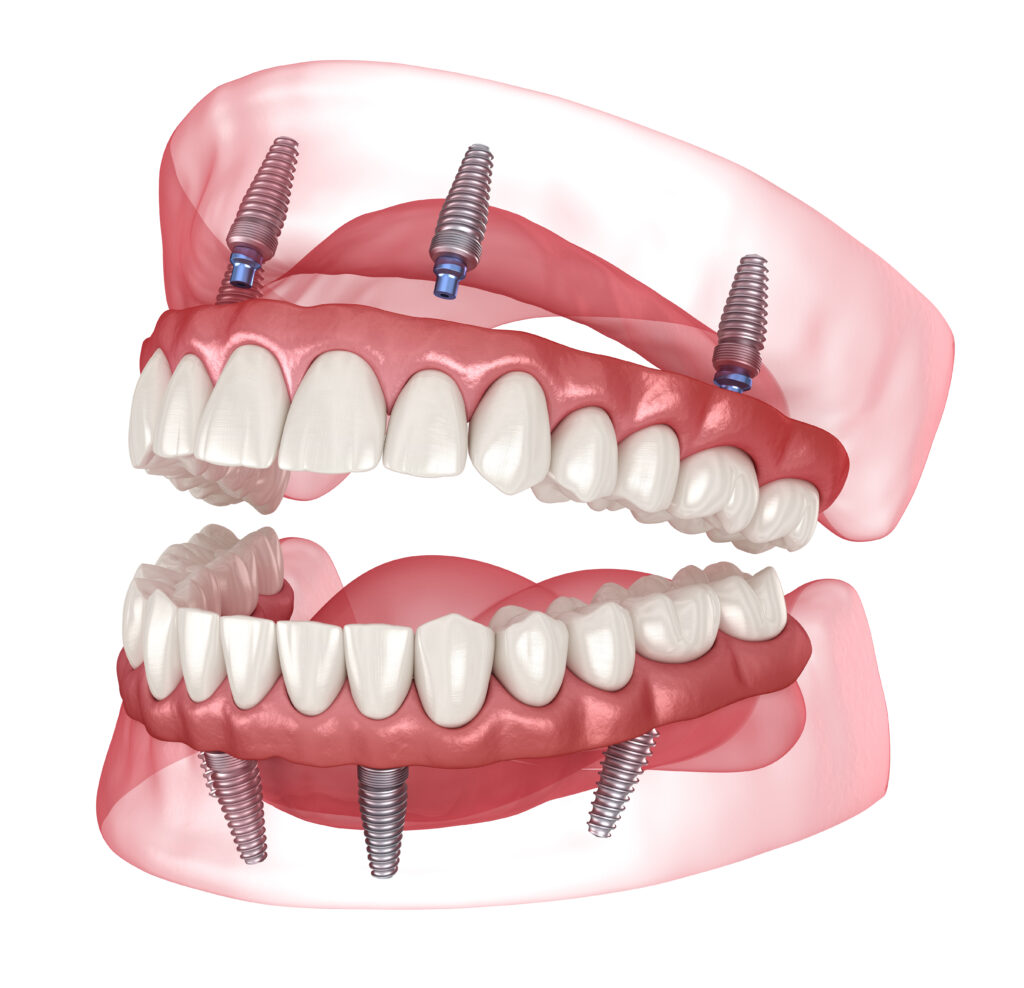
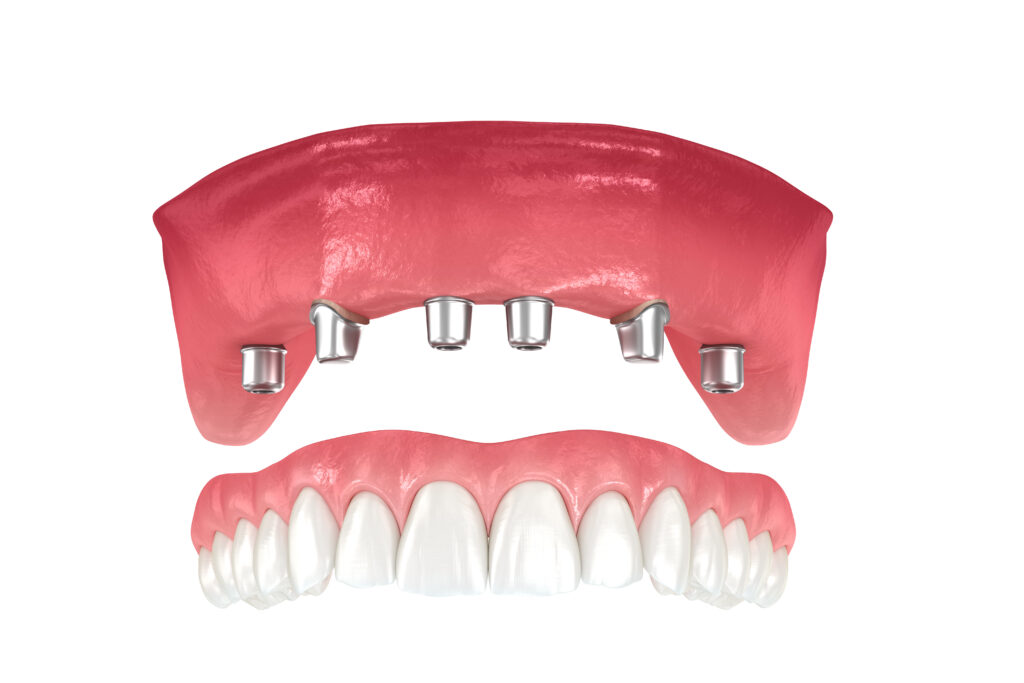
Immediate implantation is also suitable for patients who have already lost all teeth and are considering comprehensive restoration. In such cases, full-arch solutions, including fixed restorations or alternatives to removable dentures, can be used.
Risk of Same-Day Dental Implants
Despite its high effectiveness, immediate implantation remains a surgical procedure. Like any intervention, it has its risks. Most complications can be prevented with proper planning, patient selection, and adherence to physician recommendations. Main risks:
- Infections and inflammation. After implant placement, inflammatory processes around the implant may develop. In more severe cases, this can lead to a condition known as peri-implantitis, which destroys the tissue around the implant. Most often, such complications are associated with poor hygiene or failure to follow care recommendations.
- Implantation failure. For a successful outcome, the implant must integrate with the bone tissue. If this does not occur, implant failure occurs. Causes may include insufficient bone density, errors during placement, or excessive loading of the implant in the early stages.
- The impact of smoking. Smoking is a key risk factor. It impairs tissue blood flow and slows healing.
As a result, the likelihood of complications increases, and the overall success rate of treatment decreases. - Errors in loading and care. If the patient does not follow dietary and care recommendations, this can affect the stability of the implant. It is especially important to avoid excessive loading in the first weeks after the procedure.
- Individual characteristics. Chronic diseases, weakened immunity, or bone problems can affect the outcome. This is why a thorough diagnosis before the procedure is very important.
Why it is Important to Choose a Dentist with Experience
The expertise of the dental specialist is a key factor determining the treatment outcome. Immediate implant placement requires high precision at every stage. There is no “time for corrections” as in the traditional approach.
Even minor errors in implant placement can impact the outcome. For example, incorrect placement angle, inadequate bone assessment, or ignoring anatomical features can lead to implant failure. This increases the risk of complications, increases treatment time, and increases the cost of restoration.
An experienced dentist uses modern technologies, considers bone density, the load on the implant, and predicts its long-term performance. This is especially important for achieving stable osseointegration and minimizing risks.
At Dynasty Stomatology, this approach is at the core of our work. We emphasize not only rapid results but also reliability. Using digital planning, photo protocols, and a personalized approach, we monitor every stage of treatment and ensure a predictable outcome.
FAQs about Immediate Dental Implant Placement
-
The procedure is performed using modern anesthesia, so during the placement of an immediate dental implant, patients typically do not feel pain. After the procedure, mild discomfort is possible, but it is manageable and temporary. Overall, thanks to the immediate dental approach, patients often report a more comfortable experience compared to traditional multi-stage treatments.
-
With the right approach and consistent proper care, long term implant success can last for decades. The longevity depends on the quality of placement, bone condition, and oral hygiene. In modern implant dentistry, implants are considered one of the most durable tooth replacement solutions.
-
Not every patient is suitable for this procedure, as factors like the number of teeth, bone condition, and the health of surrounding teeth must be evaluated. This method, also known as immediate implant placement, requires stable conditions. That is why a specialist carefully determines whether the placement procedure can be safely performed.
-
If the bone does not heal properly after dental implants are placed, it can affect the long-term success of dental implants. In rare cases, the implant may lose stability. However, with proper monitoring and follow-up care, such risks are minimized and can be managed early.
-
One of the key advantages is that results are achieved on the day of surgery. Patients often experience immediate results because the crown is placed at the time of placement. While full healing takes longer, both function and appearance are restored right away.
-
Right after the procedure, it is recommended to eat soft foods to avoid excessive pressure on replacement teeth. Even though implants work like natural teeth, reducing pressure in the first weeks is essential. This helps ensure stability and proper healing.
-
At first glance, the cost may be higher compared to traditional implants, but it is important to consider the overall treatment scope. This method, also known as same-day implants, often reduces the number of visits and procedures. As a result, it can be a justified investment considering all the benefits of same-day dental implants.
-
Caring for implants is similar to maintaining natural teeth and directly affects your quality of life. Regular brushing, good hygiene, and dental checkups are essential. Like any prosthetic teeth, implants require attention, but implants provide greater comfort and stability than traditional dentures.
Get Your New Smile Today at Dynasty Stomatology
Dental implants have revolutionized the approach to dental restoration. If you’re missing one or more teeth, day dental implants allow you to quickly restore a full set of teeth without a long wait. This method not only restores aesthetics but also protects adjacent teeth, preserving their health.
At Dynasty Stomatology, we emphasize the high success rate of immediate implantation, ensuring comfortable treatment and minimal recovery time. Thanks to modern technology, the procedure offers immediate results and allows you to make immediate changes to your smile on the same day you visit.