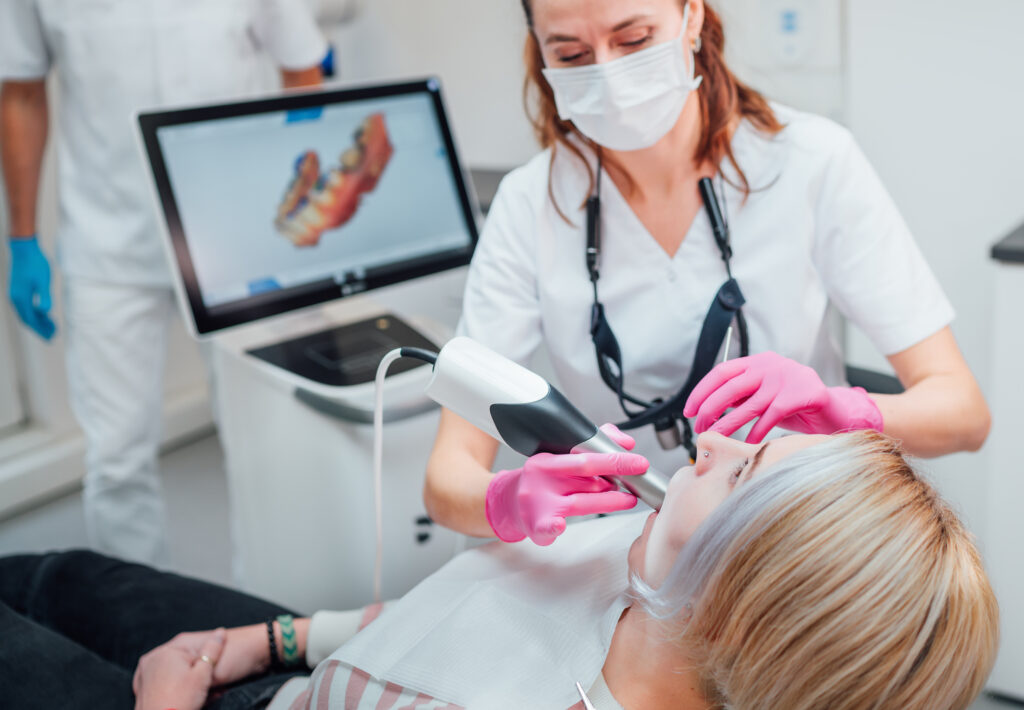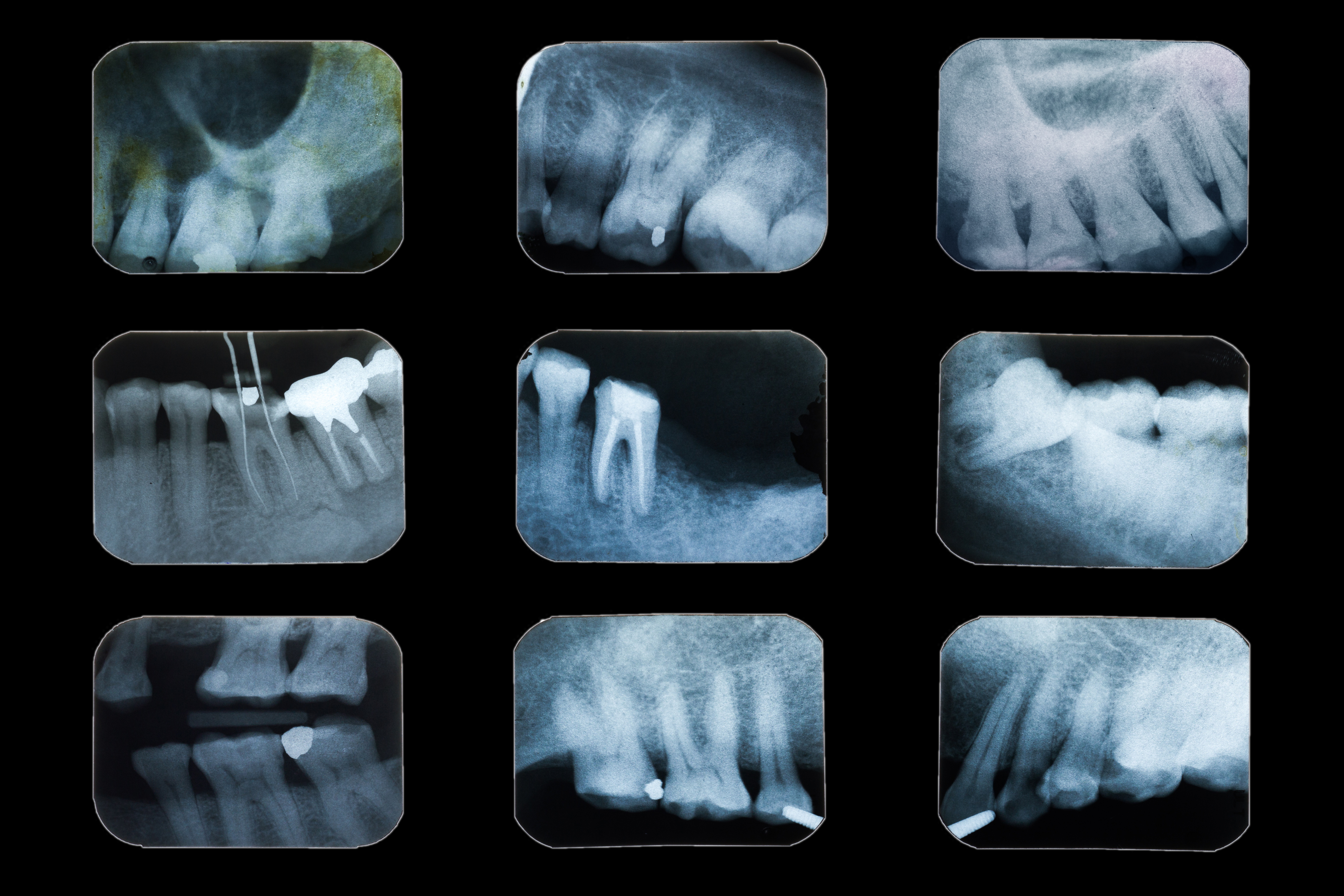


Panoramic dental imaging plays a crucial role in modern diagnostics, allowing dentists to see the full picture of a patient’s oral health in one detailed scan. This comprehensive view helps identify issues that may not be visible during a standard check-up, making it an essential tool for accurate treatment planning.
What Is Panoramic X Ray?
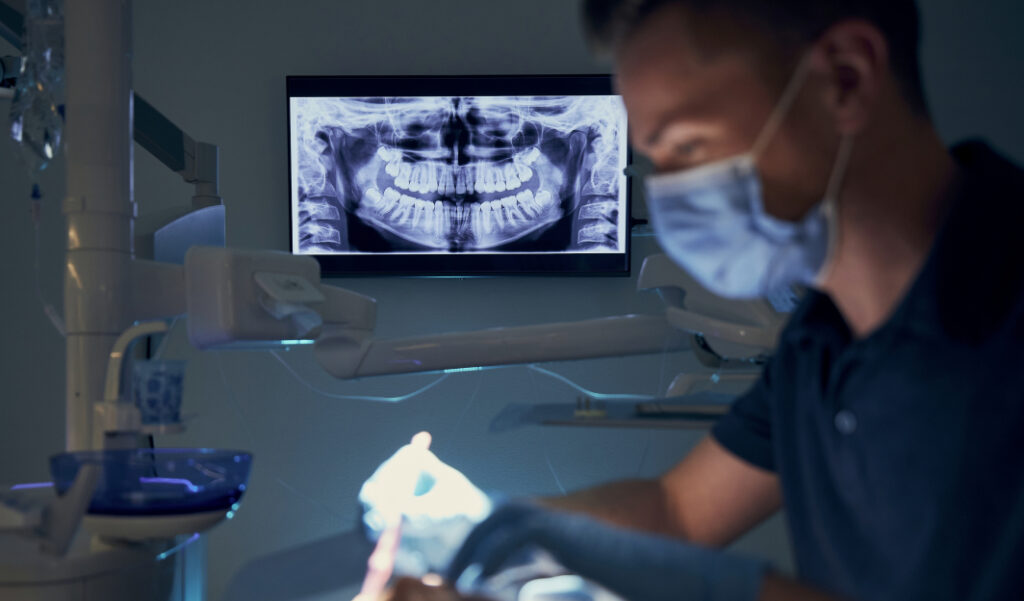
A panoramic x-ray is a type of dental imaging that captures a single, wide view of the entire mouth, including all teeth, upper and lower jaws, and surrounding structures. This panoramic dental x-ray provides a detailed image that helps the dentist diagnose hidden issues and plan effective treatments. The procedure uses a panograph, a specialized device designed to capture detailed panoramic images of the teeth and jaw.
The Role of Panoramic X-rays in Preventive Dentistry
A panoramic xray is an important diagnostic tool that supports early detection and prevention of oral health issues. This digital x-ray procedure helps dentists monitor the overall condition of the teeth and jaw and guide timely treatment.
How Does a Panoramic X-ray Work?
A panoramic x-ray works by rotating a specialized panoramic x-ray machine around your head to capture a full picture of your entire mouth in one image. Unlike intraoral x-rays, this technique uses a low dose of radiation to safely create a detailed panoramic image dental professionals can use to detect dental problems in the teeth and jaw. The process is quick, non-invasive, and essential for digital diagnostics in modern dental care.
When Is A Panoramic X-Ray of Teeth Needed?
A dental panoramic x ray is typically recommended in the following situations, where a broad view of the teeth, jaw, and surrounding structures is essential for accurate assessment and planning:
- Assess the progression of TMJ;
- Diagnose cysts and irregularities;
- Show impacted teeth;
- Diagnose TMJ;
- Treatment plans including dentures (full and partial), braces, and implants;
- Monitor gum disease and cavities;
- Assess patients who are extremely gag-sensitive.
How Often Are Panoramic X-Rays Needed?
The frequency of panoramic x-rays varies based on individual dental health and treatment plans. In general, how often do you need dental x rays — including panoramic ones — depends on your risk factors and symptoms. Most patients with normal dental health benefit from a panoramic x-ray every 3 to 5 years as part of their routine dental check-ups.
However, those undergoing orthodontic treatment, planning for implants, or managing conditions like TMJ disorders or gum disease may require them more frequently. Your dentist will recommend the ideal schedule to ensure accurate diagnosis and minimal radiation exposure.
Are There Any Risks Associated with Panoramic X-Rays of Teeth?
A panoramic x ray dental exam is considered safe and uses a low radiation dose, especially when compared to other imaging methods. The x-ray image captures the full jaw in one shot, making it an efficient and non-invasive option.
While exposure to radiation is always a factor, modern panoramic xray dental machines are designed to minimize risk, even for children’s teeth. Protective measures like lead aprons are used to further reduce any possible exposure.
The Process: What to Expect During a Panoramic X-ray
Getting a panoramic dental x ray is a quick and simple x-ray examination that captures a full view of your teeth and jaw.
Procedure Stages:
- Preparation. You’ll be asked to remove jewelry or metal objects before getting a panoramic image.
- Positioning. You’ll stand or sit still while the panoramic xray teeth machine positions your head properly.
- Imaging. The machine rotates around your head and takes a detailed panoramic photo of your individual teeth and jaw.
- Completion. The procedure is complete in under a minute, and your dental center will review the image for diagnostic use.
Benefits of Panoramic X-rays Over Traditional X-rays
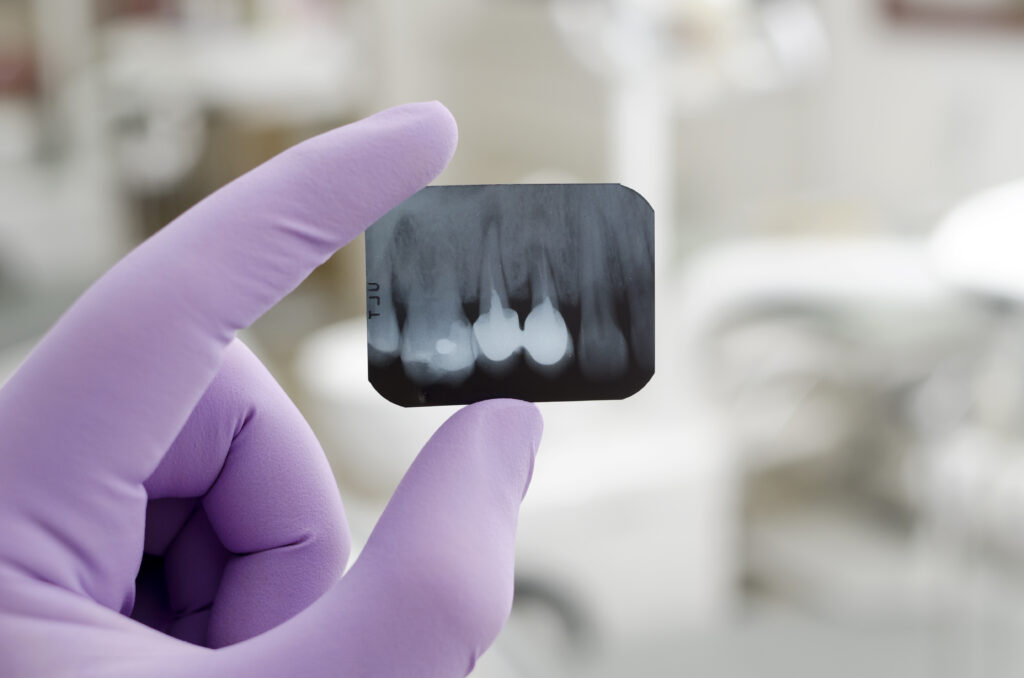
The dental x ray name “panoramic x-ray” refers to a modern imaging technique that offers several advantages compared to traditional bitewing or intraoral x-rays:
- Broader Coverage. Panoramic radiography captures the entire mouth, including teeth, jaws, and surrounding structures, in one comprehensive image.
- Reduced Radiation Exposure. This method uses a lower dose of radiation compared to multiple traditional x-rays, making it safer for patients.
- Greater Convenience. The procedure is quick and comfortable, requiring less time and fewer adjustments than standard x-rays, ideal for yearly dental checkups and early detection of dental issues.
Comparing Panoramic X-Rays with Cone Beam CT (CBCT): When to Choose What
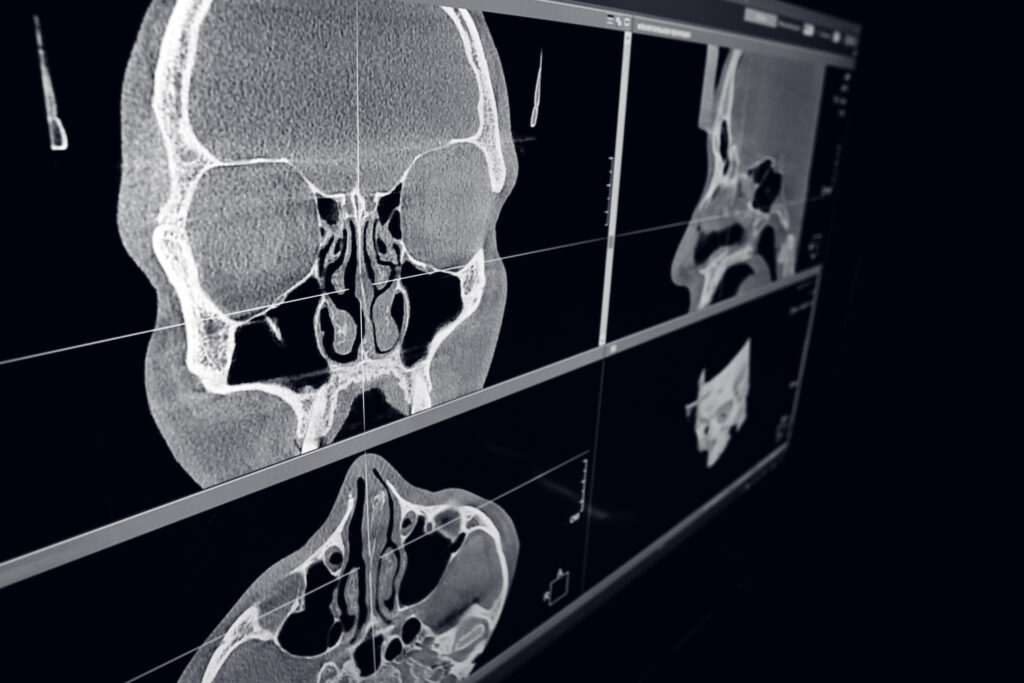
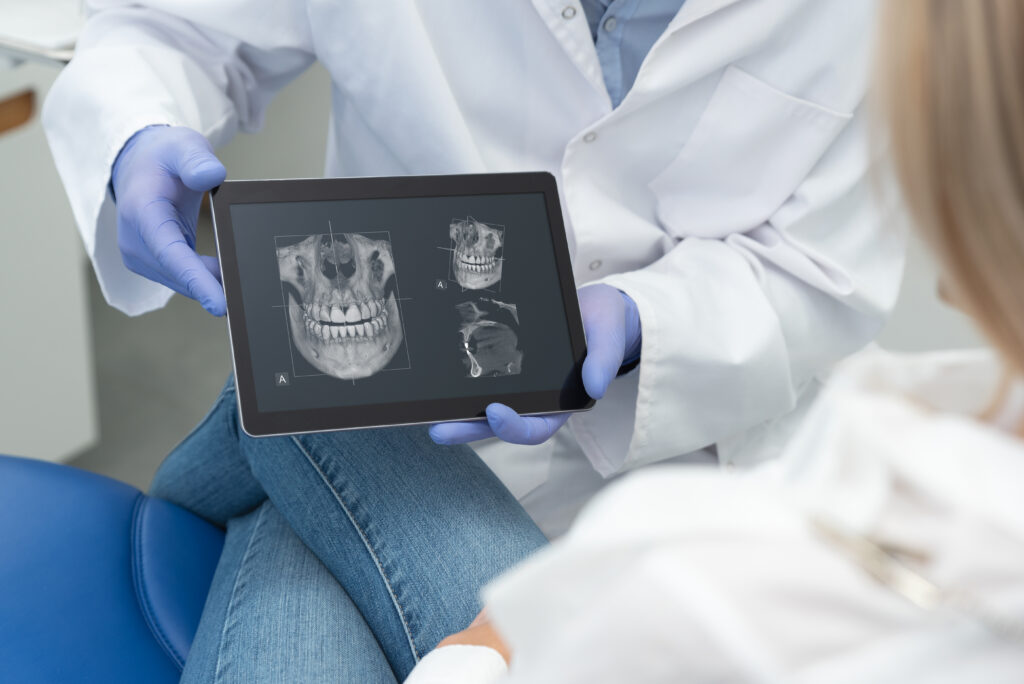
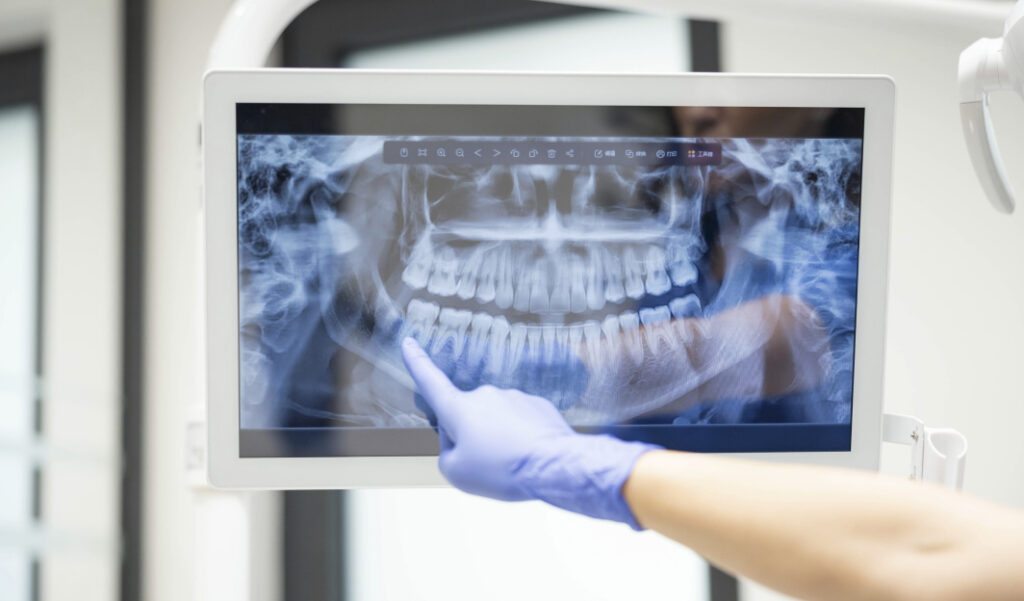
Panoramic x-rays provide a broad 2D view of teeth and jaws, ideal for routine checkups and initial diagnostics. In contrast, Cone Beam CT (CBCT) offers detailed 3D images necessary for complex cases like dental implants or impacted wisdom teeth. Choosing between them depends on the dental history, treatment needs, and what do dental x rays show for your condition.
Where Can I Get the Best Panoramic X-Ray?
At Dynasty Stomatology in Poland, you can get the best panoramic x-ray experience thanks to our modern panographic equipment and advanced digital technology. Our experienced dentists ensure accurate diagnostics and personalized care, making your panoramic teeth x ray safe, comfortable, and effective.
How often should you get dental x rays is determined personally by your dentist, depending on the condition of your periodontium.
Check with your dental insurance to see if panoramic x-rays are covered as part of your plan.
Panoramic X-ray of Teeth – Conclusion
In conclusion, a panoramic x-ray teeth procedure is a valuable diagnostic tool that provides a comprehensive view of your oral health in a single image. Knowing how often dental x rays are needed depends on individual needs and dental history, so it’s important to call your dentist for personalized advice. Utilizing advanced panorama technology, this safe and efficient method supports long-term dental care and early detection of potential issues.
FAQ
-
Yes, panoramic X ray teeth use a low dose of radiation and are considered safe for most patients.
-
The frequency depends on your dental history and needs; consult your dentist for personalized advice.
-
Children may need panoramic x-rays to monitor dental development or detect issues early.
-
They are important for comprehensive dental diagnostics and treatment planning.
-
Panoramic x-rays are generally avoided during pregnancy unless absolutely necessary and with proper shielding.
-
Yes, panorama x ray can reveal abnormal growths like tumors or oral cancer.
-
No, the procedure is painless and usually quick.
-
The process typically takes just a few minutes.
-
Yes, there are no dietary restrictions before the x-ray.
-
Panoramic x-rays can detect larger cavities, but bitewing x-rays are better for detailed cavity detection.