




The use of a microscope in dental treatment has revolutionized modern dentistry, allowing for unparalleled precision and accuracy. By magnifying even the smallest details, it enables dentists to diagnose problems earlier and perform treatments with greater effectiveness. This advanced technology enhances patient outcomes while preserving more of the natural tooth structure.

What is a Dental Microscope?
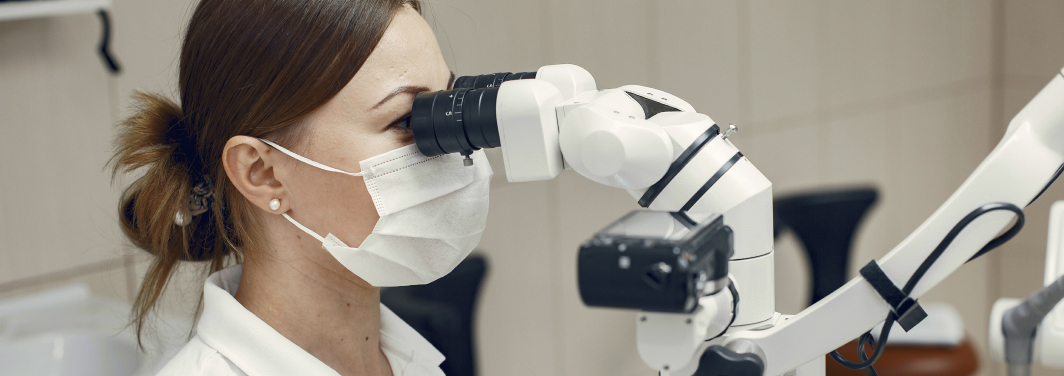
A dental microscope is a specialized optical device that provides high magnification and illumination, allowing dentists to see fine details of teeth, gums, and root canals that are invisible to the naked eye. Treatment performed with such a device is called endoscopic or microscopic dentistry, as it uses enhanced visualization to improve accuracy, precision, and treatment quality.
How Does a Dental Microscope Work?
A dental microscope works by providing high magnification and bright, shadow-free illumination, allowing the dentist to clearly see even the smallest treatment area. The microscope allows precise visualization of dental structures, which improves treatment outcomes and enables more conservative treatment under a microscope. In endodontic procedures, such as complicated root canal therapy, the dental operating microscope helps enlarge the treatment field, ensuring accuracy and preserving healthy tooth structure.
The role of the microscope in early diagnosis of dental diseases
The use of a dental microscope significantly improves the early diagnosis of dental diseases by enhancing visibility and precision:
- Magnification provided by the microscope enables detection of small lesions and subtle dental pulp changes.
- Microscope allows the dentist to enlarge the treatment area for better assessment.
- Microscope provides improved diagnostic and treatment capabilities compared to traditional treatment.
- Using dental operating microscopes leads to more accurate diagnosis and treatment outcomes.
- Microscope-assisted dental procedures support conservative treatment under the microscope.
- The microscope gives better treatment success rates and shorter treatment sessions.
- Use of a dental microscope is worth considering in developed dental specialties for early intervention.
- Treatment under the microscope helps preserve healthy tooth structure and improves dental care overall.
Microscope and quality control during treatment
Using a dental microscope during treatment enhances quality control by allowing the dentist to carefully monitor every step of the procedure in real time. This precise visualization helps identify any imperfections or remaining debris that might be missed with the naked eye, ensuring thorough cleaning and accurate placement of restorative materials. As a result, the microscope supports higher standards of care and reduces the risk of complications after treatment.
Use of the microscope in aesthetic dentistry
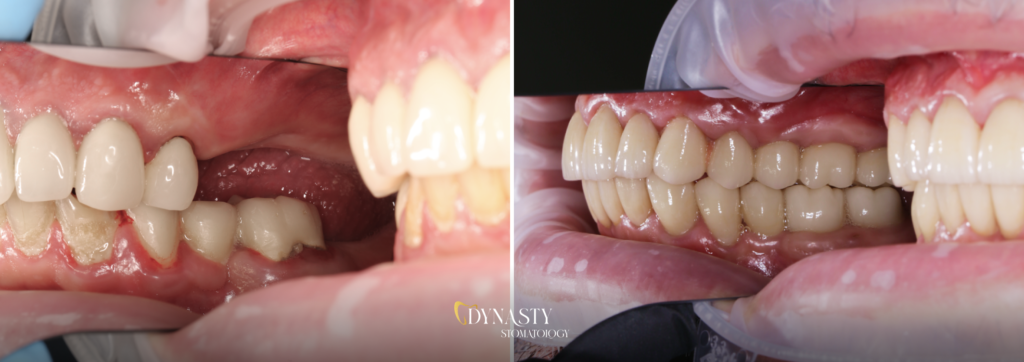
The dental microscope allows dentists to magnify the treatment area, providing enhanced visibility for delicate procedures such as veneers, bonding, and crown placements. This results in more accurate shaping, better fitting restorations, and a natural-looking finish that preserves healthy tooth structure.
Benefits of using dental operating microscopes in aesthetic dentistry include:
- Enhanced detail for color matching and contouring.
- Minimally invasive treatment with greater preservation of enamel.
- Improved treatment outcomes and patient satisfaction.
Overall, microscope-enhanced dentistry offers a higher standard of care and refined aesthetic results compared to traditional methods without a microscope.
Major benefits of using dental operating microscopes
The dental microscope is widely used in surgical dentistry and provides numerous advantages that enhance the quality of care. By using a microscope, dental professionals benefit from:
- Enhanced Visualization: The microscope provides superior magnification levels, allowing dentists to see fine details in the treatment area.
- Improved Accuracy: Precise visualization leads to more accurate procedures, especially in delicate surgeries and endodontic treatment under a microscope.
- Far Better Outcomes: Microscope dentistry improves treatment success rates by enabling thorough and careful work on dental structures.
- Minimized Invasive Procedures: Using a dental operating microscope allows for conservative treatment, preserving more healthy tooth structure.
- Improved Patient Communication: The microscope view can be shared with patients, helping them understand the treatment process better.
These benefits of dental operating microscopes make them a valuable tool in modern dental treatment procedures and are worth considering for various dental specialties.
What dental work cannot be performed without a microscope?
Certain dental procedures cannot be effectively performed without the use of a dental microscope, as it provides the necessary magnification and precision. The use of an endodontic microscope or dental operating microscope is essential for:
- Therapy of tooth canals: Precise canal treatment under the microscope ensures thorough cleaning and disinfection.
- Tooth canal filling: Accurate placement of filling material is achieved using canal treatment under a microscope.
- Work with the open root of tooth apex: Surgical microscope assistance is crucial for treating the root apex effectively.
- Therapy of cysts and granulomas: Microscope enhanced dentistry allows better visualization during the removal and treatment of cysts.
- Teeth restoration: Microscopio dental improves the precision and quality of restorative work.
- Enamel «white spots» diagnostics: Microscope dentistry enables early and accurate detection of enamel defects that are otherwise hard to see.
These treatments rely heavily on the magnification provided by dental microscopy, making the microscope an indispensable tool in modern dental care.

Dental Microscope vs. Traditional Tools
Traditional dental treatment relies on the naked eye and basic dental instruments, often performed using a regular dental chair without magnification. In contrast, dental treatment under a microscope provides significant advantages. A root canal dental microscope offers enhanced visualization by magnifying the treatment area, allowing for more precise and conservative treatment.
While traditional treatment consists of standard procedures with limited detail visibility, microscope dentistry enables the dentist to see small treatment areas clearly, improving treatment outcomes and reducing the risk of complications. Although the price of root canal treatment using a dental microscope may be higher, the benefits include better accuracy, shorter treatment sessions, and preservation of healthy tooth structure.
Can Patients View What the Dentist Sees Using a Dental Microscope?
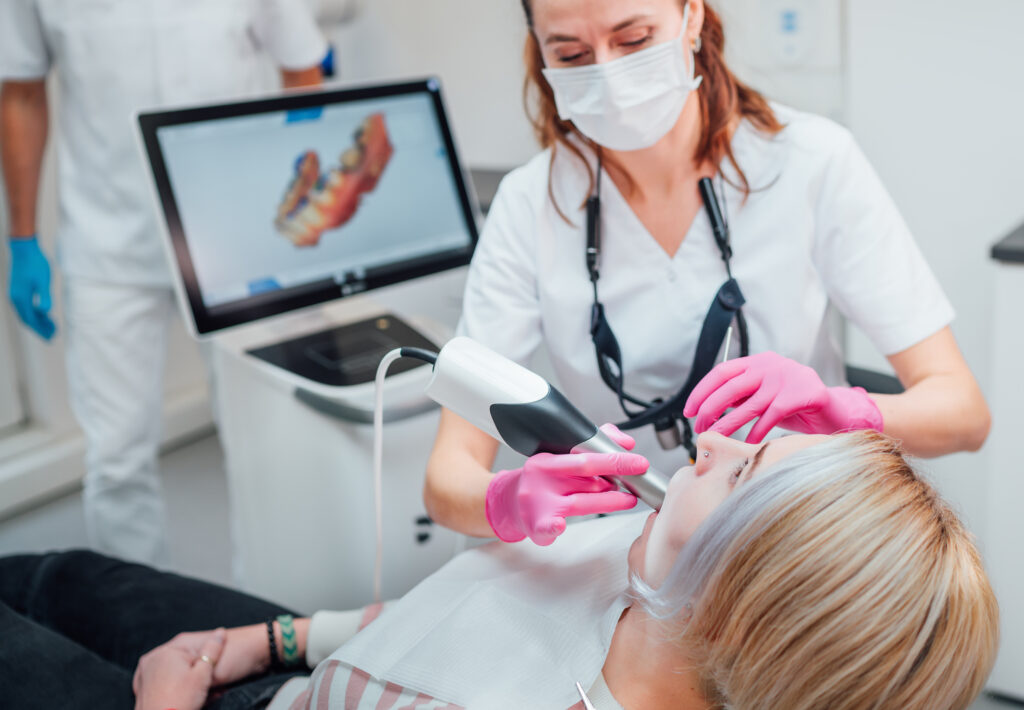
Most patients cannot directly see what the dentist observes through the microscope in dentistry, as it is primarily designed for clinical work. In some advanced dental expert clinics, however, the image can be transmitted to a monitor, allowing patients to watch the process in real time. This can enhance understanding of procedures such as tooth after root canal treatment or dental implants.
Why Should You Choose a Dentist Who Utilizes a Dental Microscope?
Choosing a dentist who performs dental treatment under the microscope ensures exceptional precision, as microscopes provide magnification levels that help detect the smallest details invisible to the naked eye. This approach improves the quality of primary treatment, increases the success rate for cases such as tooth after endodontic treatment, and allows for more comfortable dental care.
According to the International Dental Journal, the use of a dental microscope surgical technique is worth considering treatment for complex cases where accuracy is crucial. For advanced and precise care, visit Dynasty Stomatology in Poland.
Is a Dental Microscope Suitable for Every Patient?
A microscope dentaire can benefit many patients, but its use depends on the specific case and the complexity of the treatment of dental issues. Since microscope is one of the most precise tools in modern dentistry, treatment also becomes more accurate and predictable when microscopes are used.
FAQ
-
Yes, it allows early detection of problems that may not be visible otherwise.
-
Yes, it is generally more available in private clinics due to cost and equipment access.
-
Sometimes, as microscope depends on precision, procedures may require more time.
-
Risks are minimal and mostly relate to the cost of such procedures.
-
Yes, they can improve accuracy and aesthetics in such treatments.
-
Prices vary depending on the clinic, location, and complexity.
-
Treatment depends on the tooth’s condition and the possibility of restoration.
-
It involves magnified visualization of canals for precise cleaning and sealing.
-
No, but it significantly increases the chances of long-term preservation.
-
Digital imaging, ultrasonic tools, and illumination systems are often used.
-
No, it is performed under anesthesia for patient comfort.