
Tooth loss is a situation faced by people of all ages. Some put off treatment for months, becoming accustomed to chewing on only one side. Others become self-conscious about smiling and try to talk or laugh less in public. And some are convinced that a single missing tooth is a minor issue that won’t affect anything. But over time, the problem becomes more noticeable. Your bite changes, the pressure on your teeth is distributed incorrectly, and bone tissue gradually diminishes.
Just a few years ago, the main options were removable dentures or bridges with the grinding down of adjacent teeth. Today, dentistry offers a more modern solution: dental implants. They look natural, feel like your own teeth, and help restore not only the aesthetics of your smile but also complete comfort in everyday life.
However, many questions remain about implants. Is implant placement painful? How long does treatment take? How long do implants last? And are they truly suitable for every patient?
In this article, we’ll discuss what dental implants are, the different types of implants, the installation procedure, and what’s important to know before treatment.
What are Dental Implants?
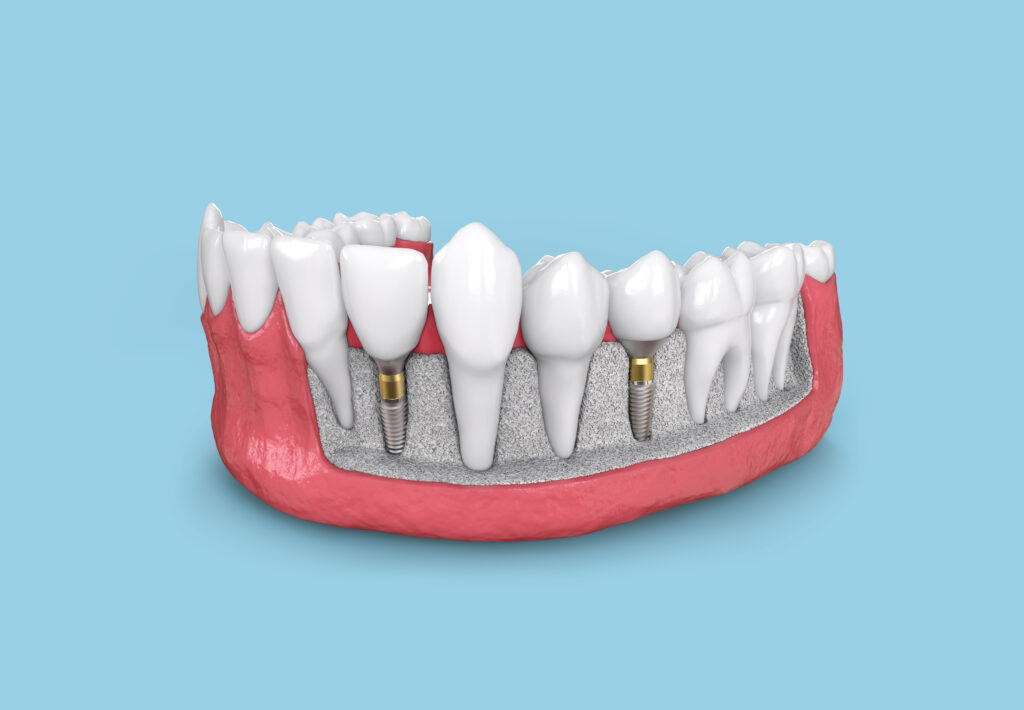
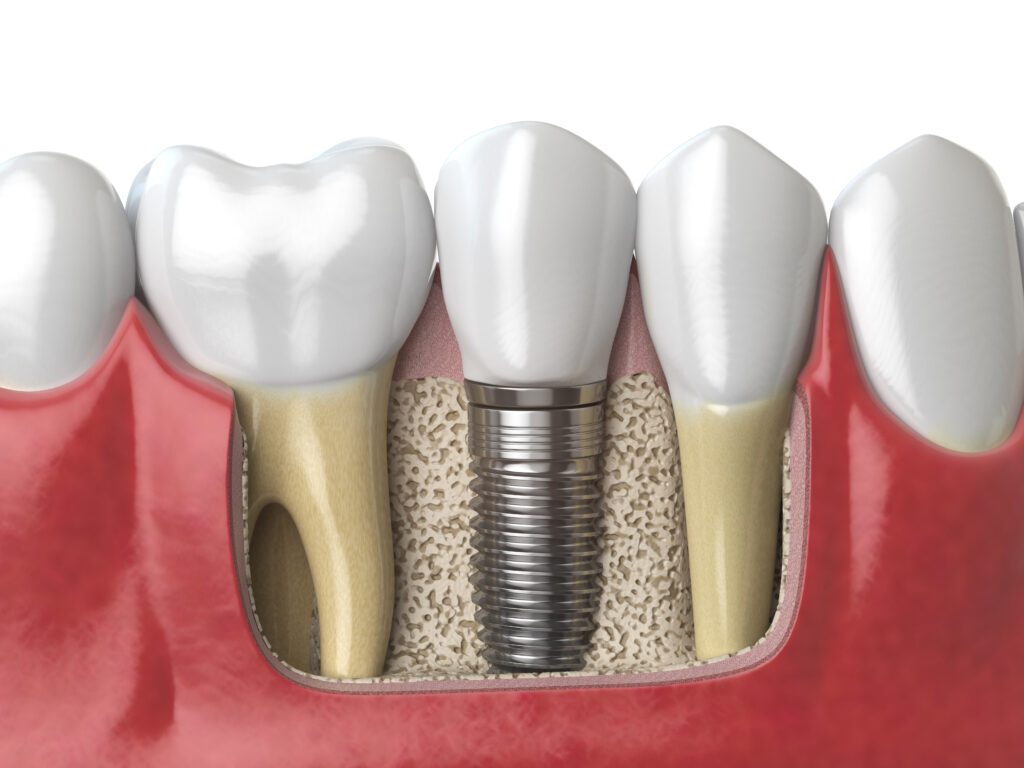
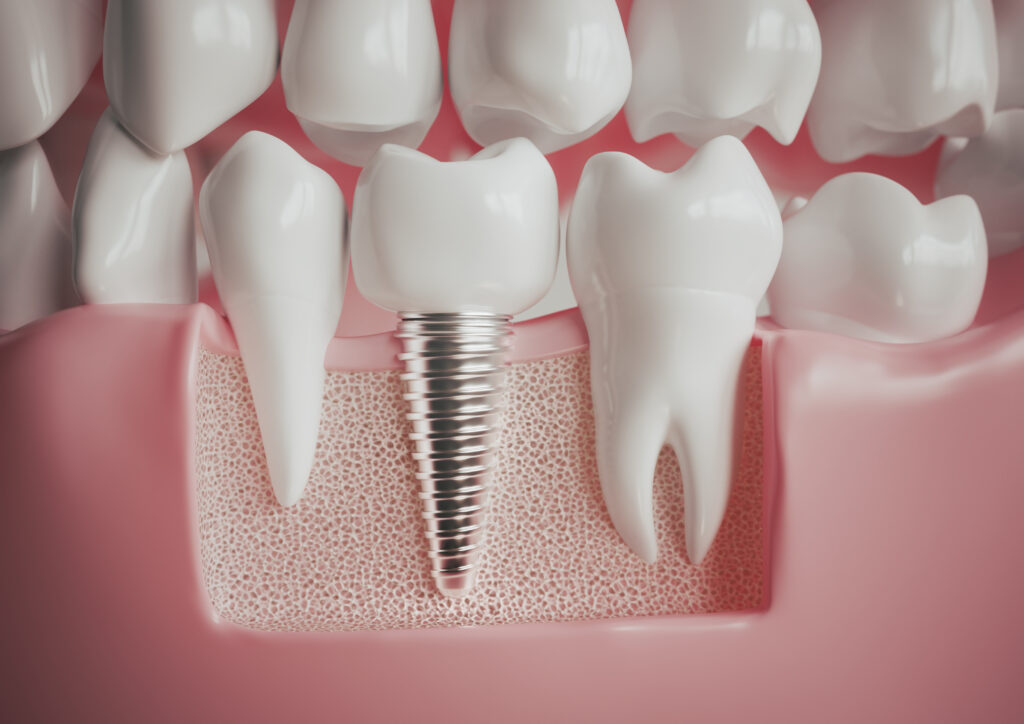
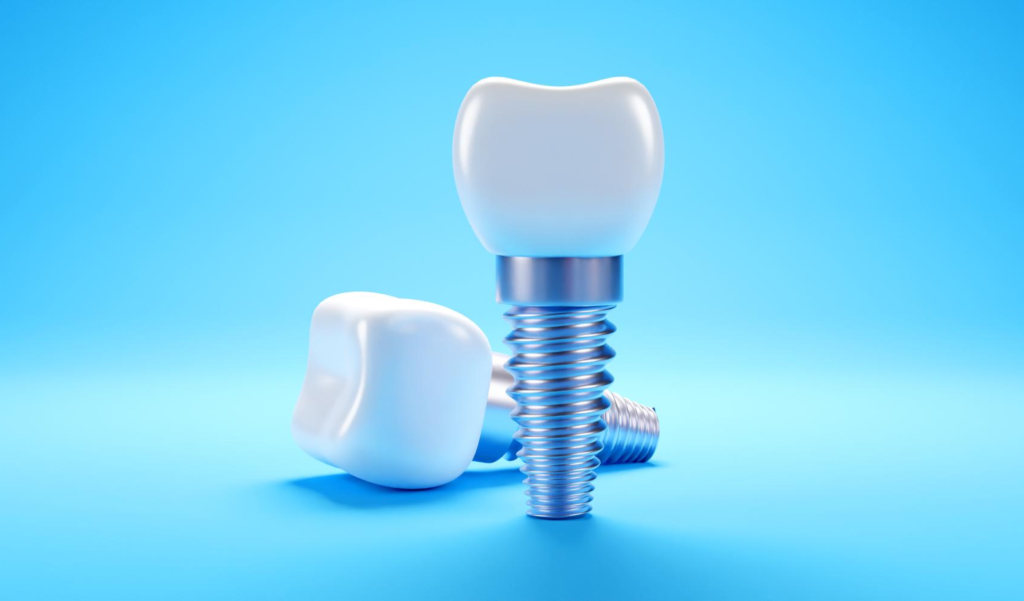
Dental implants are artificial structures designed to replace missing teeth. They mimic the root of a natural tooth and create a reliable foundation for subsequent prosthetic restoration.
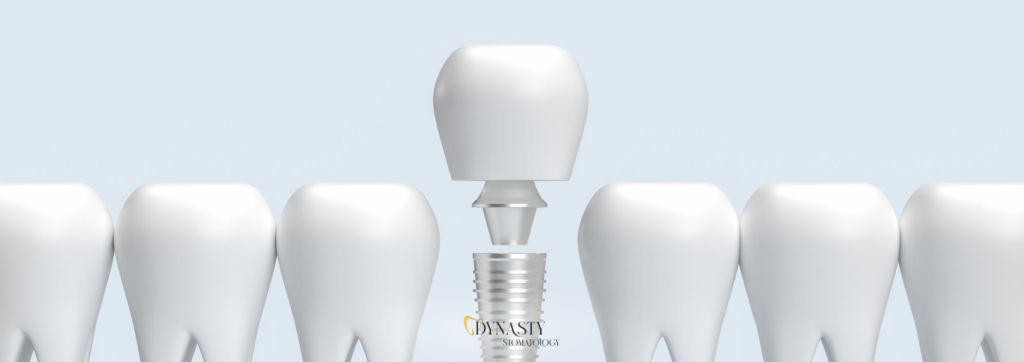
Restoring a missing tooth typically involves three elements:
- a titanium screw inserted into the jawbone;
- an abutment connecting the implant to the crown;
- a prosthetic crown that restores the visible portion of the tooth.
The titanium implant gradually fuses with the jawbone and becomes a stable support for the future restoration. Unlike removable dentures, implants remain immobile and feel like natural teeth.

Types of Dental Implants
A dentist selects an implant system individually for each patient. The choice depends on the bone condition, the patient’s health, and treatment goals.
Implant Material
- Titanium Implants. Titanium remains the most popular material in implantology. These implants are strong, lightweight, and well-tolerated. Most modern implants are made of titanium, as this material effectively fuses with bone tissue.
- Zirconium implants are used as a metal-free alternative, especially in aesthetically important areas.
Implantation method
- Endosseous implants. This is the most common option. The implant is placed directly into the bone tissue.
- A subperiosteal implant is placed under the gum but above the bone. This option is used when bone volume is insufficient.
- Zygomatic implants. These are used in complex cases of severe maxillary atrophy.
Implantation system
- Single-phase implants. In this case, implant placement and abutment fixation are performed in a single stage.
- Two-phase implants. Require a healing period before the permanent structure is placed.
Benefits of Dental Implants
Dental implants offer better stability and aesthetics than removable dentures. When comparing the benefits of dental implants vs traditional methods, implants provide more comfortable chewing and confidence in everyday life. The main advantages of dental implants include:
- a relatively short treatment time compared to some complex prosthetic methods;
- a natural-looking smile;
- comfort when chewing and speaking;
- preservation of adjacent healthy teeth;
- long-lasting durability;
- reliable fixation without displacement.
Modern implants closely replicate the shape and function of a natural tooth. This allows them to blend harmoniously with natural teeth and help maintain a natural smile. Implants are placed directly into the area of the missing tooth, eliminating the need to grind down adjacent healthy teeth, as is the case with bridges. Implantation also promotes jawbone preservation. The implant transfers the load to the bone tissue and helps prevent bone atrophy after tooth loss.
Modern implants are highly durable. Even if the crown attached to the implant is damaged, the implant itself usually remains stable and does not require replacement. Another important advantage is comfort. Implants do not shift during eating or talking, and patients do not need to use fixatives or worry about food getting trapped under the implant.
Disadvantages of Dental Implants
Despite the many advantages, implantation also has certain limitations that patients should be aware of in advance. Here are the main ones:
- Treatment Duration. The complete implantation process can take several months. After implant placement, osseointegration — the period during which the implant fuses with the bone — begins. This stage typically lasts 3 to 6 months. Only after the implant has fully healed can the dentist install the permanent prosthetic restoration.
- Financial Aspects. The initial cost of dental implants is typically higher than traditional prosthetic methods, including removable dentures or bridges.
- Anatomical Requirements. Successful implant placement requires sufficient quantity and good-quality bone tissue in the area where the implant will be placed. If the bone is too thin or has severe atrophy, the patient may require additional procedures before treatment.
- Necessity of Meticulous Hygiene. Implants require regular and meticulous care. To maintain the results, the patient must maintain good oral hygiene, undergo regular professional cleanings, and attend preventive dental checkups.
Who Is a Good Candidate for Dental Implants?
Implantation is recommended for patients with various types of tooth loss.
Single-tooth loss is considered one of the most common indications for dental implantation. In this situation, a single tooth implant allows for the restoration of aesthetics and chewing function without damaging adjacent teeth. The implant essentially replaces the natural tooth root, so there is no need to grind down healthy existing teeth, as is the case with bridges.
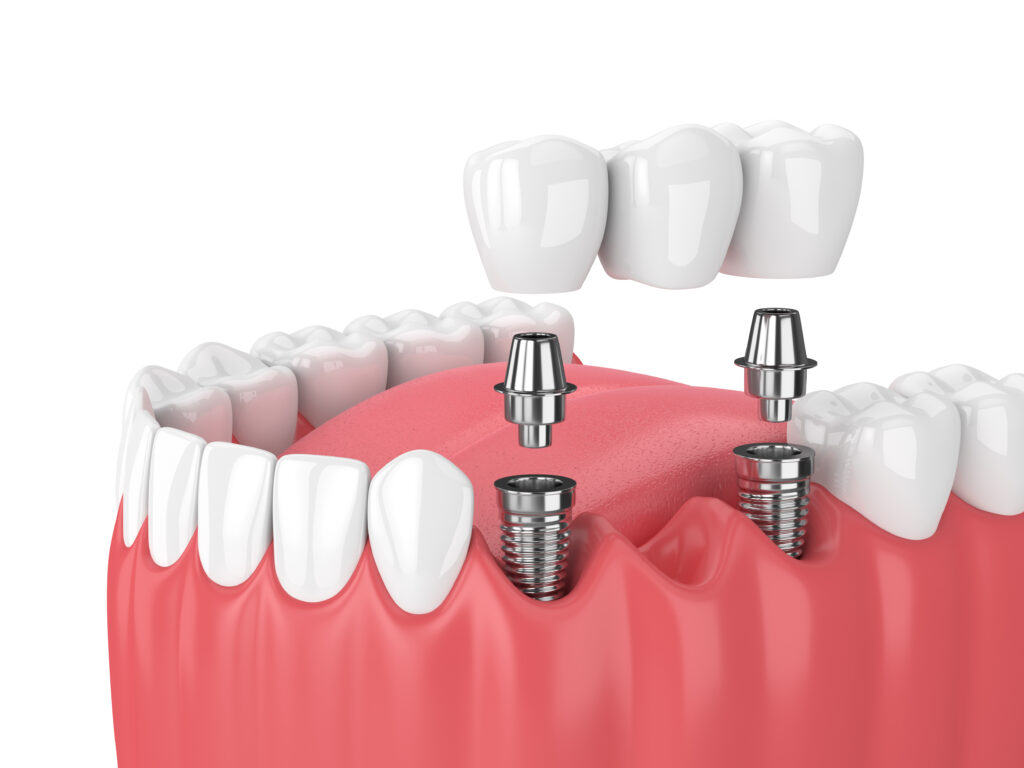
In cases of multiple tooth loss, a dentist may use multiple implants to secure bridges or fixed structures. This helps restore several teeth at once and preserve the bone tissue in the affected area.
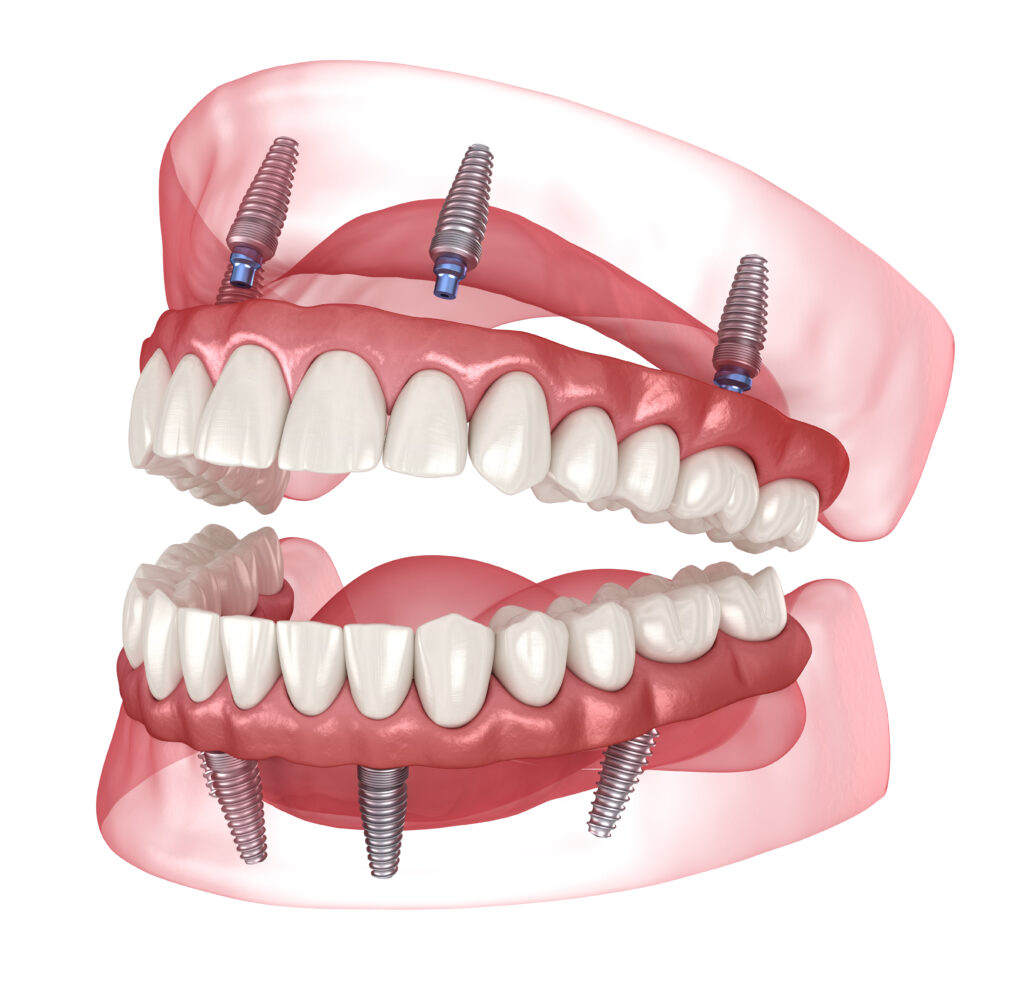
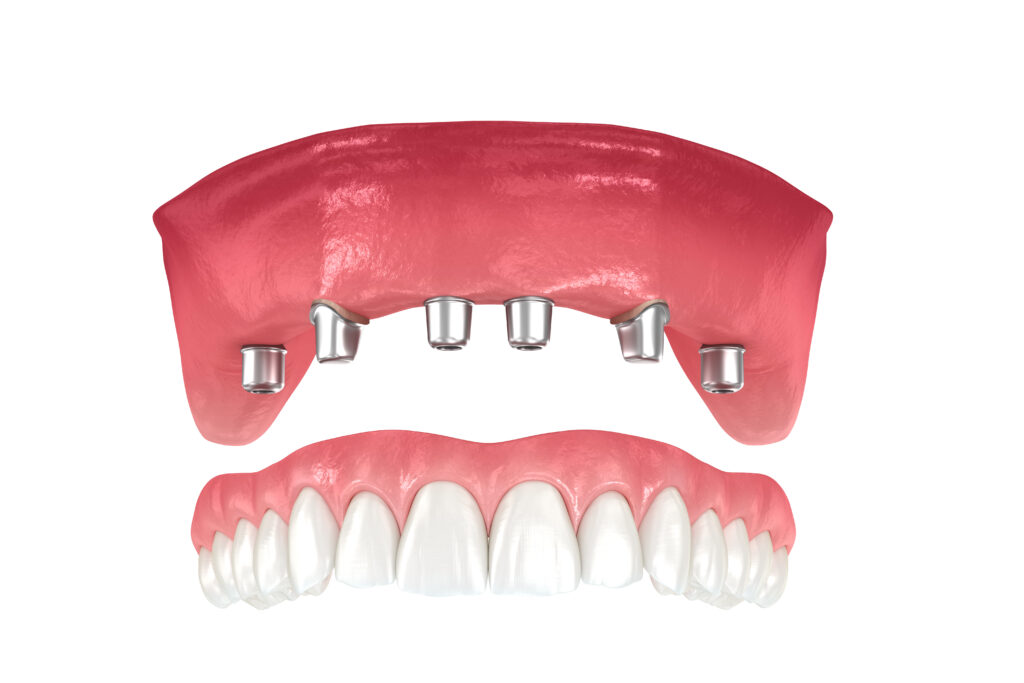
In cases of complete edentulism, patients may be recommended full mouth dental implants or a complete denture on multiple implants. This solution provides stable fixation, improves chewing function, and significantly enhances the patient’s quality of life.
Contraindications to Implant Insertion
Not every patient can undergo implantation immediately. Contraindications to implant placement are generally divided into three main groups: local, absolute, and relative. Let’s examine each in detail.
Local Contraindications
Local contraindications include oral conditions that may complicate implant placement:
- insufficient alveolar bone volume;
- excessively small distance between adjacent teeth or between the upper and lower jaws;
- gum tissue diseases or inflammation
- insufficient bone quality;
- severe jawbone atrophy.
Absolute Contraindications
Some conditions may completely contraindicate implantation:
- oncological diseases;
- AIDS and severe immune disorders;
- alcoholism and drug addiction;
- severe forms of osteoporosis, especially when treated with bisphosphonates.
Relative Contraindications
Some conditions require additional examination and monitoring before treatment:
- diabetes mellitus and other metabolic disorders;
- allergic reactions;
- cardiovascular diseases;
- kidney and respiratory diseases;
- endocrine diseases;
- inflammatory diseases of the mucous membrane and periodontal tissues;
- rheumatic diseases, including rheumatoid arthritis.
Before performing implantation, an experienced dental specialist will assess the patient’s general health, bone tissue condition, and possible treatment risks.
What Does the Implant Insertion Procedure Look Like?
A modern dental implant procedure begins with a thorough diagnosis and individualized treatment planning. This allows us to select the optimal implantation method and make the procedure as safe and comfortable as possible for the patient.
Consultation and Planning
The first stage involves a detailed oral examination, CT scan, and bone assessment. During the implant consultation, the dentist determines whether the patient is a candidate for dental implants.
At Dynasty Stomatology, implant treatment is performed using CT-guided diagnostics and individualized treatment planning to improve precision and long-term stability.
Surgical Stage
The next stage is dental implant surgery. During this surgical procedure, the doctor places the implant into the bone tissue under local anesthesia. The dental implant placement process is carefully planned to ensure the stability of the implant and proper load distribution.
Healing Period
After the implant is placed, osseointegration begins — the stage of implant integration into the bone tissue. This period is necessary for the implant to become a reliable support for the future structure. After complete healing, the doctor installs the implant abutment and the permanent prosthetic structure. Depending on the clinical situation, this may be an implant supported crown, a bridge, or a full denture.
How Much Do Dental Implants Cost?
The cost of implantation depends on the chosen implant system, the complexity of the clinical case, and the scope of treatment. At Dynasty Stomatology, patients receive a detailed treatment plan in advance, so all stages and prices are clear and transparent.
For patients with complete tooth loss, Dynasty Stomatology offers modern All-on-4 Implantation and All-on-6 Implantation protocols. These solutions make it possible to restore the entire dental arch using several implants and a fixed prosthetic restoration.
The price of a Non-removable temporary denture on implants starts from 6,000 PLN, while a Non-removable permanent denture on implants starts from 20,000 PLN. The final cost of treatment is determined after diagnostics and depends on bone condition, the number of implants required, and the selected prosthetic solution.
What Are the Recommendations After Implant Placement?
Proper post-implant care plays an important role in successful dental implant recovery and helps reduce the risk of complications during the healing period.
The first day after implant placement
During the first 24 hours after the procedure, the patient is advised to:
- apply cold compresses to the cheek;
- avoid hot foods and drinks;
- not rinse the mouth excessively.
These recommendations help protect the surgical site and support the normal osseointegration process.
The First Week
During the first week after surgery, it is important to follow all instructions provided by the dentist:
- take prescribed medications regularly;
- brush teeth gently while avoiding the implant area;
- use antiseptic rinses if recommended by the doctor.
Careful hygiene during this period helps reduce inflammation around the implant and supports proper healing.
Long-Term Recommendations
Long-term success of implant treatment depends not only on the procedure itself but also on daily oral care and lifestyle habits.
Patients are usually advised to:
- stop smoking completely;
- avoid excessive physical activity during healing;
- attend regular dental check-ups and professional cleanings.
With proper care, modern implants are highly durable and dental implants can last for many years.
Hygiene and Care
Daily oral hygiene remains essential after implantation. To achieve this, we recommend:
- brushing your teeth at least twice a day;
- use interdental brushes;
- clean carefully between teeth and implants with dental floss.
What Is Worth Remembering?
Today, dental implants are considered a safe and effective treatment method, and modern technologies make the procedure as predictable and comfortable as possible for the patient. With proper care and regular checkups, dental implants last for many years and can be a reliable, long lasting tooth replacement option.
At Dynasty Stomatology, we place special emphasis on high-quality diagnostics, patient comfort, and a personalized approach at every stage of treatment. Our specialists select the optimal implantation option based on the patient’s bone condition, clinical situation, and preferences.
FAQ about Dental Implant Surgery
-
Yes, modern implantation is considered a safe and predictable method of treatment. Today, dental implants are safe because they are made from biocompatible materials that integrate well with bone tissue. Most modern implants used in implant dentistry are titanium-based. In fact, a dental implant is a titanium structure, and an implant is a titanium screw designed to replace the natural tooth root.
-
With proper hygiene and regular dental care, implants can serve for decades. In many cases, implants can last a lifetime, especially when patients attend regular check-ups and follow their dentist’s recommendations. Modern dental implants are made from strong and biocompatible materials, that’s why they are durable. For many patients, implantation becomes a reliable solution for permanent tooth replacement and long-term restoration of comfort and confidence.
-
No, implant placement is usually painless because local anesthesia is used during the procedure. During surgery, the area is fully numbed with local anesthesia, so patients typically feel pressure rather than pain while the implants are surgically placed. After the procedure, mild swelling or discomfort may appear for a few days, but it is usually manageable with prescribed medication. At Dynasty Stomatology, doctors pay special attention to patient comfort during every stage of treatment.
-
Healing after implantation depends on the patient’s health, bone condition, and the complexity of the case. In most situations, the process of placing a dental implant is followed by several months of healing while the implant integrates with the bone where the dental implant was placed. This stage is essential because it allows the implant to become stable enough to support the implant and future prosthetic restoration. Patients who carefully follow all recommendations usually recover comfortably and without complications.
-
Not every patient automatically qualifies for implantation, but many people with lost teeth can still benefit from modern treatment methods. Before treatment, the dentist evaluates bone condition, oral health, and general medical history to determine whether the patient may qualify for dental implants. Even if a patient has one missing tooth or requires a full set of implants, there are often several treatment options available. If you’re considering dental implants, the best first step is to talk with your dental specialist and receive an individual consultation.
Interested in Dental Implants? Restore Missing Teeth with Confidence
If you are thinking about dental implants, the first step is a professional consultation and a treatment plan tailored specifically to you. At Dynasty Stomatology, we focus not only on high-quality treatment but also on patient comfort, clear communication, and a caring approach at every stage.
Missing teeth can affect much more than appearance — they change the way you eat, speak, and feel every day. A personalized implant consultation can help you understand which treatment option is right for you and what results to expect.