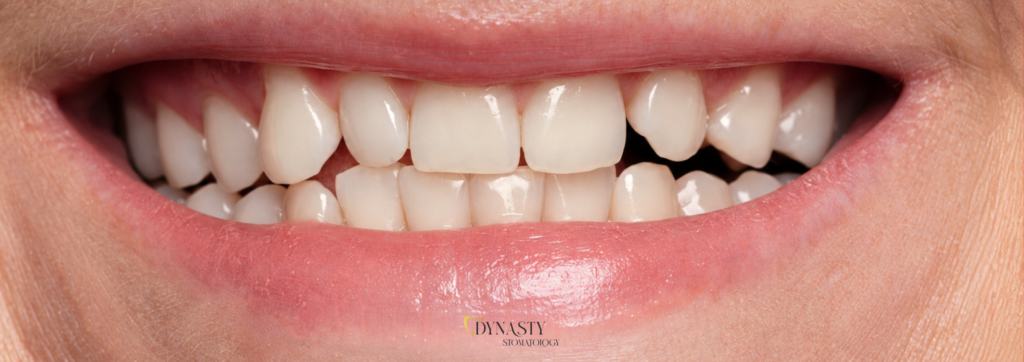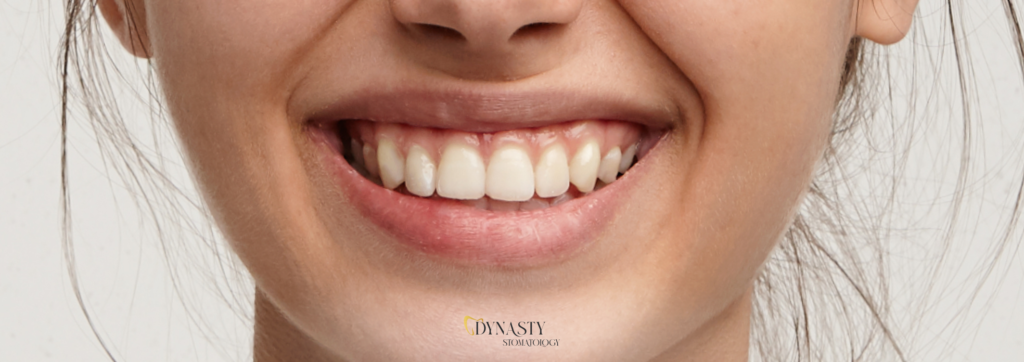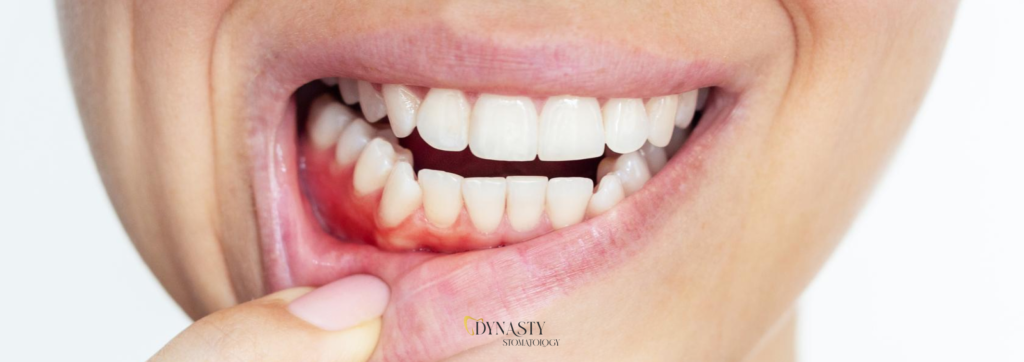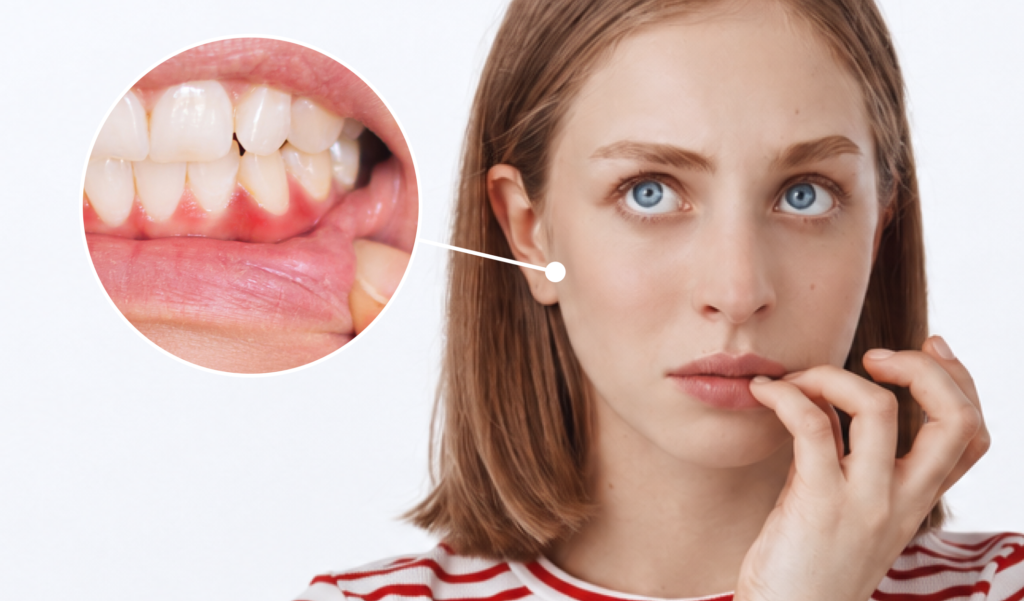

A periodontal pocket is a deepened space between the tooth and gum where bacteria, plaque, and tartar can easily accumulate. It may be a symptom of periodontitis, a disease affecting the tissues that hold teeth in the bone, which is why it requires an in-office assessment rather than self-diagnosis at home.
This guide is for people who have noticed bleeding gums, bad breath, tenderness, or the impression that their teeth look longer. At Dynasty Stomatology in Kraków, we determine the treatment plan after an examination, taking into account the condition of the gums, bone, oral hygiene, and the patient’s individual needs.
What Is a Periodontal Pocket?
A periodontal pocket is an abnormally deepened area between a tooth and the gum where bacteria and deposits can remain. The harder they are to remove during daily brushing, the easier it is for inflammation to persist.
Healthy gum tissue forms a shallow gingival sulcus around the tooth. However, not every change in its depth indicates advanced disease. Gum swelling may cause a so-called pseudopocket, whereas periodontitis involves loss of tissue attachment around the tooth and sometimes bone loss as well.
A dentist or periodontist measures the depth of areas around each tooth using a thin periodontal probe. A numerical result alone is not enough to make a diagnosis. The doctor also assesses bleeding on probing, the level of gum attachment, the presence of tartar, tooth mobility, and, if necessary, the appearance of the bone on an X-ray.
If your gums bleed, swell, or the problem keeps returning despite thorough tooth brushing, it is worth contacting a dental office and arranging a periodontal assessment. There is no need to wait for severe pain, as gum diseases often develop subtly.
Symptoms and Causes of Periodontal Pockets
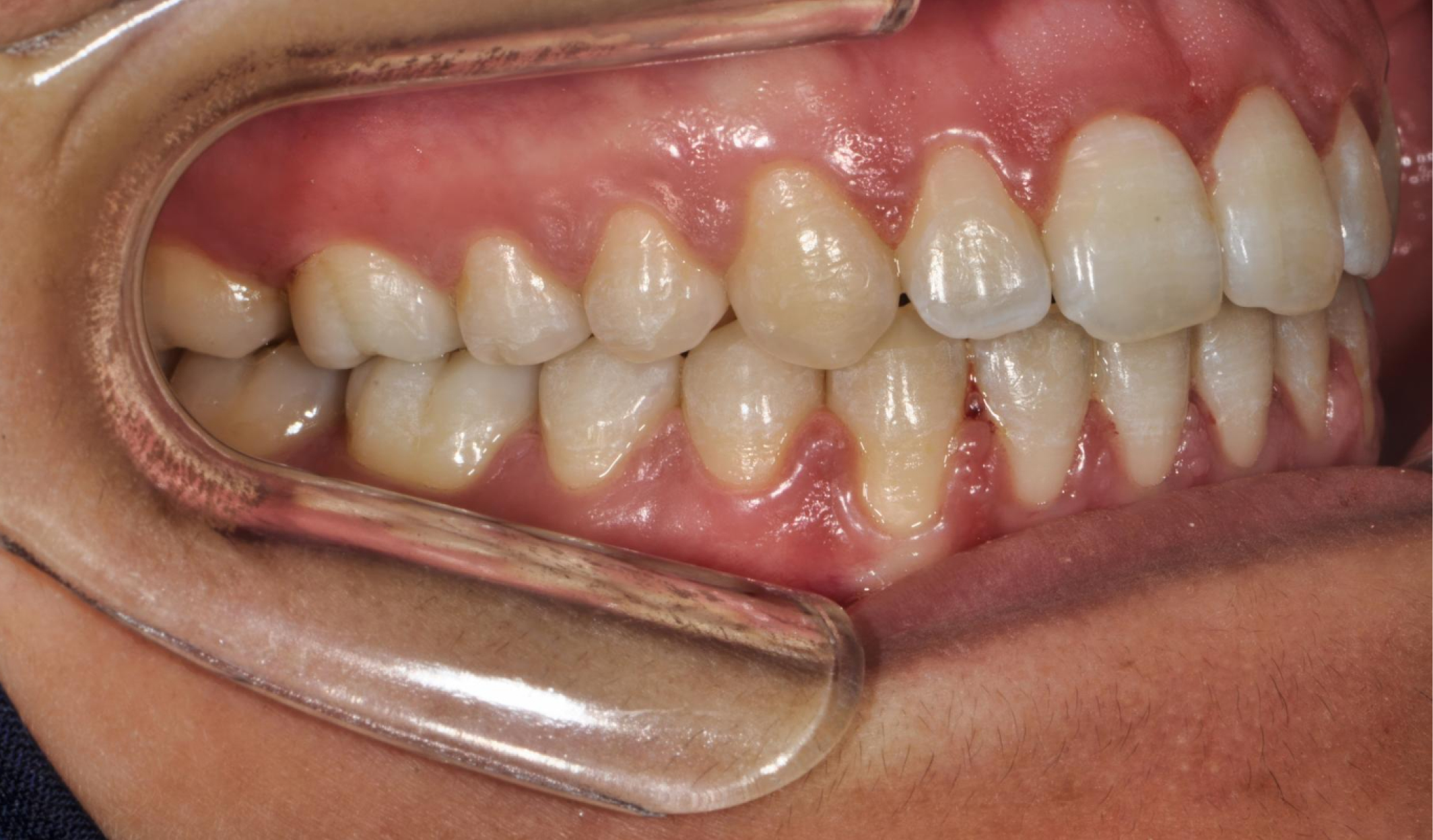
Periodontal pockets are most often associated with chronic inflammation caused by bacteria in dental plaque. Bleeding during brushing is not a normal result of using a toothbrush—it is a sign worth checking.
What Symptoms Can a Periodontal Pocket Cause?
A periodontal pocket may cause bleeding while brushing, flossing, or eating harder foods. The gums may be red, swollen, tender, or easily irritated.
Other possible symptoms include bad breath, an unpleasant taste, discharge from the gum area, and discomfort when biting. In more advanced cases, the patient may notice exposed tooth necks, apparent tooth lengthening, or tooth mobility.
The absence of pain does not rule out periodontitis. For this reason, regular check-ups are especially important for smokers, people with diabetes, or those prone to rapid tartar buildup.
Why Does a Pocket Form Around a Tooth?
The main cause is bacterial biofilm, a layer of bacteria that forms on tooth surfaces. If it is not removed regularly, it can mineralize into tartar. These deposits irritate the gums and make thorough cleaning more difficult.
Long-term inflammation can gradually lead to loss of tissue attachment around the tooth. The risk is also increased by inadequate oral hygiene, smoking, uncontrolled diabetes, crowded teeth, and dental restorations that are difficult to clean properly.
These factors do not replace the bacterial cause, but they may promote its persistence or make treatment more difficult.
Does a Periodontal Pocket Always Mean Periodontitis?
No. Increased depth measured with a probe may result from gum swelling, known as a pseudopocket, without permanent loss of tissue attachment. Therefore, a single symptom, a home measurement, or a photo sent online cannot provide a diagnosis.
The doctor considers measurements around multiple teeth, bleeding, the amount of plaque and tartar, gum recession, tooth mobility, and—when indicated—an X-ray. Only the complete examination makes it possible to distinguish gingivitis from periodontitis and select the appropriate treatment.
How Is a Periodontal Pocket Treated?
Treatment of a periodontal pocket primarily involves removing the cause of inflammation: bacteria and deposits. The scope of therapy depends on the depth of the pockets, the presence of tartar below the gumline, bone condition, and the tissues’ response to the first stages of treatment.
|
Method |
Purpose |
How It Is Performed |
When It May Be Used |
|
Scaling and professional cleaning |
Removal of tartar and deposits |
Cleaning tooth surfaces and providing oral hygiene instructions |
For tartar, deposits, and gingivitis |
|
Subgingival cleaning, including curettage in selected cases |
Removal of biofilm and deposits from the root area |
A localized procedure, sometimes performed in stages |
For pockets requiring more thorough cleaning |
|
Surgical treatment |
Accessing hard-to-reach areas, sometimes tissue regeneration |
A procedure planned individually after assessment of the gums and bone |
For persistent deep pockets or complex tissue defects |
Follow-up appointments are necessary after treatment. Inflammation can return if the patient cannot effectively clean interdental spaces or if tartar builds up again.
Scaling and Air Polishing as the First Stage of Treatment
Scaling involves removing tartar. Depending on the indication, the dentist or hygienist also cleans below the gumline. Air polishing helps remove deposits and staining from accessible tooth surfaces, but it does not replace treatment for deep pockets.
After the procedure, the gums may be sensitive for a short time, and tooth necks previously covered by swelling may react to cold. This is worth discussing during the appointment, especially if the patient has tooth sensitivity.
Oral hygiene instruction is just as important as the procedure itself. The patient should know how to brush their teeth and what type of interdental brushes or floss to use in specific spaces.
What Does Periodontal Pocket Curettage Involve?
Curettage is a term used for thorough cleaning of the pocket and tooth root surface to remove biofilm and deposits. It is not an automatic solution for everyone with bleeding gums. Eligibility is based on a periodontal examination and an assessment of the areas requiring treatment.
The procedure is usually performed under local anesthesia to minimize discomfort. When changes involve a larger number of teeth, treatment may be divided into stages.
After cleaning, the doctor assesses healing and the possibility of maintaining proper oral hygiene at home. Follow-up visits help determine whether the tissues are responding to treatment and whether further steps are needed.
When Is Surgical Treatment Considered?
Surgical treatment is considered when deep pockets persist despite properly performed non-surgical treatment or when complex tissue defects occur around a tooth. The goal may be to clean a hard-to-reach root area more thoroughly or improve the conditions for maintaining hygiene.
In selected situations, the doctor may discuss regenerative procedures, meaning treatments that support the rebuilding of specific tissues. They do not guarantee complete regeneration and do not replace inflammation control.
The treatment plan always requires an individual assessment of the bone, gums, overall health, and ability to maintain regular care.
Can Home Remedies Help With a Periodontal Pocket?
Home care helps reduce bacterial plaque and supports treatment results, but it does not remove tartar below the gumline or replace a dental examination. You should not try to “close” a pocket yourself using mouthwash, herbs, or aggressive brushing.
Daily Hygiene for Periodontal Pockets
It is worth brushing your teeth with a soft toothbrush twice a day, gently along the gumline. Interdental spaces should also be cleaned daily—with floss, interdental brushes, or another tool selected by a dentist or hygienist.
The size of the interdental brush matters. One that is too small may not clean effectively, while one that is too large may cause injury. The safest option is to select the right size during an oral hygiene instruction appointment at the dental office.
Professional hygiene visits should take place at the frequency recommended after the examination. There is no single schedule suitable for every patient.
Chlorhexidine Mouthwash and Other Products
Chlorhexidine may provide short-term support if recommended by a dentist, for example after a specific procedure or in the case of severe inflammation. However, it does not remove tartar or biofilm located deep below the gumline.
Using chlorhexidine mouthwash for too long without supervision may cause tooth staining and taste disturbances. It should also not replace brushing and cleaning between the teeth.
In the case of bleeding, swelling, or discharge, it is better to schedule an assessment than to experiment with more products. At Dynasty Stomatology, you can arrange a dental consultation and receive hygiene instructions tailored to the actual problem.
What Happens If a Periodontal Pocket Is Not Treated?
Untreated inflammation can lead to further deepening of pockets, loss of gum attachment, and gradual bone loss around the teeth. Over time, gum recession, sensitivity, tooth mobility, and difficulty biting may occur.
This does not mean that every pocket follows the same course. The risk depends on the cause, the extent of the changes, overall health, and the regularity of maintenance treatment. That is why prompt diagnosis offers a chance to control inflammation before the problem becomes more complex.
More urgent contact with a dental office is needed in the case of:
- an abscess, pus discharge, or rapidly increasing swelling;
- severe pain, fever, or difficulty opening the mouth;
- sudden tooth mobility;
- facial swelling or difficulty swallowing.
Tooth pain does not always come from the periodontal tissues. Pulp inflammation, meaning inflammation of the tissue inside the tooth, can also cause severe symptoms, but it requires different management, often root canal treatment. With acute symptoms, it is not worth waiting for improvement after home remedies—an examination is needed.
What Do Consultation and Treatment Look Like at the Dental Office?
A periodontal or dental consultation begins with a discussion of symptoms, hygiene, general health conditions, and previous treatment. We then assess the gums, the presence of plaque and tartar, and measure the depth of spaces around the teeth.
If the clinical picture requires it, we perform X-ray diagnostics to assess the bone around the teeth. Dynasty Stomatology provides on-site diagnostics, including digital X-rays and computed tomography when indicated.
Before treatment begins, the patient should receive clear information about the scope of procedures, the possible number of visits, home-care recommendations, and the cost estimate. The price depends on the extent of the problem and the chosen method, which is why an examination is necessary. Current information is available on the Dynasty Stomatology price list page.
If bleeding gums, tartar, or bad breath persist despite good hygiene, contact Dynasty Stomatology in Kraków to determine the appropriate consultation pathway.

Frequently Asked Questions
-
You should not assume that a pathological periodontal pocket will close on its own. When the cause is tartar below the gumline and periodontitis, professional cleaning and an assessment of the tissues’ response to treatment are necessary. Gum swelling may decrease after improving hygiene and removing deposits, which can improve measurement results. However, this does not mean that examination and follow-up can be skipped.
-
Treatment may cause discomfort, but procedures requiring deeper cleaning are usually performed under local anesthesia. After scaling or subgingival cleaning, gum tenderness or tooth sensitivity may occur for a short time. It is worth telling the doctor about anxiety related to treatment, previous difficult experiences, and low pain tolerance. This makes it possible to calmly discuss anesthesia and the course of the appointment.
-
The cost of treatment depends on the number of teeth, pocket depth, the amount of tartar, and whether additional diagnostics or procedures are needed. It is not possible to provide one reliable price without an examination.
-
The frequency of check-ups is determined individually by the doctor because it depends on the risk of inflammation returning and the effectiveness of home oral hygiene. People who have undergone periodontal treatment usually require regular maintenance care, rather than appointments only when pain occurs.
At follow-up visits, bleeding, plaque, gum condition, pocket depth, and areas that are difficult to clean are assessed. Regular visits help detect a recurrence of the problem at an early stage.
A periodontal pocket requires examination and treatment tailored to its cause, depth, and the condition of the bone and gums. Home hygiene is important, but it cannot replace professional diagnostics or the removal of tartar below the gumline.