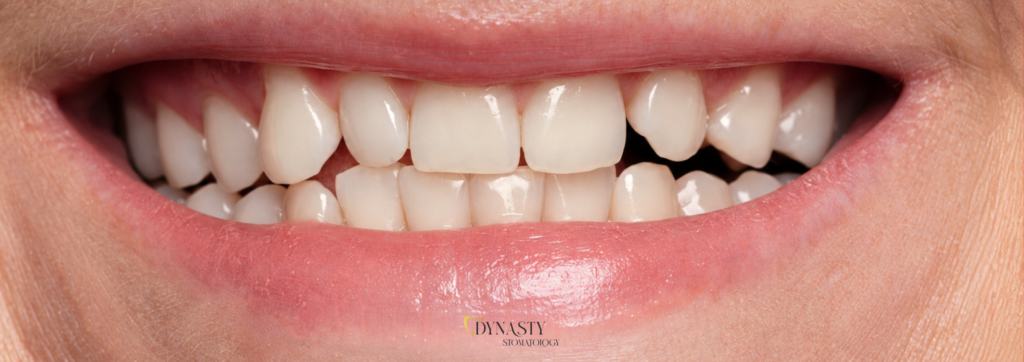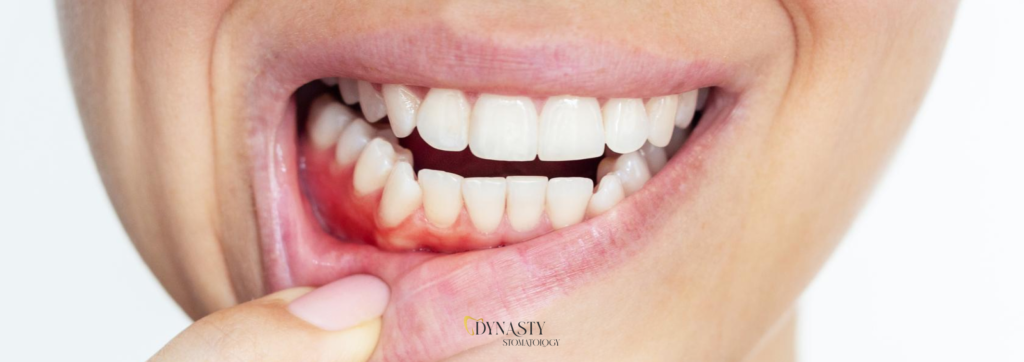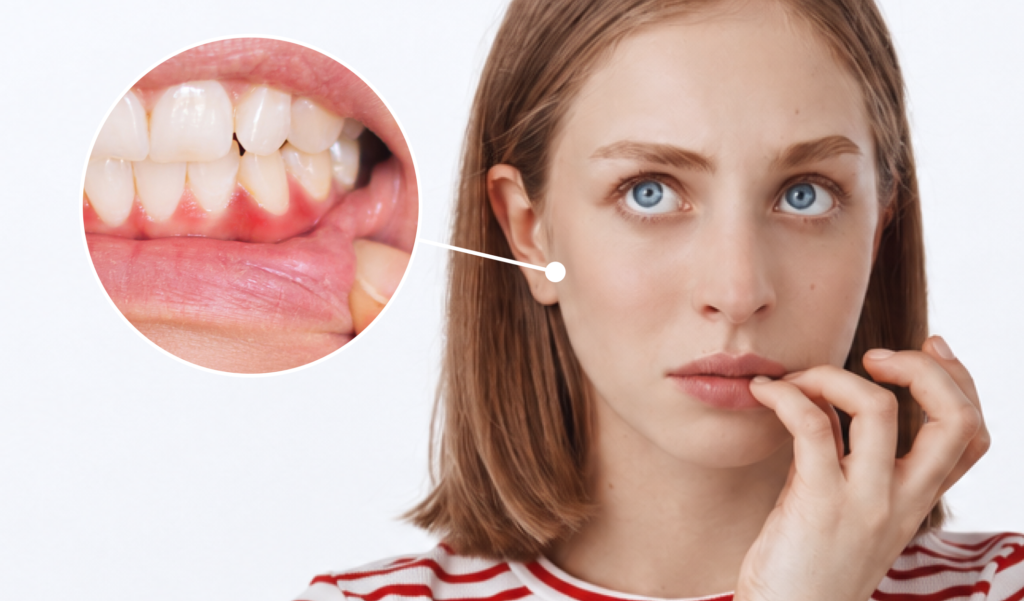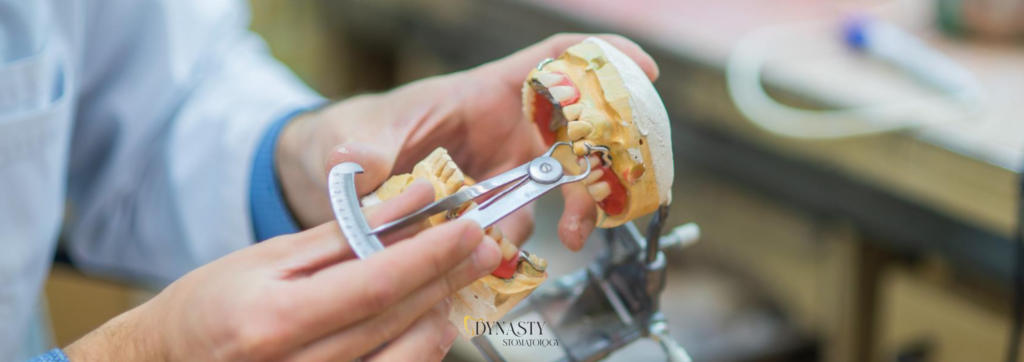

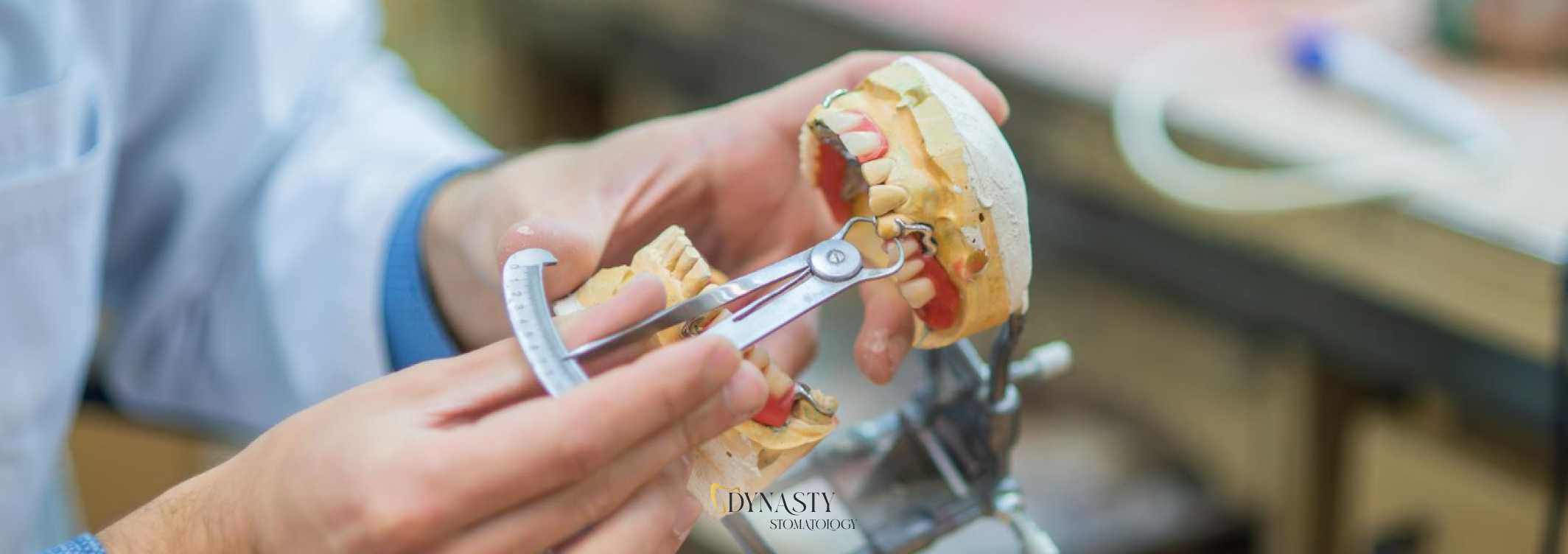
A partial denture can be one way to replace missing teeth when natural teeth are still present in the mouth. It can help improve chewing, speech, and the appearance of the smile, and in some cases allows the dentition to be restored without implant treatment.
However, not every denture will be suitable for every patient. The choice depends, among other things, on the number and distribution of missing teeth, the condition of the remaining teeth and gums, the bite, and expectations regarding comfort and appearance.
What Are Partial Dentures?
Partial dentures replace missing teeth when the patient still has their own natural teeth in the mouth. They can replace a single tooth, several adjacent teeth, or missing teeth in different areas of the dental arch.
Most often, a partial denture is a removable restoration, meaning it can be inserted and removed independently. Its design is supported by the remaining teeth, gums, and oral mucosa. The way it stays in place depends on the type of denture and the conditions in the mouth.
A complete denture is intended for people who no longer have any natural teeth in one or both dental arches. Fixed prosthetic restorations, such as bridges or implant-supported crowns, are permanently attached and require different indications and preparation. None of these solutions is automatically the best option for every patient.
Types of Partial Dentures
The most commonly used removable dentures include acrylic, metal framework, and flexible dentures. The dentist assesses the number and distribution of missing teeth, the condition of the teeth and gums, the bite, hygiene, and the patient’s aesthetic expectations.
|
Type of denture |
Material and retention |
Typical use |
Important limitations |
|
Acrylic |
Acrylic base, denture teeth, sometimes clasps |
More extensive tooth loss, a temporary or long-term solution |
Larger base coverage, adjustment period |
|
Metal framework |
Metal framework, elements supported by teeth |
Missing teeth with retained, properly prepared teeth |
Requires healthy supporting teeth and good hygiene |
|
Flexible |
Flexible material fitted to the tissues |
Selected cases of missing teeth where discreet retention elements are important |
The possibility of adjustments and repairs depends on the material and the case |
Acrylic Partial Dentures
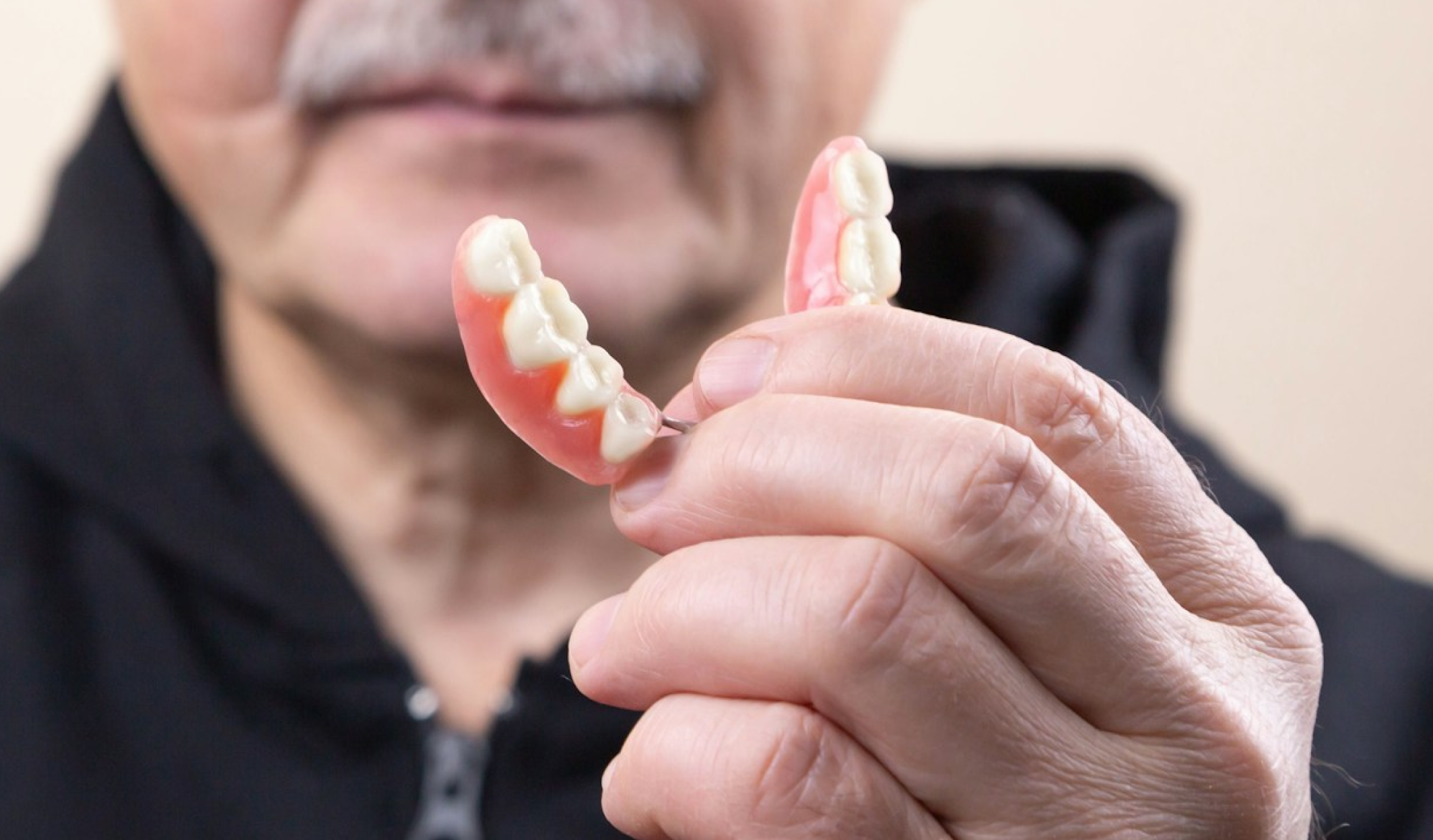
An acrylic denture consists of a base made of acrylic material with denture teeth set into it. It can replace larger areas of missing teeth and may also be used as a temporary solution, for example while further treatment is being planned.
One of its advantages is that changes or repairs can be made in many situations. However, it should be noted that the base covers part of the palate or the area beneath the tongue, so speech, taste, and eating may initially feel different. The body usually needs time to adapt.
Metal Framework Dentures
A metal framework denture has a thin metal structure and elements that transfer part of the chewing forces to the remaining teeth. Supporting teeth are the patient’s own teeth on which the denture can rest or be retained using specially designed elements.
Compared with a traditional acrylic denture, this design often takes up less space in the mouth. However, this does not mean it will be suitable in every situation. Before qualifying a patient, the dentist assesses the condition of the supporting teeth, gums, and periodontium—the tissues that hold the teeth in the bone. Daily thorough cleaning of both natural teeth and the denture is particularly important.
Flexible Dentures
Flexible dentures are made from materials that adapt to the tissues of the mouth. Their retention elements may be less visible than metal clasps, which is why some patients consider them mainly for aesthetic reasons.
However, flexibility and a discreet appearance are not the only selection criteria. It is worth asking the dentist whether, in a particular case, the material allows for future adjustments, repairs, or expansion of the denture if another tooth is lost. The bite, extent of tooth loss, and condition of the gums also matter.
Who Is a Partial Denture For and What Benefits Does It Offer?
A partial denture may be considered for isolated, multiple, or extensive tooth loss if the patient still has natural teeth. It is one option for restoring the dentition, especially when fixed treatment is not currently indicated, possible, or preferred by the patient.
Replacing missing teeth can make it easier to break down food and speak more clearly. In cases of more extensive tooth loss, restoring the teeth may also provide better support for the cheek and lip tissues. However, the result depends on proper denture design, bite conditions, and regular check-ups.
It is also important to understand the limitations. Most removable dentures need to be taken out for cleaning, and the first days or weeks may involve a foreign-body sensation, increased salivation, or difficulty pronouncing certain sounds. You should not file down or reline a denture yourself if it causes pressure.
If irritation, pain, looseness of the restoration, or problems with chewing occur, an in-office check-up is needed. The dentist will assess whether an adjustment is sufficient or whether the treatment plan needs to be changed.
How Is a Partial Denture Made?
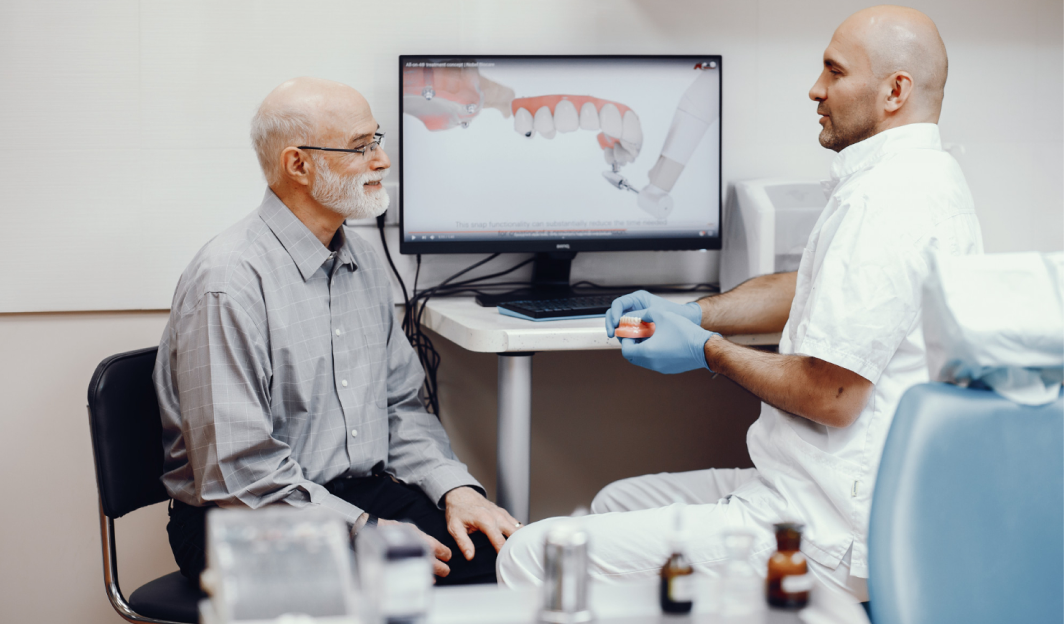
Making a partial denture is a process that includes diagnostics, preparation of the mouth, taking impressions or scans, try-in appointments, delivery of the finished restoration, and follow-up visits. The number of appointments depends on the condition of the teeth, the type of denture, and whether prior treatment is needed.
Consultation and Preparation of the Mouth
A prosthodontic consultation begins with a discussion and an oral examination. The dentist evaluates missing and remaining teeth, the gums, the bite, and the condition of the tissues that will support the denture. If necessary, they may recommend an X-ray, digital diagnostics, or additional examinations.
Before the restoration is made, it may sometimes be necessary to treat tooth decay, gum inflammation, or other problems detected during the examination. If a tooth does not provide adequate support, the dentist discusses the available options. The treatment plan is developed after a clinical assessment, not solely on the basis of a description of the missing teeth.
Impressions, Design, and Try-Ins
Impressions or intraoral scans make it possible to reproduce the teeth, gums, and bite conditions. Based on these, the dental laboratory prepares an individual denture design in accordance with the dentist’s recommendations.
Try-ins are a stage of assessment, not merely a formality. At this point, the fit of the restoration, tooth positioning, contact with opposing teeth, speech, and the appearance of the smile are checked. The patient’s feedback is important because it helps refine the restoration before final delivery.
Denture Delivery and the Adjustment Period
When the denture is delivered, the patient receives instructions on inserting, removing, and cleaning it. At first, it is advisable to eat more slowly, choose soft foods, and cut food into smaller pieces in order to gradually get used to the new way of chewing.
A slight feeling of pressure may occur initially, but severe pain, sores, irritation, a cracked denture, or noticeable movement of the denture should be reported to the clinic. Adjustments are performed professionally by the dentist or dental technician in accordance with the treatment plan. Making alterations yourself can worsen the fit.
How to Choose a Partial Denture and How Much Does It Cost?
The choice of denture should take into account not only appearance, but also the number and location of missing teeth, the quality of the supporting teeth, the condition of the gums, the bite, and daily hygiene habits. In practice, it is worth comparing comfort of use, durability of the design, the possibility of future changes, and the cleaning method.
The price of a dental denture is not universal. The cost is influenced by the type of construction, the material used, the extent of tooth loss, diagnostic tests, necessary preparatory treatment, and the number of visits. A reliable treatment plan should clearly separate the cost of the prosthetic restoration itself from any procedures required before it is made.
How to Prepare for a Prosthodontic Consultation?
Before the appointment, it is worth noting what bothers you most on a daily basis: difficulty biting, problems with speech, movement of an old denture, discomfort, or aesthetic concerns. This information helps the dentist understand your expectations and choose solutions appropriate to your situation.
Bring previous X-rays, treatment records if you have them, and a list of medications you take to the consultation. It is also worth bringing your current denture, even if it is damaged or uncomfortable. It can provide the dentist with important information about previous difficulties.
Prepare questions, including:
- which denture options are possible in my case;
- whether I need treatment for my teeth or gums before the restoration is made;
- how many stages the treatment will involve;
- how long the adjustment period may last;
- how to clean the denture and my natural teeth;
- when follow-up appointments should be scheduled;
- what the quote includes and whether I can check eligibility for National Health Fund (NFZ) benefits.
At Dynasty Stomatology, the consultation is primarily intended to assess the conditions in your mouth and discuss the available options in a calm, unhurried manner.
Frequently Asked Questions About Partial Dentures
-
In most cases, a removable partial denture should be removed at night unless the dentist recommends otherwise. This makes it possible to clean the denture and allows the oral tissues to rest. Specific recommendations depend on the type of restoration, the condition of the gums, and the individual treatment plan.
-
The adjustment period is individual and may last from a few days to several weeks. At first, the patient may experience speech, chewing, and the presence of the denture differently. Wearing it regularly according to instructions and attending planned adjustments help make this period safer.
-
Yes, after the adjustment period, a denture should make chewing easier, but it is best to start with soft foods. Eat more slowly and distribute food on both sides of the mouth. Very hard, sticky, or chewy foods may require caution.
-
The denture and natural teeth require separate daily cleaning. The denture should be removed and cleaned with a soft brush and a product intended for dentures, while the teeth, gums, and spaces between the teeth should be cleaned according to the dentist’s recommendations. Regular check-ups help detect irritation and changes in fit early.
Need a Partial Denture? Schedule a Consultation
If you have missing teeth and do not know which solution is right for you, it is worth starting with a prosthodontic consultation. The dentist will assess the condition of your remaining teeth and gums, discuss the available options, and present an individual treatment plan and quote.
Schedule a consultation at Dynasty Stomatology in Kraków and find out which solution best suits your situation.