
Many people become accustomed to their bite and don’t realize that a seemingly “minor” problem may hide a much more serious underlying issue. Clicking in the jaw, frequent headaches, and discomfort when chewing are often attributed to fatigue or stress, although the cause may be entirely different.
A malocclusion develops gradually. Initially, these changes are barely noticeable and cause no concern. Over time, the situation can worsen and affect overall well-being. Modern methods make it possible to correct such problems at any age; it’s just important to recognize them early.
In this article, we’ll explore what malocclusion is, the different types of malocclusion, why it occurs, and what solutions actually work today.
What is Malocclusion?
Malocclusion refers to misalignment of the teeth and jaws that disrupts the normal occlusion of the teeth. This condition is widely studied in orthodontics and is considered one of the most common dental disorders.
Clinically, dental malocclusion develops when the position of the teeth or jaw structure prevents proper bite formation. Malocclusion occurs when the upper and lower teeth do not align correctly, it affects both function and aesthetics. In practice, malocclusion is a common problem in both children and adults.
For many patients, understanding malocclusion is the first step in seeking treatment. The severity can range from mild to severe, affecting breathing and posture. Malocclusion may contribute to long-term oral health issues if left untreated.
What Characterizes Malocclusion?
The main symptom of dental malocclusion is abnormal tooth alignment. This includes misaligned teeth, crowding, or abnormal positioning of the teeth and jaw. In many cases of malocclusion, the problem is visually noticeable, but there are also hidden symptoms.
Main symptoms:
- Difficulty chewing.
- Jaw discomfort.
- Uneven enamel wear.
- Speech problems.
It is important to understand that malocclusion is often a progressive condition. Without treatment, it can lead to complications, including gum disease and TMJ disorders. Therefore, identifying and treating malocclusion early is crucial.
The Different Types of Malocclusion
In dentistry, three classes of malocclusion are distinguished. Each type of malocclusion is determined by the characteristics of the teeth’s occlusion. Understanding the different types of malocclusion is necessary to select the best treatment.
Class 1 malocclusion
Class I malocclusion is the most common type. The bite is generally correct, but there are issues with the position of the teeth. This is a common form of malocclusion, most often classified as mild to moderate. Here, normal jaw alignment is usually maintained, but teeth alignment correction is required.
Class 2 malocclusion
Class II malocclusion is characterized by pronounced protrusion of the upper teeth, resulting in overbite. In such cases, malocclusion can affect facial appearance and chewing function. This is one of the reasons why people seek orthodontic treatment.
Class 3 malocclusion (severe malocclusion)
Class III malocclusion is characterized by forward protrusion of the mandible. This condition is called underbite malocclusion. This condition typically requires multidisciplinary orthodontic or surgical treatment.
Possible Causes of a Malocclusion
Understanding the causes of malocclusion helps select the right treatment and prevent the problem from developing in the early stages. Bite development is a complex process influenced by both congenital and environmental factors. In some cases, malocclusions are established during fetal development, while in others, they develop gradually due to habits or injuries.
It’s important to remember that even minor deviations at an early stage can worsen over time. Therefore, we recommend paying attention to any changes in tooth position or jaw function, especially during childhood.
Malocclusion can be caused by the following factors:
- A cleft lip or palate is a congenital anomaly that directly affects the development of the maxillofacial system. In these patients, bone growth and tooth alignment are often affected.
- Trauma to the jaw can displace its position or disrupt its symmetry. Even a single blow can affect the bite, especially if the injury occurs in childhood, when the bones are still developing.
- Abnormal tooth shape or improper eruption also plays a significant role. Impacted (unerupted) teeth put pressure on adjacent teeth, causing the entire dental arch to shift.
- Thumb sucking in early childhood is a common habit that can affect bite development. With prolonged exposure, the pressure on the teeth and jaw changes their position.
- Using a pacifier or bottle after three years can also negatively impact bite development. Constant pressure on the teeth and soft tissues affects their position and jaw development. If the habit persists for too long, it increases the risk of developing more serious problems.
The Aggravating Factors of Malocclusion
Certain daily habits can significantly exacerbate the problem. They directly influence the severity of malocclusion, accelerating changes in tooth position and jaw function. Even if the initial deviations were minor, such factors can lead to more significant problems.
The main habits that worsen the condition include:
- Chewing gum. Constantly putting pressure on the jaw places excessive pressure on the dental arches. This can increase joint tension and contribute to tooth misalignment.
- Sleeping on one side. Regularly placing pressure on one side of the face over time affects symmetry. This can lead to a gradual shift in jaw position.
- Hard foods. Excessively hard foods place additional stress on the teeth. This can aggravate existing problems.
- Nail biting. This habit places constant mechanical stress on the front teeth. As a result, they can shift, exacerbating the bite problem.
- Not protecting the jaw during active or contact sports. Injuries without protection can lead to jaw misalignment or tooth damage.
- Incorrect treatment of injuries. For example, applying ice directly to the temporomandibular joint (TMJ) is not recommended. This can worsen the tissue condition and delay recovery.
Malocclusion can significantly complicate future orthodontic treatment. This is why it is important to treat the bite and correct the daily habits that affect it.
The Physical and Psychological Consequences of Malocclusion
Left untreated, malocclusion can lead to serious and systemic problems that extend far beyond aesthetics. It affects the entire maxillofacial system and gradually affects other areas of the body.
Physical consequences
- Jaw dysfunction. Incorrect jaw closure causes an imbalance when opening and closing the mouth. This leads to an overload of certain areas.
- Tooth loosening. Uneven pressure causes a gradual weakening of the teeth’s anchorage in the bone.
- Breathing problems. Jaw misalignment can make it difficult to breathe normally, especially during sleep.
- TMJ disorders. Temporomandibular joint dysfunction is accompanied by clicking, pain, and limited movement.
Other complications may also arise:
- aseptic necrosis of dental tissue;
- muscle pain (myalgia), spasms;
- chronic fatigue and general loss of tone;
- headaches and migraines;
- snoring, sleep apnea, and tinnitus;
- postural problems, including tension in the neck and shoulders;
- development of muscle and tendon problems (strains, inflammation, arthritis, arthrosis);
- increased heart rate (tachycardia).
In severe cases, malocclusion can also affect the overall health of the body, including posture and the functioning of the musculoskeletal system.
Psychological Consequences
A malocclusion often affects self-esteem. Patients may be embarrassed to smile, avoid social interactions, and experience internal discomfort. This is especially noticeable when the problem is severe.
Over time, these conditions can develop into anxiety or even depression. This is why many patients start seeking treatment for their health to improve their quality of life and self-confidence.
Possible Malocclusion Treatment Options
Modern dentistry offers a wide range of solutions for bite correction. Numerous treatment options are available, and the choice depends on the severity of your malocclusion, the patient’s age, and the overall condition of the dental system.
Each treatment option is determined individually after a professional orthodontic consultation. At this stage, the doctor evaluates the position of the teeth and the condition of the jaw and develops a treatment strategy. It is important to remember that the approach is always comprehensive and may include several methods simultaneously.
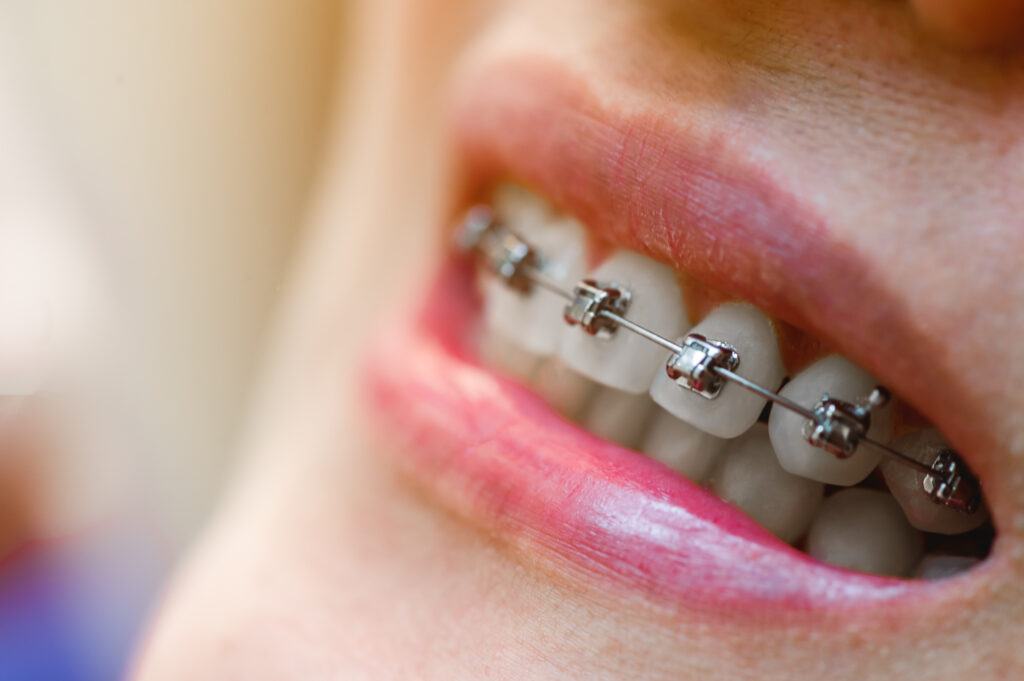
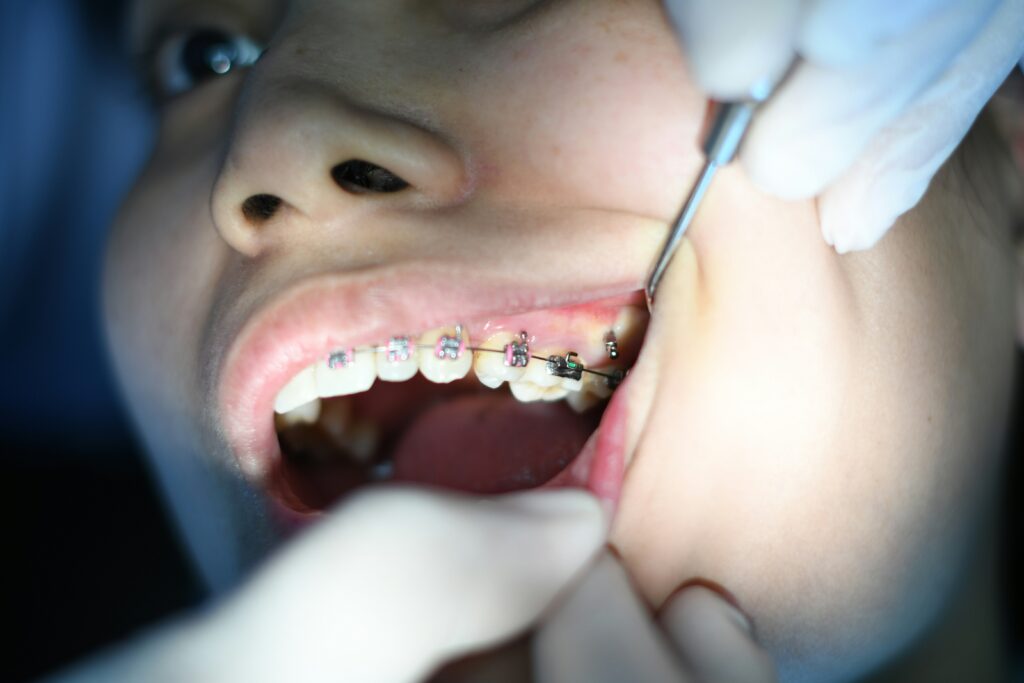
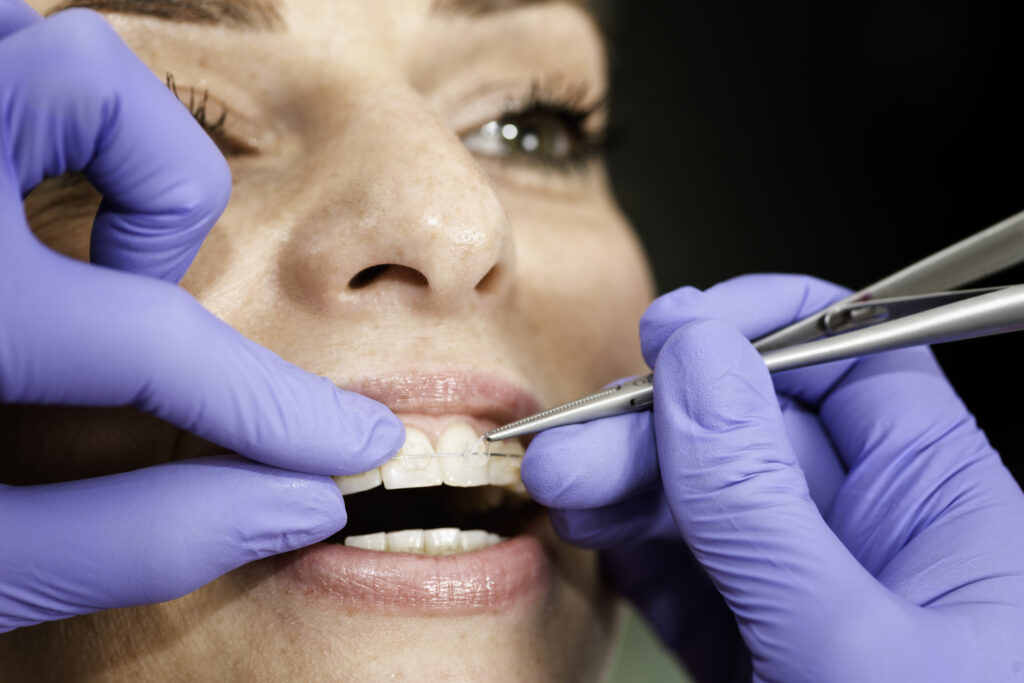
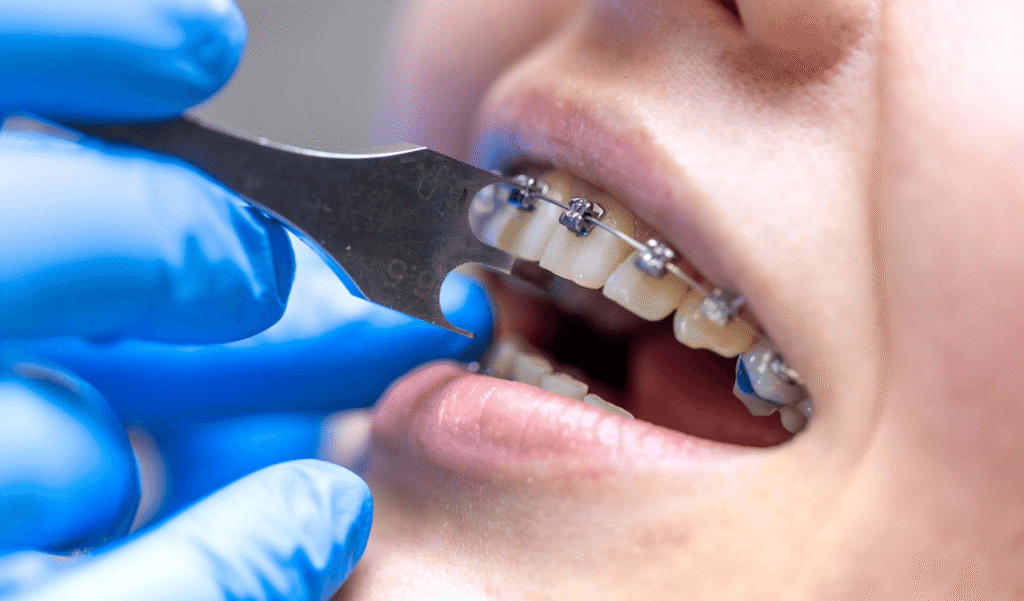
- Orthodontic braces are a common treatment that has been used for many years and remains one of the most effective solutions. This orthodontic appliance gradually moves teeth into the correct position using constant pressure. This method allows for comprehensive bite correction treatment, especially in cases of moderate to severe malocclusion. Braces effectively improve teeth alignment and help achieve stable results even with complex malocclusions.
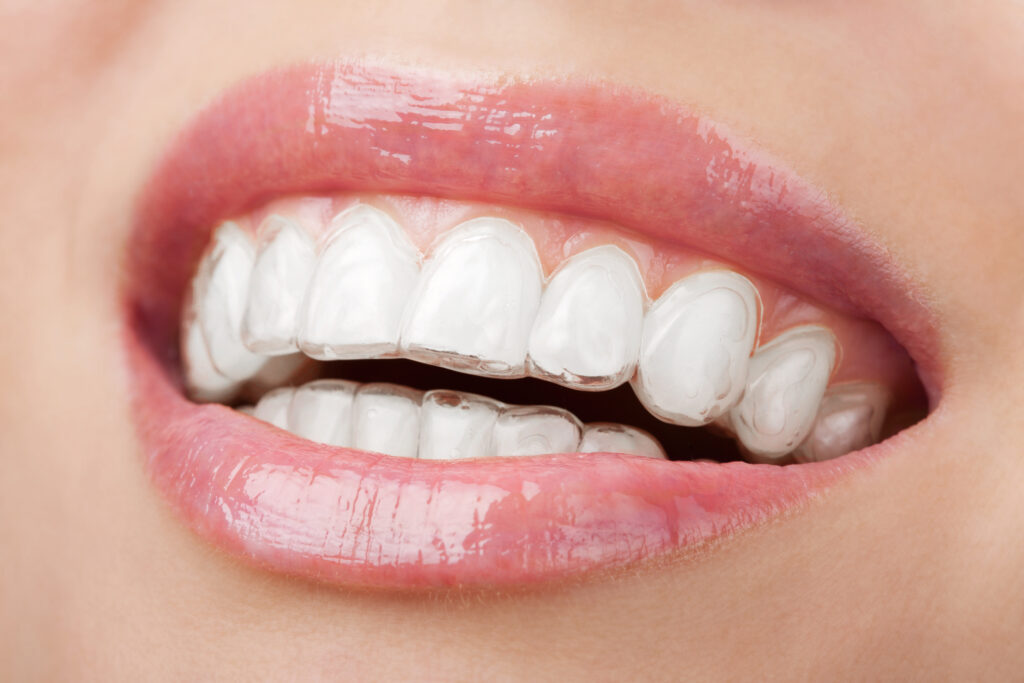
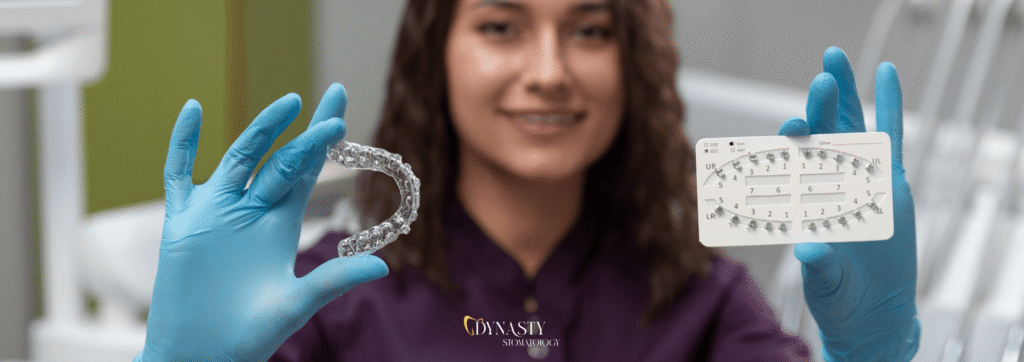
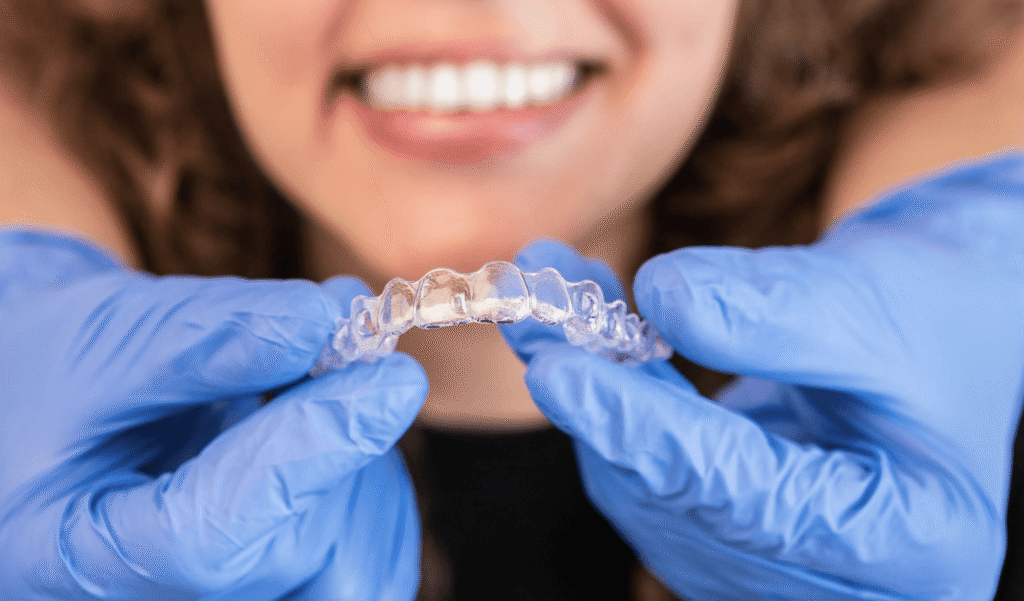
- Invisalign treatment is a modern alternative to traditional braces. The system uses transparent, clear aligners that are virtually invisible on the teeth. This approach is considered a discreet treatment, making it popular among adult patients. The aligners are easily removed, simplifying oral care and eating. However, this method is more often used for less severe problems.
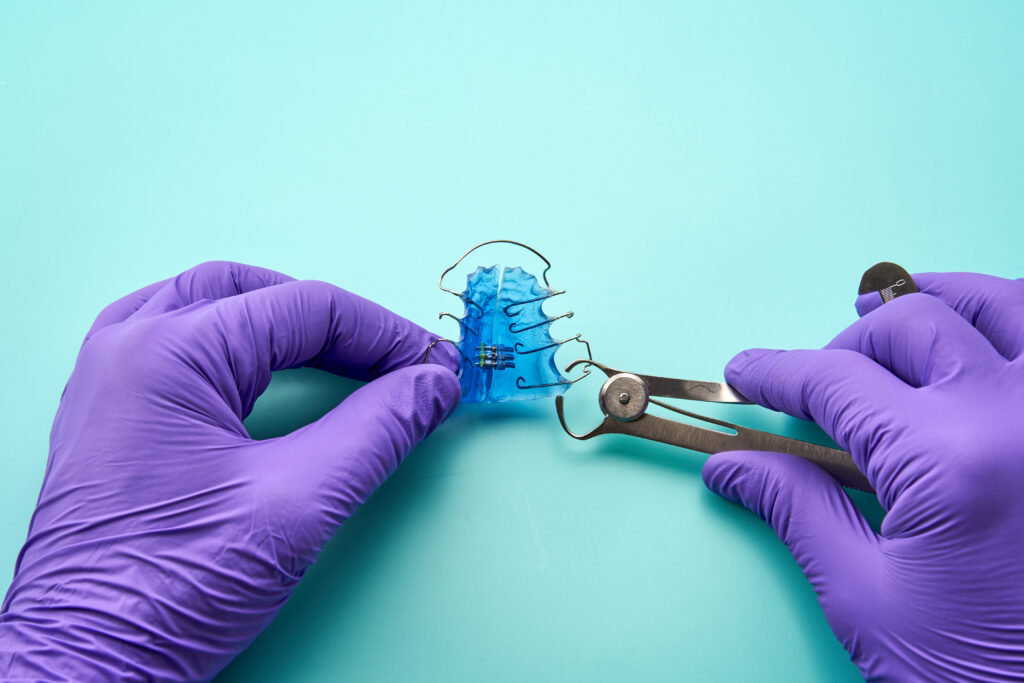
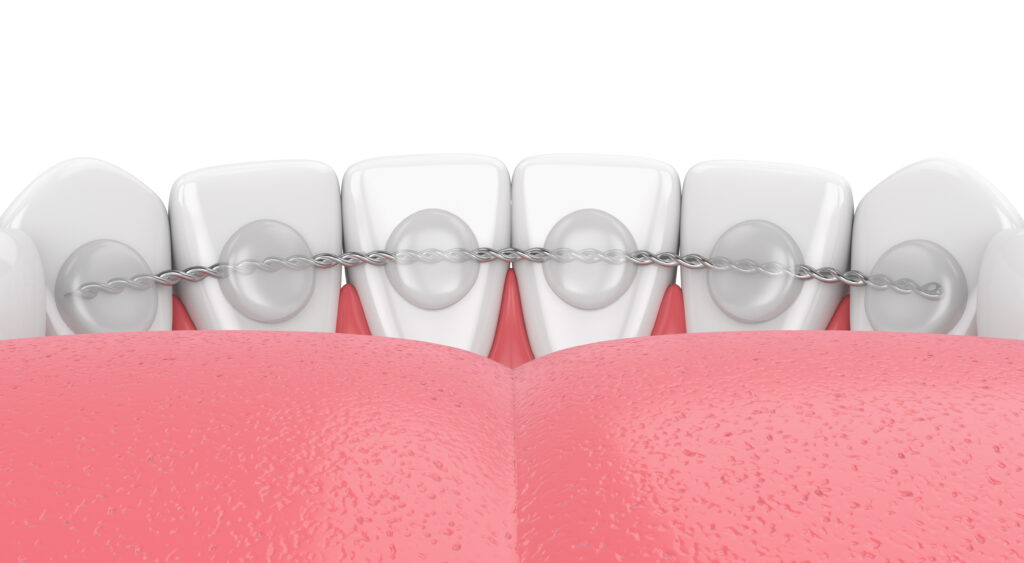
- After the active phase of treatment, it’s important to consolidate the results. Retainers after braces are used for this purpose. They prevent the teeth from returning to their original position and maintain the achieved effect.
- In some cases, removing one or more teeth is necessary to create space in the dental arch. This helps effectively correct malocclusion and avoid overloading the teeth.
- Severe anomalies may require surgical intervention. This is especially true for underbite correction, which requires repositioning the jaw. Such methods are used in complex clinical cases and require careful preparation.
The duration of treatment depends on the complexity of the case, the chosen method, and adherence to the doctor’s recommendations. Generally, treatment duration ranges from several months to several years.
Conclusion — How Treatment Improves the Condition
Properly selected treatment is important for restoring the normal function of the entire dental system. A comprehensive approach helps eliminate the root cause of the problem. Proper treatment improves chewing function, reduces stress on joints and muscles, and creates a more harmonious smile. Therapy promotes a correct bite, allowing the teeth to close properly without overloading individual areas.
Another important benefit is an overall improvement in well-being. Jaw pain is reduced, headaches disappear, and facial and neck muscle function is normalized. Thus, treatment impacts not only appearance but also overall quality of life.
At Dynasty Stomatology, we take a thoughtful and attentive approach to each patient. Accurate diagnostics allow us to thoroughly understand the problem and choose the most effective treatment strategy. Our doctors tailor the treatment process to ensure it’s not only effective but also as comfortable as possible, taking into account the patient’s individual characteristics, clinical situation, and expectations.
FAQs About Classes and Treatment Options for Malocclusion
-
If left untreated, it can gradually worsen and lead to more complex orthodontic issues. Over time, malocclusion can cause tooth wear, jaw strain, and even problems with chewing and speech. In severe cases of malocclusion, the condition may affect overall function and comfort in daily life.
-
A crooked baby tooth can sometimes be temporary, but it may also indicate early teeth malocclusion. It is important to monitor it because it can affect future dental alignment and development. Early assessment helps determine the right possible treatment if needed.
-
Yes, in some cases, malocclusion can cause stress on the jaw joint and contribute to TMJ-related discomfort. Poor bite balance often affects muscle function and jaw movement. Proper treat dental malocclusion strategies can help reduce these symptoms.
-
One of the most common factors is genetics combined with habits that affect jaw development and cause tooth misalignment. These factors often lead to different malocclusion types over time. Early evaluation helps understand the root malocclusion causes.
-
Prevention starts with early dental visits and monitoring symptoms of malocclusion in childhood. Avoiding harmful habits helps reduce risk of malocclusion symptoms later in life. In many cases, early functional orthodontics can guide proper jaw development.
-
No, malocclusion is often a structural issue that does not resolve without intervention. Even mild cases usually require some form of possible treatment. Early diagnosis helps avoid progression into more complex conditions.
-
No, crooked teeth cannot be safely corrected at home. Professional care is needed to treat dental malocclusion properly. Depending on the case, the dentist will recommend treatment options available.
-
Age does not fully limit treatment, but it can influence the length of treatment varies. Adults may still achieve excellent results with a proper treatment plan. Modern orthodontics offers effective solutions for both children and adults.
-
Braces become necessary when bite issues affect function, not only appearance. In severe cases of malocclusion, treatment is often essential to restore balance. A dentist may recommend orthodontic treatment requires intervention to prevent complications.
-
The choice depends on the complexity of the case and malocclusion types. Fixed braces are often used for more complex corrections, while trays may suit mild to moderate malocclusion. Both are effective depending on the treatment plan.
-
Adults should be ready for a structured process that may include hygiene adjustments and possible implant treatment if needed. A full diagnostic phase ensures a precise personalized treatment approach. Understanding expectations helps improve comfort during care.
-
Long-term stability depends on retention and proper post-treatment care. Without it, malocclusion can cause relapse over time. Consistency and follow-up are essential for lasting results.
-
Yes, lingual systems are a discreet option for many adults seeking alignment correction. They are effective for various malocclusion types, especially when aesthetics matter. However, suitability depends on the individual treatment plan.
-
Self-ligating systems can improve comfort and reduce treatment complexity in some cases. They are often used as part of modern orthodontic treatment approaches. A dentist will decide if this treatment is often suitable for your specific situation.
Schedule Your Orthodontic Consultation Today
If you are concerned about malocclusion you are suffering from, the first and most important step is a professional evaluation. Early diagnosis helps identify the right treatment plan and choose the most effective possible treatment before the condition progresses.
At Dynasty Stomatology, we focus on careful diagnostics, a personalized approach, and comfortable care at every stage. Our team works with attention to detail, ensuring that each patient receives clear guidance and a tailored personalized treatment strategy that truly fits their needs and expectations.