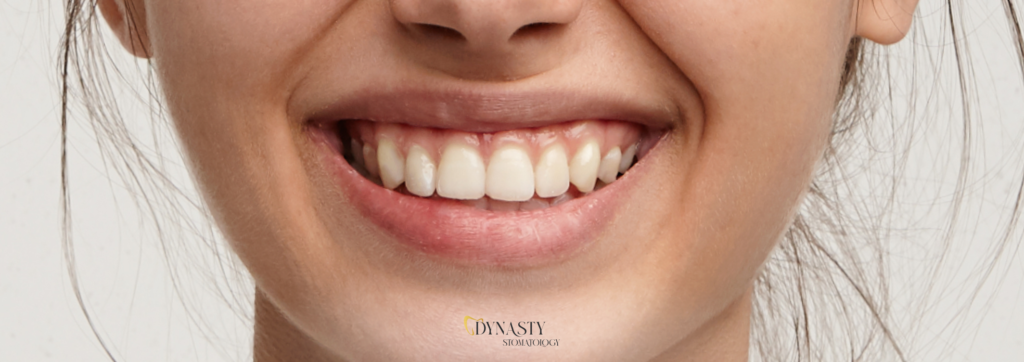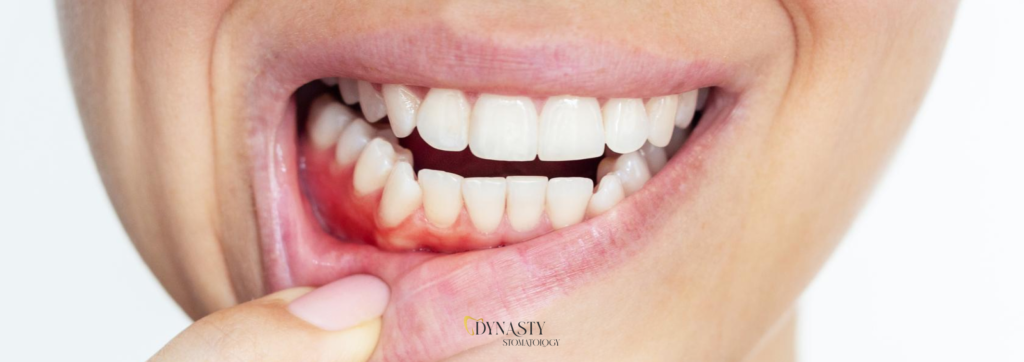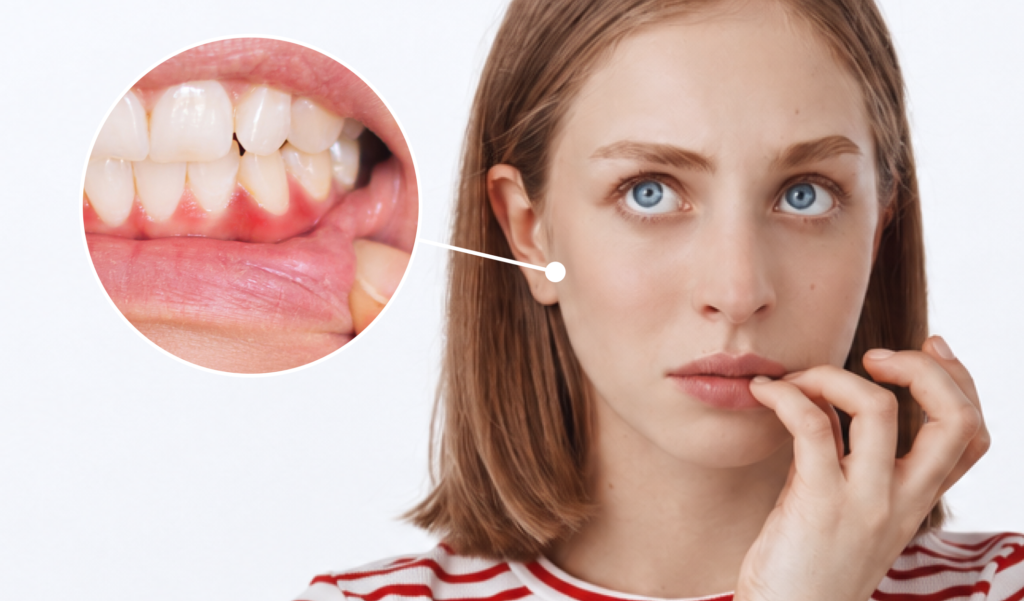

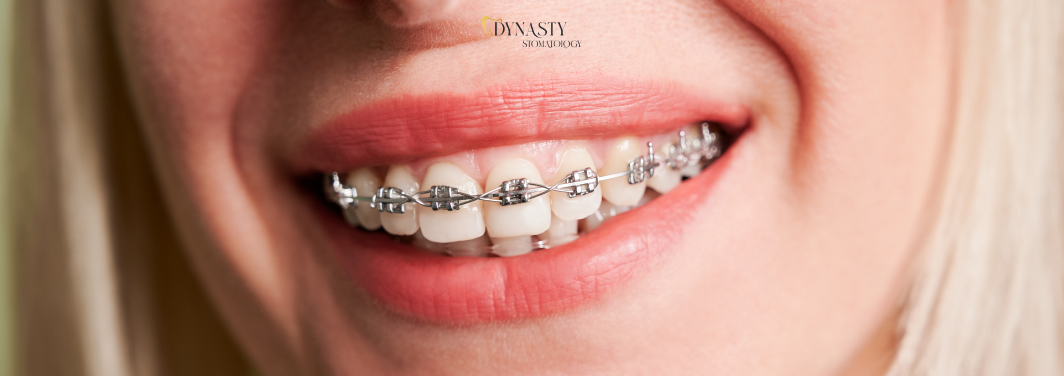
A proper bite affects chewing comfort, dental health, and even self-confidence. Although there are many options for teeth straightening today, metal braces remain one of the most reliable and proven solutions.
Why do some patients choose traditional metal braces, while others opt for self-ligating or lingual systems? How much does this treatment cost, and what determines its price? In this article, we’ll take a detailed look at the types of metal braces, their advantages and potential disadvantages, treatment timelines, costs, and care requirements. You’ll also learn which popular myths about braces have long been disproven and why millions of people around the world continue to choose this method of teeth straightening.
What Are Metal Fixed Braces?
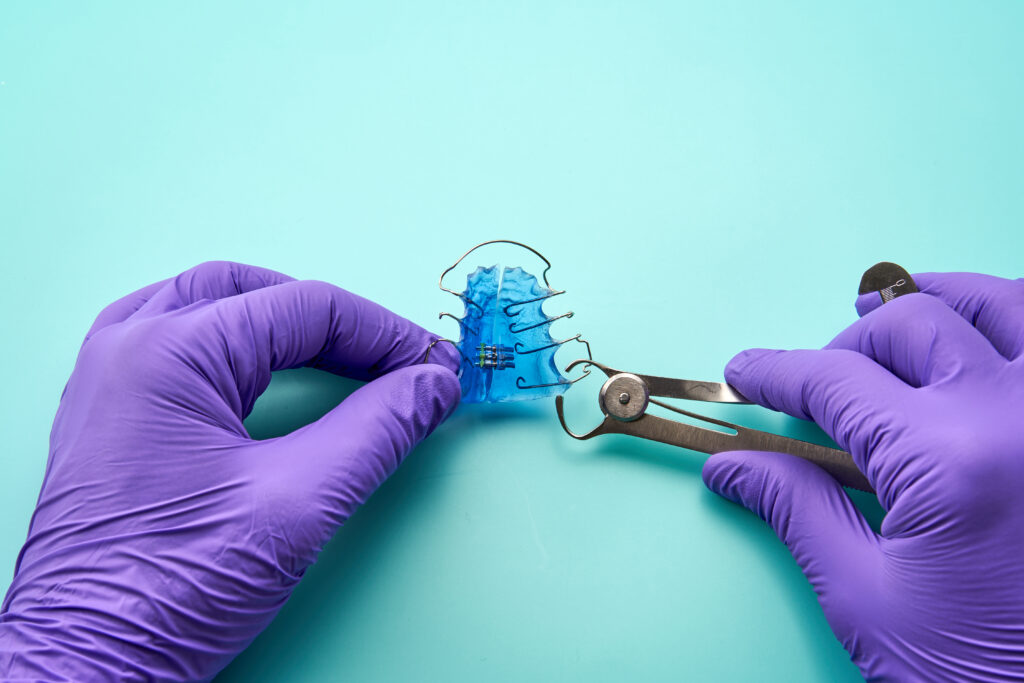
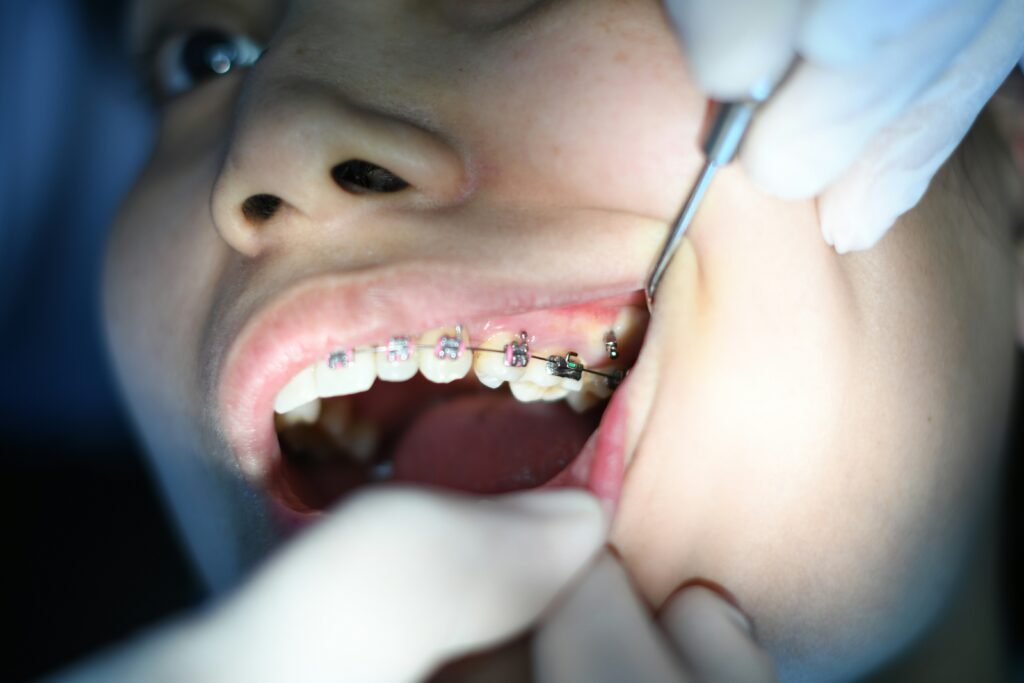
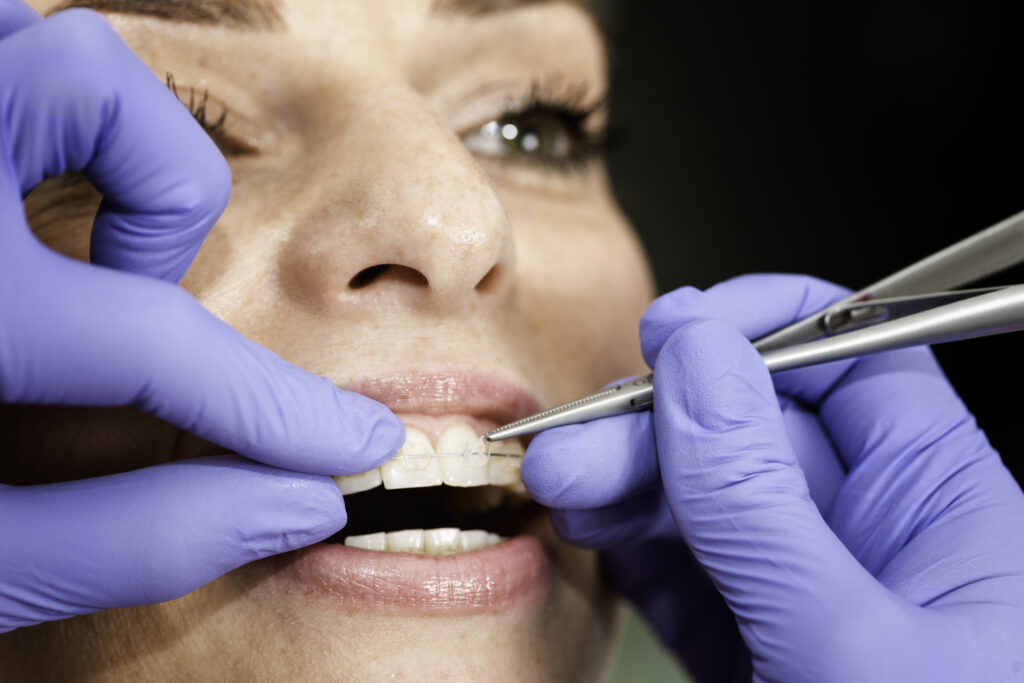
A fixed brace is an orthodontic device that is permanently attached to the teeth for the entire treatment period. Unlike removable aligners, fixed braces remain attached to the teeth throughout treatment, reducing the risk of inconsistent wear. Fixed metal braces are still considered one of the best solutions for patients with various orthodontic problems.
The system applies gentle, controlled pressure to the teeth, gradually moving each tooth into its correct position. The entire process is monitored by an orthodontist, who ensures the safety and effectiveness of the treatment.
Modern dental braces are significantly different from previous generations. Today, they are more compact, comfortable, and aesthetically pleasing. Although each brace remains visible on the teeth, modern technology makes treatment much more comfortable.
Types of Braces on Offer
There’s no single type of brace that suits all patients. Depending on the clinical situation, a doctor may offer different treatment options.
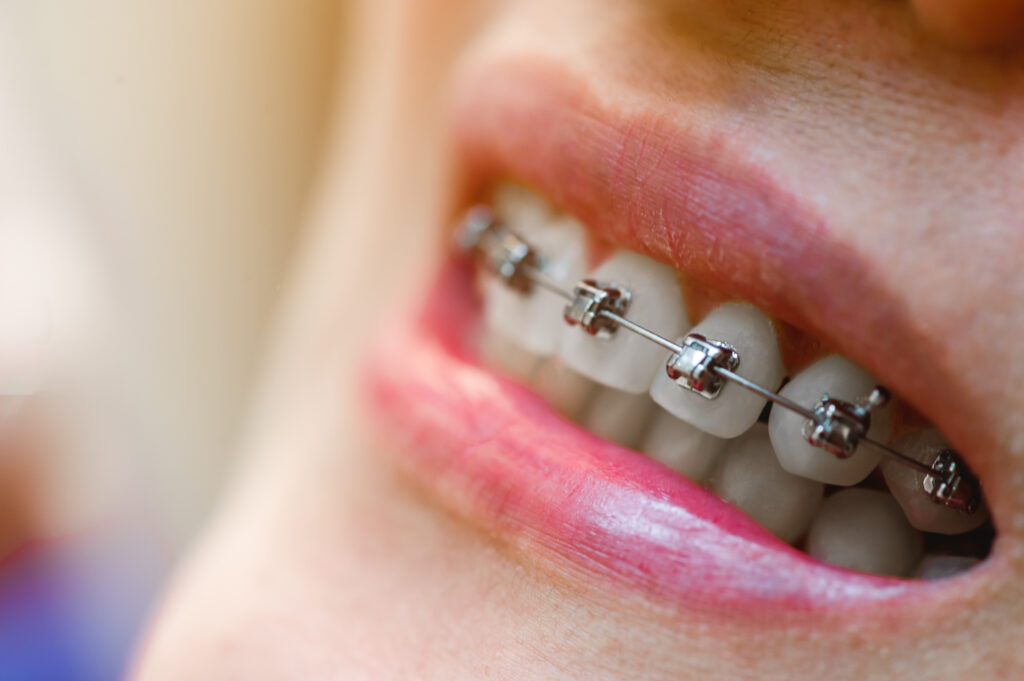
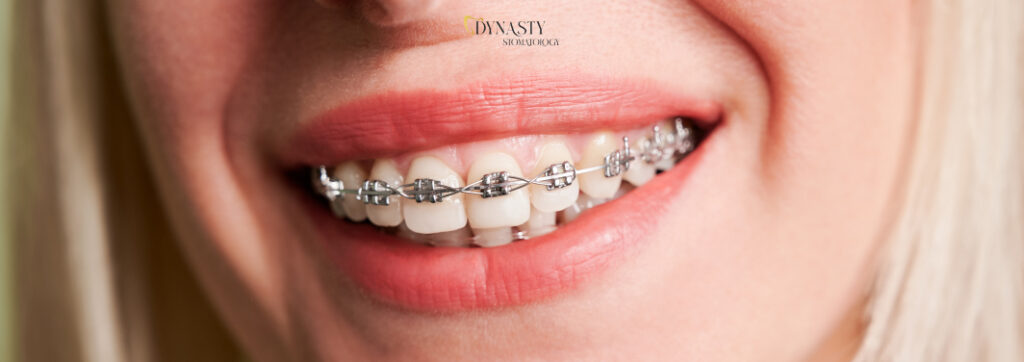
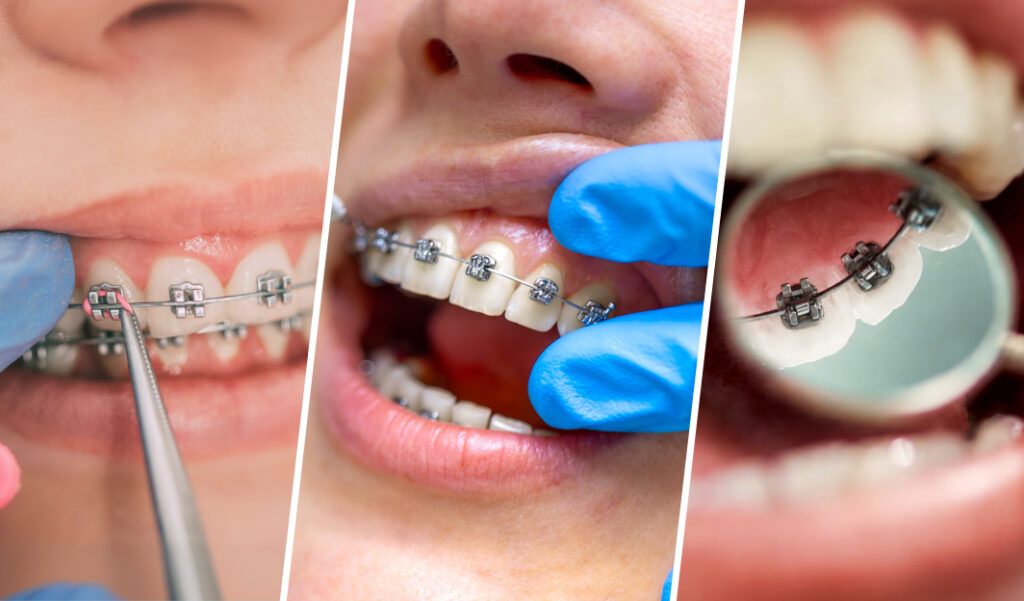
The most common option is traditional metal braces. This system uses metal brackets that are affixed to the front surface of the teeth and connected with a metal wire. Metal braces consist of small elements that work as a single mechanism. The brackets and an archwire create constant pressure, gradually moving the teeth into the desired position.
Another popular option is self-ligating braces. These systems use special locks that hold the archwire in place without additional ligatures.
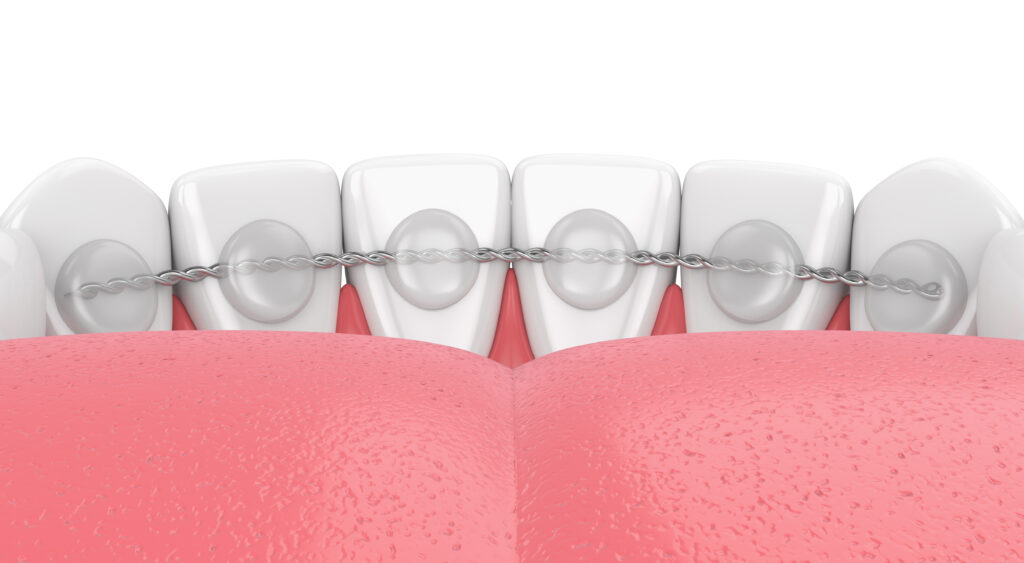
Lingual braces may be an option for patients who want to conceal their braces from others. These braces are installed on the inner surface of the teeth and are virtually invisible. They are essentially fixed to the back of the teeth. However, the cost of treatment is usually higher, which is reflected in the final price tag.
The Benefits of Choosing Dental Braces
Orthodontic treatment benefits your oral health and appearance. Here are the key benefits:
- Affordable metal braces are often less expensive than ceramic braces or clear aligners.
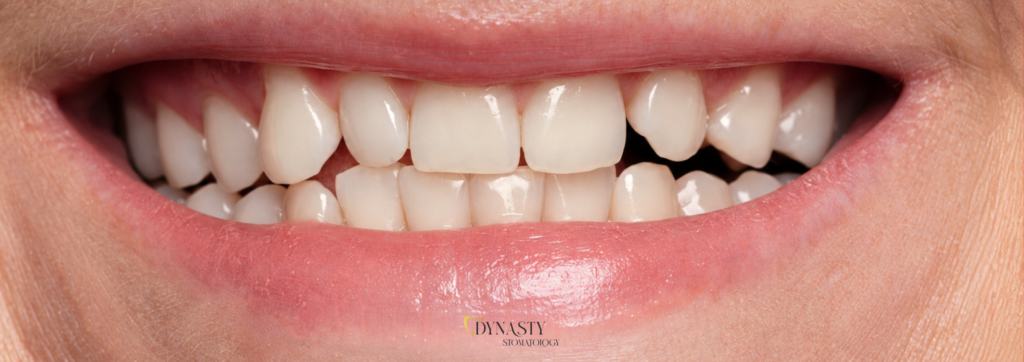
- Some orthodontic problems require significant tooth movement. Metal braces for severe crowding are often recommended for patients with crowded teeth, severe malocclusions, and other complex conditions. These systems effectively address complex alignment issues, help resolve serious bite problems, and achieve stable results.
- Metal braces for adults are becoming increasingly popular. Modern adult orthodontics improves the aesthetics of the smile and the functionality of the dental system, regardless of the patient’s age.
- Modern braces have become more comfortable and differ significantly from older models. Small metal brackets with a smoother surface are now used. This makes it easier for patients to adapt to treatment in the first weeks after installation.
How Long Do You Wear Fixed Metal Braces?
The duration of treatment depends on the specific situation. The average duration of orthodontic treatment is 18 to 30 months. However, many factors influence this timeframe. Patients with minor problems can complete treatment sooner. Those with severe bite issues or severe crowding may require more time.
Metal braces treatment typically begins with a detailed consultation. During the consultation, the dentist evaluates the condition of the teeth, the bite, and overall oral health. At Dynasty Stomatology, we pay special attention to diagnostics: we take photographs, explain the clinical features in detail, and create a personalized treatment plan. This allows the patient to fully understand the upcoming stages of bite correction even before treatment begins.
After braces are installed, regular adjustments are performed. The goal is to guide tooth movement gradually and ensure treatment progresses as planned.
Braces Cost Explained Without the Headache
The final price of braces depends on several factors.
- Complexity of the clinical case. The more complex the bite and tooth alignment, the more expensive the treatment.
- Duration of treatment. Longer treatment requires more visits and affects the overall treatment time.
- The system used. Different types of metal braces have different costs. Traditional systems are usually less expensive than lingual or self-ligating braces.
- Location. Treatment costs may vary depending on the clinic’s location and local market conditions.
- Experience of the dentist. The specialist’s qualifications and experience often affect the cost of services.
At Dynasty Stomatology, we understand that orthodontic treatment is an important investment in your health and self-confidence. Therefore, our patients can spread the cost by paying in installments. Payment terms are tailored to the cost and duration of treatment.
Potential Challenges of Metal Braces
Despite their high effectiveness, metal braces require some adaptation. In the first few weeks after installation, you’ll be adjusting to the new sensations. You’ll also need to adjust some of your daily habits and pay more attention to your oral hygiene. However, most temporary discomfort quickly subsides, and the treatment results are well worth the effort.
Navigating the Aesthetics
For some patients, the main drawback is the appearance of braces. The metal structures are noticeable when talking and smiling, so some people initially experience discomfort. However, over time, most people stop noticing this. Moreover, braces are now a popular part of orthodontic treatment among both teenagers and adults. Many view them as a temporary step on the path to a beautiful smile.
Getting Used to Your New Braces
After getting braces, you may experience mild tooth sensitivity or a feeling of pressure. This is an absolutely normal reaction of the body, since this is how the process of teeth movement begins. Understanding how metal braces work helps you feel more relaxed about such changes. The adaptation period usually takes from several days to a couple of weeks.
Adjusting Your Diet
During treatment, it’s important to pay close attention to your diet. Some foods can damage braces or make them difficult to care for. Therefore, we’ll be sure to explain which food to avoid with braces. As a general rule, it is recommended to avoid very hard nuts, sticky candies, toffees, and other foods that may damage the structure.
Upping Your Oral Hygiene Game
Braces create additional areas for plaque accumulation. Inadequate care can lead to gum inflammation and increase the risk of dental disease. Proper care for metal braces includes thorough brushing after meals, using special interdental brushes, and regular checkups.
Common Myths About Metal Braces: Busted
There are still many myths surrounding braces. Some of them scare patients away and cause them to delay treatment for years. Let’s address the most common misconceptions.
Myth #1: They’re Only for Kids and Teens
Many people believe that braces are only suitable for kids and teens. In fact, age is not a limitation for orthodontic treatment. Today, more and more adults are turning to specialists to straighten teeth and improve the aesthetics of their smile. Modern systems are equally effective for both teenagers and adults.
Myth #2: The Treatment is Extremely Painful
Another popular myth concerns severe pain. In reality, modern braces are much gentler than many people assume. Some minor discomfort may indeed occur after installation or adjustment, but it usually subsides within a few days. Even in complex cases, patients rarely experience significant pain.
Myth #3: They Permanently Damage Your Teeth
Some people fear that braces will permanently damage their teeth. In fact, properly planned orthodontic treatment does not damage healthy teeth and may improve long-term oral health by making teeth easier to clean. The key is to follow your dentist’s recommendations and maintain good oral hygiene. After the metal braces treatment process, your teeth become straighter, easier to clean, and the risk of many dental problems is reduced.
Final Thoughts on Fixed Metal Braces
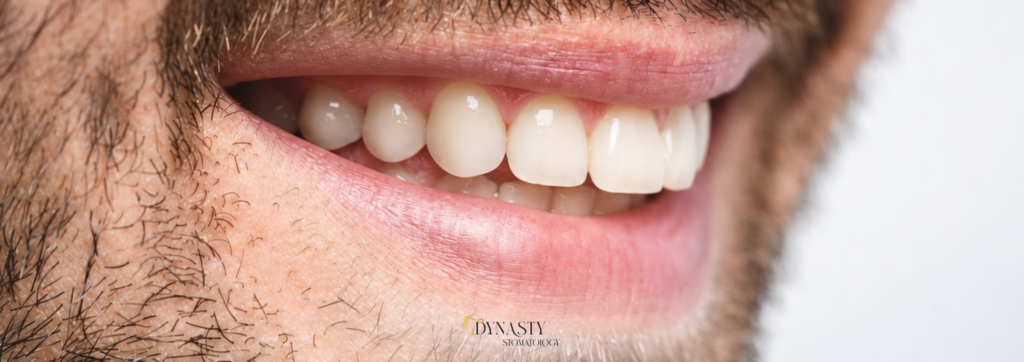
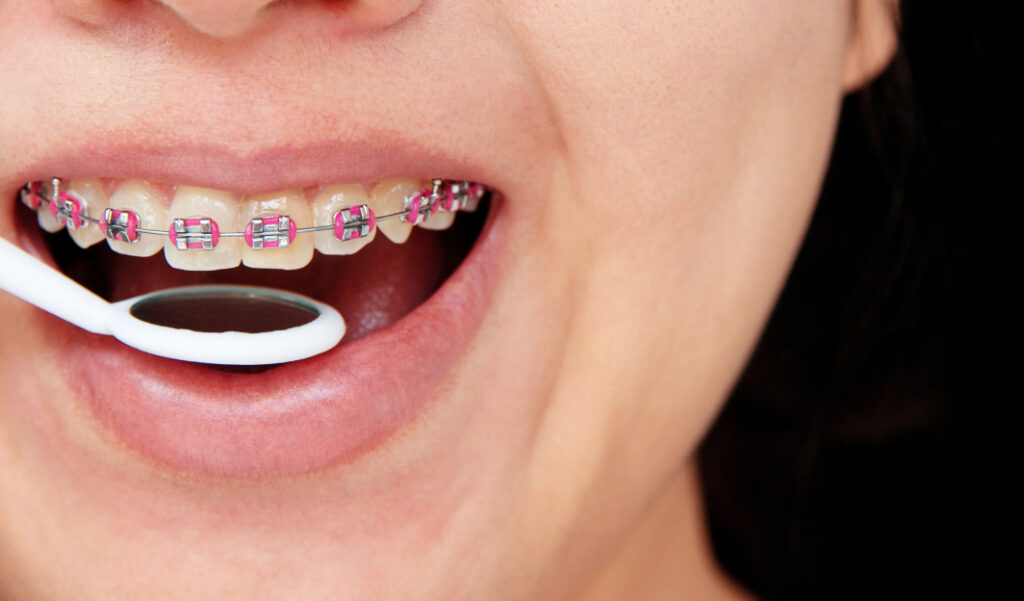
Metal braces have long been one of the most effective and predictable methods for correcting malocclusion. Modern systems can successfully address both minor and complex orthodontic issues, helping patients achieve a beautiful and healthy smile.
At Dynasty Stomatology, we take a comprehensive approach to orthodontic treatment. Our specialists focus on accurate diagnosis, individualized planning, and patient comfort at every stage of treatment. Using modern technology and a personalized approach, we achieve consistent results and create smiles that patients will enjoy for years to come.
FAQs about Orthodontic Treatment and Straightening Your Smile
-
Your first appointment is all about getting to know your smile and understanding your treatment options. The orthodontist will examine your teeth and bite, discuss any concerns you have, and explain the most suitable treatment approaches. If needed, additional diagnostic records such as photos and scans may be recommended to create a personalized treatment plan.
-
The number of appointments depends on the complexity of your case and the type of braces used. Most patients visit their orthodontist every 4–8 weeks for adjustments and progress checks. During your consultation, you’ll receive a clearer estimate of how often you’ll need to attend appointments throughout treatment.
-
Yes. Regular dental check-ups remain important while wearing braces. Your dentist will monitor your oral health, check for cavities or gum issues, and help ensure your teeth stay healthy throughout the orthodontic process. Orthodontic care and routine dental care work best when combined.
-
Before braces are placed, a detailed assessment is usually carried out. This may include photographs, digital scans, X-rays, and bite analysis. These records allow the orthodontist to carefully plan your treatment and predict the expected results before the braces are fitted.
-
The cost of treatment varies depending on the type of braces, the complexity of the case, and the length of treatment. In most cases, treatment with metal braces starts from around 3 500 PLN per arch, while more advanced systems may cost more. A personalized quote can only be provided after an examination and treatment planning.
-
Yes, orthodontic treatment is considered very safe when planned and supervised by a qualified orthodontist. Modern braces are designed to move teeth gradually and predictably while protecting the health of the teeth and supporting tissues. Regular check-ups help ensure treatment progresses safely and effectively.
-
Metal braces are typically one of the most affordable orthodontic options available. In many cases, they cost less than ceramic braces or clear aligner systems while providing excellent results, especially for more complex orthodontic concerns. This is one reason they remain a popular choice for both teenagers and adults.
-
Several factors can affect the final cost of treatment. These include the complexity of tooth movement, the type of braces selected, the estimated treatment duration, and whether additional diagnostics are required. The orthodontist’s experience and the technologies used during treatment may also influence the overall cost.
Ready to Start Your Smile Transformation?
Every great smile starts with a professional assessment and a treatment plan tailored to your needs. At Dynasty Stomatology, our experienced orthodontic team uses advanced diagnostic technology and a personalized approach to help patients achieve healthy, confident smiles.