






You probably brush your teeth every day. In the morning, automatically, and sometimes with effort in the evening. But to be honest, there’s one step that most people either skip or do “just for show.” It’s flossing.
At first glance, it might seem like flossing is unnecessary if your toothbrush does the job. But it only cleans a portion of the surface. Bacteria, food particles, and plaque remain where the bristles simply can’t reach.
And that’s where the worst part begins. First, mild gum inflammation. Then, bleeding. And then, full-blown problems that require treatment, time, and money. This can be prevented by learning proper flossing technique
In this article, we’ll explore how to floss properly, what mistakes almost everyone makes, and how to make this process simple, fast, and truly beneficial.
The Importance of Flossing
Flossing is part of a proper oral hygiene routine. Skipping this step allows bacteria to remain and damage teeth and gums.
Many people think that simply brushing their teeth is enough, but this is a mistake. The importance of flossing lies in the fact that it cleans areas that a toothbrush can’t reach.
After eating, food particles remain stuck between your teeth. They turn into plaque, which irritates gum and destroys enamel. Without proper cleaning between teeth, plaque hardens. In this case, professional dental care is required. Floss helps remove plaque and food particles from between teeth.
The main goal is to prevent gum inflammation. When plaque accumulates near the gum line, inflammation occurs. This can develop into gum disease.
Brushing and flossing work together. When you brush your teeth, the surfaces are cleaned. But only floss can clean the spaces between two teeth. This is the foundation of good dental hygiene. It’s best to start with flossing first to prepare your teeth for brushing.
Poor hygiene affects more than just your teeth. Oral health is linked to overall health. Proper flossing helps reduce inflammation and maintain health.
To understand how to floss your teeth properly, you need to learn the technique. If you want to learn how to floss, it’s important to follow the correct sequence. We will discuss this in more detail below.
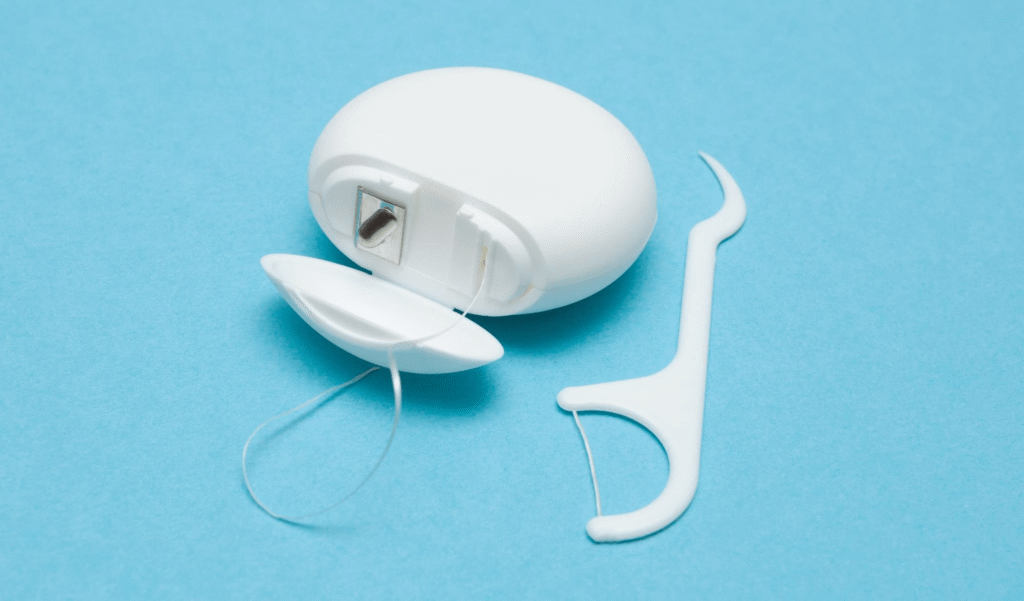
A Step-by-step Guide to Mastering the Art of Flossing
To understand how to floss your teeth properly, you need to learn the technique and follow the sequence of actions. The process itself takes only a few minutes, but with the right approach, it produces noticeable results within a few days.
Step One: Choosing the Right Floss
Start by choosing the right type of floss. There are several types of dental floss available today, including traditional floss and wider dental tape.
If you have tight contact between your teeth, waxed floss is better — it glides more easily. If there’s more space, you can use unwaxed floss. Ultimately, the choice depends on the gaps between your teeth and your personal comfort level.
Step Two: Use the Right Amount of Floss
Many people use too short a piece of floss — this is a mistake. Use about 18 inches of floss. This length is long enough to clean each tooth without transferring bacteria from one area to another.
Step Three: Hold the Floss Properly
Take a piece of floss and wind most of it around your middle fingers. Leave a small working area and gently hold the floss. The thread should be taut enough to control the movement, but not too tight — it’s important not to floss too tightly to the point of discomfort.
Step Four: Guide the Floss Between Teeth
Gently guide the floss between your teeth. Do this slowly and with control. The main rule is never snap the floss. Instead, gently slide the floss between two teeth. This protects your gums from injury.
Step Five: Curve Around Each Tooth
Once the floss is between your teeth, you need to properly floss the surface. Gently floss around each tooth using a basic flossing technique. Gently curve the floss into a C-shape around each tooth. This helps clean below the gumline more effectively and clean the teeth and under the gumline.
Step Six: Use a Fresh Section for Each Tooth
Move to a clean section of floss after each tooth. It’s important to use a clean section of floss to avoid transferring plaque and bacteria.
Step Seven: Don’t Forget the Back Teeth
Many people stop at the front teeth, but that’s a mistake. Be sure to clean the back teeth, including the very last molars. This is where food particles most often accumulate, going unnoticed and causing problems over time.
What Should I Use to Clean Between my Teeth?
Dental floss isn’t a one-size-fits-all option. There are several types, and the choice affects comfort and results. If the wrong type of floss is used, it may break, get stuck, or be less effective.
Nylon floss
This is the classic option — regular floss, which consists of several thin fibers. It’s suitable for most people and is affordable. However, this type can peel, especially if the spaces between teeth are narrow.
PTFE floss
A more modern option is smooth floss that glides easily between teeth. It doesn’t tear or get stuck, even if teeth are very closely spaced. It’s easy to use and makes the process more comfortable, especially for beginners.
Common Flossing Mistakes to Avoid
Even if you floss regularly, that doesn’t mean you’re doing it right. In practice, most people make the same mistakes — simply because no one ever explained how.
As a result, flossing either doesn’t work or even injures your gums. And then you start to feel like there’s no point in flossing.
To avoid this, it’s important to know the typical mistakes and understand how to correct them. Below are the most common ones.
1. Overlooking Hard-to-Reach Teeth
One of the most common mistakes is ignoring the back teeth and narrow spaces between them. These are the areas where bacteria and food debris most often accumulate. Regularly overlooking them increases the risk of gum disease and cavities.
2. Using Insufficient Floss
Many people use too short a piece of floss, which results in the same area being flossed multiple times. It’s important to use enough inches of dental floss to ensure each tooth has a clean area. This helps prevent the transfer of bacteria and ensures truly effective flossing.
3. Flossing Too Aggressively
Harsh movements can injure your gums. If you’re used to pushing the floss abruptly, you risk damaging the soft tissue.
Never snap the floss. Always use a gentle approach and control your movements. The floss should glide, not cut into the gums.
4. Inconsistent Flossing Habits
Even the perfect technique won’t produce results without consistency. If you miss days, plaque quickly builds up again.
Daily flossing is important. Ideally, floss once a day to maintain healthy gums.
5. Ignoring Proper Technique
Many people floss perfunctorily, without paying attention to technique. As a result, only a portion of the surface gets cleaned.
To achieve results, you need to learn how to floss correctly and adhere to the proper flossing technique. Only then will the floss truly work, rather than create the illusion of grooming.

Final Thoughts
If you want properly floss your teeth, it’s important not just to floss occasionally, but to build a system. Technique and consistency are two key factors that produce results.
Once you understand how to floss your teeth, practice it. Over time, it becomes a habit, just like brushing your teeth. If you delve deeper into the process and learn how to floss properly, you’ll notice a difference: your gums will stop bleeding, and the feeling of cleanliness will become more pronounced.
It’s important to remember that flossing doesn’t replace brushing. It’s not an alternative, but a complement. Only together do they create a complete care routine and cover all areas where bacteria accumulate.
At Dynasty Stomatology, we always strive to explain to patients how to properly care for their teeth in their daily lives. If you have any questions — for example, about technique or floss selection — we’ll demonstrate and explain everything in detail during your appointment.
FAQs about Proper Flossing and Oral Health
-
In fact, both options are acceptable, but many experts believe it’s better to floss first. This helps remove plaque and allows the toothpaste to better penetrate the surface of the teeth, making your daily flossing routine more effective. Ultimately, it’s one of the best ways to floss your teeth to maintain oral health.
-
Yes, it’s important for children to clean between their teeth, too, especially when their teeth begin to touch. Parents should help their children learn to floss properly from an early age. This is an important part of developing good habits and the foundation of dental health. Even for just one tooth, removing plaque is important to prevent future problems.
-
Flossing is a key part of maintaining healthy teeth. Ideally, floss daily, at least once a day. If this isn’t possible, try to use floss at least regularly to prevent plaque buildup. Consistency is more important than perfect technique in the early stages.
-
Bleeding gums are a common sign of inflamed gums, not a reason to stop flossing. It’s important to continue flossing gently to remove plaque between them. Over time, with proper technique, gum health will improve. The key is to floss tightly and not too forcefully.
-
Yes, you may experience some mild discomfort at first is normal. This is especially true if you’ve previously been able to forget to floss and are just starting out. Gradually, your gums will adapt, and the process will become more comfortable. It’s important to give time for the floss to work and not give up halfway through.
-
Yes, if you floss abruptly or incorrectly, you can injure your gums. For example, trying to floss into your gums too forcefully can cause irritation. It’s better to gently glide the floss with controlled movements. Proper technique is the foundation of safe and effective care.
-
It all depends on the anatomy of your teeth. For narrow gaps between teeth, dental floss is best, as it penetrates deeper. For wider spaces, interdental cleaning brushes may be suitable. It’s important to choose a tool that allows flossing effectively and ensures thorough cleaning.
Do You Want to Be Sure that You Are Taking Care of Your Teeth Properly?
Sometimes even simple things like dental floss raise questions, which one to choose, how to avoid damaging your gums, why does it bleed? And this is completely normal — it’s rarely taught, and technique really does make a difference.
At Dynasty Stomatology, we explain everything in detail during consultations: we demonstrate the technique, select the right products, and explain how to tailor your care specifically to your teeth and gums. No complicated terms, just clear recommendations that are easy to use every day.











