
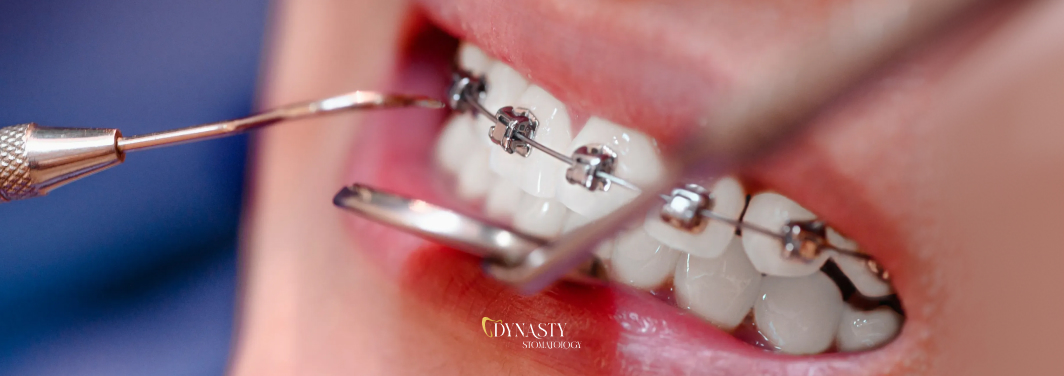
If you’re thinking about straightening your teeth, you’ve likely encountered dozens of different brace options. Metal, ceramic, sapphire, lingual — figuring it all out can be challenging, especially when you want to find a solution that’s not only effective but also as comfortable as possible in your daily life.
In recent years, more and more patients have been choosing self-ligating braces. They’re often touted as a more modern alternative to traditional braces. Manufacturers promise less discomfort, easier maintenance, and fewer orthodontic visits. But is this really true?
In this article, we’ll explore how self-ligating braces work, the different types available, their advantages and disadvantages, and determine who this treatment option is best for.
What Are Self-Ligating Braces?
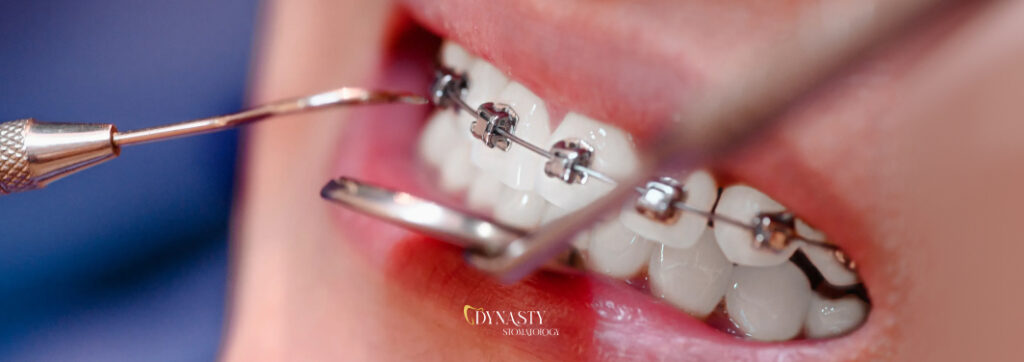
Self-ligating braces are a modern orthodontic appliance used to correct the position of teeth and bite.
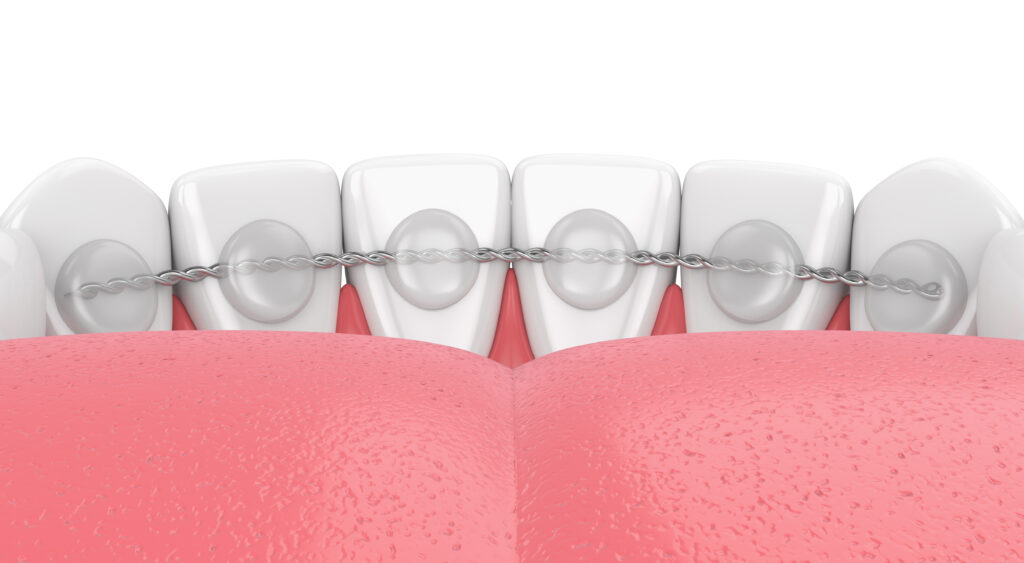
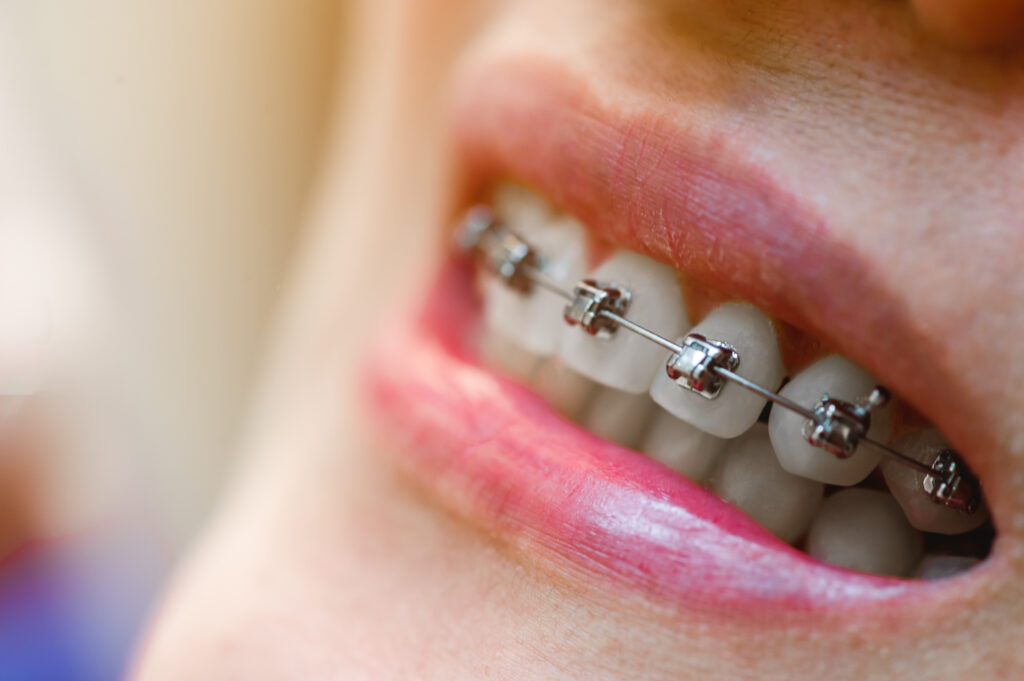
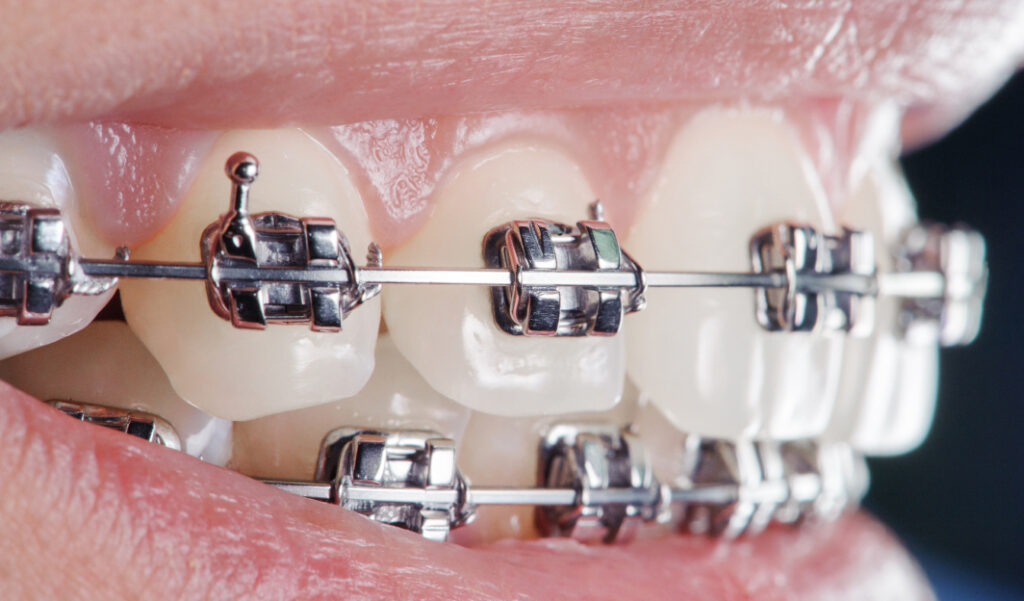
Unlike traditional systems that use elastic bands or metal ligatures, self-ligating braces use a built-in archwire retention mechanism. Each bracket contains a special clip or sliding door that keeps the wire in position. This design eliminates the need for elastic ties and creates a more efficient system for tooth movement.
Types of Self-Ligating Braces
There are several types of self-ligating braces available today. The most common distinction is between active and passive systems.
Active self-ligating braces feature a spring-loaded clip that presses gently against the archwire. This creates greater control over tooth movement and may be beneficial during certain stages of treatment. The clip actively interacts with the wire, allowing the orthodontist to make precise adjustments throughout treatment.
Passive self-ligating braces use a sliding mechanism that does not press against the wire. Instead, the wire moves more freely inside the bracket slot. Because of the reduced resistance, many orthodontists choose passive systems for patients who require extensive tooth movement.
How Do Self-Ligating Braces Work?
Traditional systems use elastic bands to hold the archwire in place. Over time, these elastics create friction and may lose their effectiveness. In contrast, self-ligating systems secure the archwire in place using a built-in clip.
One reason many orthodontists recommend them is how self-ligating brackets reduce friction. Lower friction allows teeth to move more smoothly through the bone while minimizing unnecessary pressure.
The principle behind modern self-ligating technology is simple. The wire applies gentle force, while the bracket mechanism allows efficient movement with fewer restrictions. As a result, self-ligating braces are designed to promote controlled and predictable tooth alignment.
Modern self-ligating systems can address many orthodontic concerns, including crowding, spacing, bite irregularities, and rotational issues.
Self-ligating Braces vs. Traditional Braces
When comparing self-ligating braces vs traditional braces, several important differences become apparent.
Elastic Ties
- Traditional Braces — Use elastic or metal ties to hold the wire in place.
- Self-Ligating Braces — Use a built-in clip or sliding mechanism, eliminating the need for ties.
Friction
- Traditional Braces — Higher friction between wire and bracket, which may increase pressure and discomfort.
- Self-Ligating Braces — Lower friction and smoother tooth movement.
Appointment Frequency
- Traditional systems require more adjustments because elastics must be replaced regularly.
- Patients receiving treatment with self-ligating braces often need fewer adjustment visits.
Ease of Cleaning
- Elastic ties can trap food particles and plaque.
- Because self-ligating braces maintenance is generally simpler, patients often find daily oral hygiene easier.
Appearance
- Traditional metal braces are usually more noticeable.
- Many self-ligating braces offer aesthetic options such as ceramic or tooth-colored brackets.
Benefits of Self-ligating Braces
The main benefits of self-ligating braces include improved comfort, easier cleaning, and fewer office visits. Their innovative design eliminates the need for elastic ties, allowing the teeth to move more efficiently throughout treatment.
Shorter Orthodontist Visits
Because there are no elastic ties to replace, appointments are usually shorter. The orthodontist can open and close the brackets more quickly, making routine adjustments less time-consuming. This can be especially beneficial for patients with busy schedules who want to minimize time spent in the dental chair.
Fewer Office Visits
Many patients appreciate that self-ligating braces typically require fewer adjustment appointments compared to traditional systems. Since the brackets allow the archwire to move more freely, tooth movement can progress efficiently between visits. As a result, follow-up appointments are often scheduled farther apart.
More Comfort
Many people report that self-ligating braces feel more comfortable than traditional braces, especially during the early stages of treatment. The reduced friction between the wire and bracket may create gentler forces on the teeth. This can help patients adapt to their braces more easily after adjustments.
Better Aesthetics
Options such as ceramic self-ligating braces provide a discreet appearance that appeals to adults and professionals. The brackets blend more naturally with the color of the teeth, making them less noticeable during everyday interactions. This allows patients to improve their smile with greater confidence throughout treatment.
Easier Cleaning
Without elastic ties, brushing and flossing are often easier. Food particles and plaque have fewer places to accumulate around the brackets, which can help support better oral hygiene. Maintaining healthy teeth and gums during orthodontic treatment is often less challenging with this design.
Less Discomfort
Because tooth movement occurs with lower friction, braces may produce less pressure after adjustments. While some soreness is still normal, many patients describe the experience as more manageable compared to traditional systems. This can make the overall treatment journey more comfortable.
Effective Treatment for Crowding
Many orthodontists recommend self-ligating braces for crowded teeth because they can create space efficiently while maintaining patient comfort. The system allows teeth to move gradually into better positions without relying heavily on additional pressure. In many cases, this approach can help achieve excellent alignment while preserving a comfortable treatment experience.
Self-Ligating Braces Disadvantages
Although these systems offer many advantages, they also have limitations. One important consideration is cost. In many regions, braces are more expensive when self-ligating technology is used.
A self-ligating braces cost comparison often shows that they are slightly more expensive than traditional braces due to their specialized design.
Patients should also remember that treatment success depends on proper oral hygiene and compliance. Even the most advanced brackets cannot compensate for poor care.
Is Treatment with Self-ligating Braces Faster or More Effective?
A common question concerns self-ligating braces treatment time. Research suggests that overall treatment duration depends primarily on case complexity rather than on bracket type alone. While some studies show efficiency improvements, results vary.
Therefore, whether self-ligating braces are faster depends on individual circumstances. An experienced orthodontist will evaluate your bite, tooth alignment, and treatment goals to determine whether self-ligating braces may offer advantages in your specific case.
For some patients, self-ligating braces can help reduce the frequency of appointments and improve comfort. However, they do not guarantee a dramatically shorter treatment.
Who Are the Best Candidates for Self-Ligating Braces?
The best candidates for self-ligating braces include:
- Patients with mild to severe crowding.
- Teenagers seeking efficient orthodontic care.
- Adults interested in discreet treatment options.
- Individuals with busy schedules who prefer fewer office visits.
In particular, self-ligating braces for adults have become increasingly popular because they combine aesthetics and convenience. During your consultation, the orthodontist will determine if self-ligating braces are appropriate for your needs.
Are There Any Risks or Precautions?
Like any orthodontic appliance, self-ligating braces require proper care. Patients should:
- Maintain excellent oral hygiene.
- Attend scheduled appointments.
- Follow dietary recommendations.
- Wear retainers after treatment.
Although self-ligating braces may offer advantages, successful results still depend on patient cooperation.
Cost of Self-ligating Braces
The cost of self-ligating braces varies depending on the complexity of treatment, clinic location, and bracket material. In general, patients can expect self-ligating systems to cost between 4 000 PLN and 6 000 PLN per arch, although prices may vary across clinics and treatment plans.
Several factors influence the final cost of treatment:
- Treatment duration.
- Type of brackets selected.
- Additional diagnostic procedures.
- Retention phase after treatment.
Diagnostic records, including X-rays, digital scans, and treatment planning, may also affect the overall investment. Because every smile is unique, the most accurate estimate can only be provided after a consultation and comprehensive orthodontic evaluation.
Conclusion
Modern orthodontics continues to evolve, and self-ligating braces are a modern alternative for patients seeking efficient and comfortable treatment. They provide several advantages over traditional braces, including reduced friction, easier cleaning, and fewer office visits.
At Dynasty Stomatology, we provide orthodontic care for both adults and children. Our team focuses on creating personalized treatment plans based on each patient’s age, dental development, and smile goals. By combining advanced technology with an individual approach, we help patients achieve healthy, functional, and confident smiles.
A thorough evaluation will help determine whether self-ligating braces are appropriate and whether braces are the right choice for achieving a healthier, straighter smile.
FAQ
-
Patients with crowded teeth, spacing issues, or bite problems are often good candidates for treatment. If you are considering getting braces, a consultation is the best way to find out if self-ligating braces are the right solution for your smile. These systems are suitable for both teenagers and adults who want effective treatment with added convenience.
-
Modern self-ligating metal braces and aesthetic options can effectively treat many orthodontic concerns, from mild crowding to more complex alignment issues. When patients compare treatment results, many notice impressive improvements in self-ligating braces before and after photos. Success depends not only on the appliance itself but also on proper treatment planning and patient cooperation.
-
Treatment time varies based on the complexity of the case and individual tooth movement. Some patients begin noticing changes within a few months, while complete treatment may take one to three years. Systems such as Damon braces are designed to support efficient tooth movement, but every smile responds differently.
-
One reason many patients choose braces with self-ligating technology is the reduced number of adjustment visits. In most cases, appointments are scheduled every 8 to 12 weeks, although this may vary depending on treatment progress. Your orthodontist will monitor tooth movement and make adjustments when necessary.
-
Unlike traditional braces that rely on elastic ties, metal self-ligating systems use a built-in mechanism to secure the wire. Because of this design, they do not require the same type of tightening that conventional braces do. Adjustments are still necessary, but they are typically focused on changing or activating the archwire rather than replacing elastics.
-
Most patients experience mild pressure during the first few days after placement or adjustment. However, many people find self-ligating metal systems more comfortable because they create less friction between the bracket and wire. Some temporary soreness is normal, but it usually fades quickly as the mouth adapts.
-
Many patients want to understand how these systems differ from traditional braces before starting treatment. The main differences between self-ligating and conventional systems involve the way the wire is secured, the level of friction, and maintenance requirements. When orthodontists compare traditional braces to self-ligating systems, the latter are often praised for convenience and comfort.